Street furniture plays a crucial role in urban landscapes. It includes benches, waste bins, bike racks, and signs. According to a report by the Urban Furniture Research Institute, over 70% of urban dwellers believe that well-designed street furniture enhances their city experience. This highlights the importance of aesthetics and functionality in public spaces.
Expert in urban design, Dr. Amelia Johnson, states, "Effective street furniture can transform an ordinary street into a vibrant community hub.” Her insight reflects the increasing recognition of how these elements foster social interaction and community engagement. However, the placement and design of street furniture often face challenges. Many cities overlook the needs of diverse user groups, leading to ineffective solutions.
Therefore, cities must continuously reassess their street furniture strategies. Engaging with community feedback is essential. Addressing the shortcomings in design and placement can create inclusive urban spaces. The impact of street furniture extends beyond functionality. It shapes the identity of neighborhoods, influencing how residents and visitors perceive a city. Emphasizing design can enhance user experience, making it a pivotal aspect of urban planning.
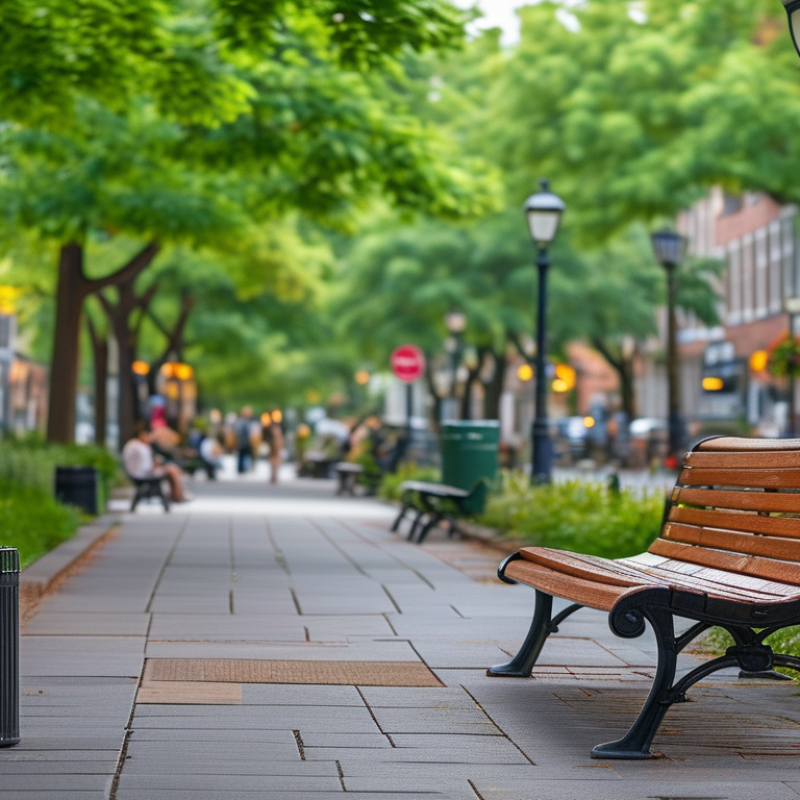
Definition of Street Furniture: Understanding Its Components
Street furniture plays a crucial role in enhancing urban environments. This term encompasses a variety of elements, including benches, streetlights, trash bins, and signage. Each piece contributes to the city’s functionality and aesthetics. Research from the Urban Land Institute shows that well-designed street furniture can increase pedestrian traffic by up to 20%. People gravitate towards environments that feel welcoming and accessible.
The components of street furniture incorporate both design and utility. Benches provide rest for tired walkers, while effective lighting ensures safety during nighttime. Trash bins promote cleanliness, and thoughtful signage aids navigation. However, not all cities manage these components successfully. In many areas, neglected furniture detracts from the urban experience. A study by the National Association of City Transportation Officials indicated that poor maintenance can lead to a 15% decrease in public space usage.
Furthermore, the balance of functionality and beauty remains a topic of debate. While some designs seek to be innovative, they may neglect usability. For instance, benches without armrests may look modern but can be uncomfortable for longer durations. Ultimately, the effectiveness of street furniture hinges on thoughtful design and ongoing maintenance. Each component should enhance the overall experience of the urban landscape.
Importance of Street Furniture in Urban Design and City Planning
Street furniture plays a crucial role in urban design and city planning. It includes benches, bus stops, trash bins, and lighting. According to the Urban Land Institute, effective street furniture improves public spaces and encourages community interaction. This interaction can increase foot traffic by up to 20%.
Well-placed benches not only provide rest but also enhance social engagement. Studies show that cities with inviting seating areas experience 30% more social activities. However, it is essential to maintain these public amenities, as neglect can lead to decay. Broken or dirty furniture detracts from the urban experience.
Street furniture should be inclusive and cater to diverse populations. Accessible designs help everyone, including people with disabilities. The American Planning Association emphasizes the need for community input in the design process. This ensures that the furniture meets the actual needs of users. Yet, many cities often overlook this aspect, leading to challenges. A balance between aesthetics and functionality is vital for successful urban environments.
Impact of Street Furniture on Community Interaction and Social Behavior
Street furniture plays a pivotal role in urban settings. Items like benches, bus stops, and bike racks contribute to the overall experience of public spaces. According to the Urban Land Institute, well-designed street furniture can increase dwell time by up to 30%. This interaction introduces opportunities for community bonding and social exchanges.
Effective street design encourages people to linger. For instance, placing seating areas in high-traffic locations can foster spontaneous conversations. A study by the American Planning Association found that inclusive spaces led to a 20% increase in social interactions. However, not all furniture designs succeed in this goal. Poor placement or lack of maintenance can create barriers instead of fostering connections.
Tips: Consider the materials used for street furniture. Durable, weather-resistant options are best for varied climates. Regular maintenance ensures that amenities meet community needs. Also, involve local residents in the design process to enhance relevance. Engaging with the community allows for a reflective approach to urban planning.
Sustainability and Maintenance of Street Furniture in Urban Environments
Street furniture plays a pivotal role in urban environments. It enhances public spaces while promoting sustainability. However, its maintenance is often overlooked. Inspecting benches, waste bins, and light poles regularly ensures they remain functional and inviting. Neglect can lead to deterioration, negatively affecting the landscape and user experience.
Cities should adopt eco-friendly materials. This choice ensures longevity and reduces environmental impact. Options include recycled plastics or sustainably sourced wood. Incorporating greenery, like tree benches, promotes biodiversity and enhances air quality.
Tips:
Design should be user-centric. Understand the community needs before placement. Gathering feedback helps improve functionality. Regular workshops can engage residents in the upkeep of street furniture. This shared responsibility promotes pride and ownership in public spaces.
What is Street Furniture and Why Does It Matter for Cities?
| Item |
Purpose |
Materials Used |
Sustainability Features |
| Benches |
Seating for public use |
Wood, Recycled Plastic, Metal |
Use of sustainably sourced materials, Recyclable components |
| Trash Bins |
Waste disposal |
Plastic, Metal |
Compostable liners, Recycled metals used |
| Bike Racks |
Secure bicycle parking |
Metal |
Durable, recyclable materials |
| Planters |
Green space and beautification |
Wood, Concrete |
Use of sustainable materials, Natural irrigation systems |
| Light Posts |
Public lighting for safety |
Aluminum, LED fixtures |
Energy-efficient lighting, recyclable metals |
Innovative Trends in Street Furniture to Enhance City Aesthetics and Functionality
Innovative street furniture transforms urban spaces into inviting and functional environments. According to the Global Street Furniture Market report, this sector is projected to reach USD 3 billion by 2026, emphasizing its growing importance. Cities are increasingly focusing on aesthetics alongside functionality. This shift includes benches, trash bins, bike racks, and lighting that blend into the urban landscape.
Recent trends highlight multifunctional designs. For example, seating areas may incorporate planters. This not only enhances beauty but also improves air quality. Data from the American Society of Landscape Architects shows that 69% of people prioritize seating in public spaces. Yet, some designs fall short—they lack comfort or accessibility, leaving room for improvement.
Sustainability is becoming a vital consideration. Reports reveal that 34% of consumers prefer eco-friendly street furniture. Using recycled materials can reduce costs and support environmental efforts. However, implementation can be inconsistent and often disregarded in budget discussions. This creates a gap between innovative ideas and their execution in real-world applications. Urban planners need to address these challenges to realize the full potential of street furniture in cities.
FAQS
: Street furniture includes elements like benches, streetlights, and trash bins. They enhance urban environments.
It improves public spaces and encourages community interaction, increasing foot traffic by up to 20%.
Poor maintenance can lead to decay, reducing public space usage by 15%. Regular inspections are essential.
Designs should be user-centric and cater to diverse needs, including accessibility for people with disabilities.
Using eco-friendly materials, like recycled plastics or sustainably sourced wood, enhances longevity and reduces environmental impact.
Well-placed benches encourage social activities, leading to a 30% increase in community interactions.
Gathering feedback ensures the furniture meets actual needs, but it's often overlooked, causing challenges.
Yes, designs that prioritize aesthetics may sacrifice usability, like benches without armrests.
Regular workshops can engage residents, fostering a sense of pride and responsibility for public spaces.
Yes, balancing aesthetics and functionality is crucial for creating welcoming and effective urban environments.
Conclusion
Street furniture refers to the various objects and structures placed on streets and in public spaces to enhance the urban environment. This includes benches, streetlights, trash bins, and bike racks, all of which play crucial roles in urban design and city planning. Effective street furniture fosters community interaction, encourages social behavior, and contributes to the overall aesthetic and functionality of a city.
Moreover, the importance of sustainability and maintenance cannot be overlooked, as durable and environmentally friendly materials ensure that street furniture remains functional and appealing over time. Innovative trends in street furniture design are emerging, focusing on enhancing the visual appeal of urban areas while fulfilling practical needs. Through thoughtful integration and design, street furniture significantly impacts the quality of urban life and community engagement.

 KAVASS