2026 Top Bike Locker Solutions for Global Buyers?

Time:2026-07-31 Author:Charlotte
0%

In the ever-evolving landscape of urban mobility, bike lockers have emerged as vital assets for cities worldwide. Renowned bike locker expert, Dr. Emma Grey, states, “A secure bike locker not only protects bikes but also promotes cycling as a viable transport option.” This perspective underscores the significance of developing robust bike locker solutions for global buyers.

Choosing the right bike locker can be challenging. There are diverse styles and security features to consider. Urban spaces demand innovative designs that cater to various user needs. As cities increasingly prioritize sustainable transport, bike lockers play a crucial role in fostering cycling culture.

However, not all bike locker solutions are created equal. Some fail to address issues like space efficiency or accessibility. Observing existing installations can reveal surprising limits in design and function. Discerning buyers must weigh options carefully. Assessing these top bike locker solutions becomes essential for making informed decisions in 2026.
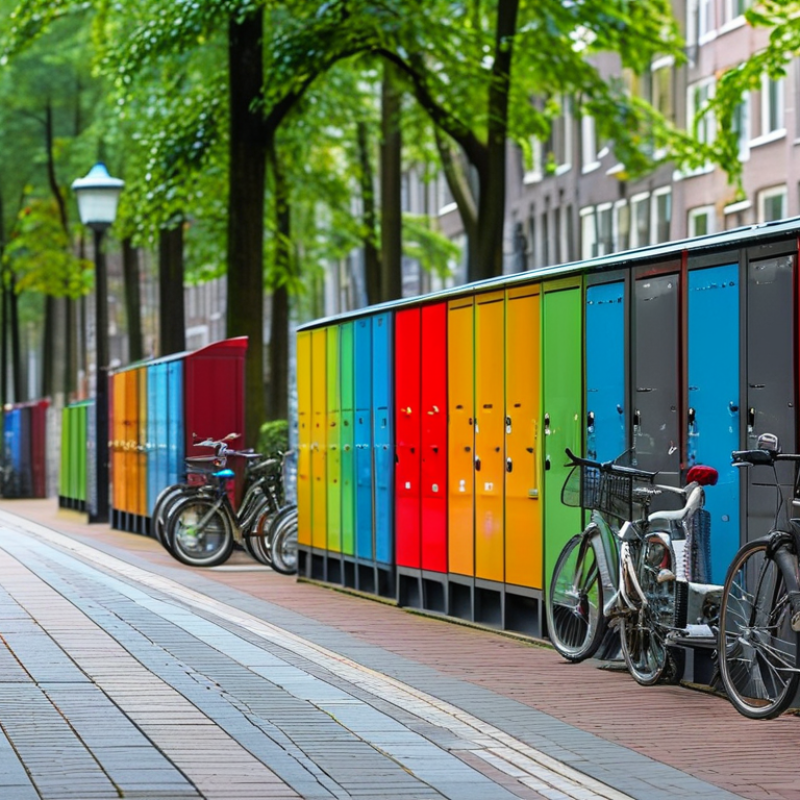
2026 Top Bike Locker Solutions for Global Buyers?

Overview of Bike Locker Solutions in 2026

In 2026, bike locker solutions are becoming essential in urban planning. As cities grow, more people choose cycling as a sustainable transport option. Bike lockers provide security and convenience for cyclists. They help reduce theft and encourage more riders to leave their bikes safely.

Current designs focus on user accessibility and environmental considerations. Modern lockers are made from recycled materials and feature weatherproof designs. They cater to different bike sizes, accommodating a wider range of users. However, challenges remain. Not all cities have the infrastructure to support widespread locker installations. Some areas lack sufficient space for bike stations.

Feedback from users often highlights the need for better location visibility. Cyclists want lockers near transit hubs and popular destinations. This demand pushes manufacturers to rethink designs and placement strategies. As bike-sharing programs grow, lockers should integrate with these systems. Collaboration between city planners and locker providers is vital. In 2026, the push for smarter, more user-friendly solutions is clear.

Key Features to Consider When Selecting Bike Lockers

When selecting bike lockers, several key features warrant close attention. Security is paramount. Look for robust locking mechanisms that deter theft. Heavy-duty materials are essential for durability. They withstand harsh weather and daily wear. Consider lockers that offer various sizes, accommodating different bike types. This adaptability caters to diverse needs in urban areas.

Accessibility is another crucial feature. Lockers should be easy to use for everyone, including children and seniors. Automated locking systems simplify access. Also, ensure the design promotes efficient space usage. A clear layout allows for a quick drop-off or pick-up.

Lastly, aesthetics matter. Bike lockers should blend into their environments. A stylish design encourages usage. Reflect on the balance between function and appearance. Sometimes, lockers can be too utilitarian; they overlook the importance of being visually appealing. Aim for a thoughtful selection that meets both practical needs and enhances local aesthetics.

Comparison of Global Manufacturers and Their Offerings

The global bike locker market is evolving, driven by urbanization and increasing bike usage. Recent reports indicate that the demand for bike lockers is set to rise by over 15% annually. Countries like the Netherlands and Denmark lead in bike-friendly initiatives, contributing to this growth. As urban centers seek to promote cycling as a sustainable mode of transport, manufacturers must adapt to local needs.

Comparing manufacturers shows a mix of advanced materials and security features. Some lockers utilize lightweight alloys, while others focus on robust, weather-resistant designs. A survey of buyers highlighted that 70% prioritize secure access, with digital locks gaining popularity. Yet, there are challenges; many users report difficulties in finding solutions that fit diverse geographic and infrastructural needs. This inconsistency suggests innovation is necessary for better usability across various regions.

Manufacturers are exploring modular designs, allowing for customizable spaces. This flexibility can adapt lockers to different environments, yet it may lead to increased costs. In interviews, several manufacturers expressed concerns about balancing affordability with quality. The industry must navigate these complexities while considering the growing demand for eco-friendly materials. The future of bike lockers looks promising, but addressing these hurdles is crucial for sustained success.

Sustainability and Innovation in Bike Locker Designs

As urban cycling continues to rise, the need for innovative bike locker solutions becomes critical. With cities striving for sustainable transportation, bike lockers are evolving. A recent report from the International Cycling Union highlighted that bike use could increase by 25% by 2026, emphasizing the demand for reliable storage.

Many designs now incorporate eco-friendly materials. For instance, options like recycled plastics and sustainable wood are gaining popularity. This shift not only reduces the carbon footprint but enhances aesthetic appeal. A study indicated that utilizing sustainable resources in bike lockers can decrease overall costs by 15% within two years. In the realm of innovation, smart lockers equipped with sensors and apps are emerging. These features allow users to check availability in real-time, promoting efficient use and reducing wait times.

Nonetheless, challenges remain. Not all municipalities prioritize bike infrastructure. Some areas still lack adequate space for bike lockers. This inconsistency can undermine efforts toward sustainability. Investments are needed in research and development to address these gaps. Industry experts argue for improved designs that fit various urban environments, making bike parking accessible to all users.

Future Trends in Bike Locker Technology and Usage

As urban areas grow, bike usage is surging. Secure bike lockers are essential for protecting bicycles from theft and damage. Modern designs incorporate materials that are both durable and lightweight, creating lockers that blend well into various environments. Increasingly, bike lockers feature smart technology. Users can access lockers via mobile apps or keyless entry, adding convenience.

Sustainability is a key focus in bike locker solutions. Manufacturers are exploring eco-friendly materials and designs. This shift responds to growing environmental concerns. Additionally, bike lockers are being integrated with urban planning initiatives, aiming to promote cycling as a primary mode of transportation.

Observing these trends helps identify the trajectory of bike locker technology.

However, not all locker solutions are perfect. Some users report difficulties with connectivity issues in smart lockers. Feedback shows that physical durability still varies among products. Knowing this can guide consumers in making informed decisions. As innovation continues, understanding both strengths and weaknesses remains crucial.

FAQS

: What are bike lockers used for?

: Bike lockers provide secure storage for bicycles, encouraging safe usage and reducing theft.

What materials are modern bike lockers made from?

Many modern lockers utilize eco-friendly materials, like recycled plastics and sustainable wood.

Why is location important for bike lockers?

Users prefer lockers near transit hubs and popular areas for convenience and visibility.

How is bike locker design evolving?

Designs are becoming more user-friendly and environmentally conscious, accommodating various bike sizes.

What challenges do cities face with bike locker installations?

Some cities lack the necessary infrastructure and space, hindering widespread locker access.

How do digital locks enhance bike locker security?

Digital locks provide secure access, making them a popular choice among users seeking safety.

What role does urbanization play in the bike locker market?

Increasing bike usage and urban growth drive demand for better bike locker solutions.

Are there customization options for bike lockers?

Manufacturers are exploring modular designs, allowing lockers to adapt to specific environments.

What is the outlook for bike lockers in urban areas?

The future looks promising, but sustained success requires addressing current challenges and needs.

How can bike lockers contribute to sustainability?

Utilizing sustainable materials in lockers reduces environmental impact and can lower costs over time.

Conclusion

The article "2026 Top Bike Locker Solutions for Global Buyers" provides a comprehensive overview of the evolving landscape of bike lockers in 2026. As urban environments increasingly prioritize sustainable transportation, bike lockers offer a secure and practical solution for cyclists. The article discusses the key features to consider when selecting bike lockers, such as security, accessibility, and design.

Additionally, it compares various global manufacturers, highlighting innovative offerings that cater to diverse needs. With a growing emphasis on sustainability, many designs incorporate eco-friendly materials and innovative technology. Finally, the article delves into future trends in bike locker technology, predicting advancements in smart solutions and integration with urban infrastructure that will enhance the overall biking experience.


Charlotte

Charlotte

Charlotte is a seasoned marketing professional with a deep understanding of the company's portfolio and a passion for elevating its presence in the market. With a keen eye for detail and a commitment to excellence, she ensures that our professional blog is regularly updated with insightful articles......