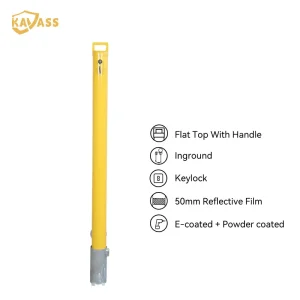
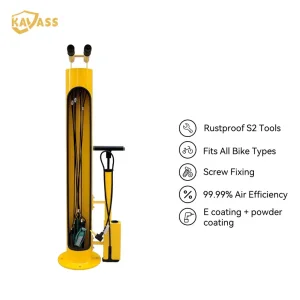
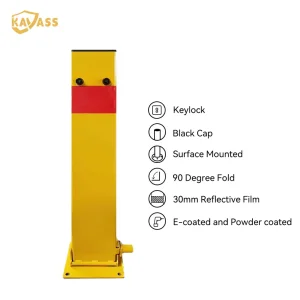
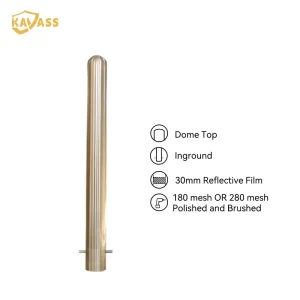
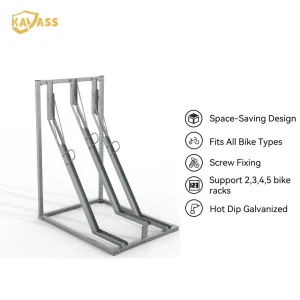
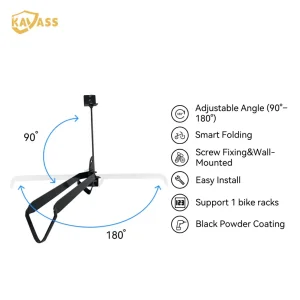
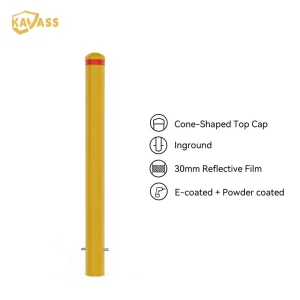
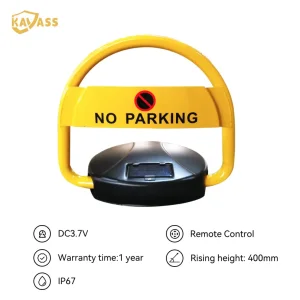
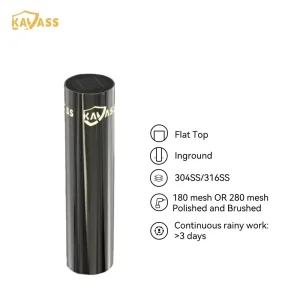
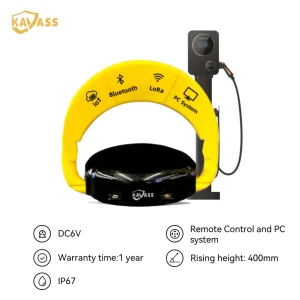
Precision engineered, high-visibility, and anti-collision barriers designed for municipal control, industrial zoning, and commercial premises.
How enterprise buyers, commercial developers, and civil architects manage risk with crash-rated hardware.
In the contemporary risk landscape, physical perimeter security has evolved from a secondary architectural consideration to a primary engineering directive. Global enterprises, logistics corridors, datacenters, and public sectors face complex security scenarios that demand robust physical mitigation strategies. Specifying and sourcing heavy-duty bollards requires balancing structural dynamics, material properties, operational needs, and long-term durability.
Industrial installations require compliance with ASTM F2656, PAS 68, or IWA 14-1 certifications. Procurement teams evaluate energy absorption capacity, seeking barriers that withstand vehicle weights up to 7,500 kg travelling at varying speeds.
Choosing carbon steel or marine-grade 316 stainless steel determines durability. Bollards are engineered to resist environmental stress, chemicals, and mechanical wear, ensuring longevity across diverse climates.
Facilities require hybrid layouts, mixing static in-ground bollards with retractable telescopic systems, fold-down units, and smart-locking configurations to balance permanent protection with flexible access control.
KAVASS Security Tech Limited is a professional manufacturer focused on traffic safety and perimeter protection solutions, with more than 18 years of industry experience. We specialize in the design, production, and supply of a wide range of products, including parking locks, bollards, bike racks, and other urban infrastructure equipment. By integrating product development, manufacturing, and after-sales support, we provide efficient one-stop solutions tailored to the needs of global clients.
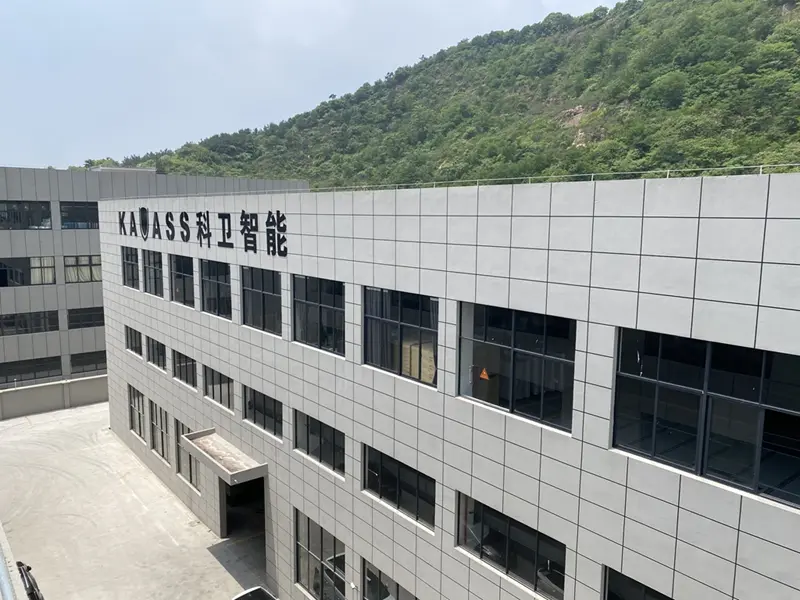
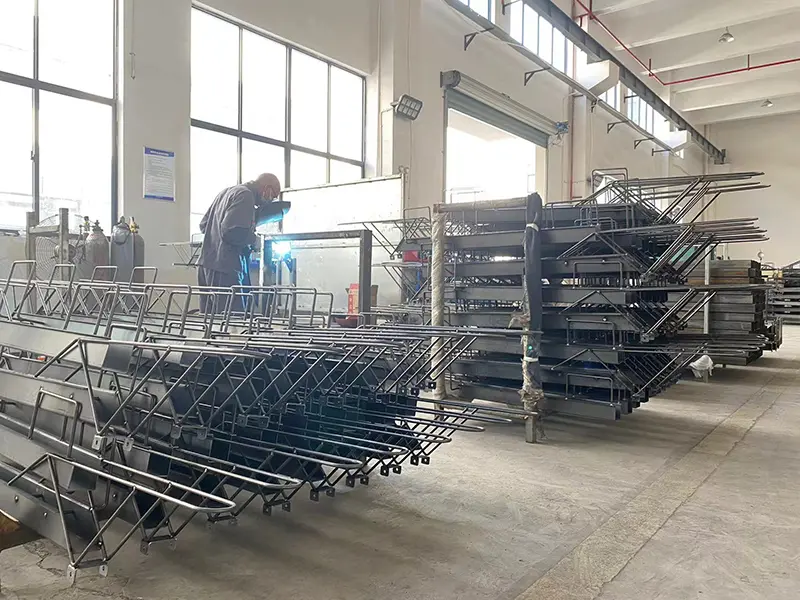
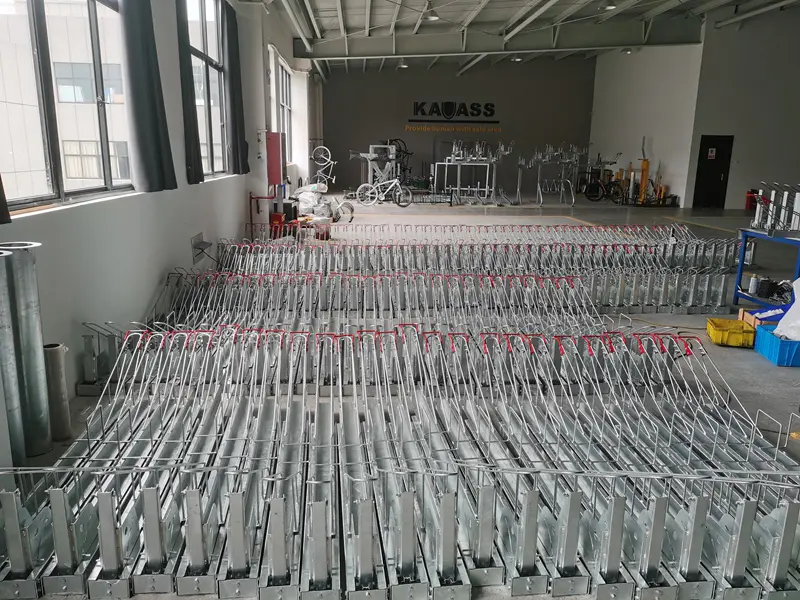
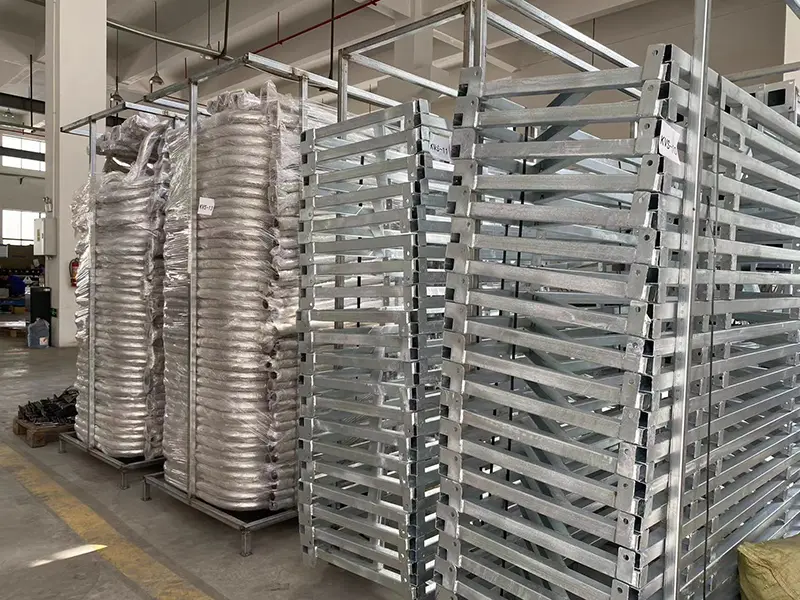
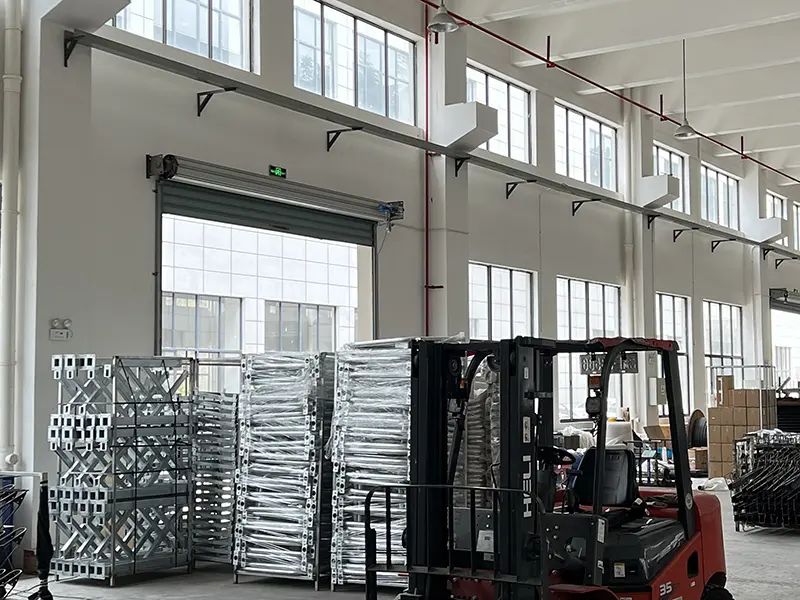
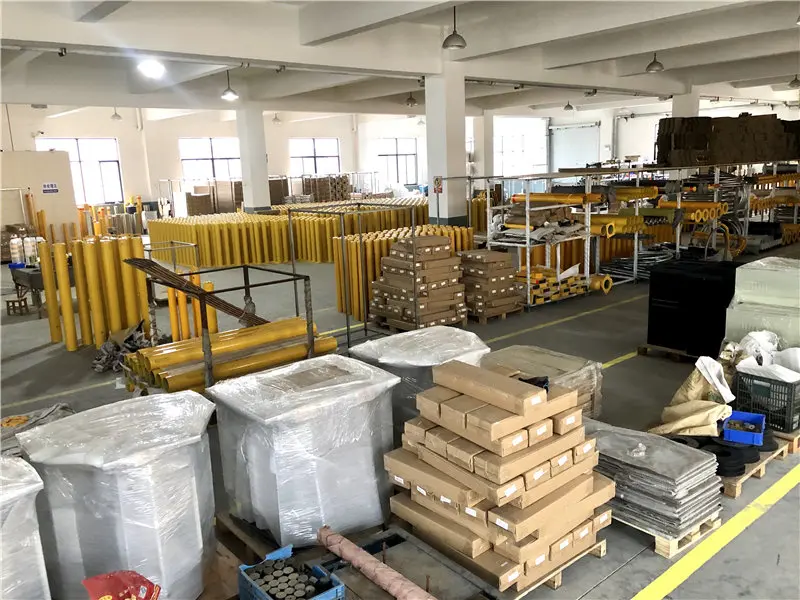
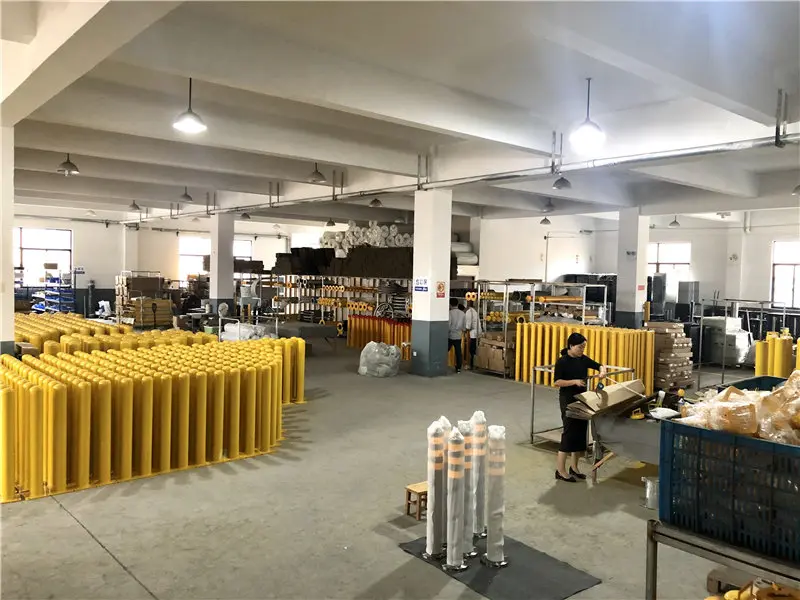
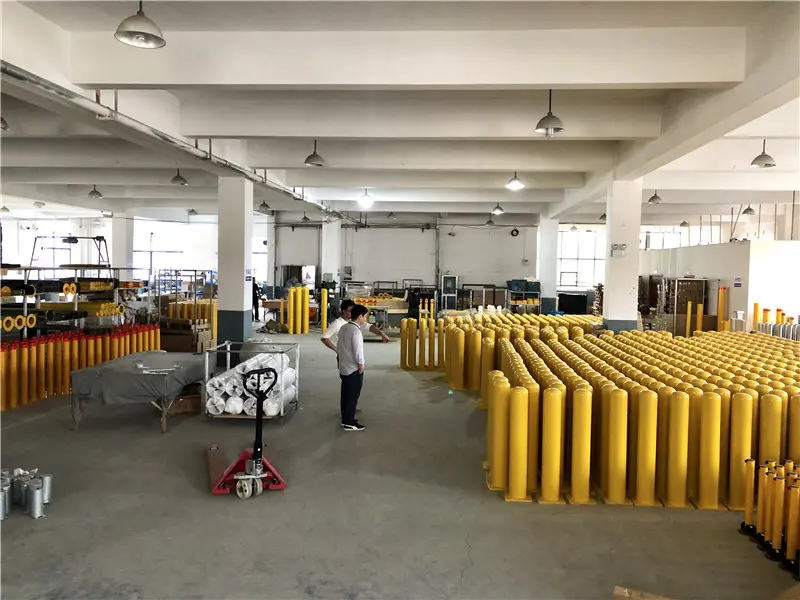
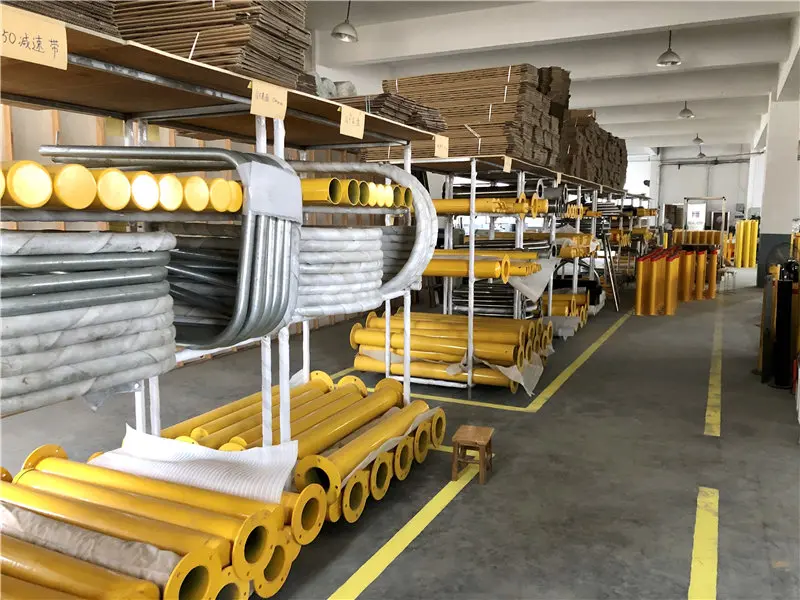
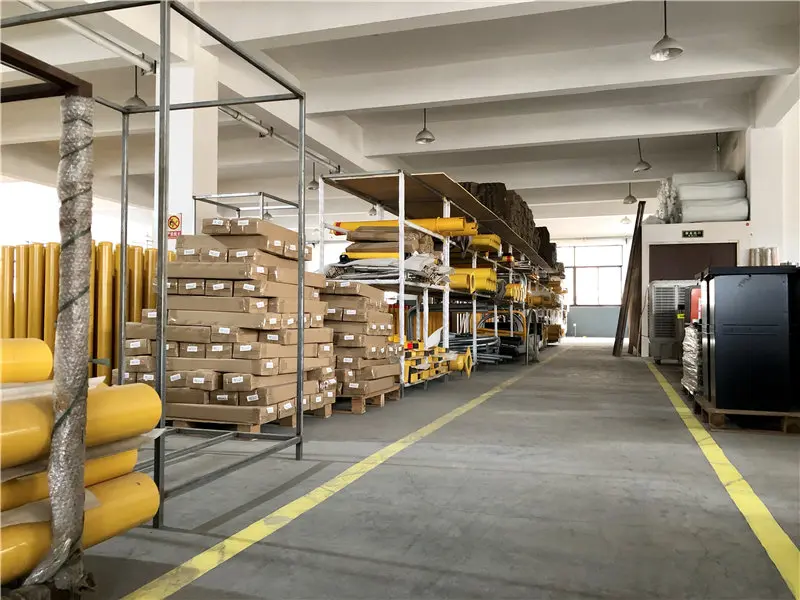
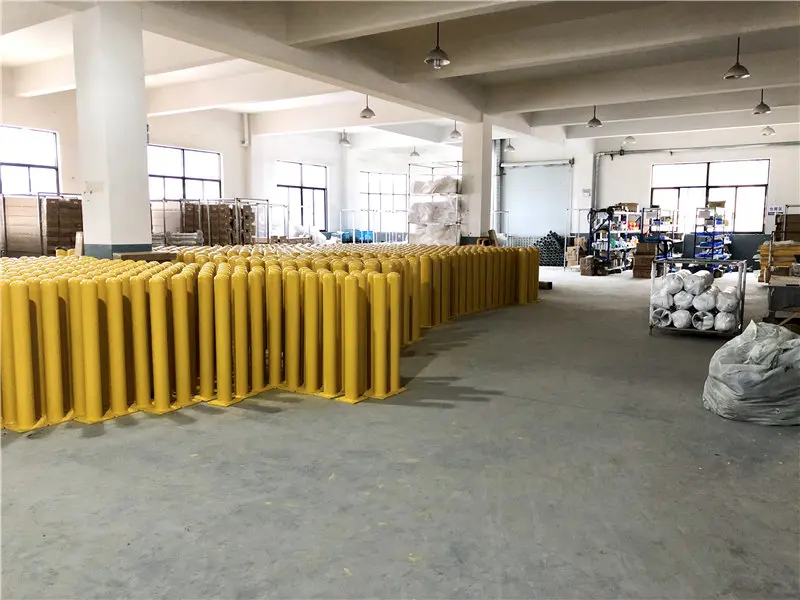
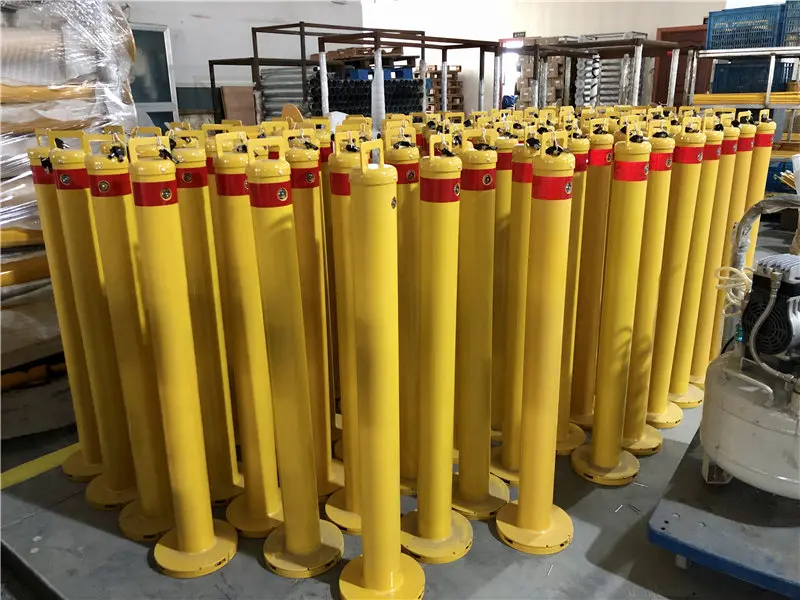
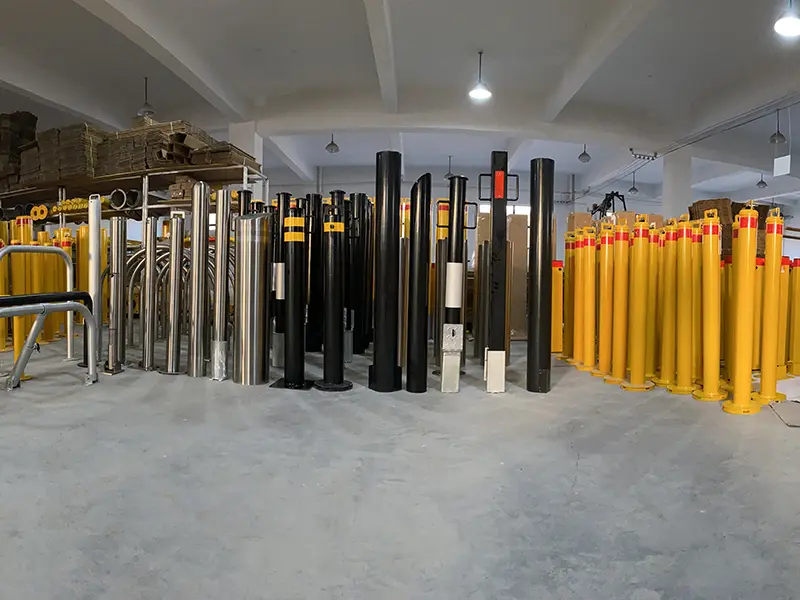
Our production base is equipped with advanced machinery and modern manufacturing processes, supported by a skilled engineering and quality control team. From raw material selection to final inspection, every step is carefully managed to ensure consistent product performance and long-term reliability. This enables us to meet the demands of various applications, from standard products to customized project requirements.
A closer look at our specialized manufacturing infrastructure, strict quality control protocols, and global export footprint.
With a strong export network, KAVASS has established long-term cooperation with customers in more than 80 countries and regions, including Europe, the Middle East, Southeast Asia, and North and South America. Our experience in international markets allows us to better understand local standards, project requirements, and customer expectations.
Driven by a commitment to quality, practicality, and continuous improvement, KAVASS aims to deliver products that combine functionality with long-term value. We strive to support our partners with reliable solutions that enhance safety, optimize space management, and contribute to more efficient urban environments.
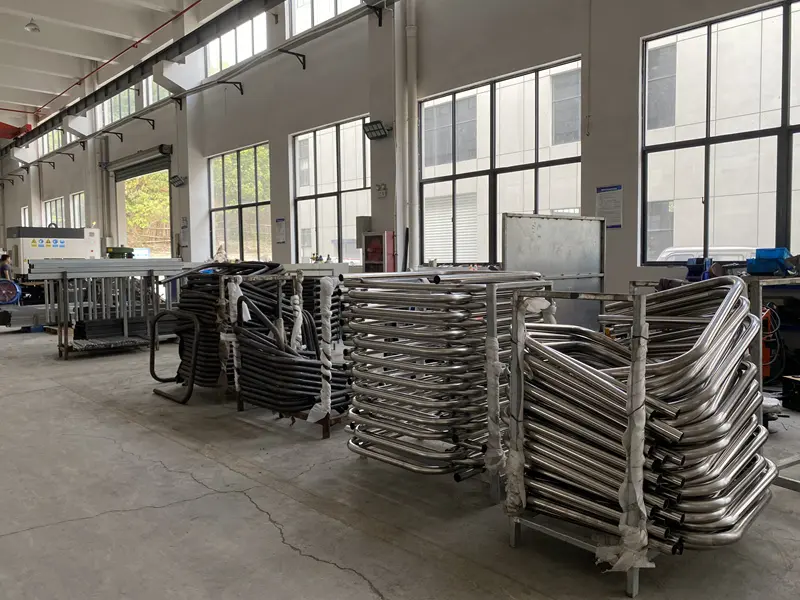
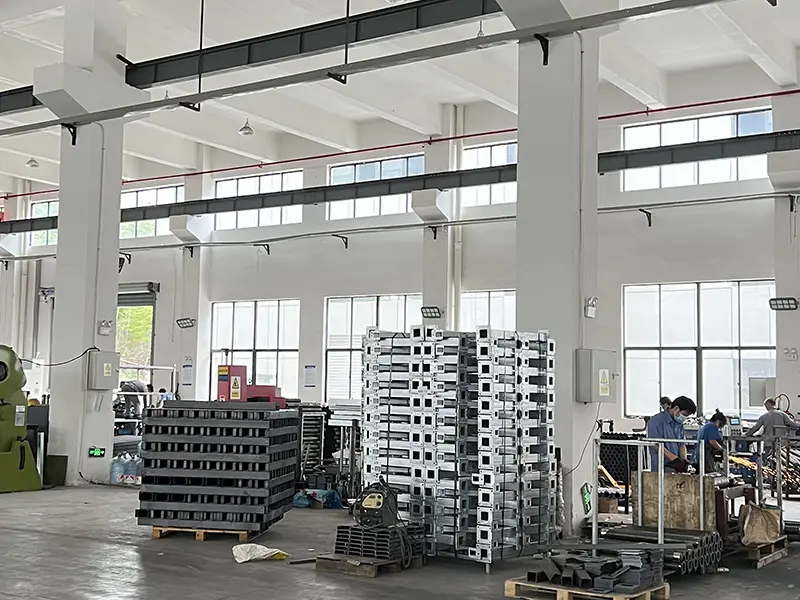
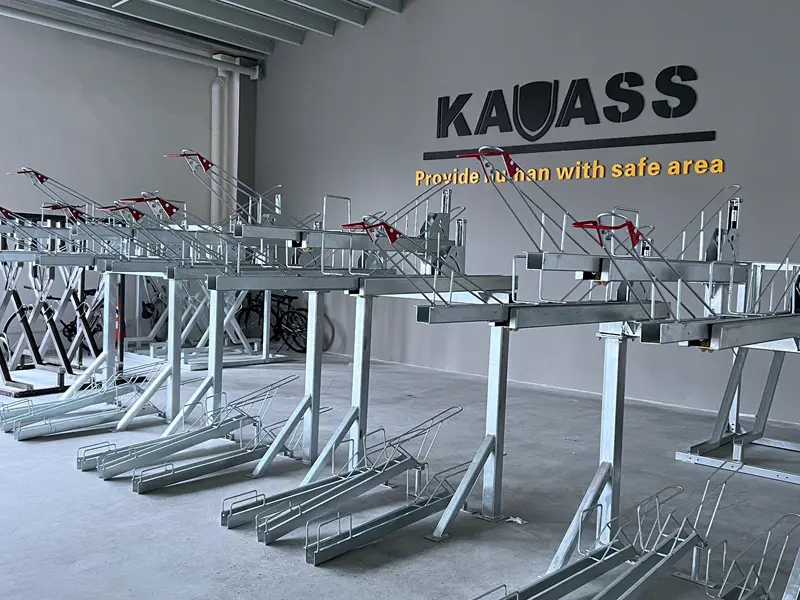
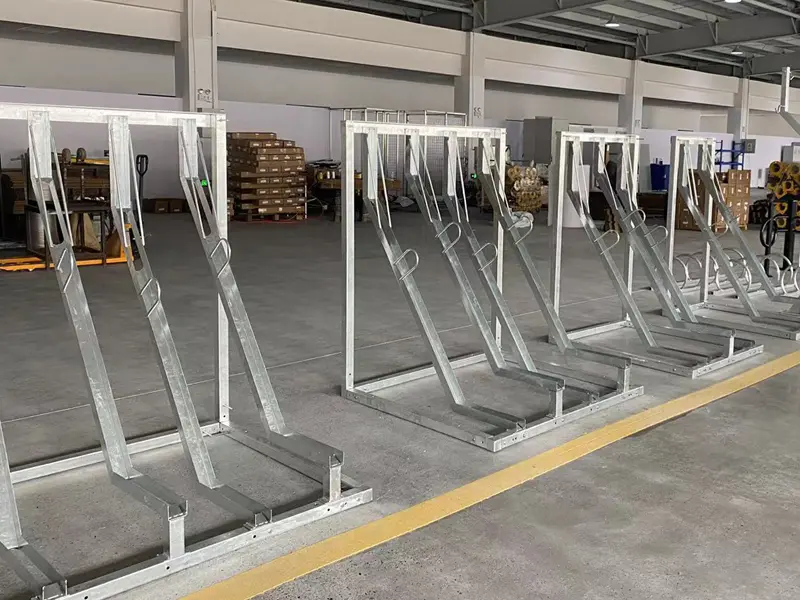
Integrating physical barriers with urban architecture across diverse industry applications.
Industrial heavy-duty fixed and automatic telescopic bollards control multi-ton freight vehicle traffic, protecting loading docks, control offices, and exterior warehousing zones from low-speed structural impact accidents.
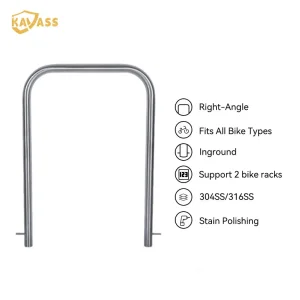
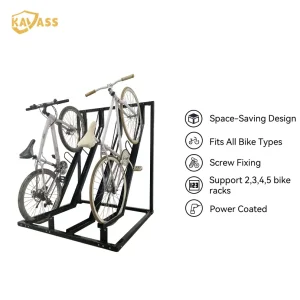
Combining removable security bollards with solar-powered LED lighting profiles and integrated bicycle parking systems (such as wave systems) allows municipalities to easily balance vehicle blockades with clean active mobility.
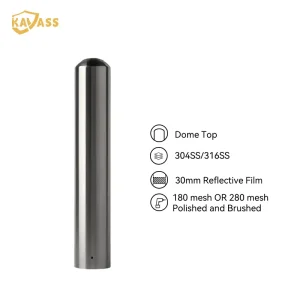
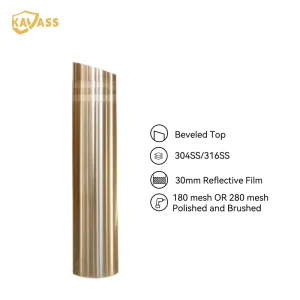
Data centers, municipal water systems, and power stations require permanent heavy-duty structural steel barriers. Standard-grade KAVASS 304/316 SS fixed-installation bollards provide continuous protection against intrusion.
Deploying advanced material science, automated access loops, and smart city connectivity.
Modern physical security relies on smart infrastructure integration. At KAVASS Security, our technological roadmap focuses on three main developments: material optimization, smart control connectivity, and green infrastructure integration.
For installations in coastal zones or urban regions exposed to road salt, standard carbon steel requires premium protective treatments. Our manufacturing process uses deep hot-dip galvanization to ISO 1461 standards, ensuring minimum zinc coating thicknesses of 85 μm. This is finished with an electrostatic polyester powder coat or a premium brushed 316-grade stainless steel jacket to ensure excellent resistance to corrosion.
Our smart parking and retractable bollard lines integrate seamlessly with modern access controls. By using open API platforms, KAVASS IoT parking systems connect with License Plate Recognition (LPR), RFID entry systems, and municipal ticketing databases, enabling automated site management.
Manual locking mechanisms, susceptibility to surface wear, isolated operational systems, and simple protective visual presence.
Continuous status monitoring, automated self-reset safety sensors, remote control access, and long-life solar charging integrations.
Evaluating dynamic physical testing criteria, quality certifications, and global deployment frameworks.
Architects specify barriers based on crash rating standards. The ASTM F2656 standard evaluates vehicle penetration after impact, rating performance from P1 (under 1 meter penetration) to P4. KAVASS heavy-duty options are designed to absorb high energy impacts, protecting pedestrian areas and sensitive facility perimeters.
Our ISO 9001:2015 certified factories in Deqing and Zhuji employ advanced robotic welding, laser cutting, and hydraulic testing to maintain tight manufacturing tolerances. Every batch undergoes non-destructive testing (NDT), weld inspections, and finish assessments before export packaging.
Answers to common engineering and procurement questions regarding heavy-duty bollards.
Heavy-duty street furniture and modern access barriers engineered for durability, security, and smart city infrastructure.
Ready to deploy high-impact perimeter security or custom OEM/ODM solutions? Submit your technical specifications, structural dimensions, or project parameters, and our engineers will provide detailed support.
Request Technical Consultation KAVASS