Global procurement teams in commercial real estate are shifting away from standalone manual parking locks to smart IoT-enabled remote barriers. The demand centers around devices that integrate directly via APIs with park management systems, billing applications, and smart city networks to optimize space utilization rates by up to 35%.
Corporate procurement looks beyond initial costs to calculate the Total Cost of Ownership (TCO). Sourcing criteria now strictly enforce requirements such as hot-dip galvanization for anti-rust protection (exceeding 10 years outdoor life), energy harvesting solar panels, high-density polymer housings, and high-cycle industrial-grade motors.
To access markets in North America and the European Union, products must comply with regional standards including CE, FCC, RoHS, and WEEE directives. The capability of a Chinese manufacturer to supply third-party certified products is crucial for smooth customs clearance and local infrastructure deployment approvals.
For mixed-use properties, the integration of solar remote-controlled parking locks offers a smart security mechanism. By allocating specific bays to executive personnel or premium tenants, corporate facilities reduce unauthorized parking, enhance drop-off safety, and establish automated access management protocols using BLE and cellular gateways.
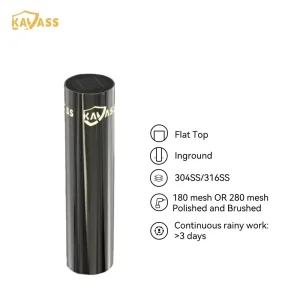
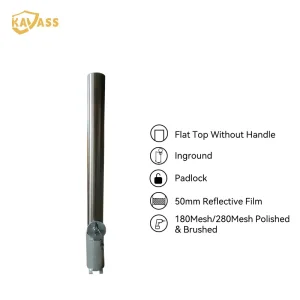
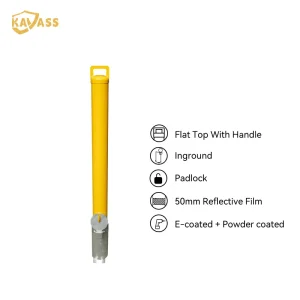
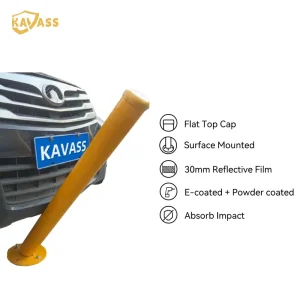
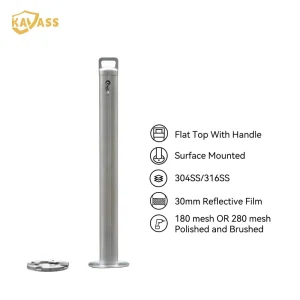
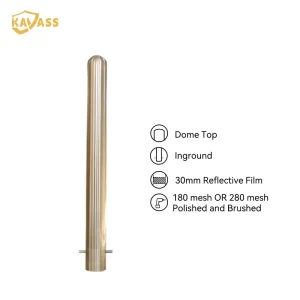
Logistics networks rely on uninterrupted throughput. Sourcing heavy-duty parking barriers, removable flat-top stainless steel bollards, and warning-reflective flexible bollards ensures clear separation between pedestrian lanes and heavy forklift operational spaces. This layout reduces onsite accidents, protects facility equipment, and directs traffic flow effectively.
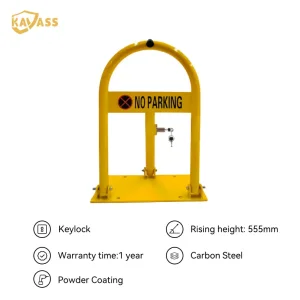
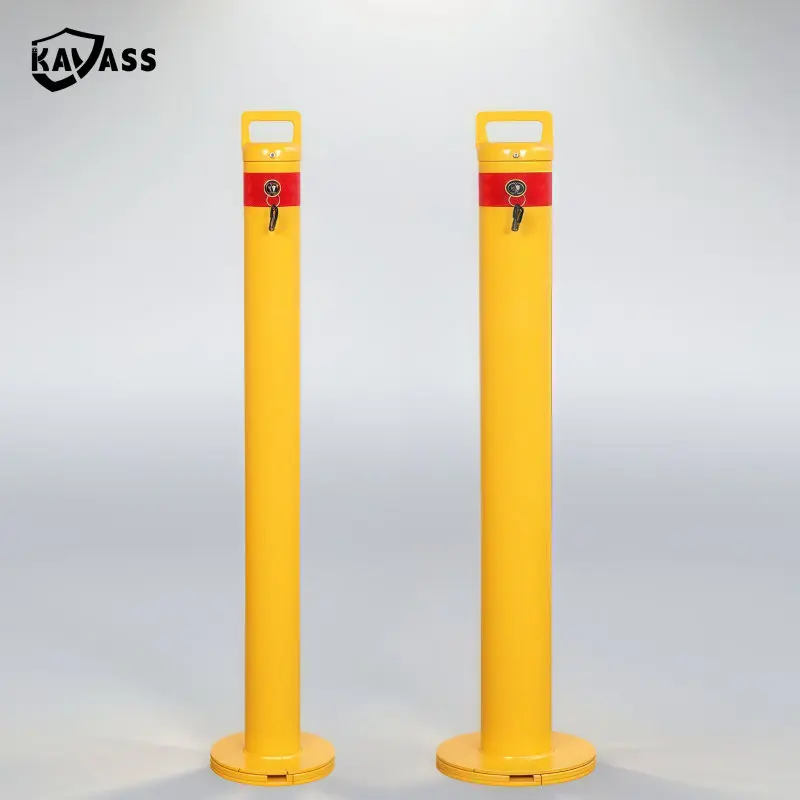
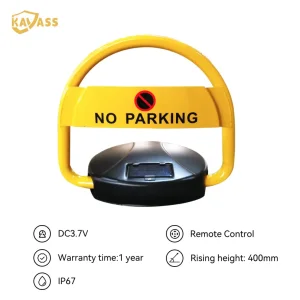
Utilizing high-tensile carbon steel, manual key locks (such as the KVS-PL(M)-803-32K) represented the initial phase of parking security. While highly durable, they required physical driver intervention. Today, these systems remain a cost-effective, zero-power security solution for residential spaces.
Integrating 433MHz RF receivers allows drivers to operate the barrier from up to 50 meters away. Sourcing efficient solar-powered remote locks (such as the KVS-EPL-910S) eliminates wiring costs, relying on high-efficiency photovoltaic cells to power the electric motors year-round.
The current state-of-the-art systems leverage Narrowband IoT (NB-IoT), Bluetooth Low Energy (BLE), and Zigbee protocols. Equipped with ultrasonic detection sensors and geomagnetic sensors, these units recognize car presence, automatically lower upon authorized approach, and send usage data directly to cloud platforms.
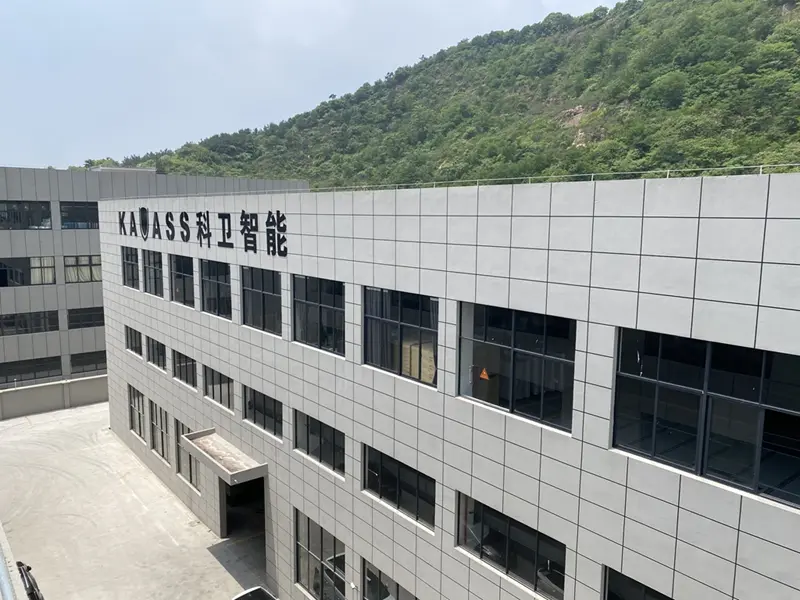
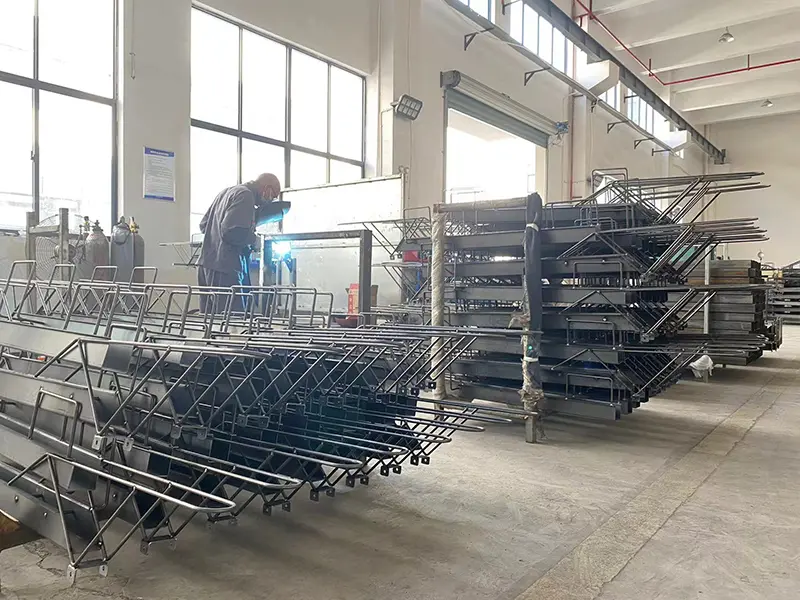
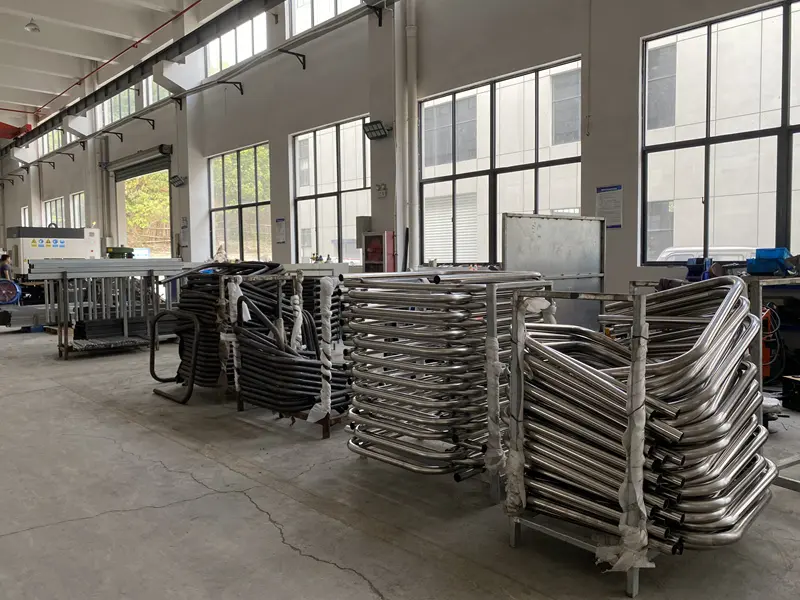
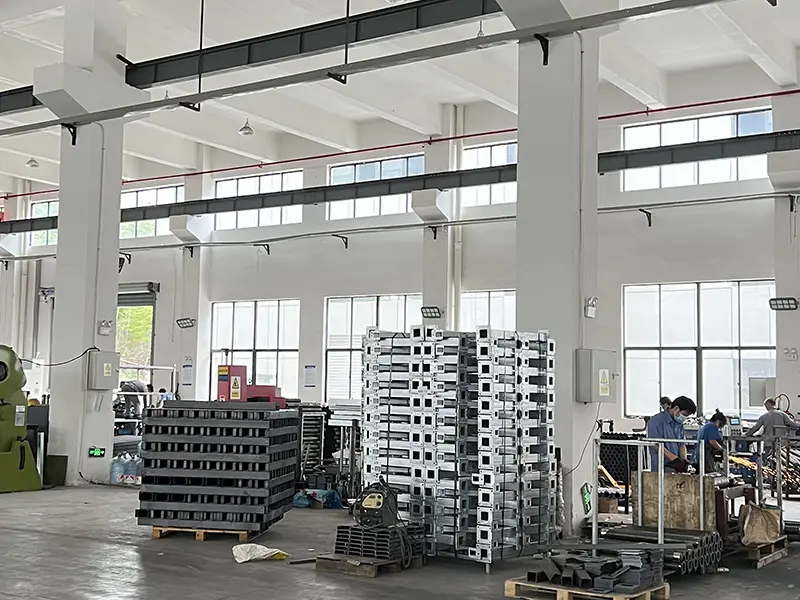
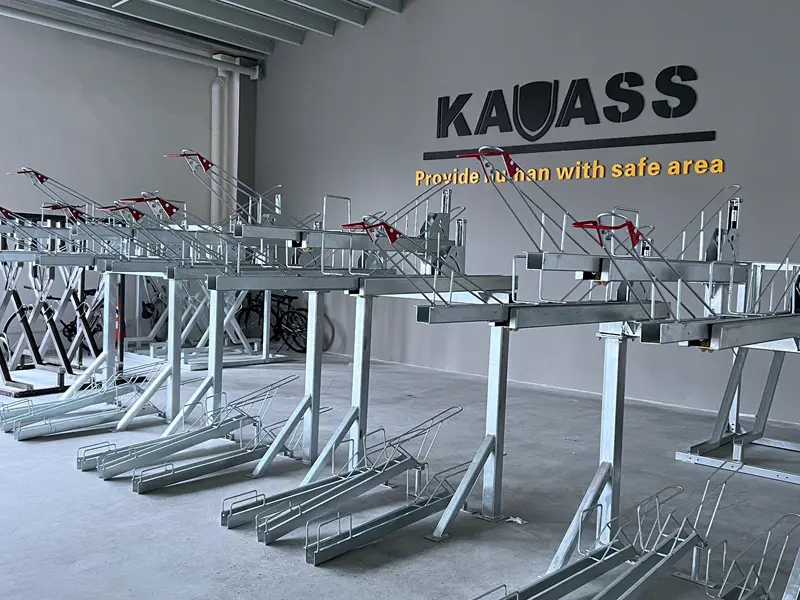
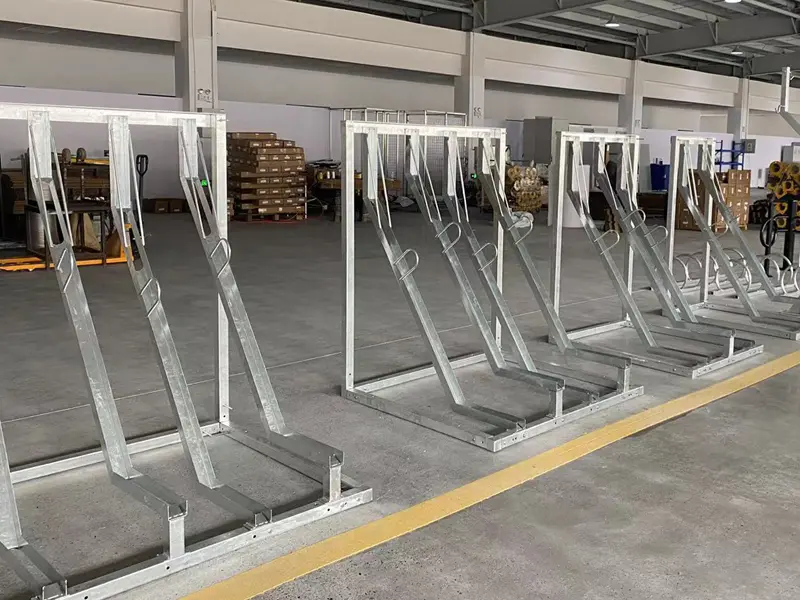
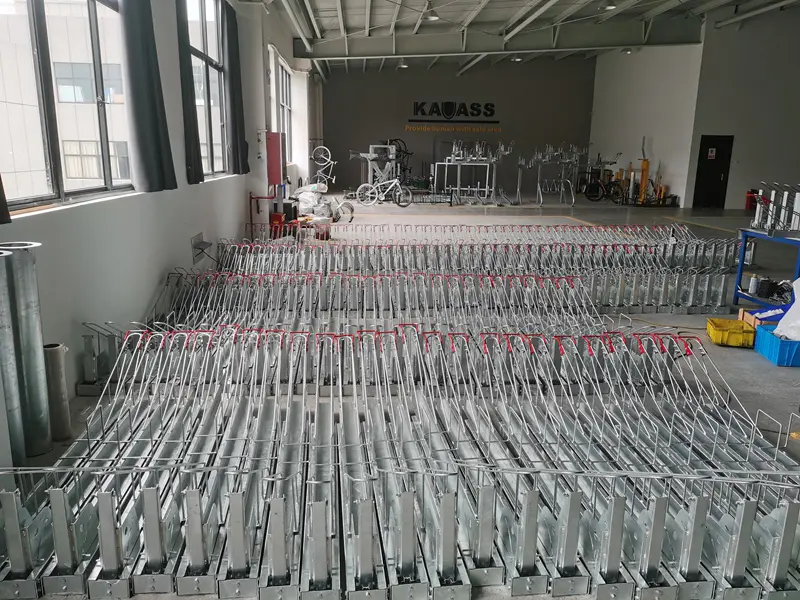
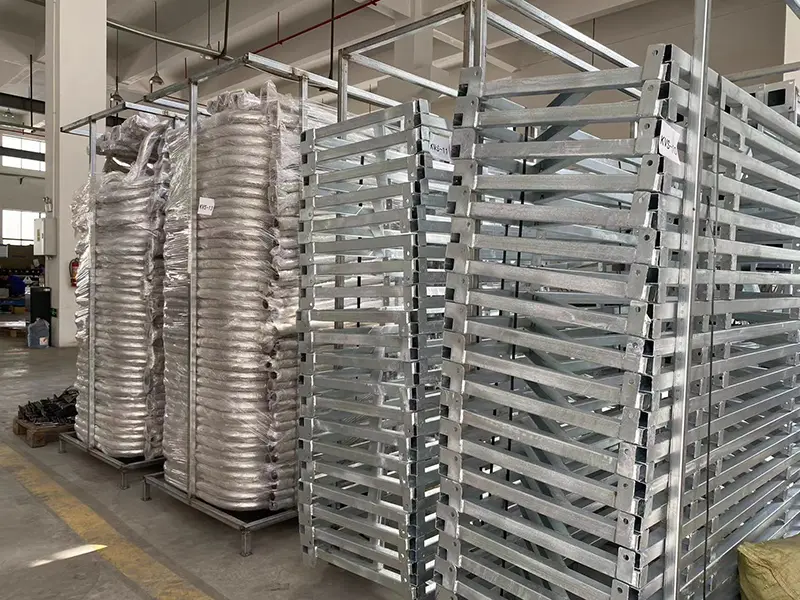
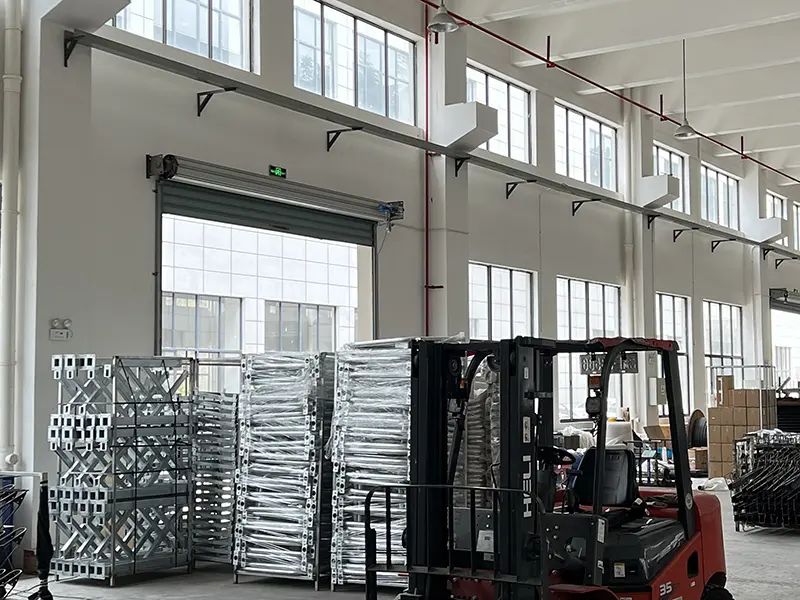
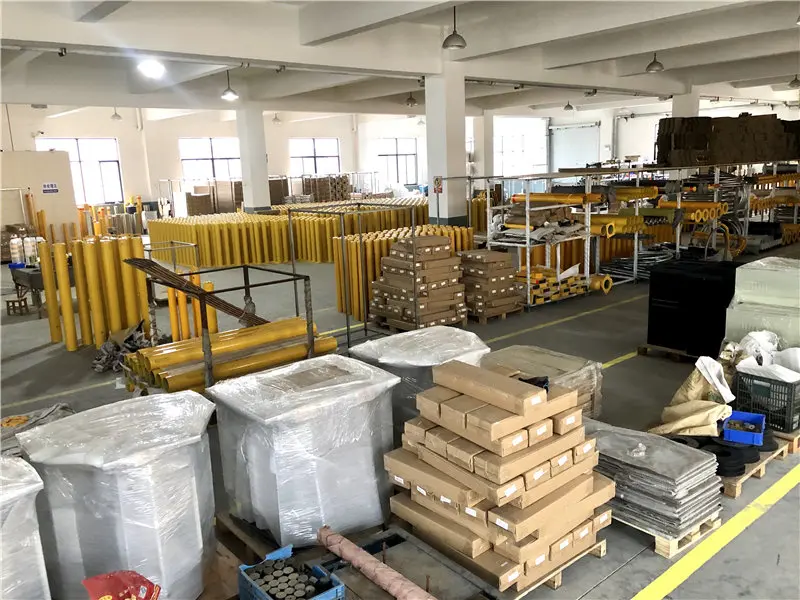
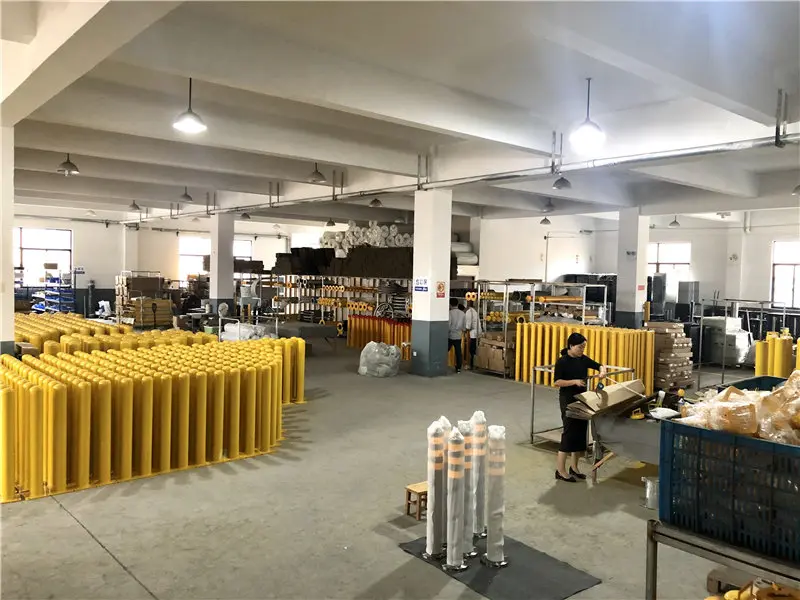
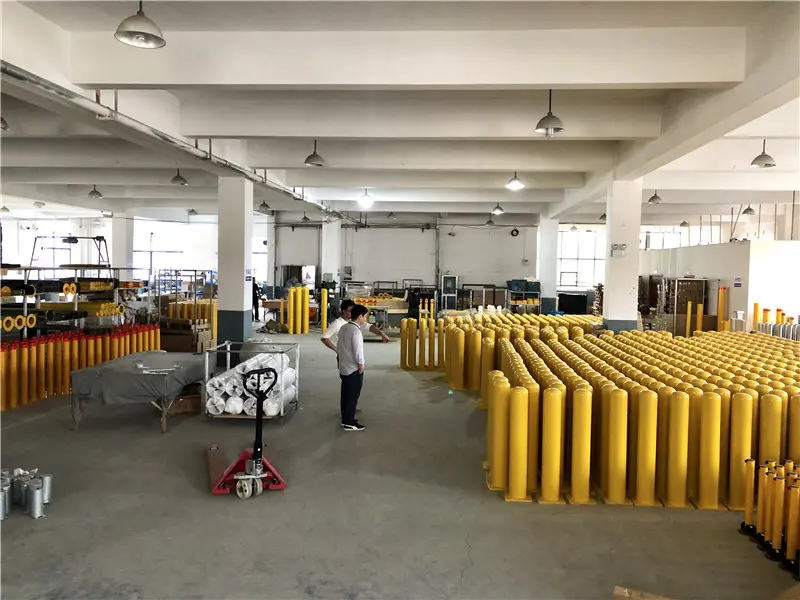
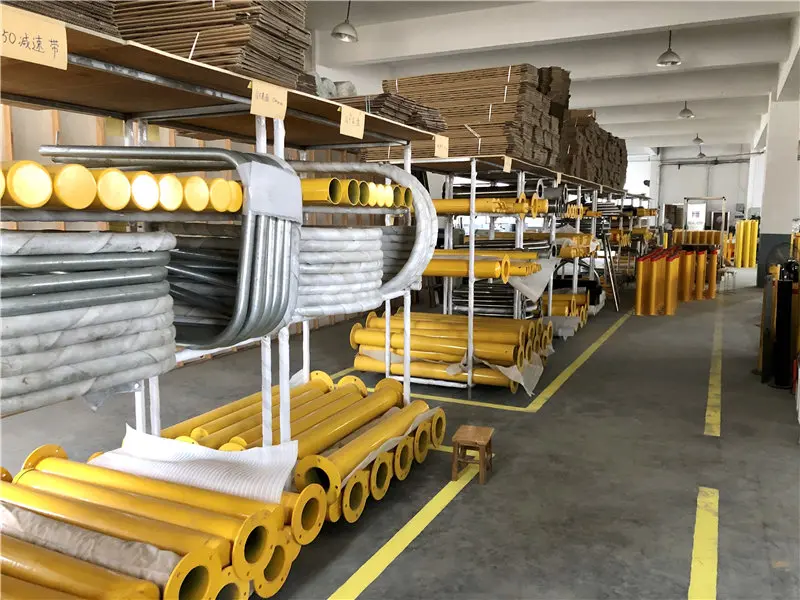
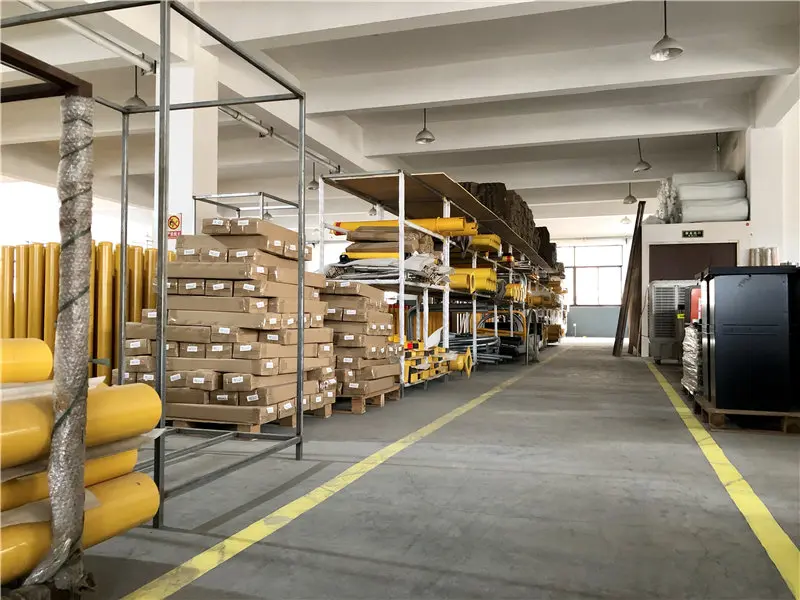
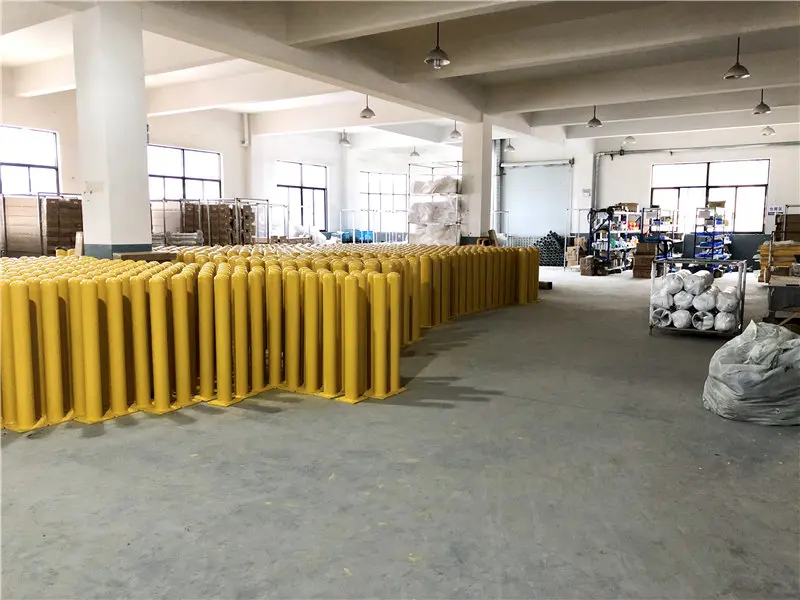
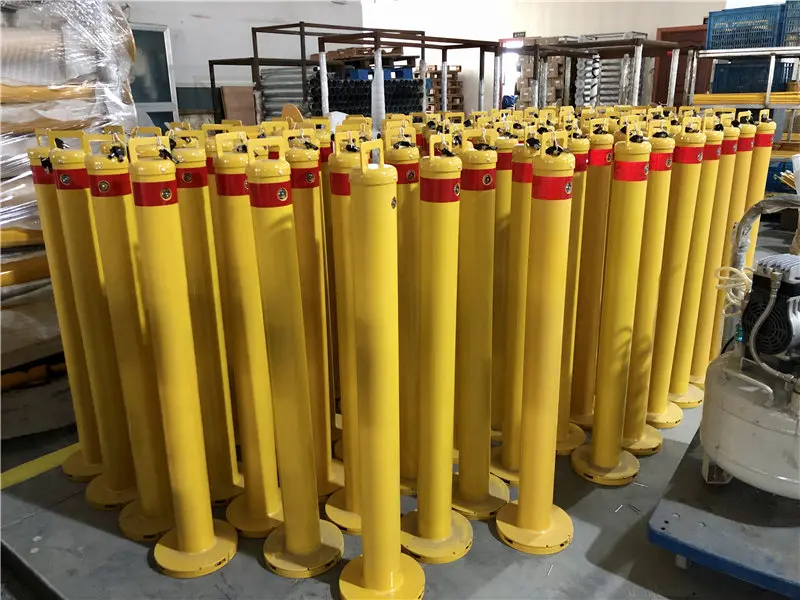
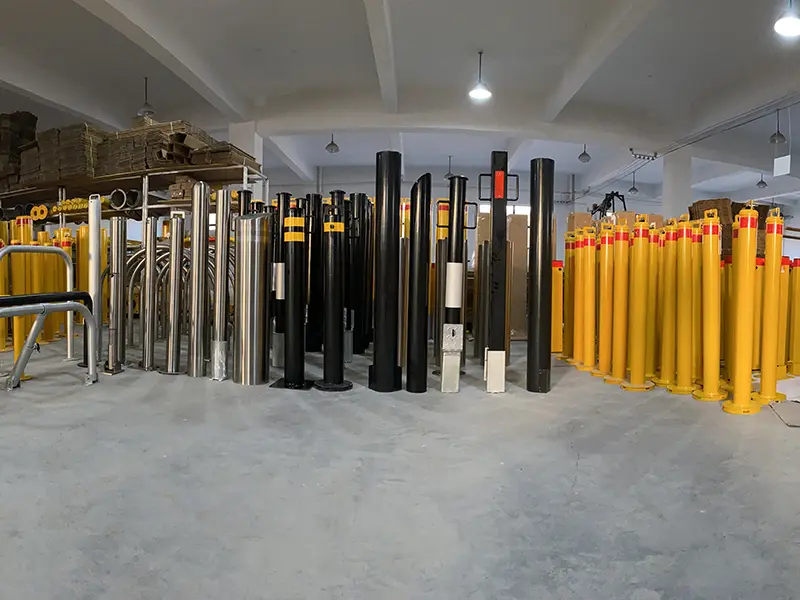
With a strong export network, KAVASS has established long-term cooperation with customers in more than 80 countries and regions, including Europe, the Middle East, Southeast Asia, and North and South America. Our experience in international markets allows us to better understand local standards, project requirements, and customer expectations. Driven by a commitment to quality, practicality, and continuous improvement, KAVASS aims to deliver products that combine functionality with long-term value. We strive to support our partners with reliable solutions that enhance safety, optimize space management, and contribute to more efficient urban environments.
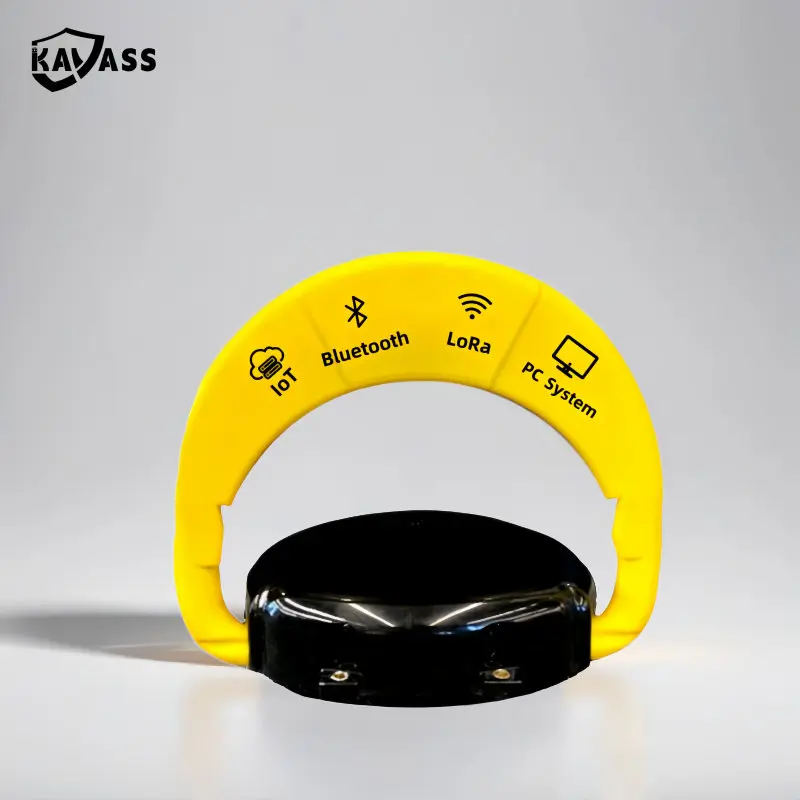
Our remote wireless systems comply with European Radio Equipment Directives (RED), ensuring no interference with public communications channels and maintaining safe signal transmission levels.
Sourced barriers undergo strict testing against dust and water ingress. The hermetically sealed chassis houses the mechanical motor to prevent moisture damage during heavy rainfall and flooding.
Constructed with lead-free finishes, recyclable lithium batteries, and ecological solar cells. Sourcing these eco-friendly materials simplifies municipal bidding processes and meets corporate green criteria.
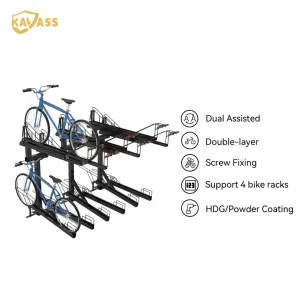
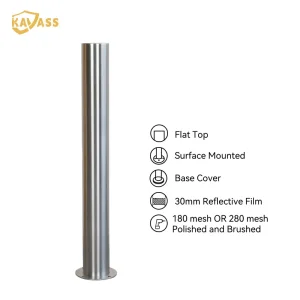
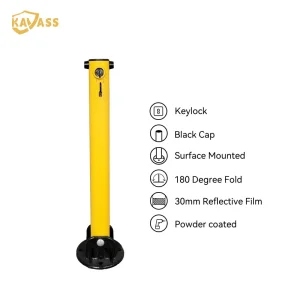
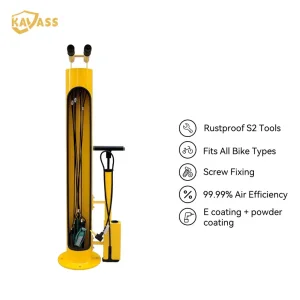
Reach out to KAVASS Security Tech Limited today. Our experienced team can assist you with custom drawings, pricing quotes, and compliance queries for global infrastructure projects.
 KAVASS