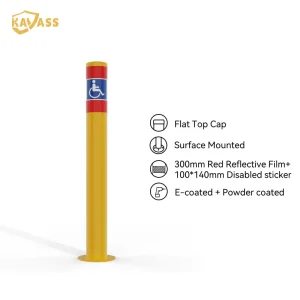
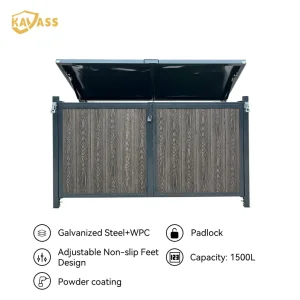
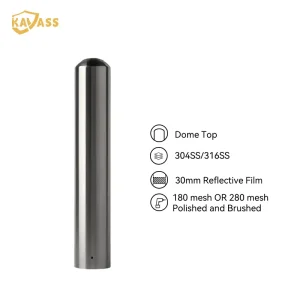
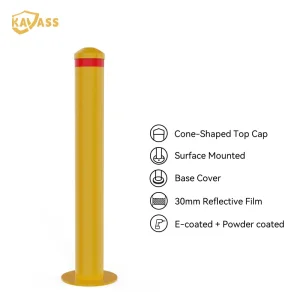
Explore our high-performance manufacturing lineup, featuring energy-absorbing materials, precision key-lock systems, and robust anti-ram engineering.
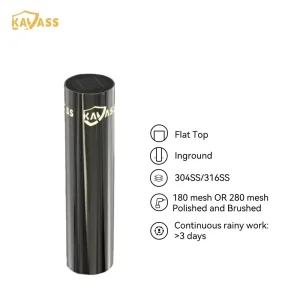
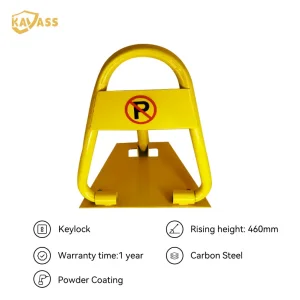
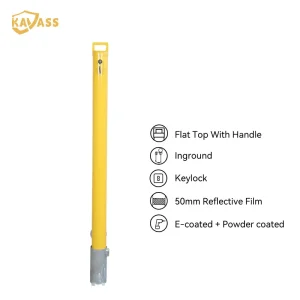
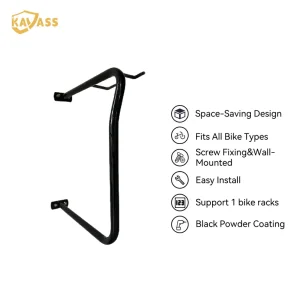
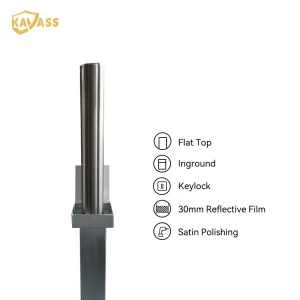
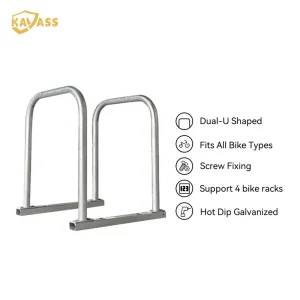
Integrating architectural flexibility with high-security physical deterrence to safeguard modern smart city initiatives.
The global security environment demands dynamic physical perimeter defense solutions. Urban planners, civil engineering departments, and facility managers face a dual challenge: defending against accidental vehicle impacts and intentional ramming attacks while keeping access pathways open for utility vehicles, emergency services, and pedestrian crowds.
Removable safety bollards have emerged as the industry gold standard for temporary access control. Unlike fixed bollards, which permanently divide areas, removable units offer operational versatility. By inserting into a flush-ground sleeve, these barriers provide robust structural protection. Once removed, they leave a completely flat floor surface, free of pedestrian tripping hazards.
Global architectural standards demand crash protection certifications. The industry evaluates barrier impact resistance using recognized frameworks: ASTM F2656 (USA), PAS 68 (UK), and IWA 14-1 (Global). An M30 (K4) rating signifies a barrier's ability to stop a 6,800 kg medium-duty truck traveling at 50 km/h within a specific penetration distance. Chinese manufacturers design high-security removable bollards with thick-walled steel pipe profiles, heavy-duty inner structural reinforcers, and deep-ground sleeves to withstand extreme kinetic energy dissipation.
How industrial clustering and advanced fabrication technologies drive high-performance safety barriers.
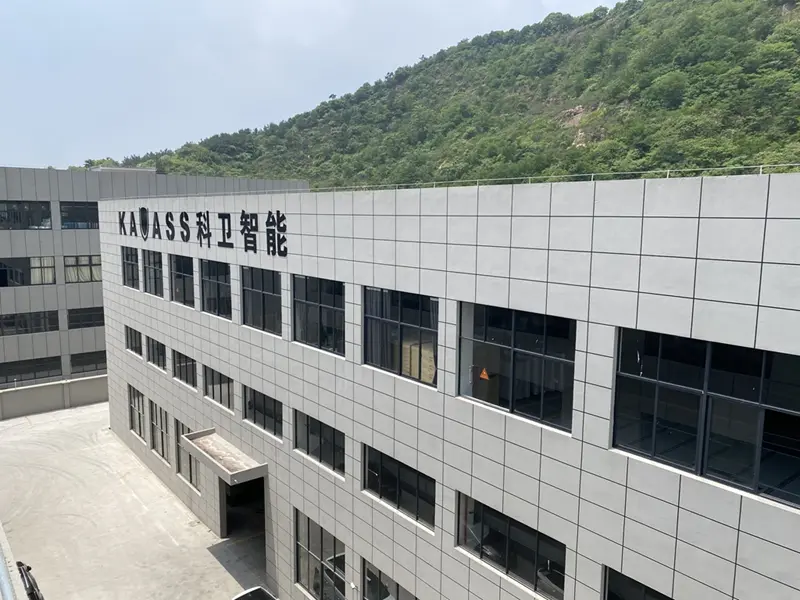
China's dominance in traffic safety and perimeter security equipment is driven by industrial clustering in Zhejiang Province. Our dual manufacturing centers—the Deqing Factory and the Zhuji Factory—demonstrate this vertical supply chain integration.
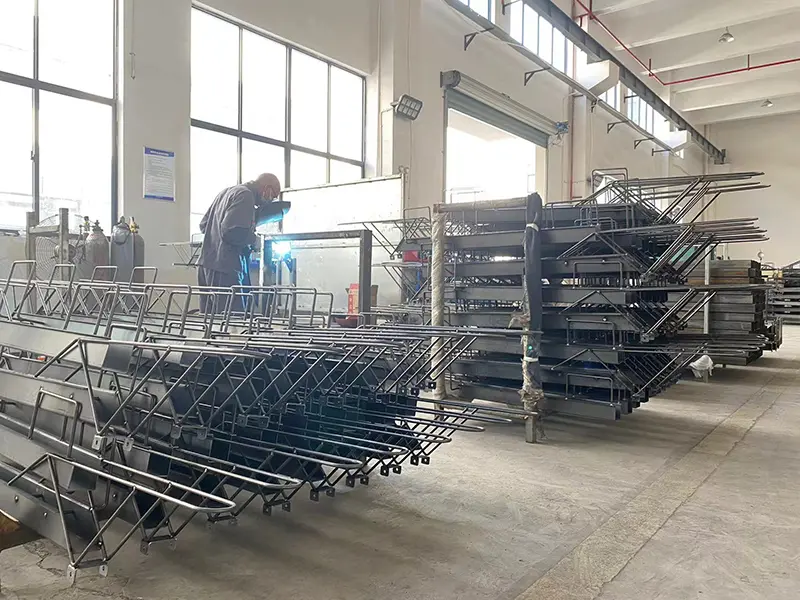
By locating our production close to major steel hubs, we secure raw materials (Q235 carbon steel, SUS 304, and marine-grade SUS 316 stainless steel) with zero domestic logistical delays. Precision processes—including laser cutting, robotic welding, heavy-duty metal pressing, and CNC machining—harness advanced automation. This keeps manufacturing tolerances within microns, ensuring that every removable bollard lock mechanism fits perfectly inside its ground sleeve.
Our strategic locations near Shanghai and Ningbo-Zhoushan ports enable fast shipping. This proximity reduces overland transport costs and transit times, allowing us to supply large-scale urban infrastructure projects on time.
Take a closer look at our manufacturing footprint, sample showrooms, and logistics hubs.
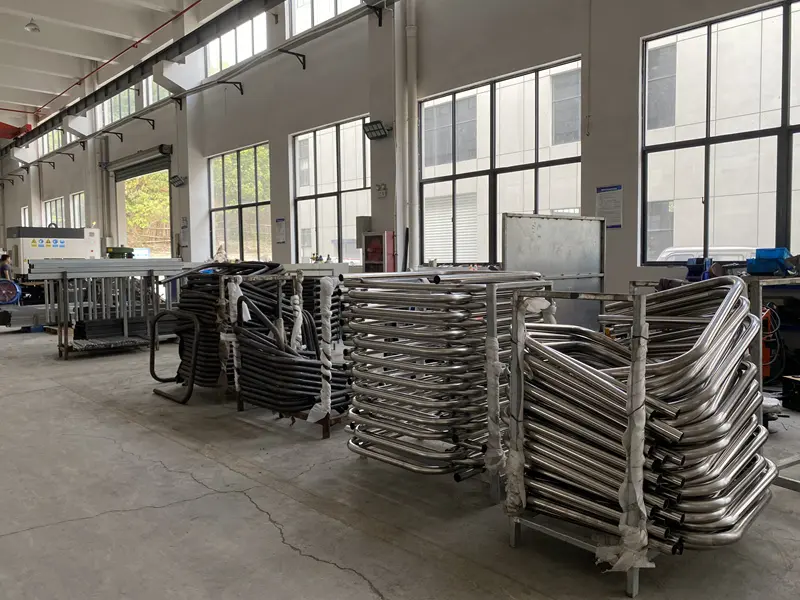
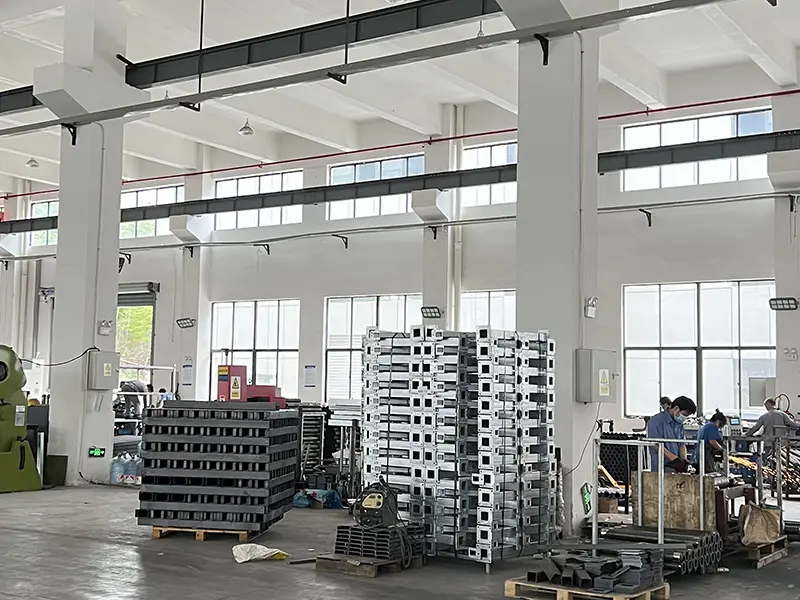
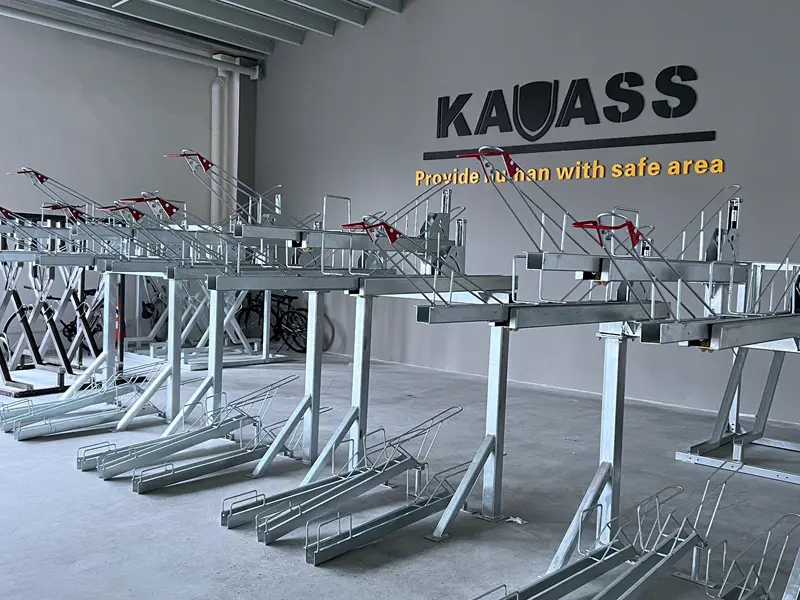
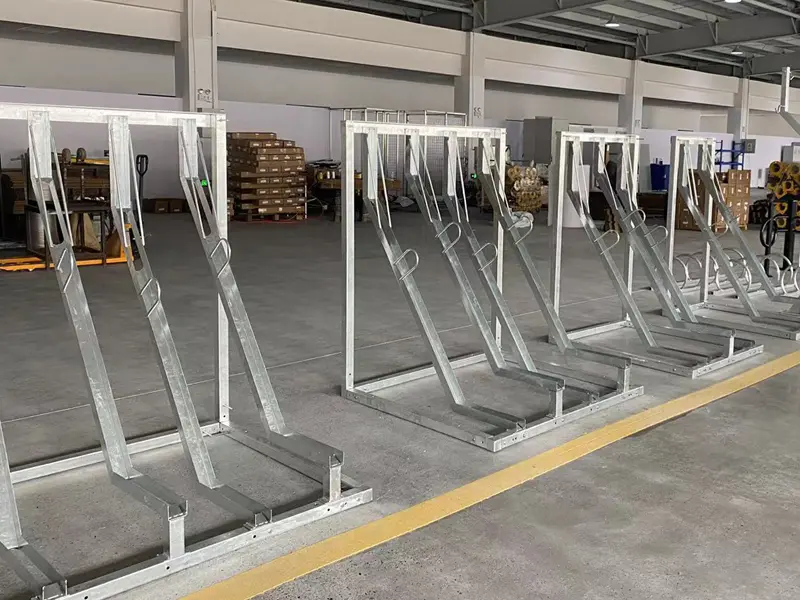
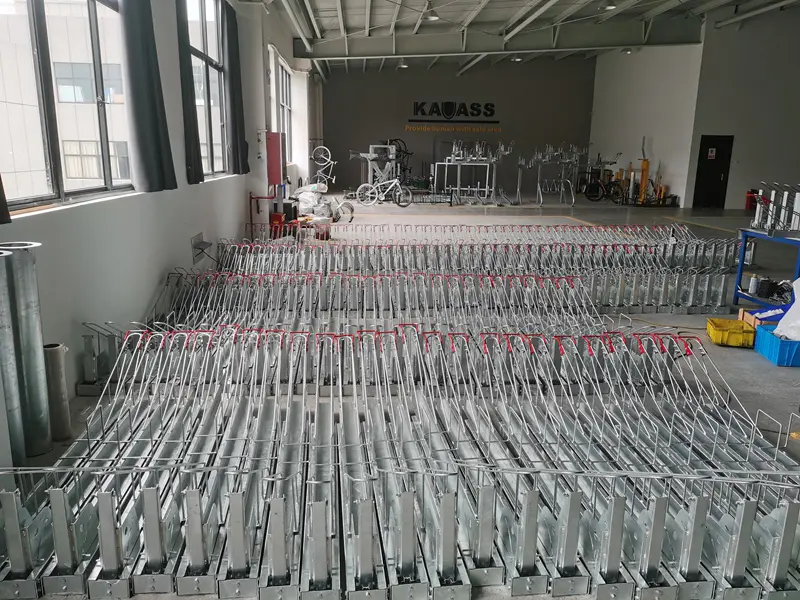
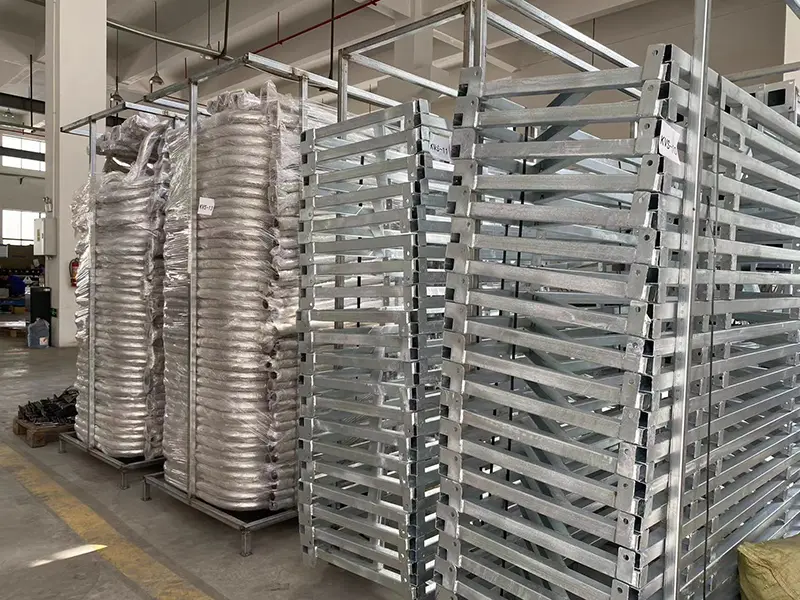
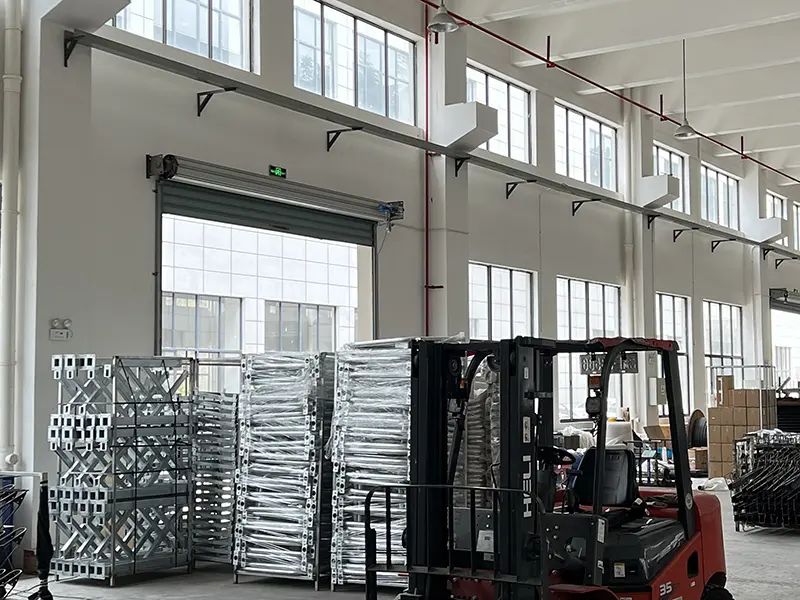
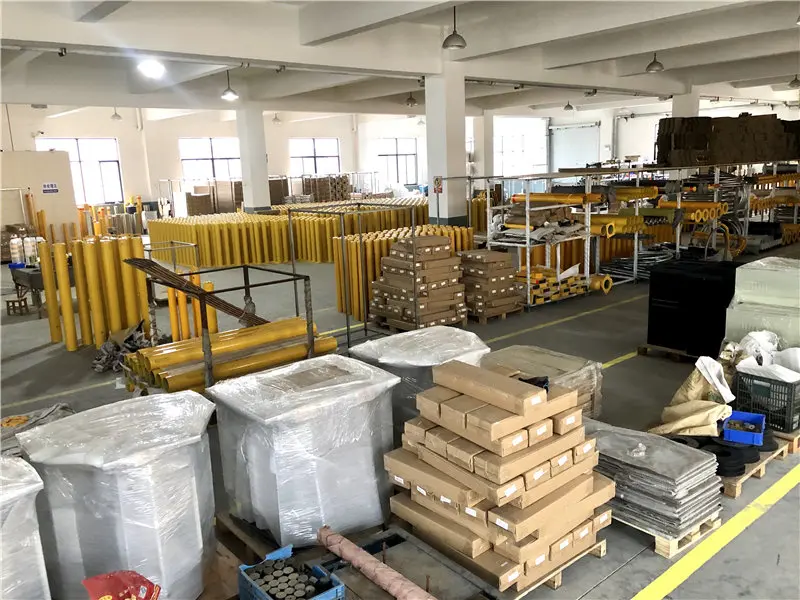
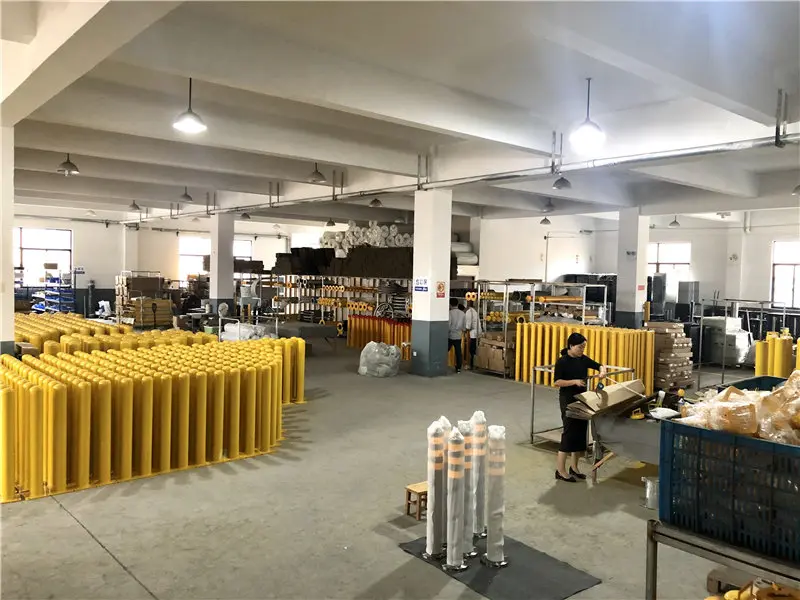
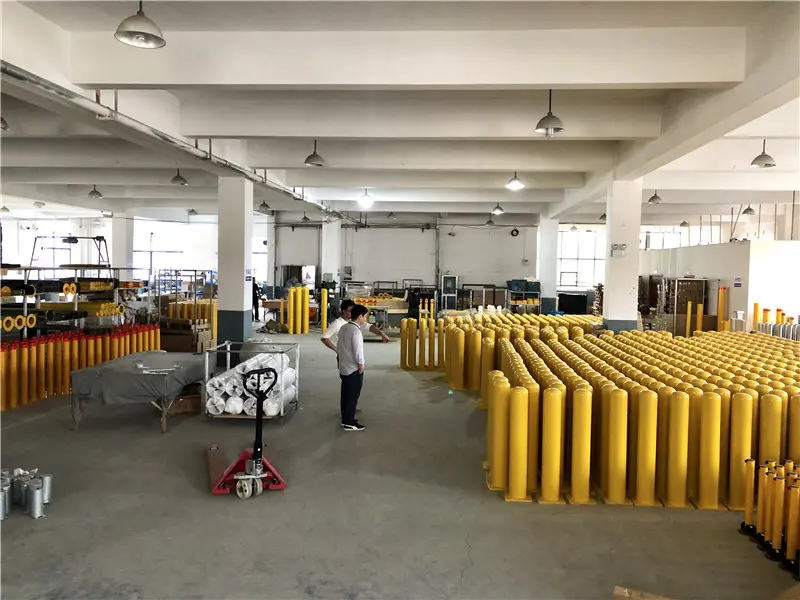
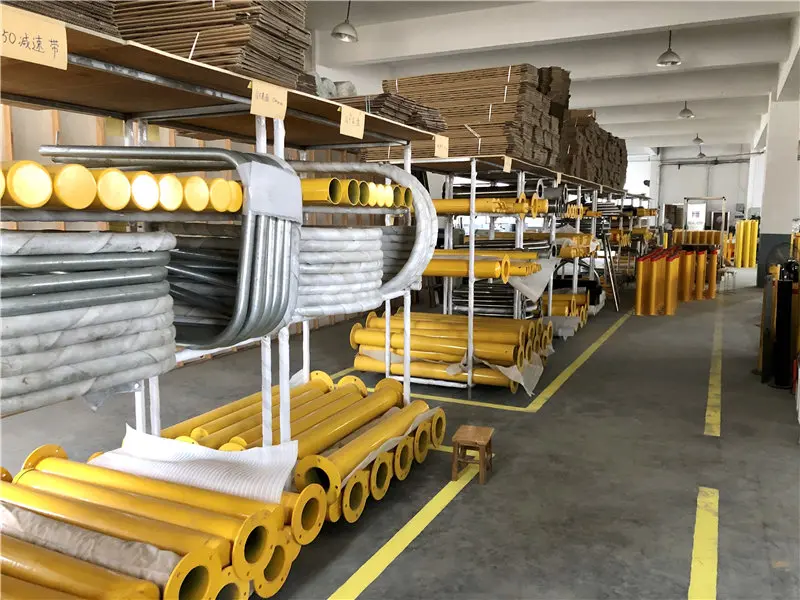
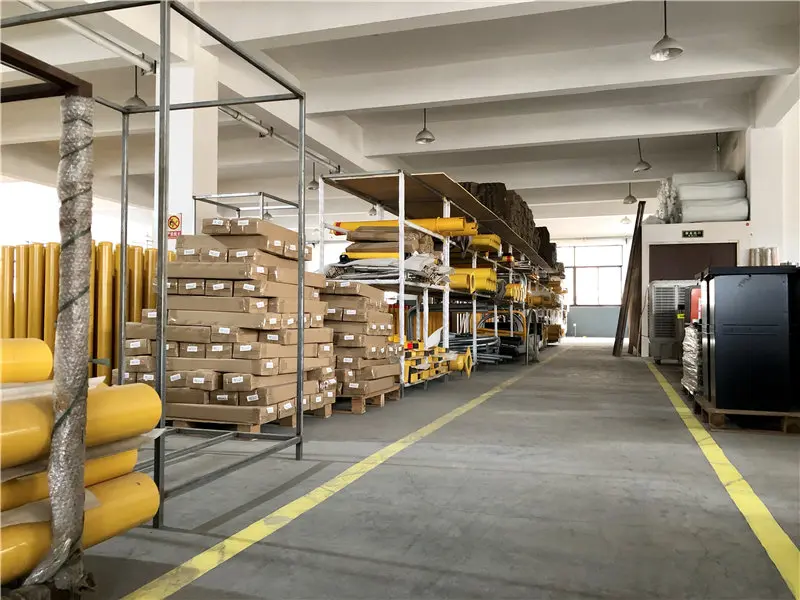
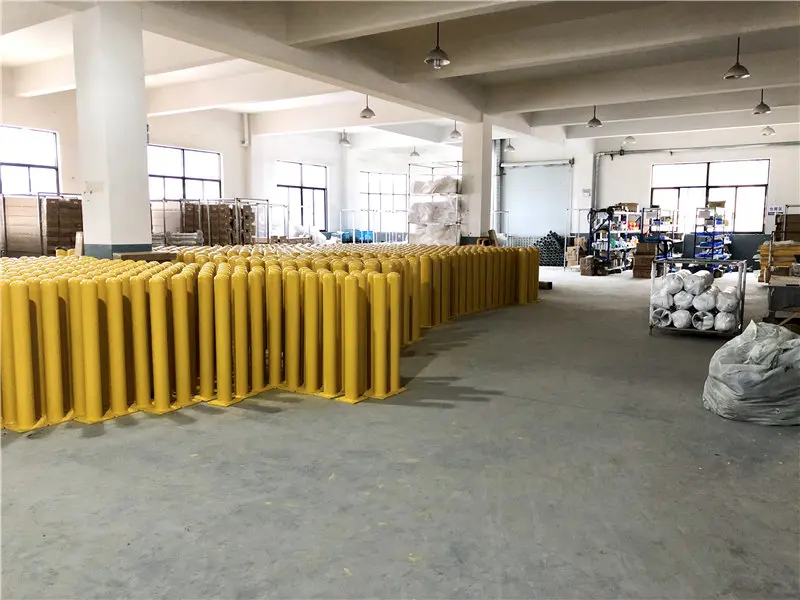
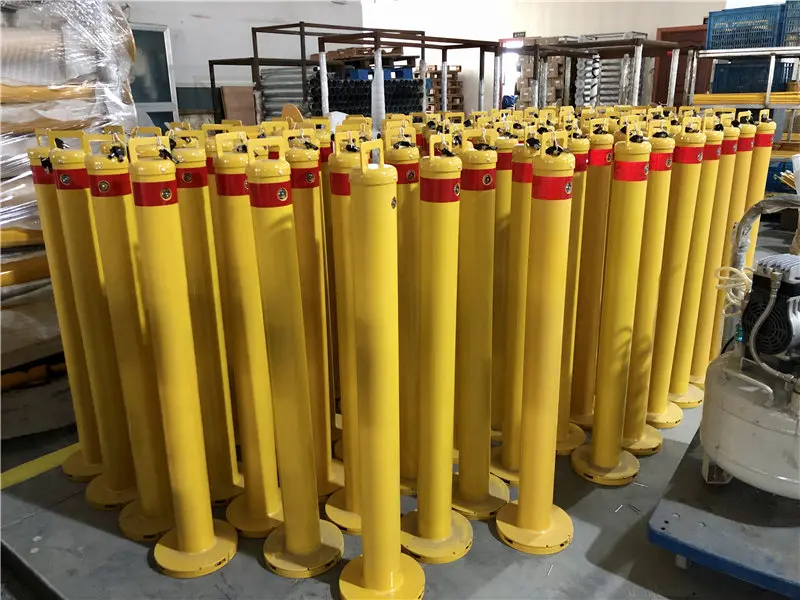
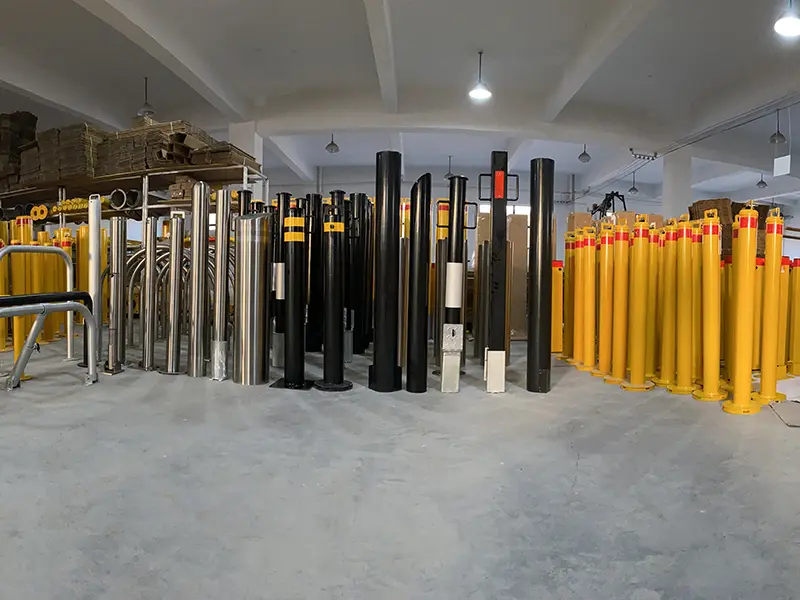
With 18+ years of expertise, we manufacture and supply traffic safety and perimeter protection products globally.
KAVASS Security Tech Limited is a professional manufacturer focused on traffic safety and perimeter protection solutions. With more than 18 years of industry experience, we specialize in the design, production, and supply of an extensive range of products, including parking locks, bollards, bike racks, and urban infrastructure equipment.
By integrating product development, manufacturing, and after-sales support, we provide efficient one-stop solutions tailored to the needs of global clients. Our production base is equipped with advanced machinery and modern manufacturing processes, supported by a skilled engineering and quality control team. From raw material selection to final inspection, every step is carefully managed to ensure consistent product performance and long-term reliability.
With a strong export network, KAVASS has established long-term cooperation with customers in more than 80 countries and regions, including Europe, the Middle East, Southeast Asia, and North and South America. Our experience in international markets allows us to better understand local standards, project requirements, and customer expectations.
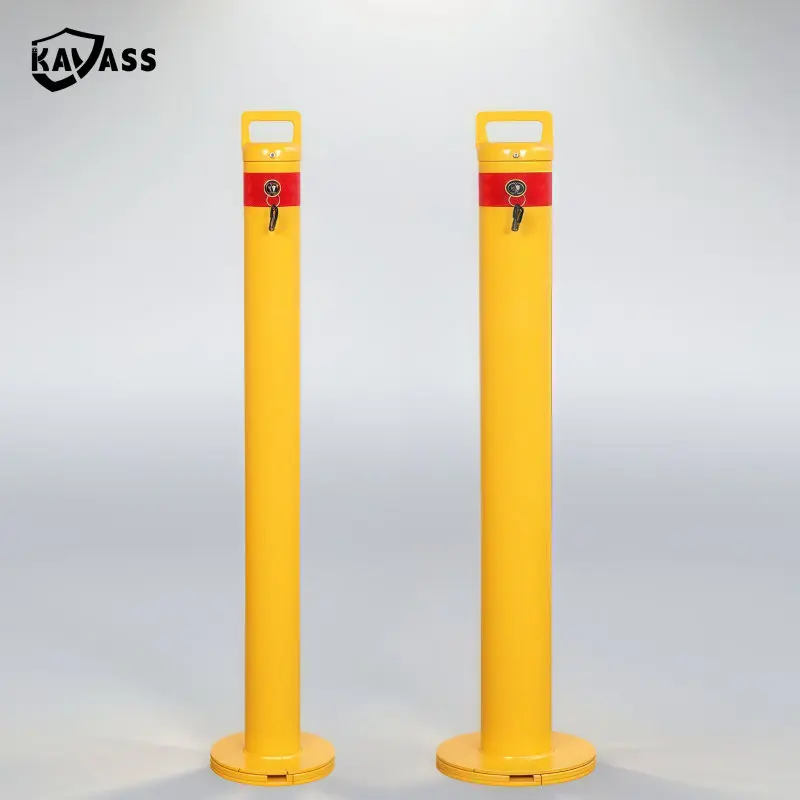
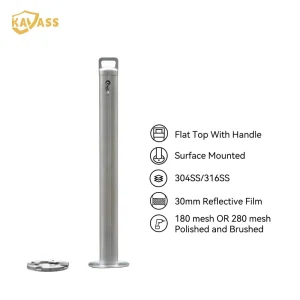
Fixed, fold-down, telescopic, removable, automatic, and lighting bollards.
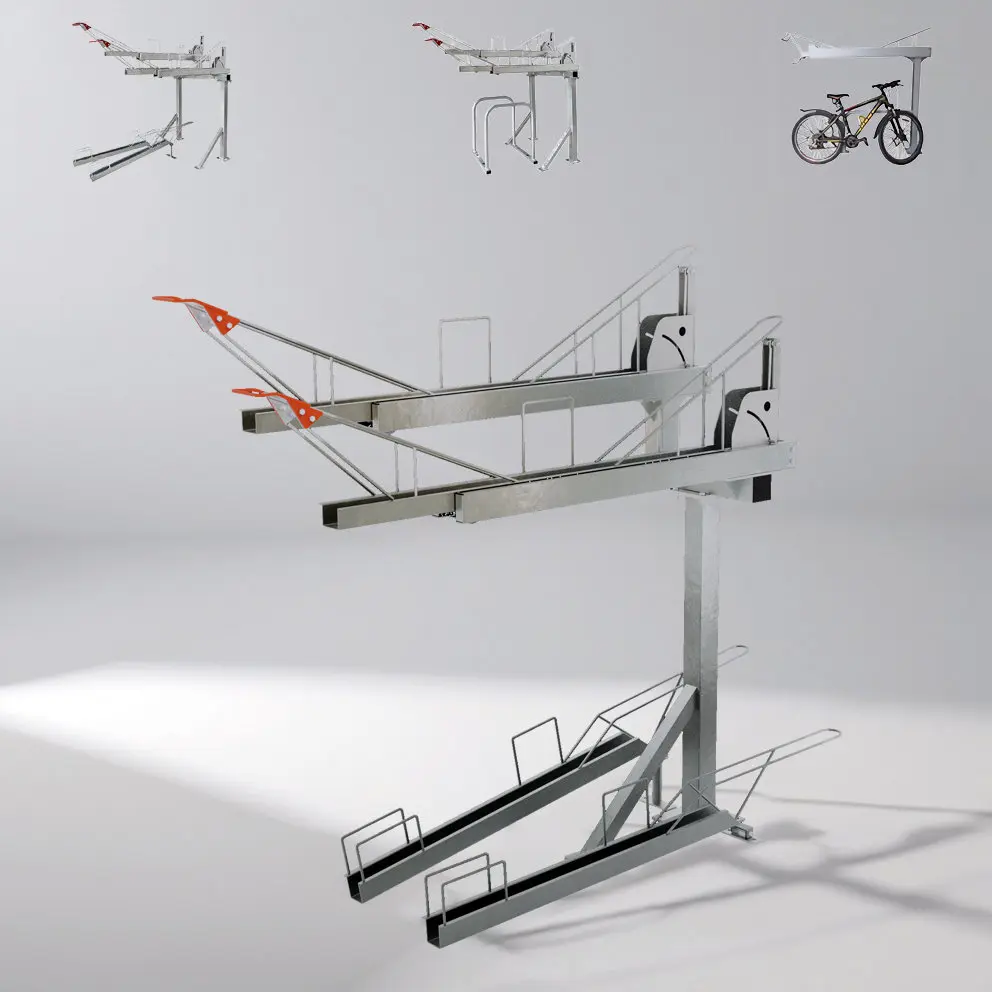
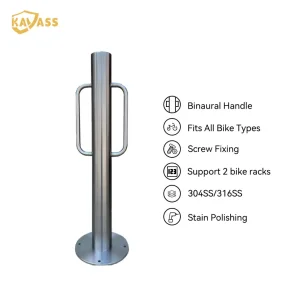
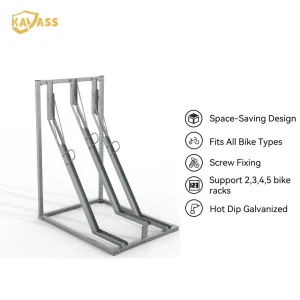
Durable and space-saving bicycle parking systems for commercial sites.
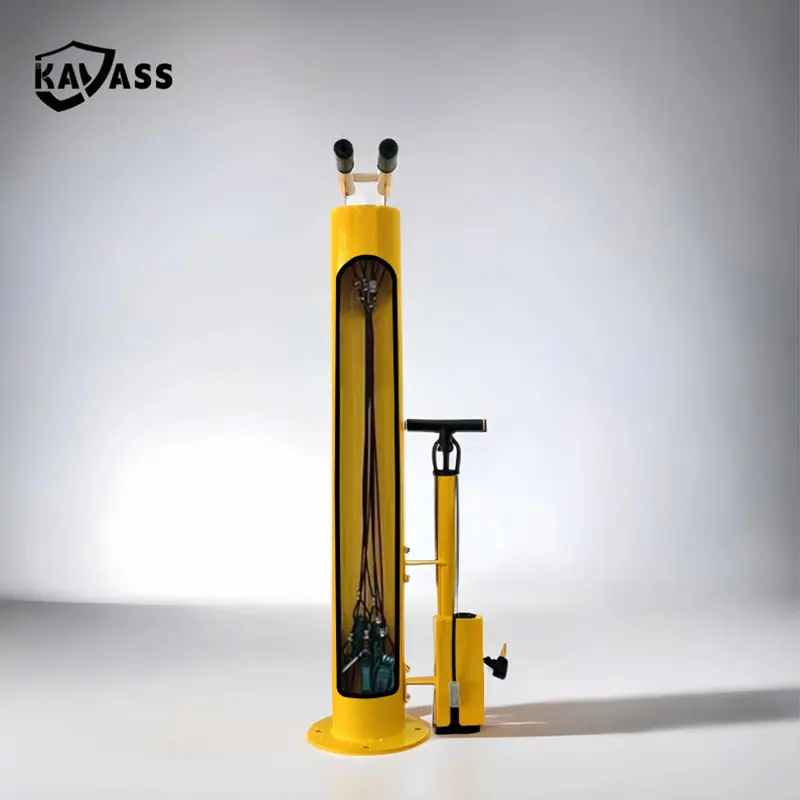
Safety barriers, guardrails, and protective equipment for workplaces.
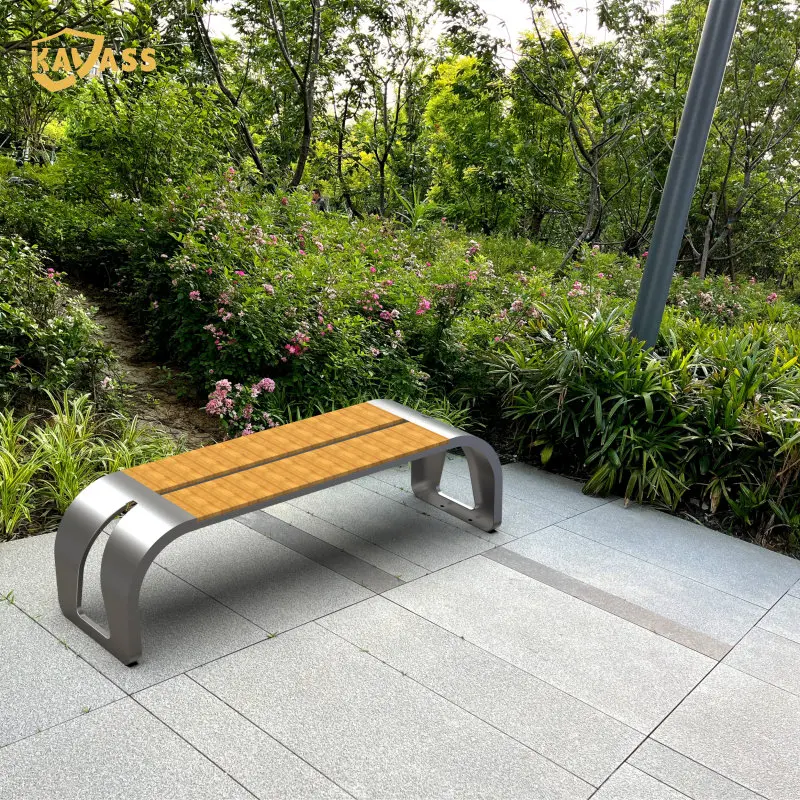
Benches, waste bins, and customized outdoor public area installations.
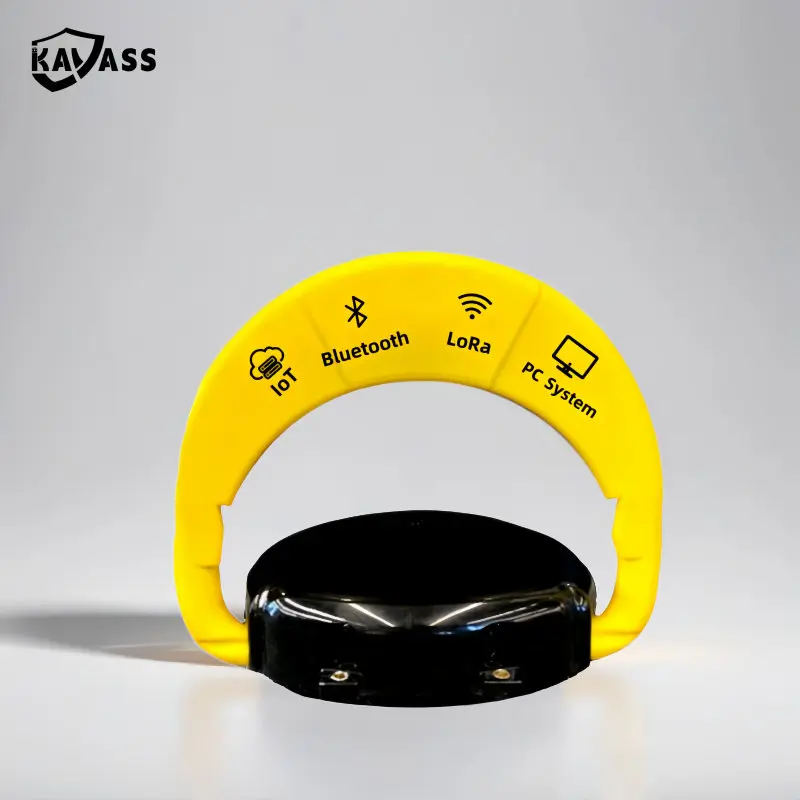
Manual, remote-controlled, solar, and IoT smart parking systems.
Compare raw materials, wall thicknesses, and locking mechanisms to find the right bollard for your application.
| Bollard Base Material | Common Tensile/Yield Strengths | Corrosion Protection Method | Ideal Application Environments |
|---|---|---|---|
| Carbon Steel (Q235/Q345) | Yield: 235-345 MPa / Tensile: 370-500 MPa | Hot-Dip Galvanization + Powder Coating (zinc-rich base) | High-impact barriers in parking structures, warehouses, and storefronts. |
| SUS 304 Stainless Steel | Yield: 205 MPa / Tensile: 515 MPa | Self-passivating chromium-oxide layer, brushed/polished finish | Corporate plazas, pedestrian spaces, and standard outdoor environments. |
| SUS 316 Stainless Steel | Yield: 290 MPa / Tensile: 580 MPa | Added 2-3% Molybdenum for high pitting resistance | Coastal infrastructure, marine environments, and high-humidity chemical sites. |
A removable safety bollard's performance depends on its locking mechanism and base connection. We offer three primary security designs:
Features an integrated brass or stainless steel pin-tumbler lock located at the top or base of the shaft. This self-contained design protects against tampering and simplifies access control with individual or master key options.
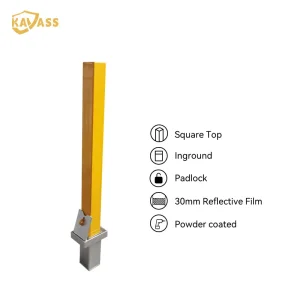
An economical, highly visible security option. A high-grade steel lug projects through the base cover, allowing operators to secure the bollard using heavy-duty security padlocks.
The ground socket features a flush-mount, self-closing hinged lid. When the bollard is removed, the lid folds down to cover the hole, ensuring a clear path for pedestrians and vehicles.
How global infrastructure projects use removable safety barriers for access control and site safety.
Plazas require open access during peak foot traffic hours, but need protection against accidental or hostile vehicle incursions. Removable bollards offer robust security during crowded events. Maintenance vehicles can easily gain access during off-peak times by removing the units.
Fire lanes and building service entrances must remain clear of unauthorized parking while ensuring instant access for emergency services. High-visibility removable bollards mark these zones and can be quickly unlocked by authorized personnel using a master key during emergencies.
Forklift transit corridors, high-value machinery zones, and loading dock platforms require protection from material handling equipment. Removable bollards protect structural columns and control panels, and can be lifted out of the way when large machinery needs clearance.
High-voltage infrastructure and electric vehicle charging bays are vulnerable to vehicle impacts. Surface-mounted or in-ground removable bollards protect electrical panels while allowing access for maintenance and utility crews.
A technical guide to configuring, sourcing, and verifying custom safety bollards from China.
When sourcing removable safety bollards, procurement departments must evaluate structural specifications rather than unit costs alone. Focus on these engineering variables:
Every KAVASS product undergoes rigorous quality testing at our Zhuji and Deqing factories:
Get answers to common installation, maintenance, and technical questions from our engineering team.
SUS 304 contains 18% chromium and 8% nickel, providing standard rust resistance for typical urban installations. SUS 316 contains 16% chromium, 10% nickel, and 2-3% molybdenum. The addition of molybdenum helps prevent chloride pitting corrosion, making SUS 316 the preferred material for coastal and harsh winter environments where de-icing salts are used.
Installation requires core-drilling the subgrade, digging a footer hole to the specified depth, laying a gravel drainage base, and positioning the sleeve. The sleeve is set flush with the finished surface before pouring concrete around the unit. Ensuring the top edge of the sleeve matches the surrounding grade prevents pedestrian trip hazards.
Without proper drainage, rainwater and runoff accumulate inside the ground sleeve. Standing water can cause rust, damage lock cylinders, and expand during freeze-thaw cycles, distorting the sleeve and making it difficult to remove the bollard. We recommend placing a 100-150mm bed of coarse gravel or aggregate beneath the sleeve to allow water to drain away.
Yes. We offer custom keying options. A Keyed Alike (KA) system allows facility management teams to operate all bollards on a site with a single master key. Alternatively, Keyed Differently (KD) systems provide distinct keys for individual sectors or zones, limiting access to authorized personnel.
We use thermoset architectural polyester powder coatings applied over a zinc-rich primer. This multi-layer finish resists UV degradation, chalking, and impact damage, meeting AAMA 2604/2605 performance requirements for long-term outdoor exposure.
Yes. When the bollard is in place, the clear span between posts should measure at least 915mm (36 inches) to allow wheelchair access. When the bollard is removed, the ground socket lid folds flush with the pavement, keeping the surface flat and free of trip hazards.
We recommend cleaning the lock cylinder twice a year by clearing dust from the keyway with compressed air, followed by a light application of dry graphite lubricant. Avoid wet oils or WD-40, which can attract dirt and clog the internal pins over time.
Impact performance depends on the wall thickness, steel grade, and foundation depth. Our standard safety bollards provide effective visual deterrence and stop low-speed vehicles. For high-security projects, we engineer heavy-duty options to meet ASTM F2656 or PAS 68 crash test specifications.
Standard fabrication and finishing lead times range from 25 to 35 days, depending on the complexity of your custom requirements. Direct shipping from Ningbo or Shanghai ports adds 15 to 40 days of ocean transit time, depending on the destination port.
Yes. We offer custom laser engraving and casting, allowing us to incorporate corporate logos, municipal coats of arms, or specific parking symbols directly onto the bollard face or top cap.
Explore our additional line of structural parking guards, heavy-duty bicycle racks, and access control hardware.
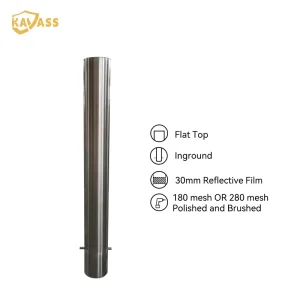
Connect with our technical sales division to request material spec sheets, structural design calculations, or direct volume price quotes for your project.
 KAVASS