Explore KAVASS Security Tech's heavy-duty industrial fabrications, engineered to coordinate with safety cabinets in robust facilities.
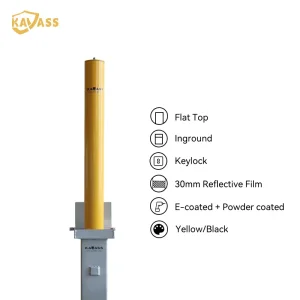
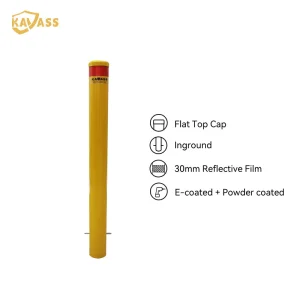
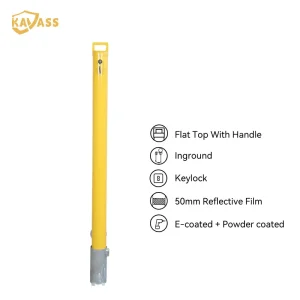
Within modern industrial, chemical processing, and scientific research environments, the regulation of volatile and flammable liquids is subject to strict governmental scrutiny. Safe storage goes far beyond standard containment; it requires engineering barriers capable of preventing internal chemical combustion from triggering catastrophic secondary factory fires.
Yellow safety storage cabinets are standard for flammable liquids globally. Under the color coding systems established by the National Fire Protection Association (NFPA) and the Occupational Safety and Health Administration (OSHA), yellow symbolizes "Flammable Liquids" (flash points below 37.8°C / 100°F). These critical structures provide a fire-resistant buffer time (typically 10 to 90 minutes depending on certification levels) that allows personnel to evacuate and emergency responders to suppress hazards before ignition sources reach stored canisters.
EHS Insight: Integrating high-visibility containment cabinets with impact-rated steel barriers at the factory floor level creates a comprehensive safety strategy against chemical spills, mechanical impacts, and fire hazards.
EHS Directors must navigate overlapping compliance frameworks to guarantee safety. Our manufacturing guidelines cross-reference the absolute requirements of international standards.
| Regulation Standard | Geographic Authority | Structural Compliance Requirements | Door Seal & Latching Specifications |
|---|---|---|---|
| OSHA 29 CFR 1910.106 | United States & Associated Jurisdictions | 18-Gauge double-wall steel construction with a 1.5-inch insulating air pocket. Leak-proof sill (at least 2 inches deep) to contain spills. | Three-point fail-safe latching mechanism; doors must be marked with clear, highly visible warnings. |
| NFPA Code 30 | North America & Global Partners | Strict volumetric restrictions on Class I, II, and III liquids. Grounding connection points required to manage static discharge. | Both manual and self-closing options, equipped with fusible links that melt at 135°F (57°C) to shut doors in a fire. |
| EN 14470-1 (Type 30 / Type 90) | European Union & Allied Regions | Classified by fire resistance duration (30 mins vs 90 mins). Requires independent oven thermal containment testing. | Automatic door closure triggered by temperature increases; ventilation duct ports with heat-expanding seals. |
| FM Class 6050 | Worldwide Insurance Standards | Performance-tested for structural integrity under extreme heat. Requires rigorous evaluation of internal components. | Strict manual and self-closing durability tests over thousands of cycles to verify latch engagement. |
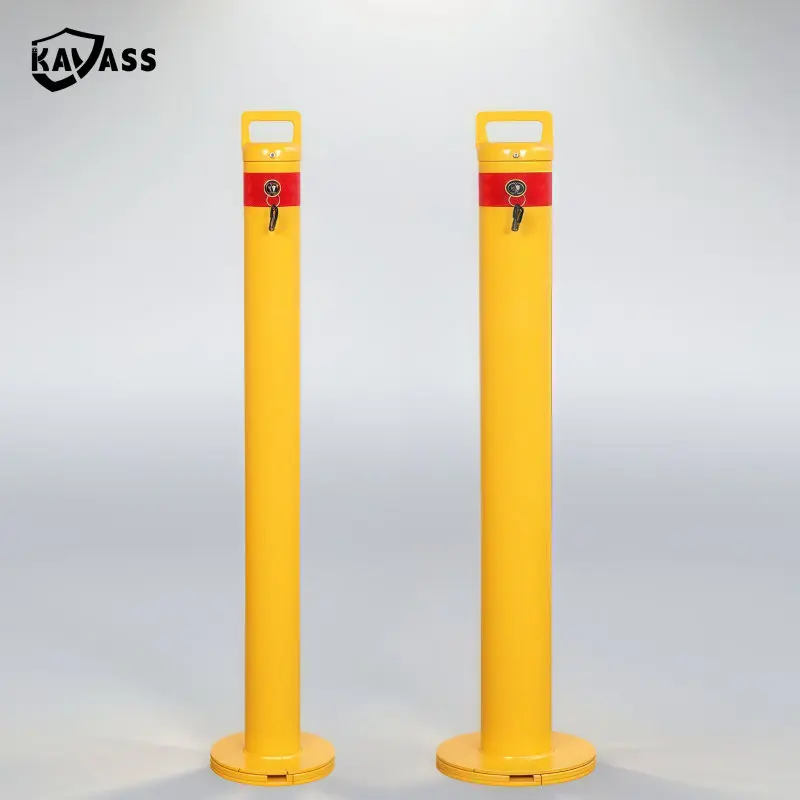
KAVASS Security Tech Limited is a professional manufacturer focused on traffic safety, perimeter protection, and industrial facility solutions, with more than 18 years of industry experience. We specialize in the design, production, and supply of a wide range of products, including parking locks, bollards, bike racks, and other urban infrastructure equipment. By integrating product development, manufacturing, and after-sales support, we provide efficient one-stop solutions tailored to the needs of global clients.
Our production base is equipped with advanced machinery and modern manufacturing processes, supported by a skilled engineering and quality control team. From raw material selection to final inspection, every step is carefully managed to ensure consistent product performance and long-term reliability. This enables us to meet the demands of various applications, from standard products to customized project requirements.
KAVASS products are widely applied in urban infrastructure, commercial properties, industrial facilities, residential communities, and public spaces. We offer flexible customization options, including size, material, finish, and branding.
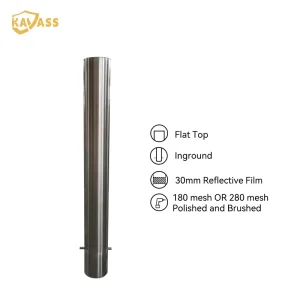
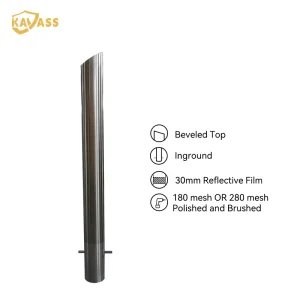
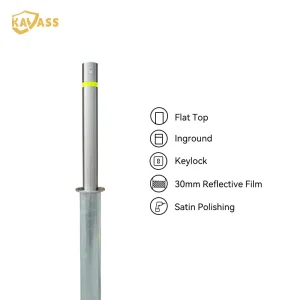
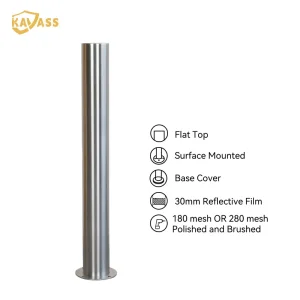
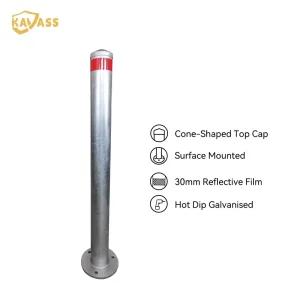
Fixed, fold-down, telescopic, removable, automatic, and lighting bollards for perimeter security, access control, and structural defense against vehicle collisions.
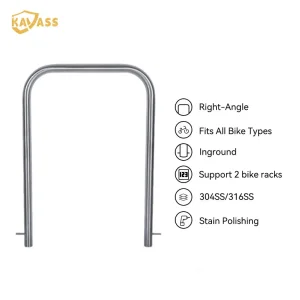
Durable, space-saving, and dismantlable bicycle parking racks. Available in vertical, triangular, hoop, and wave layouts for commercial and residential developments.
Safety barriers, guardrails, protective equipment, and specialized hazardous substance cabinets (yellow flammable liquid cabinets) for hazardous factory environments.
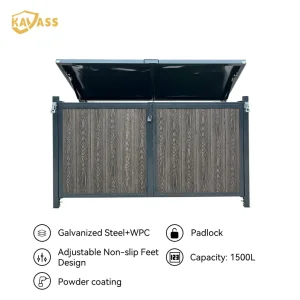
Benches, waste enclosures (galvanized steel & WPC options), and customized outdoor furniture designed for heavy public and municipal usage.
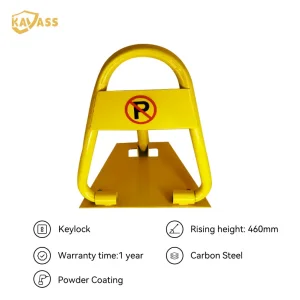
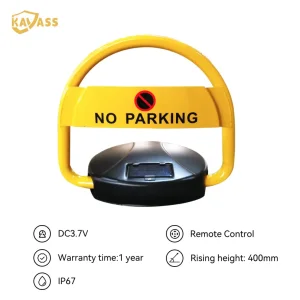
Manual, remote-controlled, solar-powered, and IoT-enabled smart parking locks configured for seamless facility management and space reservation.
With a strong export network, KAVASS has established long-term partnerships with customers in more than 80 countries and regions across Europe, the Middle East, Southeast Asia, and the Americas.
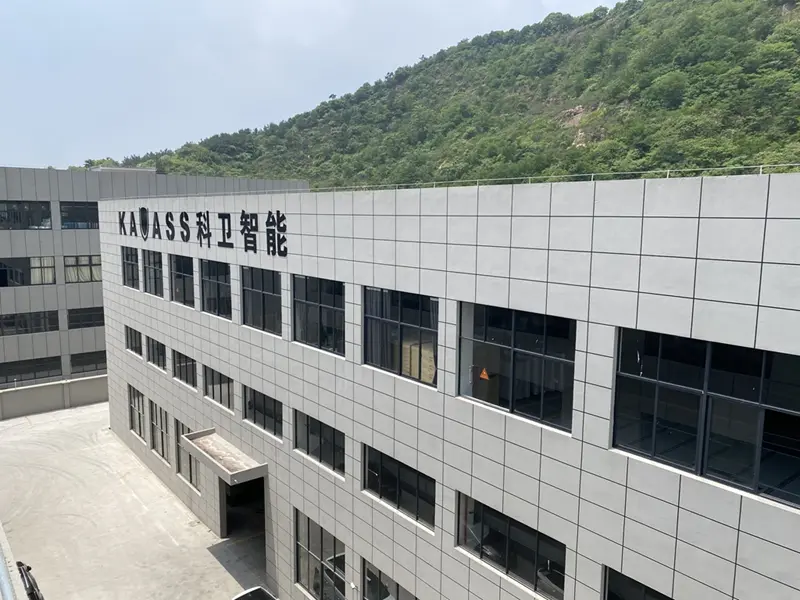
Our Deqing and Zhuji factories utilize advanced manufacturing equipment and modern processing technologies. This infrastructure allows KAVASS to handle complex customizations, raw material processing, robotic structural welding, and automated surface treatment.
Every step of production, from raw material selection to final inspection, is managed to guarantee long-term performance. Our engineering team designs products that combine durability with high practical value, meeting the needs of major global industrial projects.
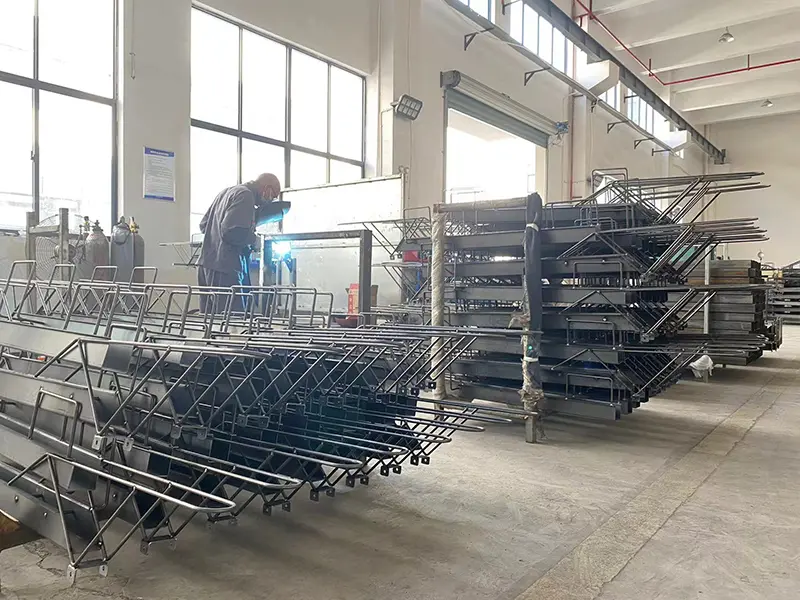
Ensuring compliance across diverse regions requires localized engineering adjustments. Here is how KAVASS supports regional standards in global installations.
Full support for NFPA 30 and OSHA 1910.106 requirements. Cabinets feature built-in grounding connectors to prevent static ignition, and dual vent systems with integrated flash arresters.
Designed to align with EN 14470-1 specifications. Integrates heat-sensitive, self-closing doors and expanding intumescent seal strips that seal the cabinet airtight in a fire.
Custom dimensions, colors, and branding designed for safety regulations in specific countries. Warning labels are supplied in localized languages (English, Spanish, French, and German) to meet local EHS inspection requirements.
Different facilities require specific protective profiles. We align cabinet specifications with targeted industrial and commercial configurations.
These environments require high resistance to aggressive vapors and accidental spills. Safety cabinets feature heavy-gauge galvanized steel construction, an epoxy powder coating, and a 2-inch deep sumped lower compartment to contain leaks.
These operations involve high traffic and forklift movement. Ground-anchored, heavy-duty safety cabinets are paired with surrounding perimeter security bollards to protect volatile solvent supplies from vehicular impact.
These workspaces require small-scale organization of diverse compounds. Space-efficient under-counter safety cabinets allow scientists to keep reactive solvents close to work areas, conforming to both NFPA standards and spatial limits.
We continue to develop safety equipment by integrating mechanical design with electronic monitoring for modern smart factories.
Developing mechanical self-closing doors with low-temperature fusible links that close automatically in a fire.
Integrating RFID-controlled lock latches (using KAVASS's experience with IoT smart locking systems) to restrict cabinet access to authorized personnel and log access times.
Adding built-in volatile organic compound (VOC) sensors and temperature monitors that connect directly to central building management systems (BMS) to alert EHS managers of leaks.
Get answers to common regulatory and technical questions about selecting and installing yellow safety storage cabinets.
Explore KAVASS Security Tech's bicycle parking, street furniture, and security bollard systems designed for modern municipal projects.
If you have questions about our product specifications, customization support, or international compliance certifications, please contact our team. We are ready to assist with technical support and pricing details.
Send Inquiry KAVASS