In modern manufacturing, processing, and laboratory environments, the storage of hazardous materials is governed by rigorous risk mitigation frameworks. Standard chemical storage is insufficient when dealing with Class I, Class II, and Class III flammable liquids. Globally, Environmental Health and Safety (EHS) parameters mandate the implementation of specialized containment solutions to prevent catastrophic factory fires and explosion hazards.
As a leading developer of heavy physical site security and hazard control systems, KAVASS Security Tech Limited integrates high-level material science with mechanical isolation to produce custom yellow flammable storage cabinets. These units act as a vital fire barrier, delaying the internal temperature rise during an external building fire, thereby providing personnel crucial evacuation time and allowing active fire suppression systems to engage.
Petrochemical & Refining: High concentrations of hydrocarbons require spark-proof latching mechanisms and robust grounding connections to eliminate static charge buildup.
Biomedical & Laboratories: Micro-volume storage of volatile reagents requires chemical-resistant shelf liners and specialized exhaust duct integrations.
Automotive Assembly & Aerospace: Solvents, paint thinners, and coating resins demand large-capacity, high-durability cabinets configured with auto-closing doors linked to thermal sensors.
Constructed with dual-walled 18-gauge (1.2mm) cold-rolled steel plates with a 1.5-inch (38mm) insulating air pocket. This composition significantly decelerates thermal conduction, meeting NFPA 30 specifications.
Equipped with a fail-safe, three-point stainless steel bullet latching system. The continuous door hinge ensures alignment, preventing manual bypass errors and securing doors tight against ignition forces.
Integrated dual 2-inch vents featuring threaded connectors and internal flame arresters. These prevent external sparks or backdrafts from migrating into the storage chamber while allowing safe volatile venting when piped.
| Regulatory Standard | Geographic Focus | Structural Requirement | Compliance Target |
|---|---|---|---|
| OSHA 29 CFR 1910.106 | North America / US | Double-walled steel with 1.5” air gap, door sill raised at least 2” above the cabinet bottom to contain leaks. | Mandatory factory floor workplace hazard containment. |
| NFPA Code 30 (Chapter 9.5) | Global / North America | Limits cabinet volume of Class I & II liquids to 60 gallons, and Class III to 120 gallons. Sparks control. | Fire risk limitation, insurance rate compliance. |
| EN 14470-1 (Type 30 / Type 90) | Europe | Strict fire resistance testing in a furnace. Internal temperature must not rise by more than 180K. | Rigorous European Union environment requirements. |
| FM Class 6050 Approval | International / Industrial | Subjected to structural impact, heat exposure tests, and automatic closure mechanism cycles. | High-security verification for enterprise facilities. |
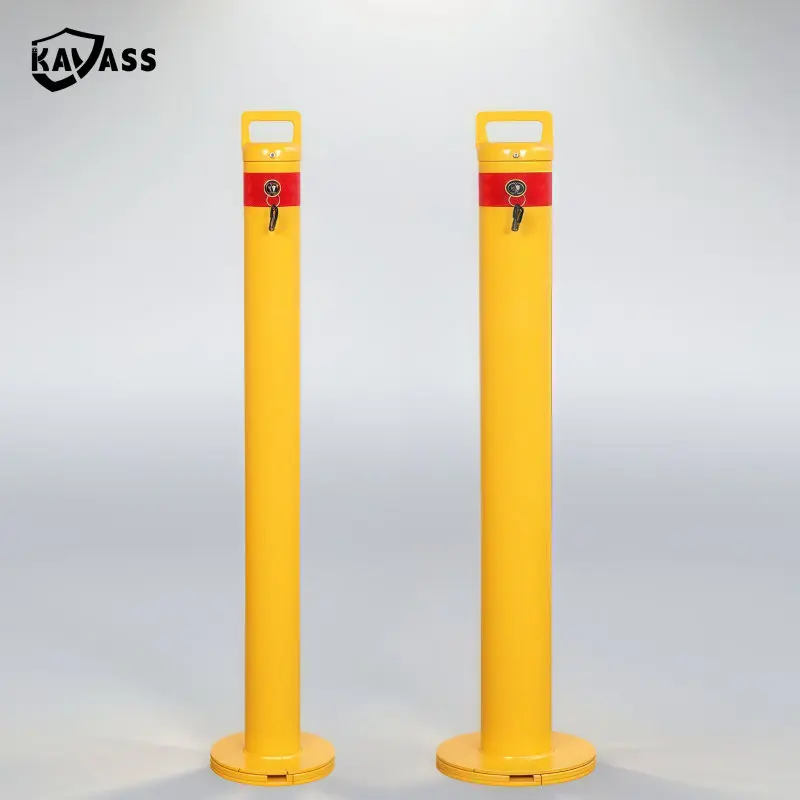
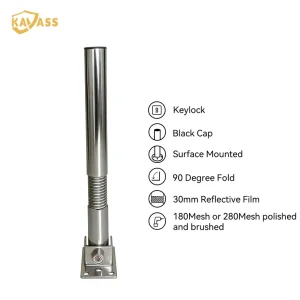
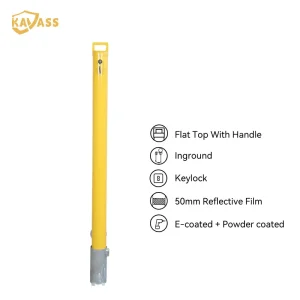
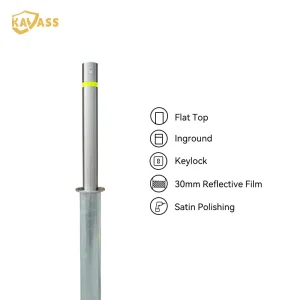
Fixed, fold-down, telescopic, removable, automatic, and lighting bollards for perimeter security and access control.
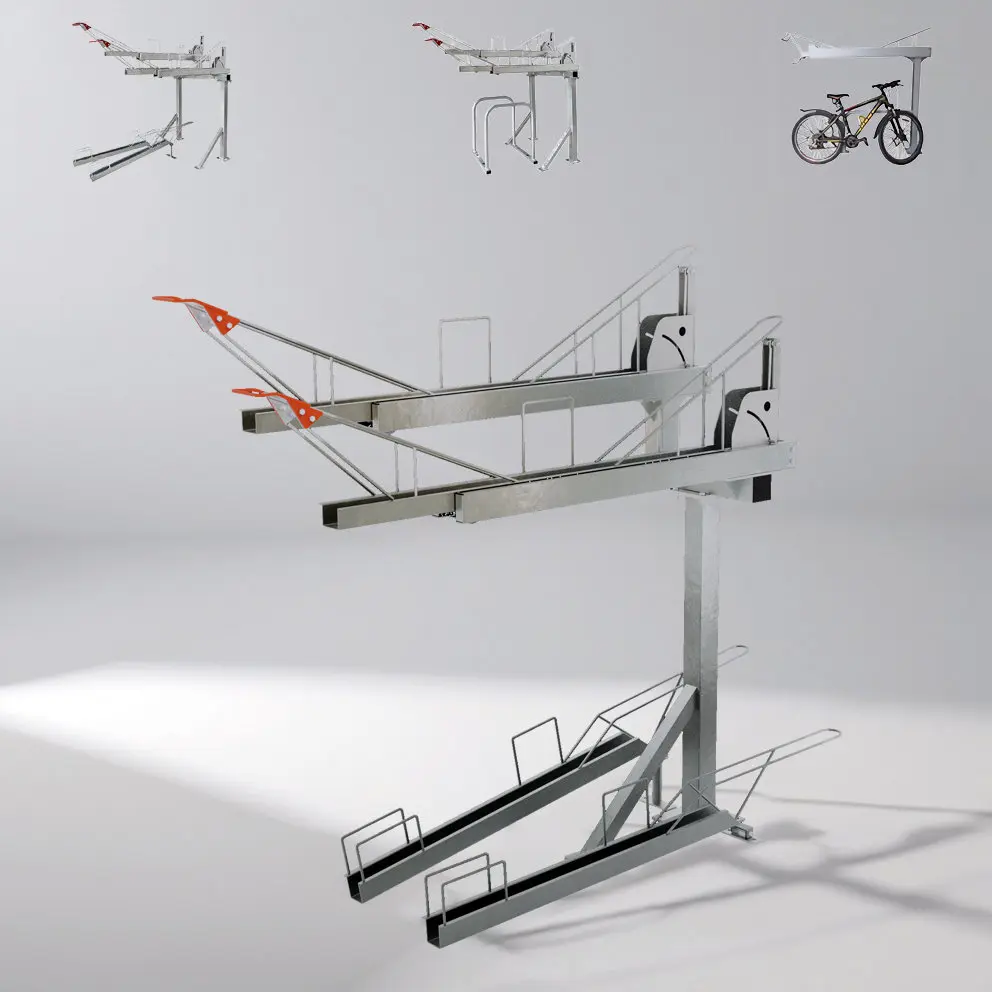
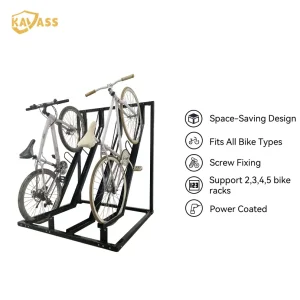
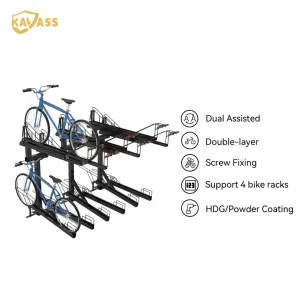
Durable and space-saving bicycle parking systems for commercial, municipal, and residential projects.
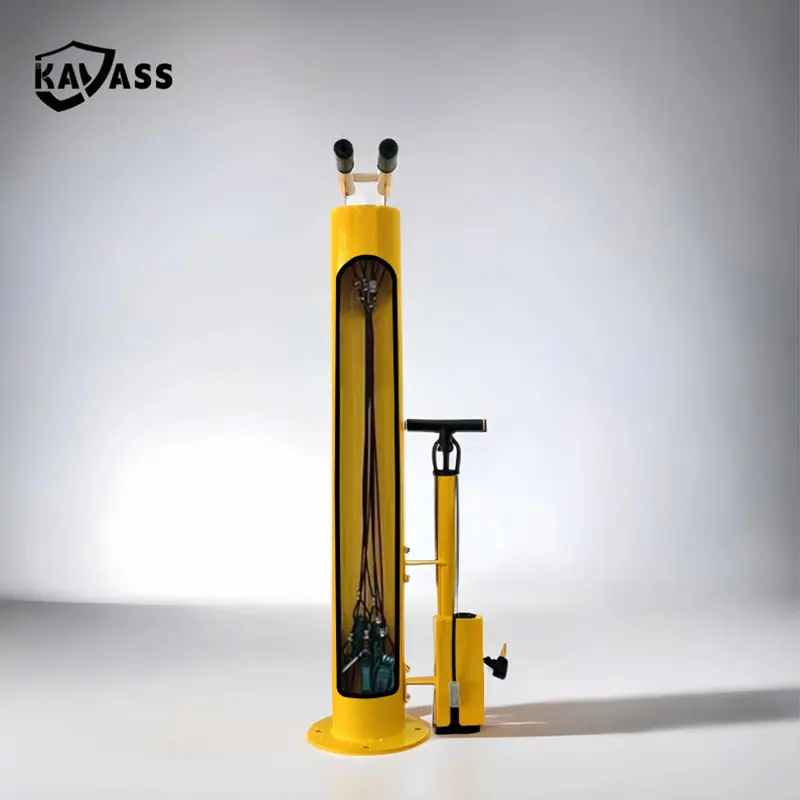
Yellow flammable storage cabinets, safety barriers, guardrails, and protection equipment for hazardous facilities.
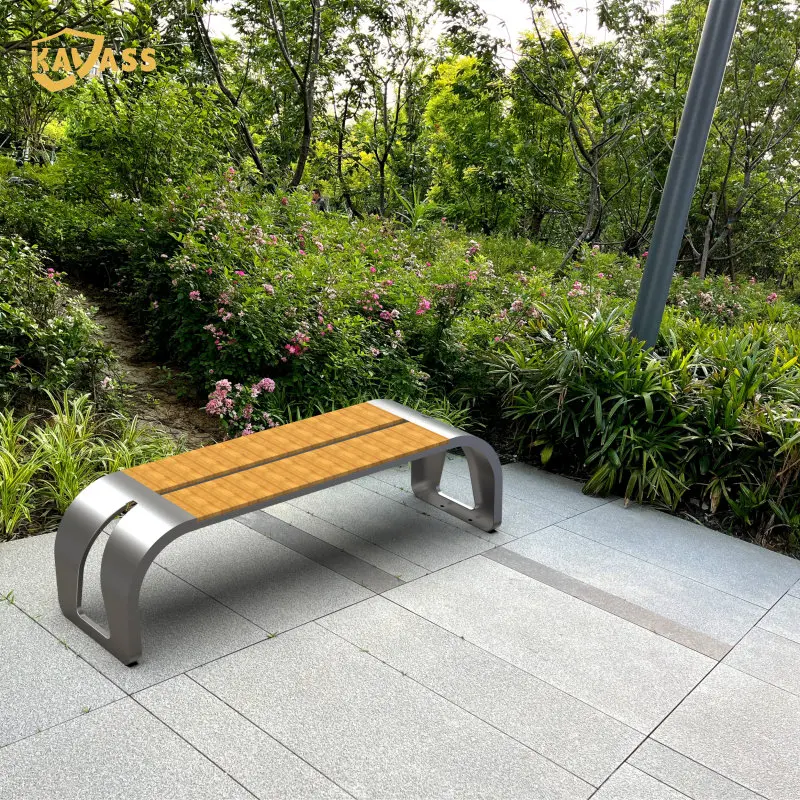
Benches, trash receptacles, and customized structural steel layouts for open public spaces.
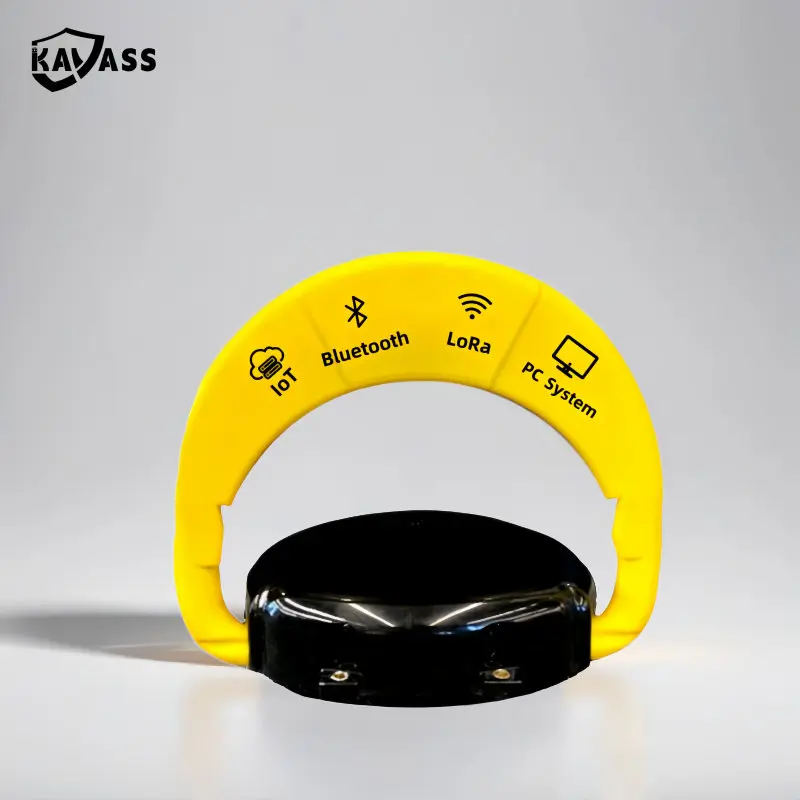
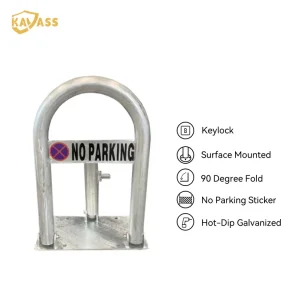
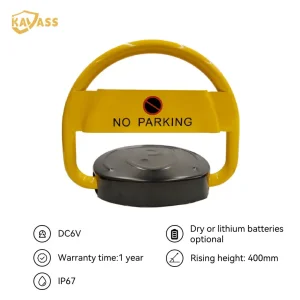
Manual, remote-controlled, solar-powered, and IoT-integrated smart parking barriers for modern facility organization.
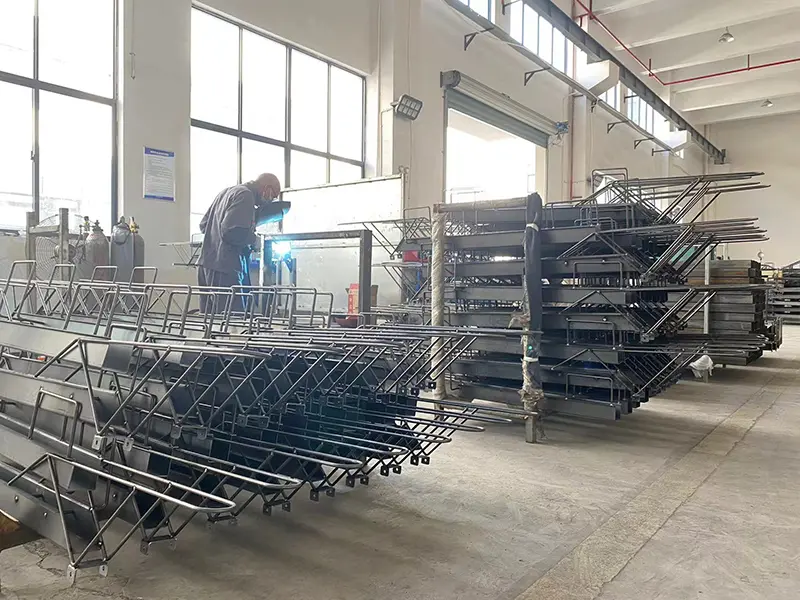
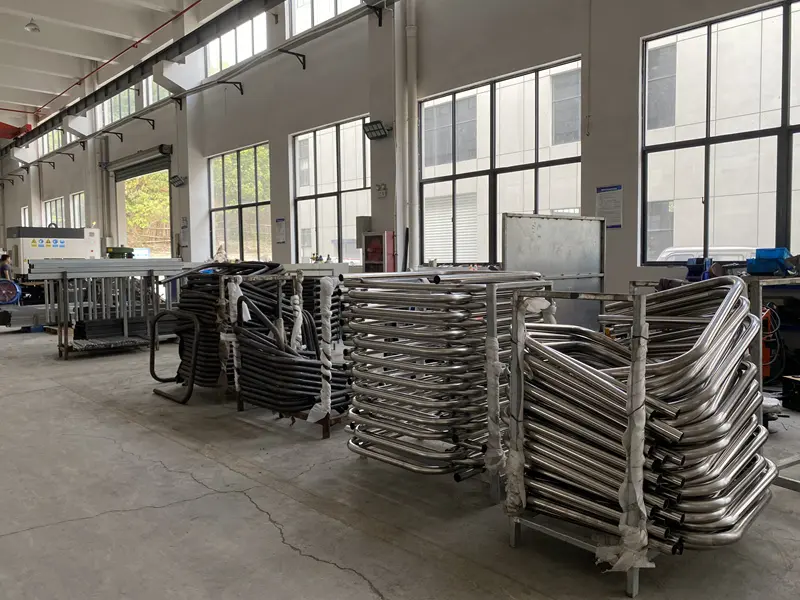
Standard off-the-shelf cabinets often fail to fit specialized footprints or meet specific architectural requirements in chemical storage hubs. KAVASS offers extensive custom engineering options to adjust sizing, ventilation schemes, and mechanical locking functions.
Storing hazardous compounds requires strict adherence to localized chemical segregation protocols. Correct deployment of yellow storage cabinets requires understanding chemical groupings to prevent highly hazardous interactions.
For example, Yellow Cabinets are designated for Flammable Liquids (flashpoint below 100°F). Storing corrosive acids or strong oxidizers within the same yellow cabinet will compromise the steel structure and lead to severe reactions. Acids should reside in blue polyethylene-lined cabinets, while pesticides belong in green enclosures.
Every cabinet shipped by KAVASS includes a full compliance checklist, local grounding installation kits, and standardized safety signaling labels in multiple languages to satisfy local OSHA regulations.
 KAVASS