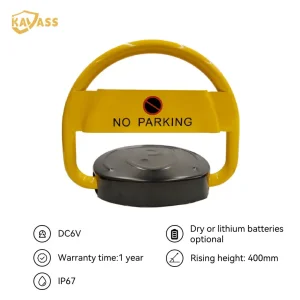
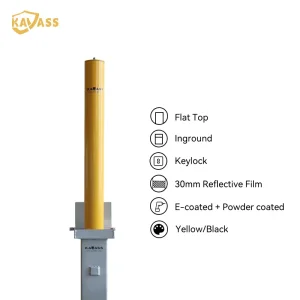
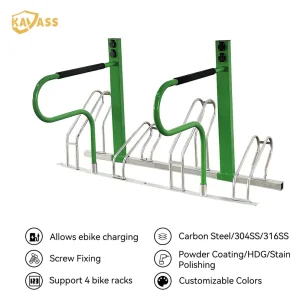
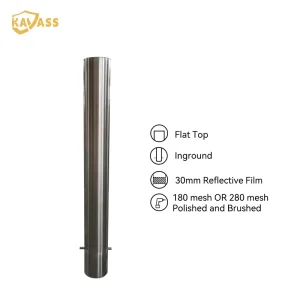
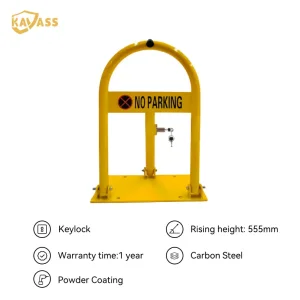
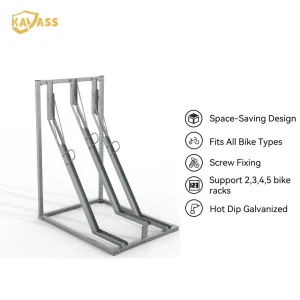
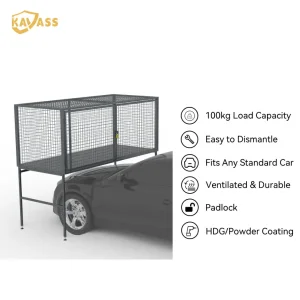
High-durability barriers, security bollards, and customized space management systems engineered for industrial reliability.
In modern industrial manufacturing, petrochemical operations, laboratory environments, and logistics hubs, the storage of hazardous and flammable materials represents one of the most critical risk-management vectors. Organizations globally are bound by increasingly strict occupational health and safety rules that dictate exactly how volatile chemicals, solvents, and fuel assets must be preserved. A primary line of defense in protecting facilities, personnel, and surrounding ecosystems is the implementation of Fireproof Chemical Storage Cabinets.
Under international standards set by bodies like the National Fire Protection Association (NFPA) and the Occupational Safety and Health Administration (OSHA) in North America, as well as EN 14470-1 mandates across Europe, chemical storage cabinets are engineered to serve as heat barriers. By insulating flammable substances from external heat sources and open flames, these containment systems provide crucial minutes for evacuation and fire containment efforts before structural failure or chemical ignition occurs.
Developing a high-performance chemical cabinet requires rigorous metallurgy, mechanical precision, and testing. KAVASS Security Tech Limited leverages 18+ years of structural fabrication and industrial safety manufacturing experience to engineer fireproof storage systems designed to meet heavy-duty industrial specifications. Key performance highlights include:
| Feature / Component | Engineering Specification (OSHA/NFPA Code 30 compliant) | Operational Function |
|---|---|---|
| Double-Wall Structure | 18-Gauge (1.2mm) cold-rolled steel with a 1.5-inch (38mm) insulating air space. | Creates a thermal barrier preventing heat conduction to stored volatile materials. |
| Dual Venting Ports | Equipped with integrated flash arresters (usually 2-inch threaded connections). | Allows controlled ventilation to exhaust harmful vapors while protecting against flame rollback. |
| Sump Containment | 2-inch (50mm) liquid-tight leak-proof bottom sump. | Captures chemical drips, spills, and catastrophic container ruptures securely. |
| Locking Mechanism | Three-point self-latching key lock system with paddle handle. | Ensures positive door seal under extreme heat; resists physical tampering. |
Our ODM (Original Design Manufacturing) workflows allow industrial clients to customize cabinet sizing, shelf configurations, chemical compatibility liners (e.g., HDPE shelf inserts for corrosive acids), and automated hydraulic self-closing door systems. This ensures that facility floor plans and storage logistics align perfectly with safety requirements.
The industrial safety sector is transitioning rapidly into the digital realm (Industry 4.0). Modern safety cabinets are no longer isolated static steel boxes; they are becoming interconnected node devices within Smart Factories. The integration of explosion-proof sensors for temperature tracking, volatile organic compound (VOC) vapor detection, and open-door state monitoring represents the modern benchmark of risk mitigation.
At KAVASS, our R&D roadmap focuses on incorporating IoT (Internet of Things) communication modules to alert safety managers of abnormal temperature spikes or excessive vapor concentrations within chemical storage cabinets. This telemetry allows pre-emptive actions before chemical flashpoints are reached. Additionally, our automated mechanical closing mechanisms are being enhanced with smart alarms to signal when cabinets are left unsealed or improperly shut.
Compliance is highly localized. Navigating regional codes is essential for international buyers and procurement departments:
By leveraging KAVASS’s ODM capacities, international buyers can request localized alterations to materials, label styling, venting setups, and door closing speeds. This custom execution ensures that regional regulatory audits are passed effortlessly.
Safety is a holistic ecosystem. Storing volatile chemicals in fireproof cabinets is only one component of risk management. A facility must also be protected from external impacts, vehicle incursions, and traffic accidents that could compromise safety barriers.
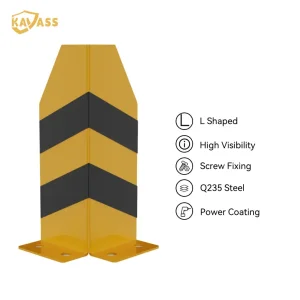
KAVASS excels at combining outdoor physical security infrastructure (such as impact-resistant bollards, height-adjustable telescopic bollards, and pedestrian flow control systems) with indoor industrial safety barriers (like our heavy-duty L-Type Shelf Protectors). For example, a chemical storage area near a forklift transit aisle requires robust structural guards to prevent collisions. Combining L-type shelf protectors with indoor safety barriers ensures that your critical fireproof chemical cabinets remain undamaged and structurally secure.
KAVASS Security Tech Limited is a professional manufacturer focused on traffic safety and perimeter protection solutions, with more than 18 years of industry experience. We specialize in the design, production, and supply of a wide range of products, including parking locks, bollards, bike racks, and other urban infrastructure equipment. By integrating product development, manufacturing, and after-sales support, we provide efficient one-stop solutions tailored to the needs of global clients.
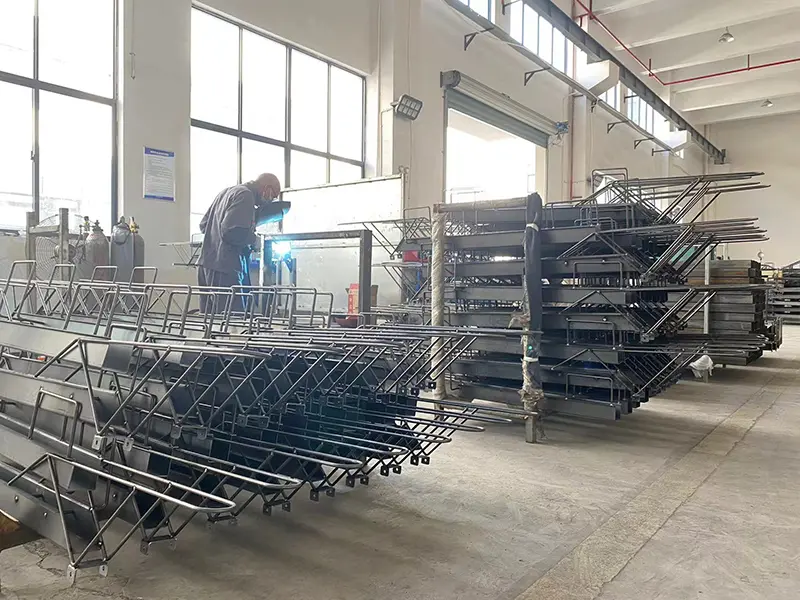
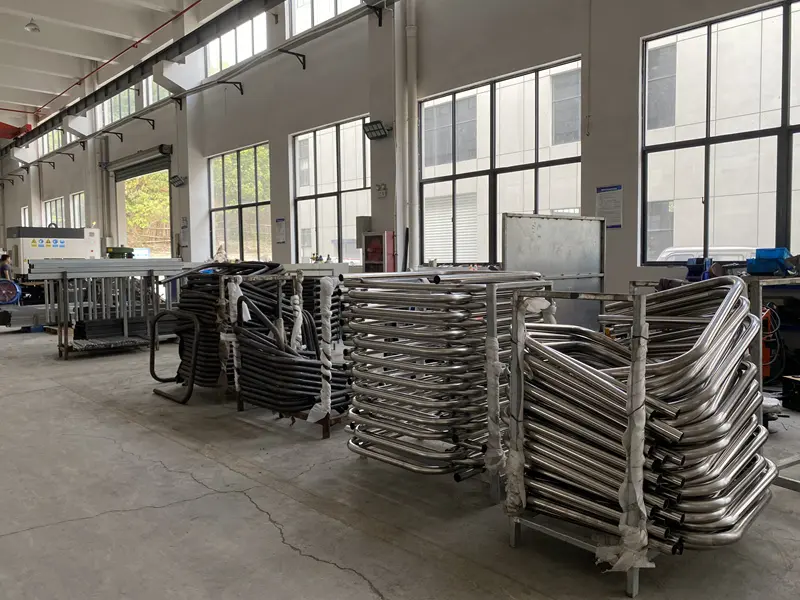
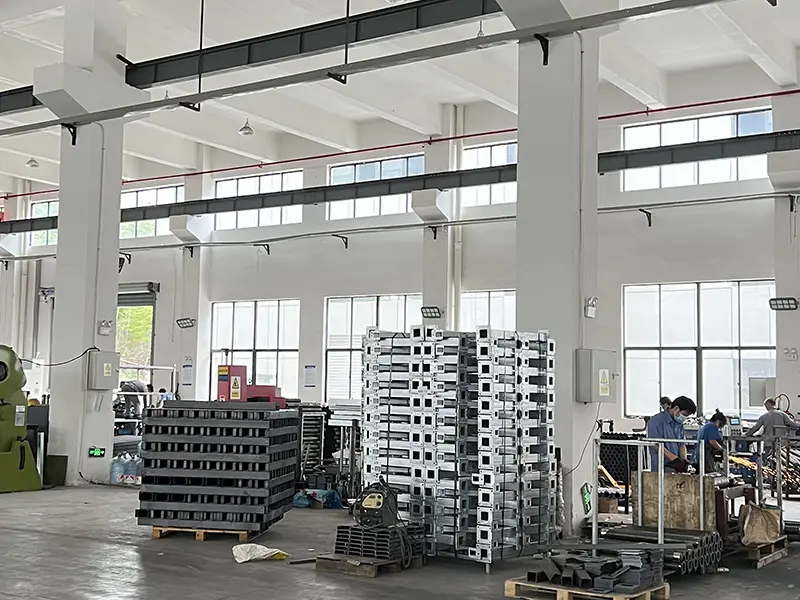
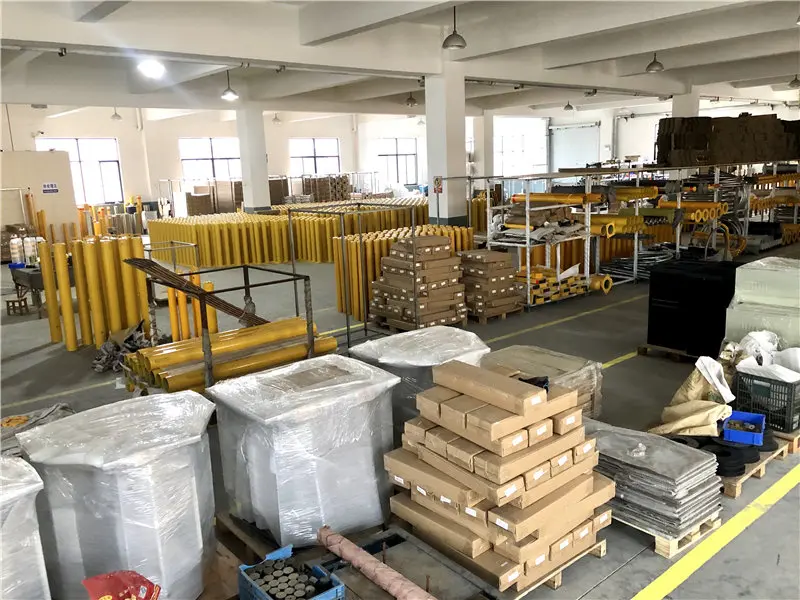
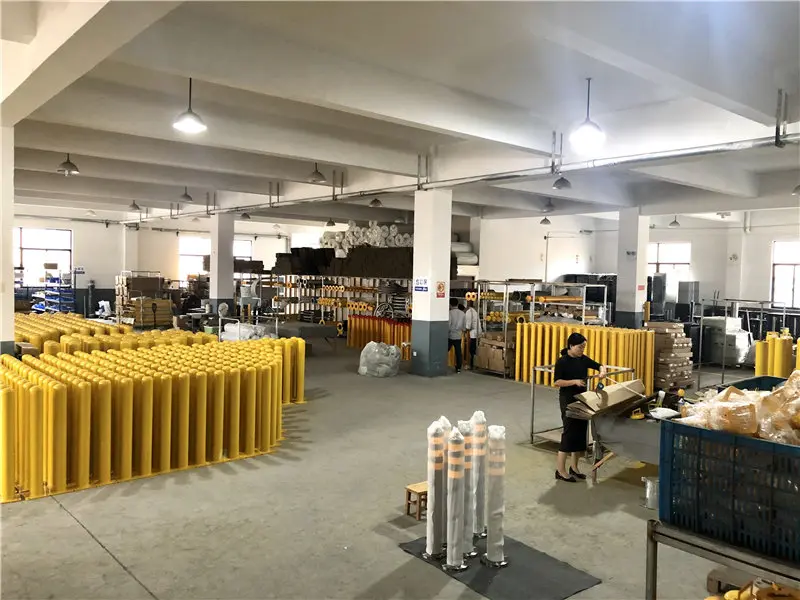
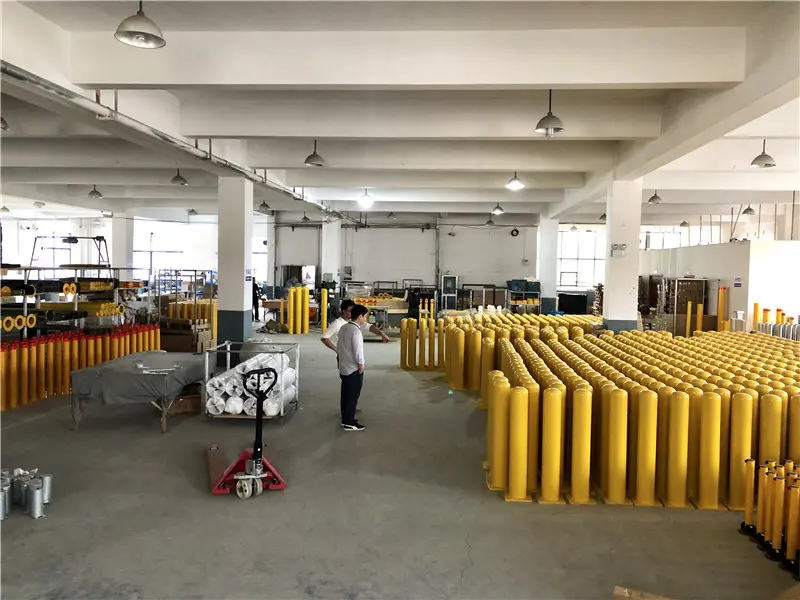
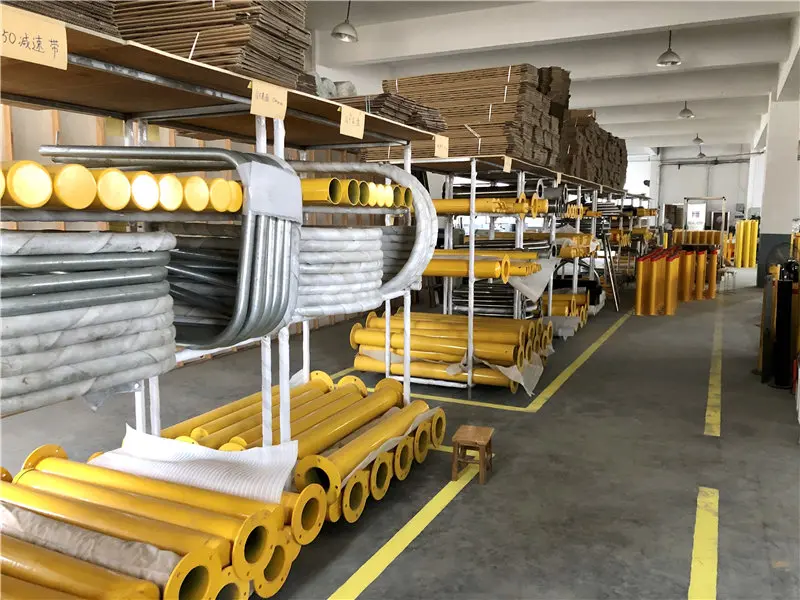
Our production base is equipped with advanced machinery and modern manufacturing processes, supported by a skilled engineering and quality control team. From raw material selection to final inspection, every step is carefully managed to ensure consistent product performance and long-term reliability. This enables us to meet the demands of various applications, from standard products to customized project requirements.
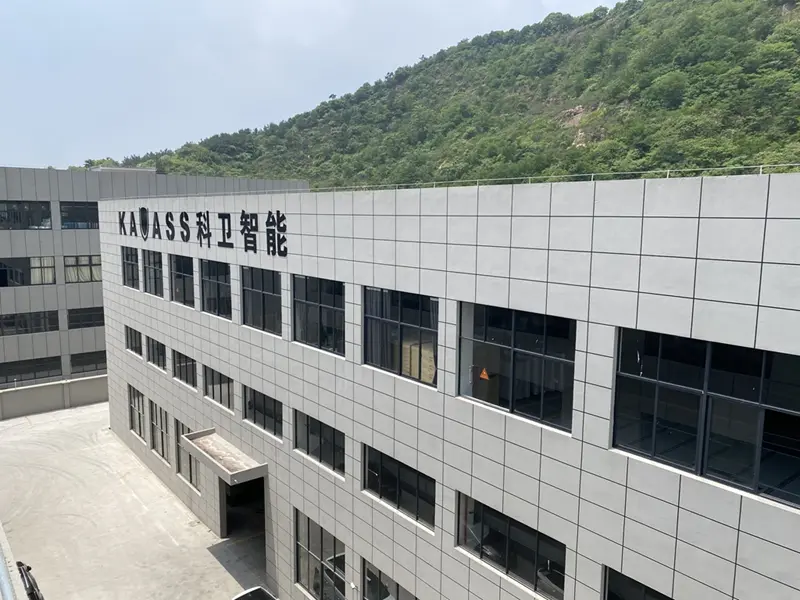
KAVASS products are widely applied in urban infrastructure, commercial properties, industrial facilities, residential communities, and public spaces. We offer flexible customization options including size, material, finish, and branding.
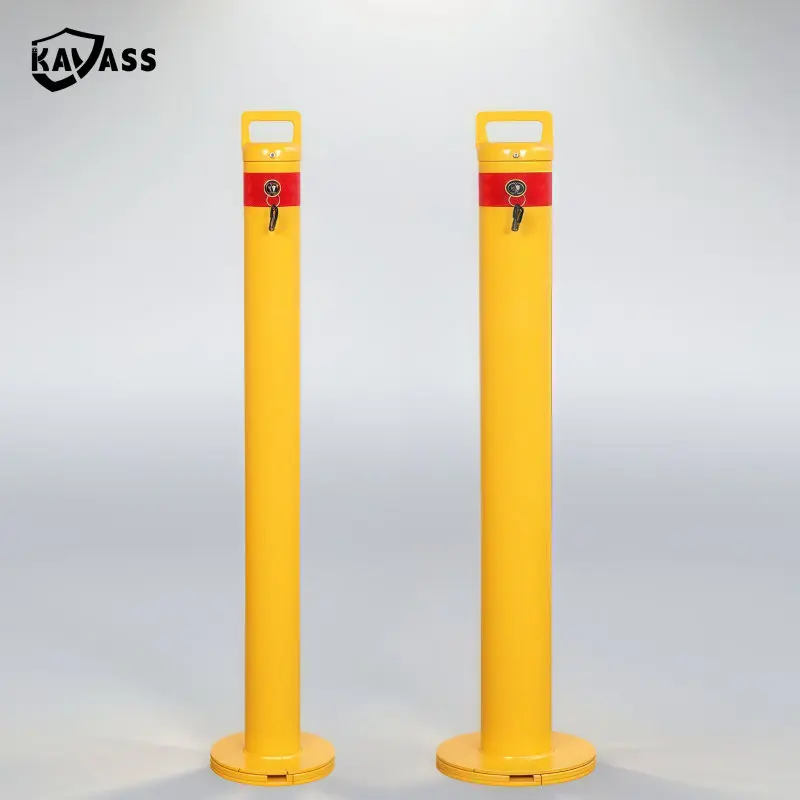
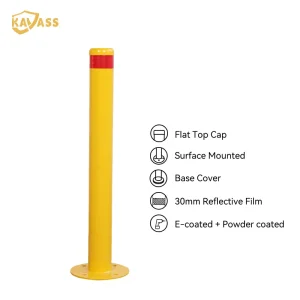
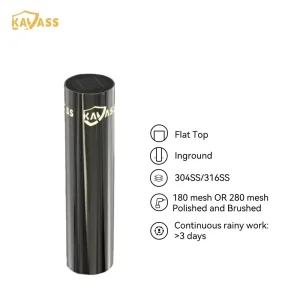
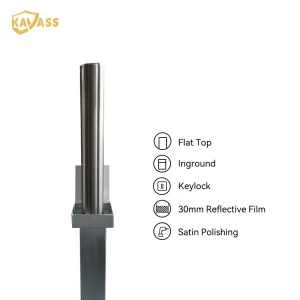
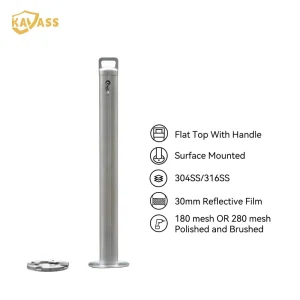
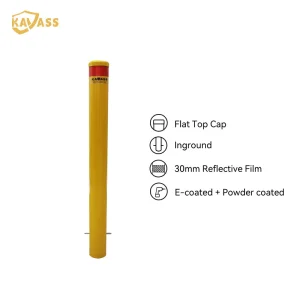
Fixed, fold-down, telescopic, removable, automatic, and lighting bollards for perimeter security and access control.
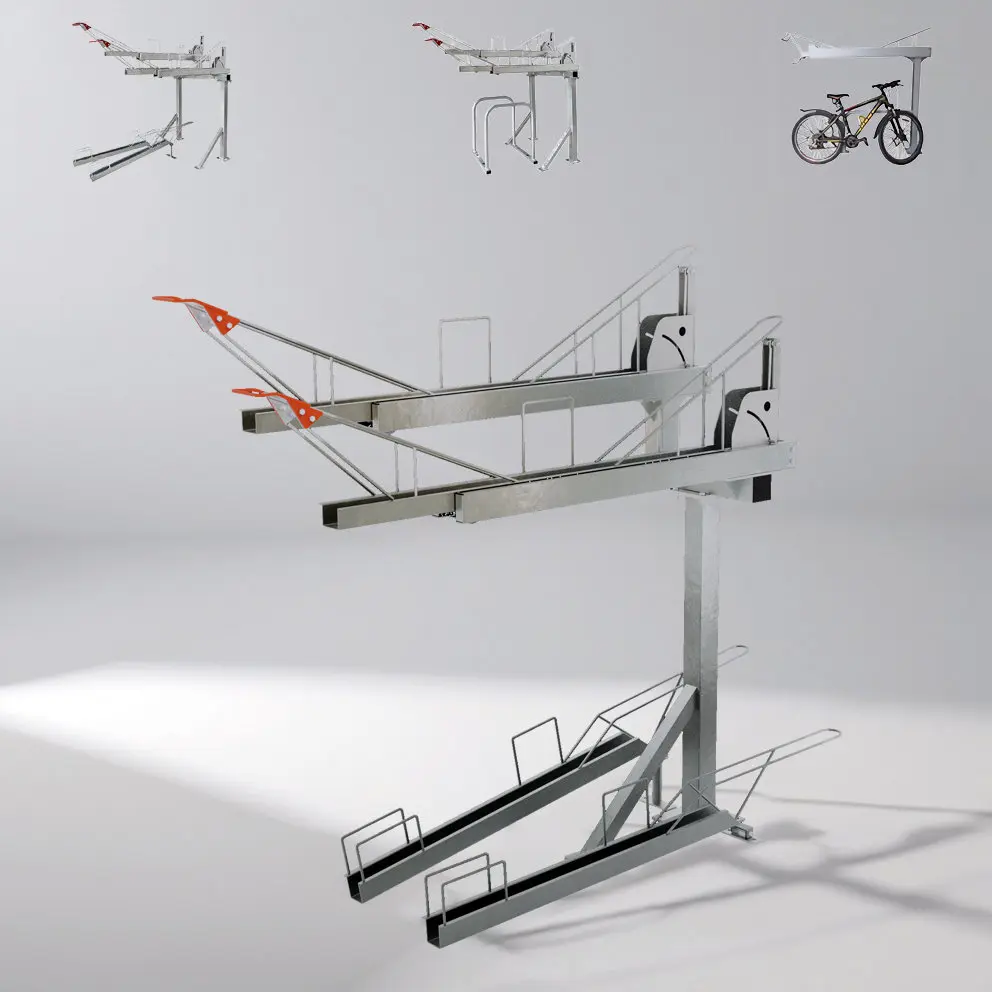
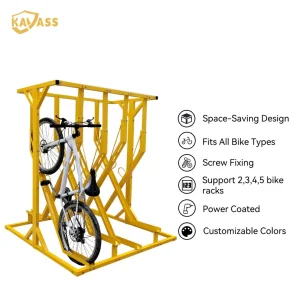
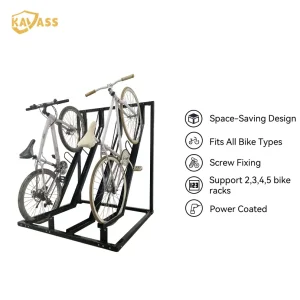
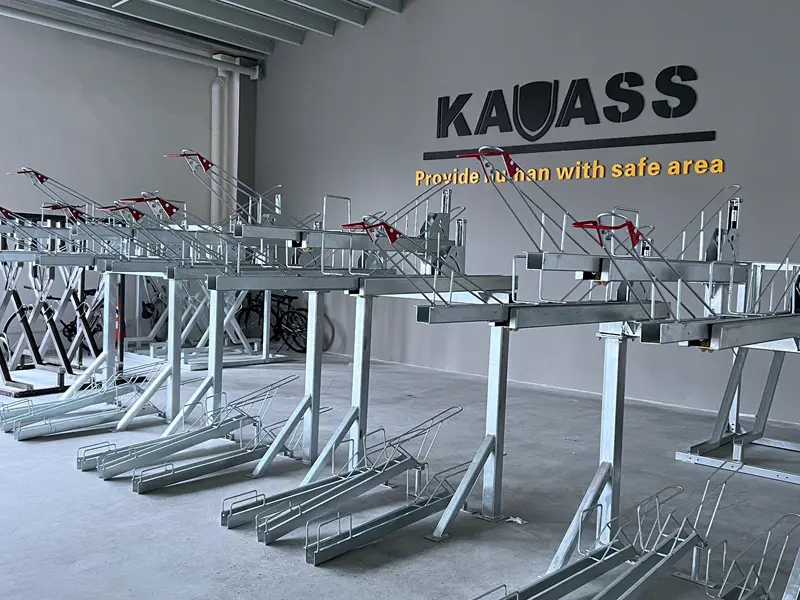
Durable and space-saving bicycle parking systems for commercial and residential areas.
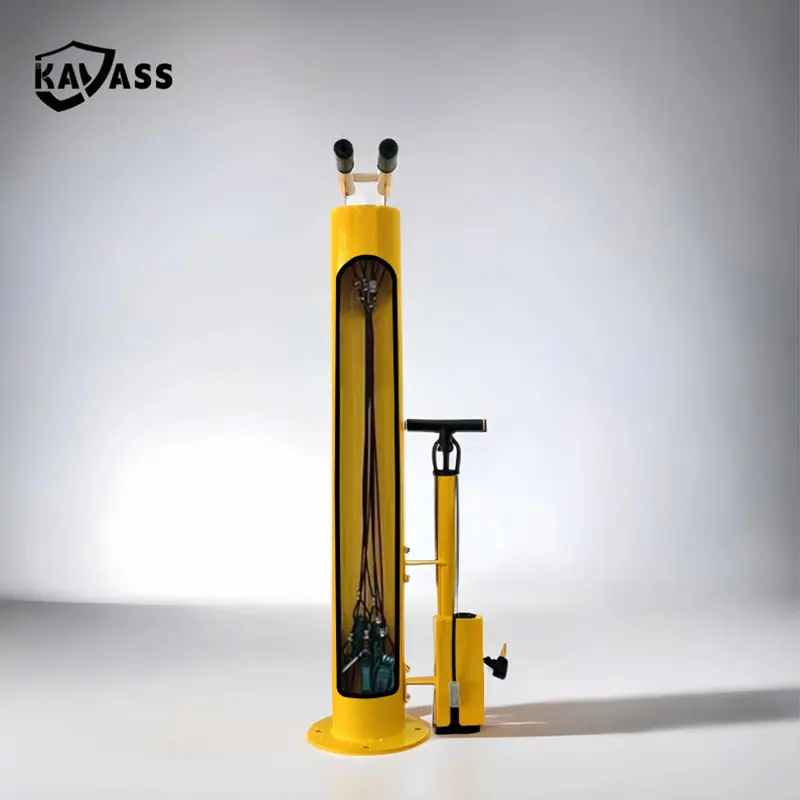
Safety barriers, guardrails, and protective equipment for industrial and construction environments.
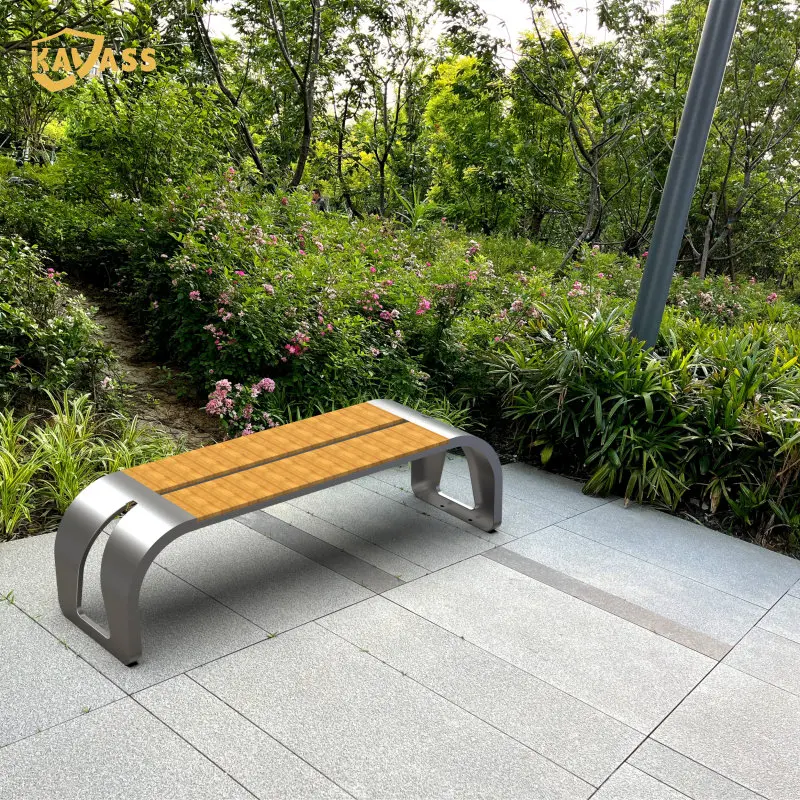
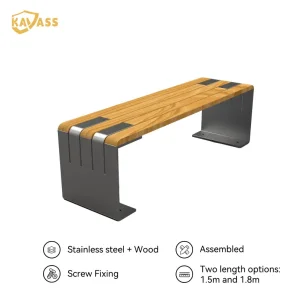
Benches, bins, and other customized outdoor furniture solutions for public spaces.
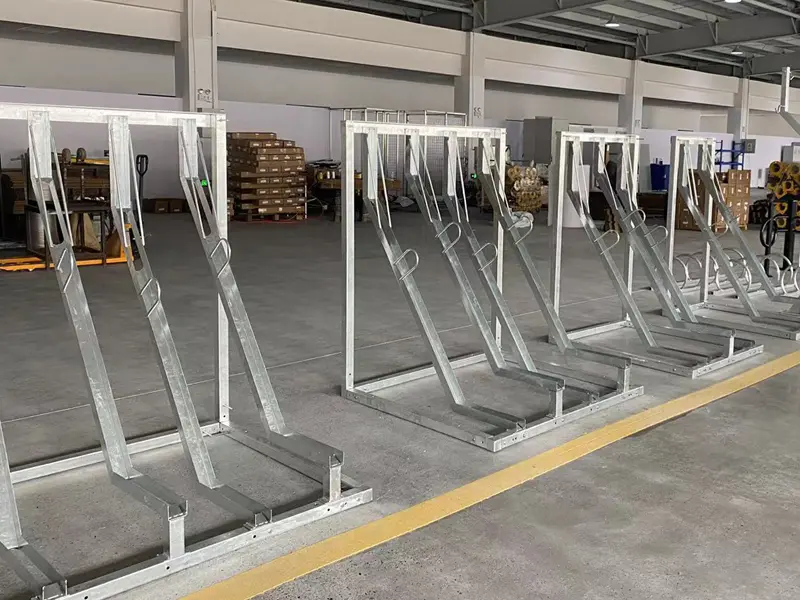
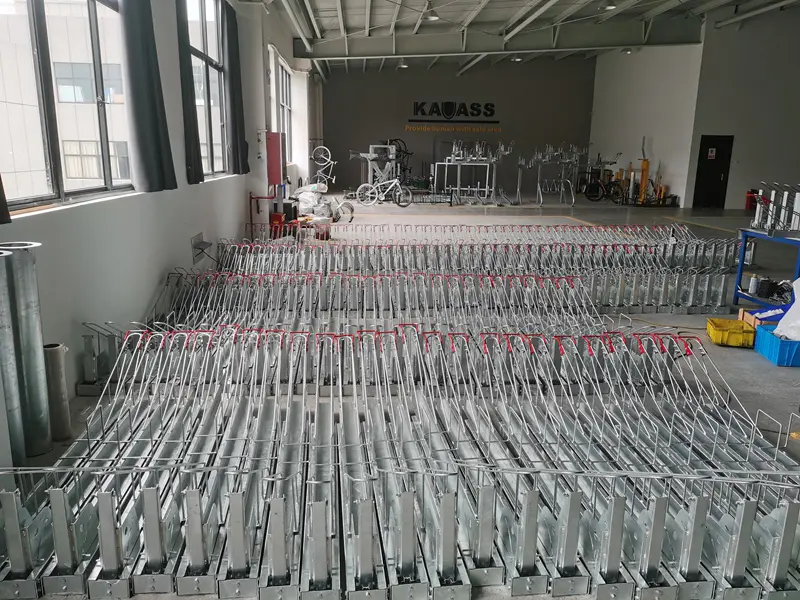
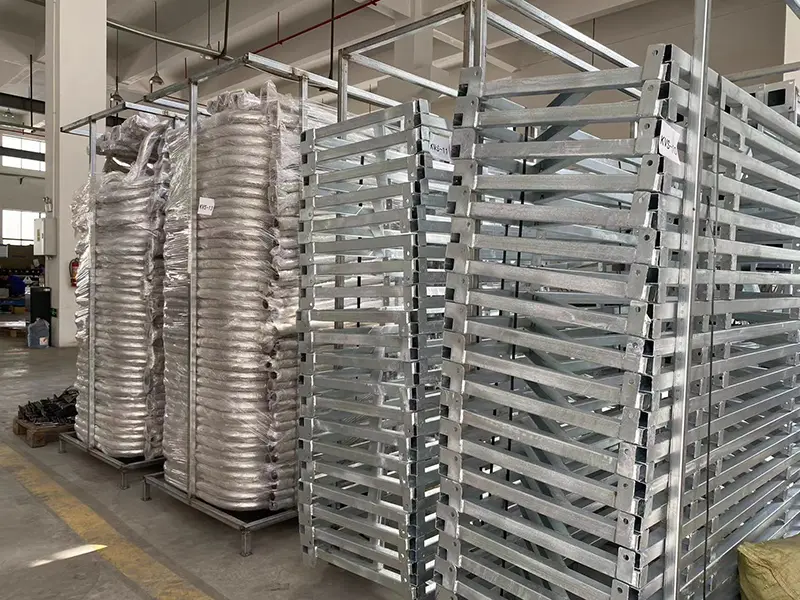
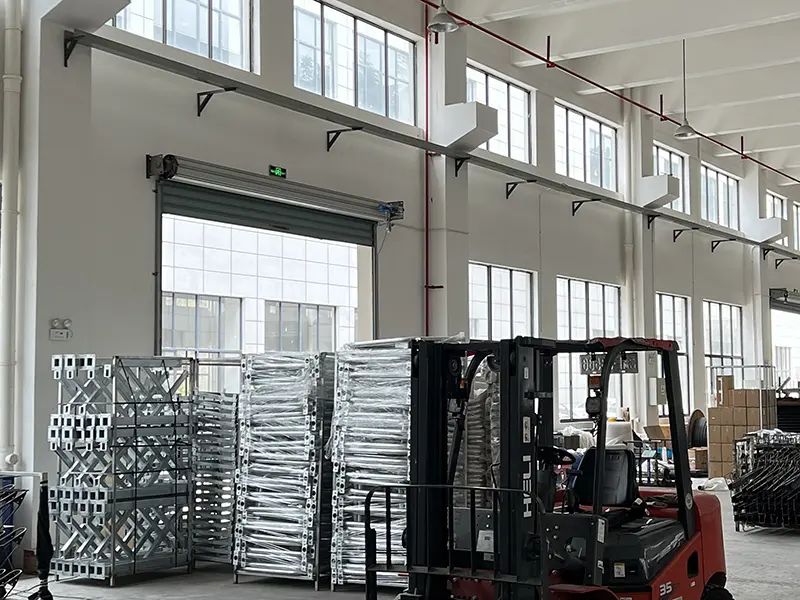
Explore our dual-facility setup: Deqing Factory & Zhuji Factory, designed to deliver high-capacity industrial production and custom manufacturing capability.
With a strong export network, KAVASS has established long-term cooperation with customers in more than 80 countries and regions, including Europe, the Middle East, Southeast Asia, and North and South America. Our experience in international markets allows us to better understand local standards, project requirements, and customer expectations.
Driven by a commitment to quality, practicality, and continuous improvement, KAVASS aims to deliver products that combine functionality with long-term value. We strive to support our partners with reliable solutions that enhance safety, optimize space management, and contribute to more efficient urban and industrial environments.
Technical guidance, regulatory frameworks, and engineering parameters explained by safety experts.
OSHA 29 CFR 1910.106 and NFPA 30 represent the standard regulatory frameworks in the United States. They mandate construction standards, such as double-walled 18-gauge steel construction, a 1.5-inch insulating air pocket, and a 2-inch bottom leak-proof sump. Standard cabinets are designed to survive structural integrity tests under normal testing curves.
EN 14470-1 is the European standard, which is significantly more stringent. It rates cabinets by their exact fire isolation times (Type 30, 60, or 90 minutes). The standard requires rigorous testing in a furnace environment where temperature spikes inside the cabinet must stay below a threshold for the designated classification duration, typically requiring heavy internal insulation materials.
Under NFPA 30 guidelines, venting is not strictly required for fire protection purposes unless local authority jurisdictions mandate it. However, if a cabinet is not vented, the pre-installed vent bungs must remain sealed with their flash arresters. If active venting is implemented, it must exhaust directly to the outdoors through piping that does not compromise fire compartment limits, utilizing spark-free exhaust blowers.
Self-closing doors are equipped with a fusible link mechanism. In the event of a fire, when ambient temperatures reach approximately 165°F (74°C), the fusible link melts, releasing the tension hold and allowing the door to automatically close and latch securely. This seals the chemical inventory from heat exposure.
No, incompatible chemicals must not be stored together. Acids and bases, or flammables and strong oxidizers, should be stored in separate dedicated safety cabinets. KAVASS offers color-coded cabinets (Yellow for Flammables, Blue for Corrosives, Red for Paints/Ink) to help facility operators maintain strict chemical segregation protocols.
High-performance remote locks, impact bollards, bike racks, and storage lockers to secure modern facilities.
We welcome inquiries regarding custom modifications, bulk procurement, or technical specification evaluations. Get in touch with our engineering team for a detailed consultation.
Send us an email or reach out to us directly for professional consultation, and our security specialists will respond promptly with detailed support plans.
 KAVASS