Engineered for durability, spatial optimization, and seamless user experience in modern transit hubs.
As metropolitan zones dynamically transition toward carbon-neutral transport ecosystems, the expansion of bicycle commuting network pathways has exposed a major space constraint: the high-density parking bottleneck. Traditional single-tier bike racks require large spaces, reducing land utility efficiency in Transit-Oriented Developments (TODs), commercial office plazas, and high-rise apartments.
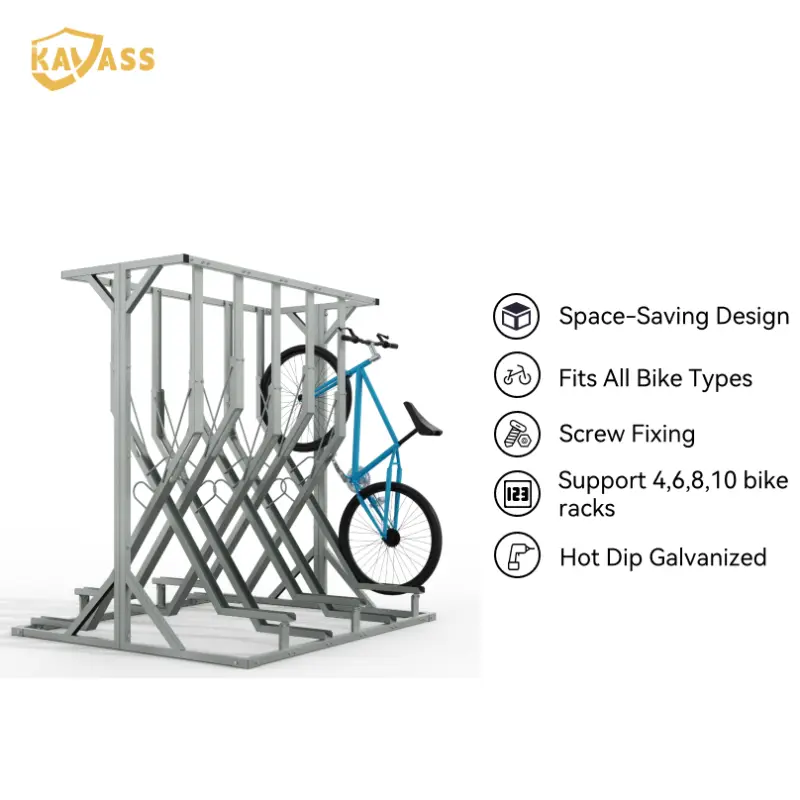
The Easylift Two-Tier Bicycle Rack is a high-efficiency engineering solution that doubles bicycle storage capacity on the same footprint. Operating via vertical spatial division, this two-tier double-decker framework optimizes underutilized overhead volume. By integrating pneumatic pistons, precision-engineered damping mechanisms, and ergonomic slide tracks, it ensures clean parking operations for users of all physical strengths.
As a leading Chinese traffic safety and perimeter protection manufacturer with 18+ years of field experience, KAVASS Security Tech Limited integrates durability, spatial optimization, and clean mechanical design into our Easylift product range, meeting international urban planning requirements.
The design of the Easylift Two-Tier Bicycle Rack is based on structural engineering, metallurgy, and ergonomics. Unlike static rack models, a dynamic two-tier lift system must handle continuous stress, weight imbalances, and outdoor weathering.
High-pressure nitrogen gas springs balance the weight of the bike, reducing the lifting force needed to less than 15kg. This makes the system accessible for a wide range of users.
Equipped with smart gravity locks and side dampers. The system prevents rapid descent if released accidentally, securing the bike at every point along the track.
Constructed using structural Q235 carbon steel and Hot-Dip Galvanization to EN ISO 1461 standards, protecting the components from rust in outdoor and underground environments.
As cities transition into integrated transit ecosystems, bicycle infrastructure is shifting toward digital management. KAVASS is designing IoT-enabled smart locking systems for our two-tier racks. Integrated electronic sensors monitor rack occupancy in real time, sharing this data with smart city mobile applications so commuters can check parking availability beforehand.
Additionally, future designs will utilize lightweight carbon-composite rails to reduce the overall weight of the upper tier, while maintaining structural strength. This engineering path allows for easier operation and lower physical lift requirements.
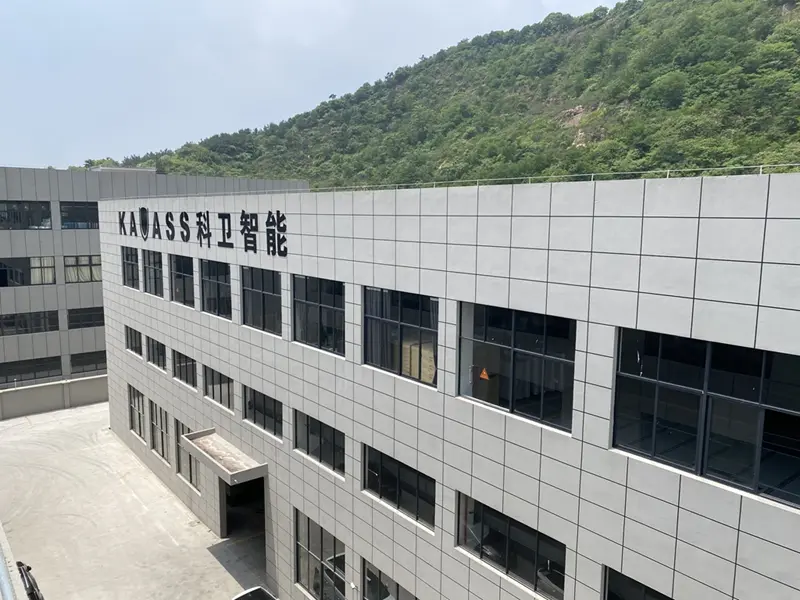
Operating two modern manufacturing facilities in Deqing and Zhuji, KAVASS balances speed, quality, and scale.
Our manufacturing capacity is split between the Deqing Factory and the Zhuji Factory. This structure provides supply chain security and allows us to scale production up to thousands of units per month. By keeping key manufacturing steps in-house—including raw metal stamping, CNC tube bending, automated robotic welding, and powder coating—we maintain strict quality control and minimize production delays.
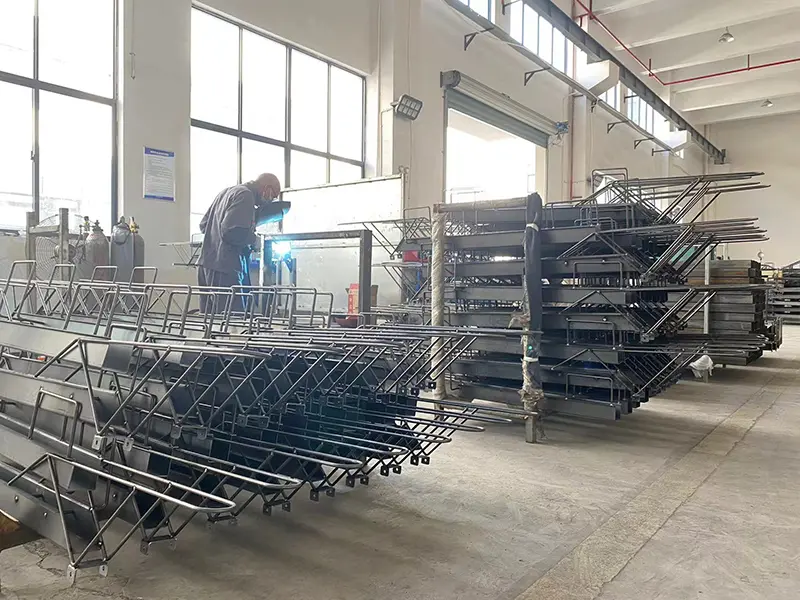
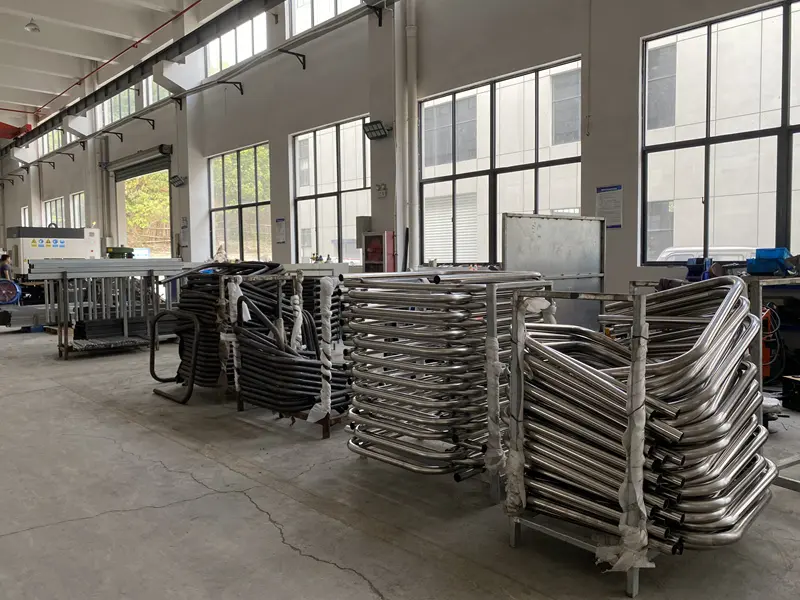
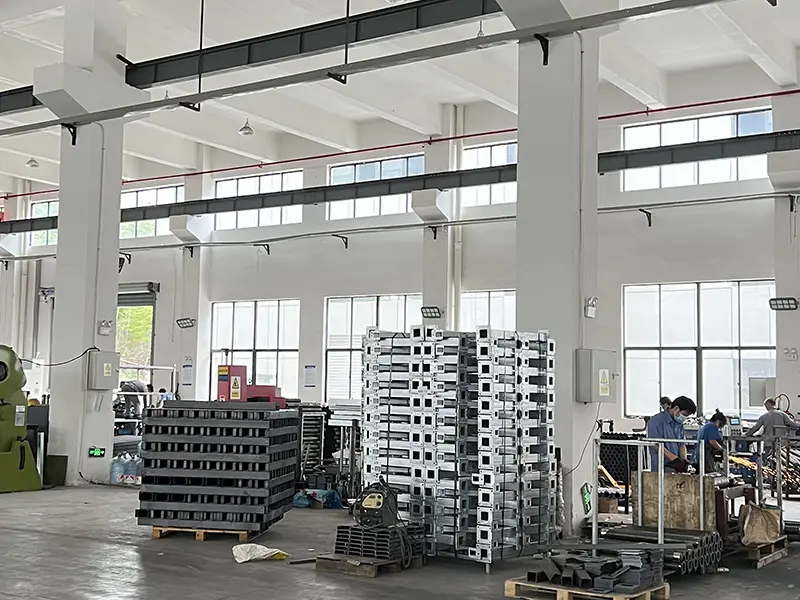
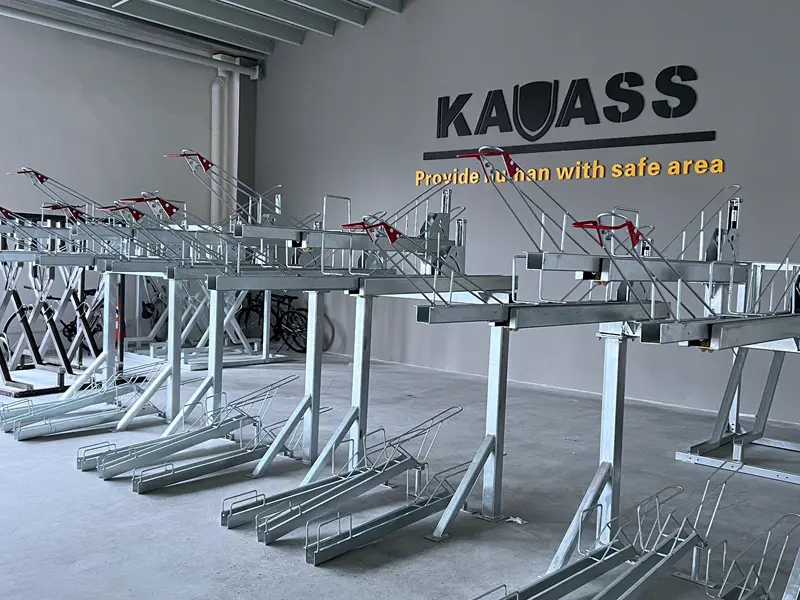
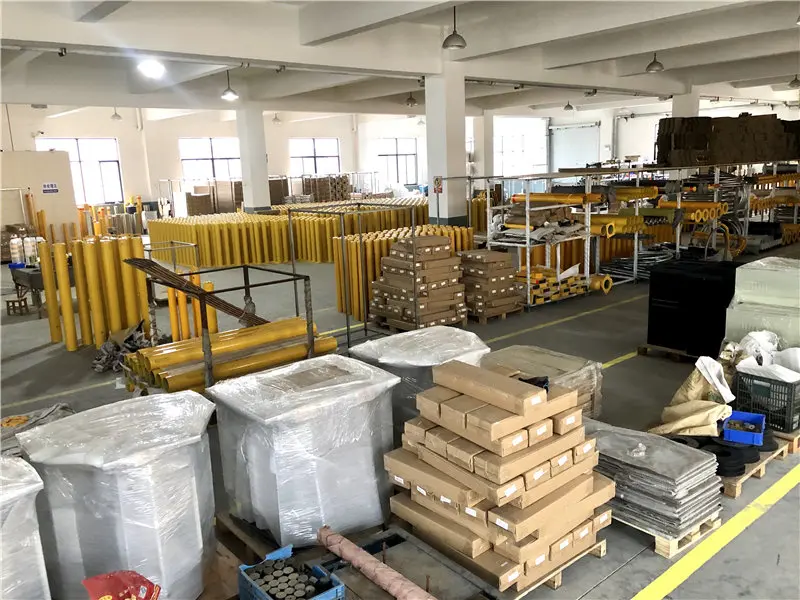
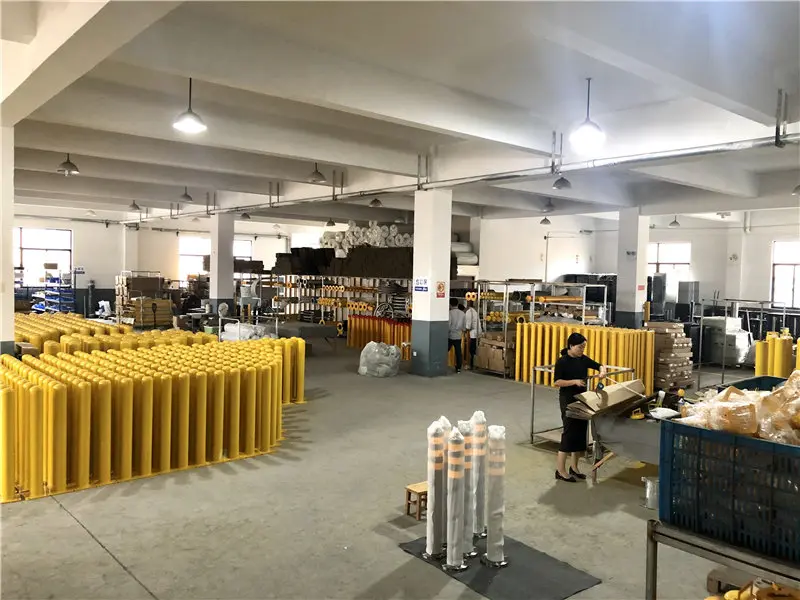
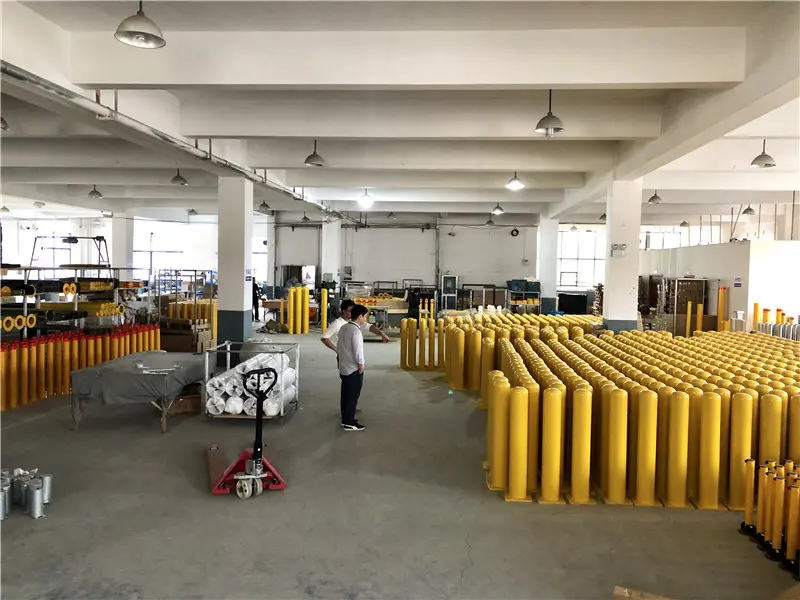
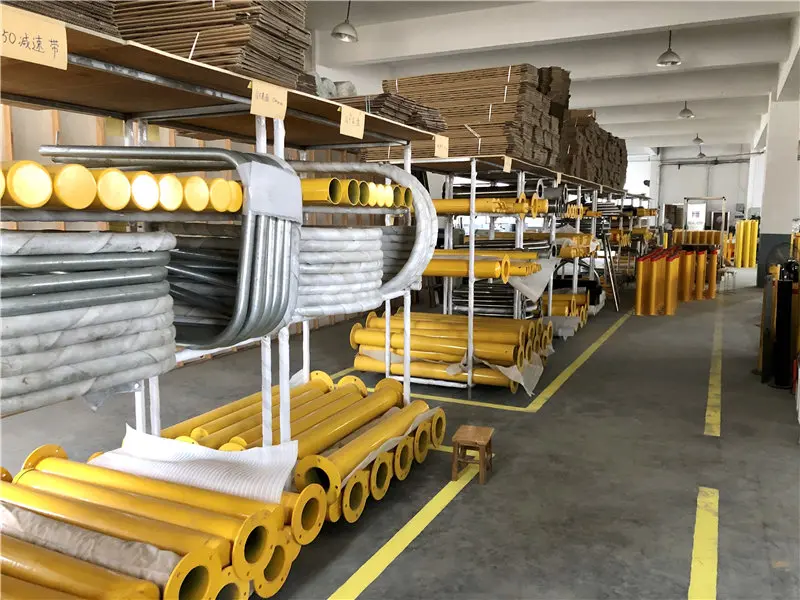
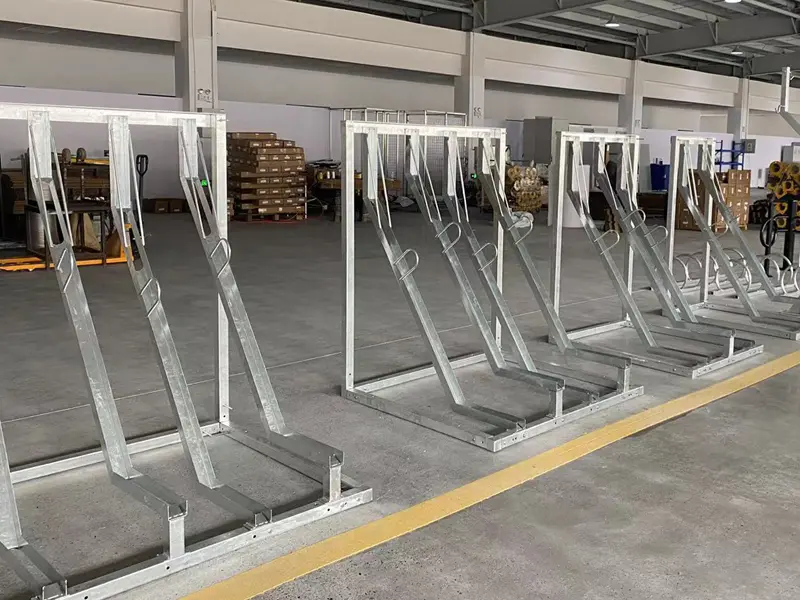
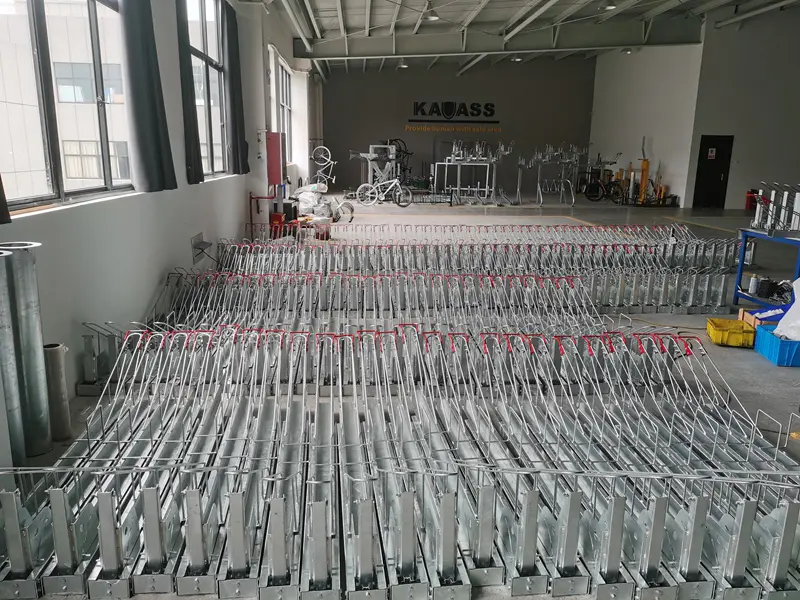
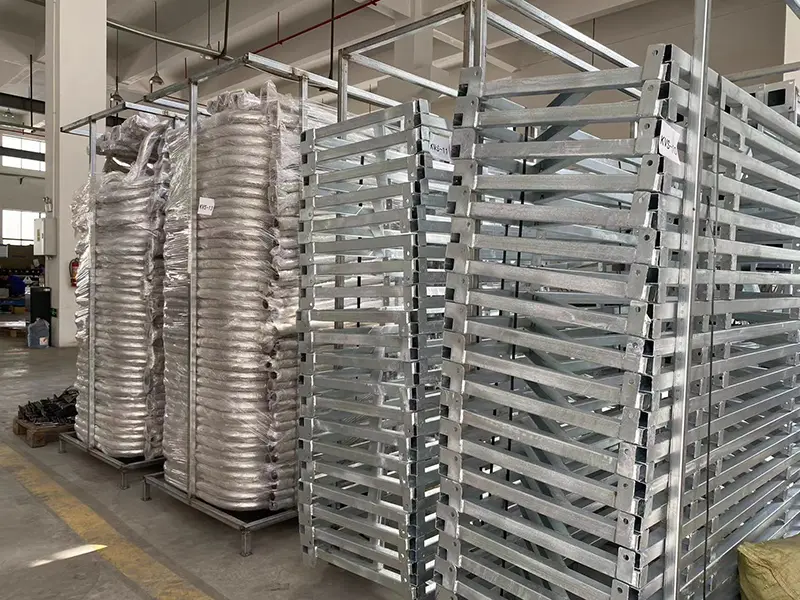
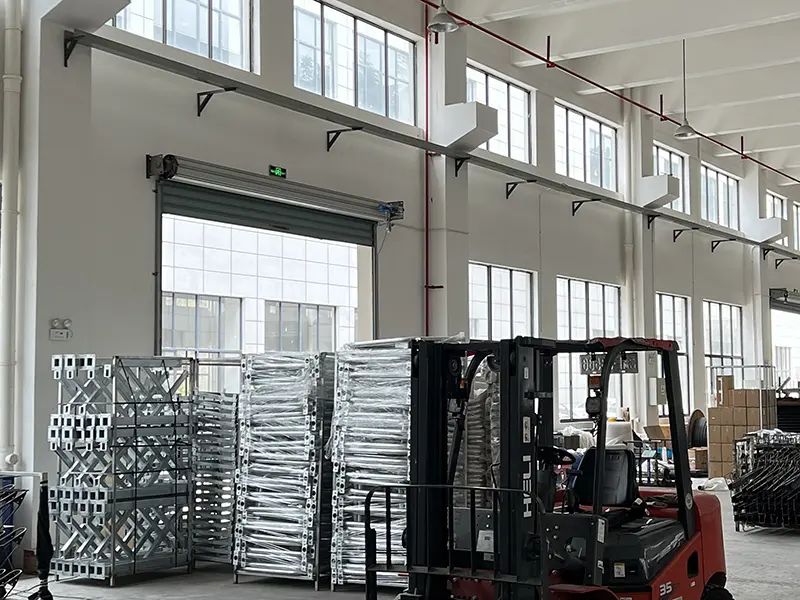
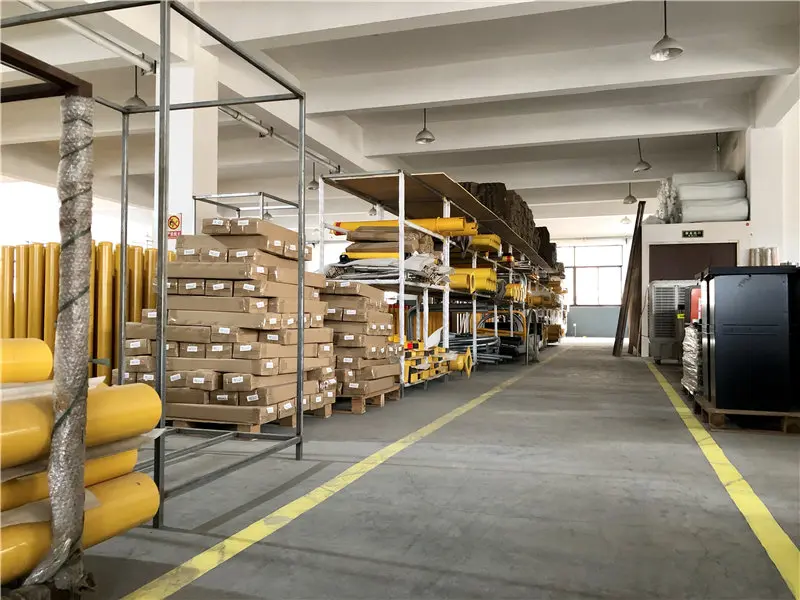
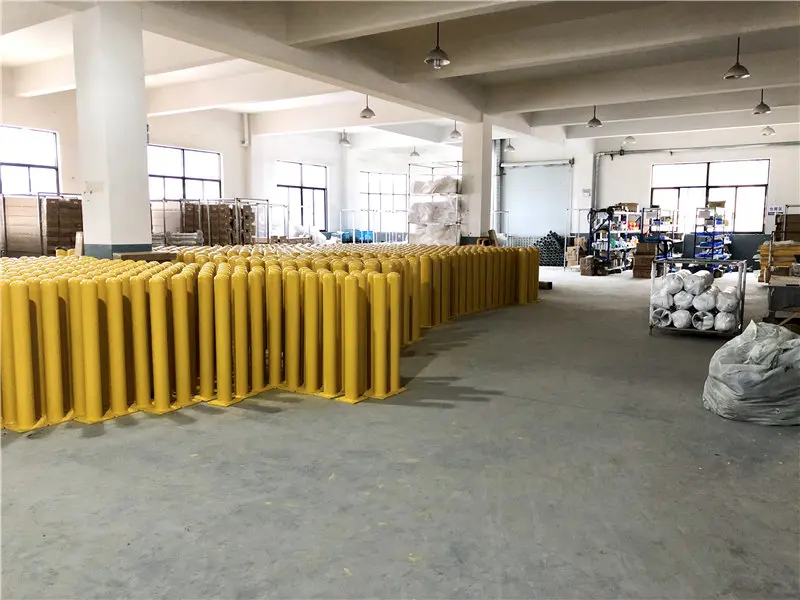
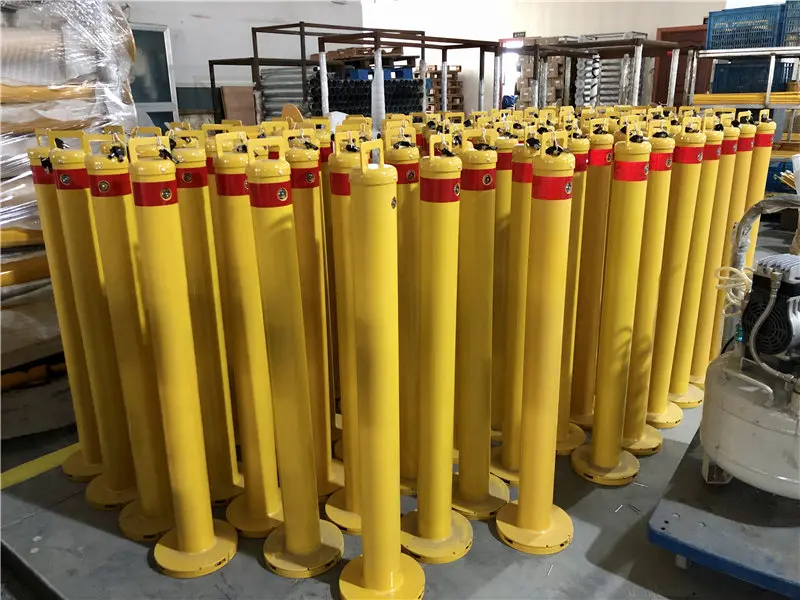
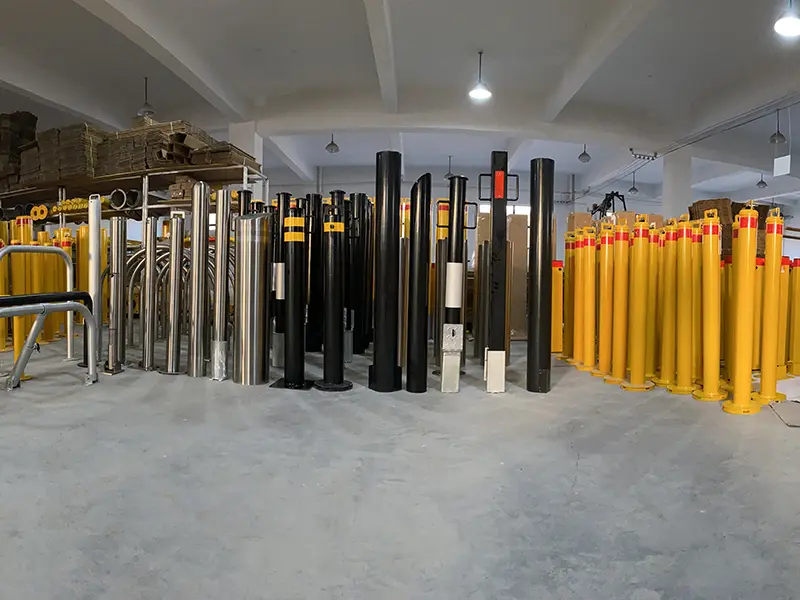
Original product lines optimized for industrial facilities, pedestrian pathways, and public parking zones.
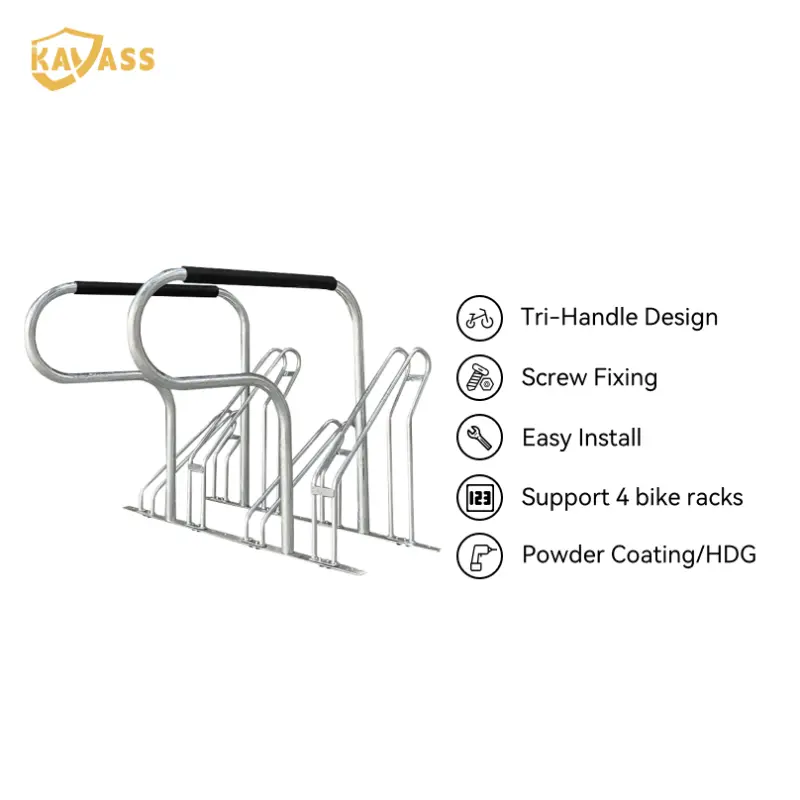
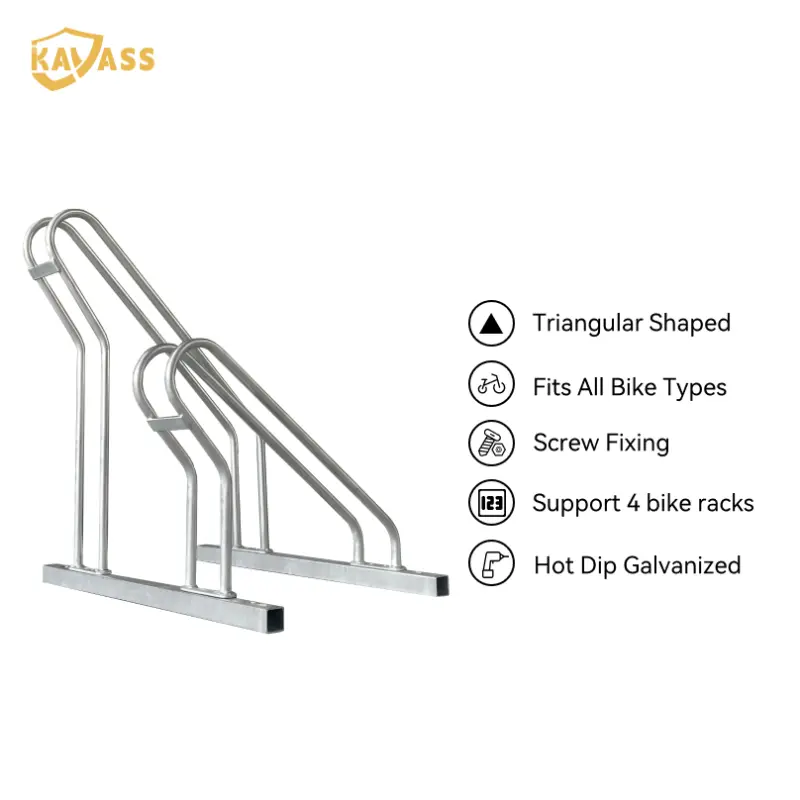
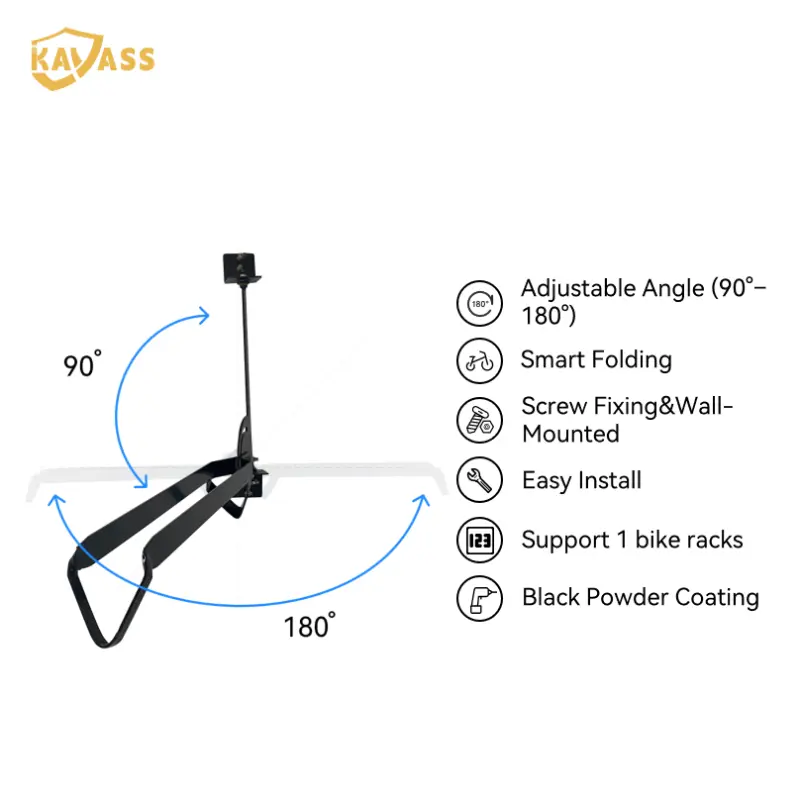
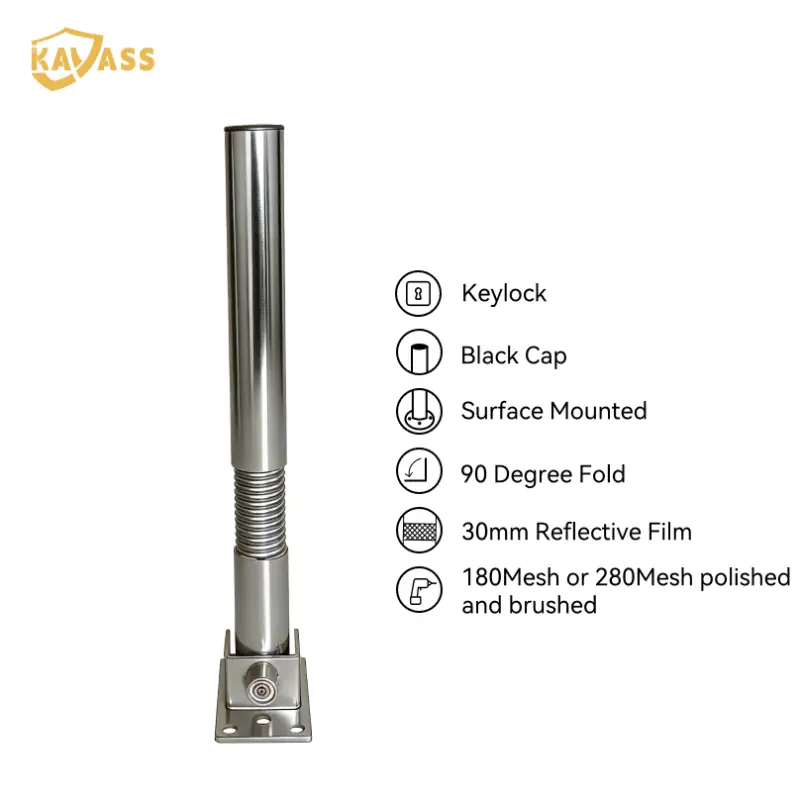
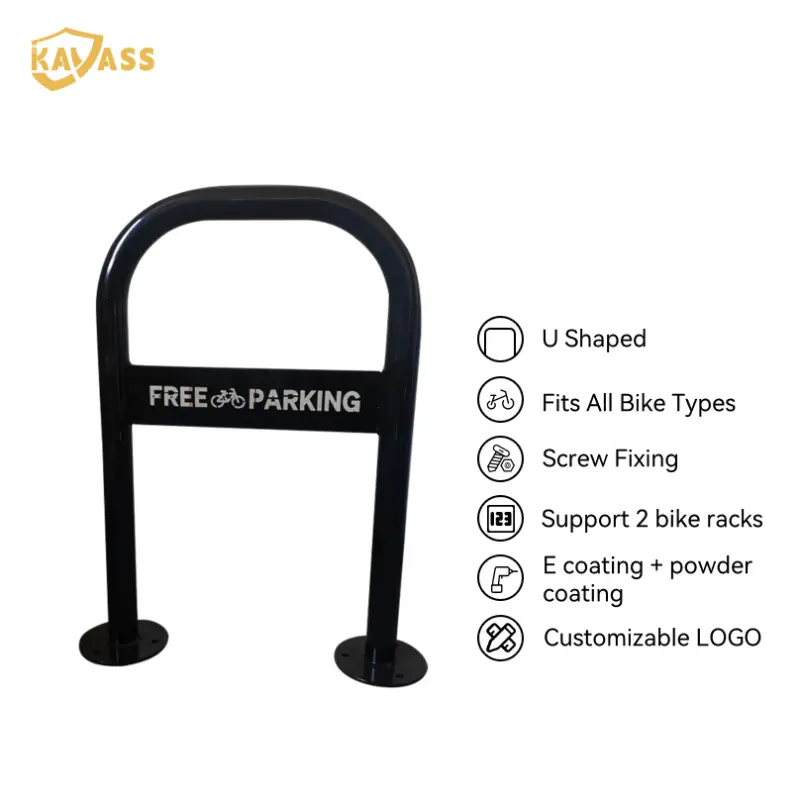
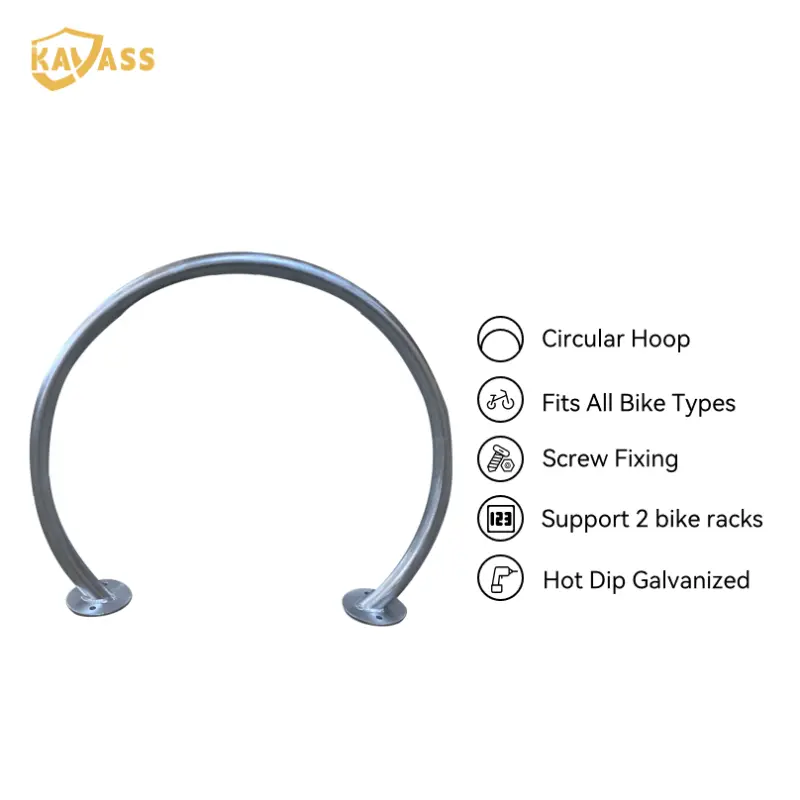
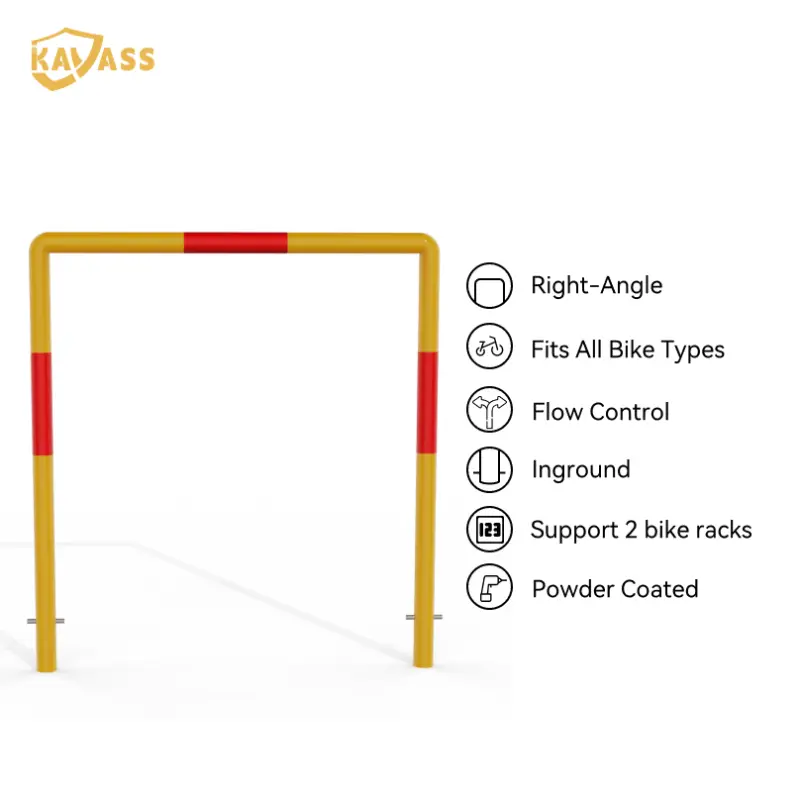
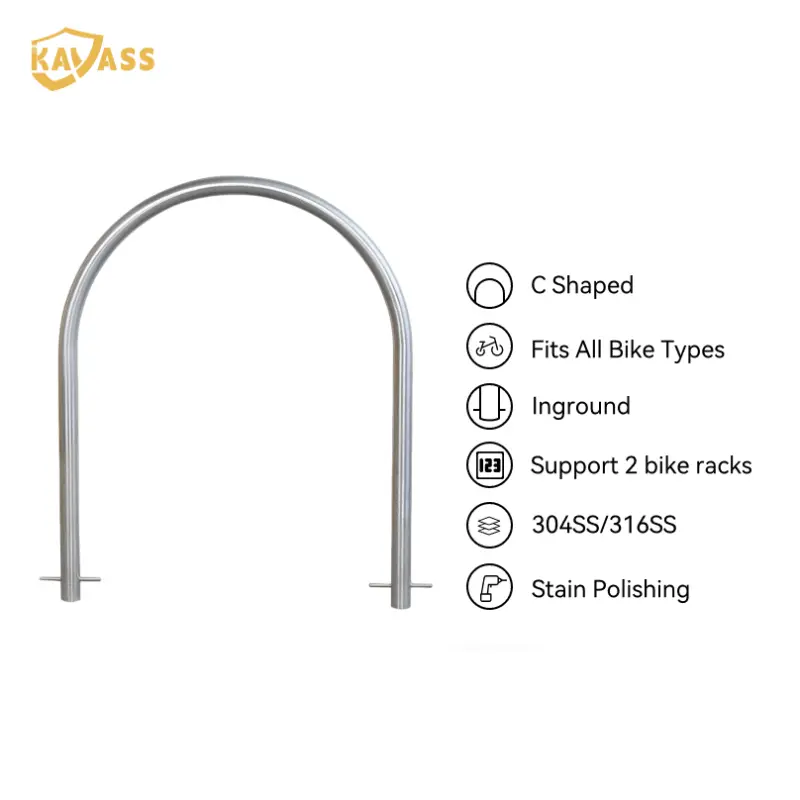
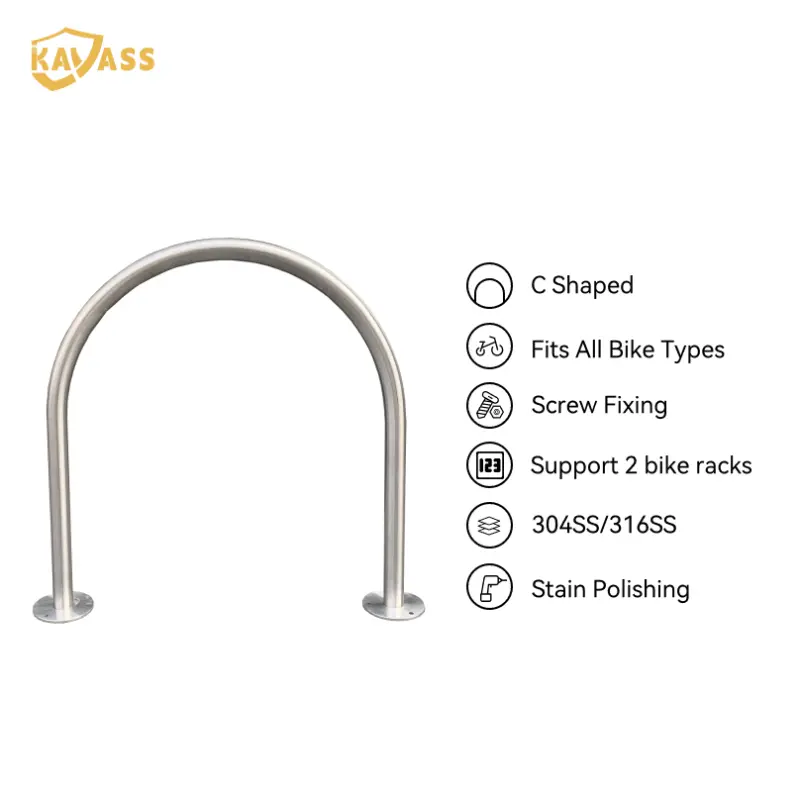
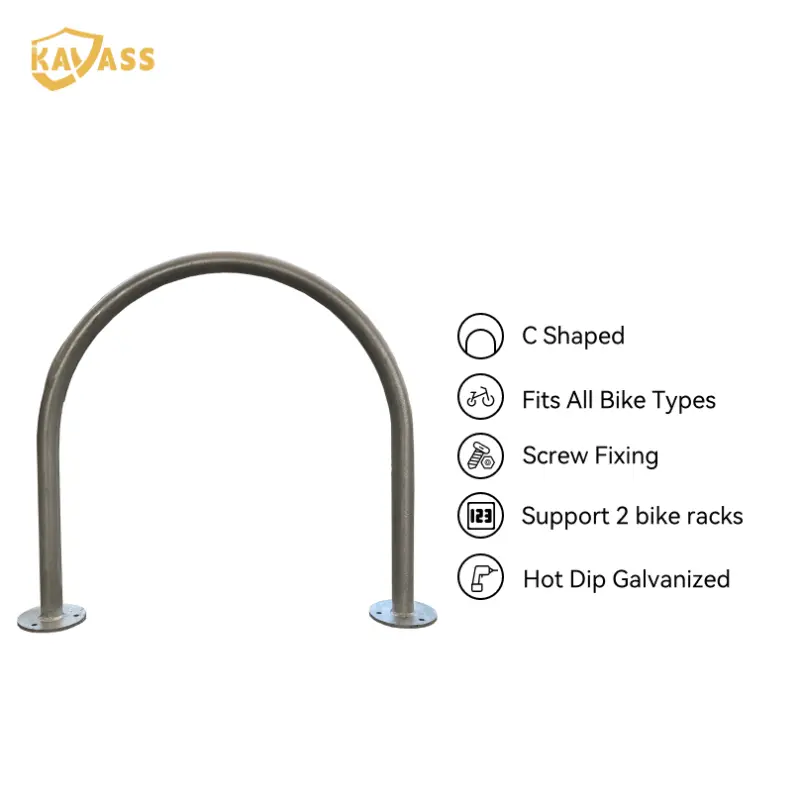
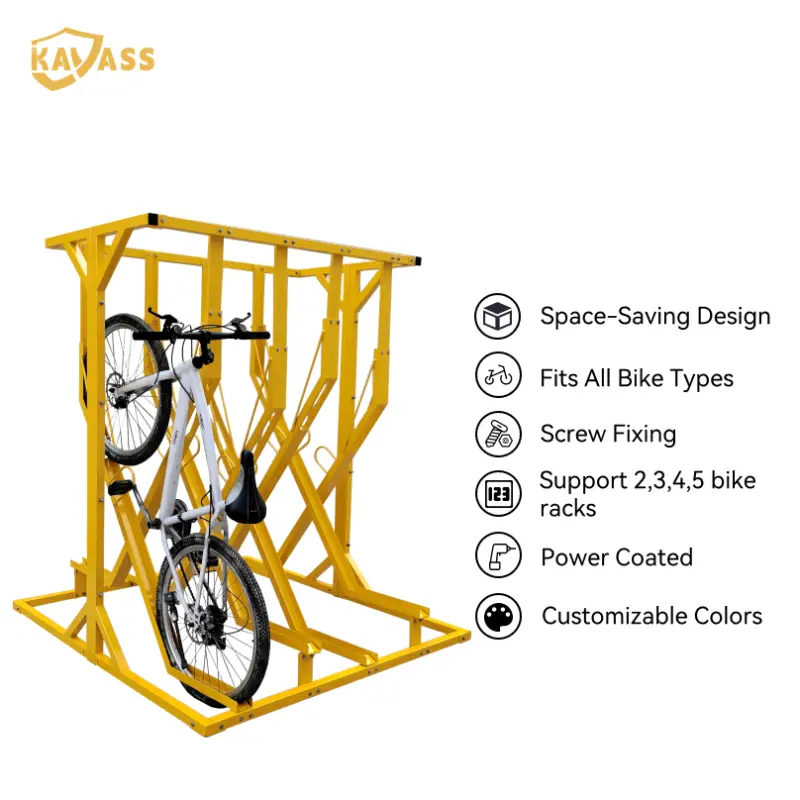
How our double-decker bike storage systems deploy across diverse global environments.
Residential apartments require space-efficient amenities to satisfy zoning regulations and green building certifications (such as LEED or BREEAM). By utilizing the Easylift system, parking basements can fit twice as many bikes without encroaching on vehicle parking lanes. We recommend a minimum ceiling height of 2.6m to 2.8m to allow proper vertical travel clearance for the top-tier sliding tracks.
Subway stations and high-speed rail hubs experience high-frequency bicycle loading and unloading cycles. Racks installed here must endure constant mechanical use and shifting weather conditions. Our hot-dip galvanized and stainless steel finishes protect the structural components, while red-handle visual cues make operation intuitive for commuters during peak travel hours.
KAVASS designs and manufactures bicycle parking infrastructure in accordance with global urban planning and spatial accessibility guidelines:
Defines mechanical safety, load capacity, and anti-tipping structural guidelines for multi-level bicycle storage systems.
Outlines dimensional requirements, minimum clear spacing (typically 375mm to 450mm between tiers), and force limit guidelines.
The primary design benchmark for high-performance bicycle parking structures in the Netherlands, emphasizing ease of use and security.
Answers to common design, engineering, and procurement questions from structural engineers and urban planners.
For safe deployment of two-tier racks, the clear vertical ceiling height should be at least 2600mm, with 2750mm or more recommended to accommodate taller pannier bags and baskets on the upper tier. The access aisle between opposite racks should be at least 2000mm to 2200mm, providing sufficient room for users to pull down and load the upper slide rails.
Yes. Modern two-tier systems are designed to support heavier e-bikes, which can weigh up to 30kg. While older versions were limited to 20kg, our reinforced gas-assist cylinders and thicker structural support brackets are engineered to handle the additional load. For public facilities, we recommend locating dedicated e-bike parking spots on the ground tier to minimize the need for high vertical lifting.
Hot-dip galvanization (conforming to ISO 1461) coats both the interior and exterior of steel tubes with a durable zinc-iron alloy layer, providing excellent protection against rust in outdoor and coastal environments. Powder coating adds an extra aesthetic layer over the galvanized base. For harsh, exposed marine environments, we recommend a duplex system: hot-dip galvanizing followed by an outdoor-grade powder coat finish.
The rack should be anchored into a sound concrete foundation of at least Grade C20/25, with a minimum slab thickness of 150mm. Structural engineers use heavy-duty M10/M12 expansion anchors with a minimum embedment depth of 80mm to resist the dynamic force generated when users slide and lower loaded upper racks.
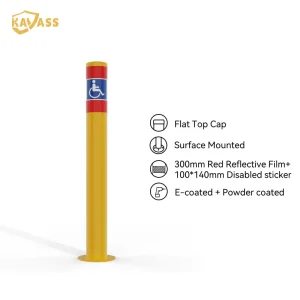
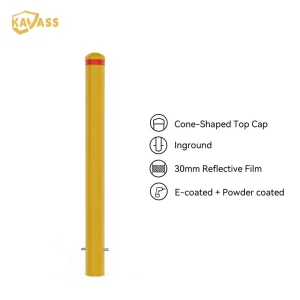
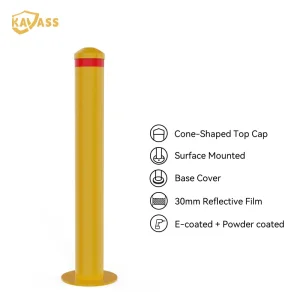
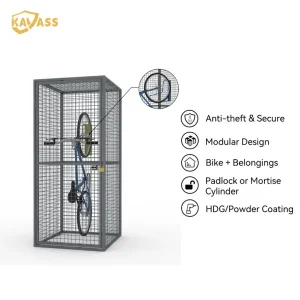
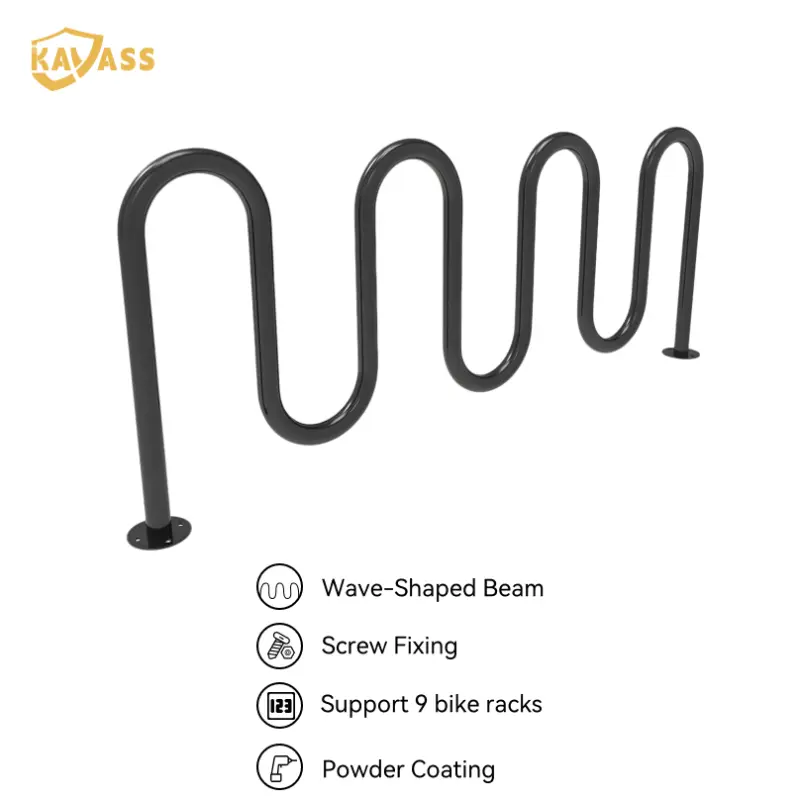
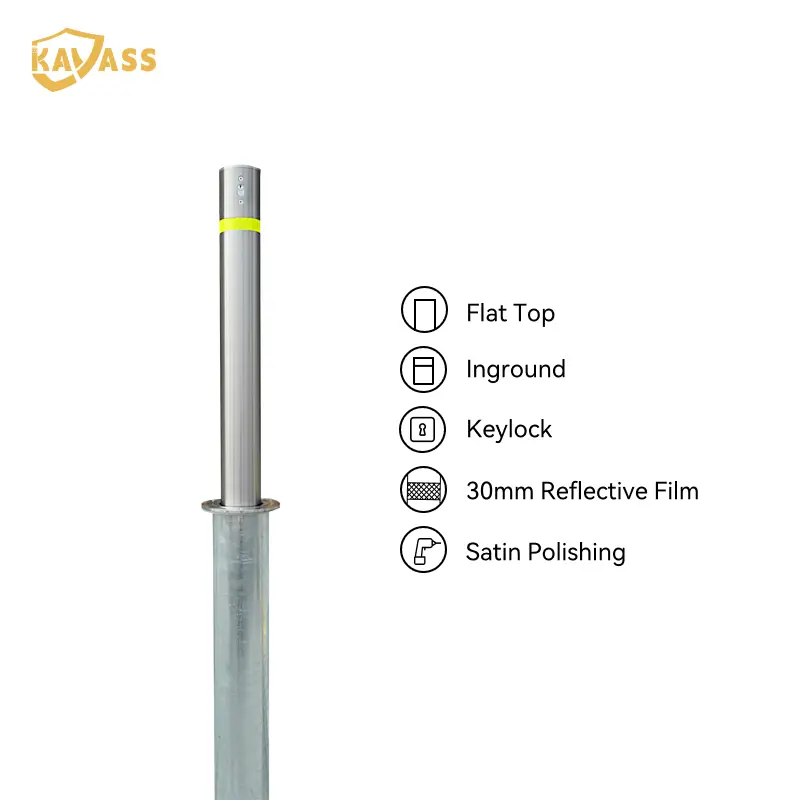
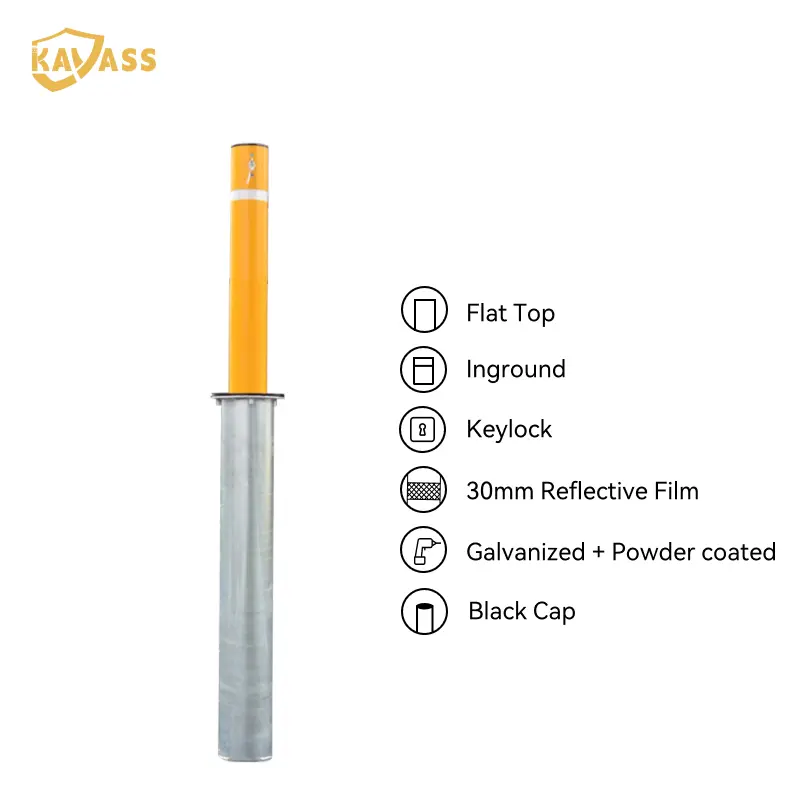
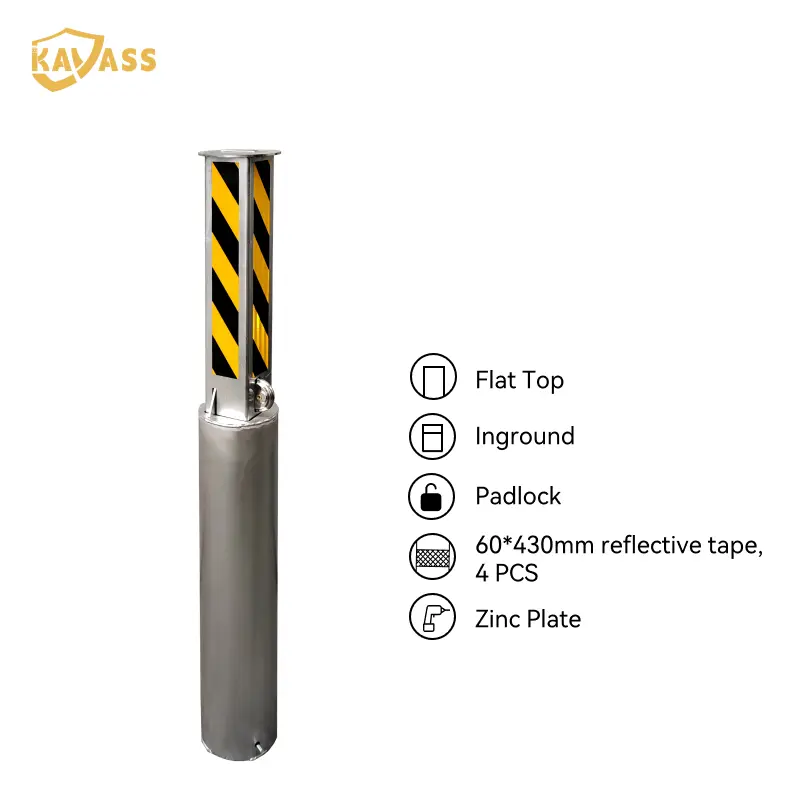
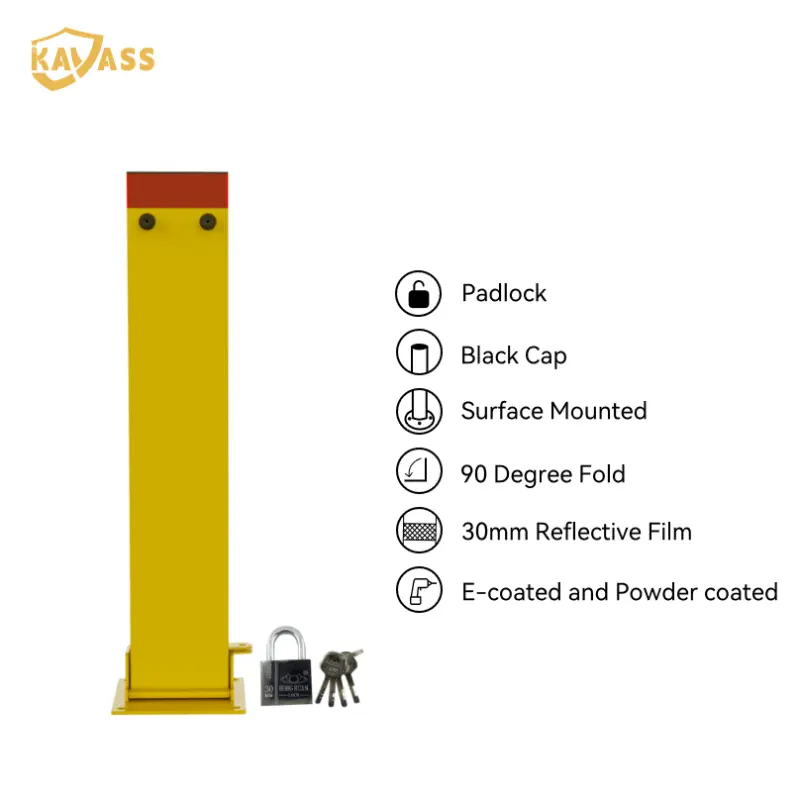
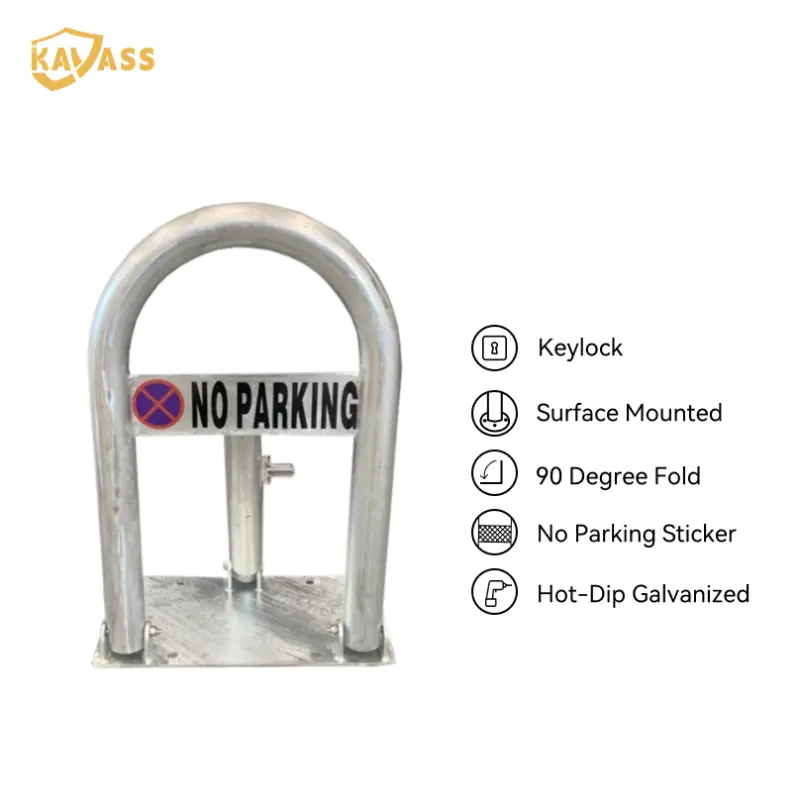
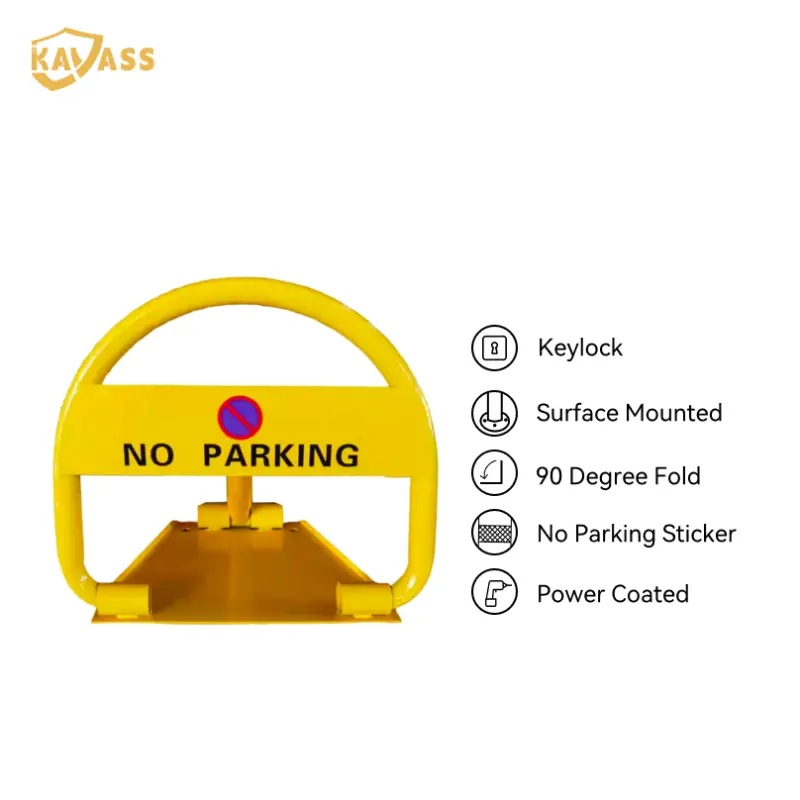
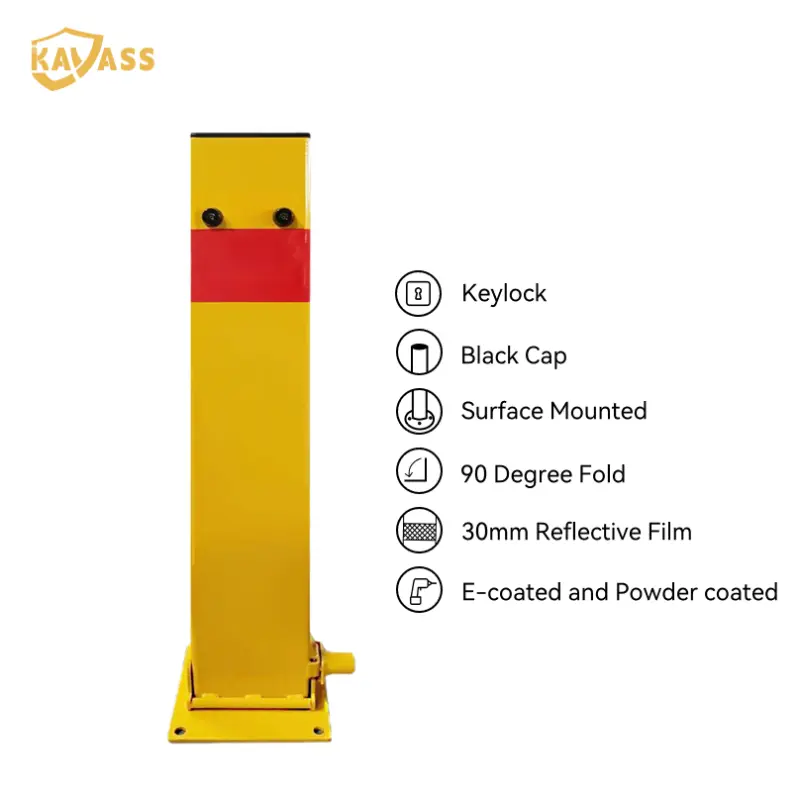
Complementary traffic management systems and high-security bollards from KAVASS's 18+ years safety range.
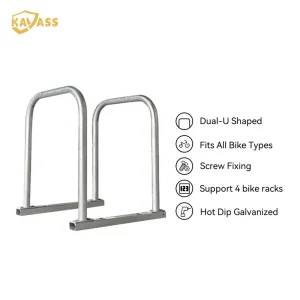
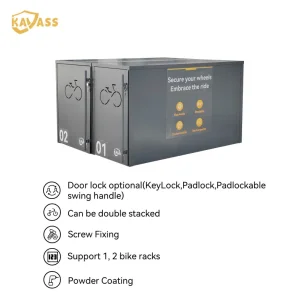
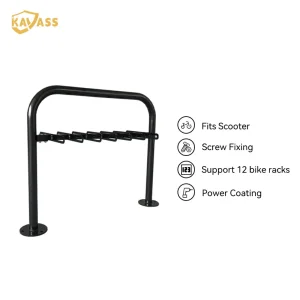
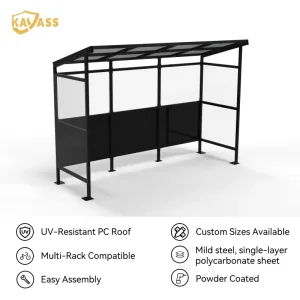
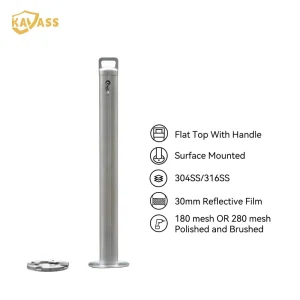
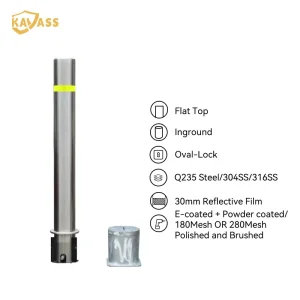
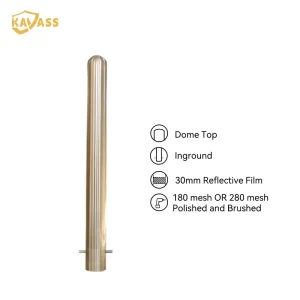
We partner with developers, municipal authorities, and security integrators in 80+ countries.
With a strong export network, KAVASS has established long-term cooperation with partners in Europe, the Middle East, Southeast Asia, and the Americas. Our experience with international specifications helps us meet localized municipal building codes, project standards, and customer requirements.
Contact our project engineering team for assistance with site planning, structural layouts, and customized metal finishes. We provide detailed CAD planning files and loading calculations to help integrate our systems into your architectural layouts.
Submit your project requirements, space dimensions, and local compliance standards to receive a customized spatial layout recommendation from our engineering team.
Contact Technical Team KAVASS