Years Engineering Pedigree
Global Export Markets
Advanced Manufacturing Centers
Compliance Level Capabilities
Explore our industrial range of high-strength structural bollards, automatic access gates, and architectural parking locks engineered for sustained performance under extreme stress.
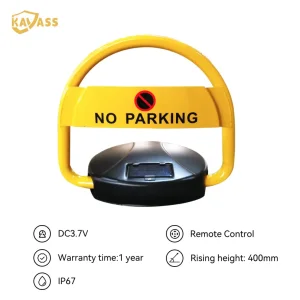
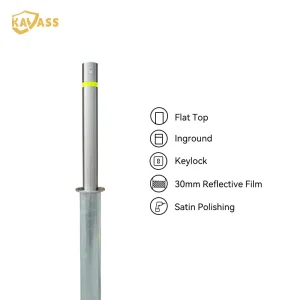
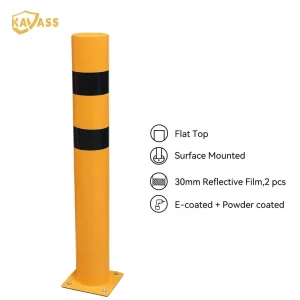
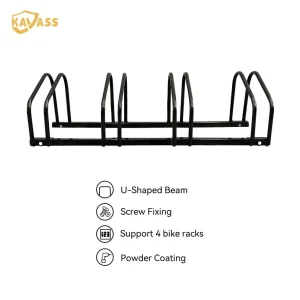
Strategic insights into dynamic vehicle impact mitigation, global testing certifications, and metallurgical performance characteristics.
Urban landscapes require an delicate equilibrium between severe physical threat mitigation and welcoming architectural designs. High security bollards are no longer simple industrial barriers; they are highly integrated components of low-impact, passive urban design. By engineering high security bollards to withstand tremendous force while blending into street furniture, modern developers achieve dual-purpose protection.
Regulatory frameworks globally have transitioned to mandate crash-tested perimeter infrastructure around public assets, commercial complexes, transport hubs, and high-profile administrative zones. Consequently, architectural planning is shifting from afterthought reinforcement to integrated HVM layouts built from the ground up.
Kinetic energy ($KE$) dissipation on vehicle impact is governed by the structural physics equation:
$KE = \frac{1}{2} m v^2$
Where $m$ represents vehicle mass and $v$ dictates speed. Because energy grows exponentially with velocity, KAVASS engineers structural members to translate dynamic shear stress deep into the sub-grade reinforced concrete anchor blocks.
Modern global logistics require procurement managers to source equipment confirming to strict mechanical performance specifications. The primary benchmark certifications evaluated by international structural engineering firms include:
Standard Test Method for Crash Testing of Vehicle Security Barriers. Classifies ratings based on medium-duty trucks (M) and heavy goods vehicles (H) at 30, 40, and 50 mph.
International Workshop Agreement outlining the worldwide standard for physical impact performance testing criteria of vehicle barriers, combining US and European paradigms.
The UK benchmark standard detailing the specific configuration of impact testing including vehicle weight, velocity, impact vector angle, and subsequent penetration distance measurements.
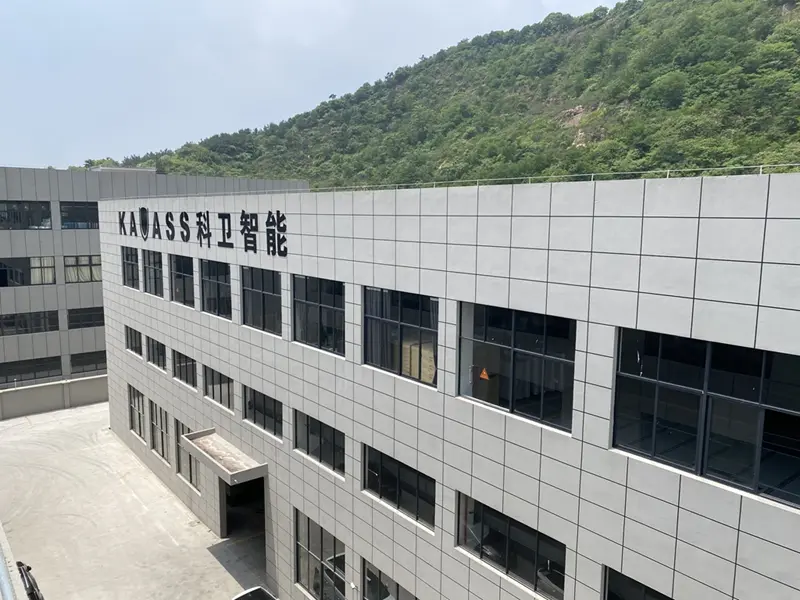
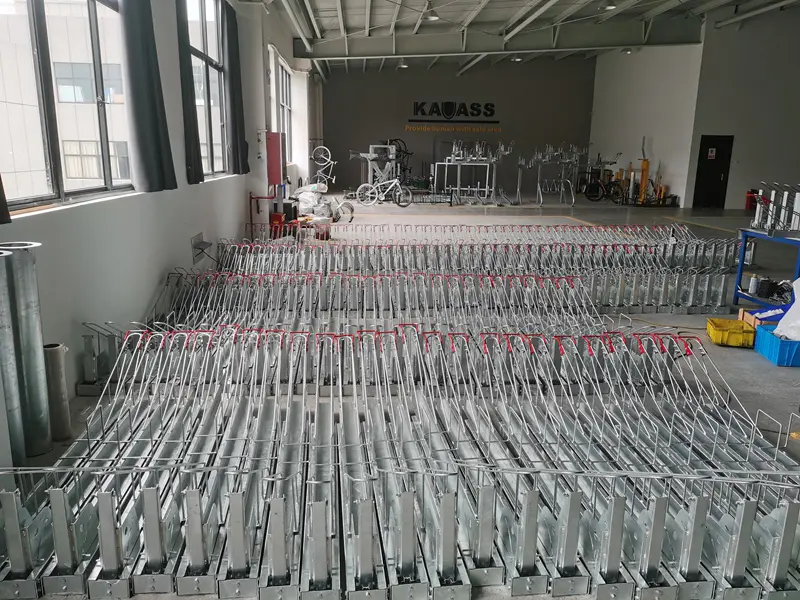
KAVASS Security Tech Limited is a professional manufacturer focused on traffic safety and perimeter protection solutions, with more than 18 years of industry experience. We specialize in the design, production, and supply of a wide range of products, including parking locks, bollards, bike racks, and other urban infrastructure equipment. By integrating product development, manufacturing, and after-sales support, we provide efficient one-stop solutions tailored to the needs of global clients.
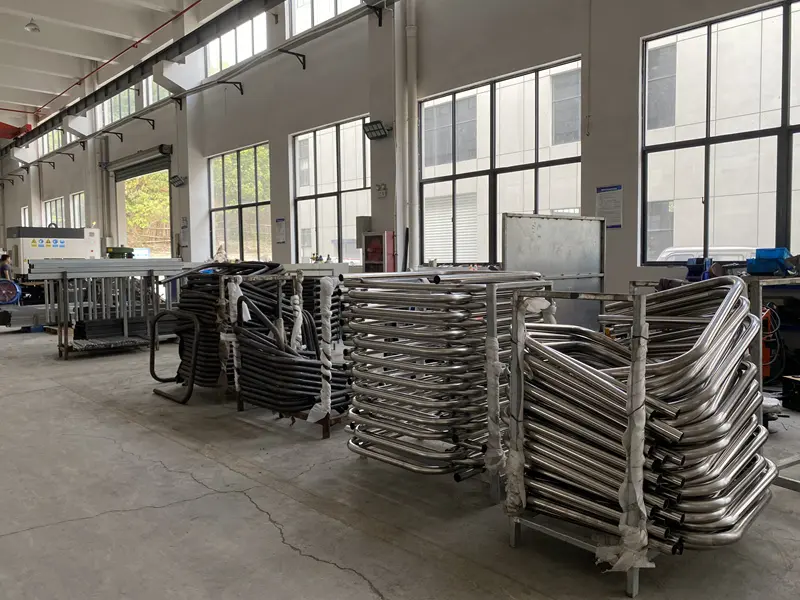
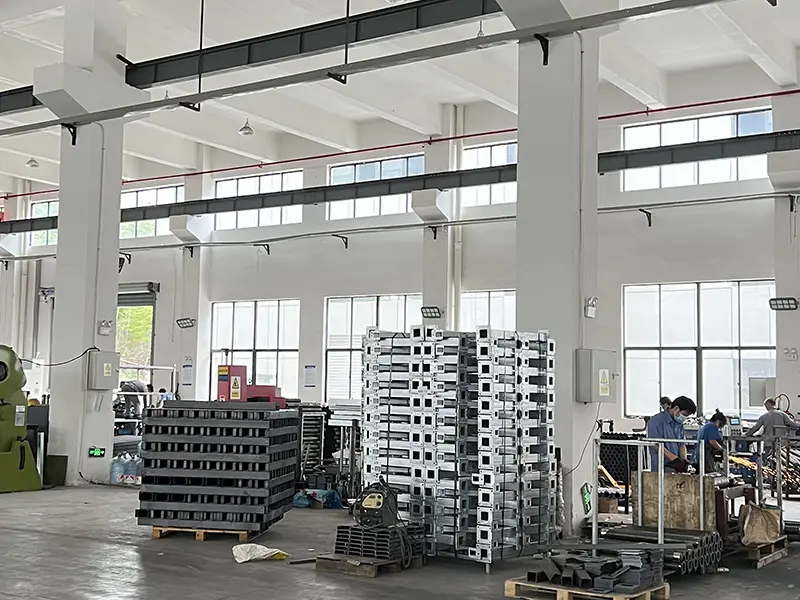
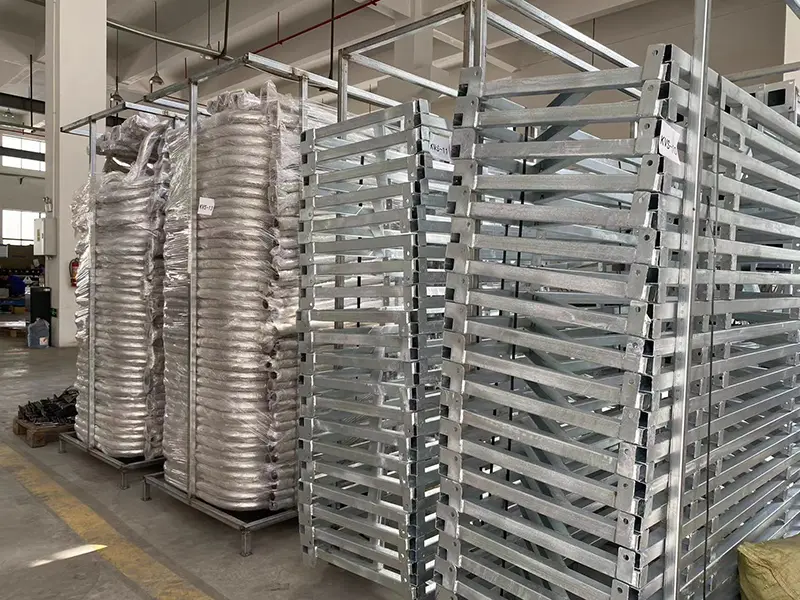
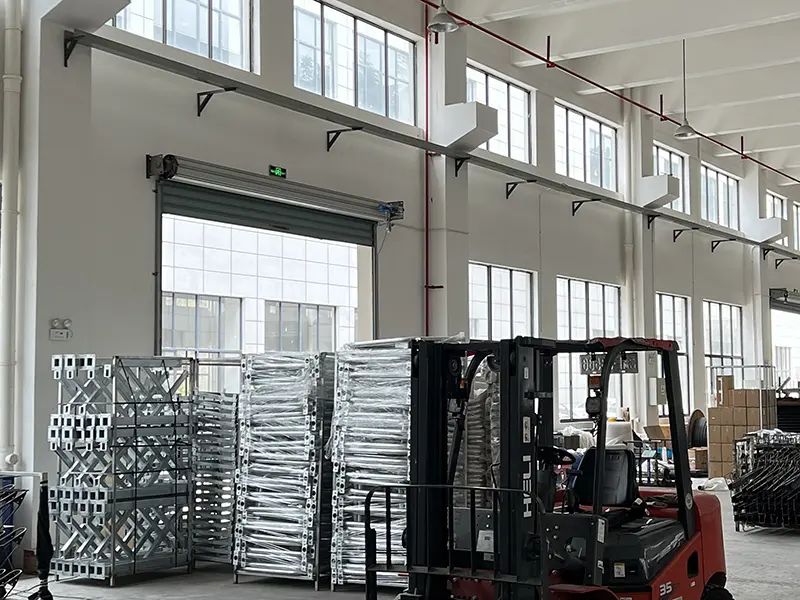
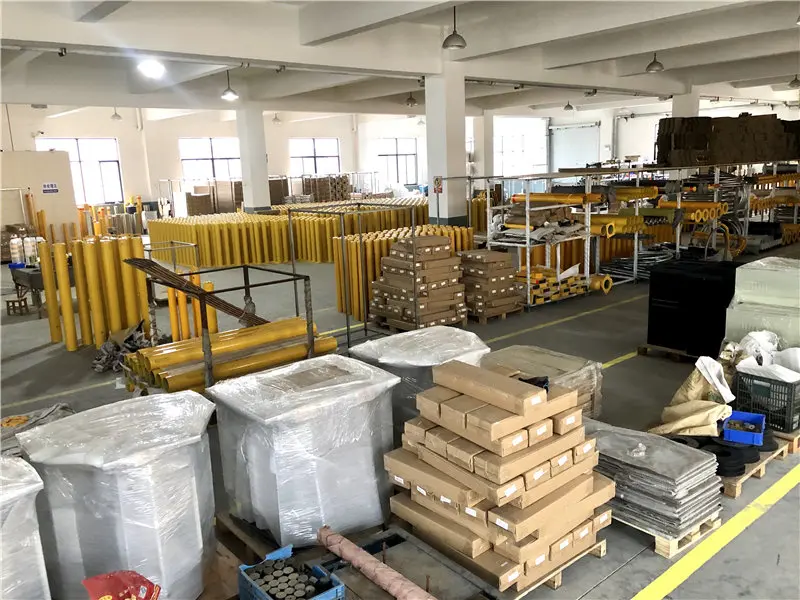
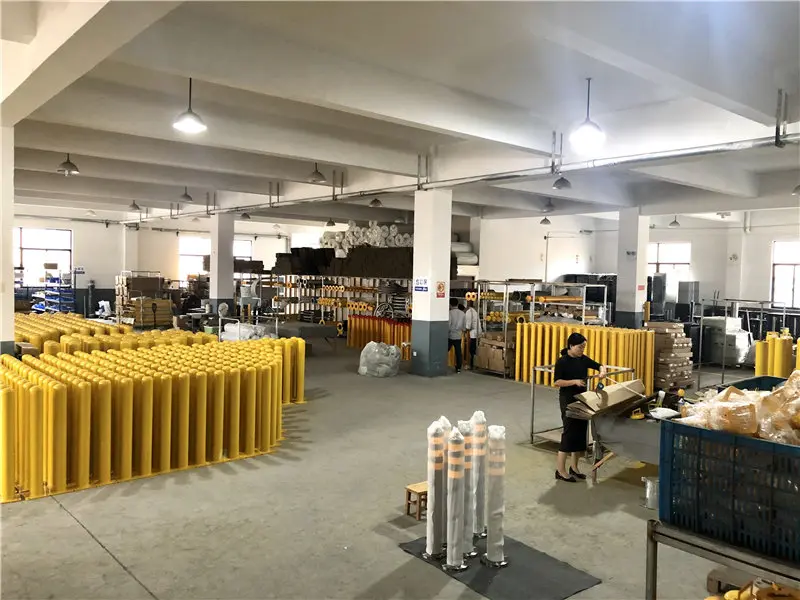
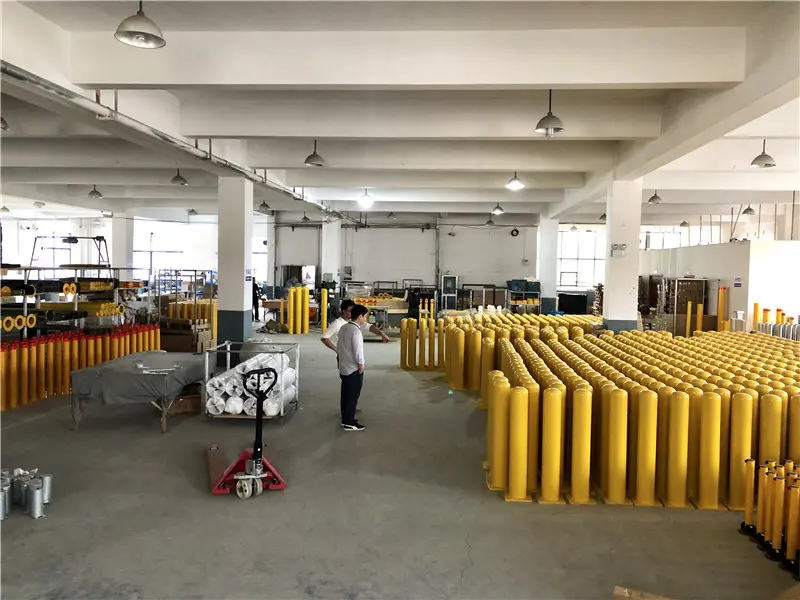
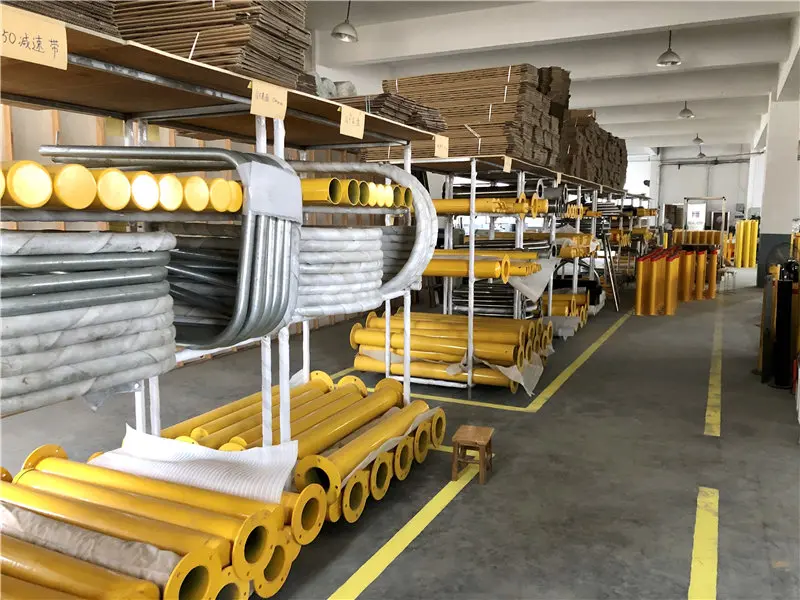
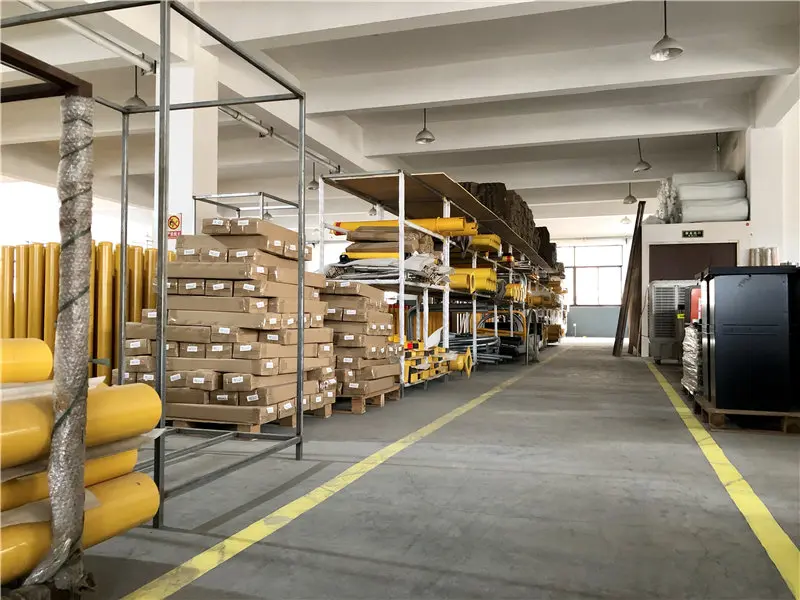
Our production base is equipped with advanced machinery and modern manufacturing processes, supported by a skilled engineering and quality control team. From raw material selection to final inspection, every step is carefully managed to ensure consistent product performance and long-term reliability. This enables us to meet the demands of various applications, from standard products to customized project requirements.
KAVASS products are widely applied in urban infrastructure, commercial properties, industrial facilities, residential communities, and public spaces. We offer flexible customization options including size, material, finish, and branding.
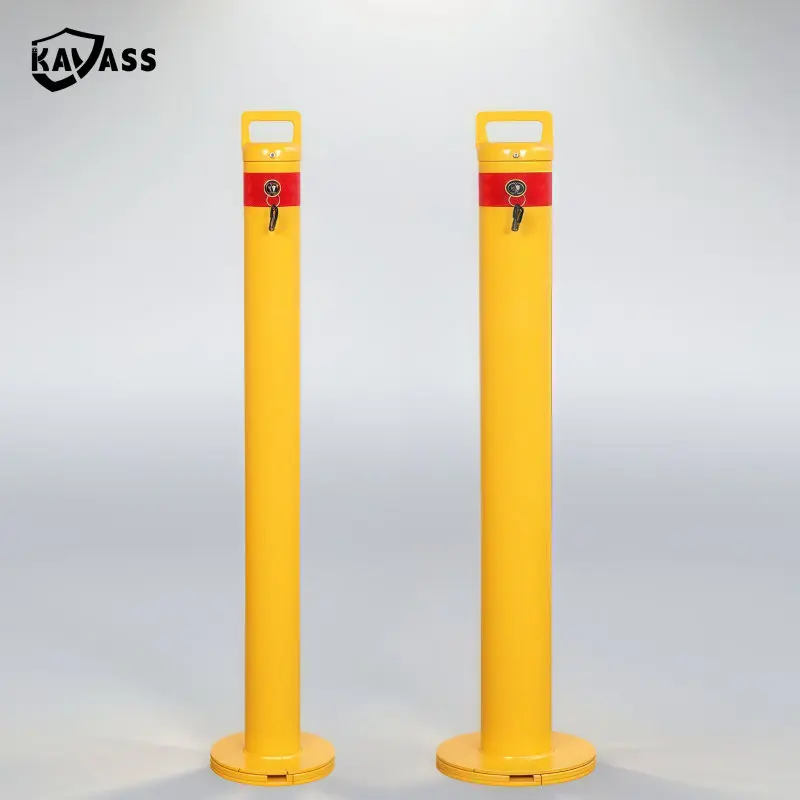
Fixed, fold-down, telescopic, removable, automatic, and lighting bollards for perimeter security and access control.
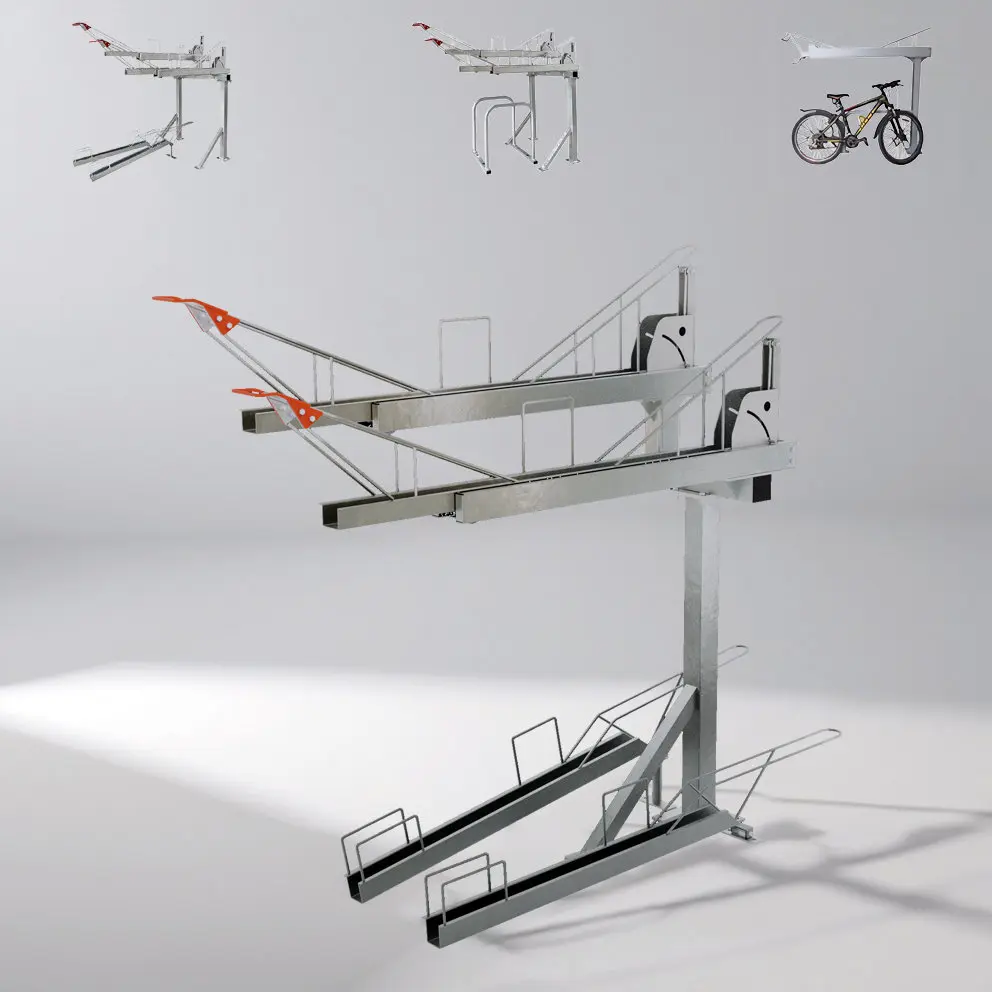
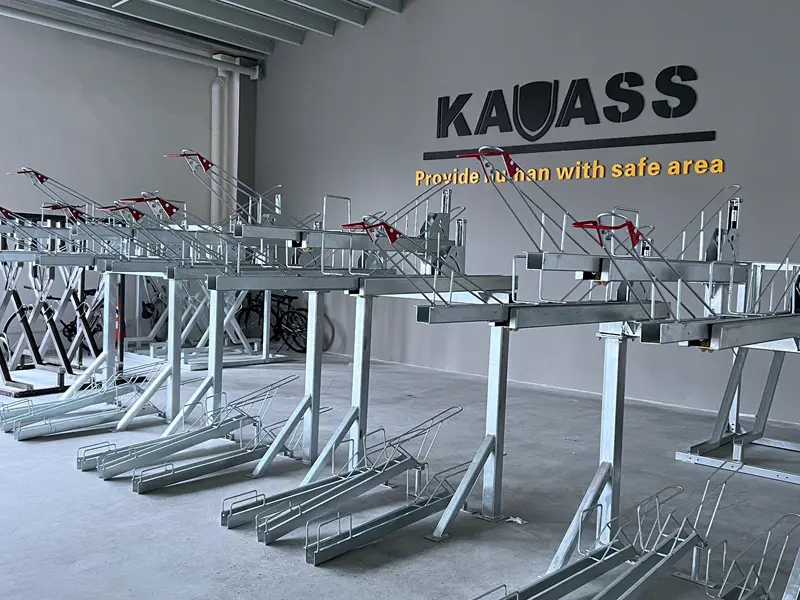
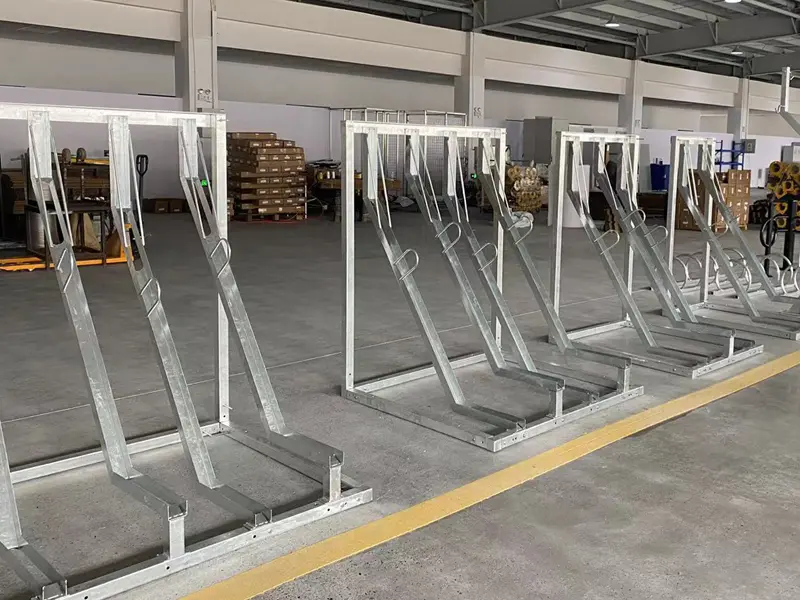
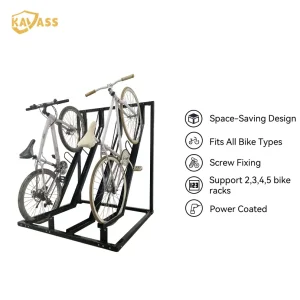
Durable and space-saving bicycle parking systems for commercial and residential areas.
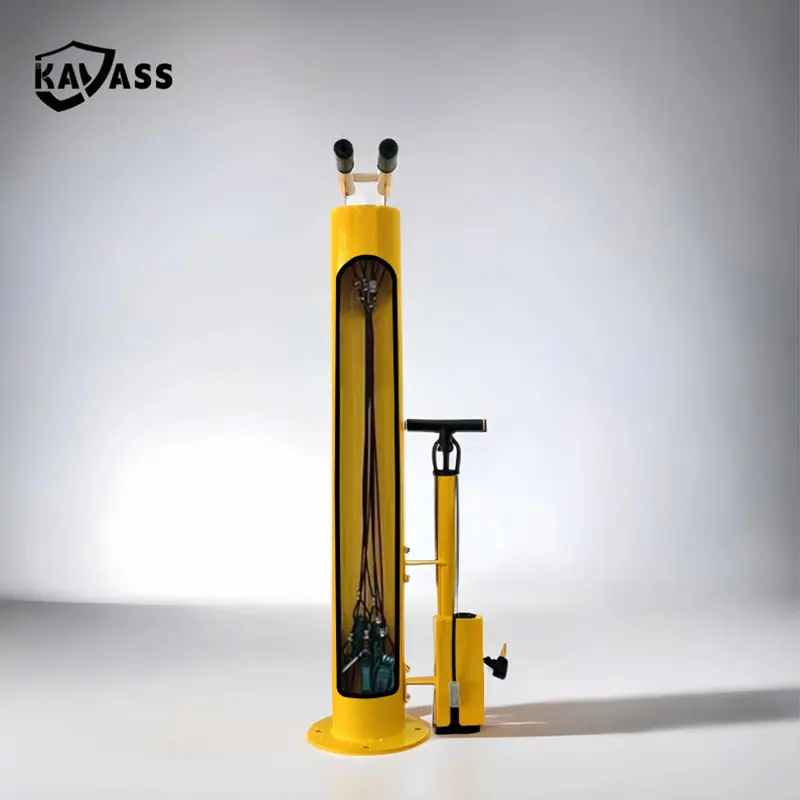
Safety barriers, guardrails, and protective equipment for industrial and construction environments.
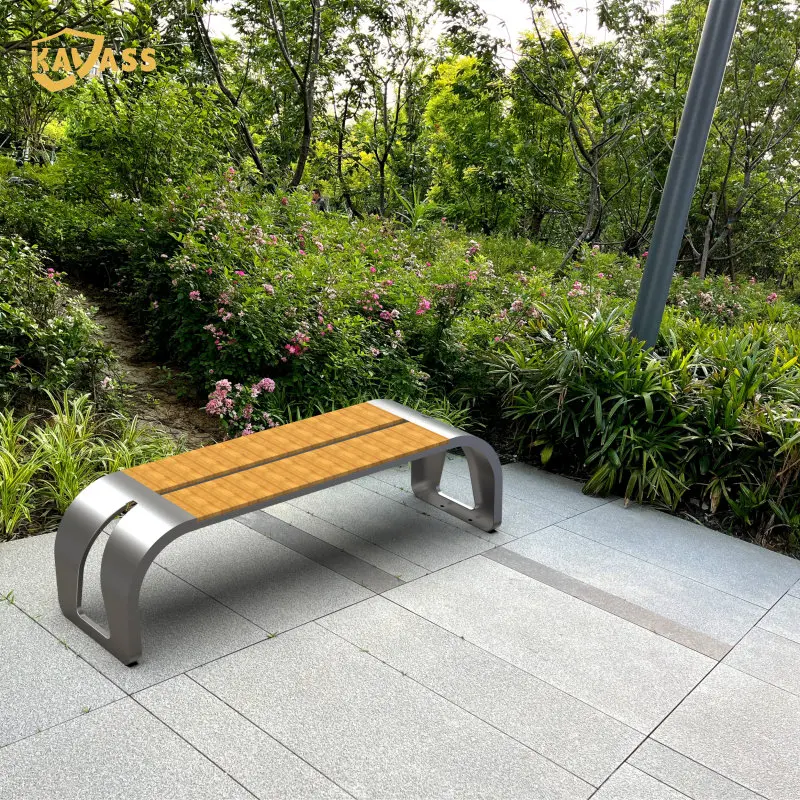
Benches, bins, and other customized outdoor furniture solutions for public spaces.
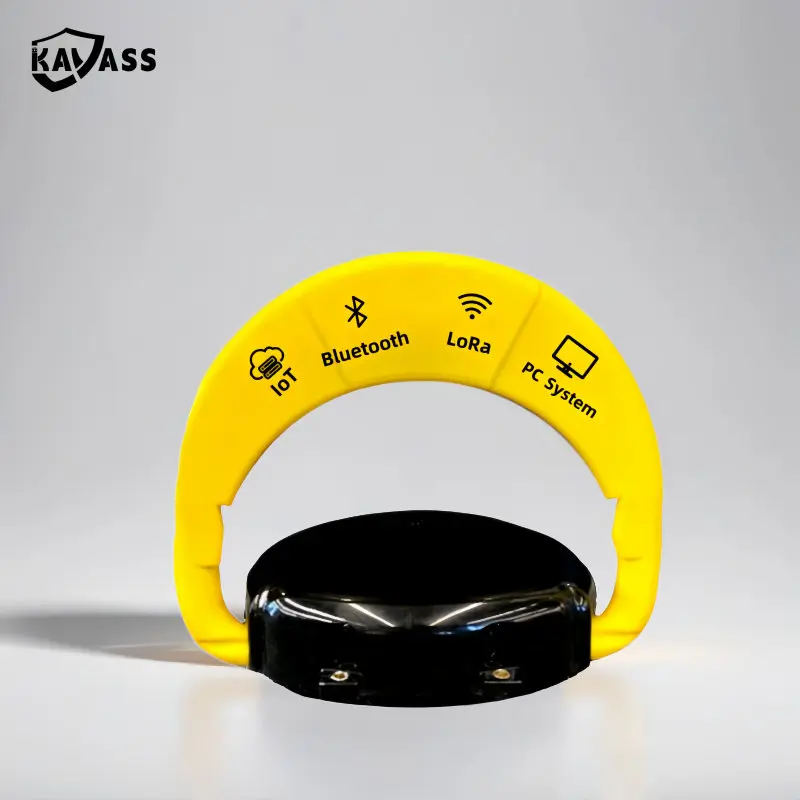
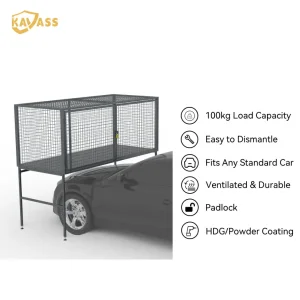
Manual, remote-controlled, solar, and IoT smart parking locks for modern parking management.
With a strong export network, KAVASS has established long-term cooperation with customers in more than 80 countries and regions. Our dual manufacturing bases in Deqing and Zhuji feature state-of-the-art metal forming, welding, and surface treatment technologies.
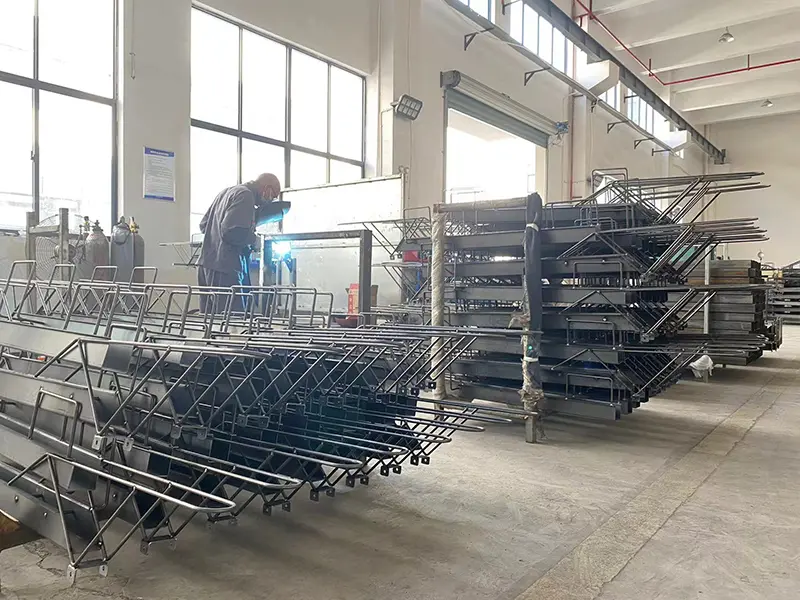
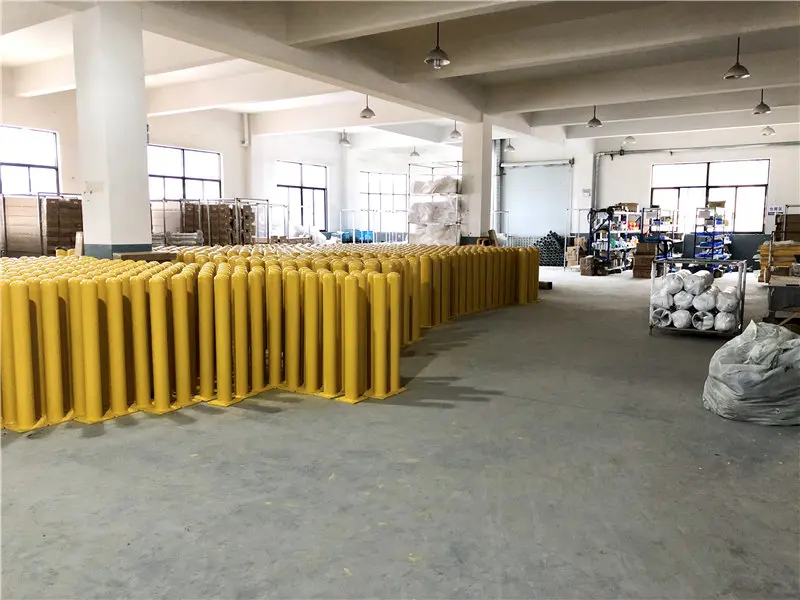
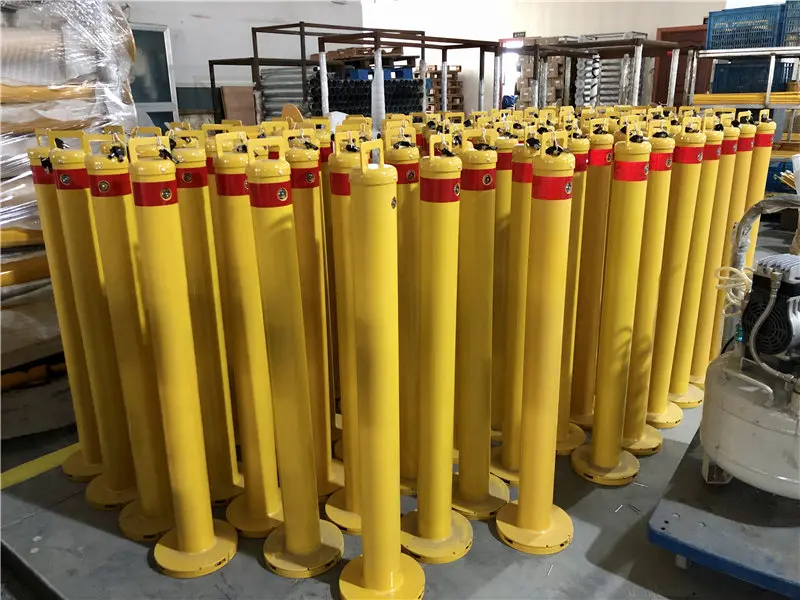
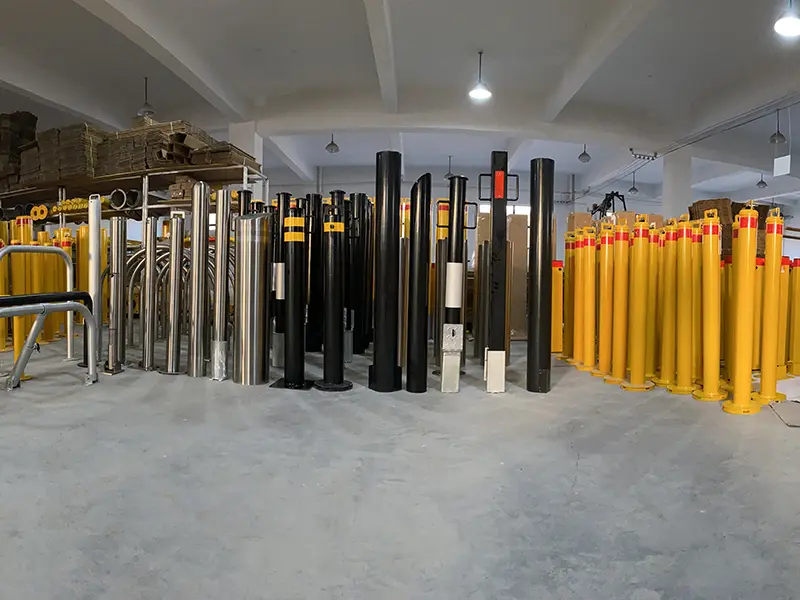
Comprehensive strategies for structural integration of hostile vehicle mitigation barriers within complex municipal systems.
Modern architectural security planning uses a layered approach, integrating passive barriers, automated access controls, and electronic tracking platforms. High security bollards are critical structural components at transit terminals, logistics plazas, and commercial malls. Engineers plan spacing layouts using a maximum interval threshold of 1.2 meters (approx. 47 inches) between finished bollard surfaces. This spacing standard stops even light trucks from bypassing the perimeter while allowing easy passage for pedestrians, wheelchairs, and strollers.
For locations with utility constraints or shallow concrete foundations, shallow-mount bollard designs are widely used. These systems require minimal excavation depths (often under 200-300mm), allowing installation over underground services like gas mains, communication bundles, and fiber lines. In contrast, deep-mount fixed installations are anchored directly into reinforced subgrade bases to achieve maximum structural integrity against severe kinetic impact vectors.
For bollards in coastal or chemical-heavy environments, materials selection is critical. KAVASS uses ASTM A36 and Q235/Q355 high-tensile structural carbon steels alongside AISI 304 and AISI 316 grade stainless steels. Our outdoor steel surfaces undergo rigorous hot-dip galvanization (confirming to ASTM A123 / ISO 1461 specifications) or dual-layer electrostatic powder coating to prevent oxidative corrosion under ISO 12944 C5-M extreme marine classification protocols.
In step with global municipal technology integration, physical security infrastructure is linking with building management networks and municipal transit centers. Automated rising hydraulic bollards are now frequently fitted with integrated PLCs (Programmable Logic Controllers), loop detectors, and cellular IoT transceivers. This enables smart remote deployment, real-time status tracking, and integration with emergency dispatch networks, allowing automatic retraction for authorized emergency response vehicles.
Moreover, solar power arrays and hybrid backup battery packs are becoming standard features in autonomous remote parking locks. This ensures uninterrupted security access controls even during regional power grid outages or extreme weather events.
Explore our recent releases designed for modern bicycle micro-mobility planning, automatic parking lane locking, and dynamic security access management.
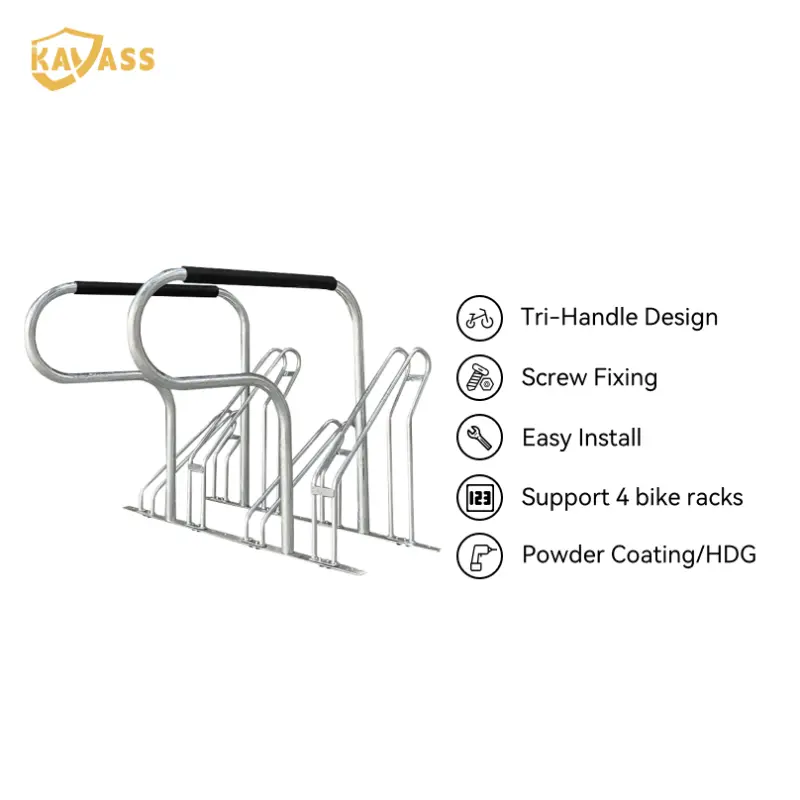
Triangular lock support featuring upgraded handlebar positioning systems for municipal sidewalks.
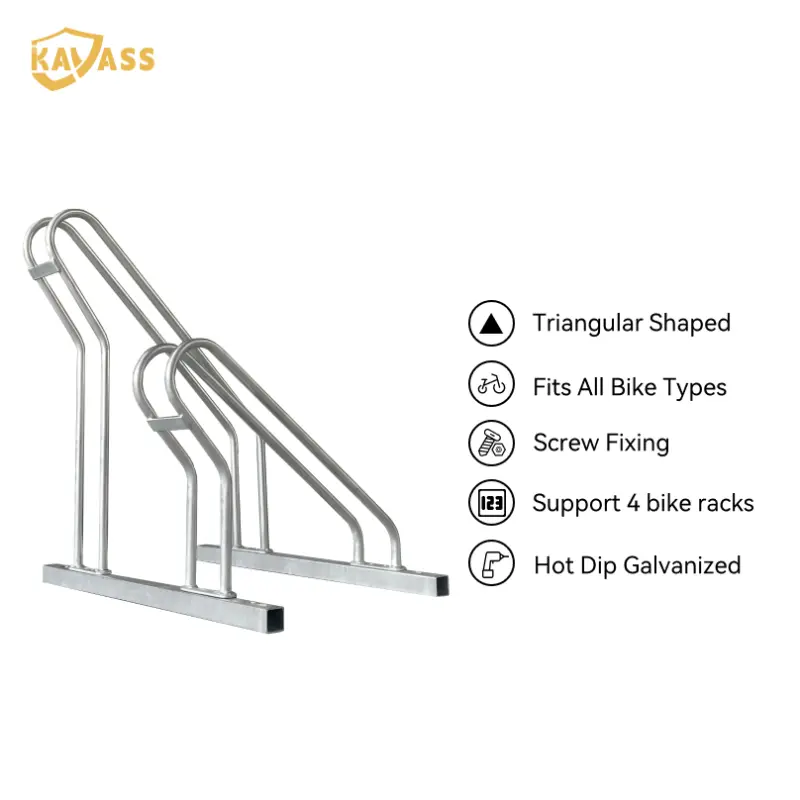
Space-saving commercial storage option with easy bolt-together assembly configuration.
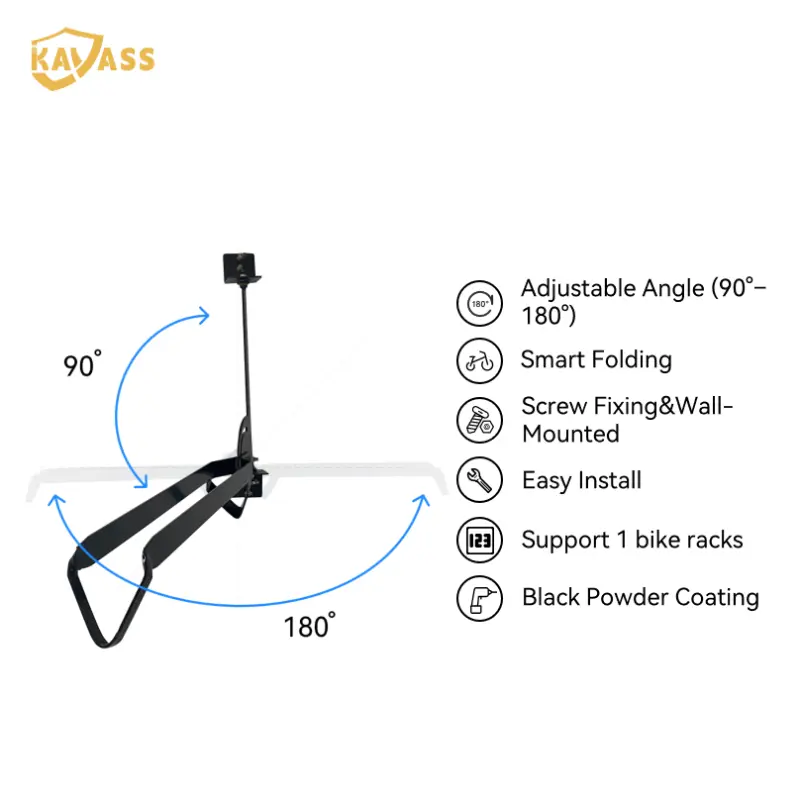
Innovative rotating vertical mounting system designed to maximize indoor garage capacities.
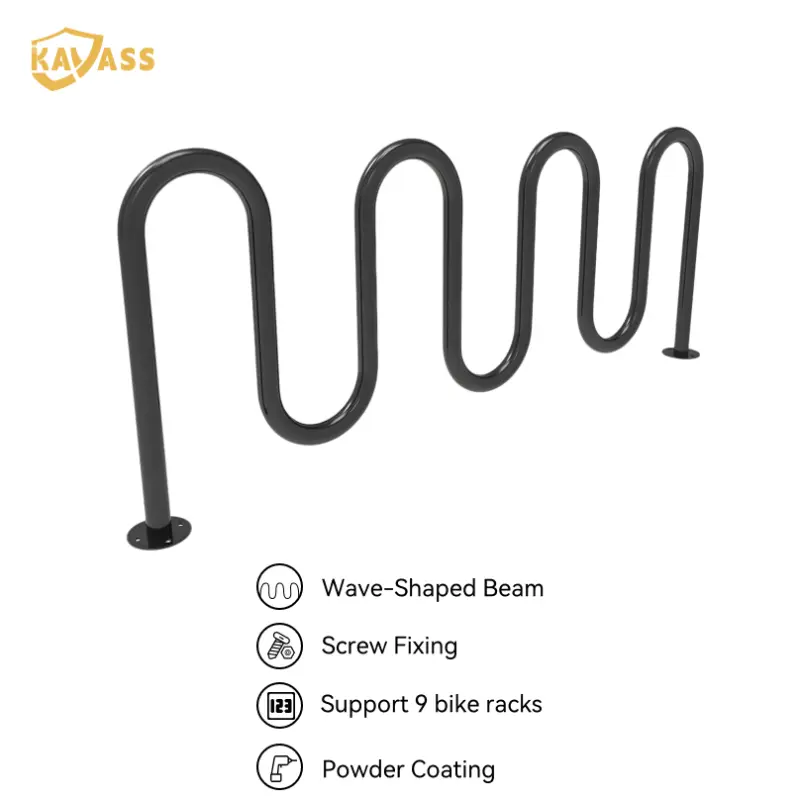
Continuous architectural wave rack layout featuring wheel-nest support channels.
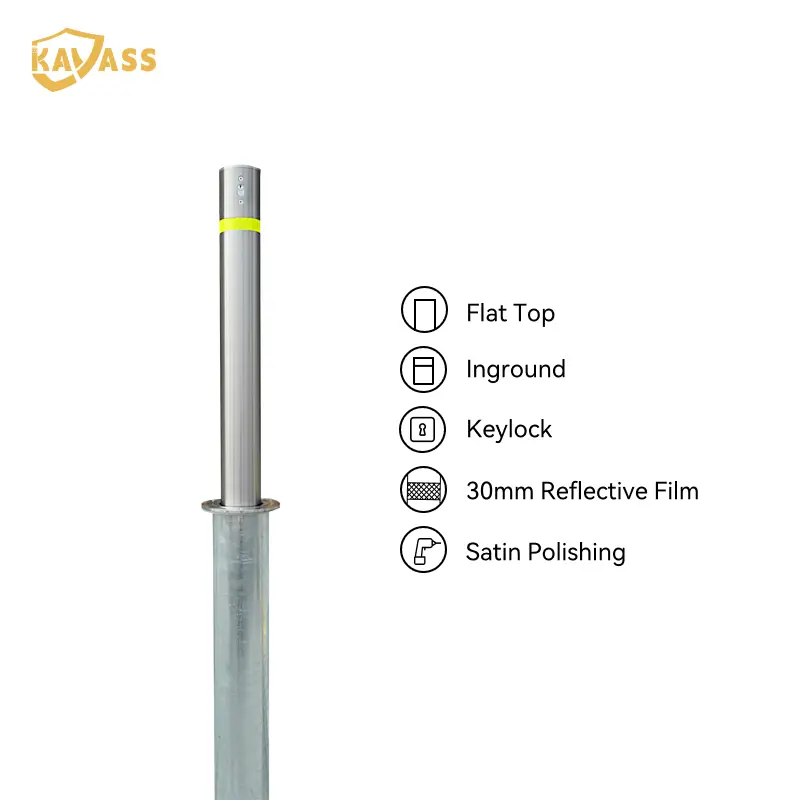
Key-controlled security, keyed alike/different options.
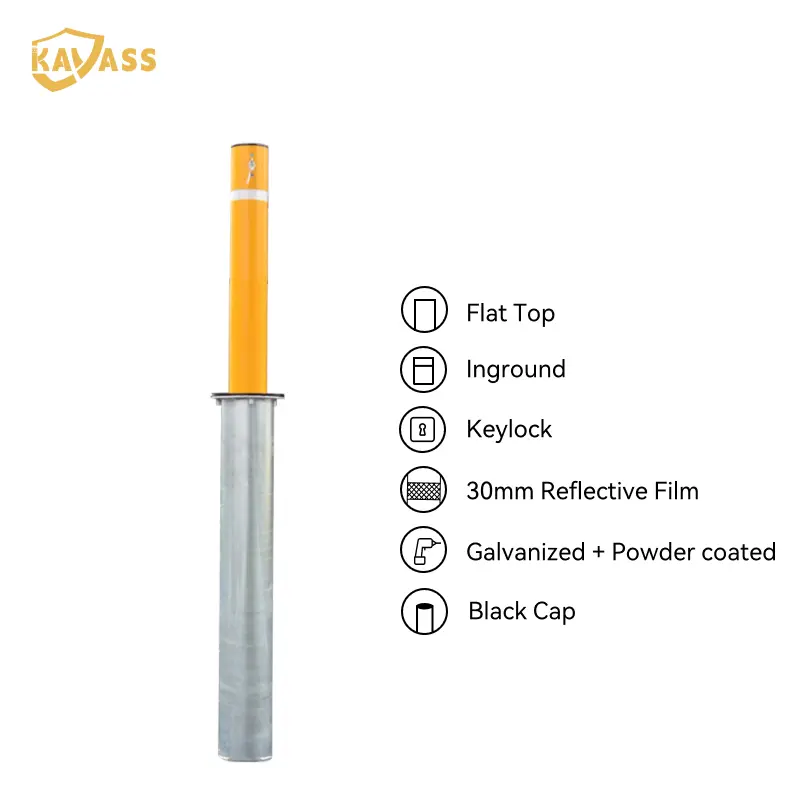
Key-controlled height adjustment, high visibility coating.
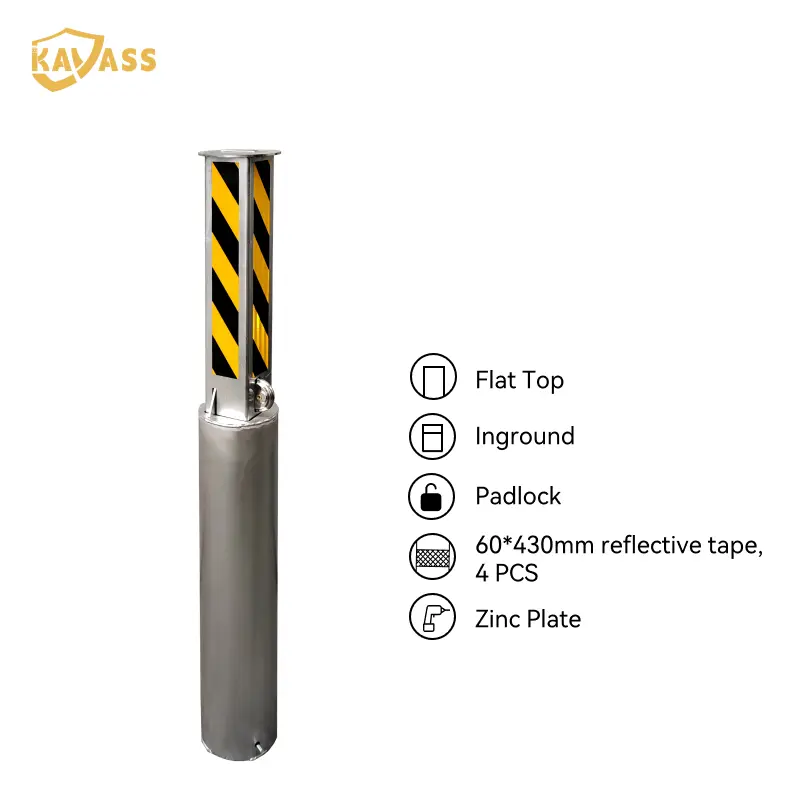
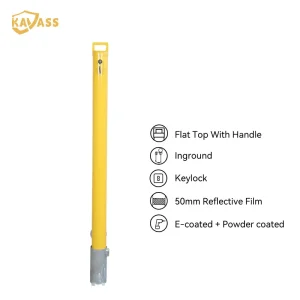
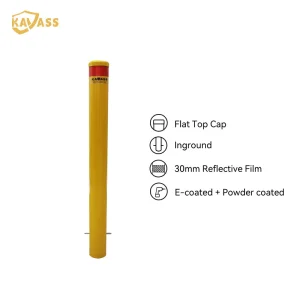
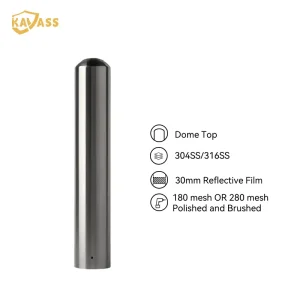
Zinc-coated, integrated reflective warning sleeve.
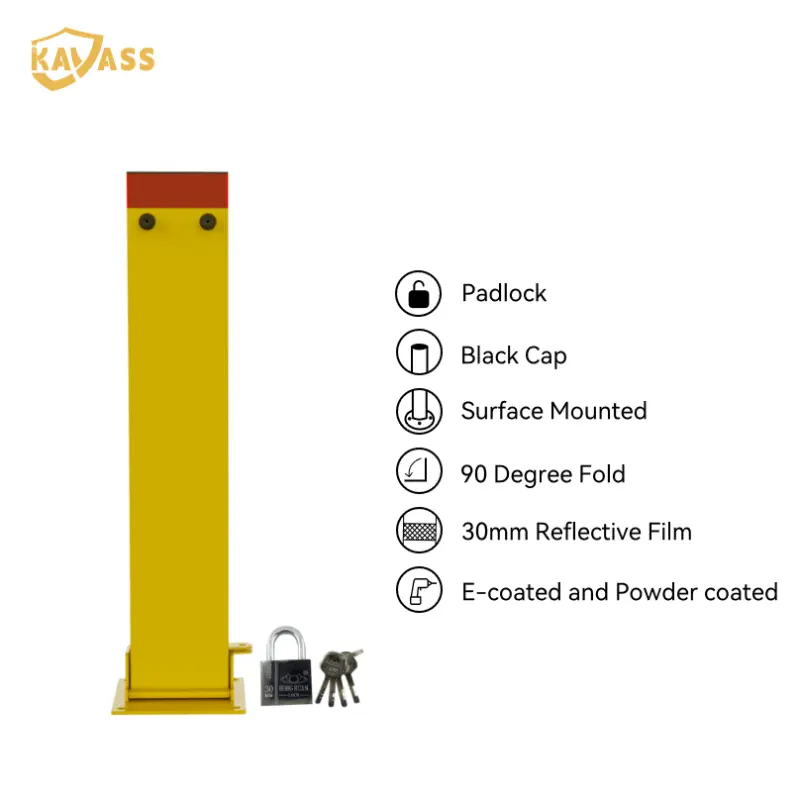
Padlock operation with upgraded bend/pin mechanism.
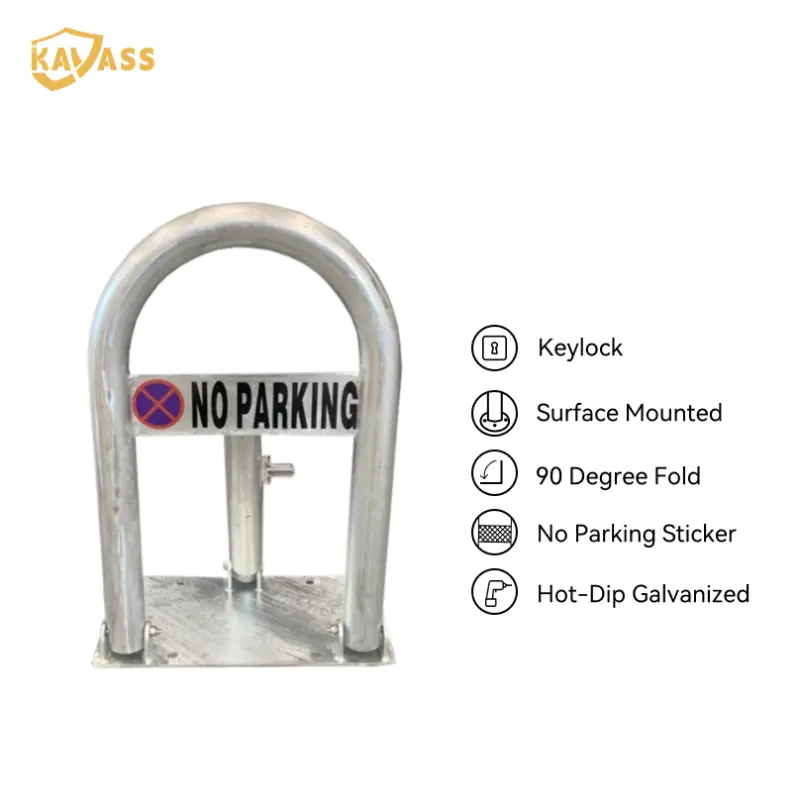
Keylock operation, manual tilt mechanisms.
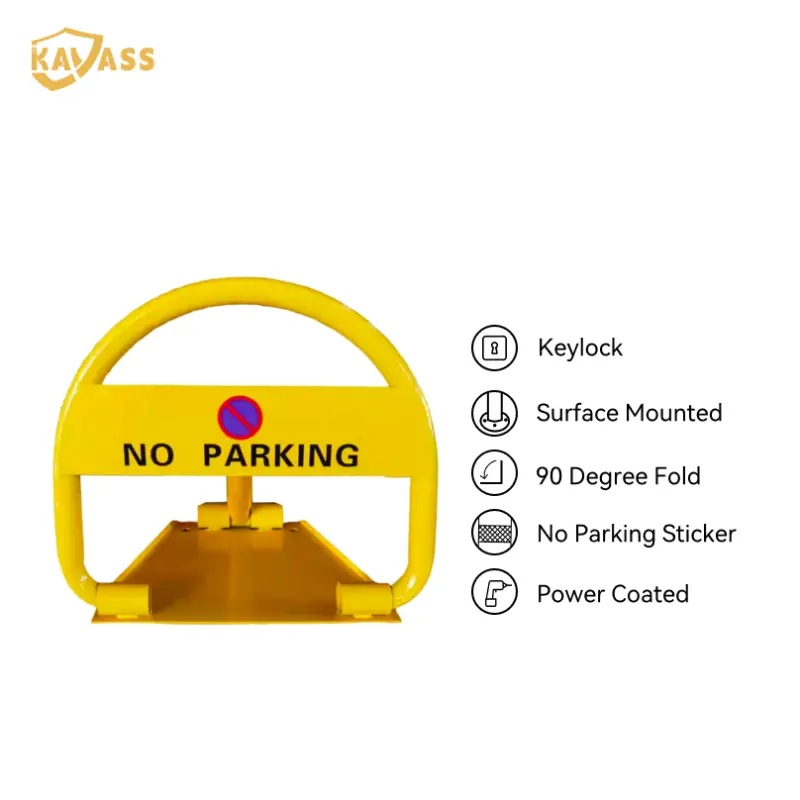
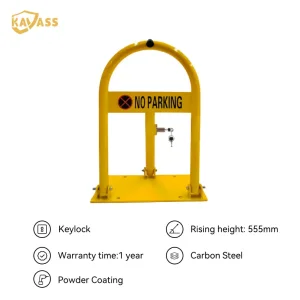
Keylock operation, customizable NO PARKING sign.
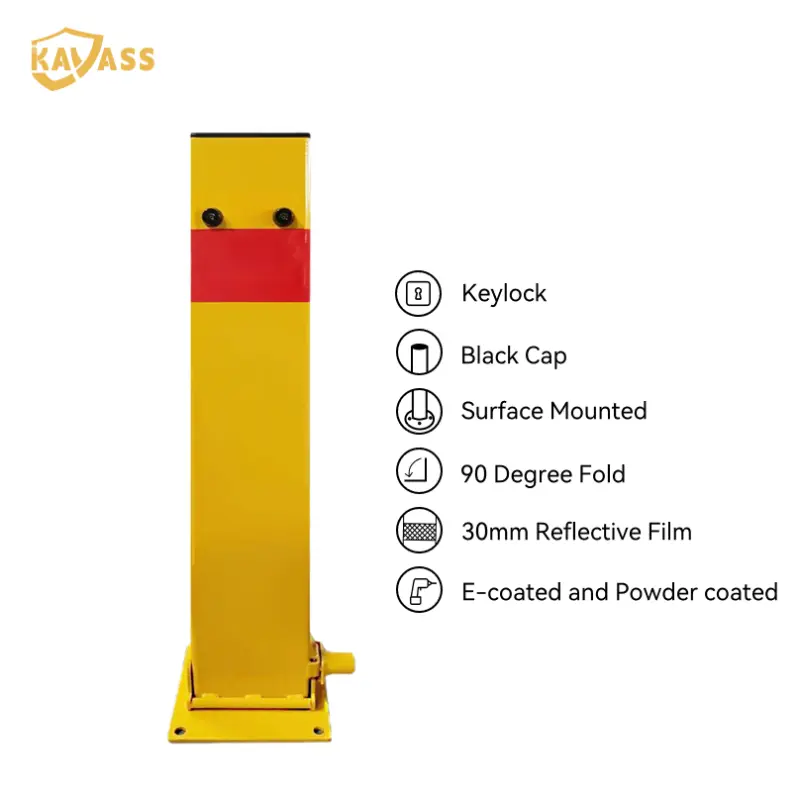
Anti-collision layout, heavy-duty industrial framing.
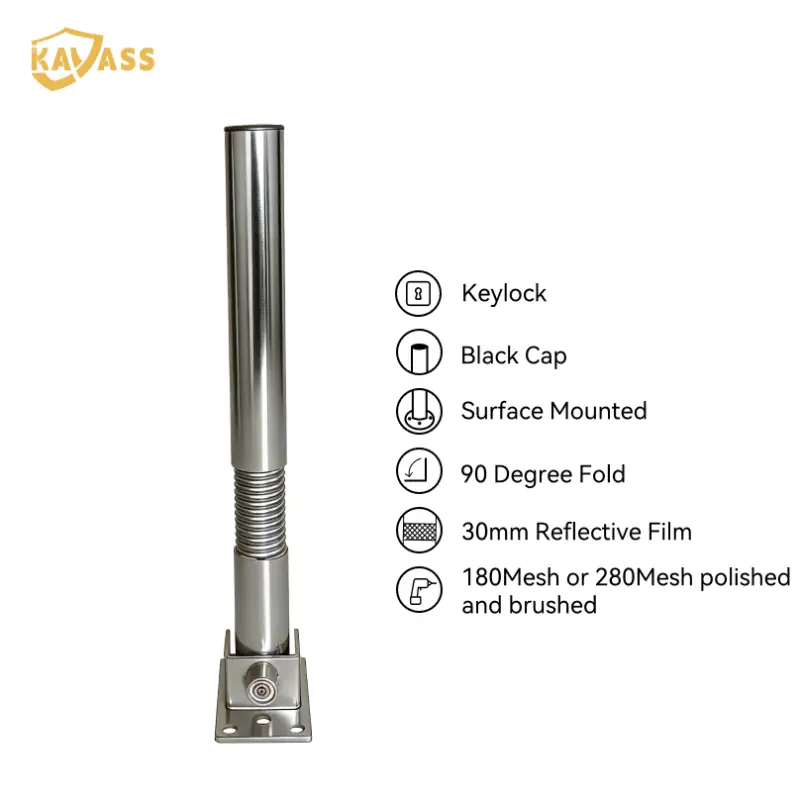
Integrated anti-impact cap, seamless construction.
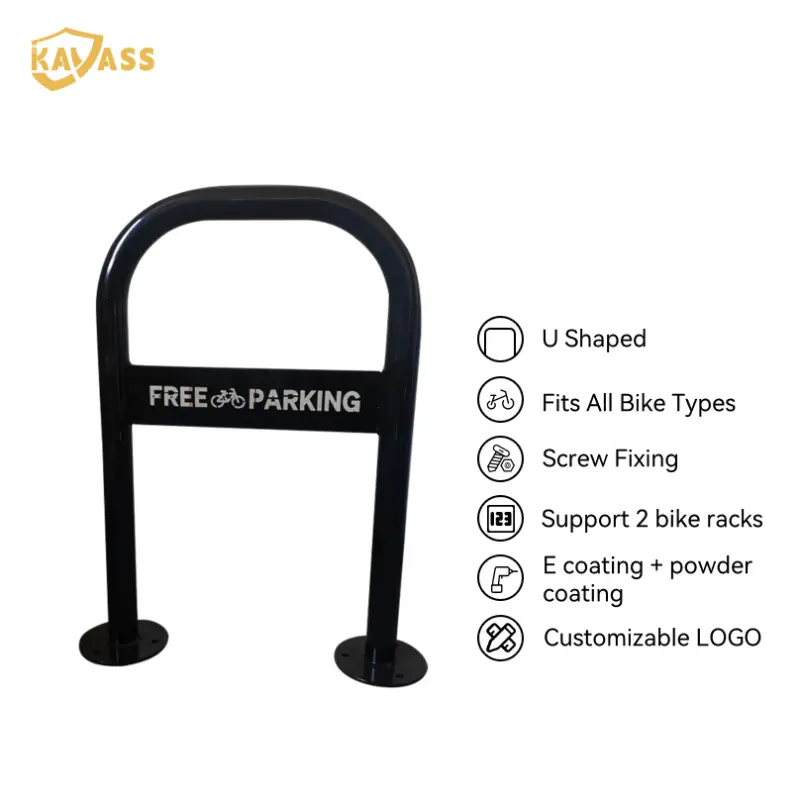
Black powder coated, laser-engraved branding.
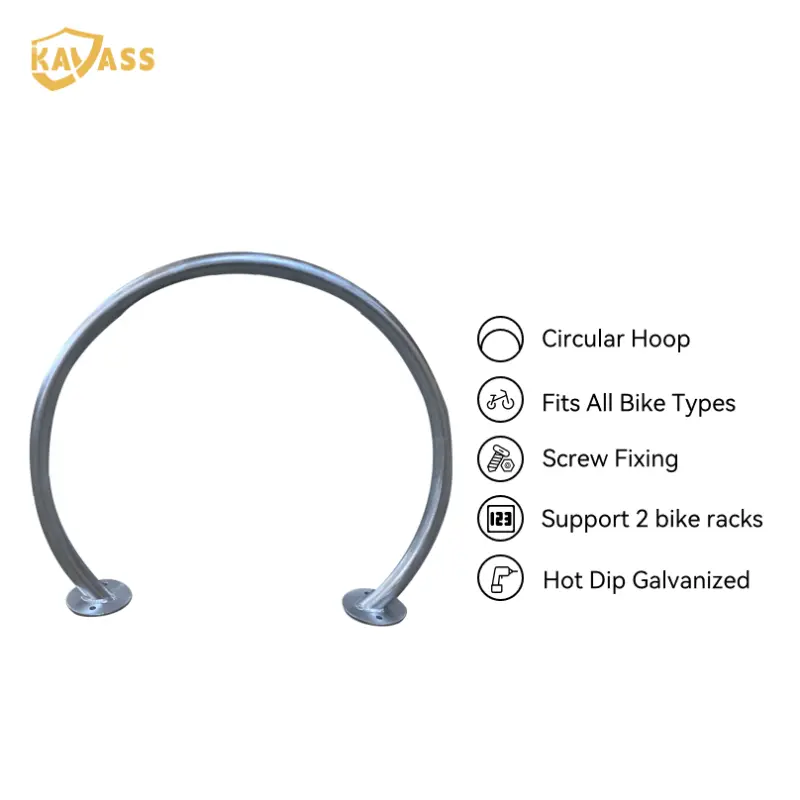
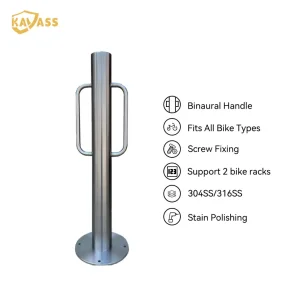
Hot-dip galvanized, dual-bike standard duty hoop.
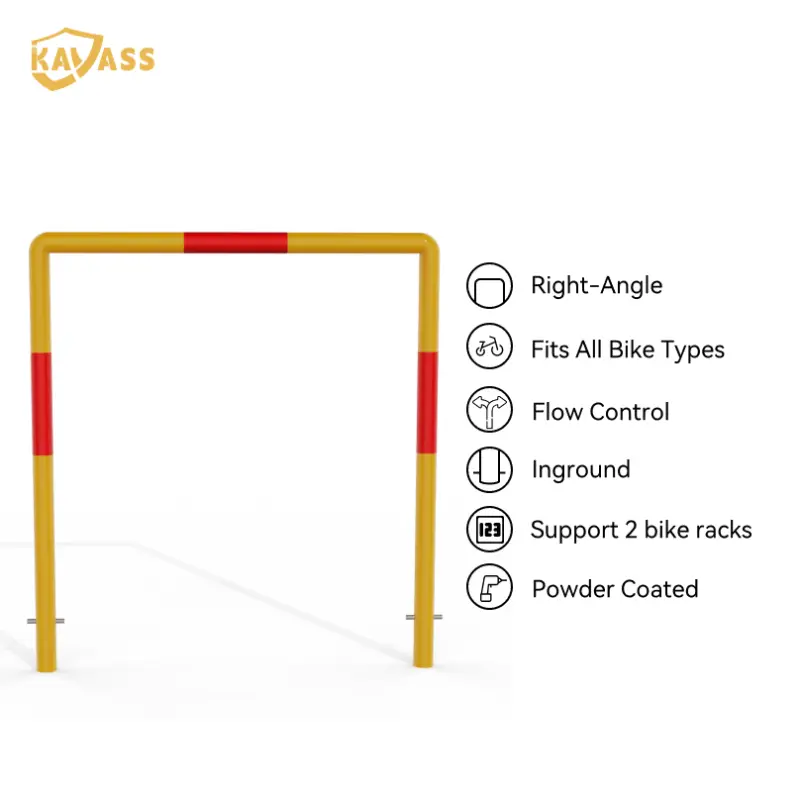
Integrated crowd control and bicycle lock stations.
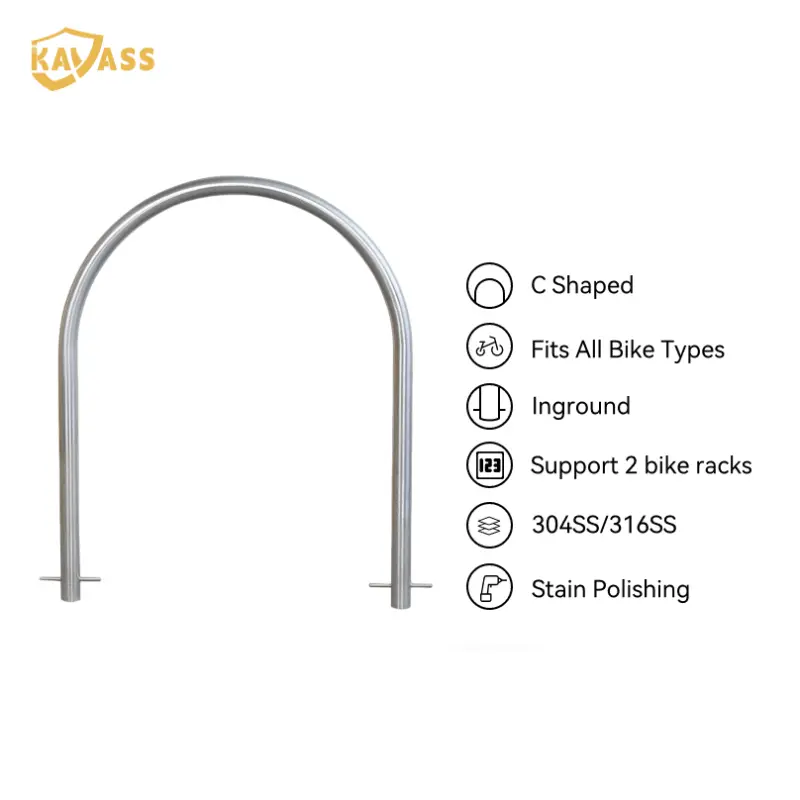
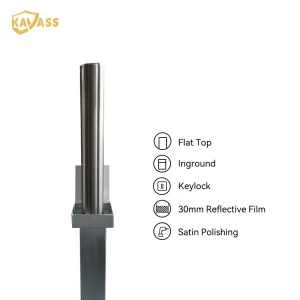
Grade 304 or 316 architectural tube profiles.
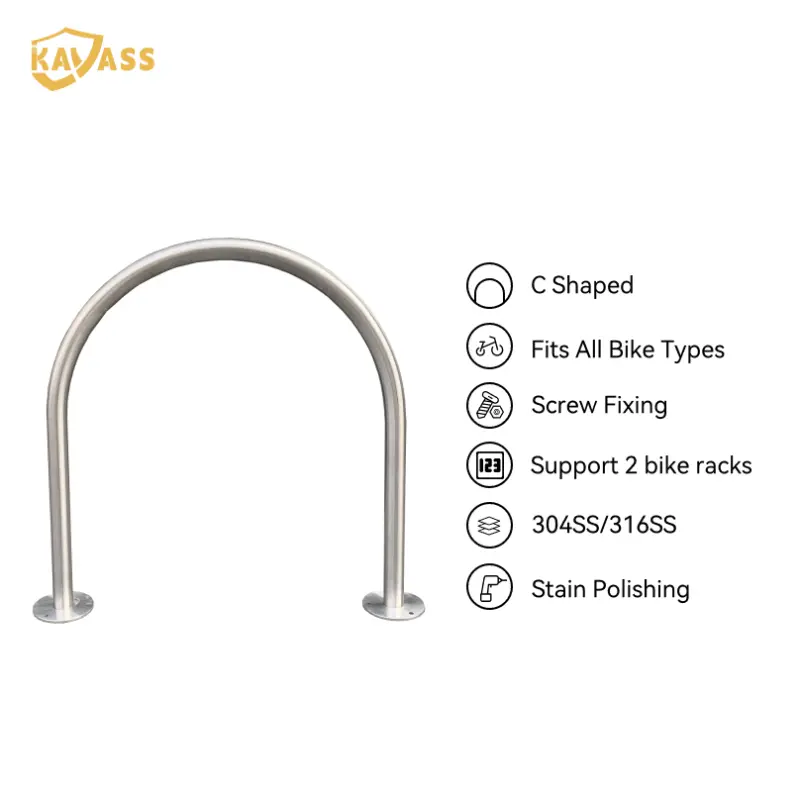
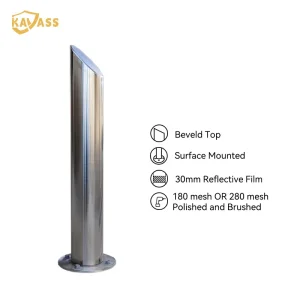
Stainless steel, low-maintenance urban design.
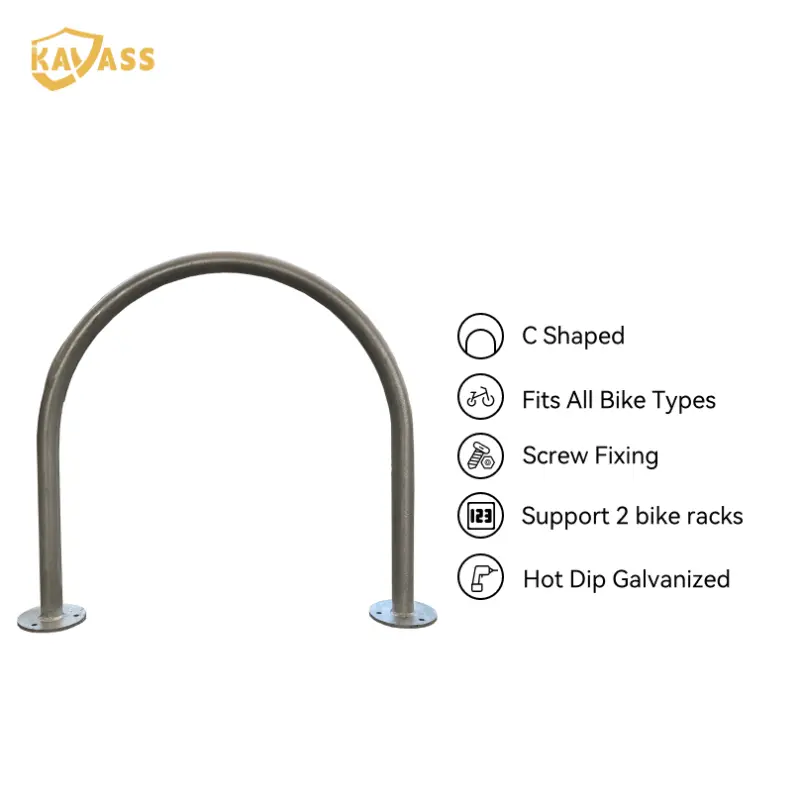
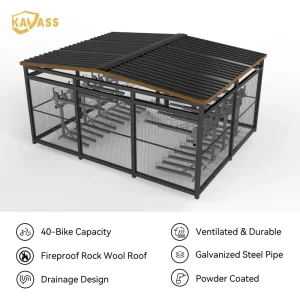
Hot-dip galvanized, highly durable outdoor structure.
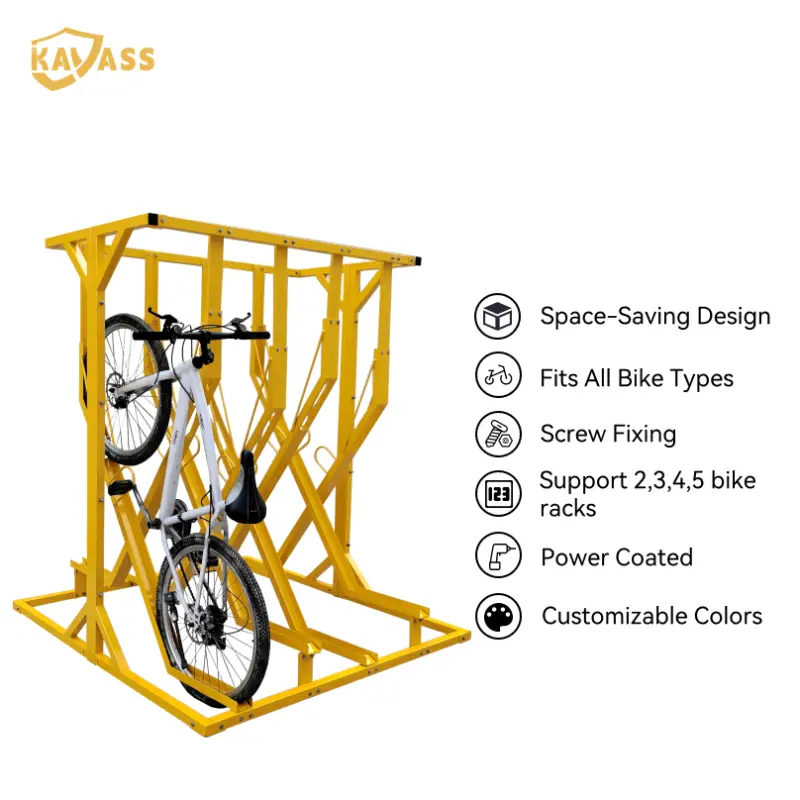
Powder coated finish with modular capacity options.
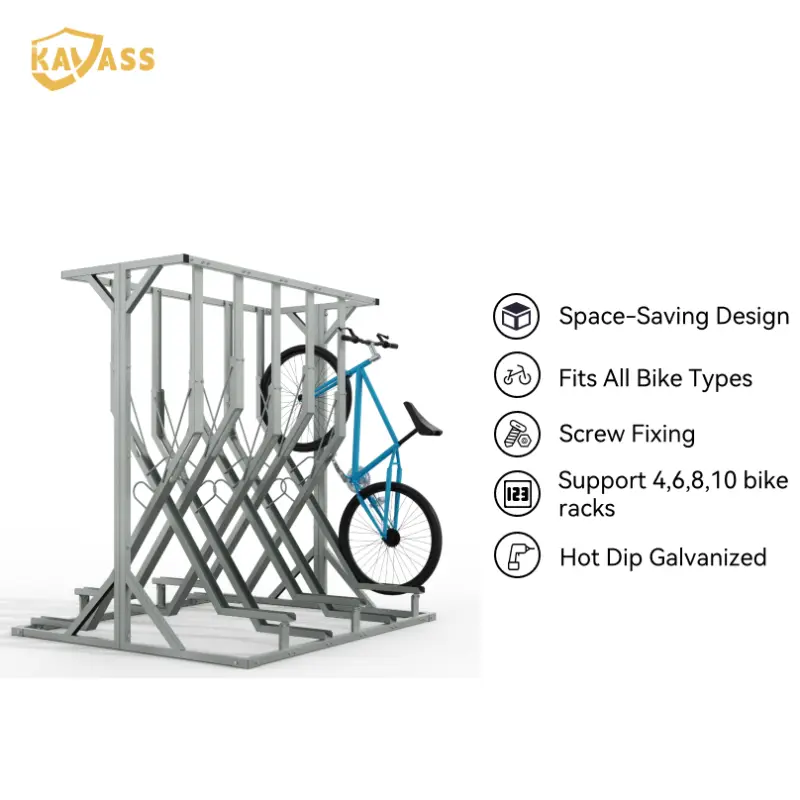
Hot-dip galvanized, space-efficient frame configurations.
Ensuring structural projects comply with building regulations through material testing, precision manufacturing, and comprehensive global support networks.
Every perimeter security layout presents unique geographical and structural challenges. Our dedicated engineering division works closely with civil developers and project consultants to create tailored CAD layouts and simulation models. By analyzing local vehicle dynamics and pedestrian flow patterns, we optimize bollard spacing, height configurations, and foundation depth parameters.
This process saves significant material costs while maintaining full safety standards. From initial planning to final logistics, our engineers help ensure compliance with regional structural building codes and municipal guidelines.
Our Deqing and Zhuji factories operate under ISO 9001 certified quality management systems. From the initial testing of incoming high-tensile steel to final ultrasonic weld testing and impact resistance verification, each step is logged and traceable. We provide full material test reports (MTRs) and structural finish thickness audits with every delivery, ensuring our clients receive robust, long-term durability and safety performance.
Explore our heavy-duty product range, featuring key-controlled retractable bollards, in-ground fixed anchors, and anti-theft bicycle lockers.
Detailed technical answers to common questions about physical security planning, certifications, and product installation.
While all three standards evaluate the impact performance of vehicle barriers, they stem from different regional bodies and use slightly varied testing parameters. ASTM F2656 is the dominant US standard, focusing on medium and heavy trucks impacting at various speeds. PAS 68 is the traditional UK standard, which defines impact testing configurations for cars, light trucks, and heavy goods vehicles. IWA 14-1 was developed as an international standard to harmonize US (ASTM) and European (PAS) methods, providing a global framework for vehicle impact testing. When sourcing for a project, look for certifications that match your local government mandates.
Shallow mount bollards are engineered to secure areas where underground utilities, tunnels, or shallow foundations prevent deep excavation (often requiring under 300mm of depth). They distribute impact forces horizontally across a wider interconnected base plate system. Deep-mount bollards, on the other hand, rely on deep subgrade concrete foundations (often 900mm to 1200mm deep) to absorb and ground dynamic impact energy directly. Both systems can achieve high impact certifications (e.g. M30 or M50) depending on their engineering design and base plate connections.
Choosing the right steel type is essential to balance structural strength and long-term weather resistance. Standard structural steels like Q235 and Q355 offer excellent mechanical strength for impact cores but require proper surface protection, such as hot-dip galvanization or powder coating, to prevent rust. In highly corrosive coastal or humid environments, using 304 or marine-grade 316 stainless steel is recommended. These grades naturally resist oxidation and keep bollards clean and functional for decades without needing constant repainting or maintenance.
Our production facilities in Deqing and Zhuji are equipped with advanced CNC laser cutters, high-precision robotic welding, and dynamic metal forming equipment. These tools allow us to quickly scale production for custom designs. We can adjust the height, wall thickness, plate configuration, and finishing (such as specific RAL powder colors, reflective stripes, or corporate logo laser engraving) to match exact architectural design and engineering layout plans.
For retractable and telescopic bollards, proper drainage is critical to prevent water accumulation inside the ground casing, which can cause component corrosion or freeze damage. During installation, contractors must dig a gravel soakaway pit beneath the bollard housing. In areas with high water tables or heavy clay soils, we recommend connecting the bollard casing directly to the local drainage system or storm sewer to keep the mechanical parts dry and functional.
Automatic hydraulic systems are ideal for high-traffic access gates that require frequent operational changes, and they can integrate with access control systems like RFID, ANPR cameras, or loop detectors. However, they need a dedicated power source and regular maintenance. Manual telescopic bollards are a cost-effective, durable choice for areas with lower traffic frequency. They use integrated gas springs to make lifting and lowering easy, without needing power lines or complex control networks.
Partner with KAVASS to design and manufacture crash-rated, durable, and architecturally integrated security solutions tailored for your next structural project.
KAVASS SECURITY TECH LIMITED – Providing Reliable Global Support to Over 80 Countries
Contact Our Engineering Department KAVASS