China Yellow Flammable Cabinet Supplier & Suppliers

High-Compliance Industrial Hazard Containment & Physical Infrastructure Solutions for Global Enterprises

The Macro Landscape of Industrial Chemical Storage Safety

In modern manufacturing, processing, and warehousing environments, the management of Class 3 flammable liquids represents one of the most critical safety protocols. Failing to secure hazardous liquids is a major liability that can lead to catastrophic industrial incidents, massive financial loss, and severe regulatory penalties.

Mitigating Thermal Explosions

Yellow flammable safety cabinets are specifically designed to restrict thermal transfer. By maintaining the internal temperature below critical limits during initial fire outbreaks, they provide valuable evacuation windows for personnel.

Regulatory Compliance Mandates

Industrial operations must adhere to stringent global safety frameworks such as OSHA 29 CFR 1910.106 and NFPA Code 30. Certified containment units are mandatory for compliance audits.

Environmental Spill Protection

Integrated sump zones at the base of flammable cabinets catch minor drips and major container failures, preventing hazardous materials from contaminating sewer lines or facility flooring.
Industry Standard Insight: Under NFPA 30 guidelines, storing Class I, II, and III flammable liquids in approved safety cabinets significantly lowers a facility’s fire risk classification, which directly reduces commercial insurance premiums and protects your workers.
About KAVASS Security Tech Limited

About KAVASS Security Tech Limited

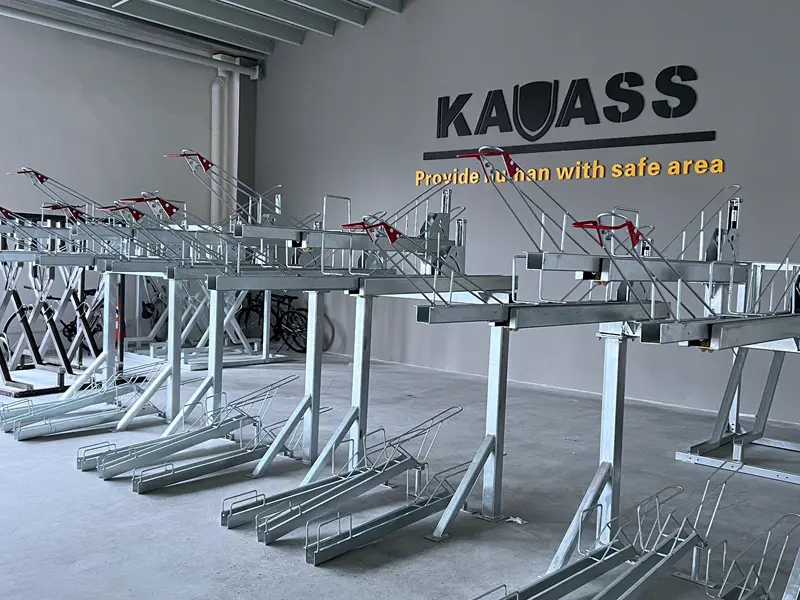
KAVASS Security Tech Limited is a professional manufacturer focused on traffic safety and perimeter protection solutions, with more than 18 years of industry experience. We specialize in the design, production, and supply of a wide range of products, including parking locks, bollards, bike racks, and other urban infrastructure equipment. By integrating product development, manufacturing, and after-sales support, we provide efficient one-stop solutions tailored to the needs of global clients.

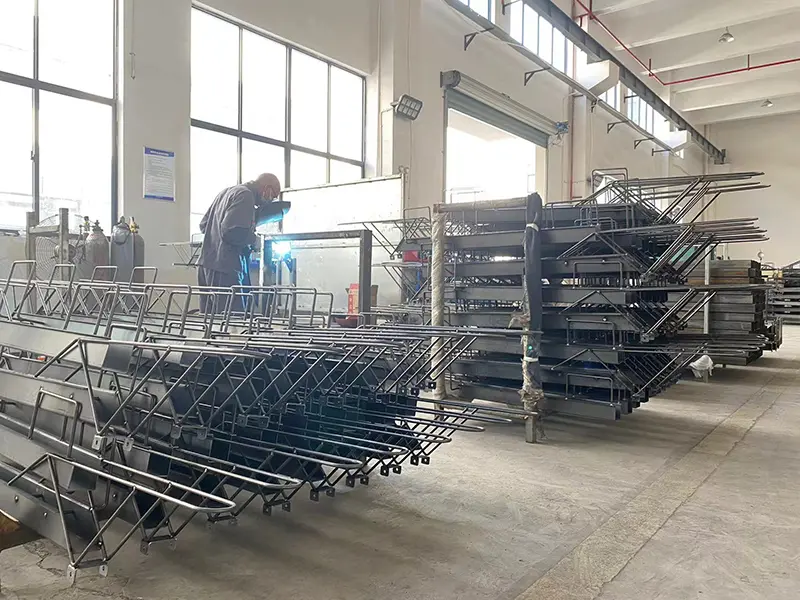
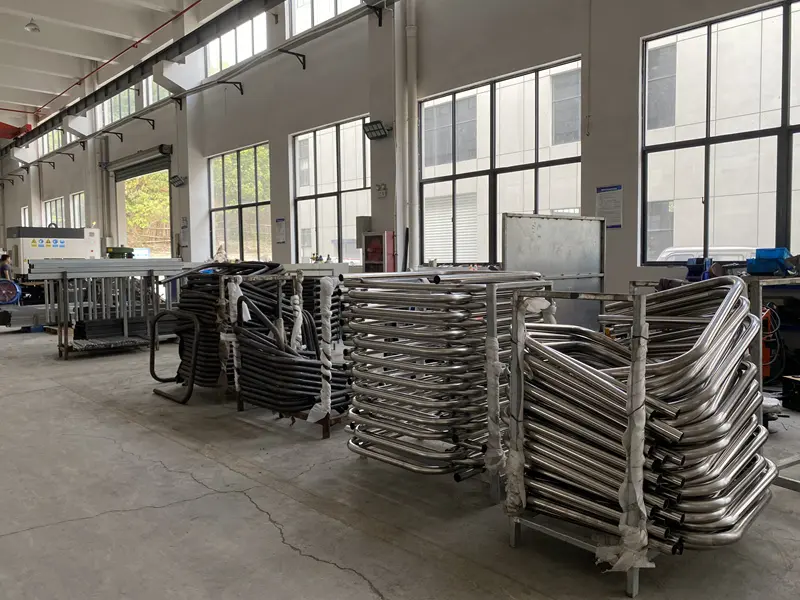
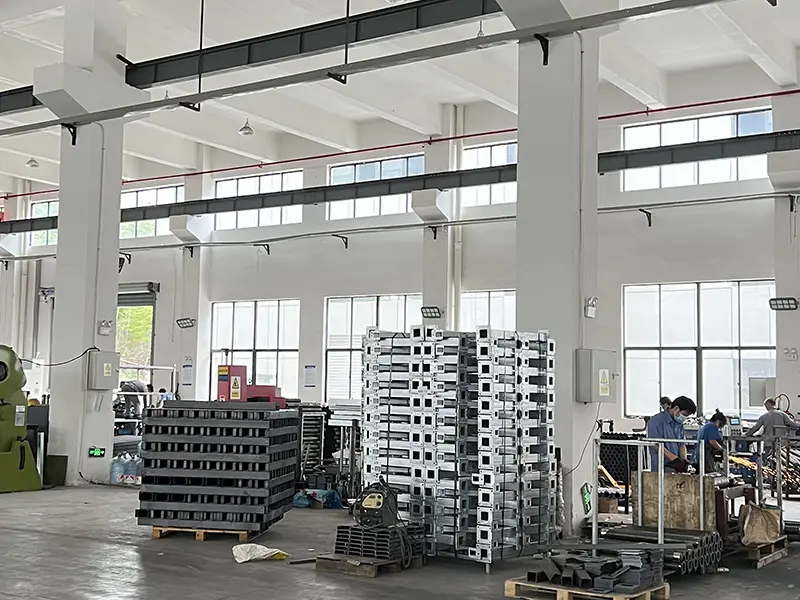
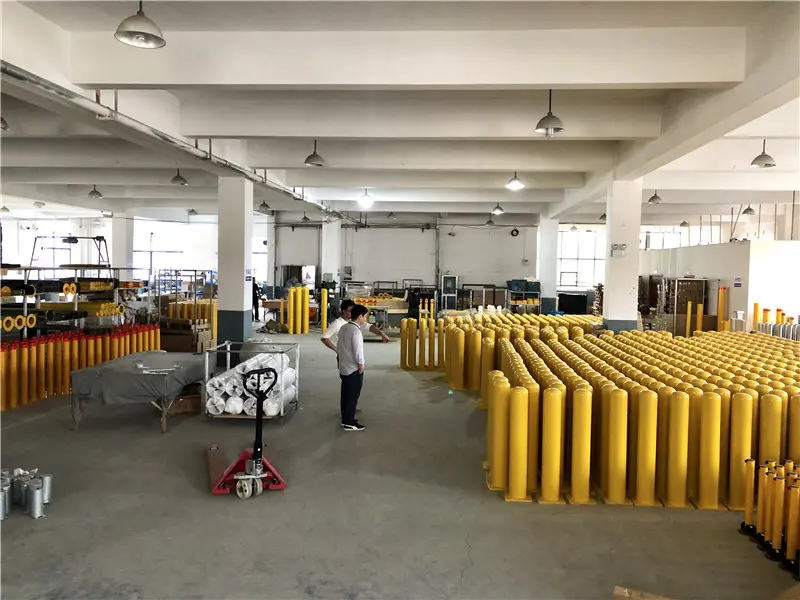
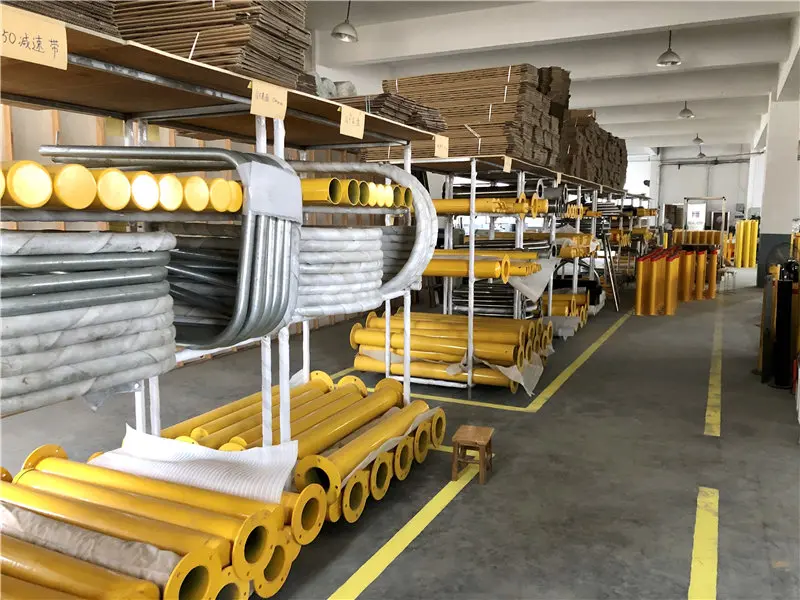
Our production base is equipped with advanced machinery and modern manufacturing processes, supported by a skilled engineering and quality control team. From raw material selection to final inspection, every step is carefully managed to ensure consistent product performance and long-term reliability. This enables us to meet the demands of various applications, from standard products to customized project requirements.
18+
Years of Experience
80+
Countries Reached
2
State-of-the-Art Factories
100%
Quality Audited

KAVASS Core Product Lines

Our solutions are applied across urban infrastructure, commercial spaces, industrial facilities, and high-security public venues. We offer extensive customization on sizes, materials, finishes, and branding.
Security Bollards

Security Bollards

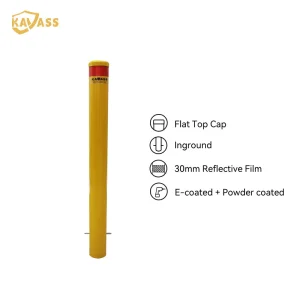
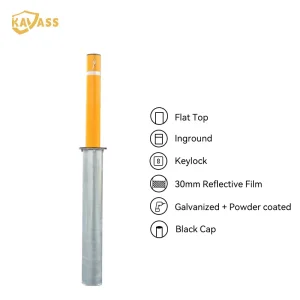
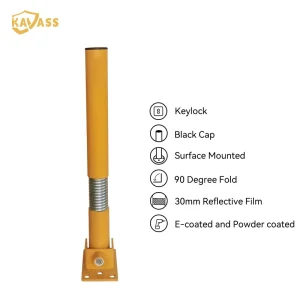
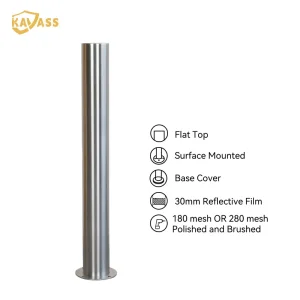
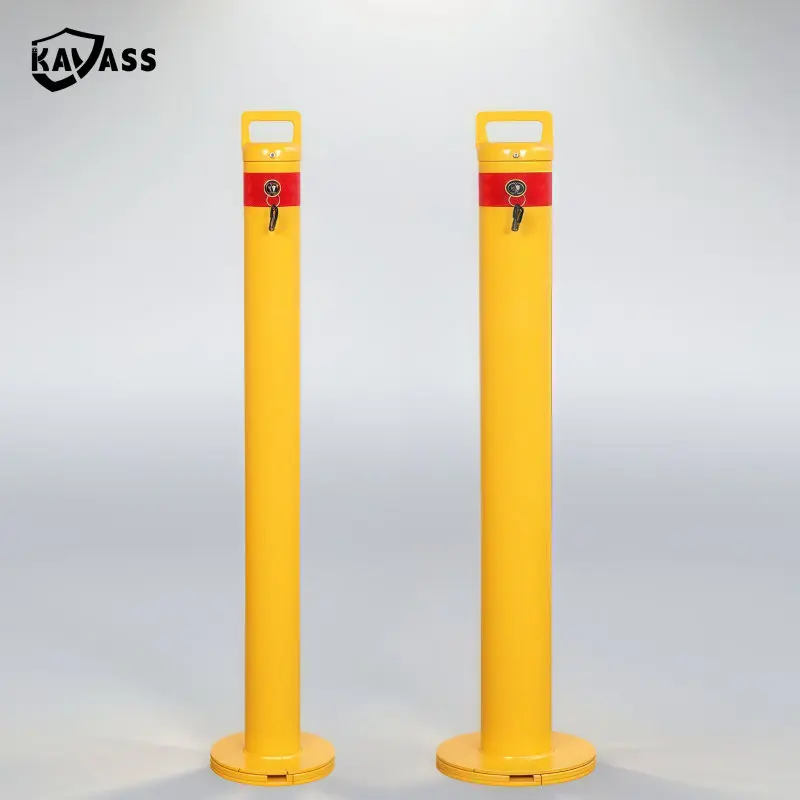
Fixed, fold-down, telescopic, removable, automatic, and lighting bollards designed for high-security perimeter control and pedestrian protection.
Bike Racks

Bike Racks

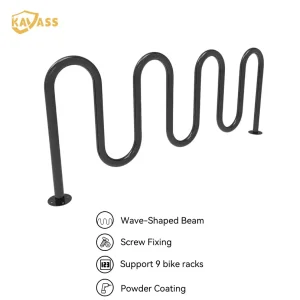
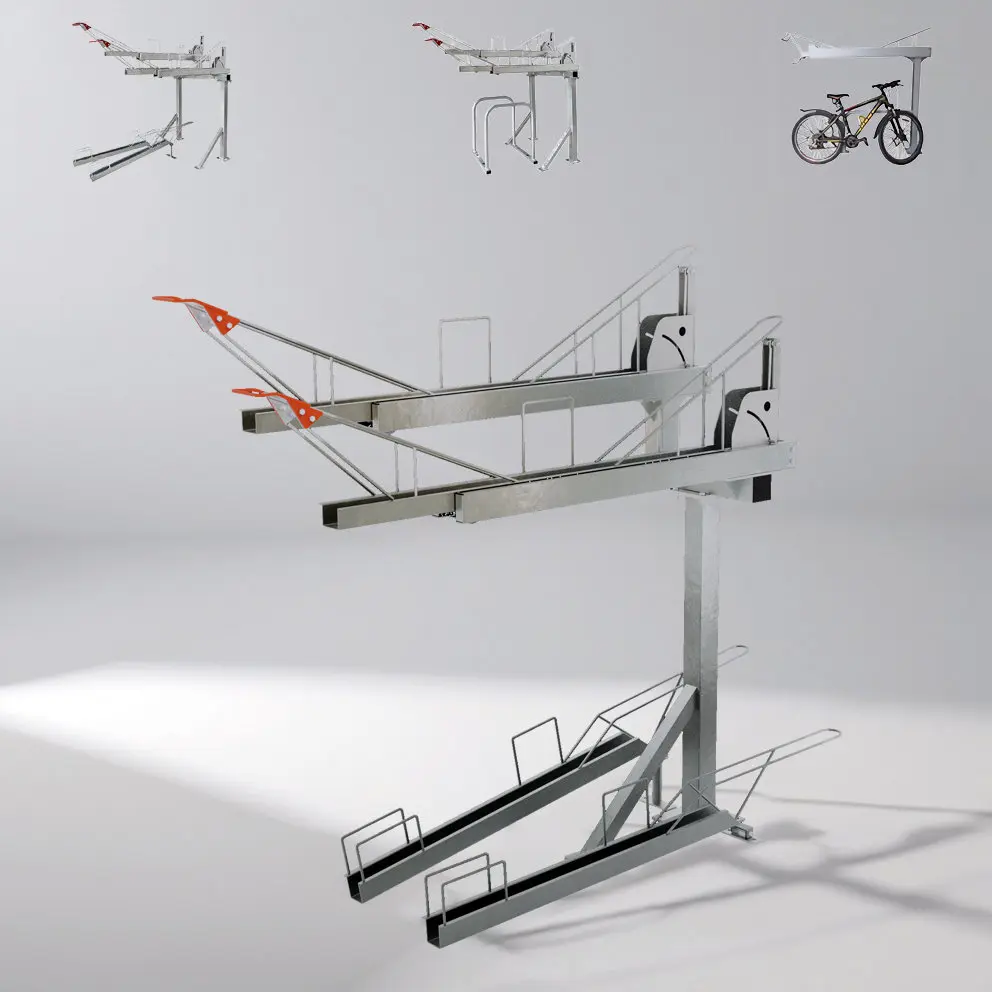
Durable, space-saving, and weather-resistant bicycle parking racks and modular stands for municipal and commercial properties.
Industry Safety

Industry Safety

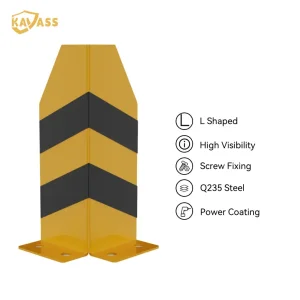
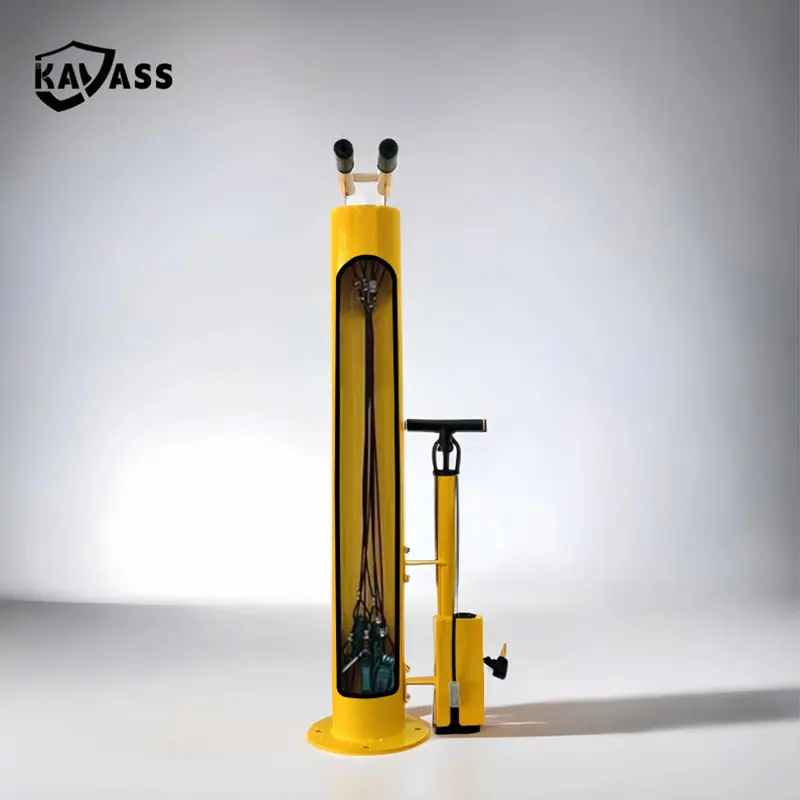
Industrial safety barriers, collision guardrails, column protectors, and structural safeguarding systems for heavy manufacturing zones.
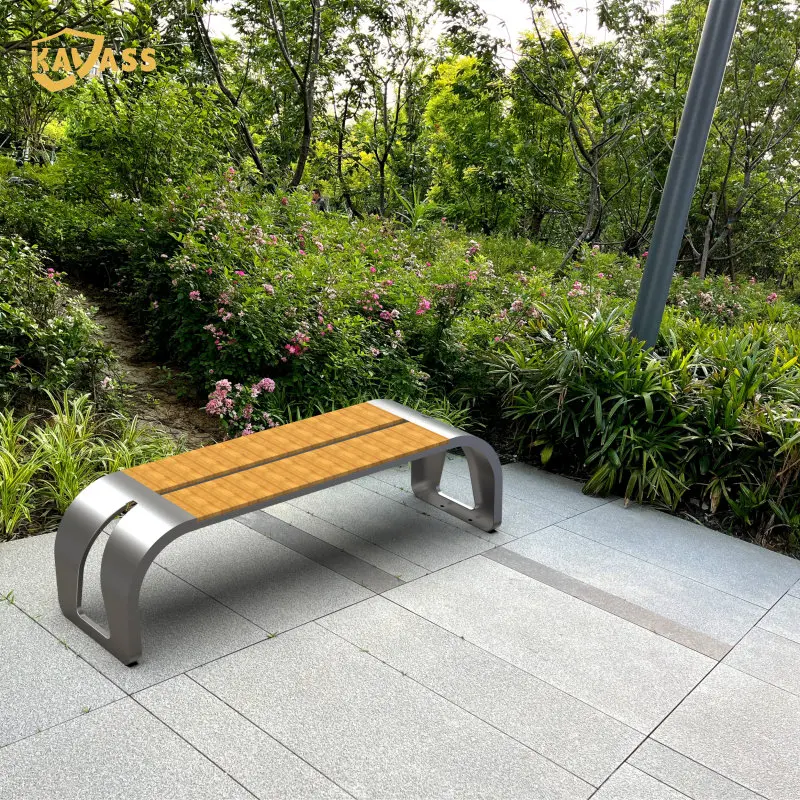
Street Furniture

Street Furniture

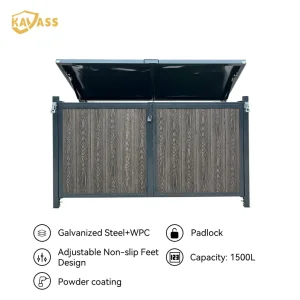
Heavy-duty waste enclosures, customized urban benches, outdoor bins, and aesthetic public space amenities constructed for maximum lifetime value.
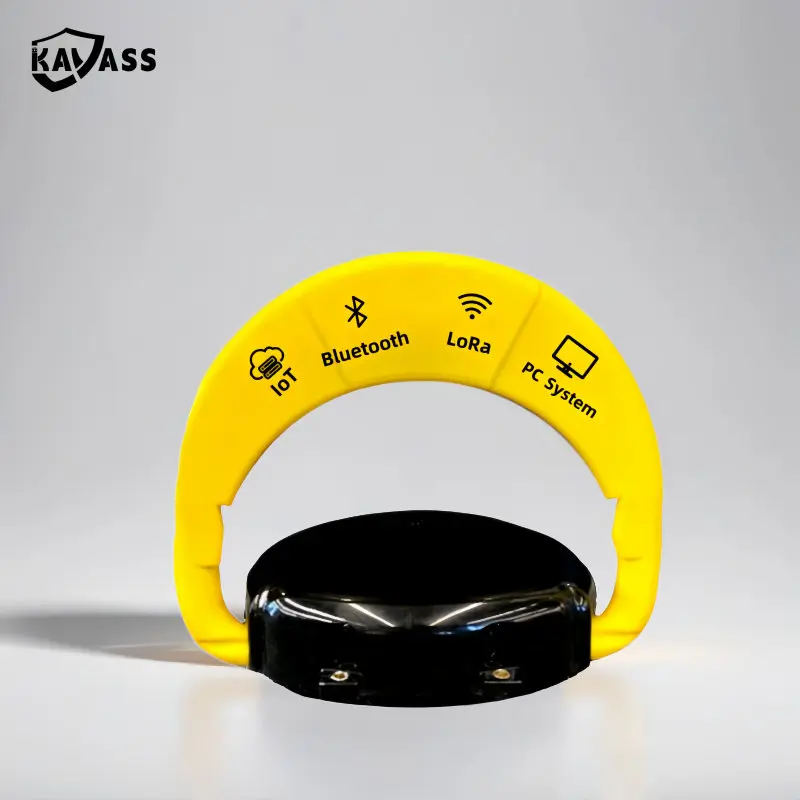
Parking Locks

Parking Locks

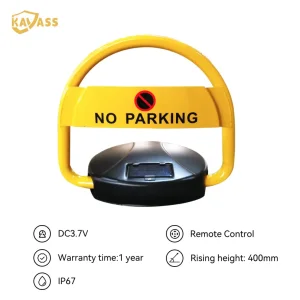
Manual, remote-controlled, solar-powered, and IoT smart parking barrier devices for automated residential and commercial parking reservation.

Global Standards Matrix for Flammable Cabinet Design

To assist procurement officers and safety managers in choosing compliant equipment, this matrix breaks down key design criteria across major international standards organizations.
Regulatory Body Key Structural Rule Air Insulation Barrier Sump Containment Depth Door Latches & Latching
OSHA 1910.106 Double-walled 18-gauge steel 1.5 inches (38mm) required 2 inches (50.8mm) leak-tight 3-point lock mechanism
NFPA Code 30 Limits volume per cabinet class 1.5 inches required Spill-containment required Self-latching joints mandatory
EN 14470-1 (Europe) Fire testing required (Type 30/90) Materials must withstand up to 1000°C Fluid containment capacity dictated by volume Thermal-fuse auto-close trigger

Why Choose KAVASS: Advanced Manufacturing Infrastructure

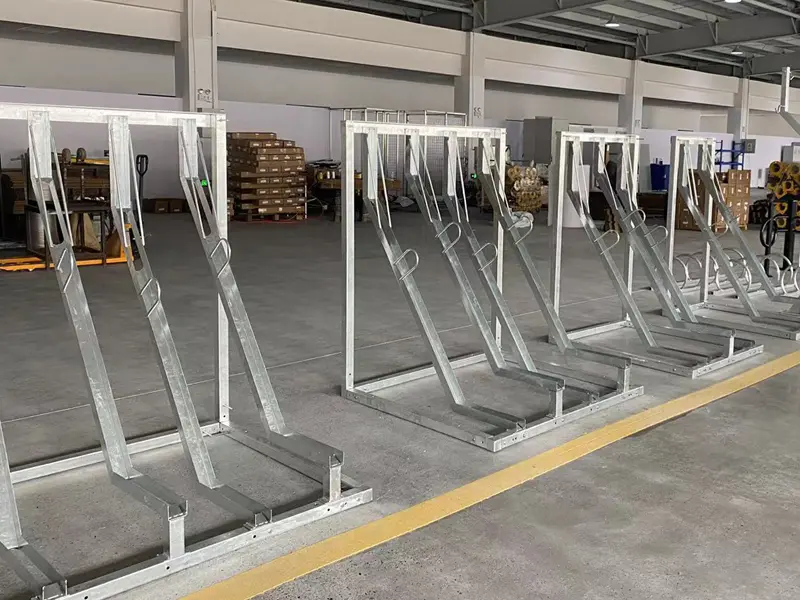
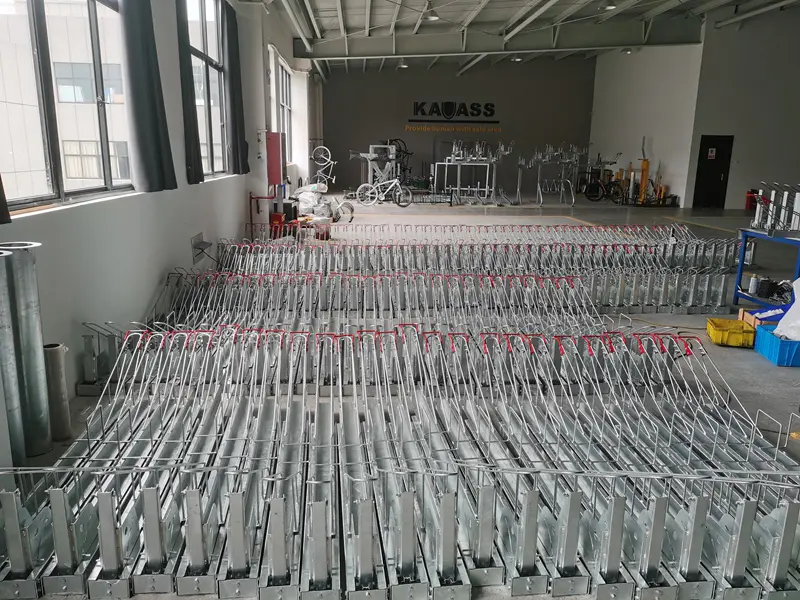
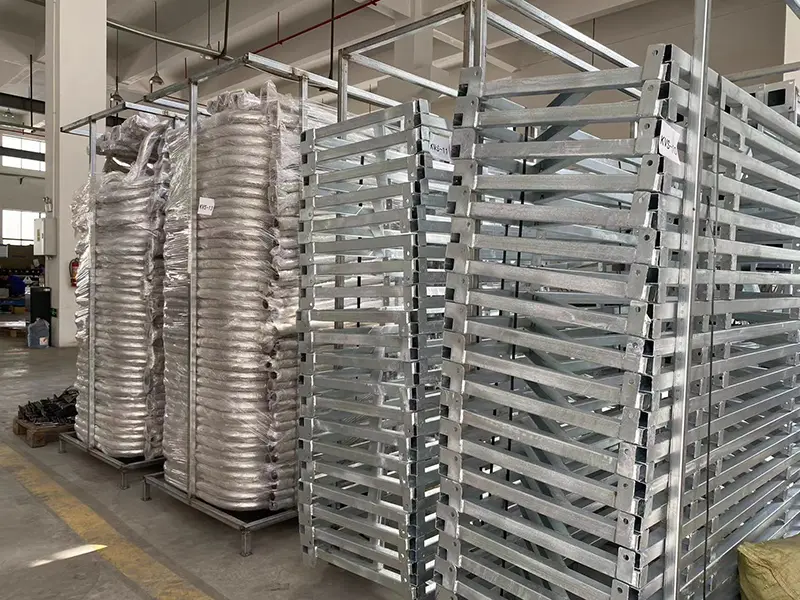
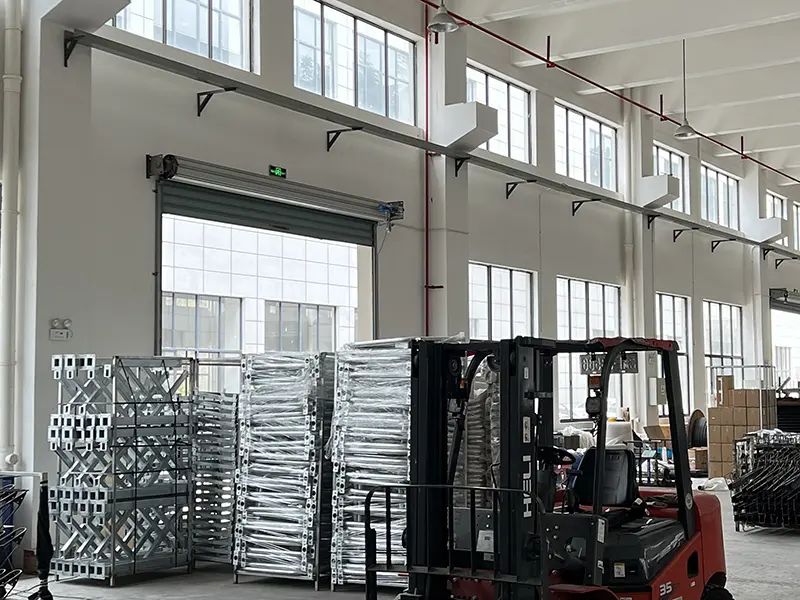
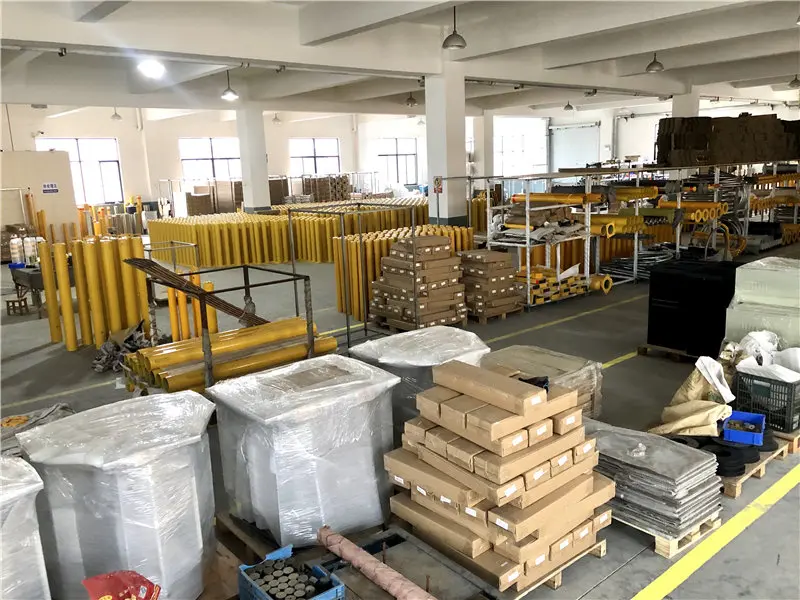
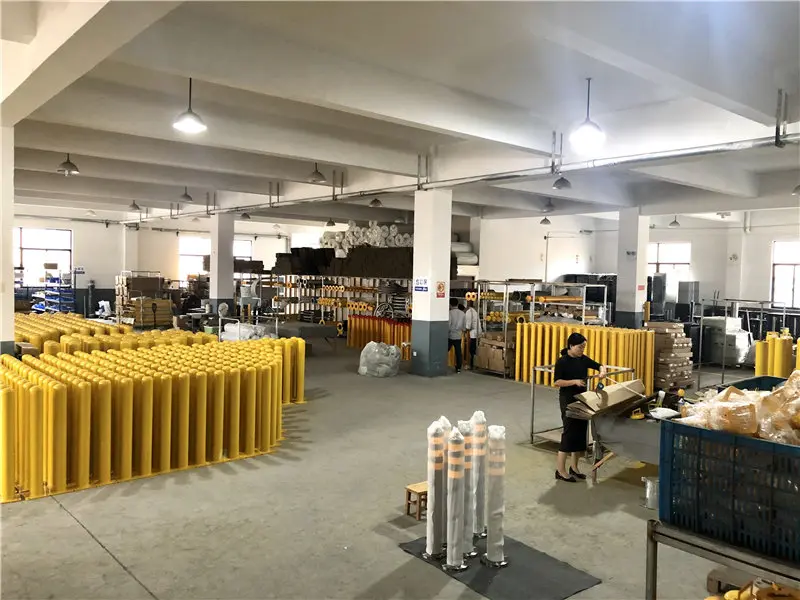
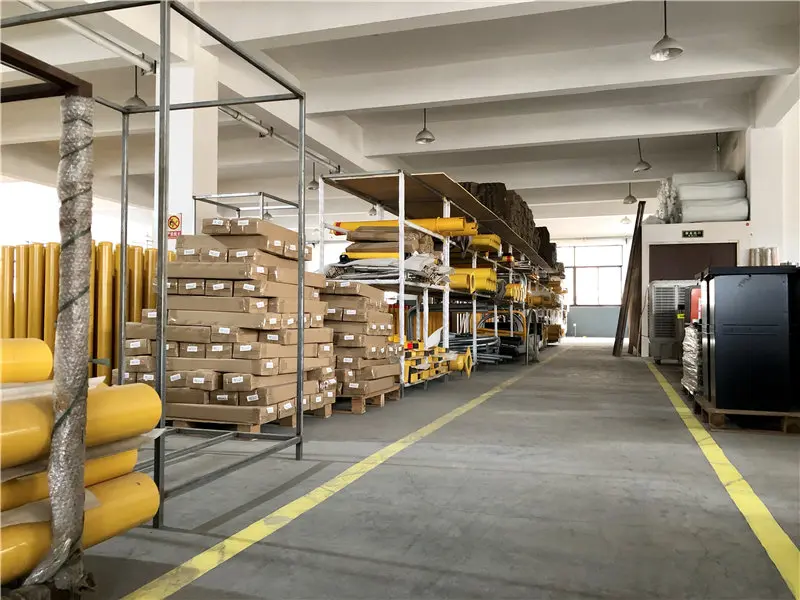
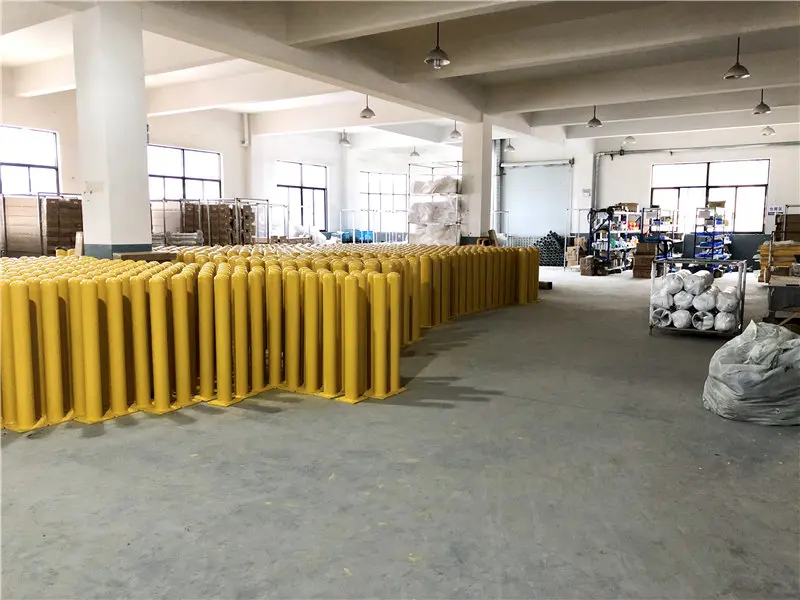
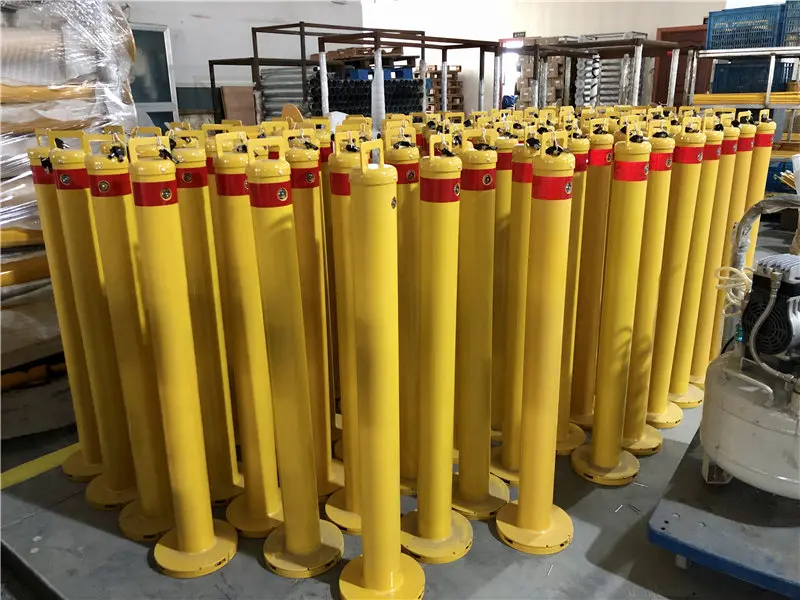
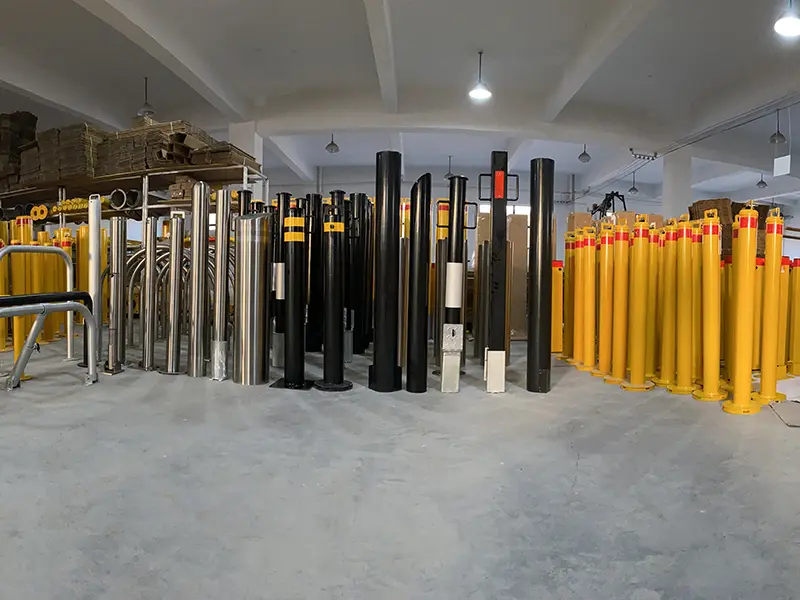
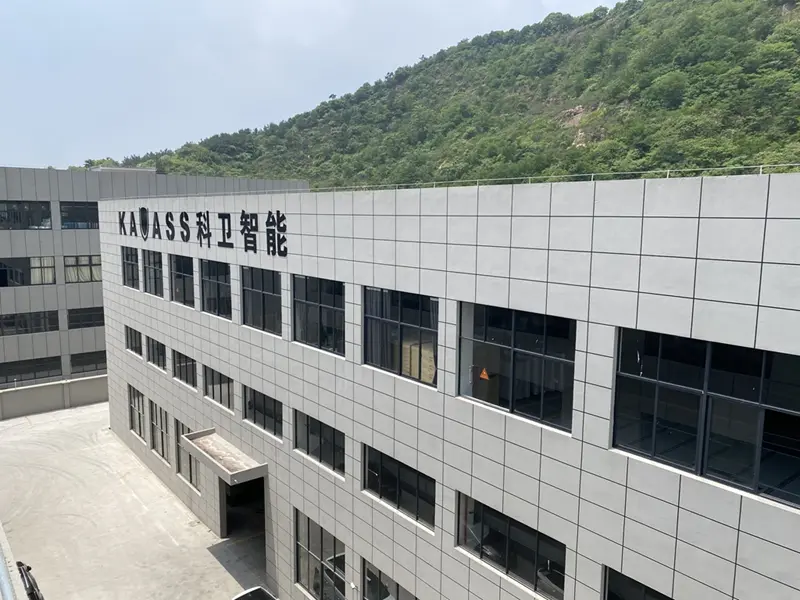
Our dual manufacturing bases, the Deqing Factory and the Zhuji Factory, feature high-capacity machinery, advanced metal fabrication systems, and professional QC stations to deliver flawless physical security and safety products.

Deqing Factory & Operations

Zhuji Factory & Scale

Integrated Safety Scenarios & Physical Infrastructure

Compliance doesn’t exist in a vacuum. Effective risk management requires combining hazardous chemical storage with robust physical barriers like safety bollards and impact guards to prevent internal transport accidents.

Warehouse Collision Safeguarding

Placing flammable cabinets near heavy machinery or forklift transit lanes requires structural safety barriers. Integrating L-type shelf protectors or steel bollards around cabinet bases blocks vehicle impacts, protecting stored hazards.

Laboratory Chemical Segregation

In high-tech R&D centers, hazardous agents are color-segregated. High-visibility yellow safety cabinets store Class 3 flammable solvents like acetone or ethanol, while nearby stainless steel racks manage safe transport.

Automotive & Manufacturing Plants

Industrial scale painting and assembly lines use solvents continuously. Deploying heavy-duty, self-closing storage cabinets on the shop floor minimizes open exposure of flammable aerosols and paints, ensuring compliance with local fire codes.

Technical Roadmap & Future Outlook of Hazard Containment

As industrial spaces transition toward smart manufacturing and IoT integrations, safety storage architectures must evolve to meet new challenges. KAVASS is analyzing these future technical routes to offer comprehensive systems.

IoT-Enabled Smart Sensing & Venting

Future containment systems will integrate sensors to monitor temperature spikes and volatile organic compound (VOC) vapor accumulation inside the cabinet. Automated auxiliary exhaust fans can cycle on when levels cross safe thresholds, venting gas safely away from electrical points.

Sustainable Structural Insulation Materials

Traditional cabinets rely on simple dead-air barriers. Next-generation fire containment systems will utilize bio-based insulation and advanced ceramic fiber barriers to provide longer protection windows while aligning with global carbon-reduction directives.

Frequently Asked Questions: Industrial Storage & Compliance

Find answers to the most common technical questions concerning yellow flammable safety cabinets, regulatory requirements, and perimeter safety planning.
Q1: Why is yellow the standard color code for flammable storage?
Under international OSHA, NFPA, and ANSI Z535 protocols, different colors designate specific hazards: yellow indicates flammable liquids, red identifies combustible materials and paints, blue is reserved for corrosive agents, and green is used for dry pesticides or toxic materials. This system allows emergency services to quickly locate hazards during a fire.
Q2: Do yellow flammable cabinets require external grounding?
Yes, to prevent static electricity discharge when dispensing liquids inside or from containers inside the cabinet. Standard cabinets come with pre-drilled grounding lugs. Connecting a grounding wire from the cabinet to an earth ground prevents electrostatic sparks that could ignite volatile vapors.
Q3: How does the venting mechanism work in safety cabinets?
Most cabinets feature two built-in vents equipped with mesh fire arresters. These vents remain closed with threaded caps unless fire codes require external venting to an exhaust system. If venting is required, the piping must lead directly outdoors without creating pocket loops.
Q4: What is the maximum storage limit for a single safety cabinet under NFPA?
Under NFPA Code 30, a single safety cabinet must not hold more than 120 gallons (approx. 454 liters) of Class I, Class II, and Class III liquids combined. Of that total, no more than 60 gallons can be Class I and Class II liquids.
Q5: How do safety bollards protect chemical storage zones?
In warehouse and manufacturing spaces, industrial forklifts and transport vehicles pose a constant collision risk. Installing heavy-duty steel safety bollards or guardrails around chemical cabinets creates a physical barrier that absorbs vehicle impacts, protecting the cabinets from structural damage or spills.

Connect with Our Compliance Engineers

Are you looking to upgrade your facility's safety systems or procure certified perimeter protection components? KAVASS Security Tech Limited provides tailored configurations that meet strict industrial standards.

Our engineering team can assist you with system dimensions, customization options, and regional shipping compliance.

KAVASS SECURITY TECH LIMITED

Request a Technical Quote

Contact us today, and our team will get back to you with custom drawings, pricing, and manufacturing timelines within 24 hours.