Explore our high-performance infrastructure safety and access control products manufactured under strict ISO guidelines.
In modern heavy industries, chemical processing facilities, pharmaceutical laboratories, and manufacturing plants, the management of hazardous materials is a paramount safety imperative. Global regulatory authorities have enforced increasingly stringent policies regarding the containment and handling of volatile compounds, flammable liquids, and corrosive reagents.
The demand for highly specialized Flammable Safety Storage Cabinets has scaled dramatically. These safety systems are no longer treated as simple utility storage units, but as critical emergency prevention infrastructure. According to international chemical safety directives, adequate containment systems prevent thermal runaways, arrest spontaneous combustion paths, and provide a critical fire barrier (measured in minutes of fire exposure resistance) that allows emergency personnel to neutralize hazards before catastrophic expansion.
Understanding the raw material selection, double-walled insulation, and structural geometry that prevents explosive propagation.
Constructed with 1.2mm (18-gauge) high-strength cold-rolled steel panels. An insulating 38mm (1.5-inch) air gap between the dual walls minimizes thermal transfer during rapid fire propagation events.
A continuous, interlocking three-point stainless steel bullet latching system provides positive closure, ensuring door stability under high pressure and intense thermal expansion.
Features strategically positioned high-capacity air vents with integrated brass flame arresters, enabling safe pressure dissipation and vapor exhaustion without internal ignition risk.
Pre-installed copper electrostatic grounding connectors ground the cabinet frame to the factory main, preventing static charge accumulation that could spark chemical vapors.
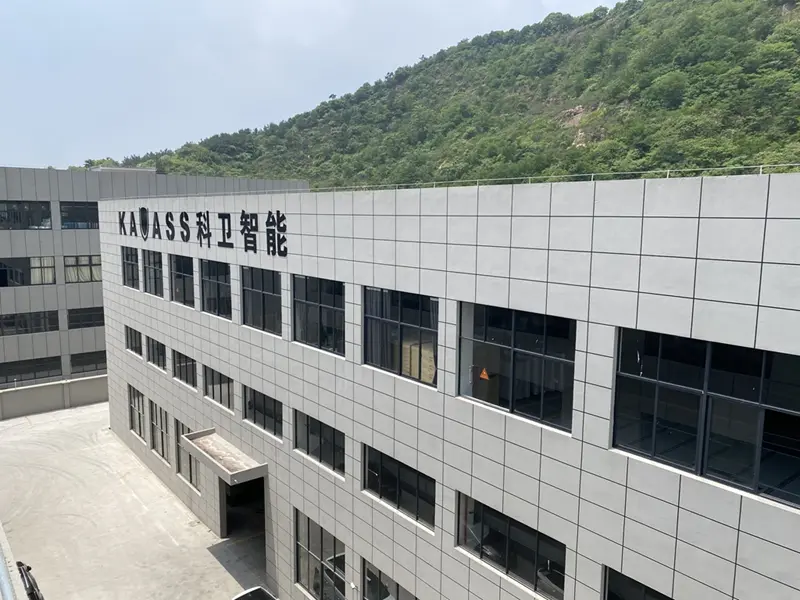
KAVASS Security Tech Limited is a professional manufacturer focused on traffic safety and perimeter protection solutions, with more than 18 years of industry experience. We specialize in the design, production, and supply of a wide range of products, including parking locks, bollards, bike racks, and other urban infrastructure equipment. By integrating product development, manufacturing, and after-sales support, we provide efficient one-stop solutions tailored to the needs of global clients.
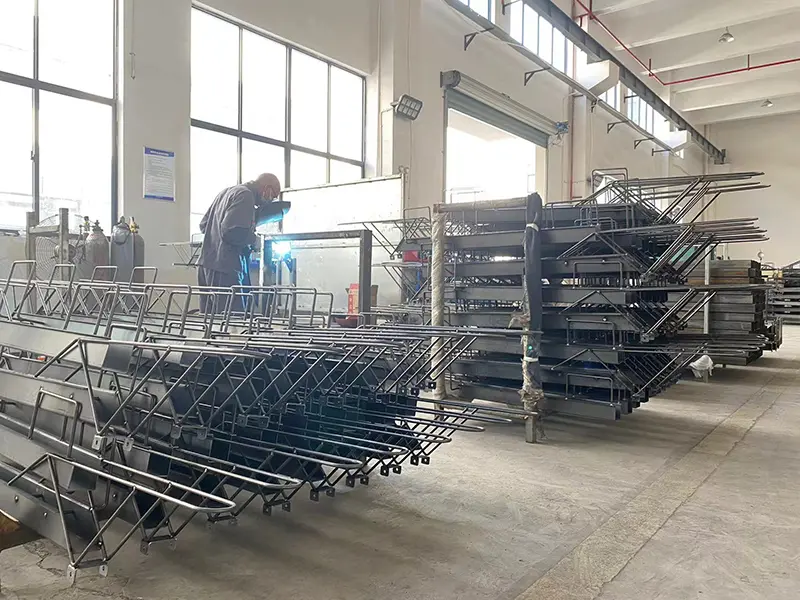
Our production base is equipped with advanced machinery and modern manufacturing processes, supported by a skilled engineering and quality control team. From raw material selection to final inspection, every step is carefully managed to ensure consistent product performance and long-term reliability. This enables us to meet the demands of various applications, from standard products to customized project requirements.
Explore our dual advanced production centers in Deqing and Zhuji, providing scalable manufacturing of premium security and safety products.
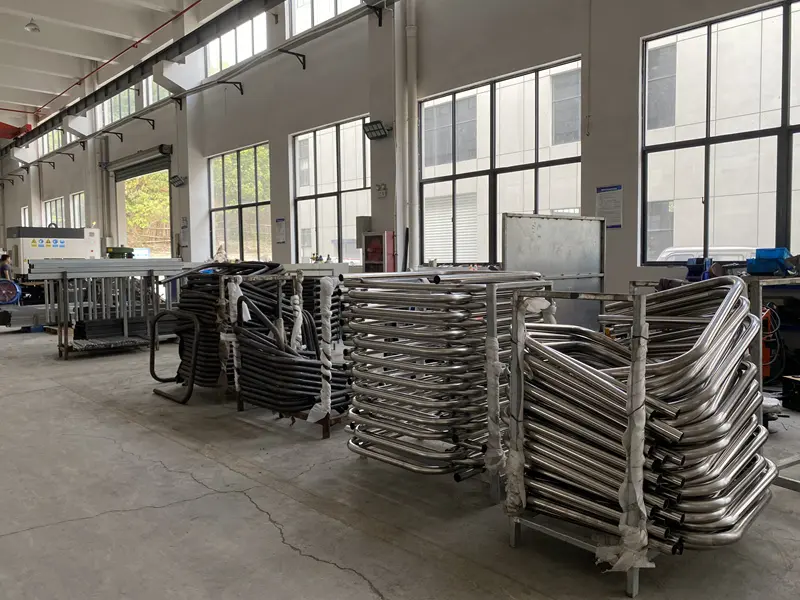
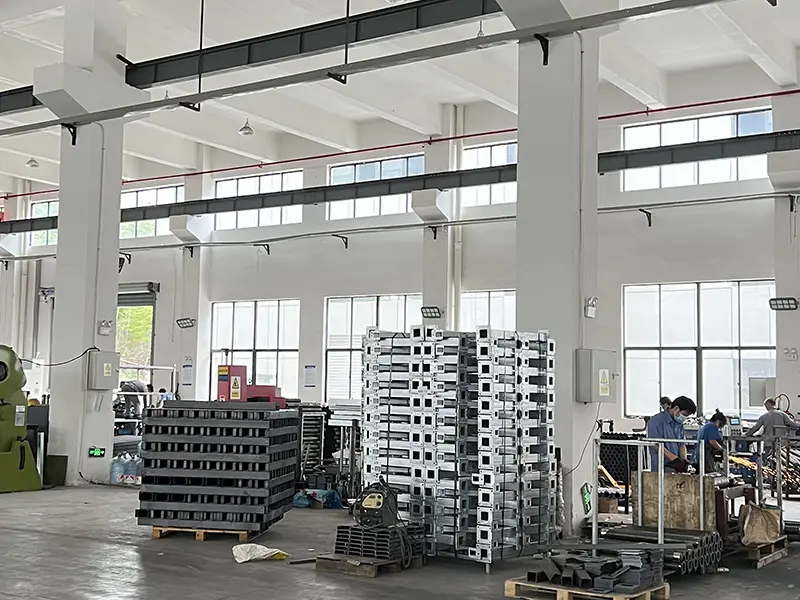
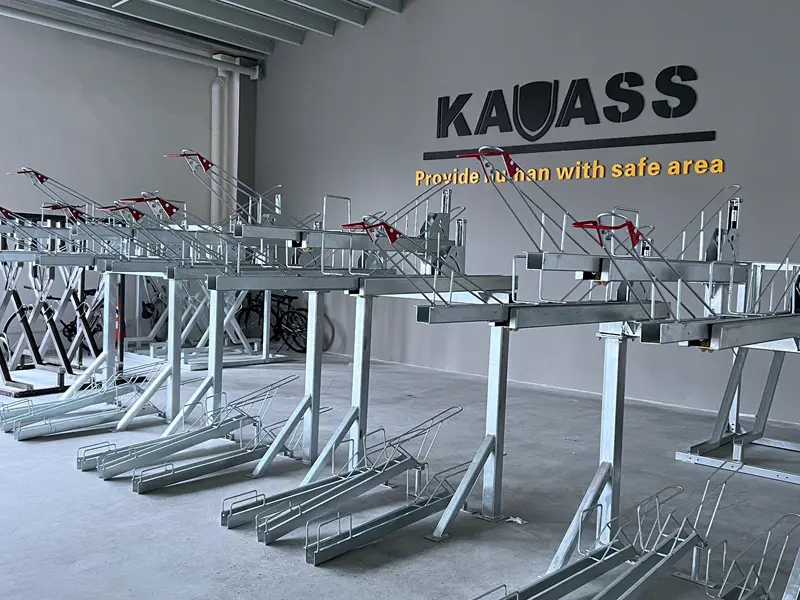
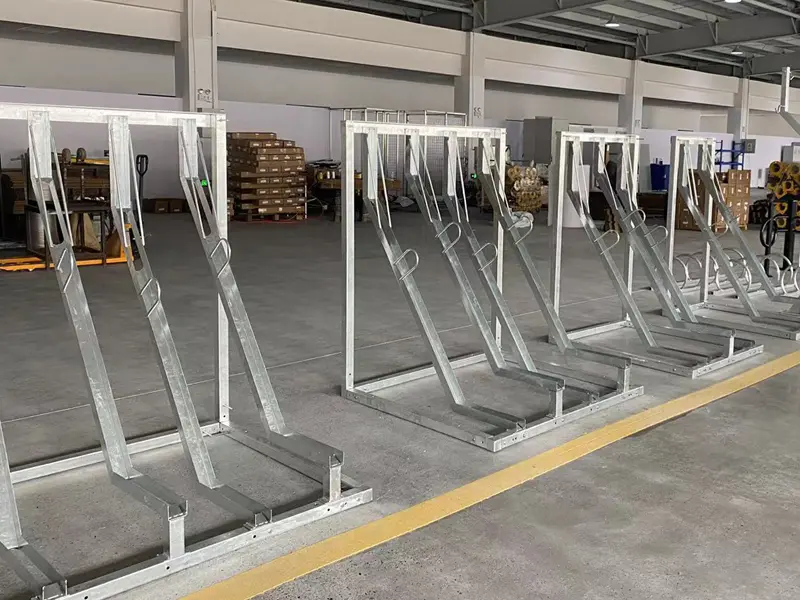
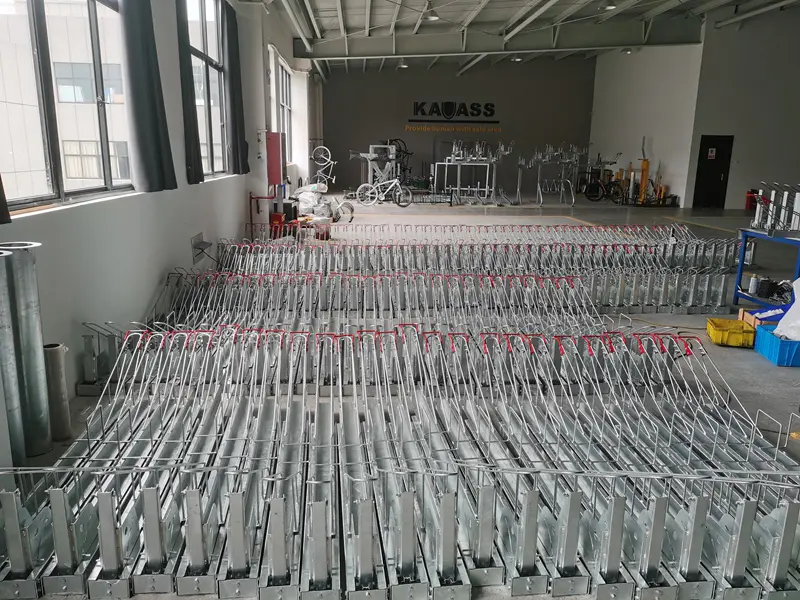
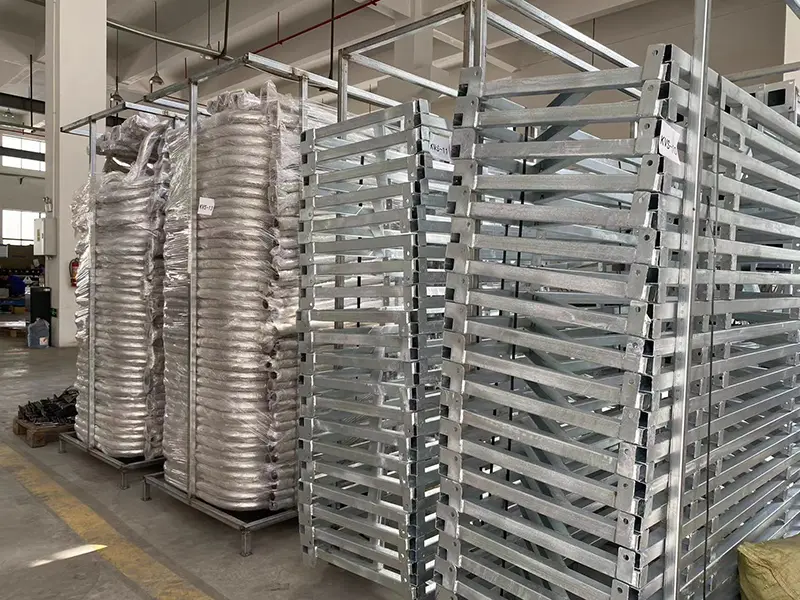
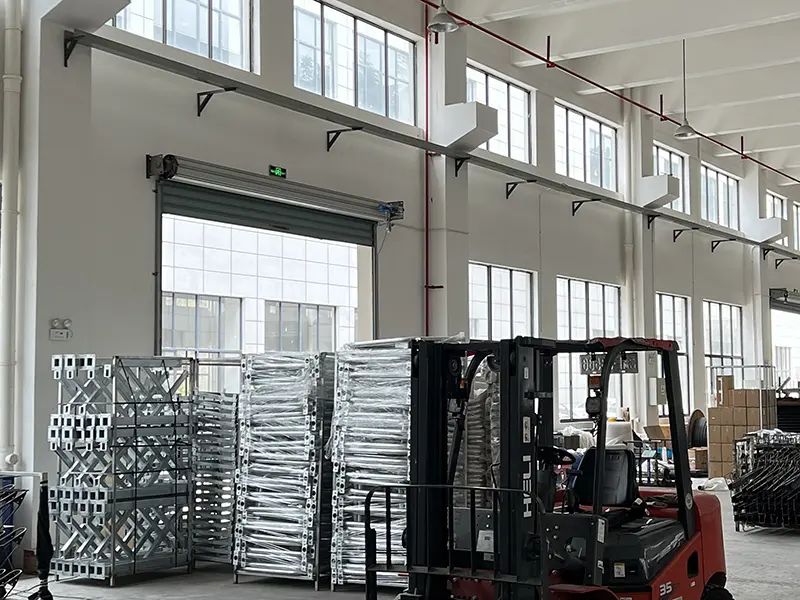
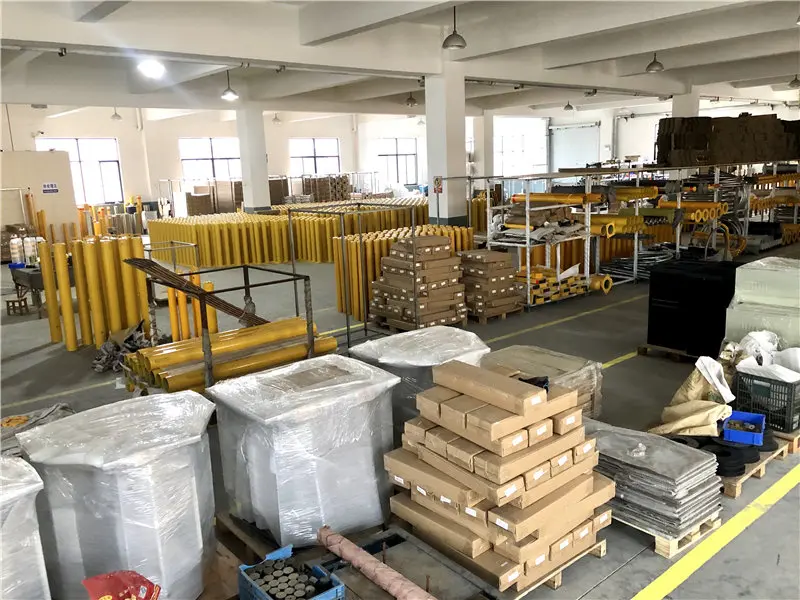
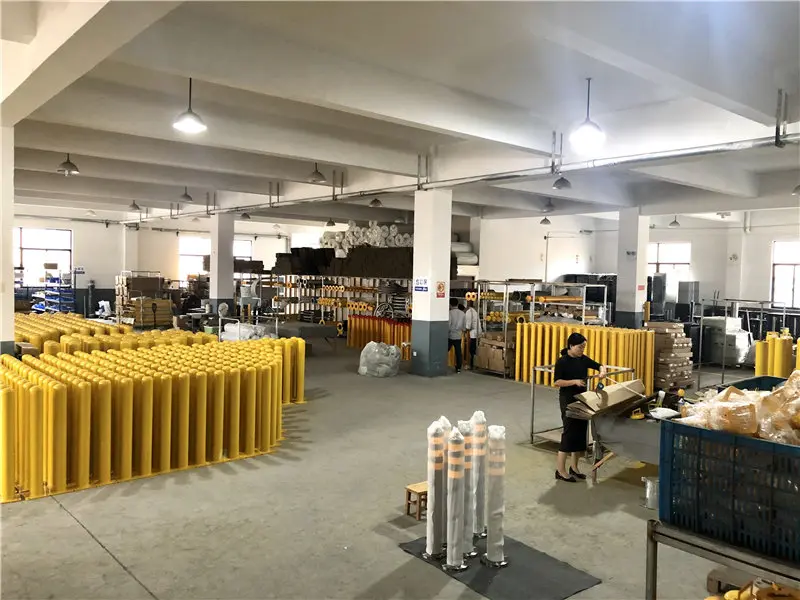
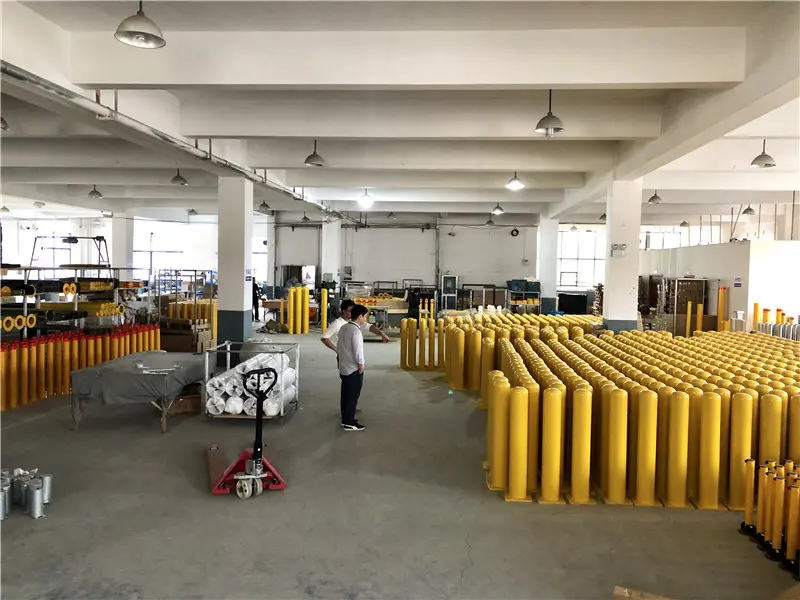
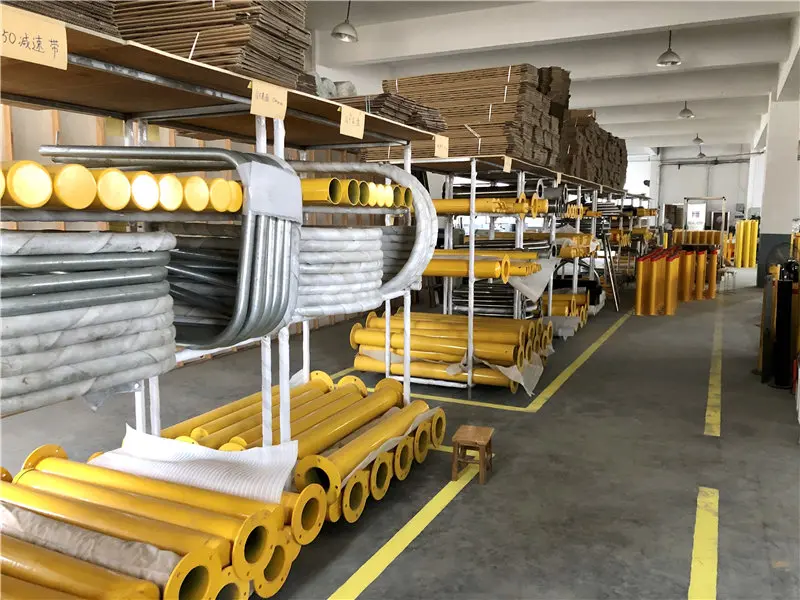
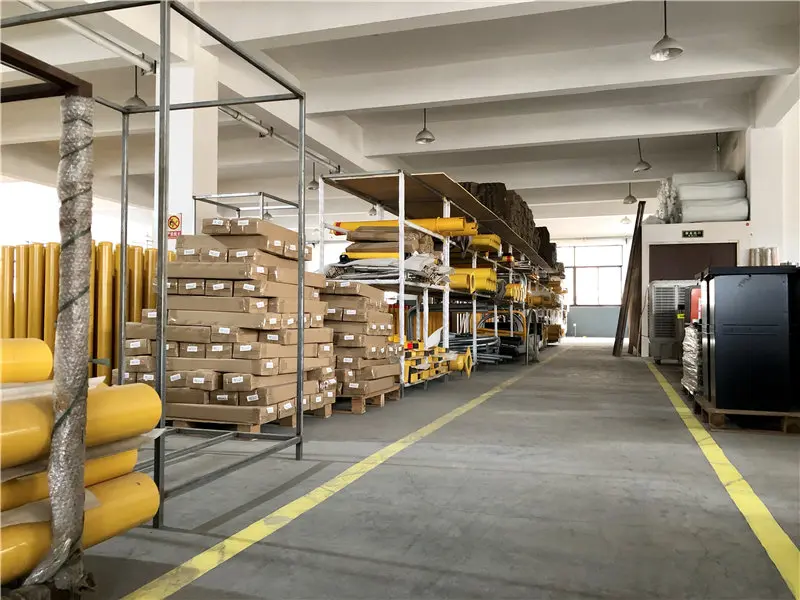
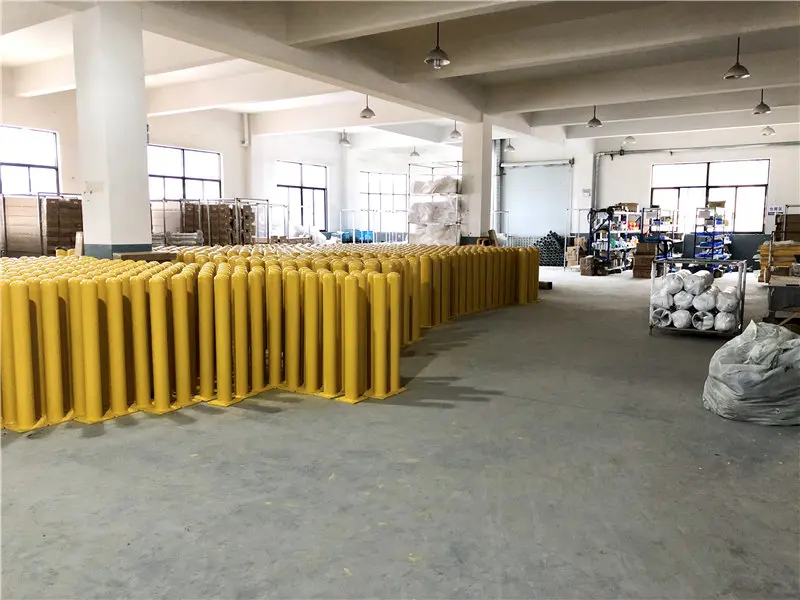
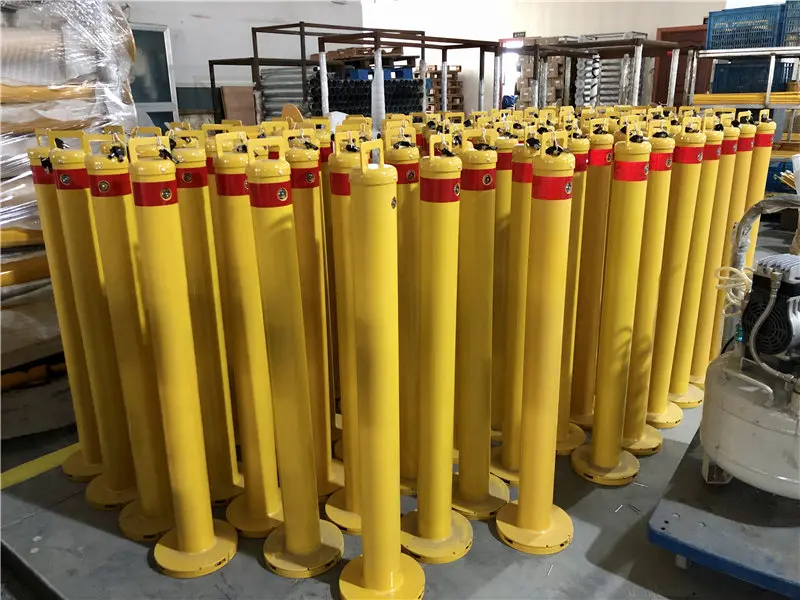
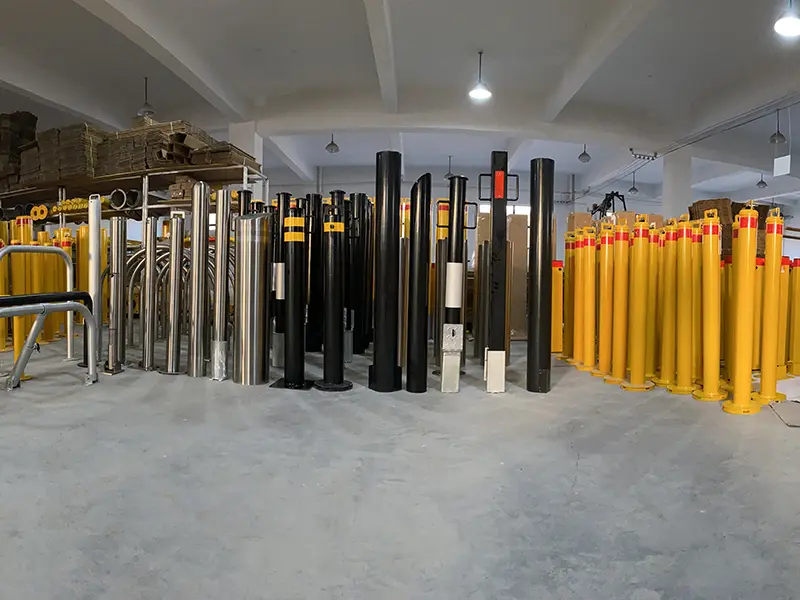
With a strong export network, KAVASS has established long-term cooperation with customers in more than 80 countries and regions, including Europe, the Middle East, Southeast Asia, and North and South America. Our experience in international markets allows us to better understand local standards, project requirements, and customer expectations. Driven by a commitment to quality, practicality, and continuous improvement, KAVASS aims to deliver products that combine functionality with long-term value. We strive to support our partners with reliable solutions that enhance safety, optimize space management, and contribute to more efficient urban environments.
How safety storage cabinets are defined and tested under leading international regulatory frameworks.
According to the Occupational Safety and Health Administration (OSHA), not more than 60 gallons of Category 1, 2, or 3 flammable liquids, nor more than 120 gallons of Category 4 flammable liquids may be stored in an individual safety cabinet.
The National Fire Protection Association (NFPA) outlines criteria for the storage of flammable liquids. Testing requires the cabinet interior to maintain temperatures below 163°C (325°F) during a standardized 10-minute fire curve test.
The European standard categorizes safety cabinets by fire resistance durations (Type 15, Type 30, Type 60, and Type 90 minutes). The standard requires rigorous testing in a furnace environment.
Industrial workspaces are highly varied. Standard off-the-shelf cabinets often fail to fit under laboratory workstations or integrate within customized pharmaceutical manufacturing cells. We resolve this friction by offering comprehensive industrial design customization.
From specialized dimensional configurations, dynamic dual-axis warning labels, tailored under-counter cabinet configurations, to customized material coatings (such as high-grade polypropylene linings for acid-base corrosives or high-temp baked epoxy-powder coats), our engineering team utilizes high-precision laser cutters and CNC machines to manufacture storage solutions designed to fit seamlessly into any system.
Specifically formulated for flammable liquids and volatile chemical solvents.
Designed for paints, inks, and combustible finishes storage.
Equipped with PE/PP liners to contain corrosive acids and bases safely.
Engineered to hold plant protection products, pesticides, and toxins.
Integrating digital sensors, localized climate control, and real-time network integration into industrial storage.
As the concepts of Industry 4.0 and Smart Manufacturing capture modern factory floors, cabinet safety technology is undergoing a digital revolution. We are charting a course toward intelligent, network-enabled chemical containment environments.
Venting systems integrated with PID controllers detect volatile organic compound (VOC) vapor concentrations, triggering automated safety fans to clear buildup safely before ignitable mixtures can assemble.
Utilization of high-responsiveness thermal links that melt at 74°C (165°F), prompting mechanical self-closing systems to slam and seal doors shut in the presence of external or internal fire hazards.
Continuous transmission of interior ambient temperature, humidity levels, and door access logs via Modbus or IoT protocols directly to facility operations dashboards, logging safety indicators around the clock.
Our diverse engineering range crosses multiple safety paradigms: from urban transit secure lockers to macro industrial safety barriers.
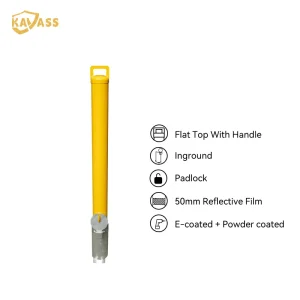
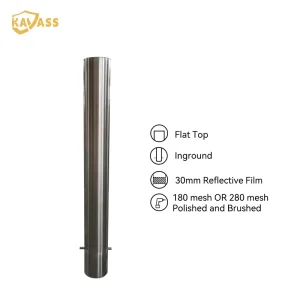
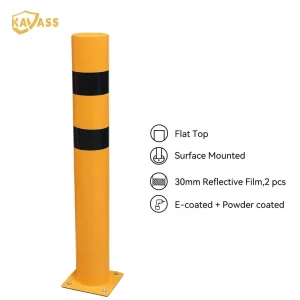
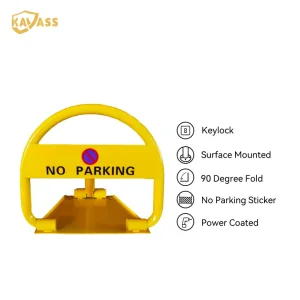
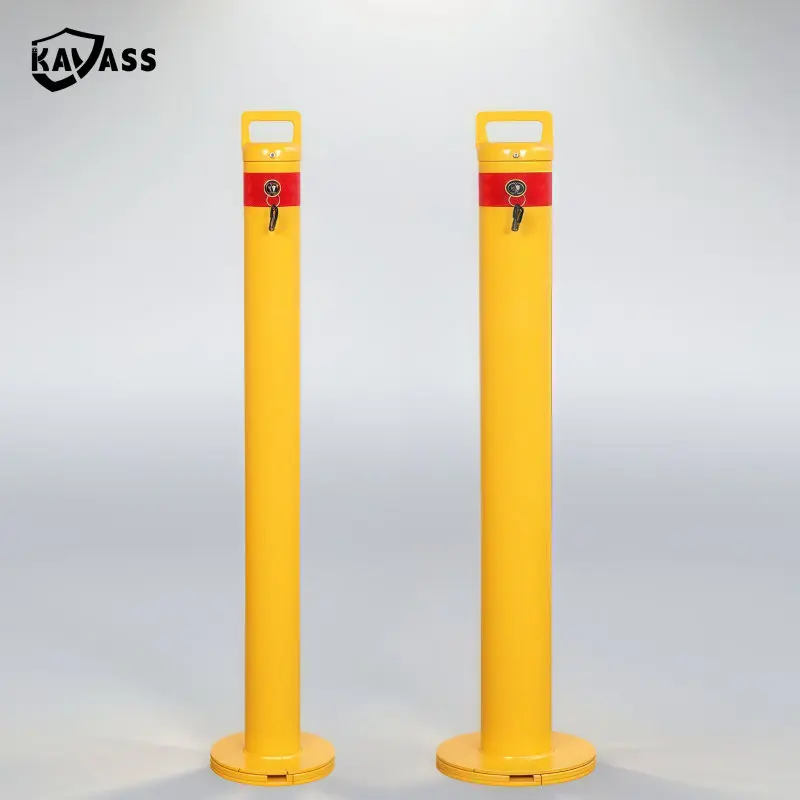
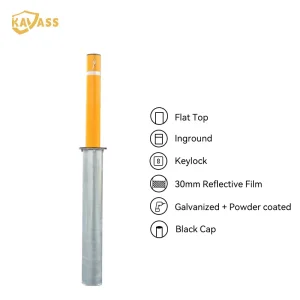
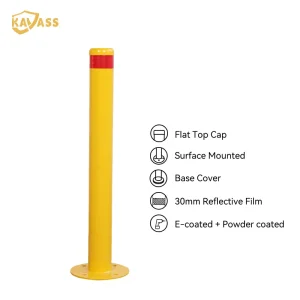
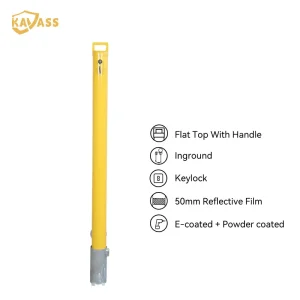
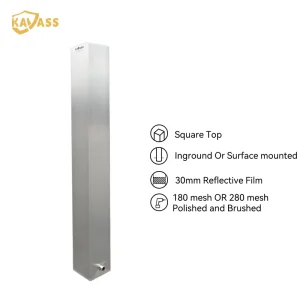
Fixed, fold-down, telescopic, removable, automatic, and lighting bollards for perimeter security and access control.
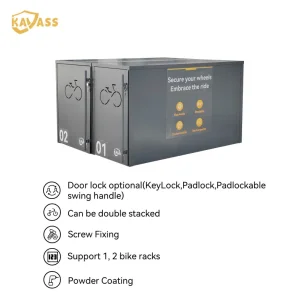
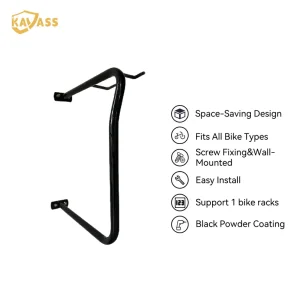
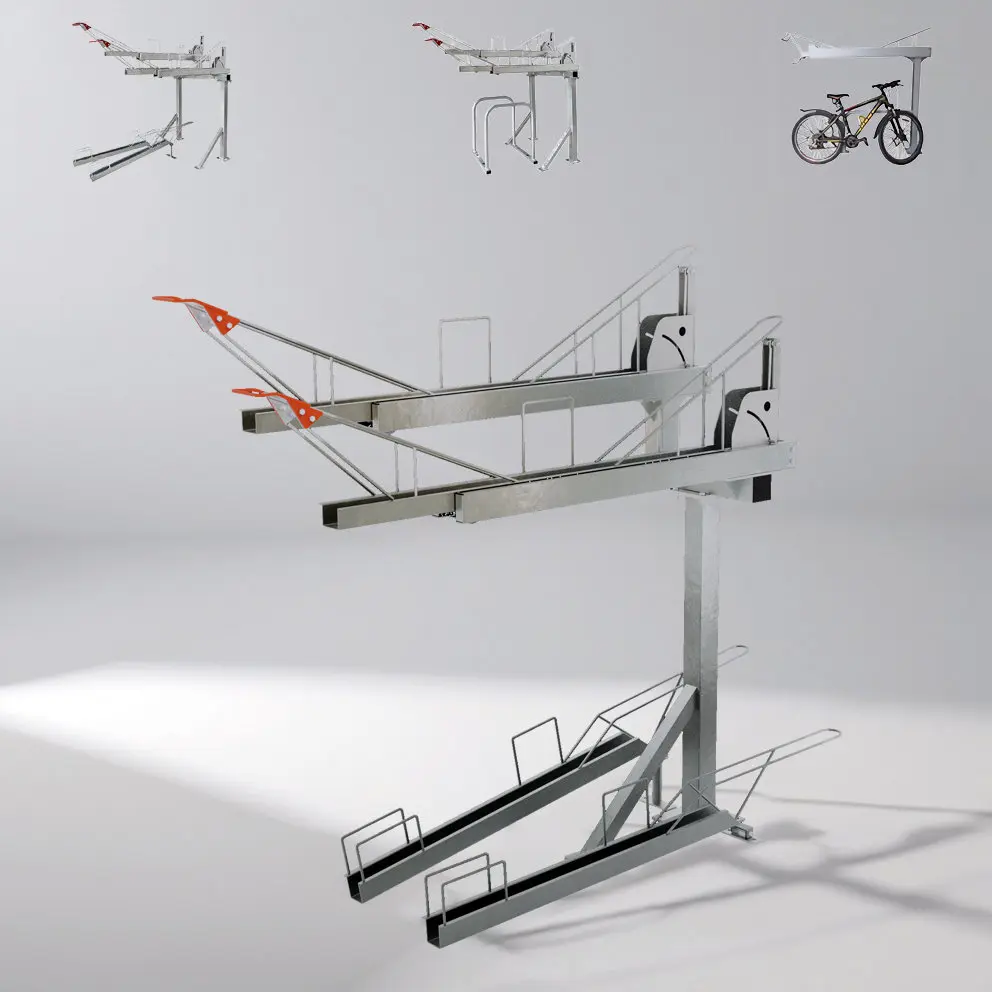
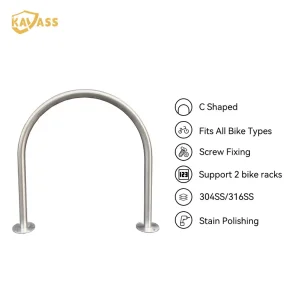
Durable and space-saving bicycle parking systems for commercial and residential areas.
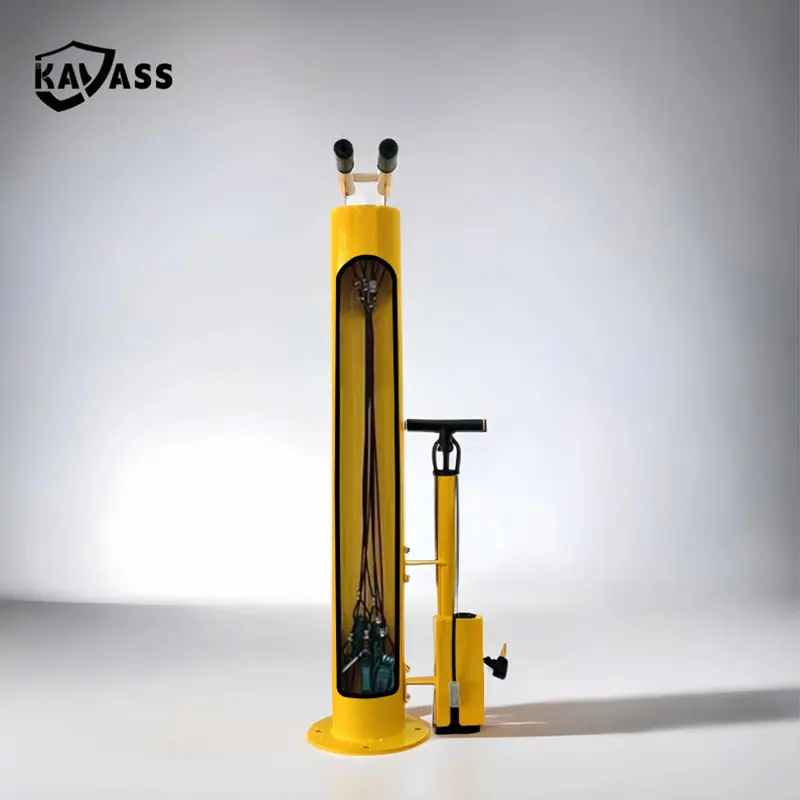
Safety barriers, guardrails, and protective equipment for industrial and construction environments.
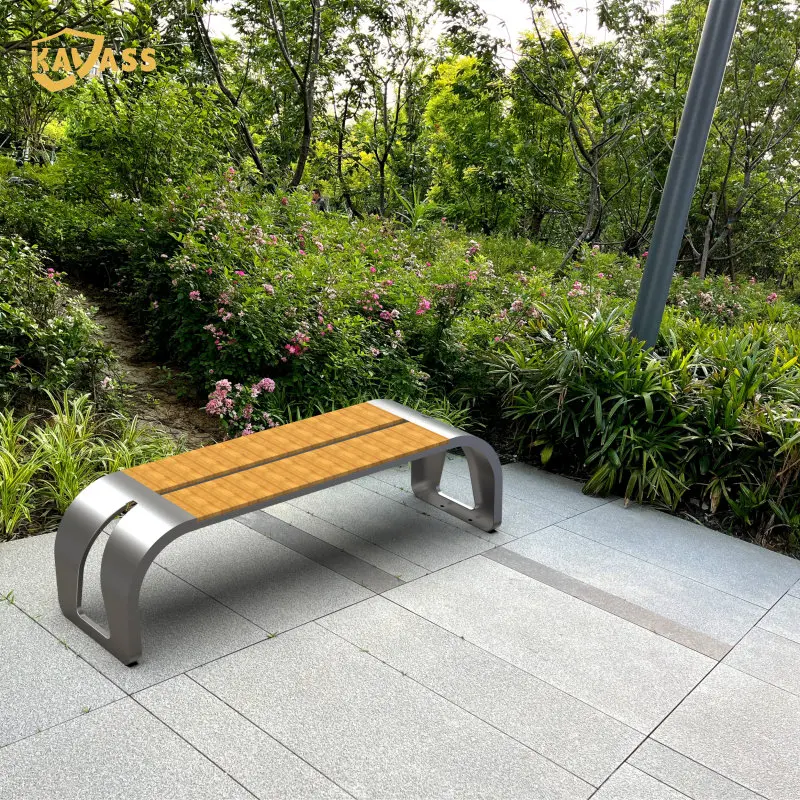
Benches, bins, and other customized outdoor furniture solutions for public spaces.
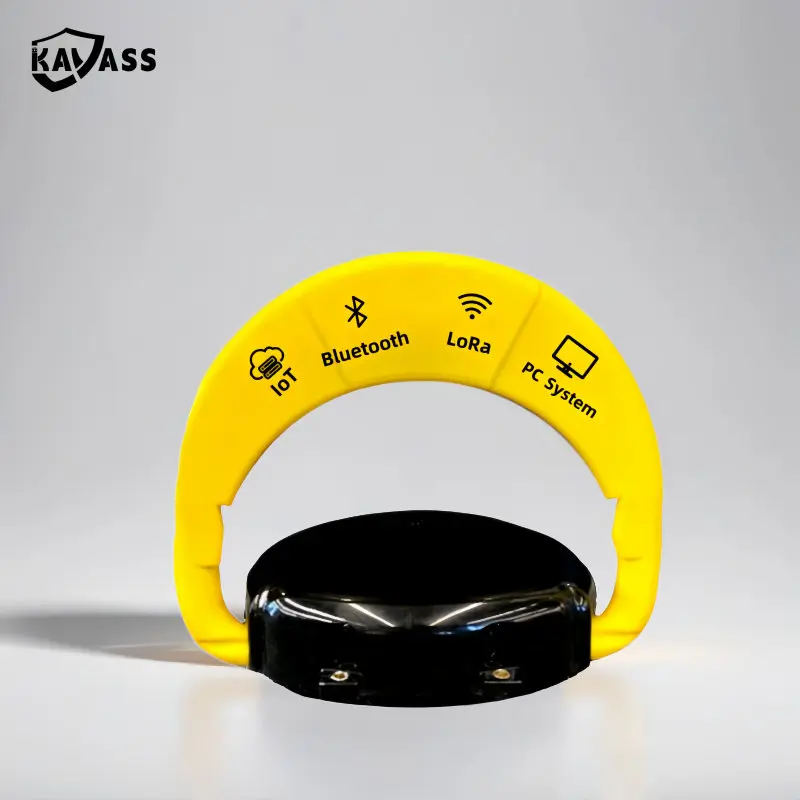
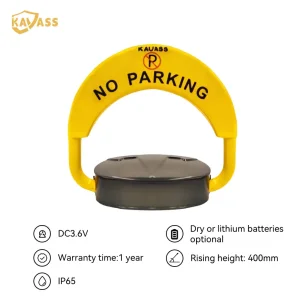
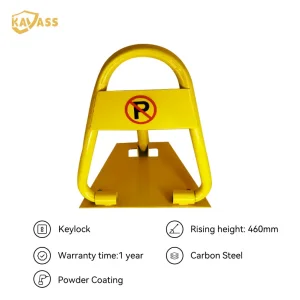
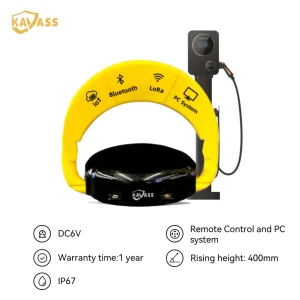
Manual, remote-controlled, solar, and IoT smart parking locks for modern parking management.
Find answers to technical specifications, regulatory standards compliance, and installation best practices for industrial safety cabinets.
Discover our comprehensive range of parking systems, removable security bollards, and urban transit protection equipment.
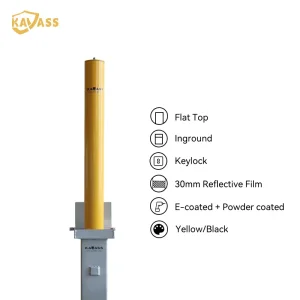
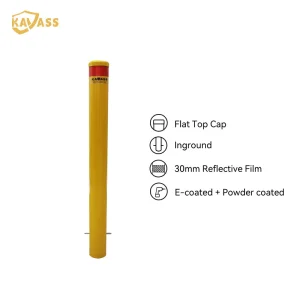
Connect with our industrial safety design department. Let us evaluate your chemical compatibility requirements, floor footprint constraints, and regulatory needs to supply the ideal solution.
 KAVASS