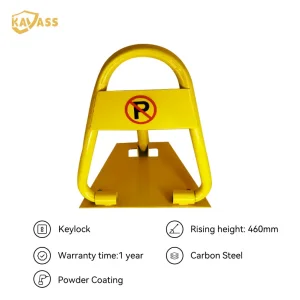
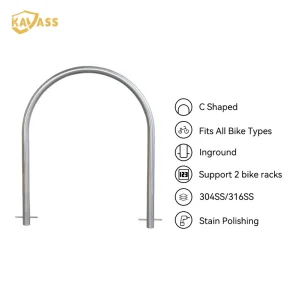
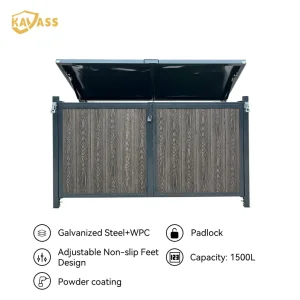
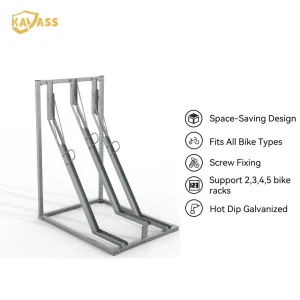
Discover high-performance physical barriers, access hardware, and containment solutions engineered to protect high-risk environments.
Protecting critical infrastructure requires a holistic strategy bridging access control and hazardous material security.
Industrial settings handling flammables, corrosives, or toxic reagents require multi-layered protection. Integrated barrier systems control heavy vehicle traffic, while heavy-gauge storage cabinets protect personnel internally against chemical combustion, vapor escalation, and secondary explosions.
Under international mandates like OSHA 29 CFR 1910.106 and NFPA Code 30, hazardous materials must be stored within tested structures. Custom design processes ensure double-walled steel systems feature exactly 1.5 inches of insulating airspace, proper venting ports, and deep, leakproof liquid sumps.
Standard storage cabinets often fail to fit optimized floor layouts or match specific chemical incompatibility profiles. By providing custom hazardous chemical cabinet systems built from high-strength galvanized steel or 304/316 stainless steel, facilities resolve storage bottlenecks while optimizing emergency response protocols.
Key market indicators and safety compliance statistics highlight the rising demand for certified chemical containment infrastructures.
Across North America, Europe, and the APAC region, enforcement of environmental, health, and occupational safety codes has escalated. Non-compliant storage facilities face steep penalties, license suspensions, and high insurance premiums. Modern chemical processing plants, semiconductor cleanrooms, and electric vehicle battery research centers demand tailored containment cabinets that fit tight spatial footprints while retaining strict certified fire-resistance boundaries.
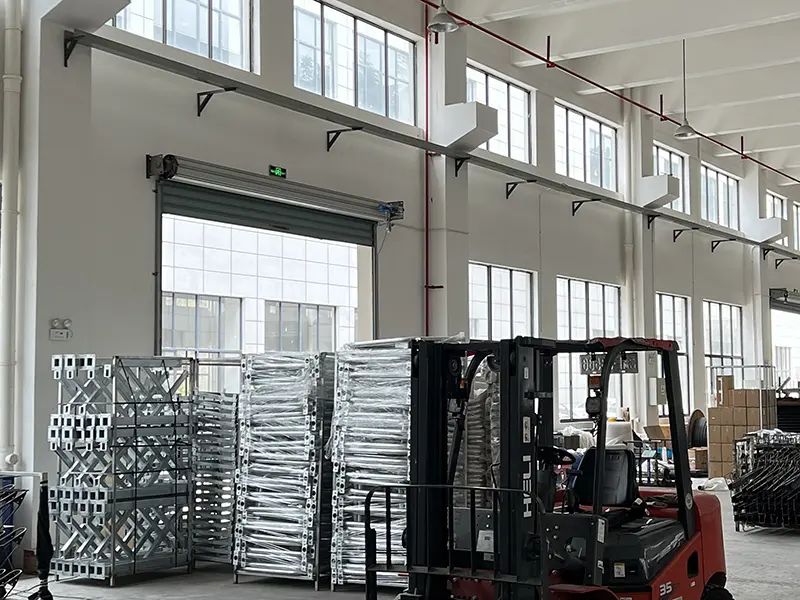
Leveraging state-of-the-art sheet metal production processes across our extensive factory footprints in Deqing and Zhuji, we specialize in high-tolerance containment solutions. Our structural designs protect reactive substances from external ignition, containing localized spills within certified containment zones.
Under the hood of a high-performance custom chemical safety cabinet lies complex material science and fail-safe design principles.
Structured using 18-gauge cold-rolled or galvanized steel sheets. The 1.5-inch (38mm) insulating air barrier restricts heat transfer during fire scenarios, keeping internal chemical temperatures below auto-ignition levels.
Integrated lower sumps, built with a minimum 2-inch (51mm) depth, prevent corrosive or flammable leaks from seeping into the facility floor. Engineered for easy cleaning and complete chemical compatibility.
Equipped with dual structural exhaust vents featuring built-in flash-back flame arrestor screens. Safely vents toxic or high-pressure vapors without exposing the cabinet interior to external spark sources.
Our custom configurations satisfy global standards, guaranteeing safety for operators and emergency response crews:
Tailored designs configured for specific environments, addressing chemical classifications and operational constraints.
Sterile cleanrooms require containment structures that resist both biological agents and corrosive chemical vapors. Custom stainless steel cabinets (using 304 or 316-grade steel) prevent oxidation and ease sterilization, while providing reliable storage for volatile acids and solvents.
With high-intensity mechanical processes, vibration, and dust, industrial facilities require rugged safety storage. Reinforced steel frames, integrated grounding straps to eliminate static charges, and heavy-duty shelving configurations support raw chemical drums safely.
Academic labs handle diverse chemical classes in small quantities. Customized chemical cabinets with adjustable chemical-resistant shelves allow segregated storage of acids, bases, and organic solvents within a single space-saving footprint.
With over 18 years of technical expertise, KAVASS Security Tech Limited delivers heavy industrial-grade security solutions worldwide.
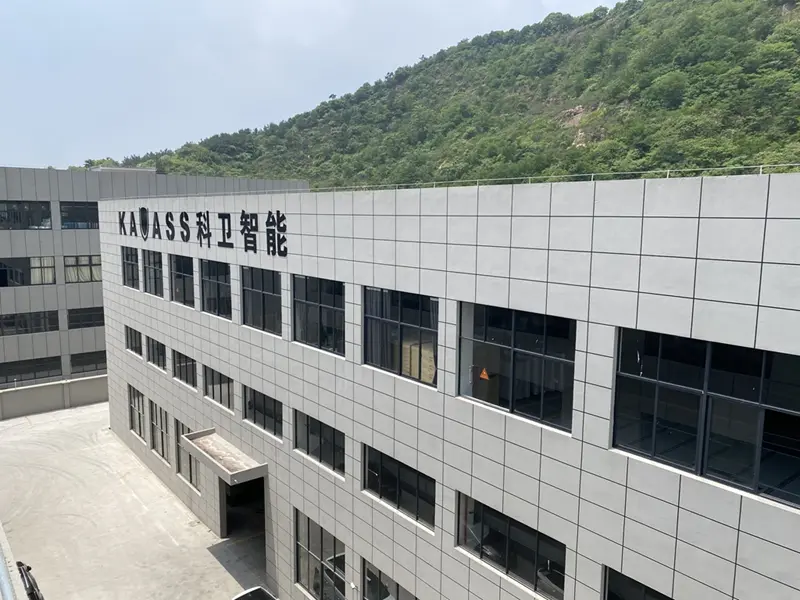
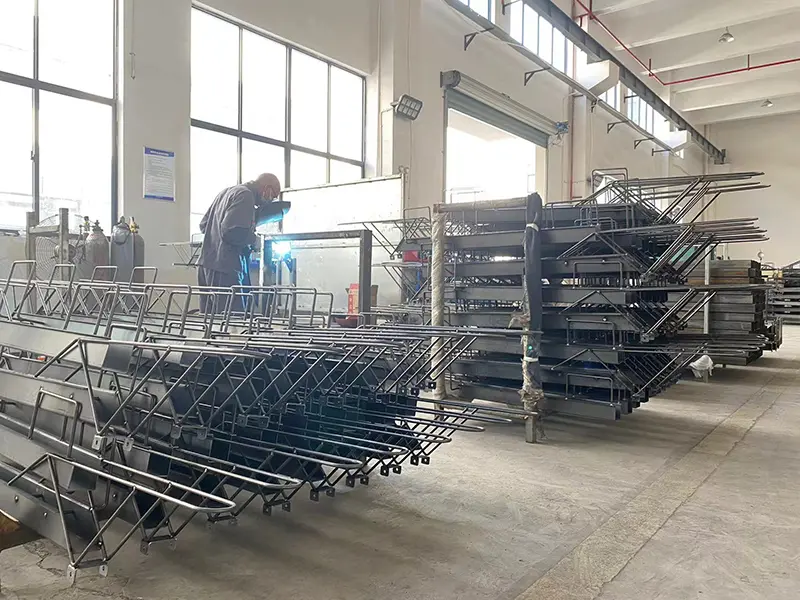
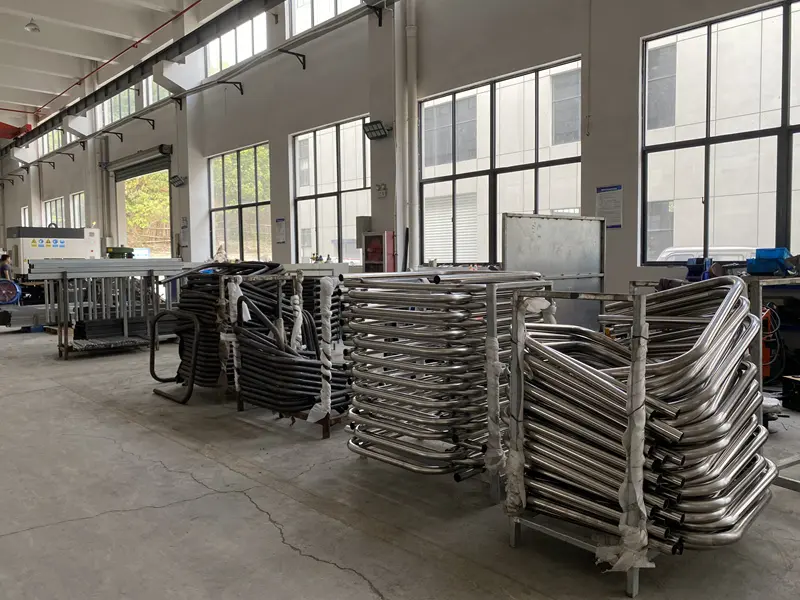
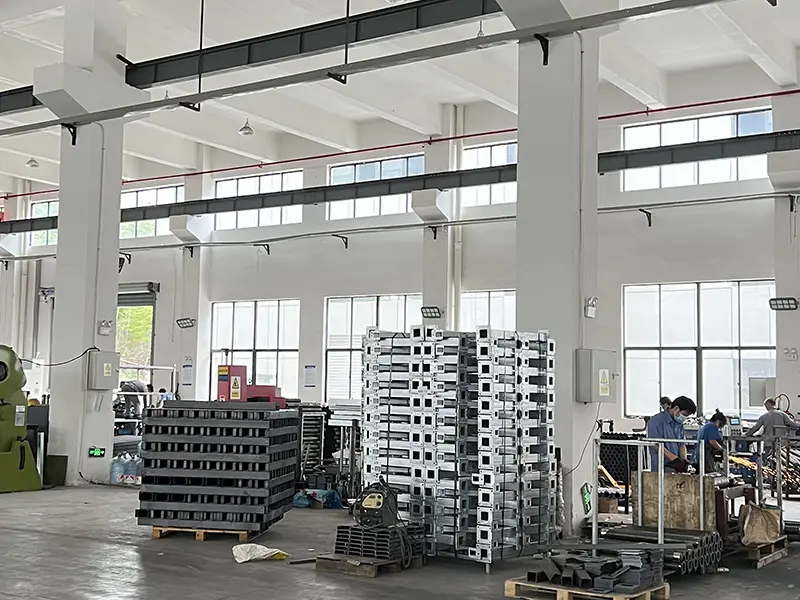
Our production bases in Deqing and Zhuji utilize advanced CNC punching, laser cutting, automated folding, and heavy powder-coating operations. From raw material inspection to final safety testing, our processes ensure structural reliability.
Originally renowned for engineering robust traffic barriers, parking systems, and bollards, our mechanical designers apply the same impact resistance, weatherproofing, and structural integrity principles to our custom hazardous chemical storage product lines.
The integration of IoT (Internet of Things) and real-time sensor networks into containment safety infrastructure.
Future cabinets will integrate VOC (Volatile Organic Compound) sensor arrays, allowing facility managers to identify slow lid-seal leaks before concentration levels reach exposure thresholds.
Continuous thermal monitoring systems will trigger automated warnings or fire-suppression chemical agents when abnormal localized heating is detected inside storage spaces.
RFID and biometric authentication systems can restrict access to authorized personnel, generating auditable records of hazardous material access.
Get answers to critical technical and regulatory questions regarding hazardous chemical cabinet implementation.
Partner with our experienced engineering team to design, manufacture, and verify compliant safety cabinets for your facility.
With 18+ years of expertise in high-security metal fabrication, our engineering team designs and manufactures standard-compliant systems for clients in over 80 countries.
Contact us today to discuss your project requirements or receive a technical quote.
Explore our high-durability perimeter barriers, access-control systems, and outdoor equipment engineered for heavy industrial usage.
 KAVASS