Explore our foundational engineering solutions. KAVASS integrates industrial structural steel design with heavy-duty facility protection to safeguard hazardous containment areas from accidental impacts.
Modern industrial processing facilities, semiconductor laboratories, and pharmaceutical complexes operate under strict safety guidelines. The storage of flammable liquids, toxic materials, and reactive chemicals requires specialized containment. Over the last decade, Hazardous Chemical Storage Cabinets have transitioned from basic metal enclosures into highly engineered containment systems. Today's ODM factories construct these units to withstand intense thermal challenges while isolating reactive compounds from external ignition sources.
The core concept of modern safe containment revolves around the reduction of vapor exposure and flash protection. This is achieved via dual-walled cold-rolled steel enclosures with 1.5 inches (38mm) of insulating air space. Should an external facility fire break out, the chemical cabinet must protect internal contents for at least 10 minutes (per NFPA standards), providing emergency response teams with the necessary time to control the incident before chemical escalation occurs.
Furthermore, contemporary manufacturing incorporates intelligent components, such as self-latching locks, fusible links that melt at 165°F (74°C) to shut doors automatically, and anti-static grounding wires. As an experienced ODM manufacturer with more than 18 years of technical expertise, KAVASS applies precise sheet-metal engineering and advanced robotic welding setups to build custom security and safety enclosures that meet these global expectations.
For procurement officers and environmental health & safety (EHS) managers, compliance represents a primary concern. Implementing non-certified chemical containment equipment exposes enterprises to liability, regulatory fines, and operational risks. The technical baseline for high-quality cabinets relies on the following international standards:
| Standard / Regulation | Key Engineering Requirements | Compliance Implications |
|---|---|---|
| OSHA 29 CFR 1910.106 | Requires clear labelling, fire-resistant construction, and maximum storage capacity limits per cabinet. | Federal workplace safety compliance in the United States. |
| NFPA 30 (Code 30) | Enforces double-wall construction, 3-point door latching systems, and 2-inch deep liquid-tight spill containment sumps. | Standard code applied globally by fire marshals and safety inspectors. |
| FM Class 6050 (FM Approved) | Mandatory 10-minute fire containment tests under intense heat load. Cabinets must remain sealed. | Required by major insurance companies to reduce operational risk premiums. |
| EN 14470-1 (Europe) | Defines Type 30 and Type 90 fire-rated cabinets, requiring thermal resistance up to 90 minutes. | Standard compliance metric for safety cabinets across the European Union. |
KAVASS ensures that all custom ODM hazardous storage projects align with these codes. From internal grounding lugs to prevent static discharge sparks, to dual exhaust vents equipped with flash arresters, we fabricate every cabinet with safety in mind. Our paint processes utilize a durable epoxy-polyester powder coat, providing resistance against chemicals, acids, and physical wear.
An overlooked hazard in industrial warehouses and chemical facilities is vehicular collision. Forklifts, pallet jacks, and delivery trucks operating inside facilities pose a danger to hazardous storage cabinets. A single impact from a multi-ton forklift can breach double-walled cabinets, leading to leaks, toxic exposure, or fire.
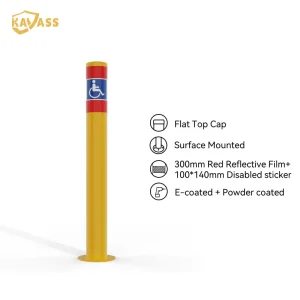
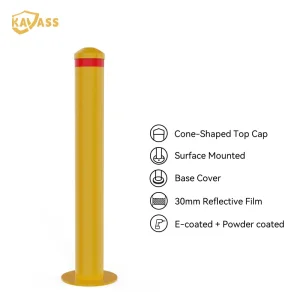
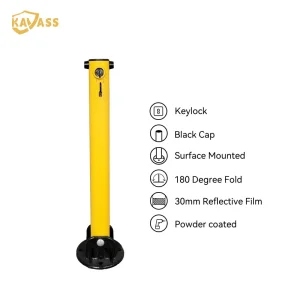
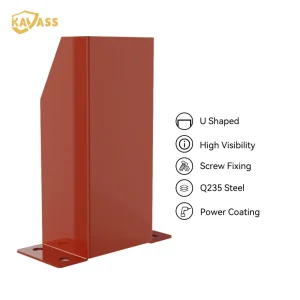
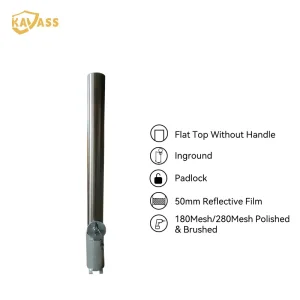
To address this risk, KAVASS designs integrated perimeter protection solutions. By combining the fabrication of industrial safety cabinets with heavy-duty structural steel barriers, such as U-Type shelf protectors, reinforced safety bollards, and collision guards, we offer protection for chemical storage areas. Surrounding critical cabinets with high-visibility safety bollards establishes a protective zone that shields vulnerable chemicals from facility traffic.
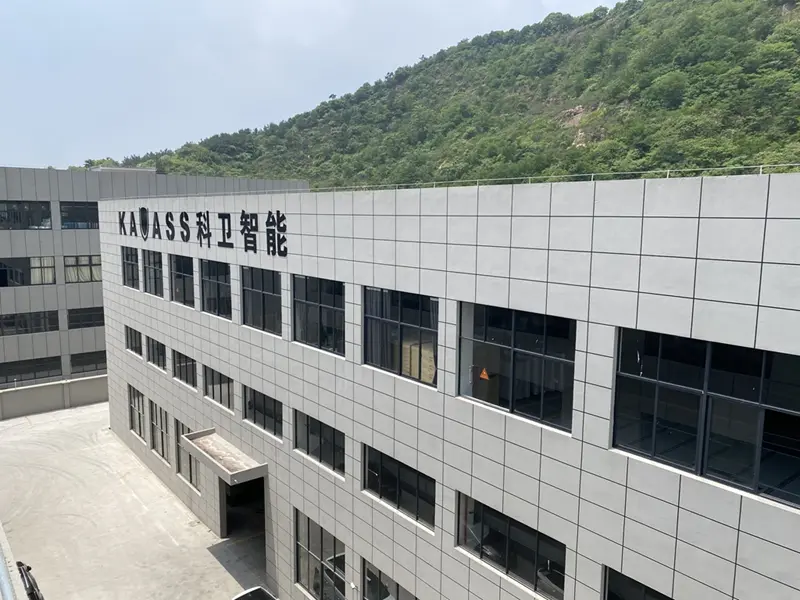
KAVASS Security Tech Limited is a professional manufacturer focused on traffic safety and perimeter protection solutions, with more than 18 years of industry experience. We specialize in the design, production, and supply of a wide range of products, including parking locks, bollards, bike racks, and other urban infrastructure equipment. By integrating product development, manufacturing, and after-sales support, we provide efficient one-stop solutions tailored to the needs of global clients.
Our production base is equipped with advanced machinery and modern manufacturing processes, supported by a skilled engineering and quality control team. From raw material selection to final inspection, every step is carefully managed to ensure consistent product performance and long-term reliability. This enables us to meet the demands of various applications, from standard products to customized project requirements.
KAVASS products are widely applied in urban infrastructure, commercial properties, industrial facilities, residential communities, and public spaces. We understand that different projects require different levels of protection, durability, and design, which is why we offer flexible customization options, including size, material, finish, and branding.
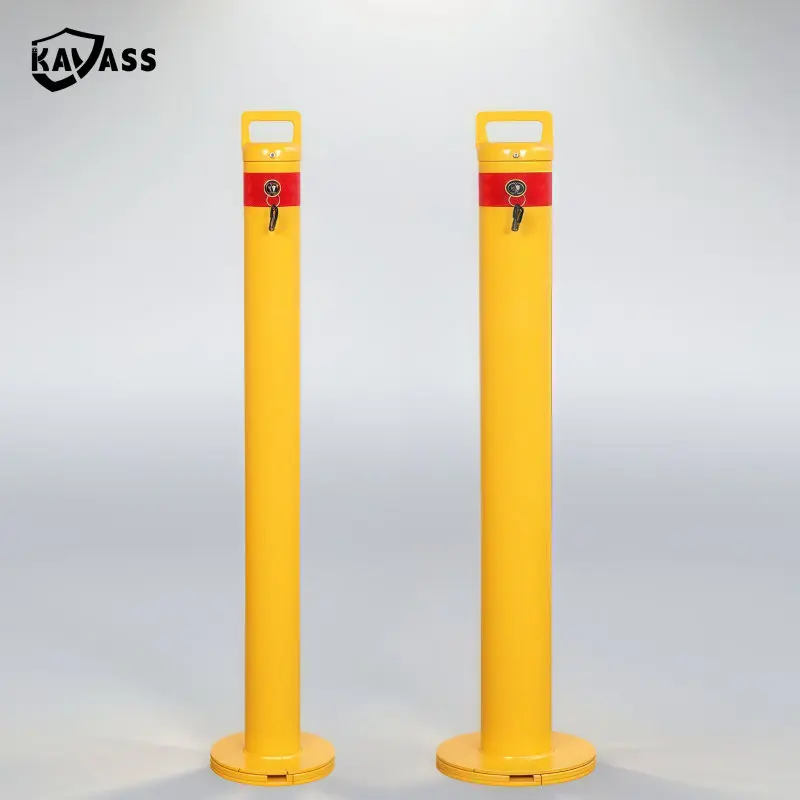
Fixed, fold-down, telescopic, removable, automatic, and lighting bollards for perimeter security and access control.
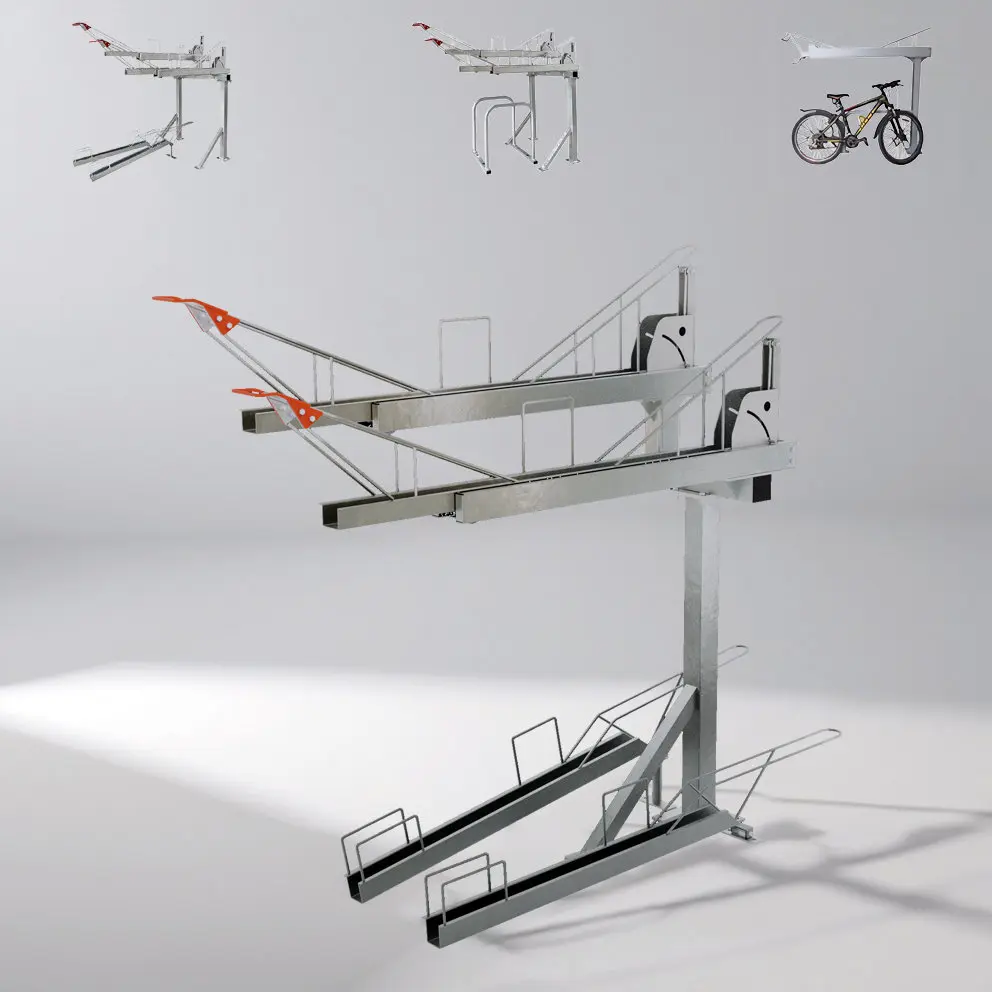
Durable and space-saving bicycle parking systems for commercial and residential areas.
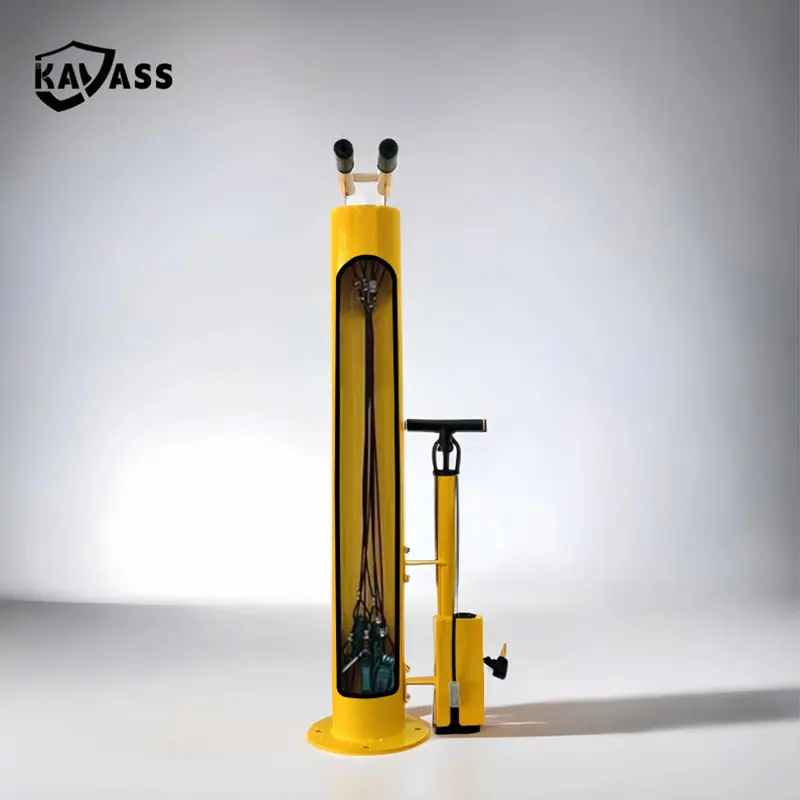
Safety barriers, guardrails, and protective equipment for industrial and construction environments.
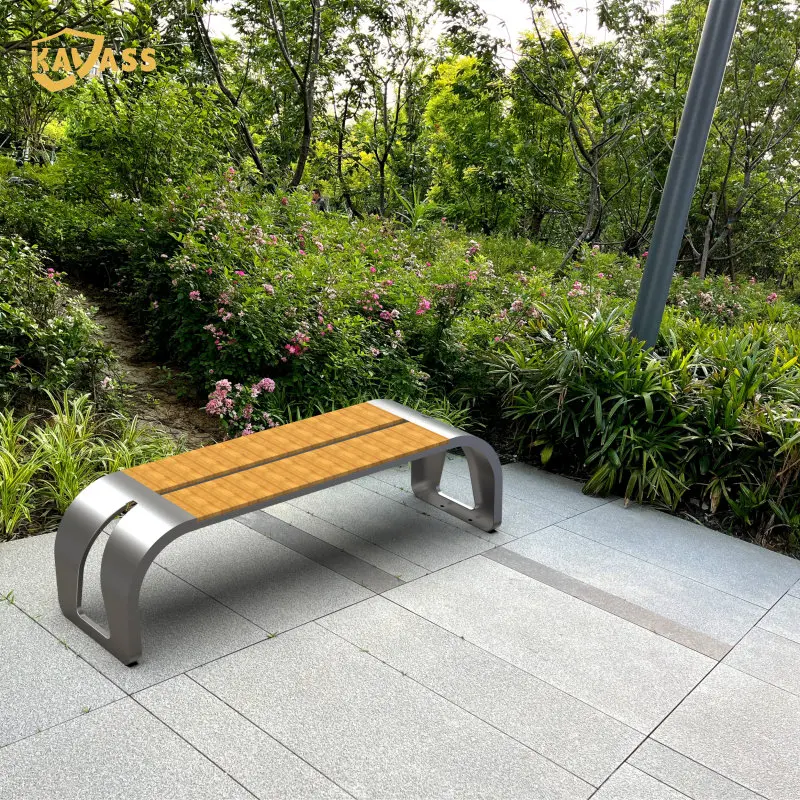
Benches, bins, and other customized outdoor furniture solutions for public spaces.
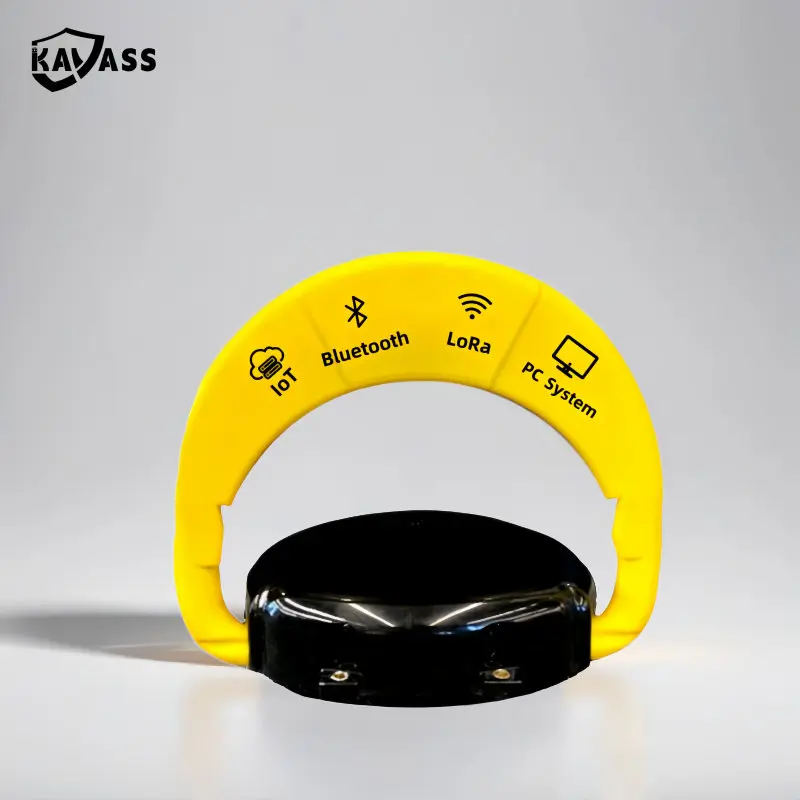
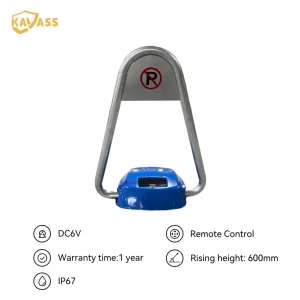
Manual, remote-controlled, solar, and IoT smart parking locks for modern parking management.
As a global ODM factory, we provide customized solutions for challenging chemical storage needs. Standard off-the-shelf cabinets may not suit laboratories with space constraints or plants handling corrosive acids. We provide custom sizing, chemical compatibility assessments, and integration of active safety technologies.
We configure internal liners with high-density polyethylene (HDPE) or PTFE coatings to withstand corrosive acids. This protects the structural steel frame from corrosion, extending the cabinet's service life.
Equipped with fusible links that melt under high heat, our cabinet doors close and latch automatically. The three-point latching mechanism ensures a tight seal against external flames.
Shelves are designed to slope backward, directing liquid leaks away from the door and into the 2-inch deep containment sump, preventing chemical run-off onto facility floors.
Our ODM configurations utilize premium structural profiles to ensure safety and structural integrity:
KAVASS operates two factories equipped with modern production machinery. This enables us to manage raw materials, fabrication, painting, assembly, and testing in-house.
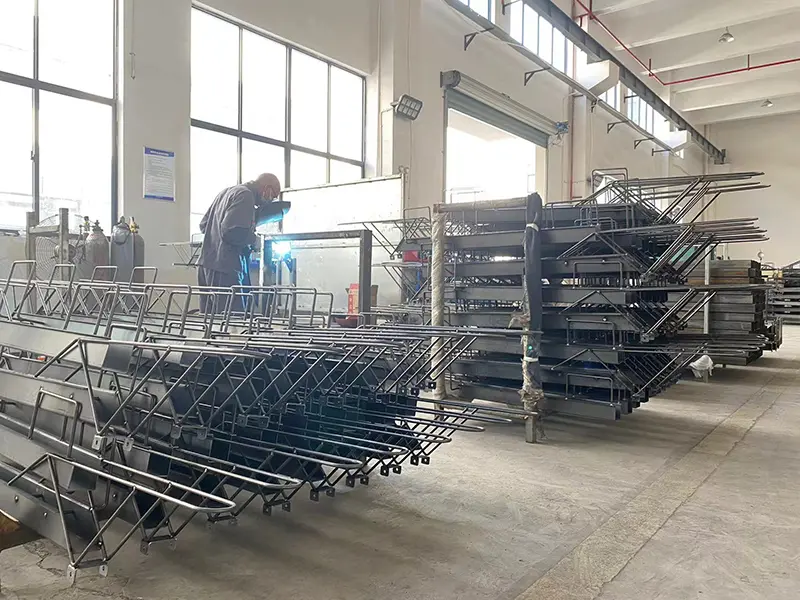
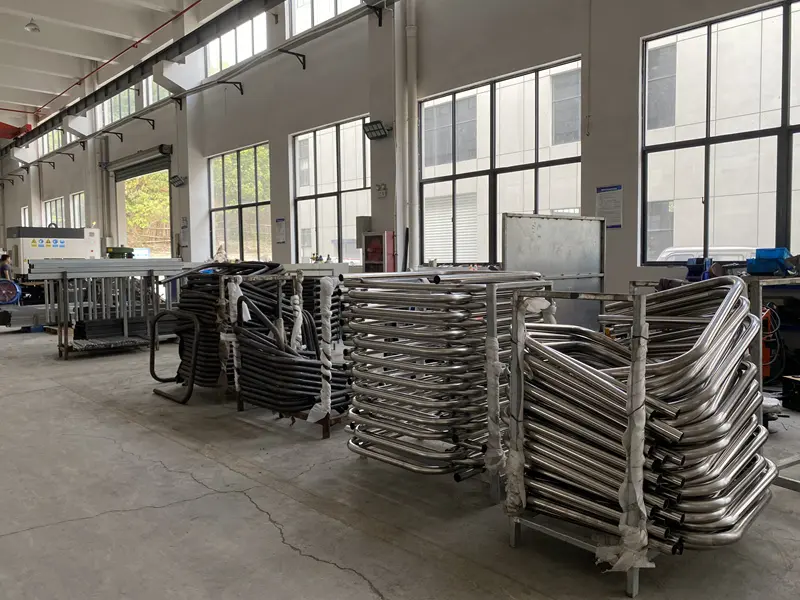
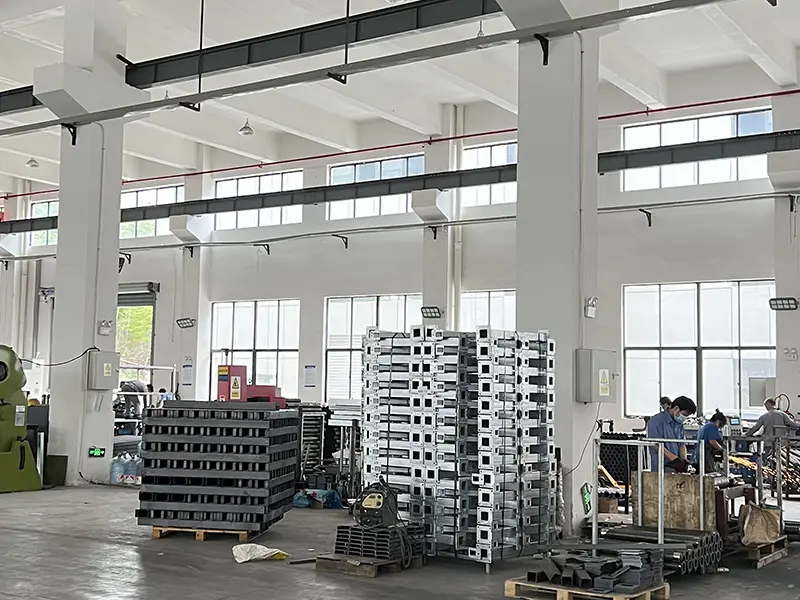
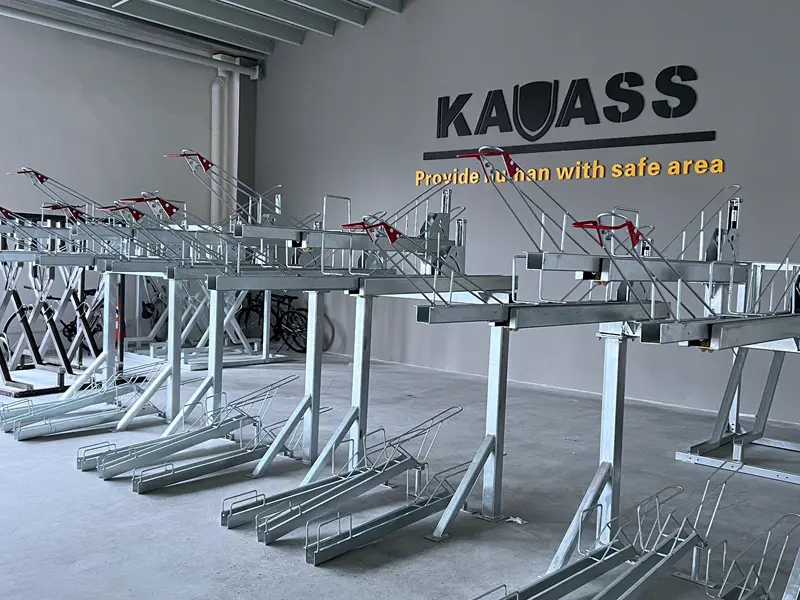
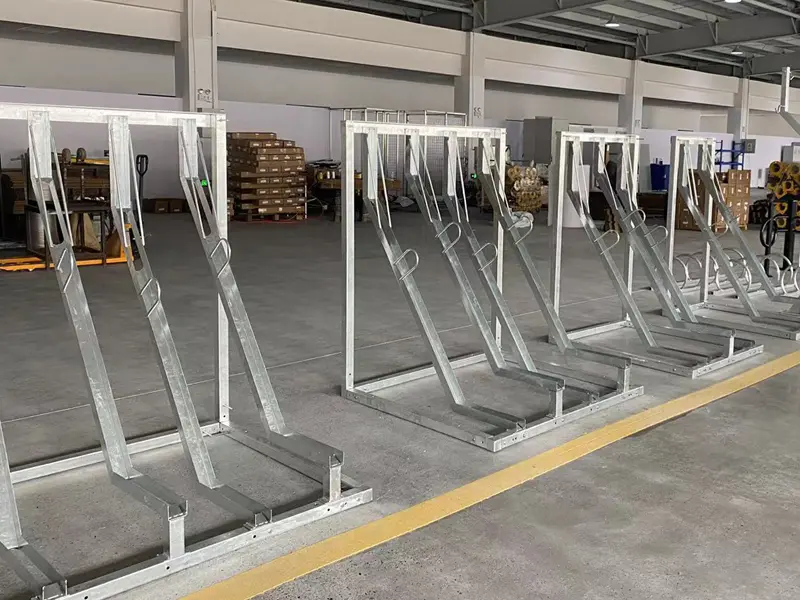
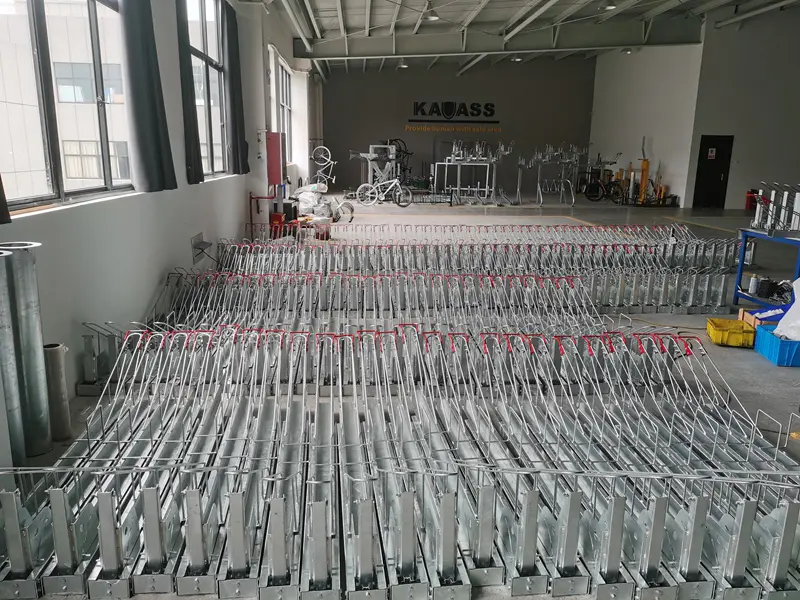
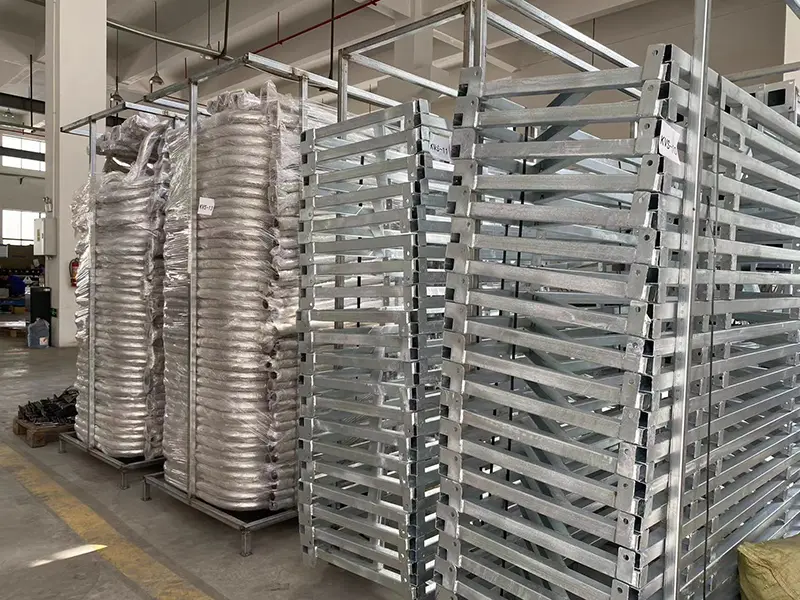
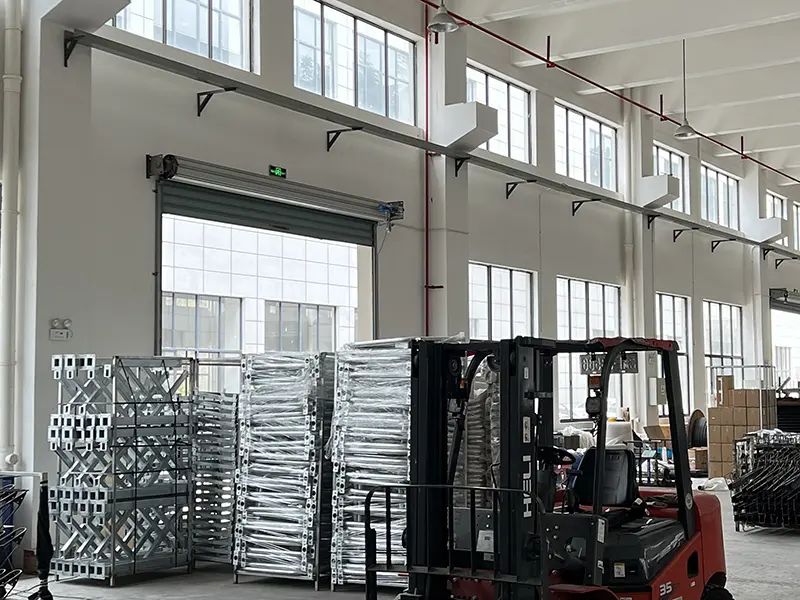
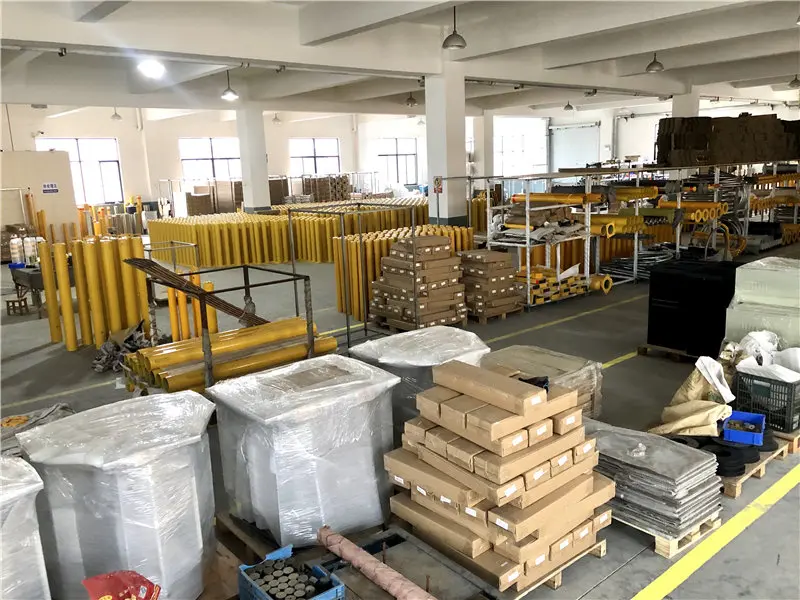
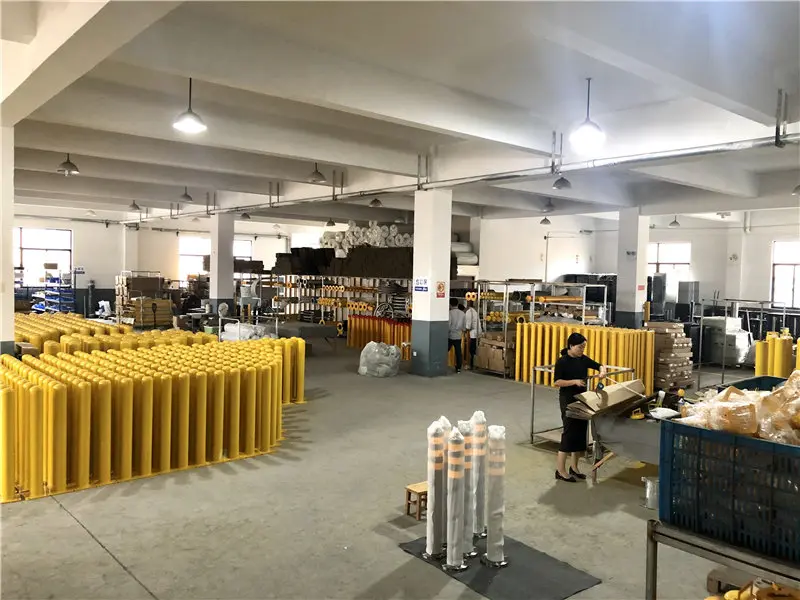
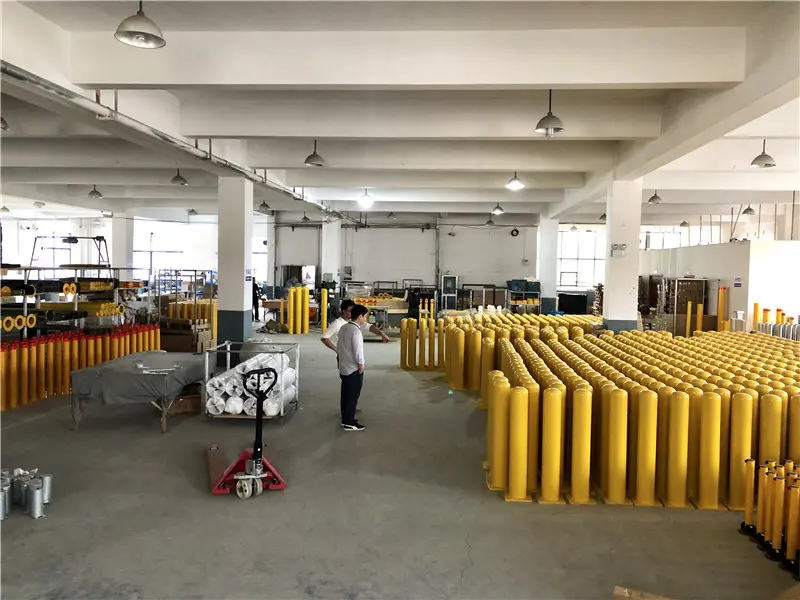
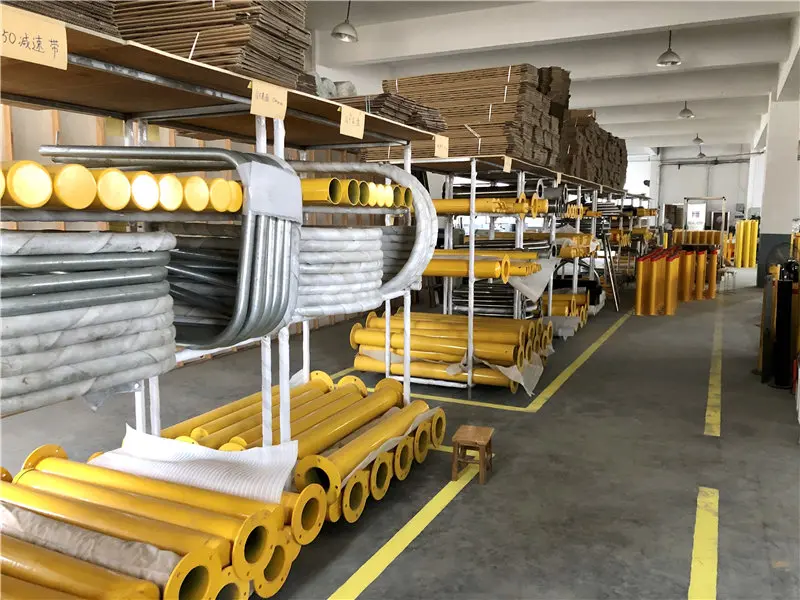
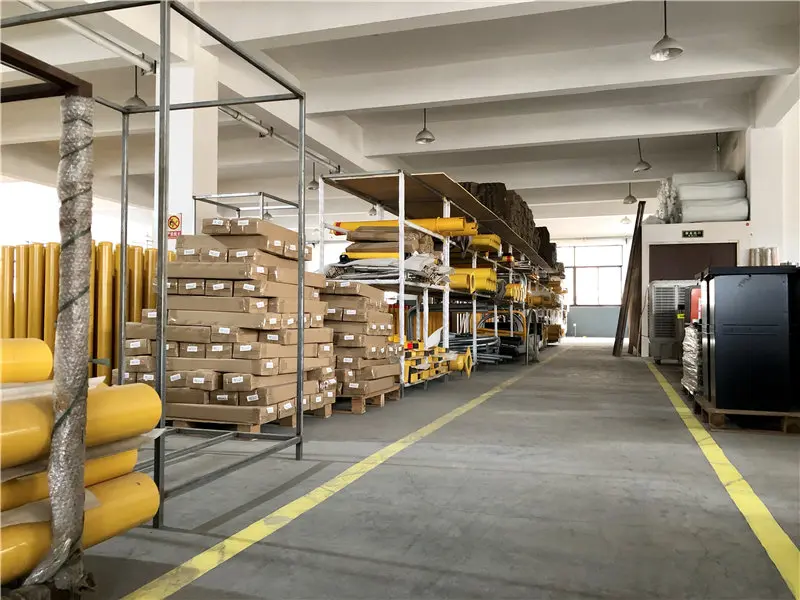
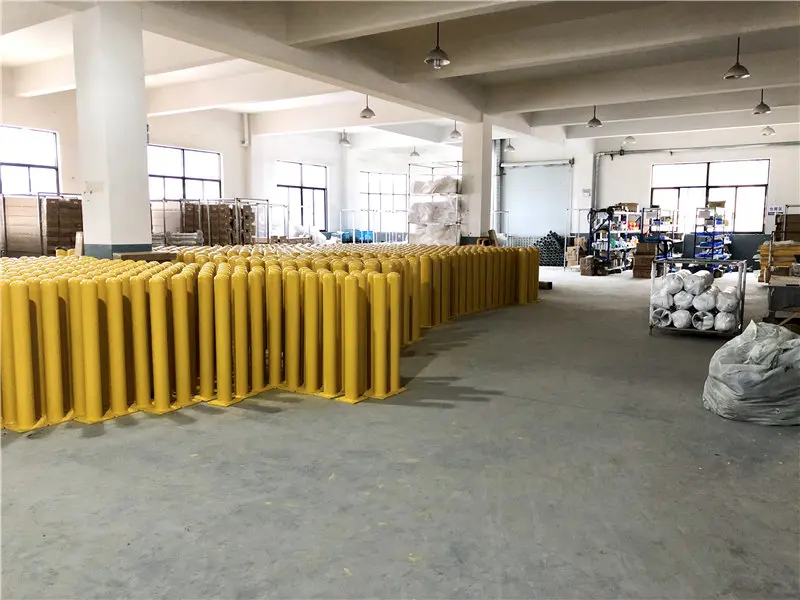
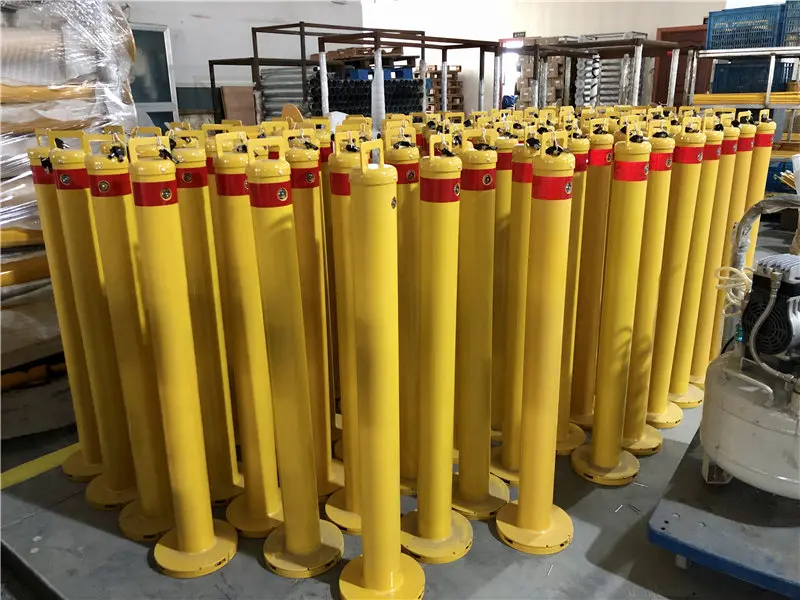
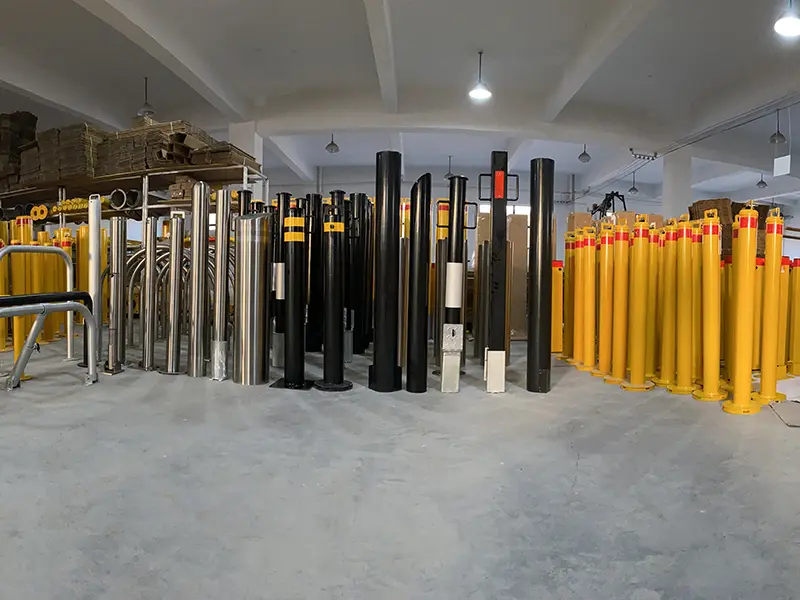
With a strong export network, KAVASS has established long-term cooperation with customers in more than 80 countries and regions, including Europe, the Middle East, Southeast Asia, and North and South America. Our experience in international markets allows us to better understand local standards, project requirements, and customer expectations.
Driven by a commitment to quality, practicality, and continuous improvement, KAVASS aims to deliver products that combine functionality with long-term value. We strive to support our partners with reliable solutions that enhance safety, optimize space management, and contribute to more efficient urban and industrial environments.
Industrial safety parameters continue to evolve, and hazardous storage cabinet designs are incorporating smart safety technologies. KAVASS is actively researching and integrating technologies to meet the needs of smart manufacturing environments.
Integration of VOC (Volatile Organic Compound) sensor arrays within the cabinet chassis. These sensors continuously monitor concentration thresholds and trigger alarm states before vapors reach explosive limits.
Upgrading standard manual locks to secure electronic keypads or RFID/biometric locks. Access logs are uploaded to centralized facility management software, ensuring only authorized personnel handle hazardous substances.
Smart ventilation interfaces that coordinate with the facility’s centralized HVAC. If VOC or temperature thresholds are exceeded, the cabinet signals the ventilation system to increase airflow.
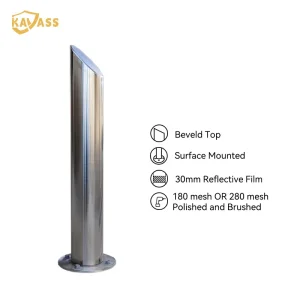
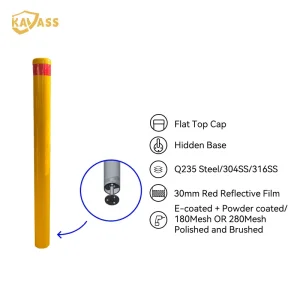
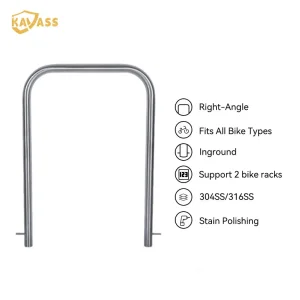
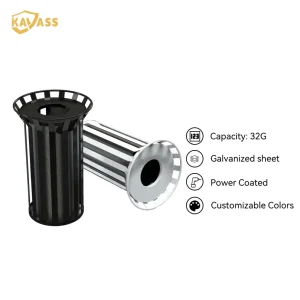
Perimeter integrity is critical for hazardous material warehouses. Our selection of heavy-duty stainless steel and carbon steel safety equipment protects vulnerable storage areas from vehicular accidents.
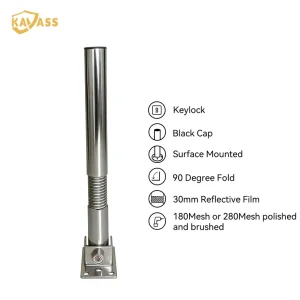
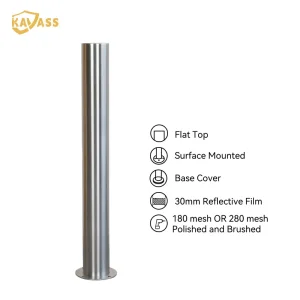
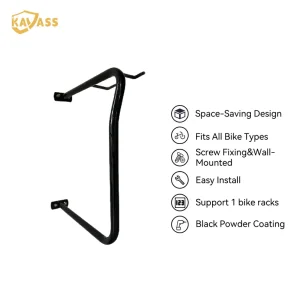
Navigating chemical safety compliance across different regions requires detailed planning. For example, EU regulatory frameworks differ from US OSHA standards. Global procurement teams must work with manufacturers who understand regional standards and can provide the corresponding documentation.
KAVASS supports global delivery with certificates of conformity, materials testing reports, and installation guides. Working with logistic partners, we ensure that products are packed securely to prevent transit damage. Whether shipping container-load orders to industrial centers in North America or commercial projects in the Middle East, our logistics team manages customs documentation for smooth clearance.
For custom ODM modifications, our engineers work directly with EHS personnel via digital modeling (CAD/SolidWorks) before production begins. This process ensures that cabinet configurations, layout plans, and warning labels are correct prior to fabrication, minimizing mistakes and delays.
Technical guidance on regulatory compliance, installation options, and structural safety parameters.
According to OSHA 1910.106 and NFPA 30 specifications, a compliant cabinet must feature a double-walled structure with at least 1.5 inches of air space between the panels. Doors must have a three-point latch system, and the cabinet's bottom must include a liquid-tight sump at least 2 inches deep to contain internal leaks. The cabinet must also be clearly labeled: "FLAMMABLE - KEEP FIRE AWAY."
Color-coding provides visual identification for emergency responders. Yellow denotes flammable liquids, Red signifies combustible liquids, Blue is used for corrosive chemicals, and White/Gray is designated for toxic substances. Proper coding prevents the accidental mixing of incompatible chemicals.
NFPA 30 does not make venting mandatory for fire-protection purposes. However, if venting is required by local codes or safety policies, the cabinet must be vented directly outdoors using a metal pipe system that does not compromise the cabinet's fire rating. Vent ports must remain sealed with their built-in flame arresters when not in use.
In busy facilities, mechanical damage from forklifts is a common hazard. Surrounding chemical storage cabinets with heavy-duty carbon steel bollards or U-type shelf guards creates a physical barrier that intercepts vehicle impacts, protecting the cabinet's containment integrity.
We provide full customization, including custom dimensions, specialized interior liners (such as PP/HDPE for acids), electronic access control systems, and automated self-closing mechanisms. Our team provides CAD models for review before production begins.
 KAVASS