Explore our initial portfolio of heavy-duty, high-performance security structures designed for modern commercial complexes, warehouses, and urban public facilities.
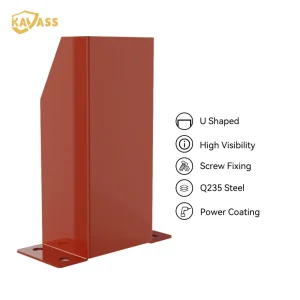
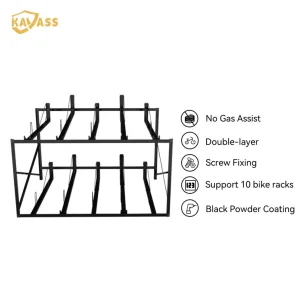
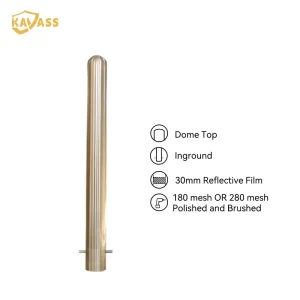
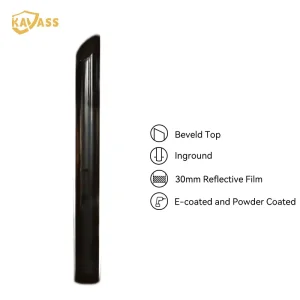
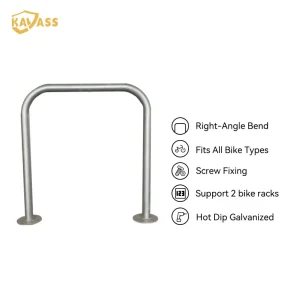
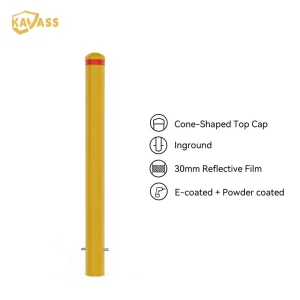
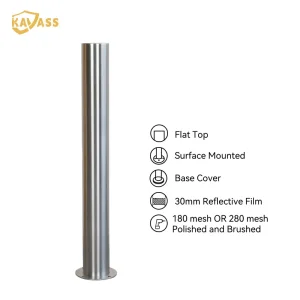
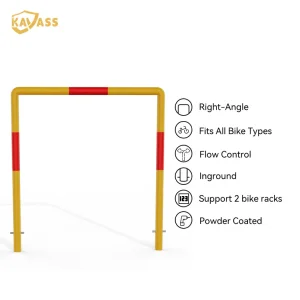
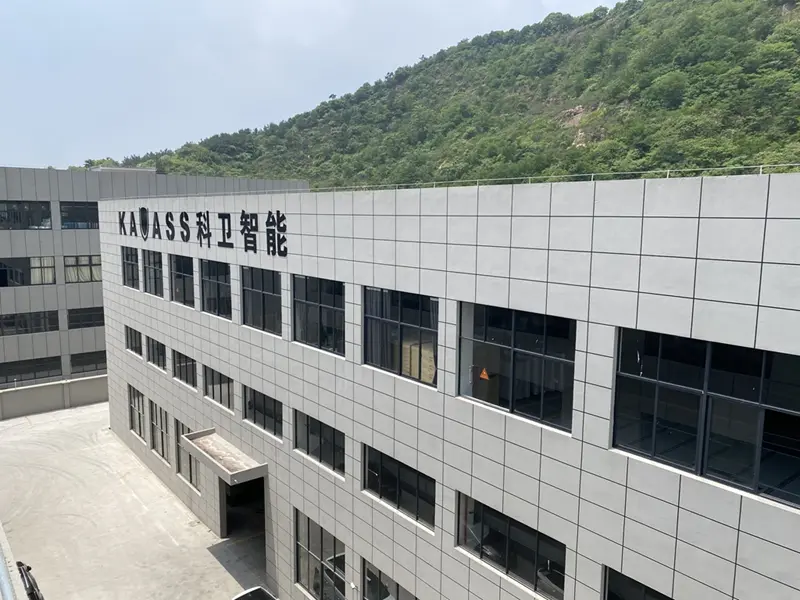
KAVASS Security Tech Limited is a professional manufacturer focused on traffic safety and perimeter protection solutions, with more than 18 years of industry experience. We specialize in the design, production, and supply of a wide range of products, including parking locks, bollards, bike racks, and other urban infrastructure equipment. By integrating product development, manufacturing, and after-sales support, we provide efficient one-stop solutions tailored to the needs of global clients.
Our production base is equipped with advanced machinery and modern manufacturing processes, supported by a skilled engineering and quality control team. From raw material selection to final inspection, every step is carefully managed to ensure consistent product performance and long-term reliability. This enables us to meet the demands of various applications, from standard products to customized project requirements.
In the era of Smart Cities, Autonomous Transportation, and Internet-of-Things (IoT) integration, the humble parking barrier has evolved. This whitepaper analyzes the core technical frameworks, supply chain optimization pathways, and global application paradigms of modern remote control and automated parking solutions.
Rapid urbanization and the proliferation of private vehicles have created significant friction in urban space management. Municipal planners, commercial facility executives, and residential developers face continuous issues regarding unauthorised parking space occupancy, ingress efficiency, and vehicle security. The market has shifted decisively from mechanical, manually operated barriers to automated, remote-controlled, and network-integrated parking locks. Industrial complexes and commercial estates demand solutions that prevent traffic obstruction, minimize human management overhead, and withstand intense weather conditions and heavy vehicle impacts.
By utilizing remote control and automated parking barriers, companies can implement private space allocation, prevent unauthorized drop-offs, and charge premium rates for guaranteed spots. Security and smart property management systems now treat parking barriers not merely as physical steel blocks, but as operational endpoints in a larger building access control matrix.
Modern parking spaces are active real estate assets. Deploying automated barrier technology directly increases parking spot utilization rates by up to 35% while slashing maintenance and administrative labor costs.
To design a robust remote control parking barrier, several core engineering challenges must be addressed. Our factory implements high-durability carbon steel and heavy-gauge stainless steel for structural casings. The outer shells are treated with hot-dip galvanization and outdoor-grade electrostatic powder coatings, resulting in rust and corrosion resistance that withstands long-term exposure to road salts, chemicals, and extreme UV rays.
Integration of high-torque DC brushless motors with solid metal reduction gears. Ensures a smooth, silent lift/lower cycle in under 4 seconds while drawing minimal current.
Power configurations include low-power consumption standby chips, integrated high-capacity rechargeable lithium-iron batteries, and monocrystalline solar backup panels.
Deploying customized Bluetooth BLE, LoRaWAN, and NB-IoT antennas. This permits direct connection to municipal smart parking apps and remote cloud databases.
Our production ecosystem spans two specialized manufacturing plants equipped with modern tooling, robotic welding lines, and rigorous validation chambers.
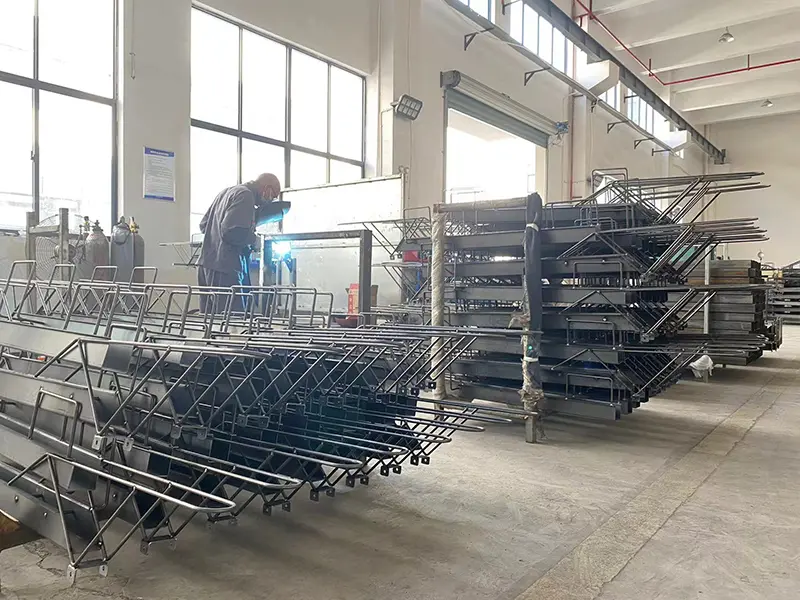
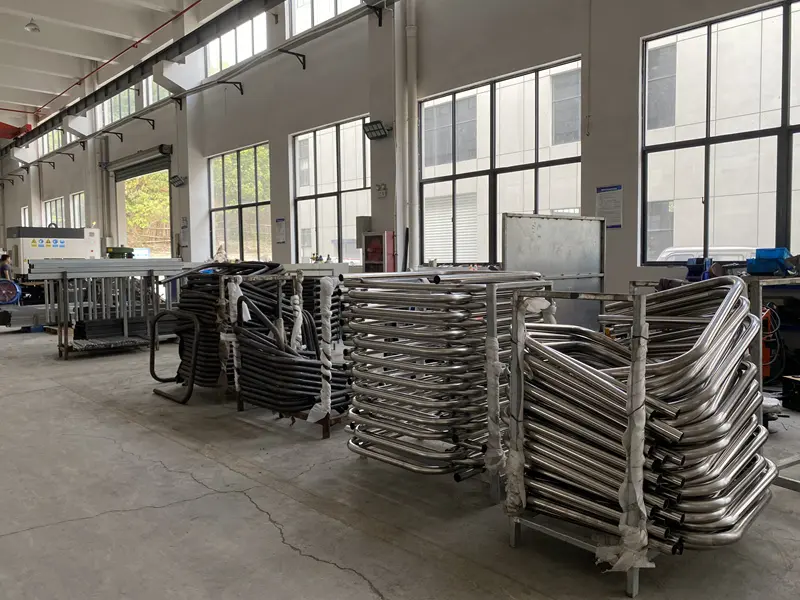
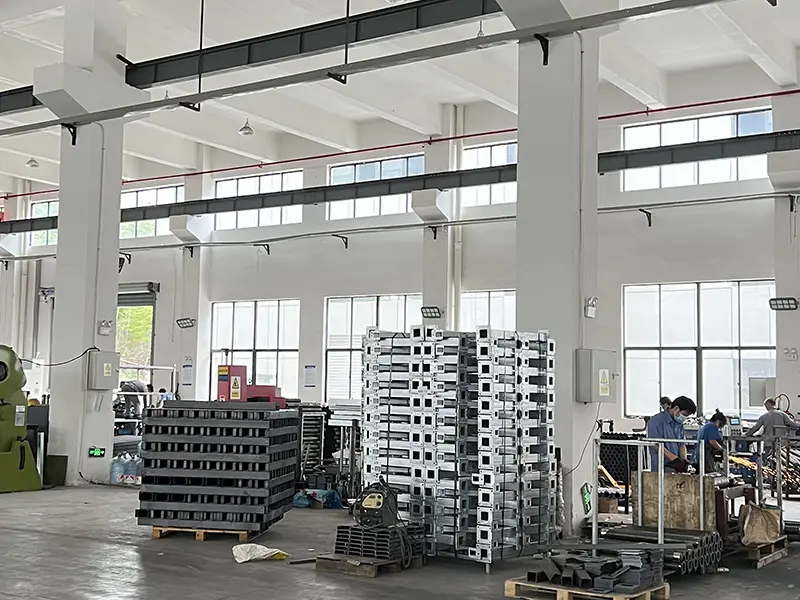
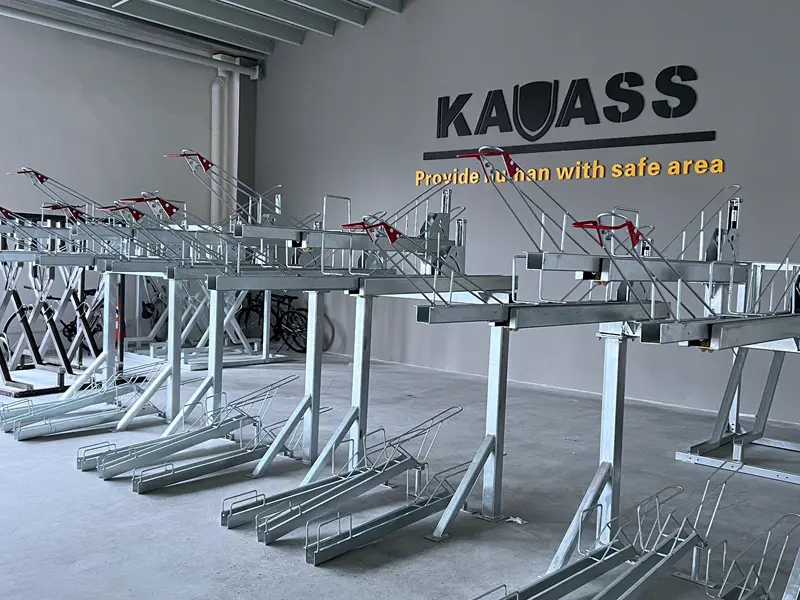
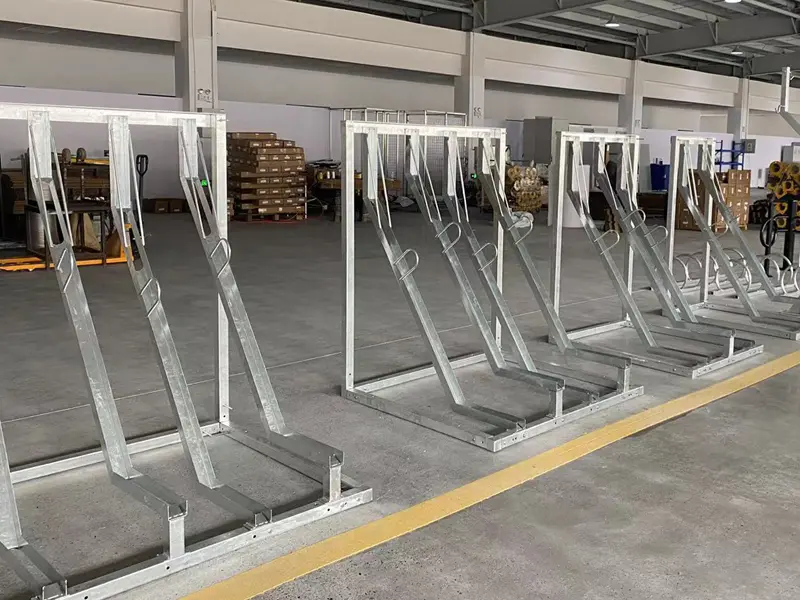
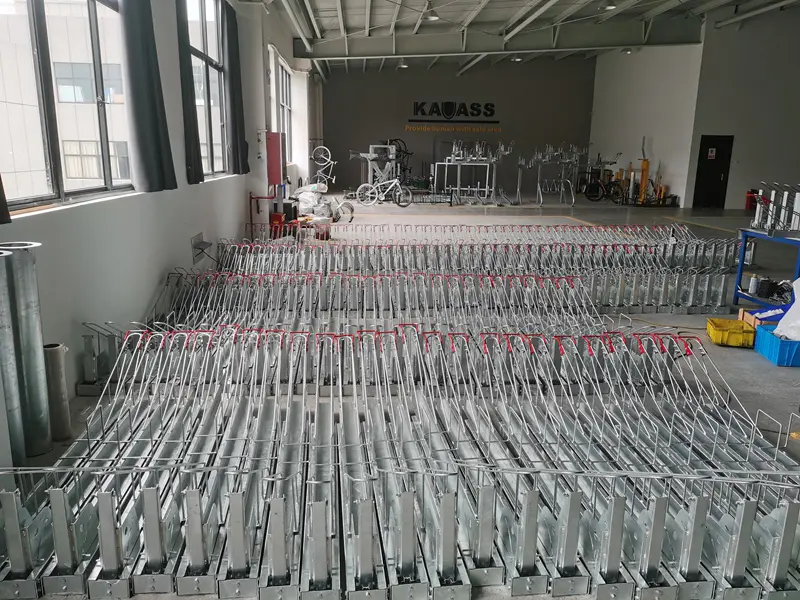
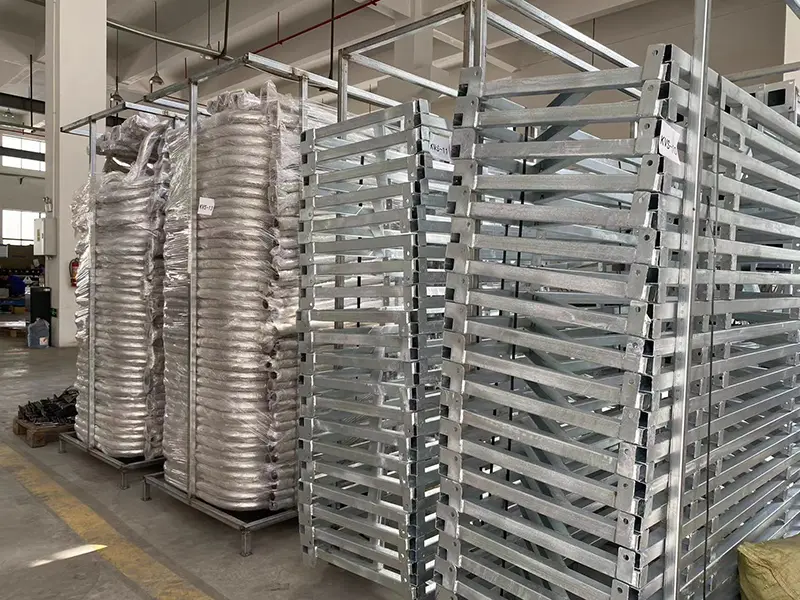
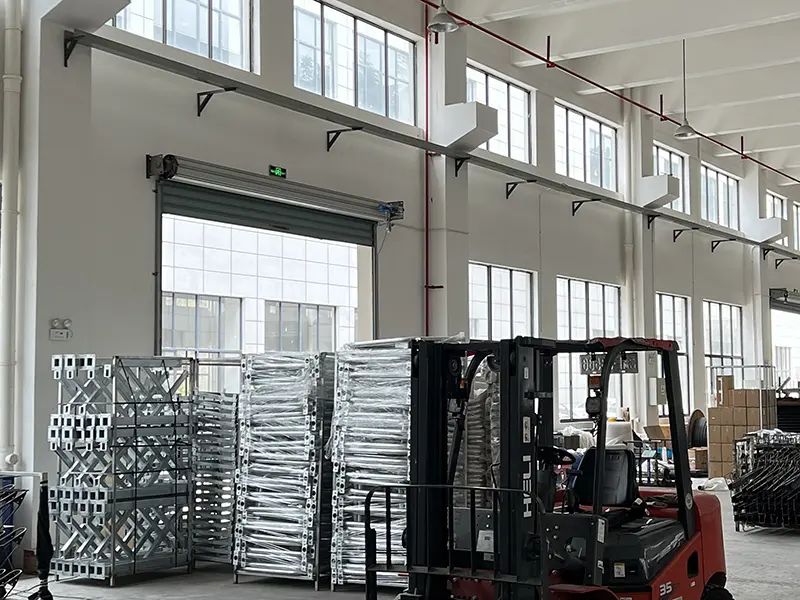
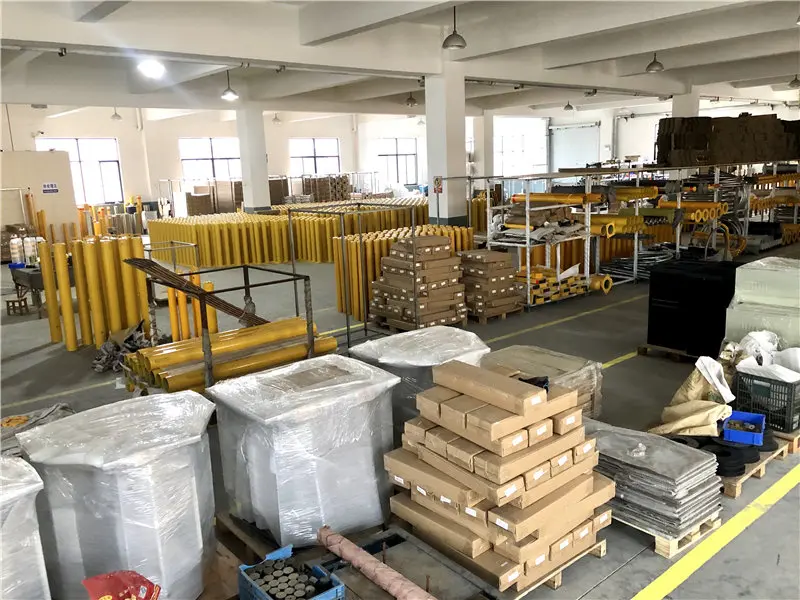
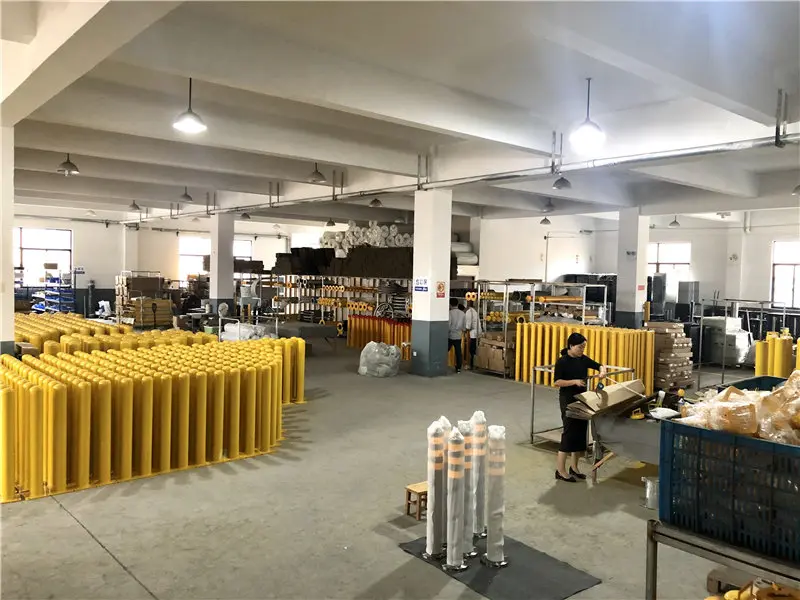
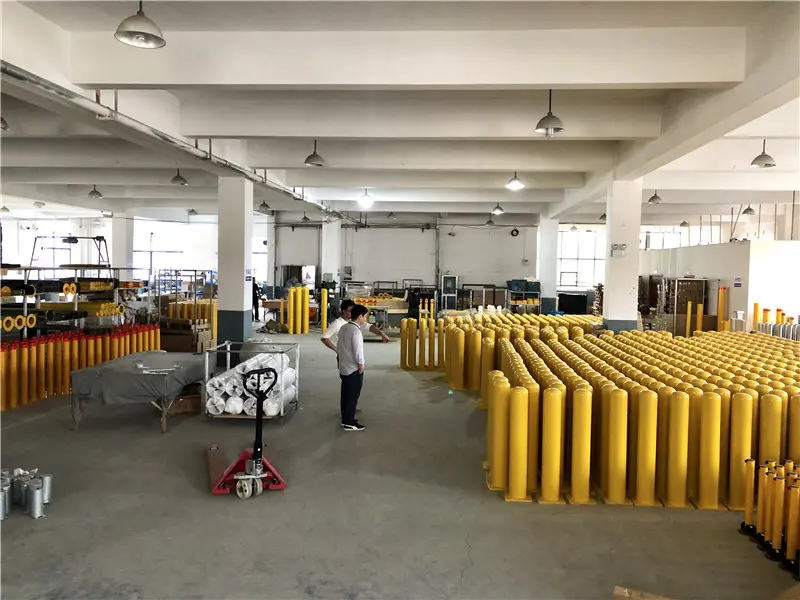
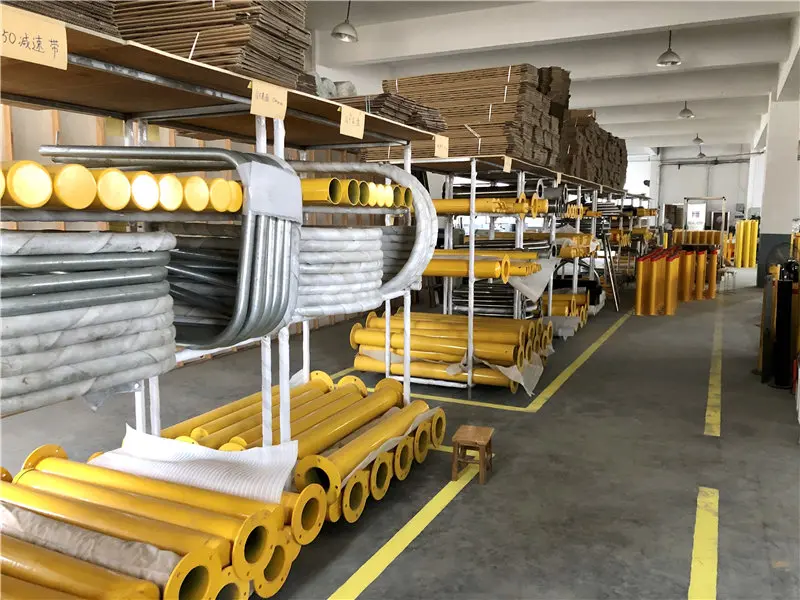
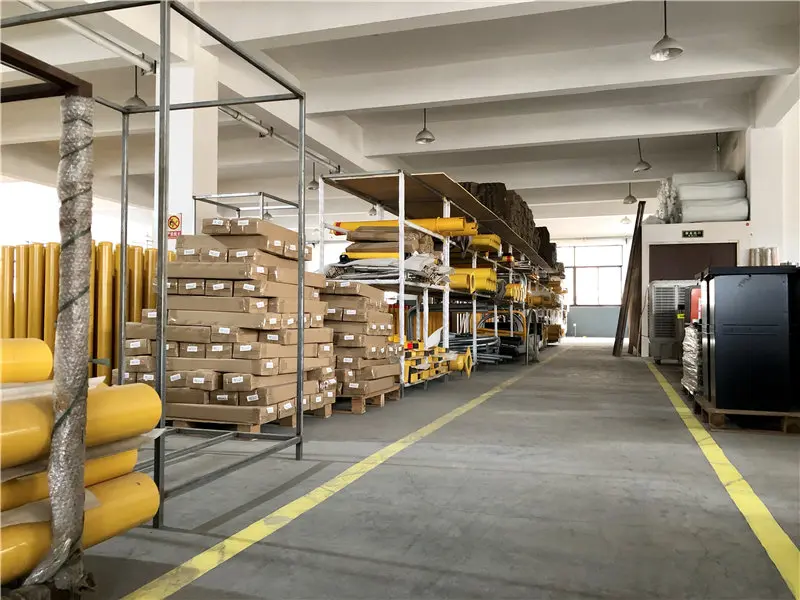
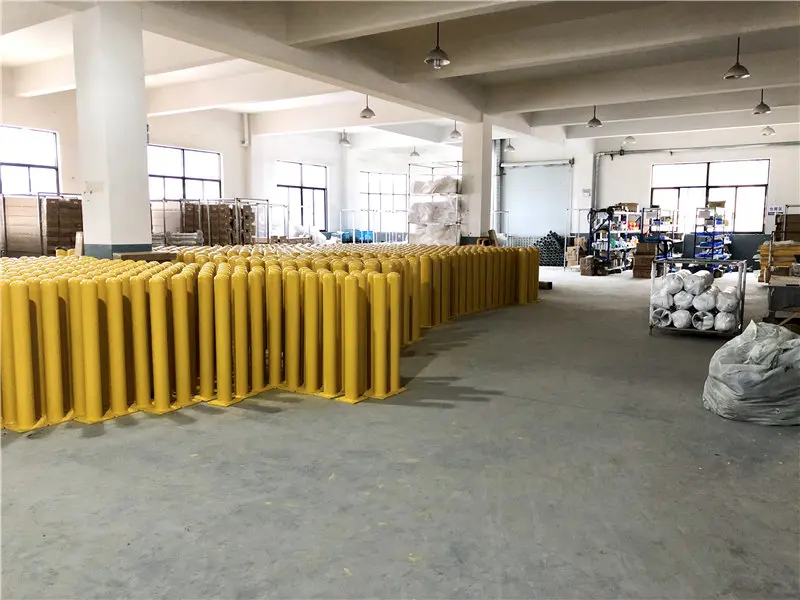
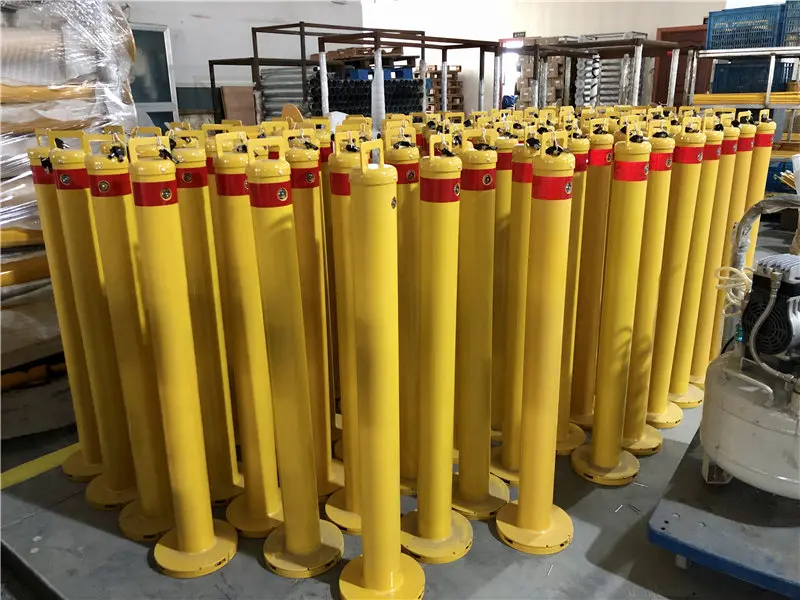
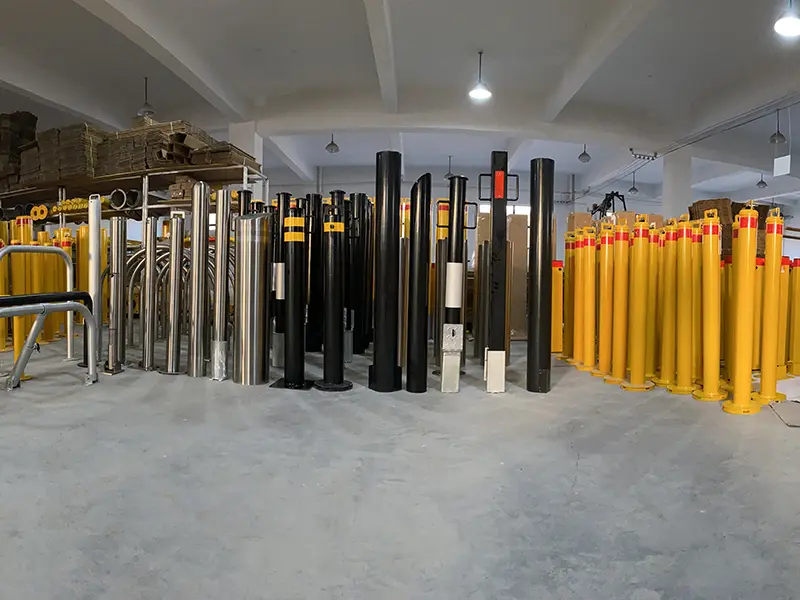
Different markets present diverse regulatory frameworks, structural preferences, and climate conditions. Tailored configurations are essential for reliable operational longevity.
Integration of long-range RFID readers and barrier tags in executive fleets. Approaching vehicles trigger the barrier to lower seamlessly, eliminating administrative check-ins and reducing morning congestion.
Smart locks prevent non-electric vehicles from blocking charging docks. The barriers are unlocked dynamically when an EV driver reserves the charger via a mobile app, optimizing utility returns on charging hardware.
Integrated smartphone systems allow residents to manage parking locks for visitors. Temporary access tokens are shared via instant messenger platforms, keeping emergency access routes open.
Operating from China's industrial manufacturing heartlands allows us to leverage structural benefits that translate to significant cost reductions, accelerated timelines, and elevated product quality for clients worldwide. Crucial supply chain features include:
Exporting urban perimeter security systems globally requires compliance with safety, environmental, and engineering codes. Our manufacturing methodologies are aligned with the following certifications to guarantee seamless compliance:
Ensures all mechanical components, motors, and controllers satisfy European health, safety, and environmental protection directives.
Certifies that remote transmission systems, BLE chips, and RFID modules operate within safe radio frequency interference parameters.
Provides robust environmental sealing, safeguarding internal electronics against dust ingress and high-pressure water jets.
In the future, parking spaces will interact directly with vehicles. Our technology roadmap focuses on Vehicle-to-Infrastructure (V2I) communication protocols, allowing autonomous vehicles to locate, reserve, and activate parking barriers dynamically. By integrating solar energy harvesting, low-power mesh networks, and AI-enabled license plate cameras, the physical parking barrier is transitioning from a mechanical block into a smart, self-powered transaction terminal.
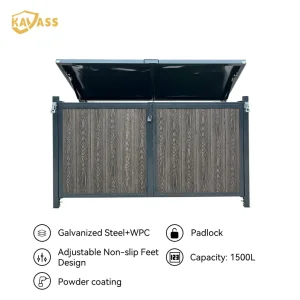
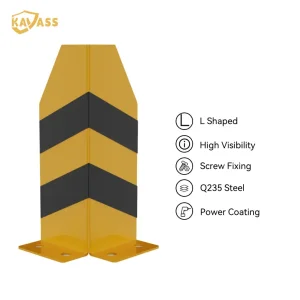
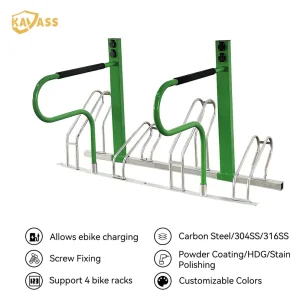
Our comprehensive manufacturing facilities output high-quality street furniture, impact-tested security barriers, and space-saving bike racks. Explore our diverse security inventory.
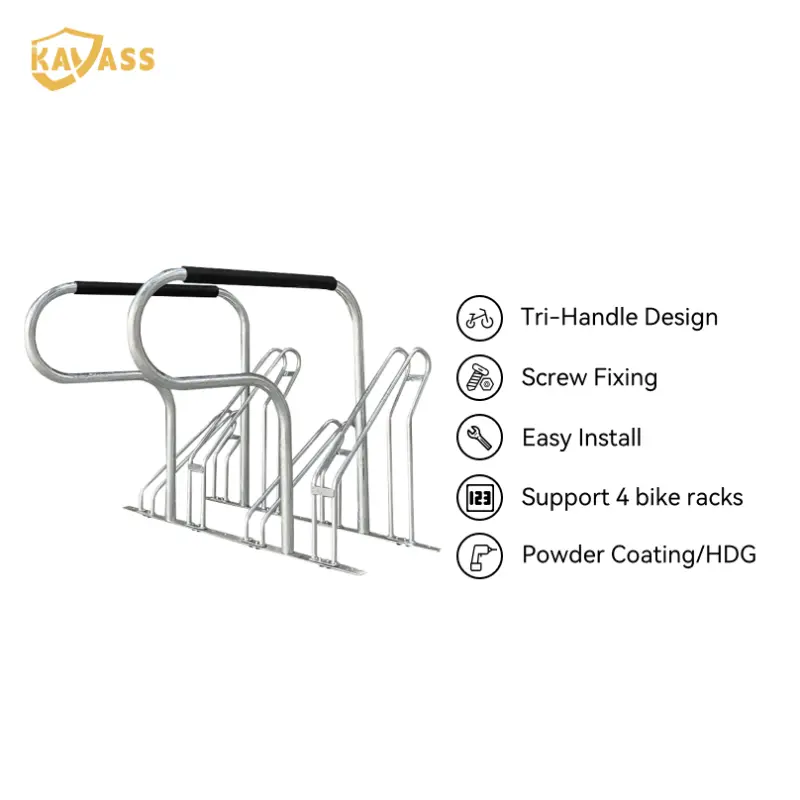
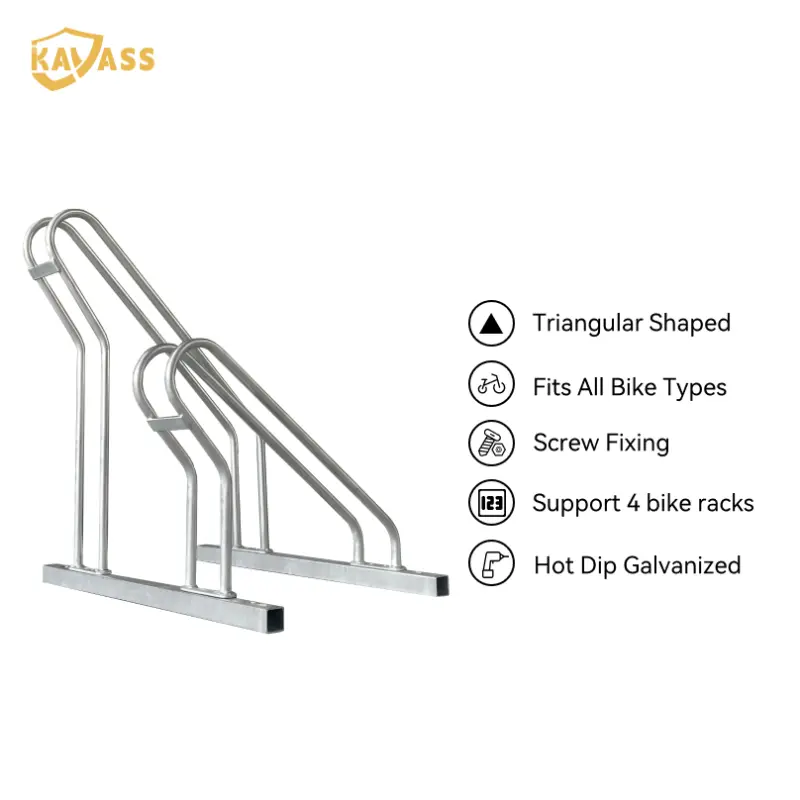
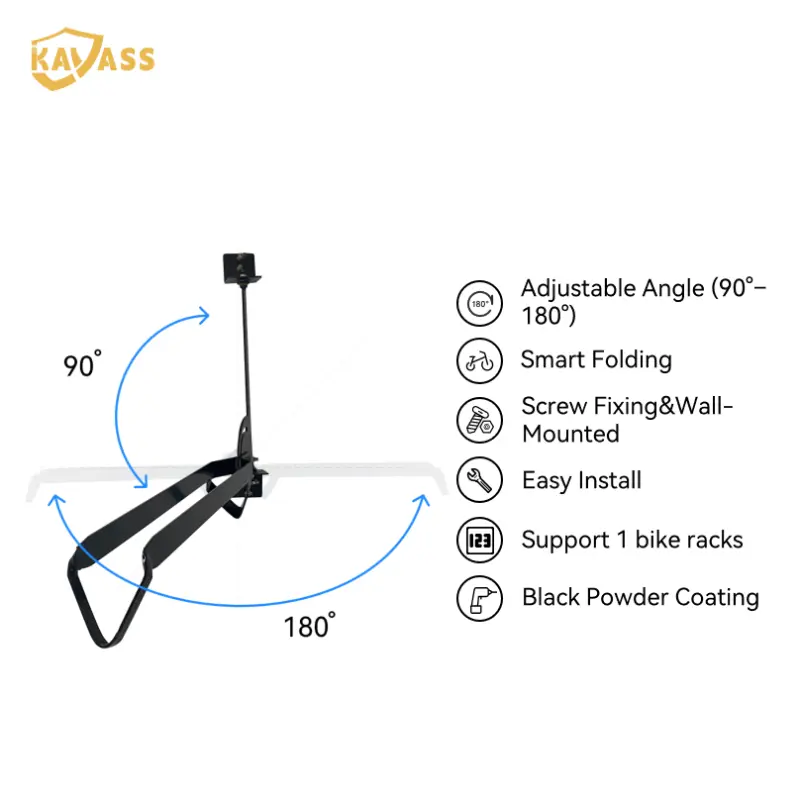
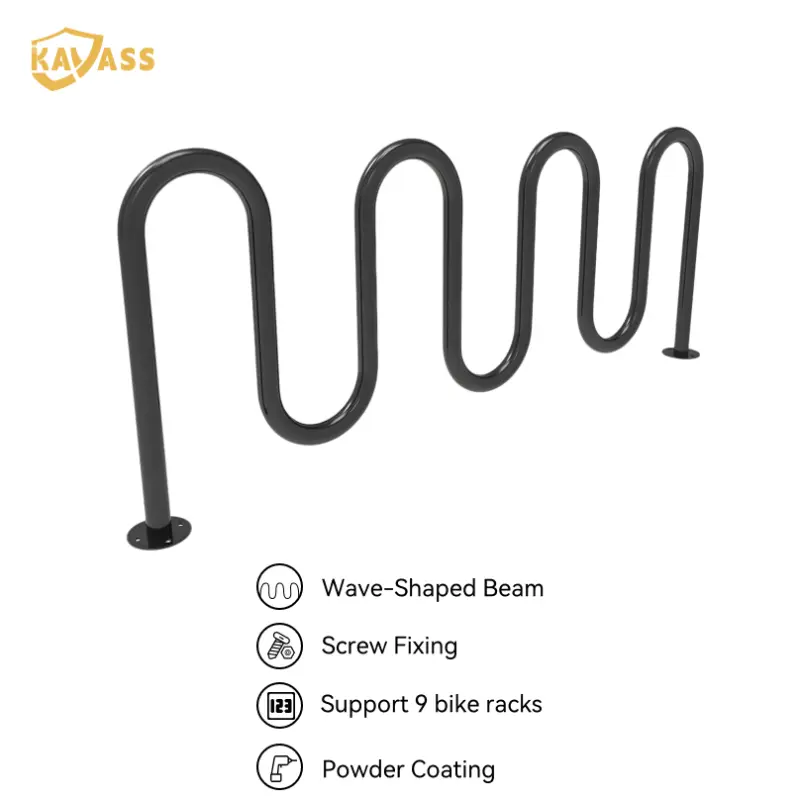
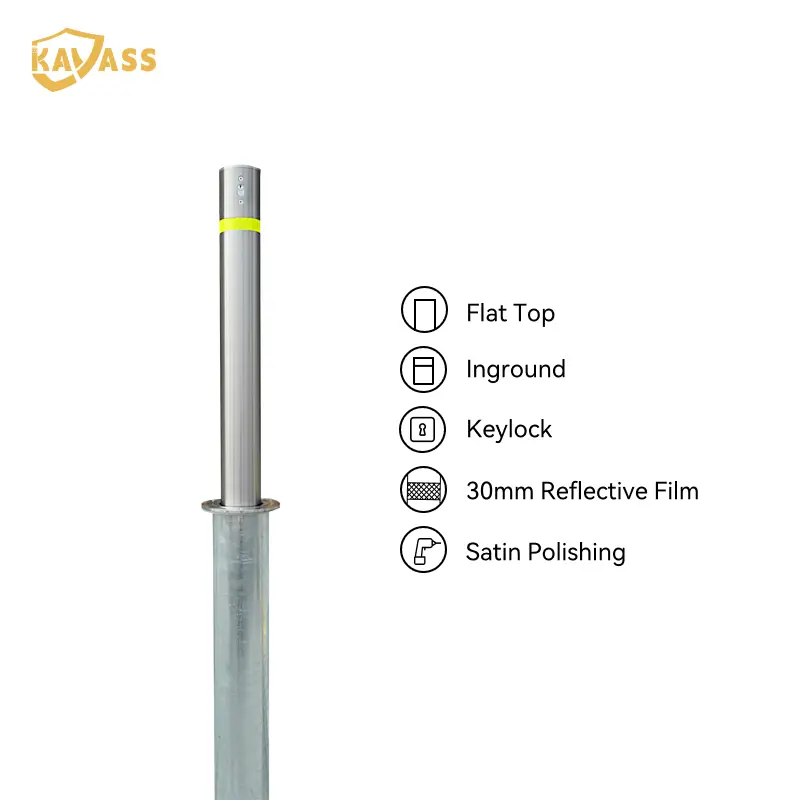
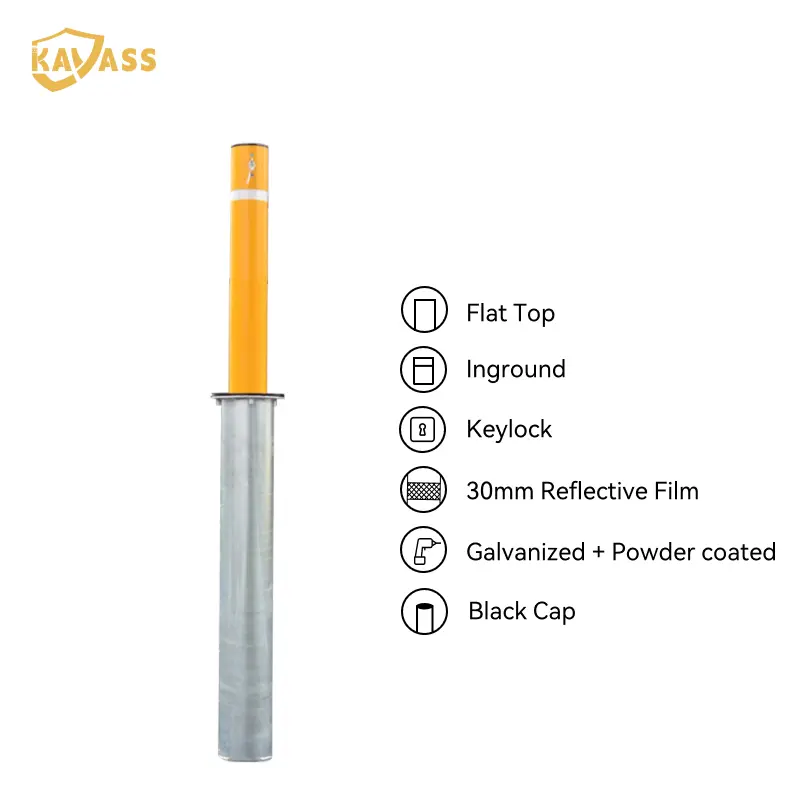
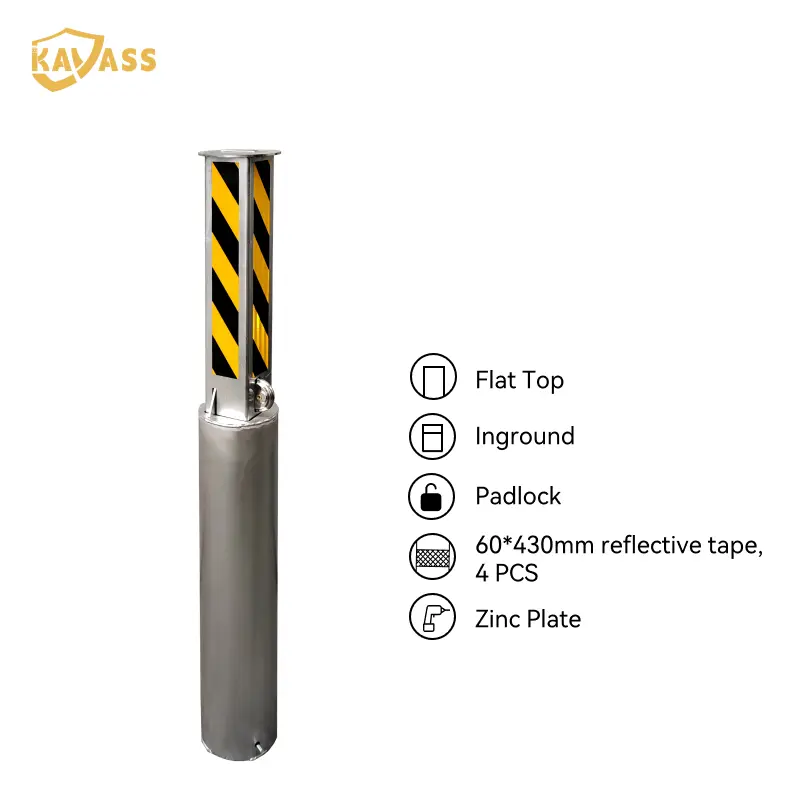
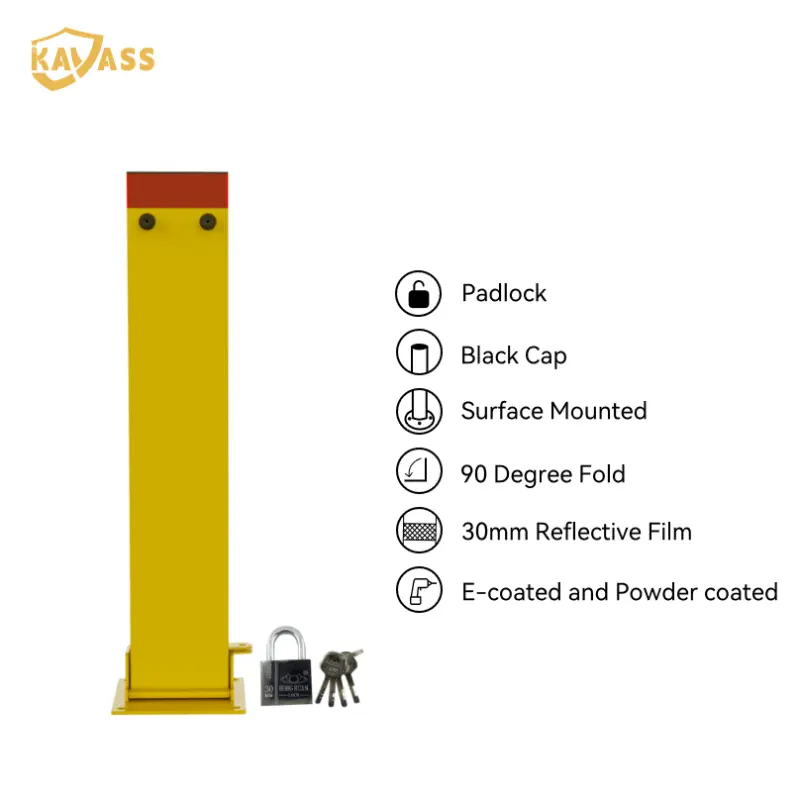
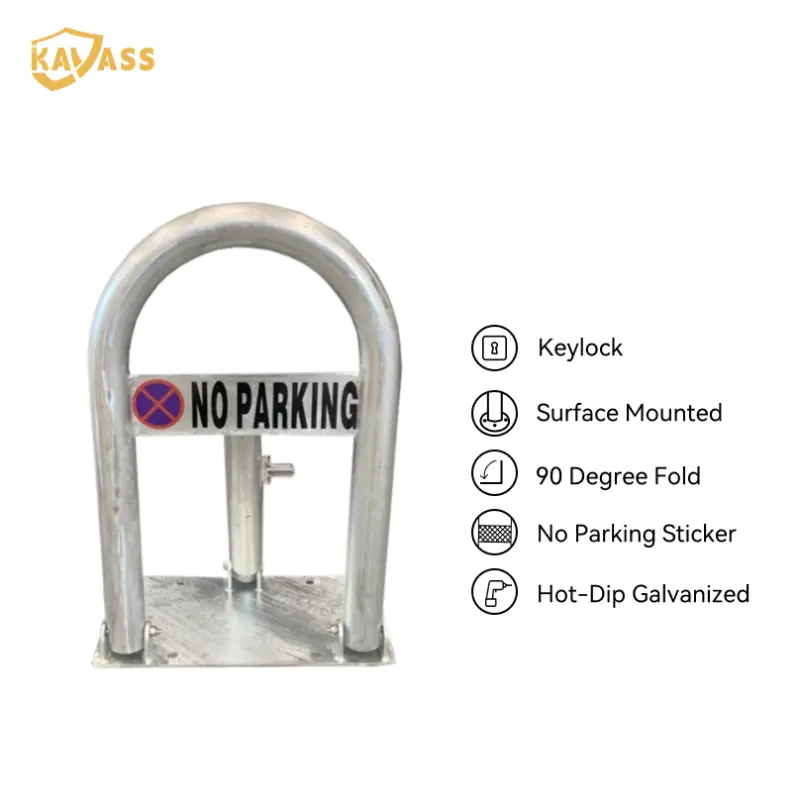
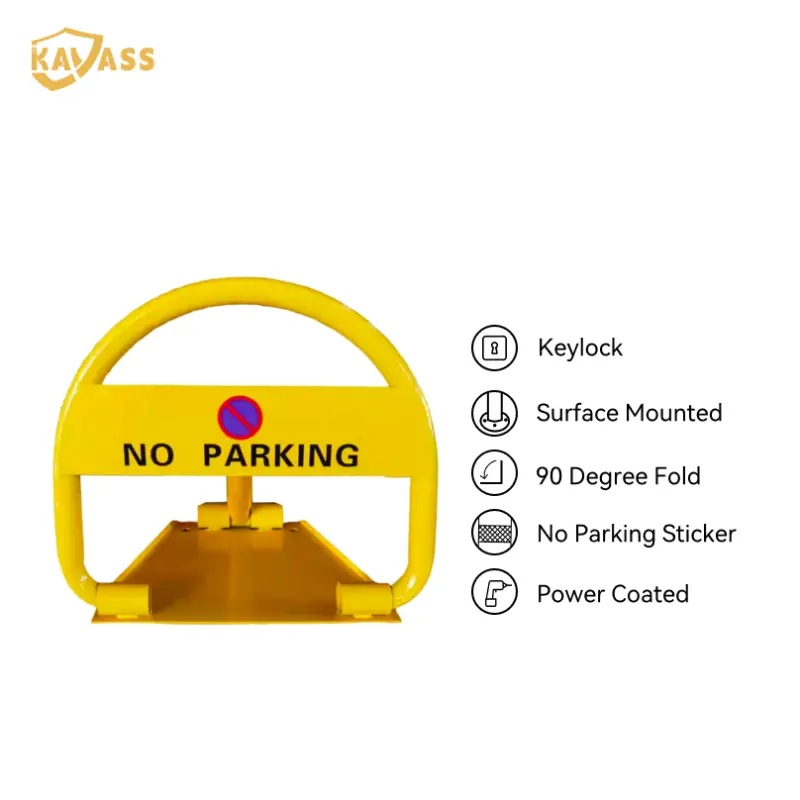
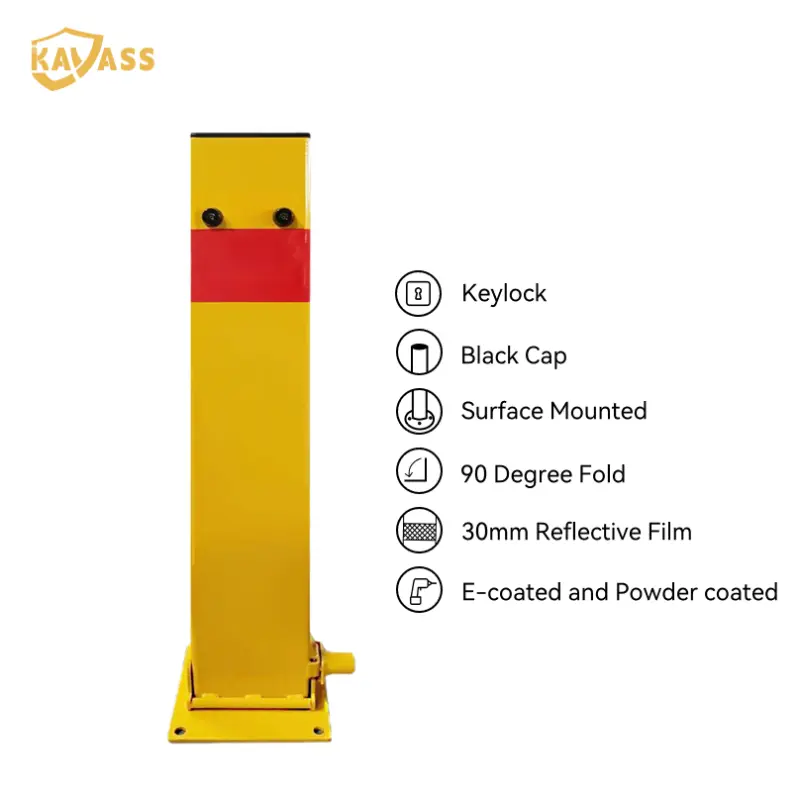
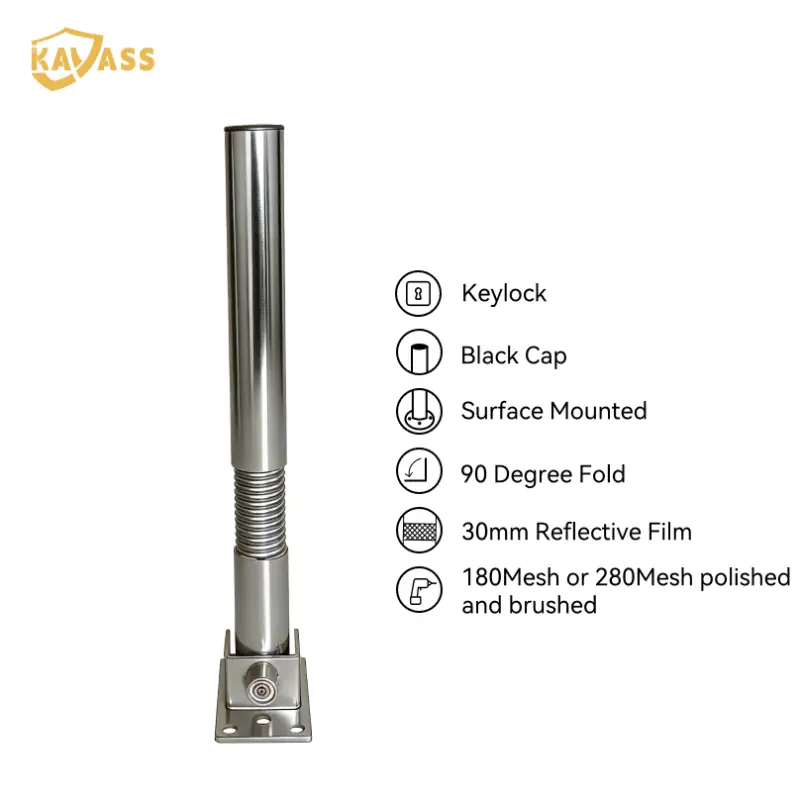
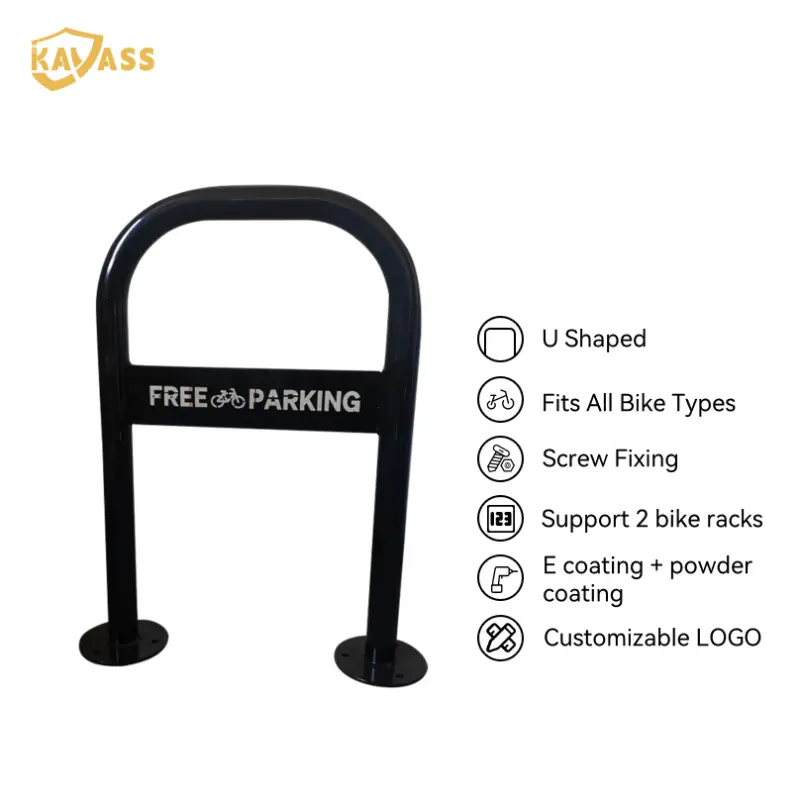
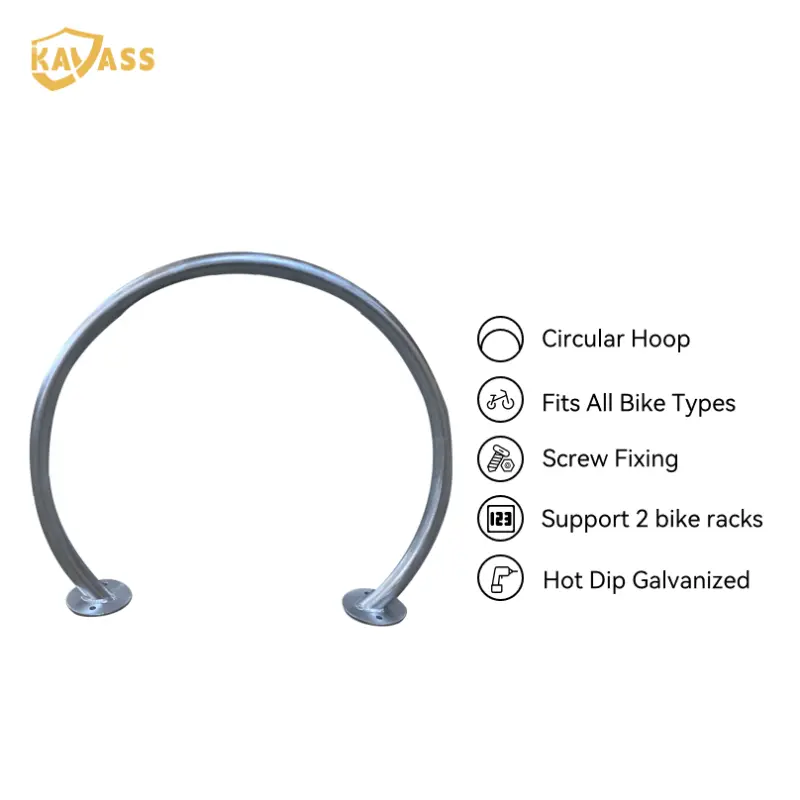
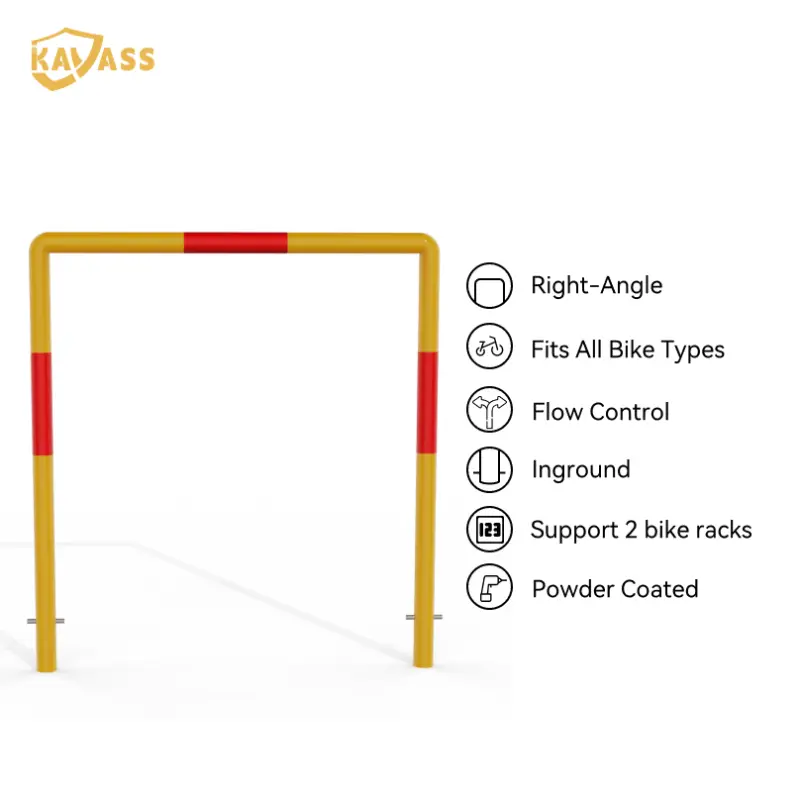
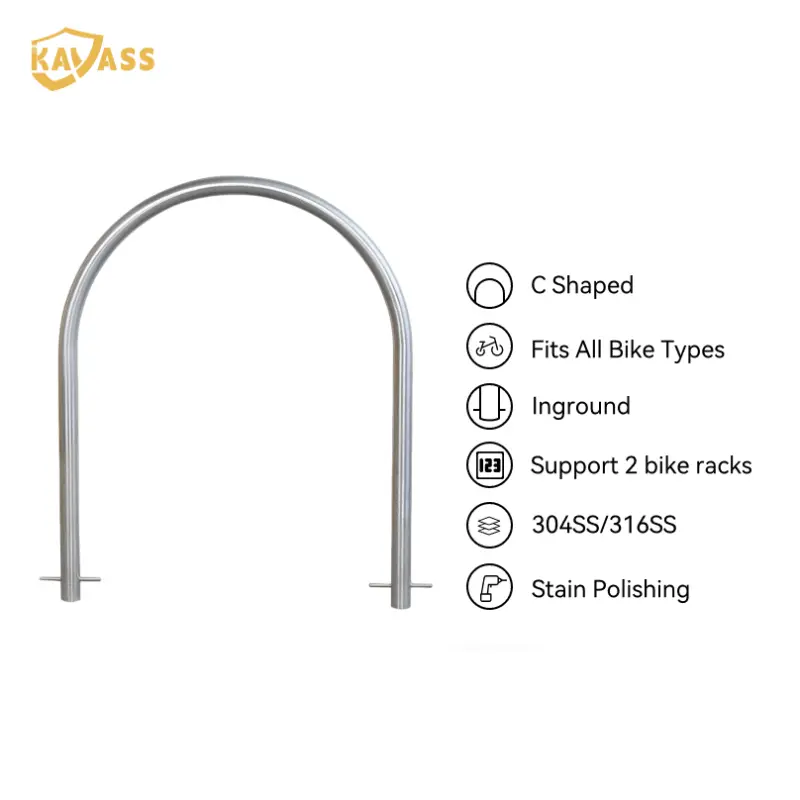
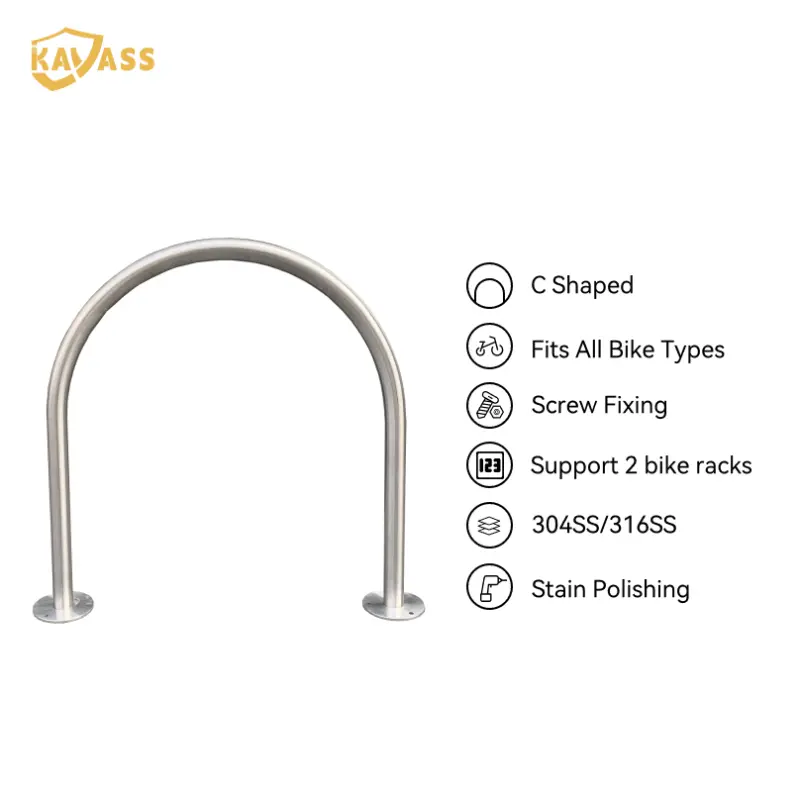
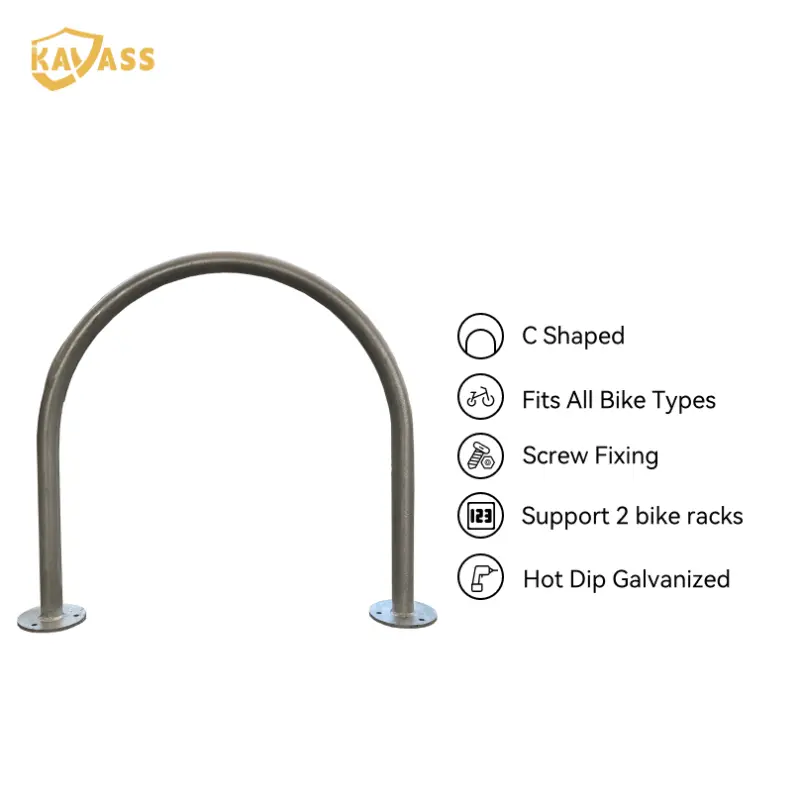
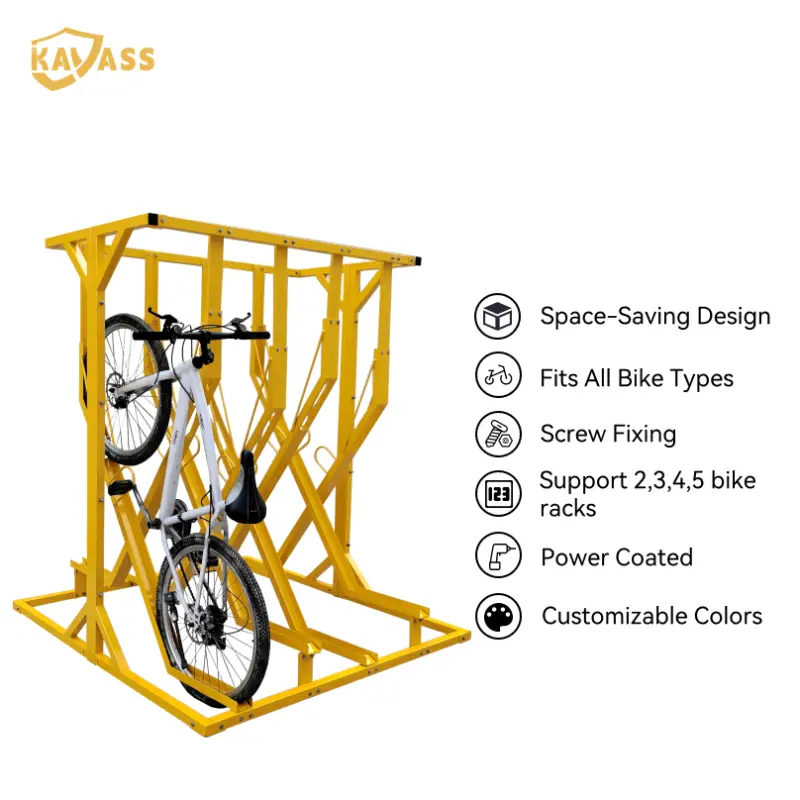
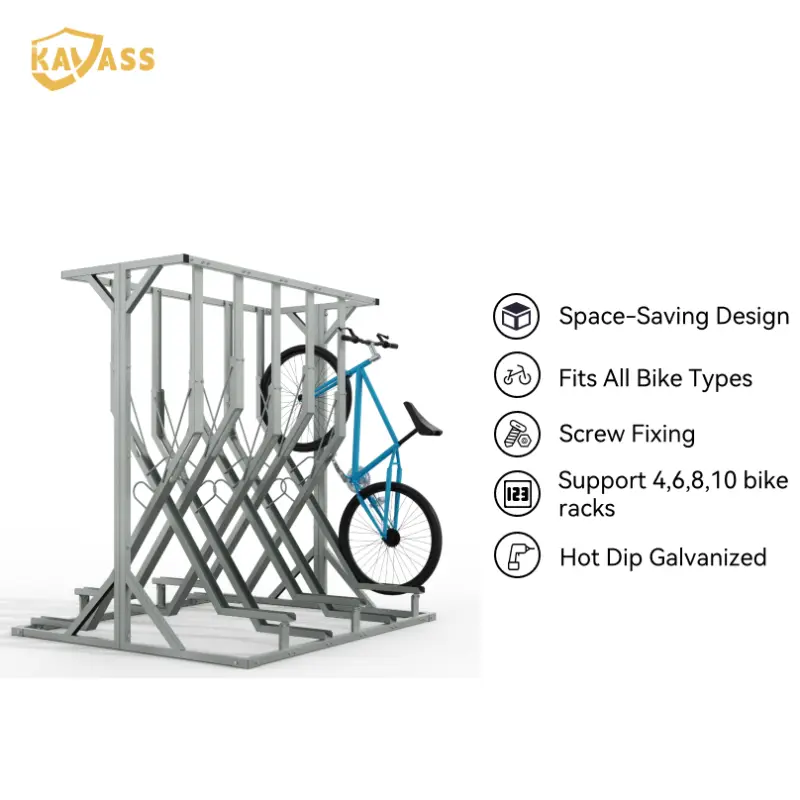
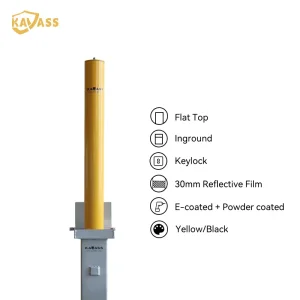
Our second collection focuses on municipal sanitation enclosures, parking posts, and warehouse safety equipment built to demanding quality standards.
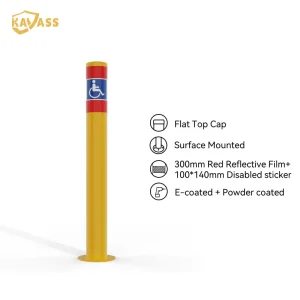
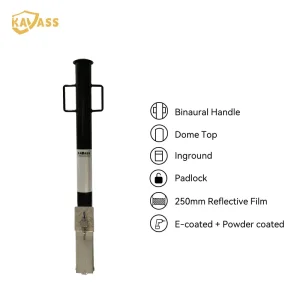
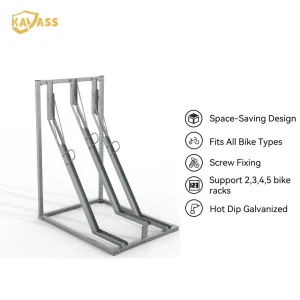
Partner with KAVASS Security Tech Limited for tailored, high-grade traffic safety and perimeter protection products. Leverage our 18 years of technical expertise, robotic manufacturing precision, and global logistics support.
Find expert answers to common queries regarding ODM development cycles, electrical standards, installation requirements, and order fulfillment policies.
For customized ODM requests, the timeline is divided into three key phases. Phase 1 is CAD engineering, structural blueprint drafting, and PCB circuit validation (typically 7 to 14 working days). Phase 2 is functional prototyping and physical validation, including wind resistance and IP67 tests (15 to 20 days). Phase 3 is mass production at our Deqing and Zhuji factories, which takes 30 to 45 days depending on the batch volume and custom finishing requirements.
Our parking barriers are engineered to endure severe outdoor conditions. The mechanical housings feature IP67 waterproofing, protecting the motor and control modules during heavy rain and snow. We use low-temperature grease and internal thermal isolation layers, allowing the drive kinematics to operate reliably in temperatures ranging from -35°C to +75°C. Structural steel sections undergo hot-dip galvanization to prevent rust and corrosion from road salt and UV exposure.
We support a variety of communication standards to match different local networks. Our standard models utilize 433MHz RF remote transmitters for line-of-sight control up to 50 meters. For smart facility integration, we offer Bluetooth BLE (for direct smartphone pairing), LoRaWAN (for low-power, long-range private networks in large parking structures), and NB-IoT / 4G LTE modules (to connect individual locks directly to cloud management platforms without local gateways).
Safety and damage prevention are built into our design. Our automated parking locks feature an integrated pressure-sensitive auto-reverse mechanism. If the barrier arm detects an obstruction while raising, the control unit stops the motor and lowers the arm to protect the vehicle's chassis. For structural resilience, the hinge mechanism includes high-tensile spring steel, allowing the arm to flex under impact without shearing the drive shaft.
Yes, our ODM division specializes in software integration. We provide complete SDK documentation and RESTful API structures, allowing systems integrators to link the parking barriers with third-party software, mobile reservation apps, ticket dispensers, and automated license plate recognition (ALPR) cameras.
Our factories operate under ISO 9001 quality management guidelines. Each component undergoes inspection at three key stages: incoming raw material chemical composition analysis, inline robotic welding validation, and final functional cycle testing. Finished batches undergo continuous operating cycle tests to ensure the drive motors satisfy our lifetime reliability standards before packaging and shipping.
 KAVASS