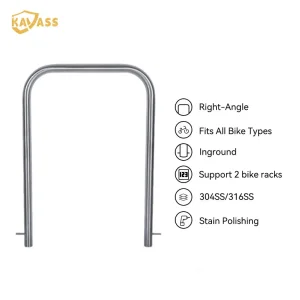
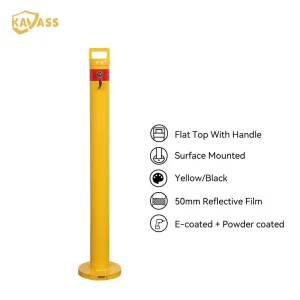
Premium perimeter control, bicycle storage platforms, and secure access systems selected from the KAVASS flagship line.
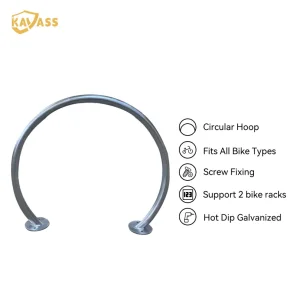
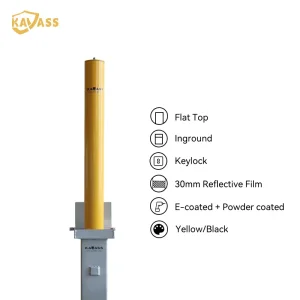
As urban centers accelerate their transition toward sustainable transit networks, the pressure on municipal and commercial micro-mobility spatial design has intensified. The traditional method of single-tier bicycle parking is no longer viable in high-value metropolitan zones where footprint maximization is directly tied to LEED certification points and commercial ROI. ODM Two-Tier Cycle Racks represent a critical paradigm shift in transit-oriented development (TOD) and end-of-trip (EOT) commercial space design.
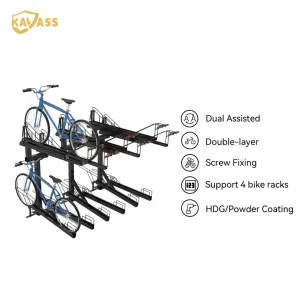
By stacking parking configurations vertically while preserving physical accessibility, two-tier cycle systems double cycle capacity without expanding the structural footprint. However, designing a reliable two-tier platform requires balancing engineering safety factor calculations, structural resilience against cyclic stress, user ease of operation, and long-term corrosion resistance in extreme atmospheric classifications (C3 to C5).
“An optimized two-tier parking project does not simply increase capacity; it secures urban real estate, minimizes user drag during transit transitions, and delivers lifetime compliance with EN ISO 1461 structural standard criteria.”
At KAVASS Security Tech, our 18-year legacy in traffic safety and municipal steel fabrication allows us to leverage precision-engineered ODM manufacturing to resolve these micro-mobility challenges for regional authorities, architects, and global procurement departments.
How Deqing and Zhuji production bases integrate supply chain synergy, automated robotics, and metallurgy expertise to deliver project cost-efficiencies.
Direct proximity to major regional steel hubs in Zhejiang guarantees premium structural S235JR and S355 carbon steel sourcing. This reduces material lead times and insulates international procurement budgets against extreme pricing volatility.
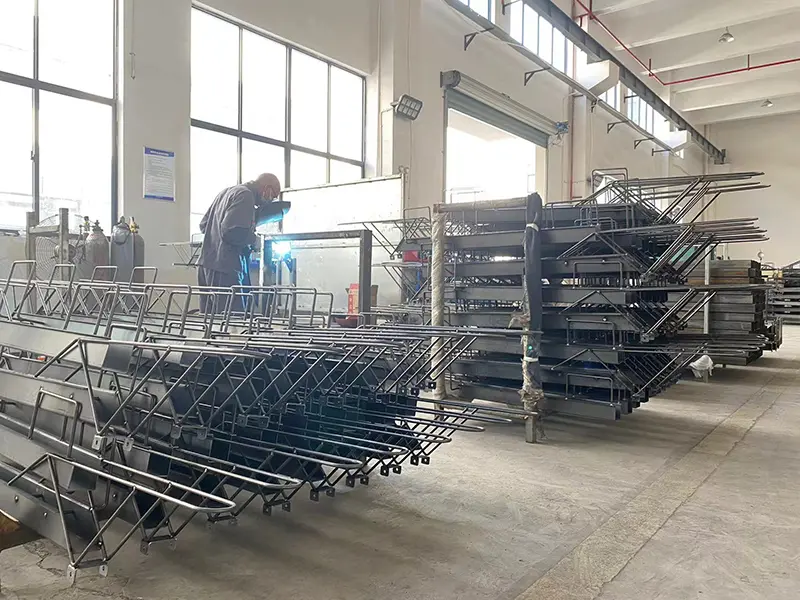
Utilizing state-of-the-art CNC fiber laser tubes and robotic MIG/TIG welding arms ensures that every double-deck rack satisfies dimensional tolerances of under ±0.5mm, critical for smooth track sliding actions.
Our local galvanizing facility delivers deep-bath hot-dip galvanization (conforming to EN ISO 1461 and ASTM A123). This guarantees a dense zinc alloy layer (average 85 μm thickness), defending against humidity, salt-spray, and mechanical abrasions.
The mechanical principles behind high-efficiency, gas-assisted two-tier bicycle storage racks.
To ensure compliance with municipal ergonomic guidelines (such as the Dutch FietsParleur and German DIN 79008 standards), our upper-tier tracks utilize integrated industrial nitrogen gas struts. By converting kinetic energy during the downward pull, these pistons decrease the required lifting force to less than 15 kilograms. This guarantees accessibility for elder commuters and individuals with limited physical strength, reducing transit operator liability.
Optimizing user clearance requires precise math. Our standard configurations employ a center-to-center rack pitch of 375mm to 400mm. The upper tiers are staggered in height relative to the lower tiers by 150mm to 200mm. This prevents handlebar and basket entanglement, allowing users to park and retrieve bikes simultaneously without collision. Minimum dynamic aisle spacing is calculated at 2000mm to facilitate comfortable 90-degree turning circles.
Security is paramount in urban transit nodes. KAVASS two-tier systems integrate robust, heavy-gauge solid steel locking hoops welded directly to the main structural frame. This layout permits users to lock both wheels and the bicycle frame simultaneously using standard D-locks or chain locks. High-grade polymer wheel cradles prevent wheel buckling and isolate direct metal-to-metal friction, protecting the bike's frame.
For coastal installations and high-pollution transport terminals, our ODM service includes secondary polymer powder coating layered on top of the primary hot-dip galvanized coating (Duplex System). This chemical barrier blocks chloride ions and acid rain compounds, preventing sub-surface oxidation and extending structural life past 25 years with zero cosmetic maintenance.
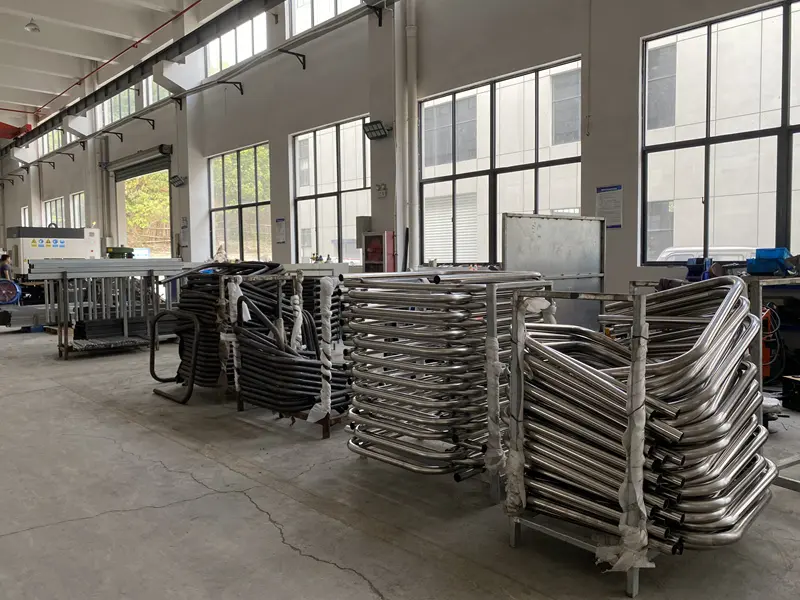
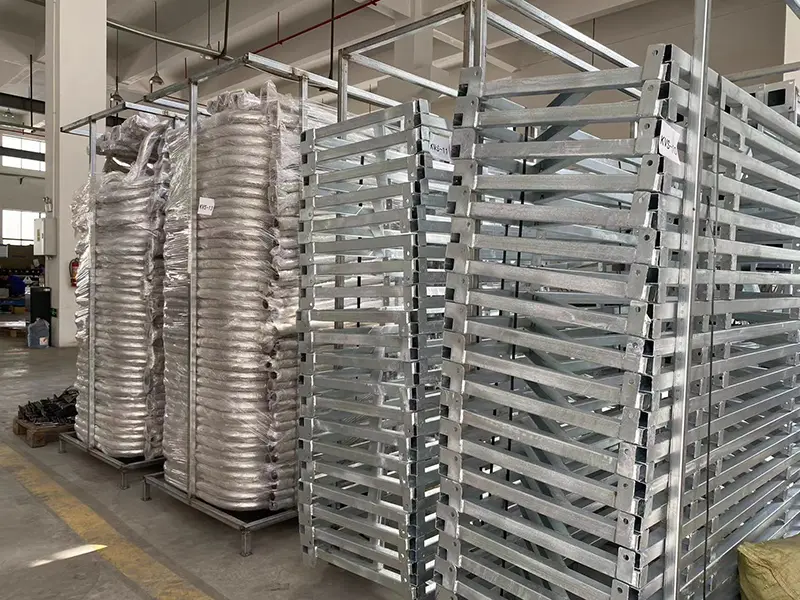
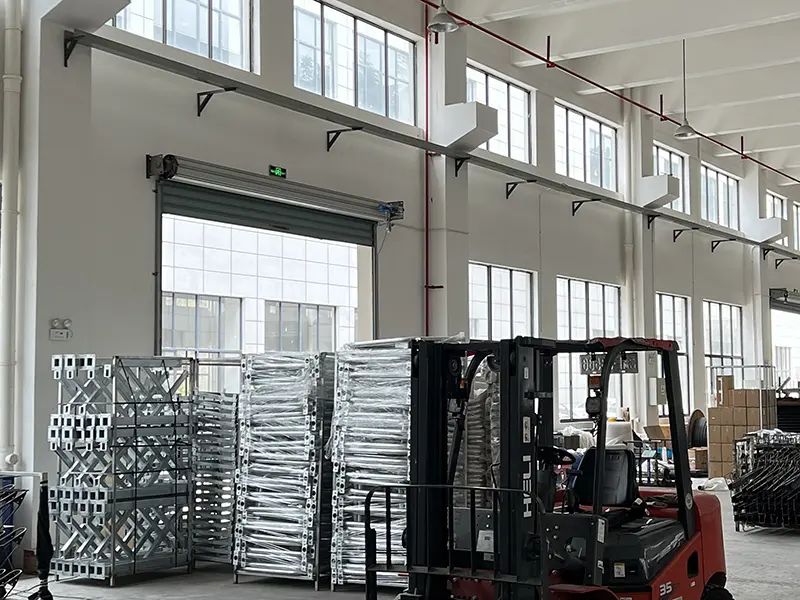
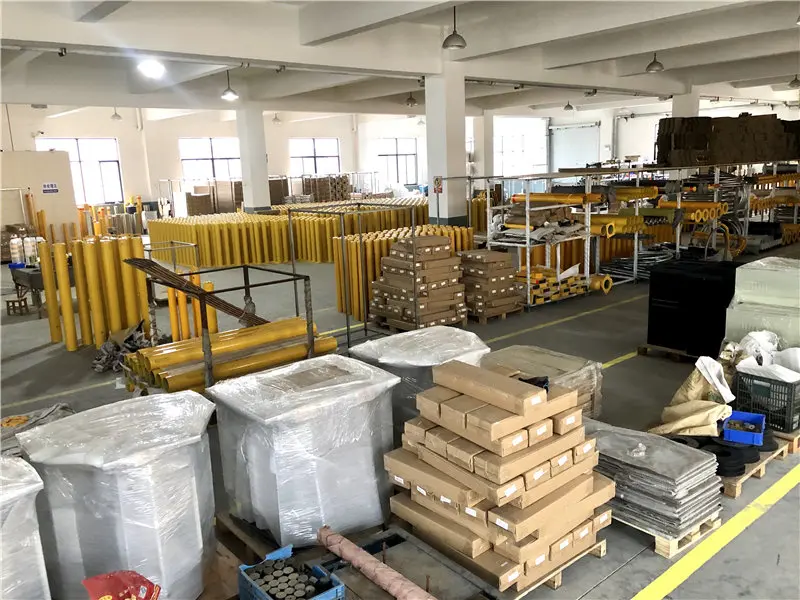
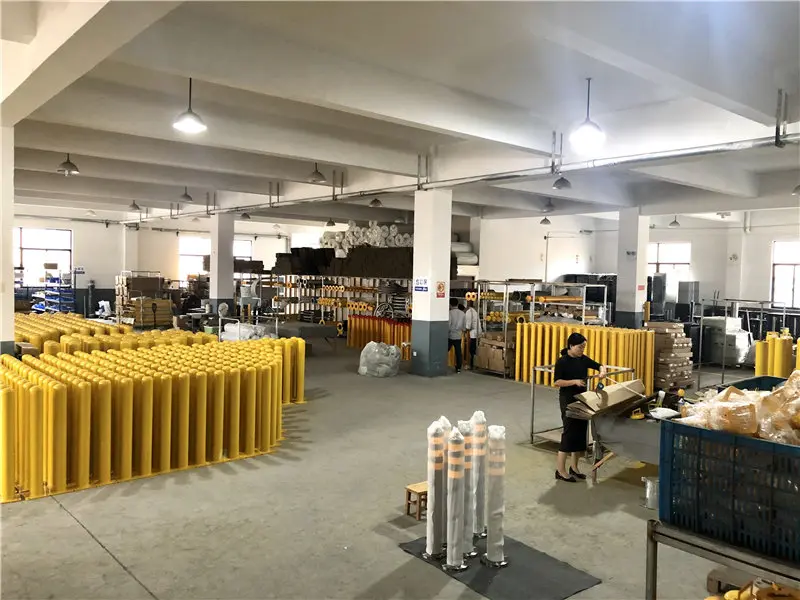
A closer look inside the Deqing and Zhuji production plants, housing over 18 years of safety engineering expertise.
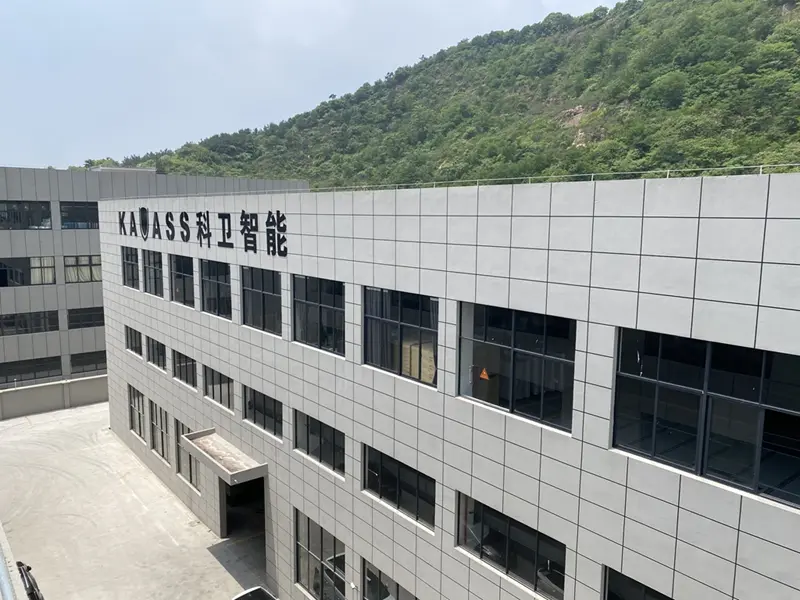
KAVASS Security Tech Limited is a professional manufacturer focused on traffic safety and perimeter protection solutions, with more than 18 years of industry experience. We specialize in the design, production, and supply of a wide range of products, including parking locks, bollards, bike racks, and other urban infrastructure equipment.
By integrating product development, manufacturing, and after-sales support, we provide efficient one-stop solutions tailored to the needs of global clients. Our production base is equipped with advanced machinery and modern manufacturing processes, supported by a skilled engineering and quality control team.
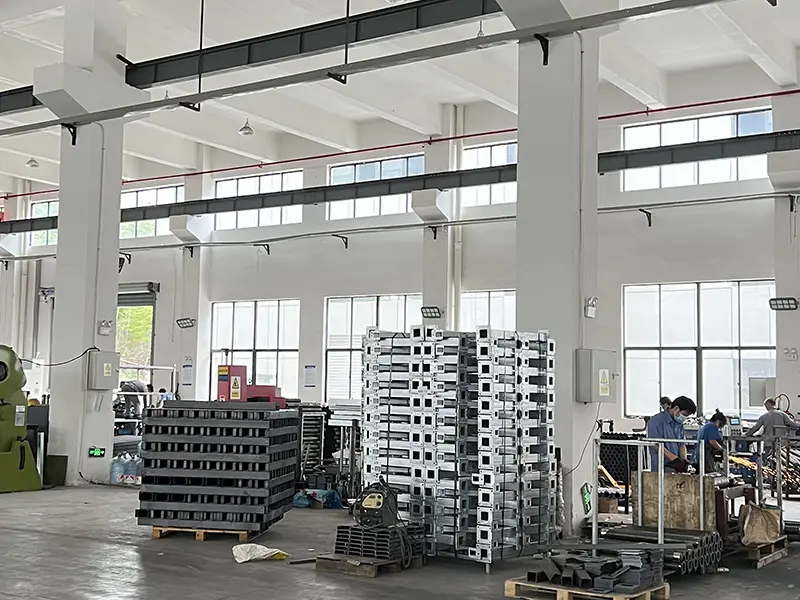
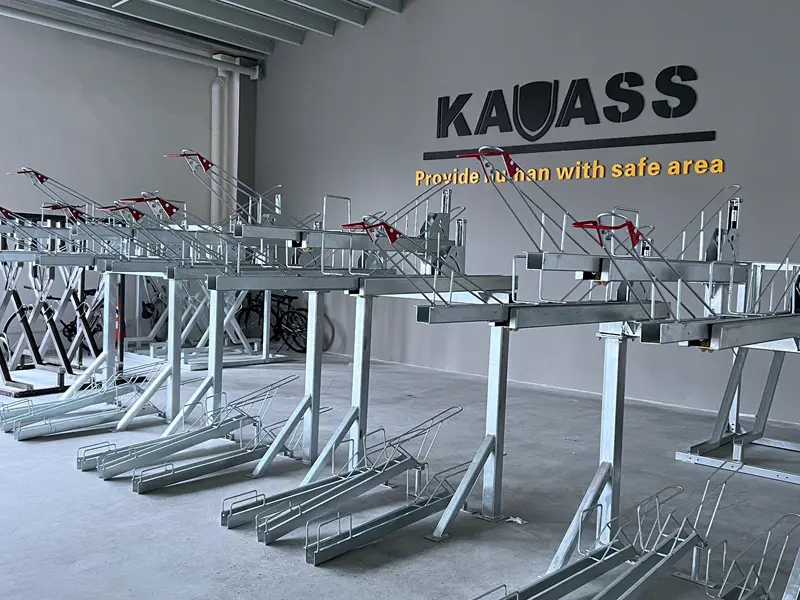
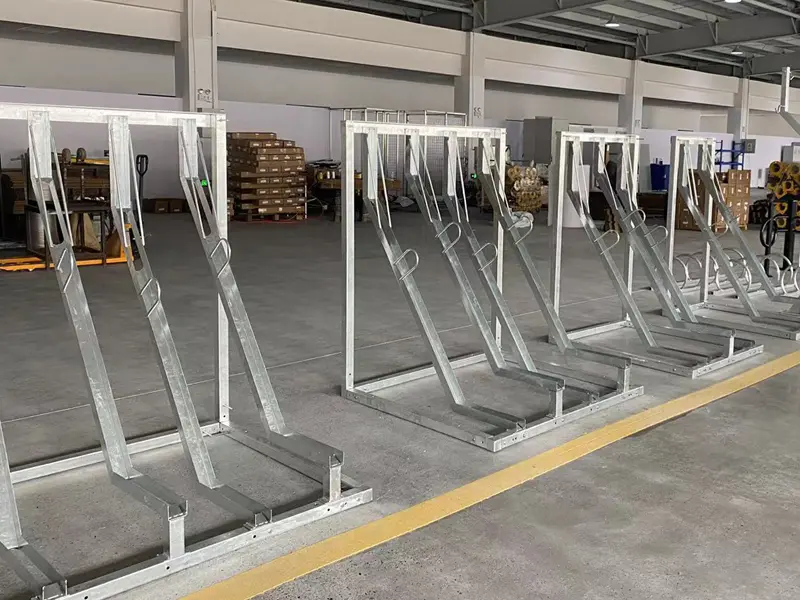
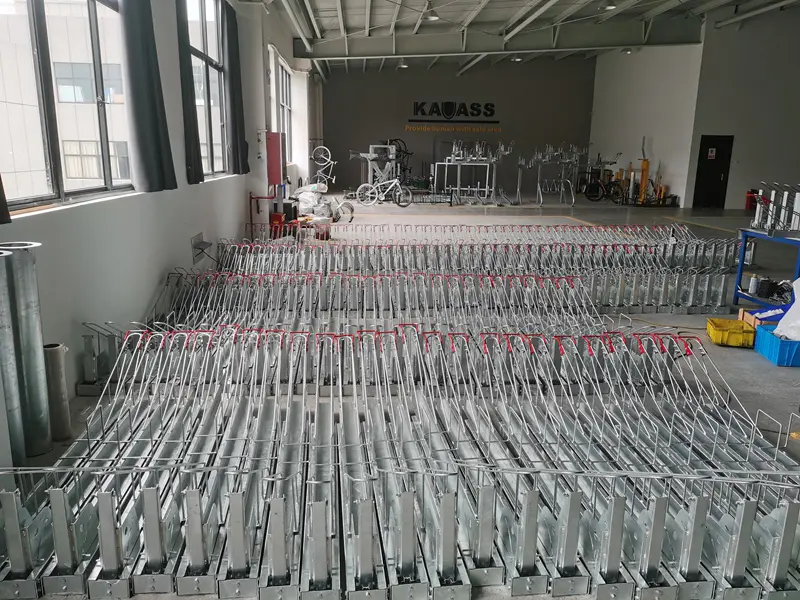
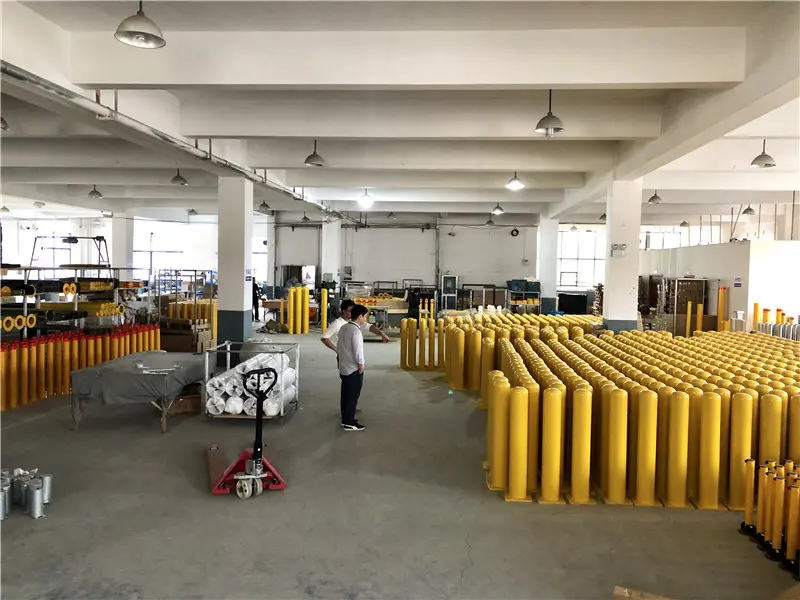
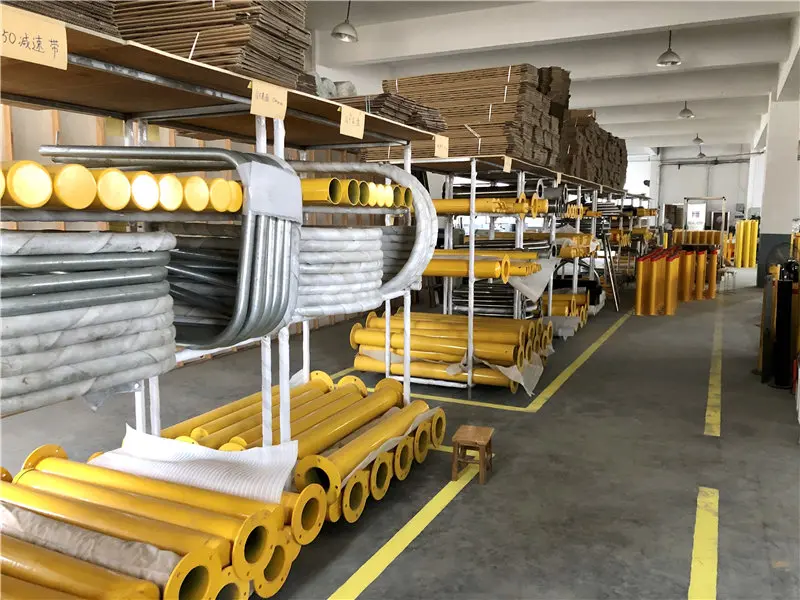
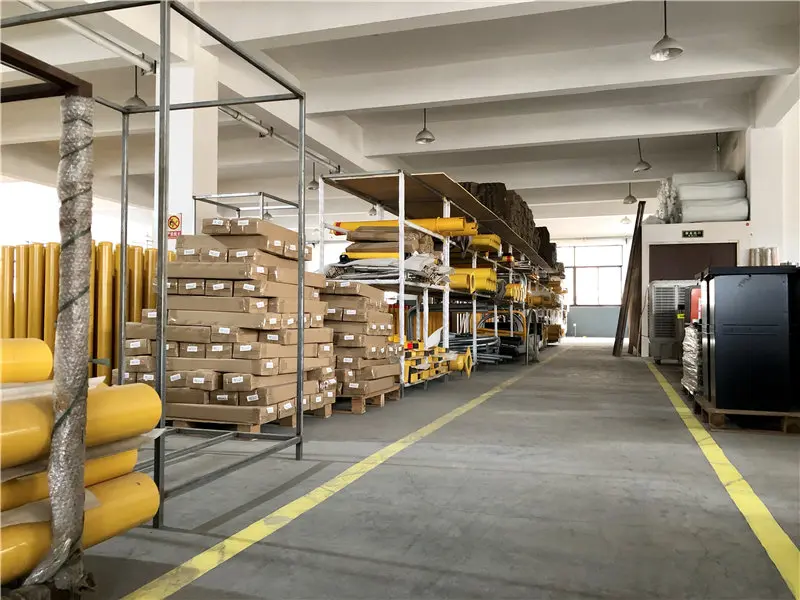
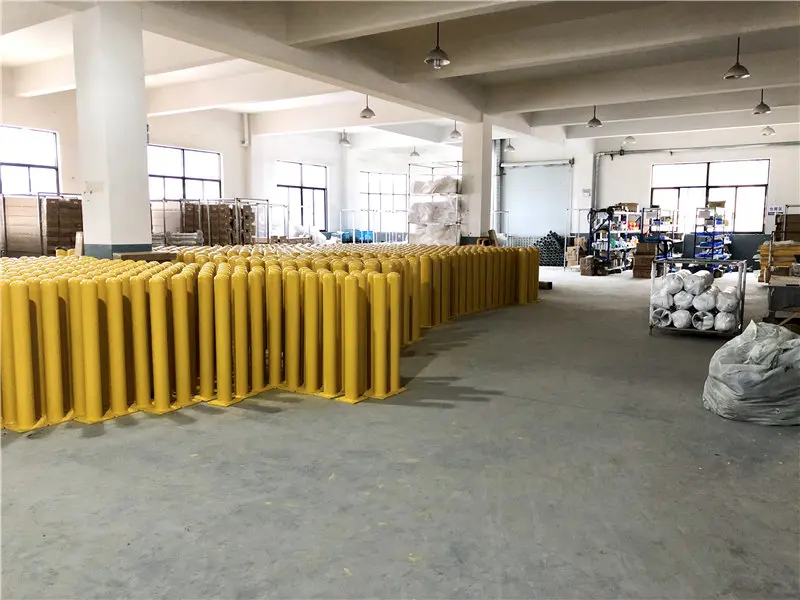
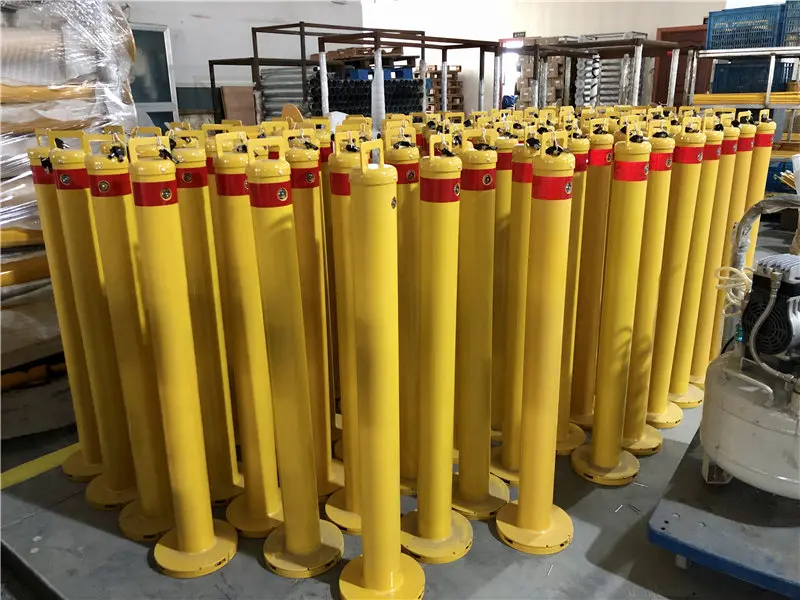
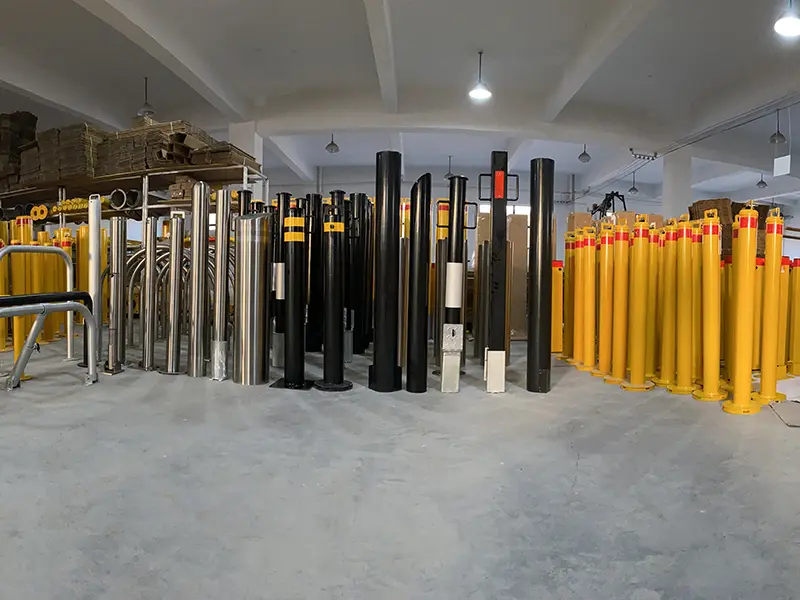
Bicycle storage systems are no longer isolated equipment; they form a core component of the broader municipal transit grid. The deployment of two-tier racks demands careful architectural alignment to balance pedestrian safety, spatial efficiency, and anti-theft design requirements.
High-volume regional transport hubs demand high-capacity, durable cycle networks. In these settings, cycle racks experience constant mechanical strain. Standard configurations include gas-assist dual-spring racks designed to handle diverse commuter bike geometries, including heavy e-bikes and cargo-assisted frames. Integrating clear visual cues, anti-slip guidance tracks, and robust mechanical locks ensures rapid transitions for commuters moving between cycling and rail travel.
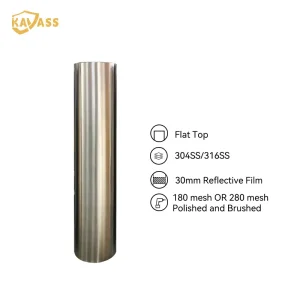
Premium office towers looking to secure high BREEAM or LEED ratings must dedicate significant, high-quality indoor space to cyclist facilities. Our ODM service delivers customized finishes—such as textured powder coating or satin-finished 316-grade stainless steel—that complement luxury office lobbies. Integrated charging sockets can also be built into the bike rack tracks, allowing hybrid commuters to charge their e-bikes while parked.
Residential developers must optimize space in underground parking structures to balance bike parking mandates with car parking allocation. Two-tier racks allow designers to maximize unit-to-space yields. Features like auto-return tracks and dampening systems prevent fingers from getting pinched and limit noise transmission, maintaining a peaceful, safe residential environment.
Explore KAVASS Security Tech's fully integrated municipal security and site furniture solutions.
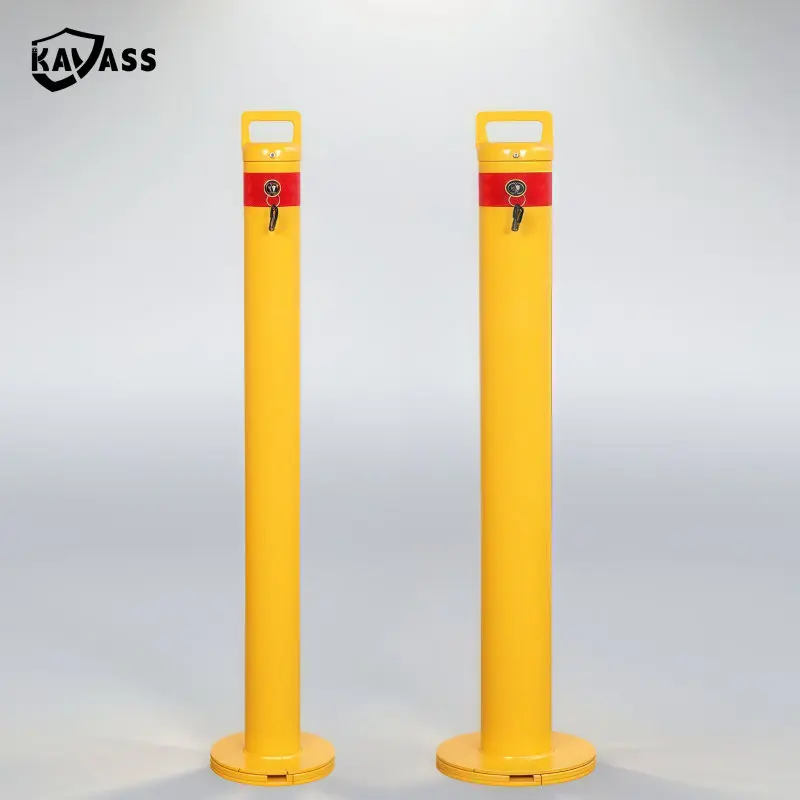
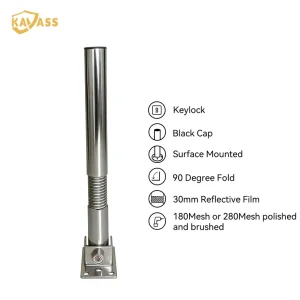
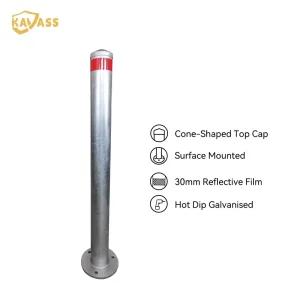
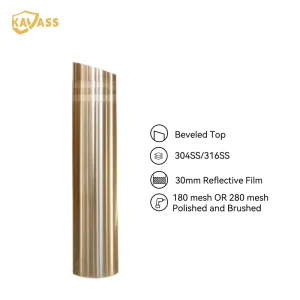
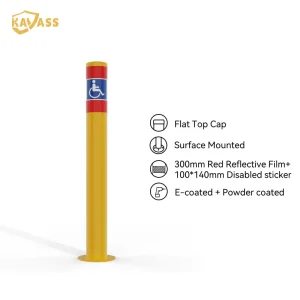
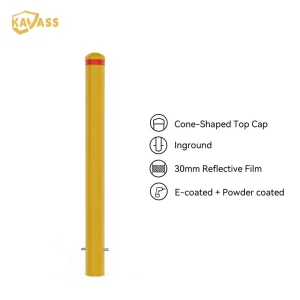
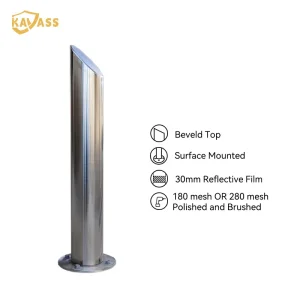
Fixed, fold-down, telescopic, removable, automatic, and lighting bollards for perimeter security and access control.
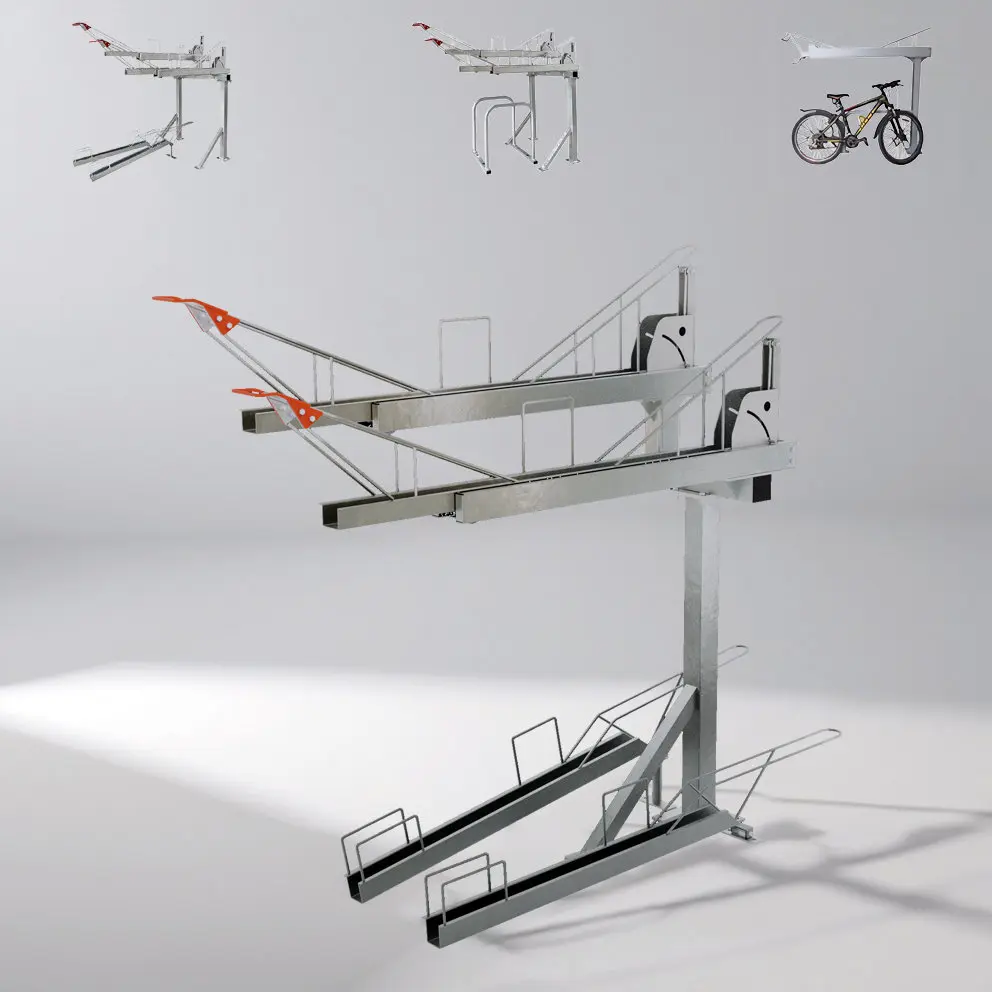
Durable and space-saving bicycle parking systems for commercial and residential areas.
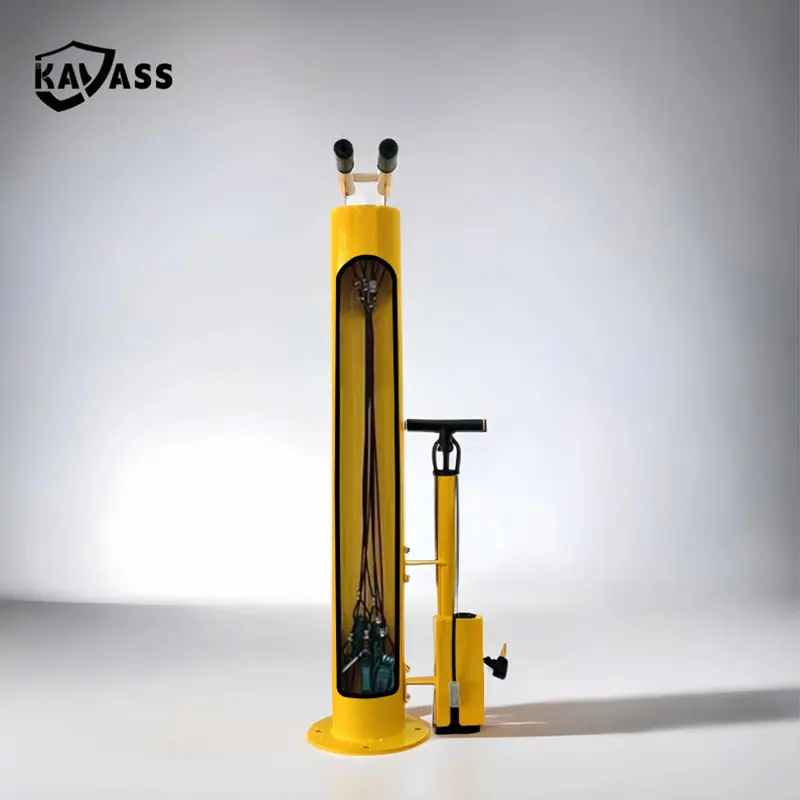
Safety barriers, guardrails, and protective equipment for industrial and construction environments.
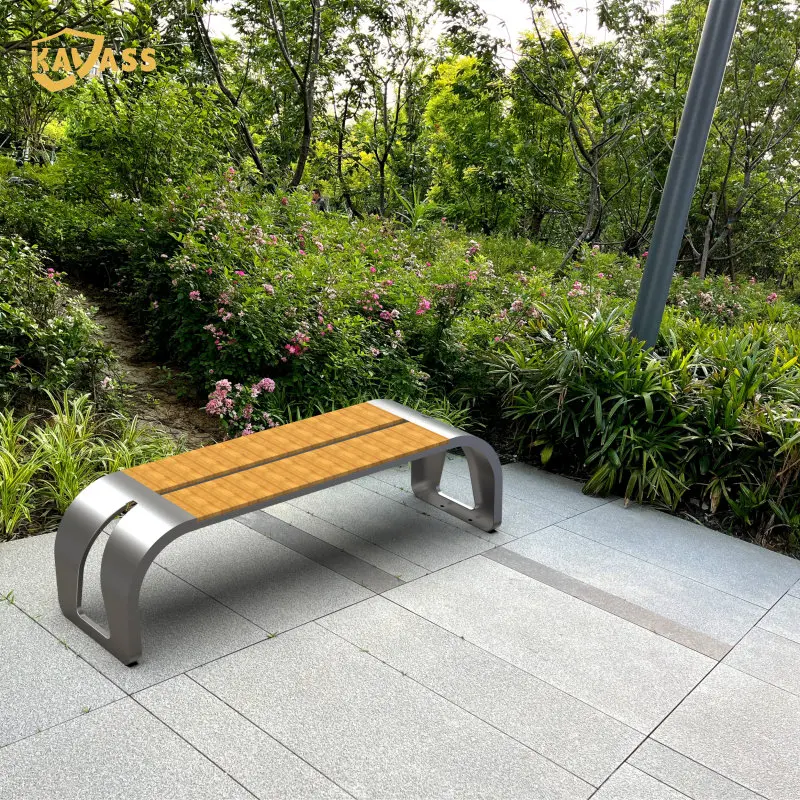
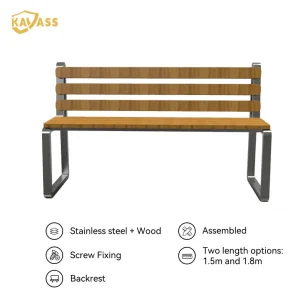
Benches, bins, and other customized outdoor furniture solutions for public spaces.
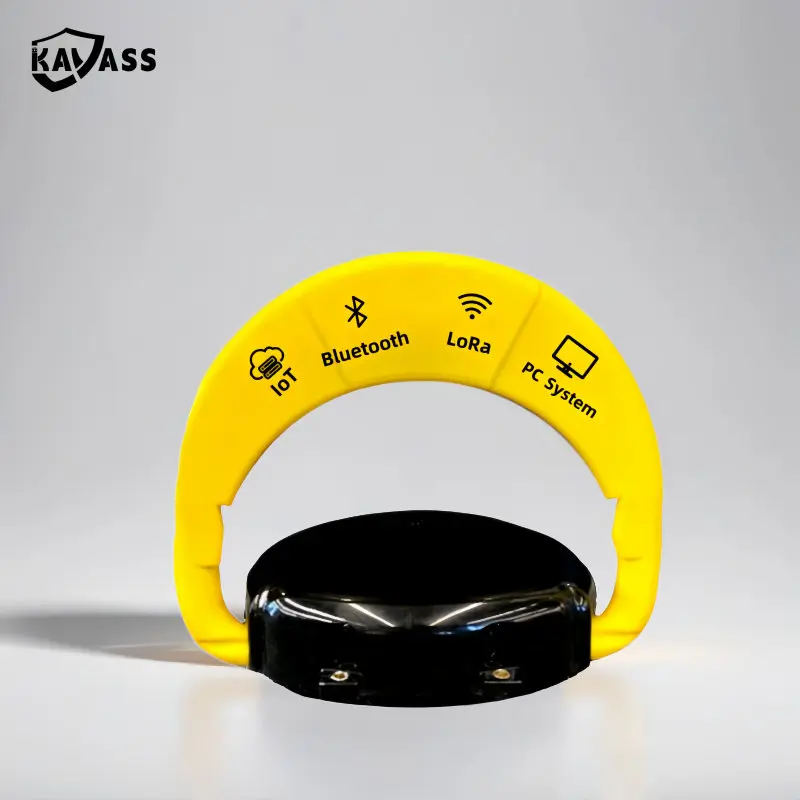
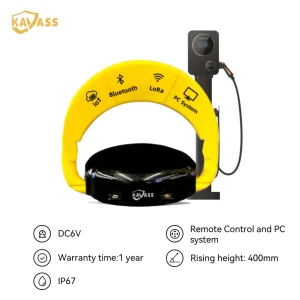
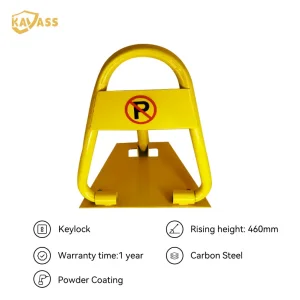
Manual, remote-controlled, solar, and IoT smart parking locks for modern parking management.
Engineered variations designed to maximize storage configurations in complex spatial foot prints.
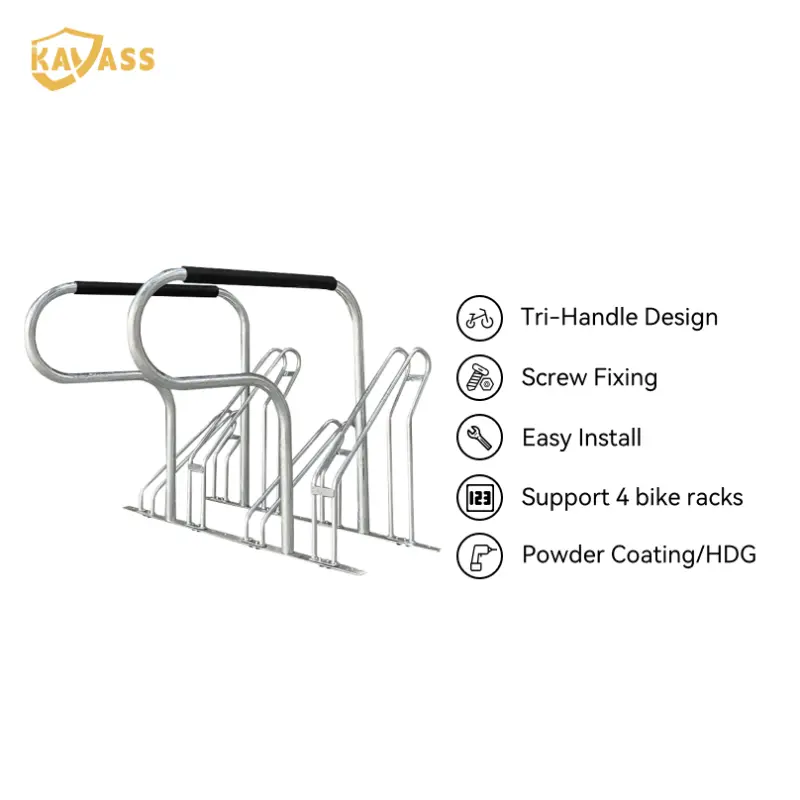
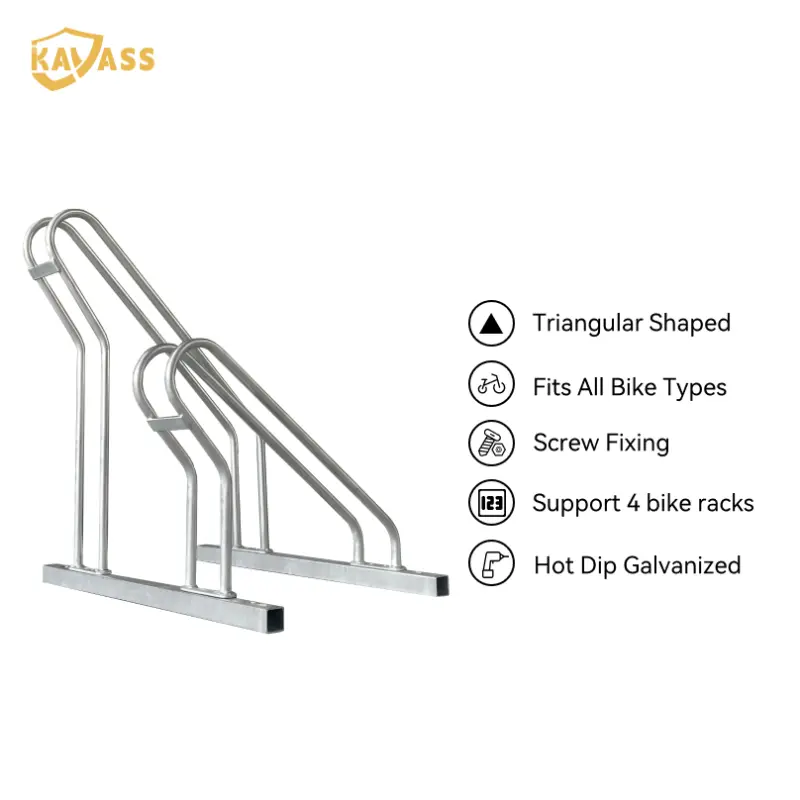
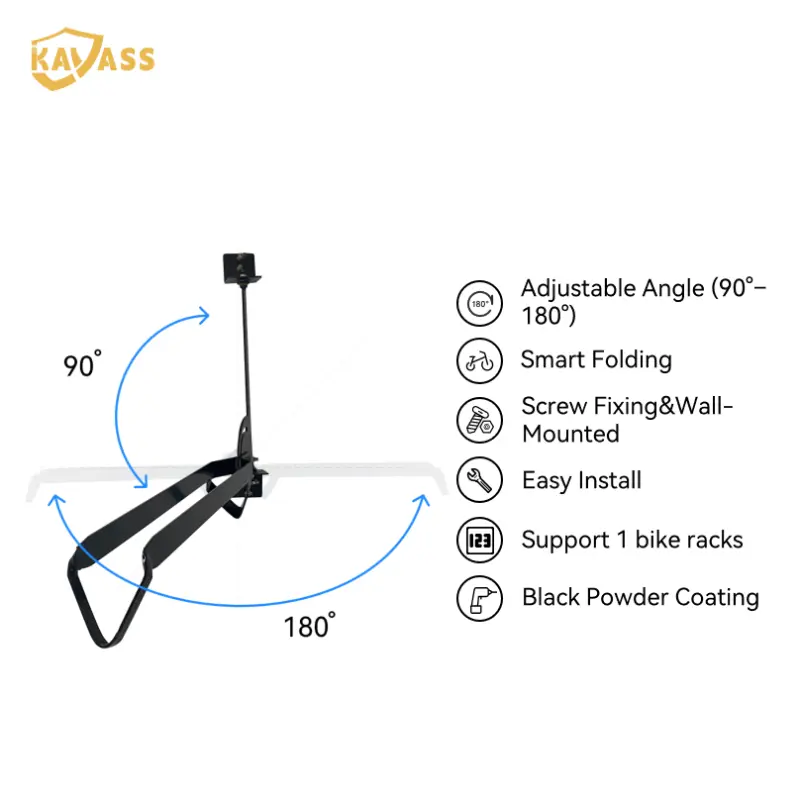
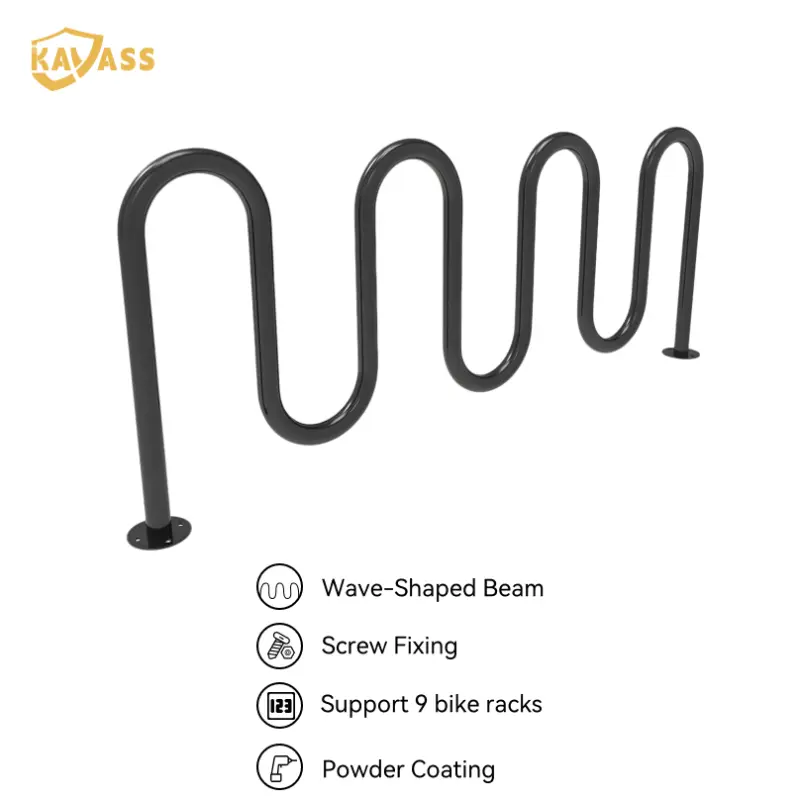
Crucial structural, operational, and procurement queries answered by our senior engineering team.
When you are interested in any of our products after viewing our product list, you are welcome to contact us for consultation at any time. You can send us an email or reach out to us directly for consultation, and we will reply to you as soon as possible.
Export Operations: Serving over 80 countries worldwide
ODM/OEM Support: Project specifications, customized sizing, and brand engraving available
Explore KAVASS's heavy-duty traffic bollards, smart parking locks, and urban access infrastructure.
 KAVASS