Integrating critical logistics facilities with high-performance impact protection systems and storage safety devices.
In modern industrial facilities, chemical plants, pharmaceutical laboratories, and high-tech manufacturing assembly zones, environmental health and safety (EHS) regulations dictate rigorous storage protocols for hazardous substances. Specifically, the processing, transport, and static storage of flammable, combustible, and toxic chemicals present a massive thermal risk profile. High-quality OEM hazardous material storage cabinets act as the primary defense against devastating chemical fires, containment breeches, and regulatory fines.
As a global partner in critical industrial infrastructure and site protection systems, KAVASS Security Tech Limited leverages its 18+ years of high-tolerance metal manufacturing experience to explore the complex engineering parameters of hazardous material containment. Designing an industrial hazmat cabinet requires more than just bending sheet metal—it demands adherence to international regulatory standards, understanding thermodynamic principles of air insulation, and applying high-durability surface finishes to resist volatile chemical atmospheres.
"Under NFPA Code 30 and OSHA 1910.106 guidelines, the storage of Class I, II, and III flammables must be restricted to fire-rated containment vessels that prevent structural failure and temperature runaways during localized emergency outbreaks. Quality engineering saves lives and safeguards high-value enterprise machinery."
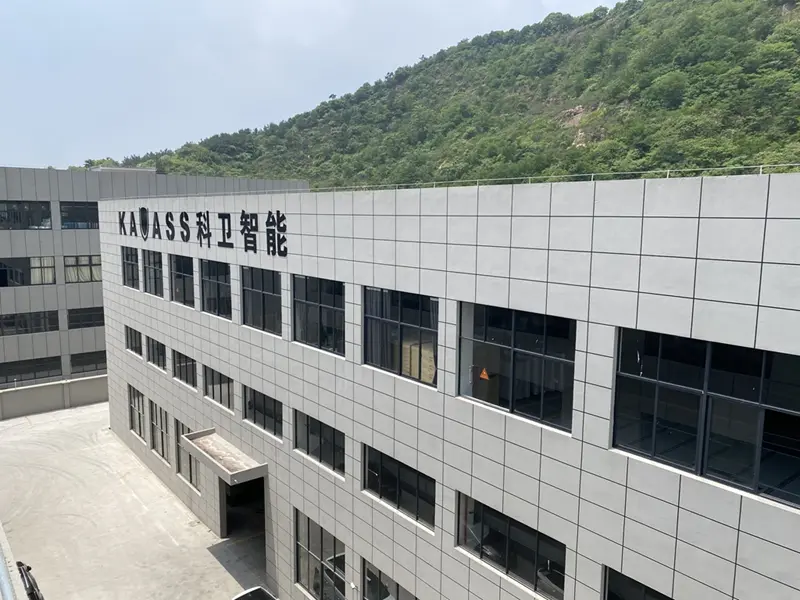
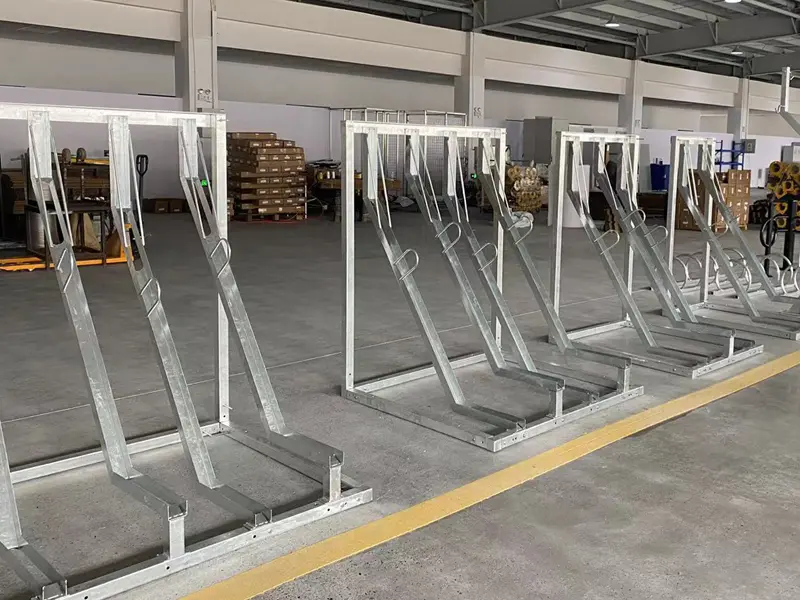
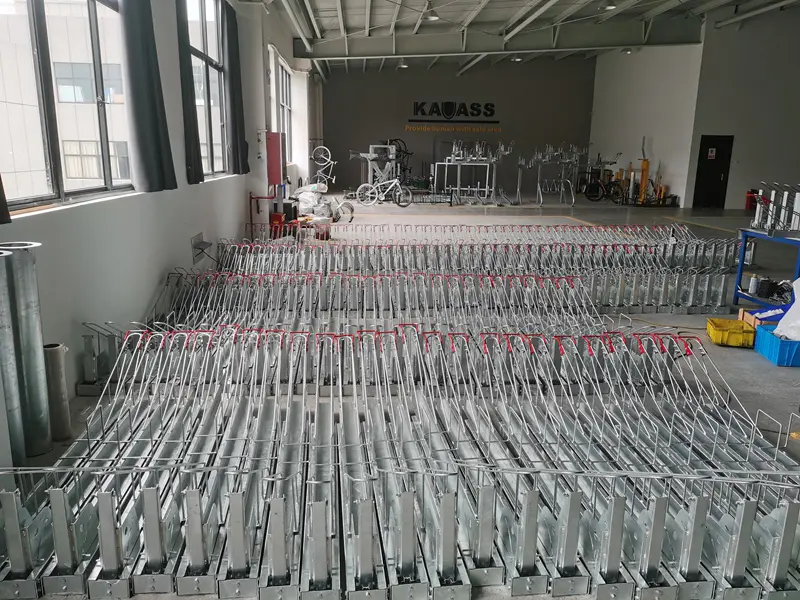
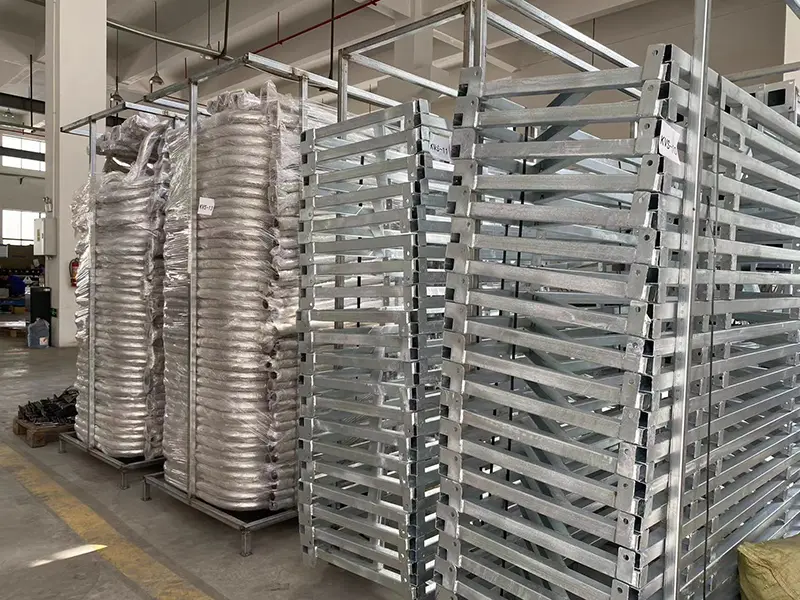
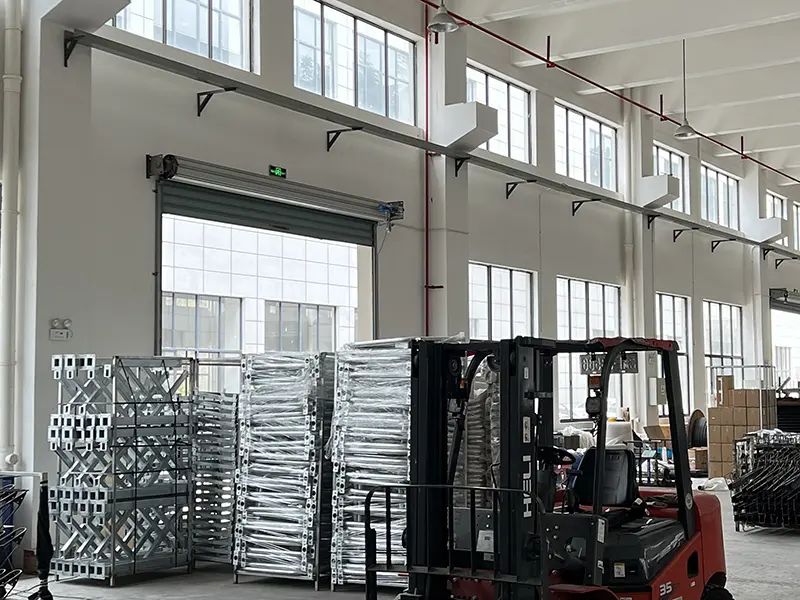
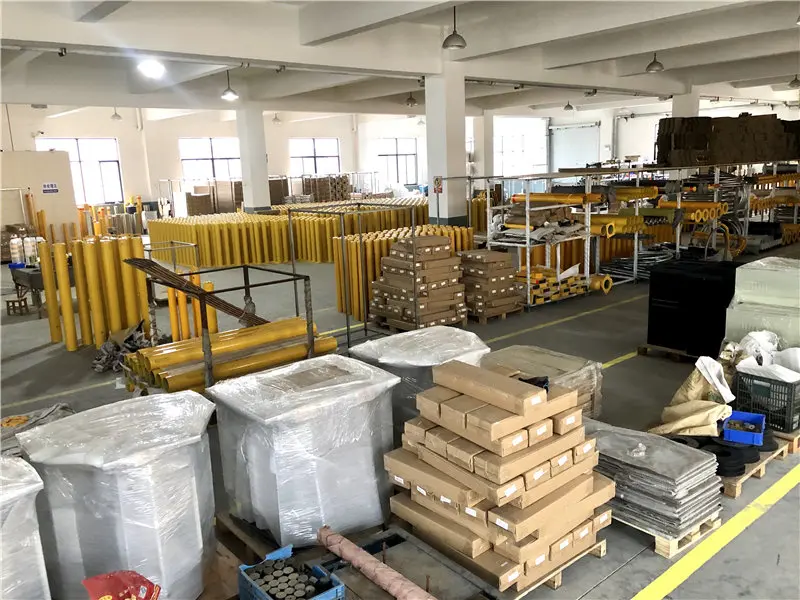
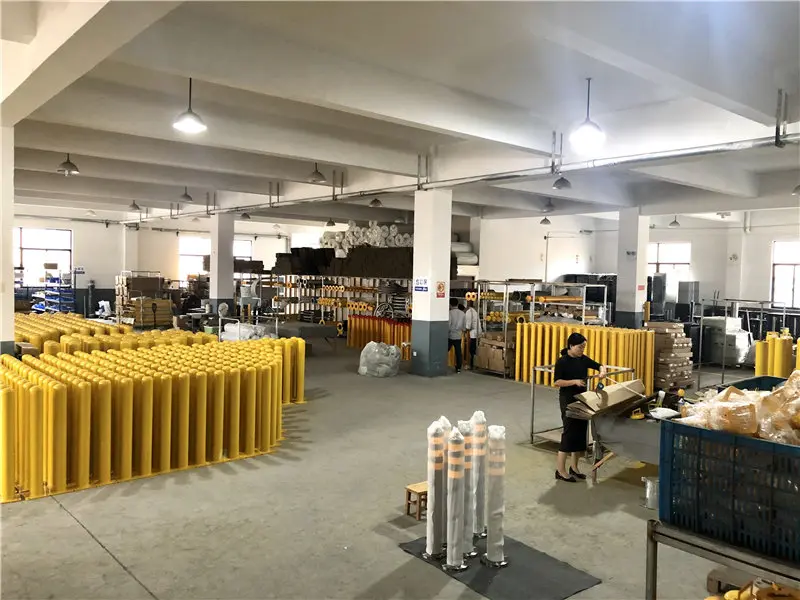
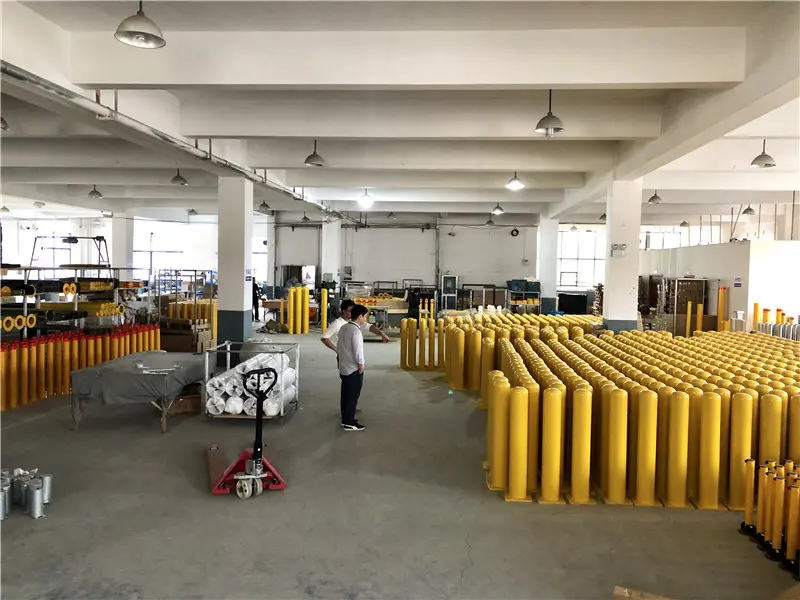
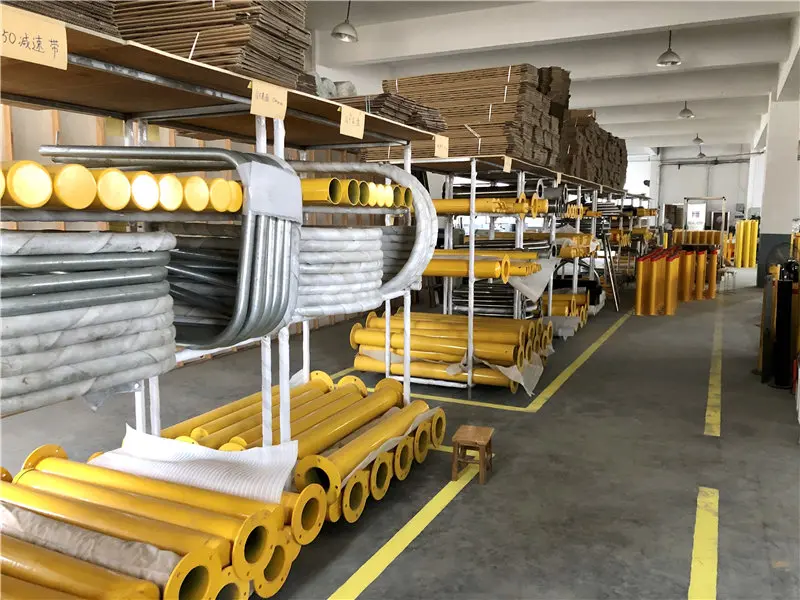
A snapshot of our global operations, precision manufacturing capacity, and safety compliance records.
Understanding the component breakdown of a premium chemical storage cabinet allows procurement managers and EHS engineers to distinguish compliant safety products from sub-standard models. Below, we dissect the core elements of KAVASS-engineered heavy duty industrial cabinets.
Fabricated using 1-mm cold-rolled steel sheet metal with a 1.5-inch (38mm) insulating air gap. This specialized configuration prevents flashover temperatures from igniting volatile solvents kept inside the cabinet during exterior thermal emergencies.
An integrated 2-inch (51mm) deep leak-proof sump at the base is standard across all yellow, red, and blue storage cabinets. This basin prevents hazardous liquid spills from escaping the unit and contaminating the factory floor.
Strategically positioned upper and lower vents are fitted with flame arrestor screens. They allow proper ventilation to mitigate dangerous vapor build-up while blocking external ignition sources from triggering flashbacks.
One of the failure modes in industrial cabinet fires is structural door warping, which allows direct flames to reach internal canisters. The inclusion of a 3-point self-latching system featuring high-strength stainless steel latch bolts ensures positive engagement. To facilitate ease of use under routine operation, cabinets are configured with either manual doors that open to a full 180 degrees, or self-closing doors utilizing fusible links. The fusible links automatically melt at 165°F (74°C) under high-heat scenarios, automatically closing and sealing the doors to suppress structural fire spread.
Dispensing flammable liquids from internal drums requires the mitigation of static electrical discharge. Standard OEM storage cabinets are equipped with built-in grounding connectors (lugs) on the outer side panels. Connecting a copper ground wire directly from the cabinet to a structural ground rod dissipates static build-up, preventing sparking when operators transfer materials or draw samples.
Why global enterprises, OEMs, and safety equipment distributors partner with Chinese fabrication specialists.
Modern Chinese manufacturing facilities have evolved far beyond manual labor. KAVASS security and industrial safety production plants deploy state-of-the-art fiber laser cutting machines, high-precision CNC press brakes, and automated robotic welding cells. By minimizing human error in critical welding steps, we ensure that every double-walled cabinet maintains perfect dimensional stability, hermetic seams, and precise door alignments.
Located in core Chinese industrial clusters (such as Deqing and Zhuji), our manufacturing bases have direct access to high-grade local steel mills. This localized supply chain yields structural cost advantages in sourcing top-tier 18-gauge cold-rolled carbon steel. In addition, our high-volume coating systems utilize advanced thermosetting powder coatings that resist corrosive acids and alkalis, providing extreme wear resistance in chemical processing environments.
Every facility has unique spatial profiles. Chinese OEM specialists can easily modify cabinet footprints, shelf configurations, door styles (bi-fold, sliding, self-close), and safety label localizations (multilingual warnings, custom warning placards). Whether your market requires standard Yellow cabinets for flammables, Red for paints and inks, Blue for corrosives, or Green for toxic agrochemicals, Chinese factory floors are optimized for fast color runs and bespoke dimension configurations.
Raw Material Sourcing: SPHC / SPCC industrial steel grades with high mechanical load limits.
Welding Integrity: Automated spot welding combined with continuous CO2 shielded welding to seal internal air cavities.
Finishing Technology: Multiple-stage pre-treatment (pickling, phosphating, acid wash) followed by epoxy-polyester powder baking at 200°C.
Testing Protocols: In-house testing for fire deflection limits, door swing longevity (up to 50,000 cycles), and load capacities for interior adjustable shelves (up to 120 kg per shelf level).
Combining 18 years of traffic safety and perimeter protection expertise to secure industrial spaces globally.
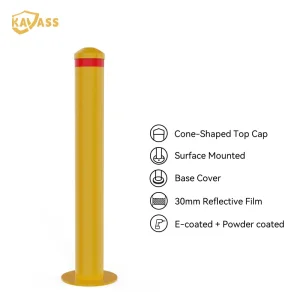
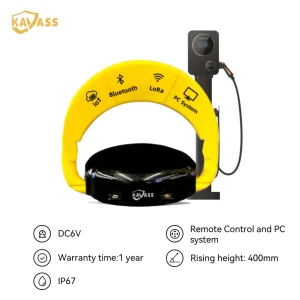
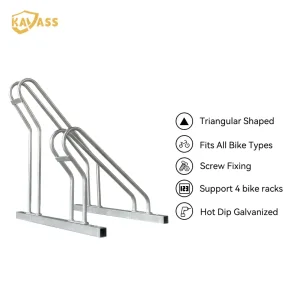
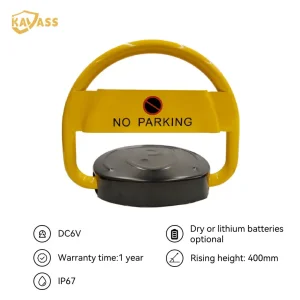
KAVASS Security Tech Limited is a professional manufacturer focused on traffic safety and perimeter protection solutions, with more than 18 years of industry experience. We specialize in the design, production, and supply of a wide range of products, including parking locks, bollards, bike racks, and other urban infrastructure equipment. By integrating product development, manufacturing, and after-sales support, we provide efficient one-stop solutions tailored to the needs of global clients.
Our production base is equipped with advanced machinery and modern manufacturing processes, supported by a skilled engineering and quality control team. From raw material selection to final inspection, every step is carefully managed to ensure consistent product performance and long-term reliability. This enables us to meet the demands of various applications, from standard products to customized project requirements.
Driven by a commitment to quality, practicality, and continuous improvement, KAVASS aims to deliver products that combine functionality with long-term value. We strive to support our partners with reliable solutions that enhance safety, optimize space management, and contribute to more efficient urban environments.
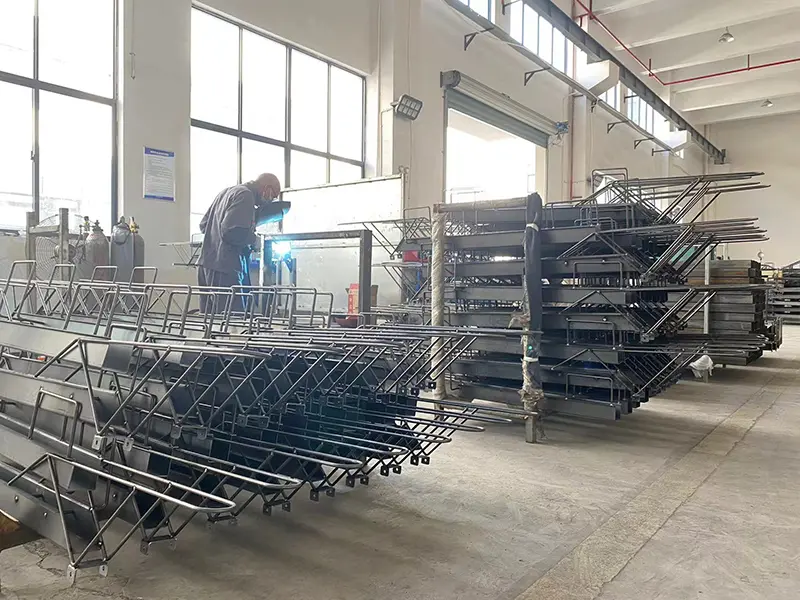
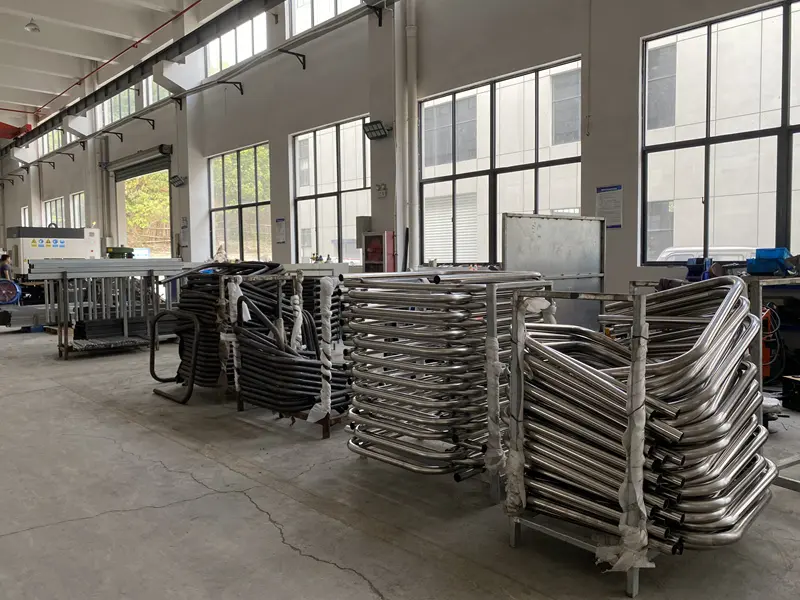
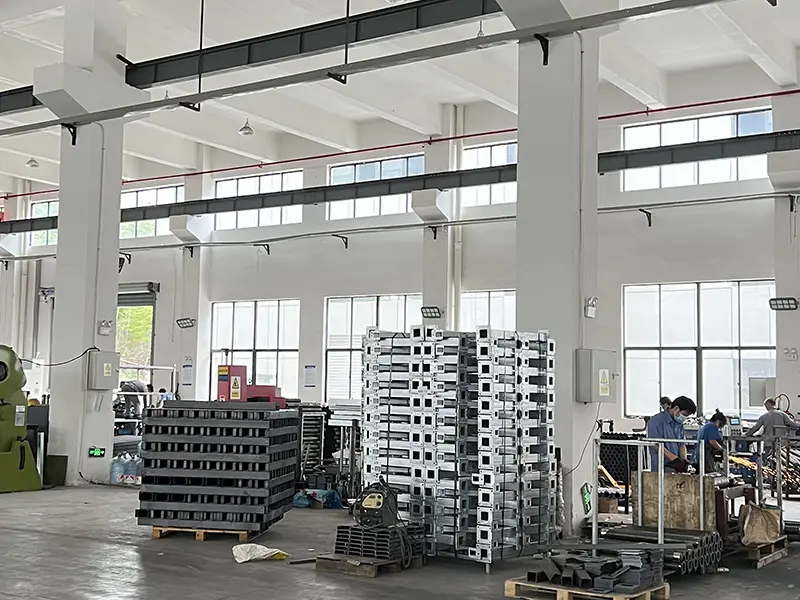
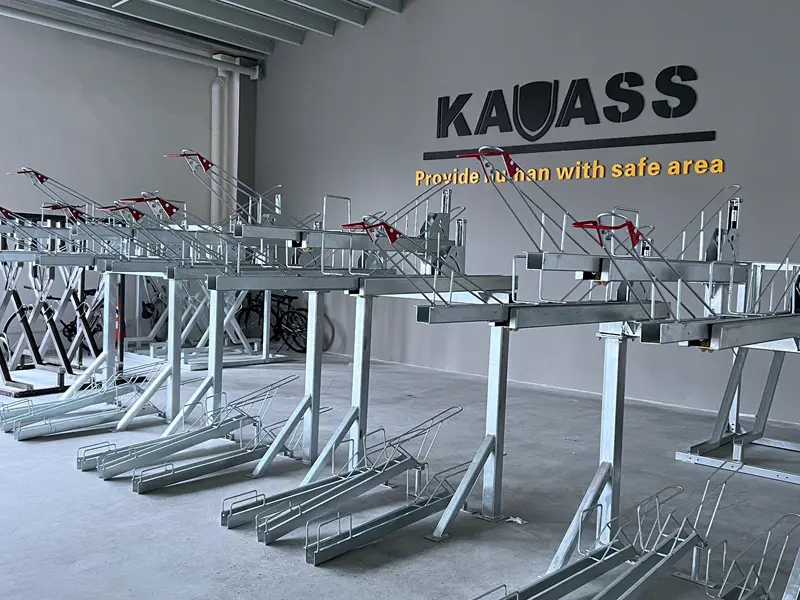
Under modern factory design rules, safety is treated holistically. A dangerous chemicals warehouse cannot rely solely on the walls of a storage cabinet; it must be backed by structural perimeter barriers to protect cabinets from high-velocity impact from material handling equipment like forklifts.
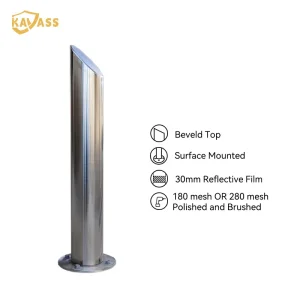
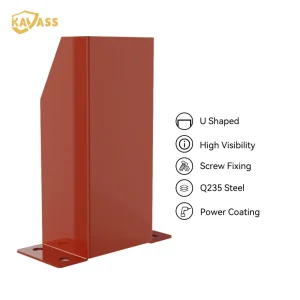
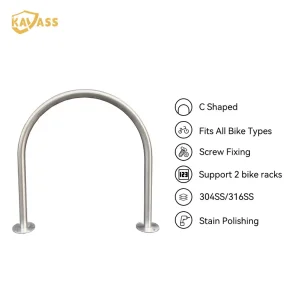
This is where the synergies of KAVASS’s product line come into play. By pairing our industrial racking guards, heavy duty steel bollards, and structural barriers with hazardous material cabinets, we create a layered security envelope:
How chemical safety and physical protection components deploy across key industrial verticals.
Requires strict storage segregation of incompatible reagents (e.g., separating oxidizing agents from flammables). Compact counter-top or under-bench acid storage cabinets with chemical-resistant HDPE trays protect laboratory staff and facilitate neat workspace ergonomics.
Automotive assembly relies heavily on large quantities of aerosol cans, solvent-based paints, thinners, and combustible bonding agents. Large 90-gallon drum cabinets with manual-close options provide bulk containment under rapid access configurations.
Fulfillment centers storing dangerous consumer goods (batteries, solvents) deploy rows of hazmat cabinets integrated with heavy-duty structural warehouse rack protection guards to maintain continuous operation and fire safety compliance.
Technical answers regarding hazardous material storage cabinets, factory testing, standards, and import logistics.
Explore our complete range of structural carbon steel and stainless steel street furniture and access control hardware.
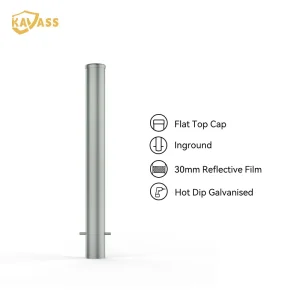
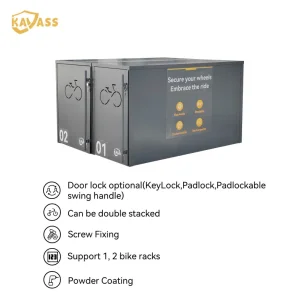
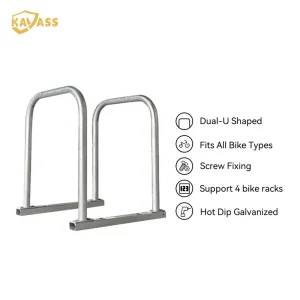
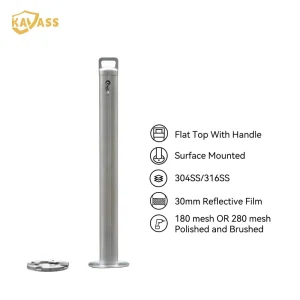
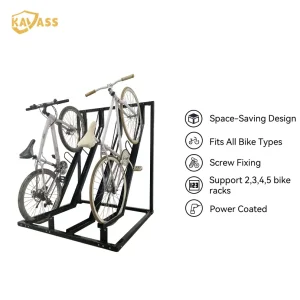
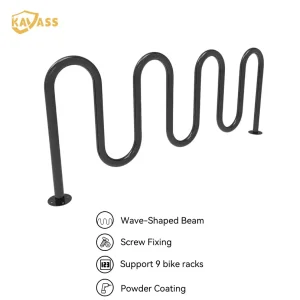
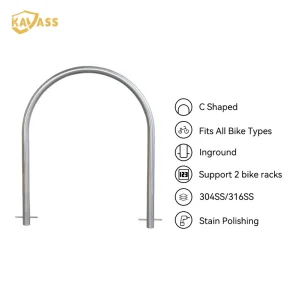
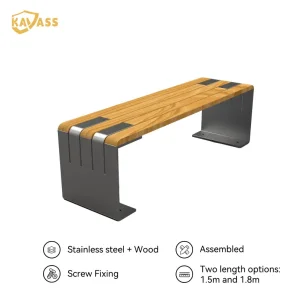
Do you have technical questions about storage capacities, NFPA compliance, or custom OEM cabinet dimensions? Contact our Chinese production facility for a direct technical consultation and bulk pricing quotation.
We are committed to delivering products that combine structural functionality with long-term commercial value. Reach out directly for support, samples, or to arrange a factory inspection.
Corporate Base: Zhejiang Province, China
Direct Inquiry Channel: Send us an email or reach out via our online contact portal. We reply within 24 hours.
Let us help you design and manufacture safety-compliant industrial cabinets for your local market.
 KAVASS