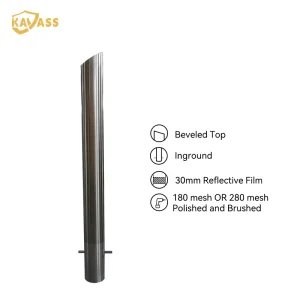
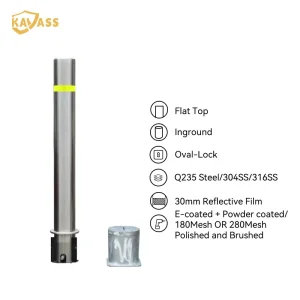
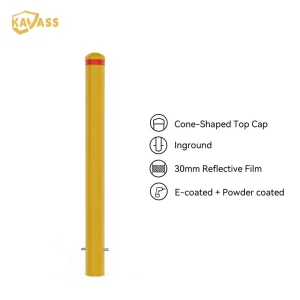
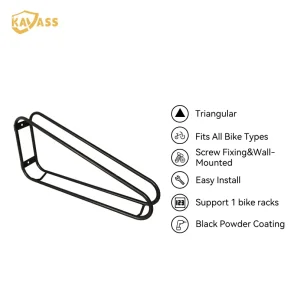
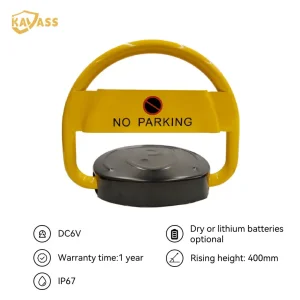
Direct supply options optimized for public parks, multi-modal transport hubs, and streetscape developments.
Greater Sydney is executing vast master plans encompassing structural upgrades across Eastern Harbour, Central River, and Western Parkland Cities. This decentralization and regional growth cycle trigger demand for public domain infrastructure that merges architectural elegance with mechanical integrity. The coastal environment presents localized corrosion challenges, while extreme urban heat requires heat-mitigating material choices.
"Public street furniture must endure diverse environments, from the high-salinity zones of Circular Quay and Darling Harbour to the extreme summer temperatures of Penrith and Parramatta."
KAVASS addresses these requirements by integrating Grade 316 stainless steel, heavy-duty hot-dip galvanization, and resilient composites to support asset longevity and lower municipal lifecycle costs.
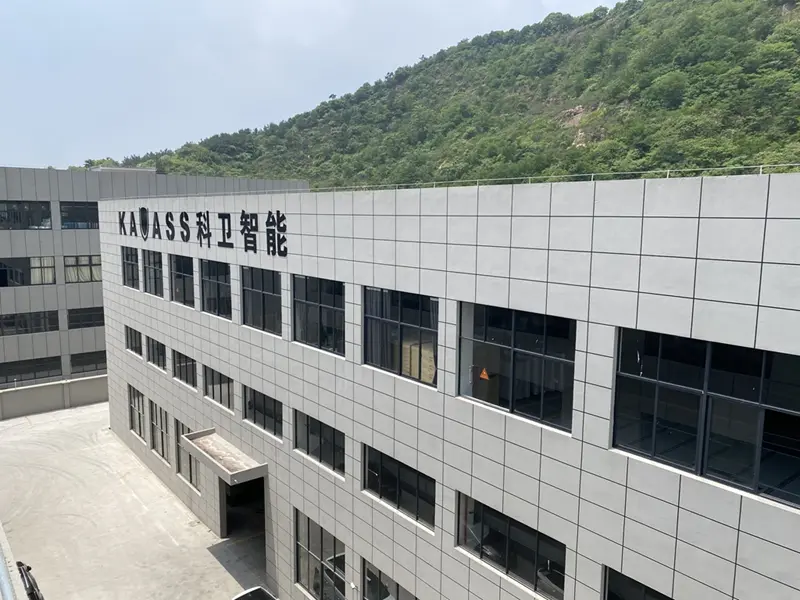
18+ years of dedicated engineering and advanced manufacture of high-level perimeter and street furniture systems.
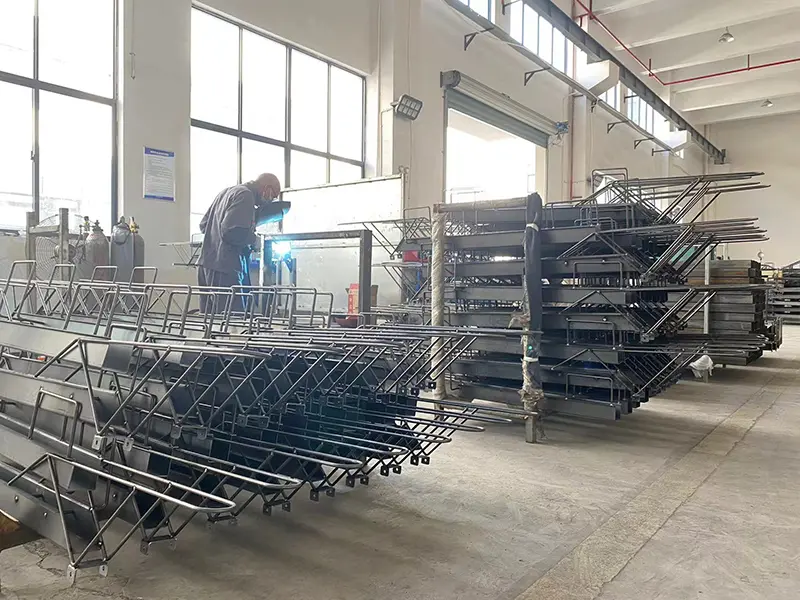
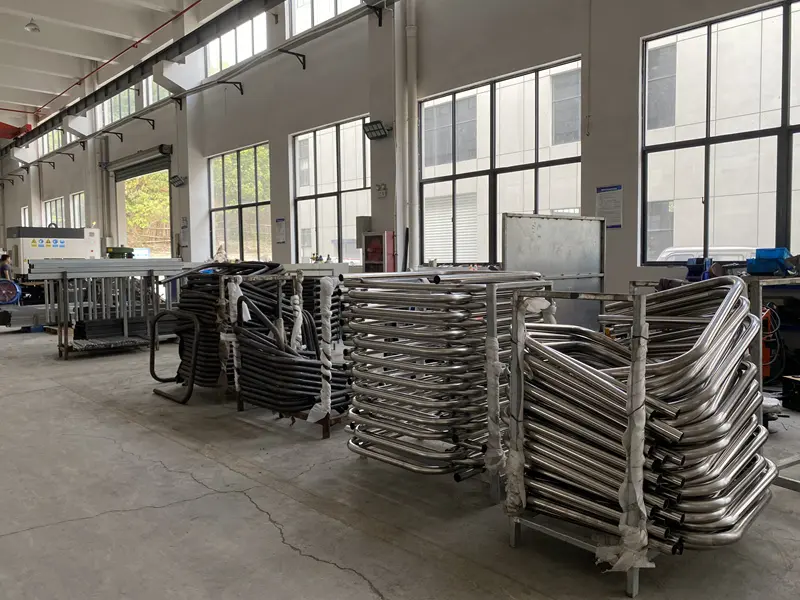
KAVASS operates two specialized, high-capacity factories ensuring material supply stability and manufacturing speed. Each facility focuses on specific mechanical processes to achieve manufacturing cost efficiency without sacrificing quality:
This layout enables rapid custom development (OEM/ODM) to meet specific architectural project briefs.
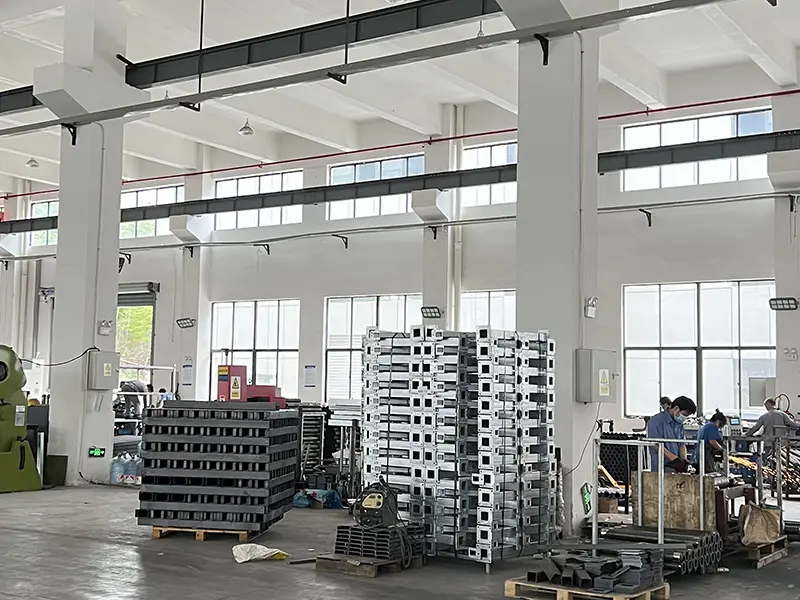
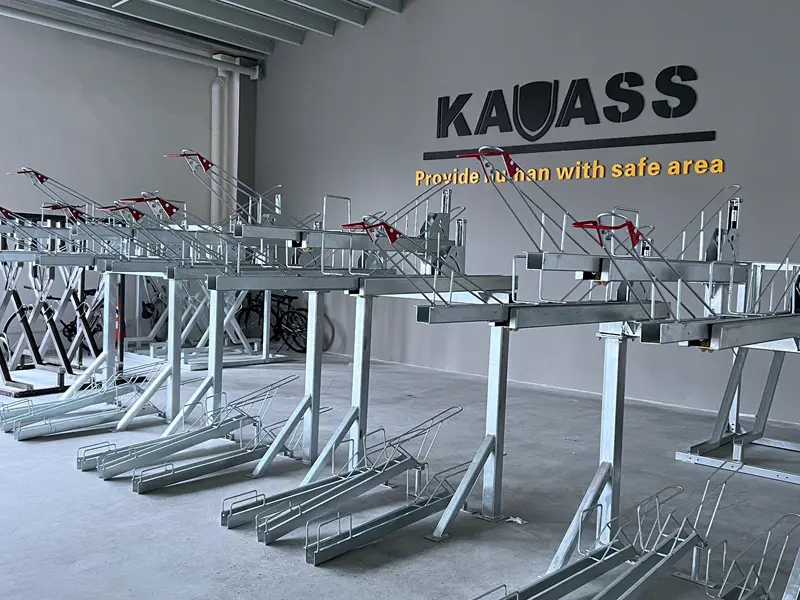
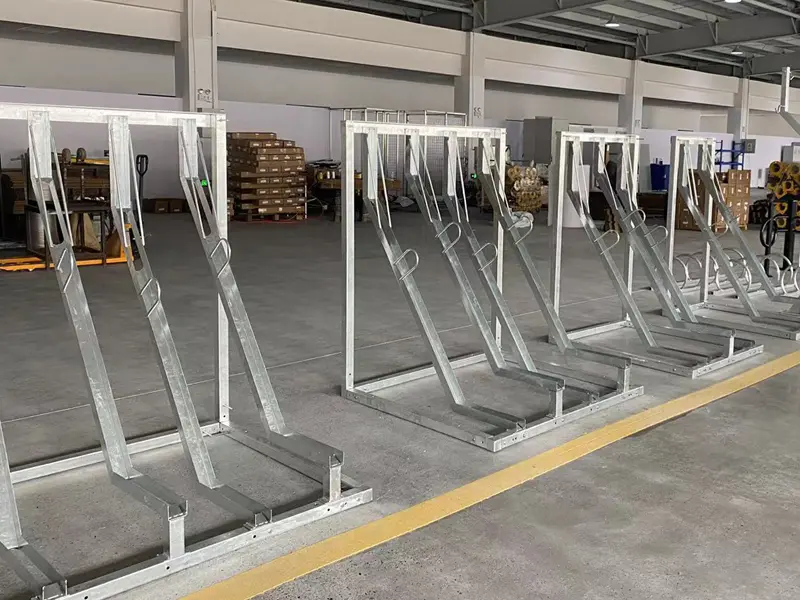
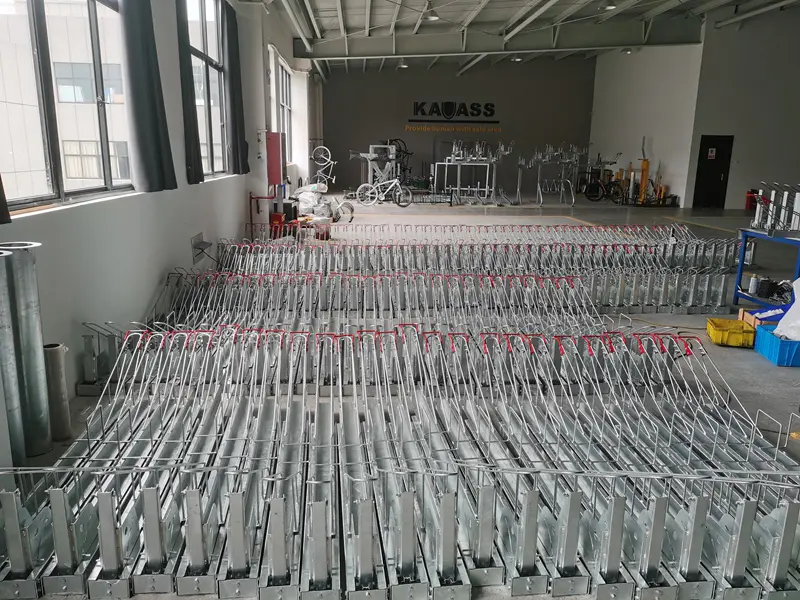
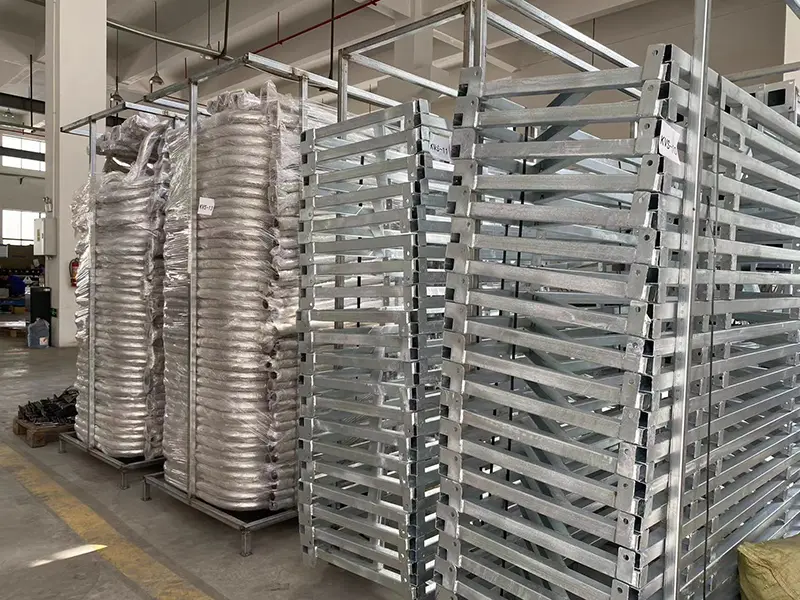
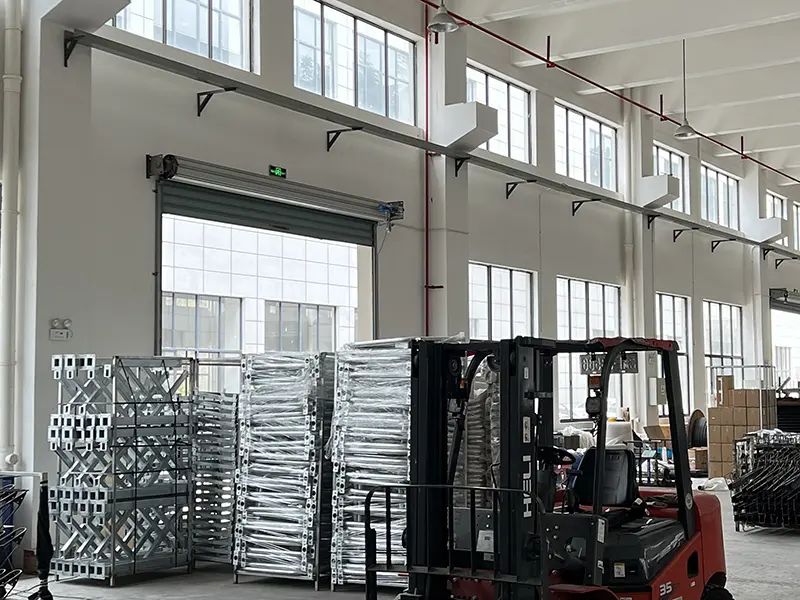
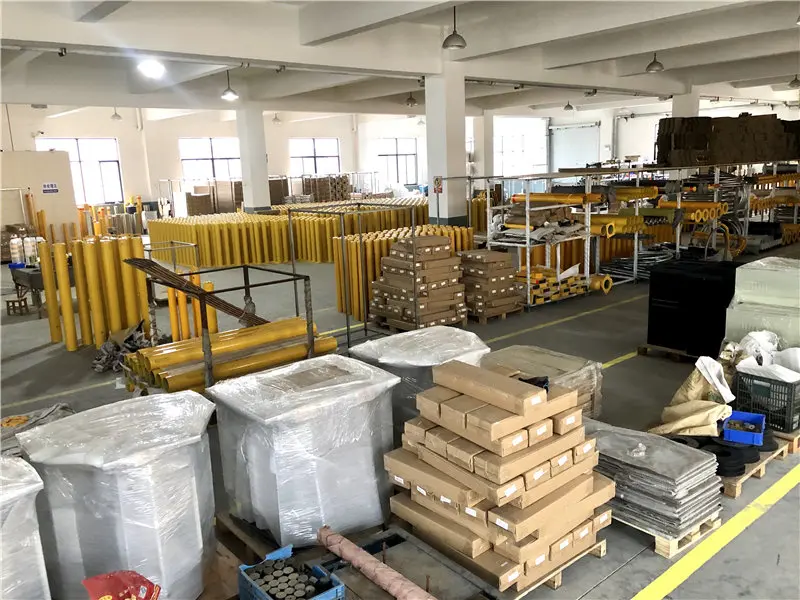
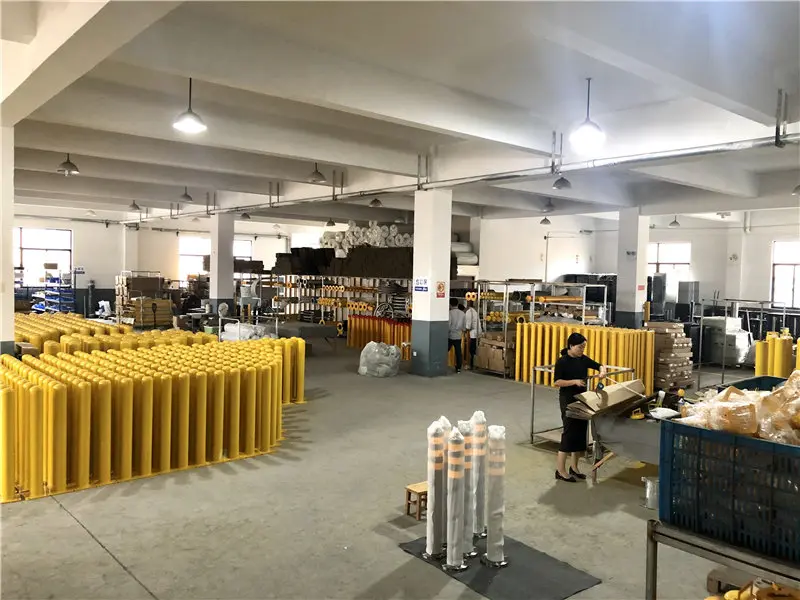
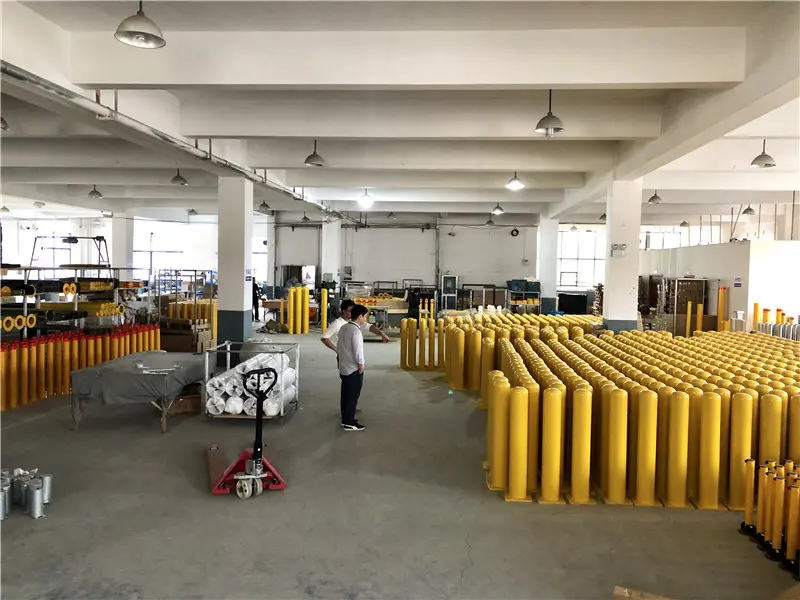
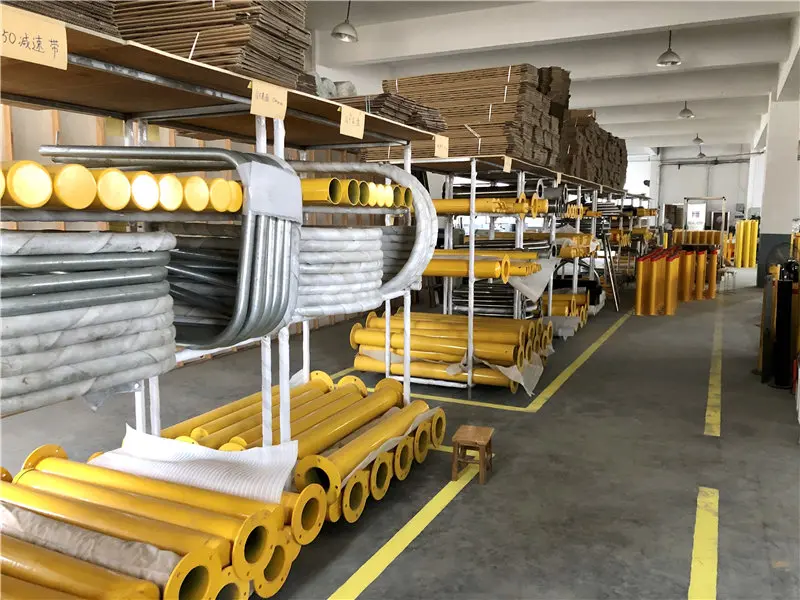
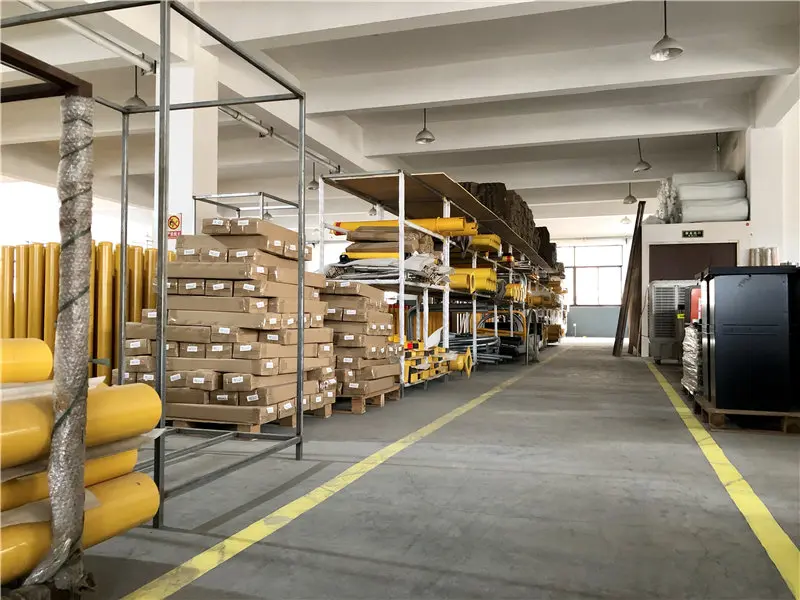
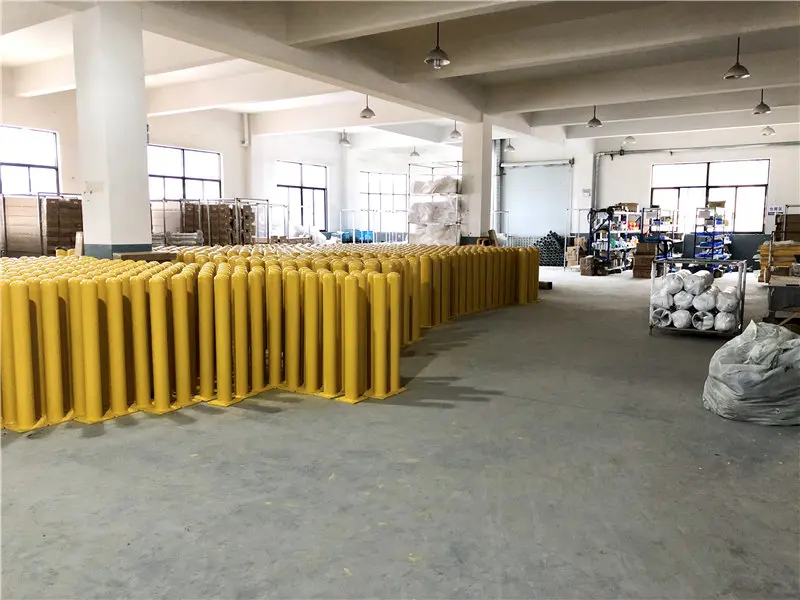
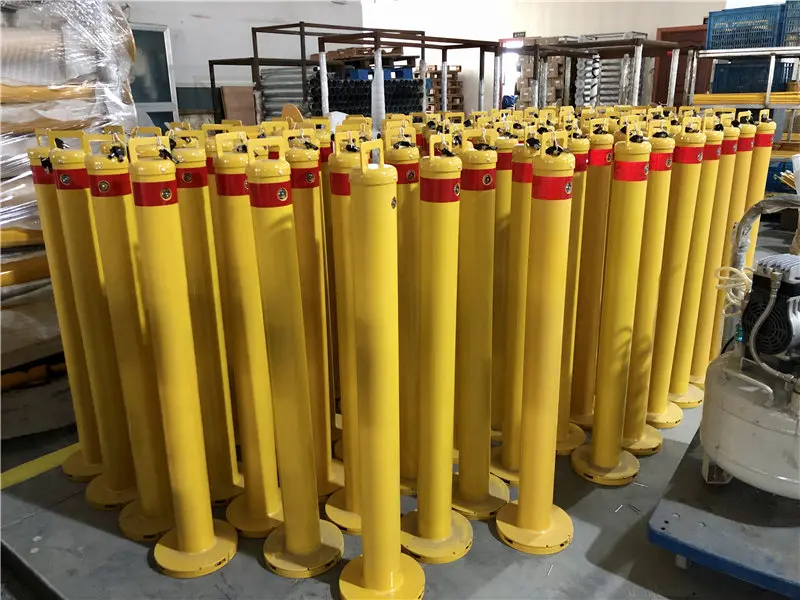
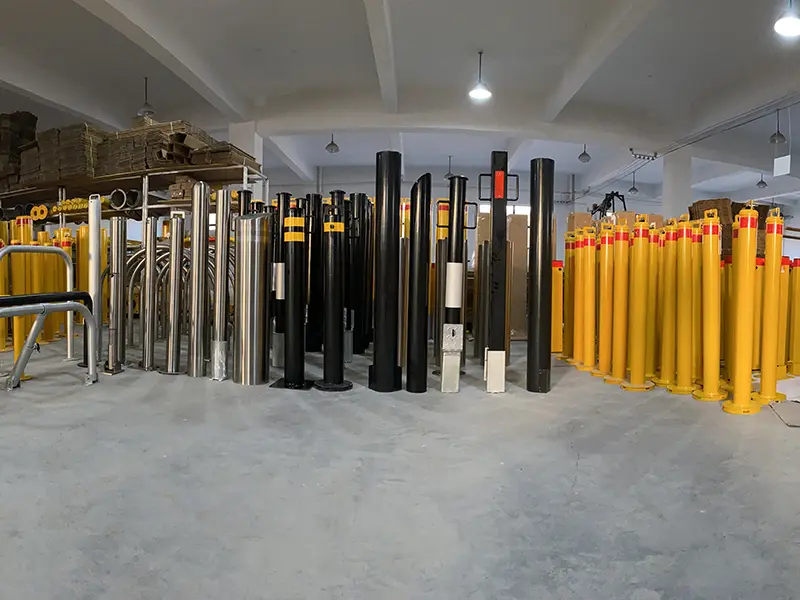
KAVASS systems are in service across more than 80 countries. Our operations are structured to align with localized compliance requirements. For the Australian market, this includes direct alignment with specific AS/NZS codes for material resilience, slip resistances, structural wind loading configurations, and bicycle parking envelopes.
Whether fulfilling a multi-station transport terminal upgrade in Parramatta or supplying modular street furniture in high-salinity zones along Circular Quay, KAVASS provides structured product builds and design validation services.
Reliable components designed for safety, space efficiency, and consistent architectural finish.
Fixed, telescopic, removable, and automated access control designs.
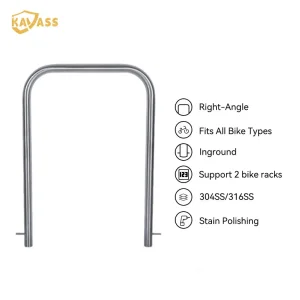
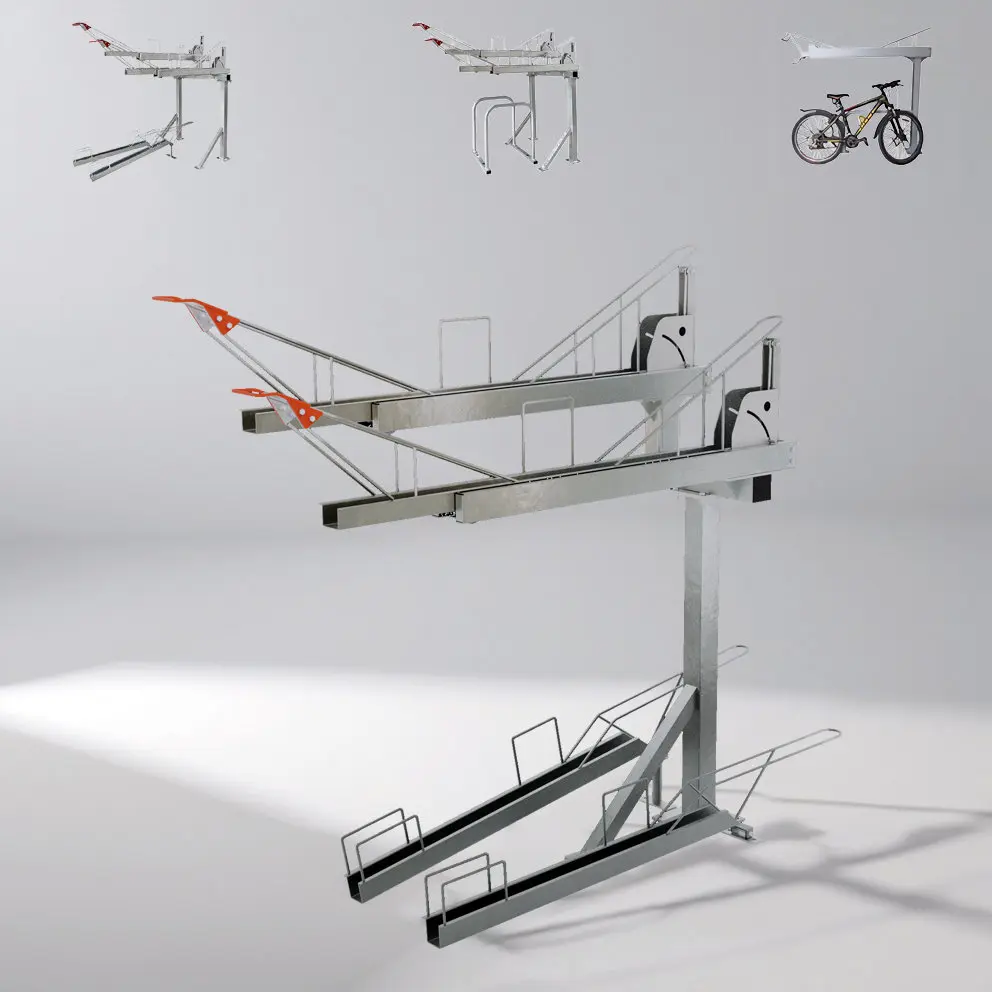
Space-saving, multi-bike parking configurations complying with AS2890.3.
Heavy duty warehouse barriers, dynamic guardrails, and plant protection structures.
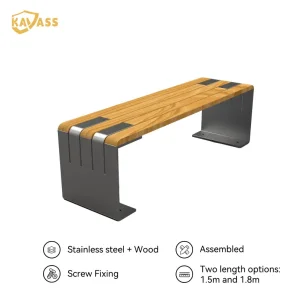
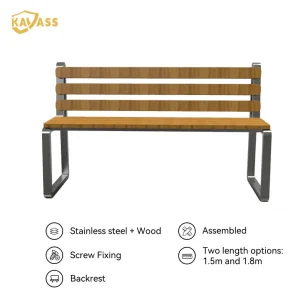
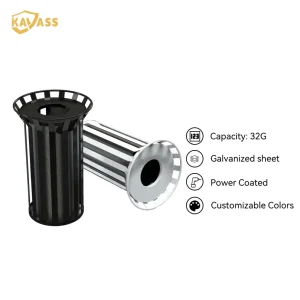
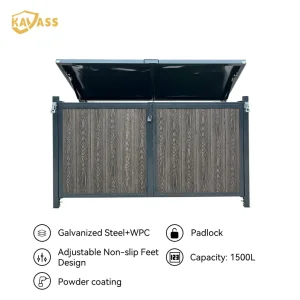
Ergonomic outdoor benches, clean waste enclosures, and municipal litter bins.
Manual, remote, and smart cellular-controlled access containment solutions.
Sydney's coastal environments accelerate structural degradation and rusting in standard metals. At the same time, interior suburban locations face intense sun exposure. KAVASS addresses these localized demands with tailored fabrication specifications:
Our solutions help engineers and urban designers optimize asset service life and minimize long-term municipal maintenance costs.
Sydney local government areas (LGAs) require adherence to specific structural and accessibility codes. KAVASS manufactures components that align with these regional parameters:
Public seating height profiles, clearance configurations, and high-contrast color choices to support accessibility in all communities.
Bicycle rack design and spatial layouts that allow secure locking of both frame and wheels using standard chain locks.
Minimum coating thicknesses that protect structural steel elements from corrosion in wet, humid, or coastal environments.
We support project managers, landscape architects, and municipal buyers with detailed technical documentation to facilitate procurement:
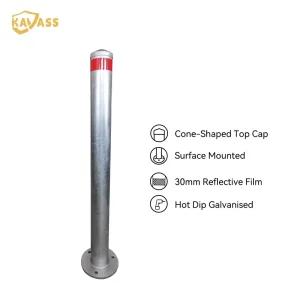
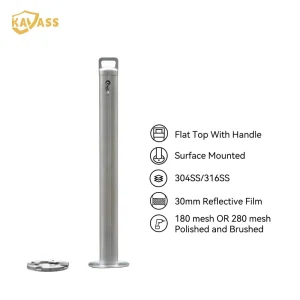
Durable bollards, multi-bike parking racks, and customizable street furniture designs serving Greater Sydney.
Integrating digital connectivity and high-durability composites into future urban designs.
Sydney's smart utility models require street furniture to move beyond passive functions. Future layouts are set to incorporate active technologies, changing how councils manage physical assets:
KAVASS continues to develop modular components that allow designers to easily integrate power pathways and sensor mounts into existing streetscape layouts.
Technical guidance and logistics information for specifiers and project engineers in the Australian market.
For locations within 5 kilometers of the shoreline (such as Circular Quay, Darling Harbour, or coastal suburbs), Grade 316 stainless steel is highly recommended. It contains molybdenum, which provides superior resistance to chloride pitting and tea staining compared to Grade 304.
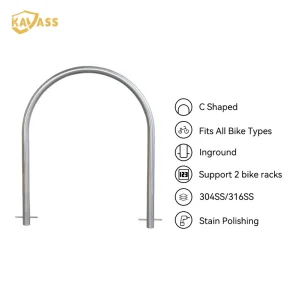
Our C-shaped and triangular bike racks are designed to conform to the spatial and structural parameters of AS2890.3. This design allows cyclists to secure both the frame and wheel to the rack, minimizing theft risks in public spaces.
Standard custom production runs typically require 4 to 6 weeks from technical drawing sign-off to container loading. Sea freight to Port Botany (Sydney) adds approximately 2 to 3 weeks, allowing projects to be scheduled with predictable timelines.
Yes, our engineering department provides comprehensive ODM support. We customize anchor baseplate layouts, core diameters, wall thicknesses, and raw material selections to match pre-existing ground mounts or localized structural requirements.
We apply hot-dip galvanizing conforming to AS/NZS 4680, followed by a chemical pre-treatment and a polyester powder coat. This multi-layered barrier protects the underlying carbon steel from moisture and oxidization.
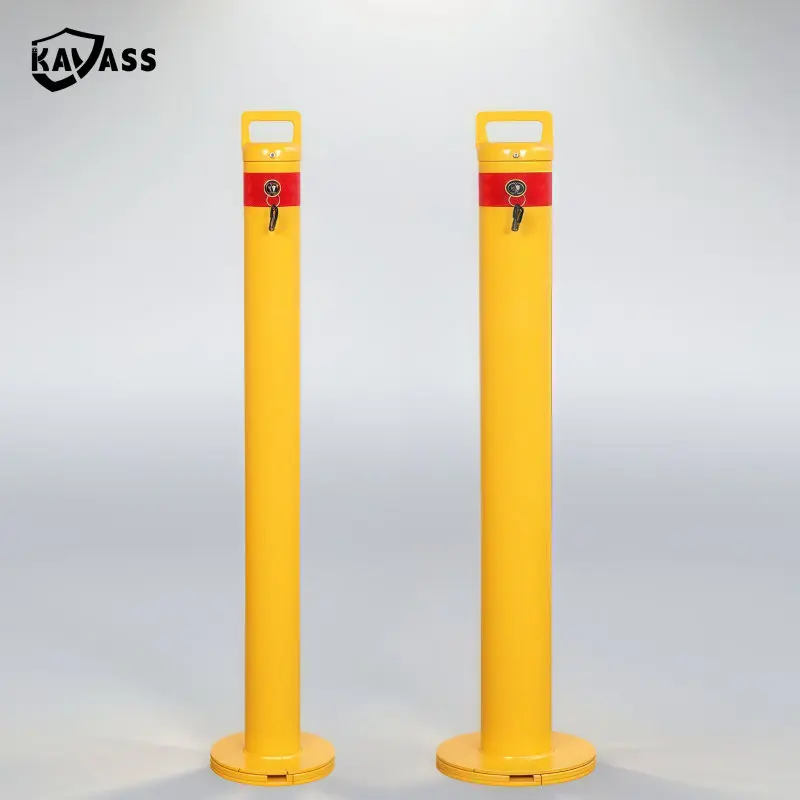
The locking mechanism uses an oval key profile. Turning the key retracts the internal locking pins, allowing the bollard to be lifted out of its ground socket. Placing the bollard back and turning the key locks it securely inside the sleeve.
Our waste enclosures utilize high-density Wood Plastic Composites (WPC). This composite provides the natural appearance of timber while offering resistance to rotting, splintering, and fading under intense sunlight.
Every production run undergoes a quality protocol, including dimensional checks against CAD drawings, weld inspections, coat thickness measurements, and assembly verification. Complete test documentation can be provided upon shipment dispatch.
Get in touch with our engineering team for compliance documentation, custom design support, and supply quotations.
Send Inquiry Now KAVASS