Premium perimeter control solutions manufactured directly under strict ISO quality management protocols.
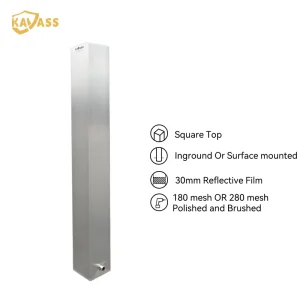
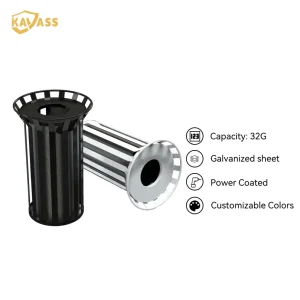
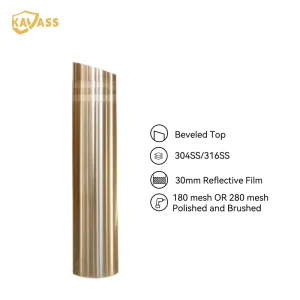
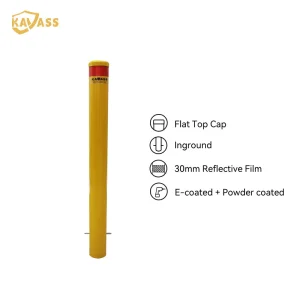
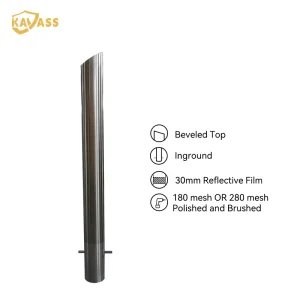
In an era defined by evolving safety metrics and heightened geopolitical challenges, Hostile Vehicle Mitigation (HVM) has transitioned from an auxiliary security measure to a foundational component of urban master planning. Anti-terrorism bollards, structural columns engineered to withstand dynamic impact, act as the definitive defense against vehicle ramming attacks (VRAs). For procurement specialists, architects, and municipal engineers worldwide, locating a manufacturer that bridges the gap between high-yield industrial output and certified structural performance is paramount.
China's manufacturing sector has established itself as the global epicenter for security infrastructure production. By pairing state-of-the-art metallurgical technologies with robust logistics networks, Chinese factories supply globally certified, impact-tested security barriers that conform to international standards such as ASTM F2656, PAS 68, and IWA 14-1.
When evaluating anti-terrorism bollards, specifications must look beyond basic dimensions and physical aesthetics. True security compliance centers on the kinetic energy absorption capability of the bollard structure and its underground foundation. The physics behind HVM involve massive energy dissipation, calculated as:
This fundamental equation underscores why dynamic vehicle weight and impact velocity determine the rating. The three primary global test standards governing these ratings are:
| Crash Rating Standard | Vehicle Mass (kg) | Impact Velocity (km/h) | Kinetic Energy (kJ) | Common Application Scenario |
|---|---|---|---|---|
| M30 / K4 / PAS 68 | 6,800 - 7,500 | 48 (30 mph) | 656 | Commercial Plazas, Retail Hubs, Universities |
| M40 / K8 / PAS 68 | 6,800 - 7,500 | 64 (40 mph) | 1,185 | Government Administrative Districts, Stadiums |
| M50 / K12 / IWA 14-1 | 7,200 - 7,500 | 80 (50 mph) | 1,852 | Military Facilities, Airports, Data Centers, Embassies |
Securing anti-terrorism bollards from Chinese manufacturers offers critical supply chain advantages for global infrastructure projects:
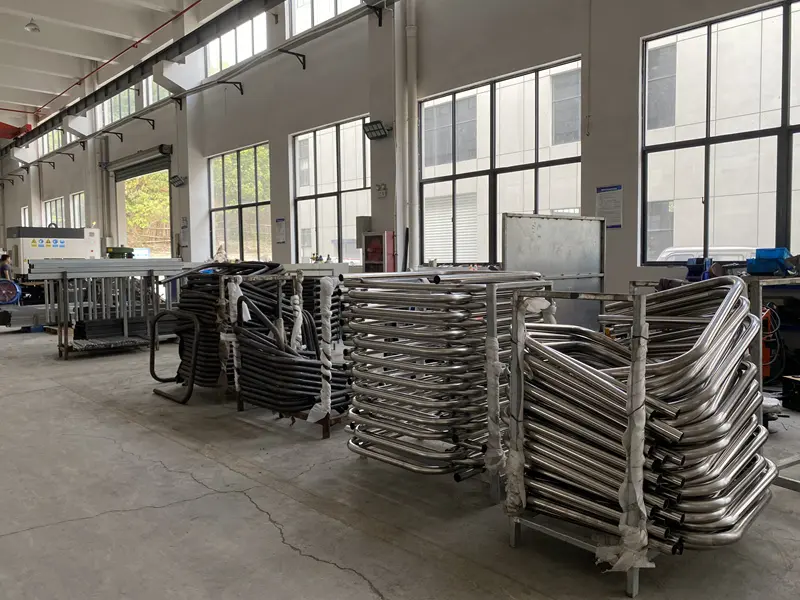
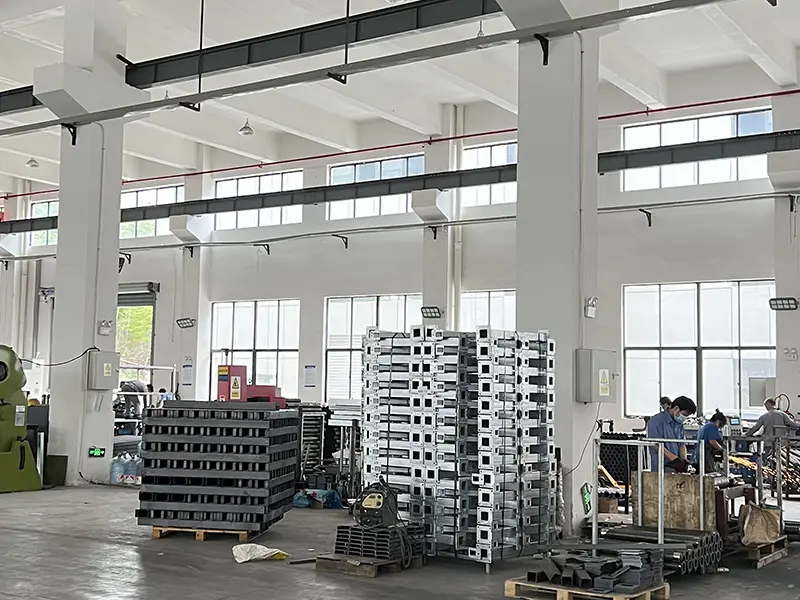
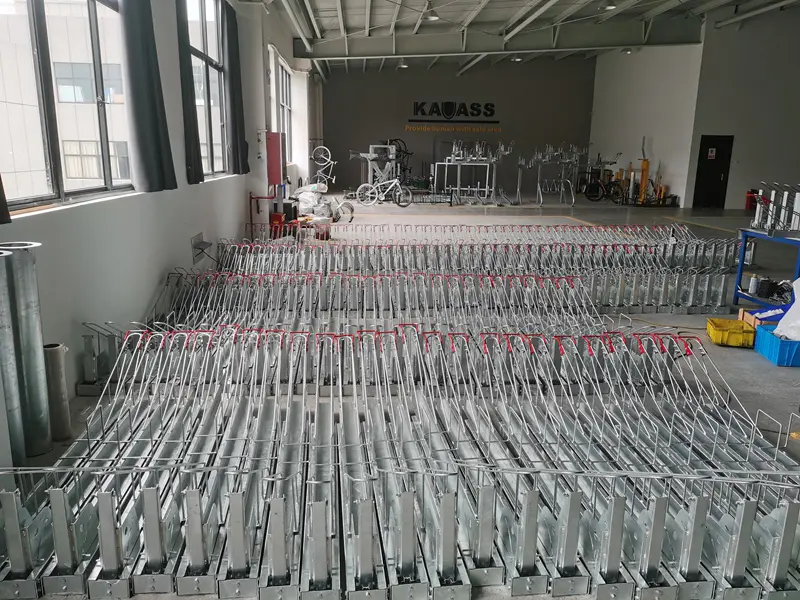
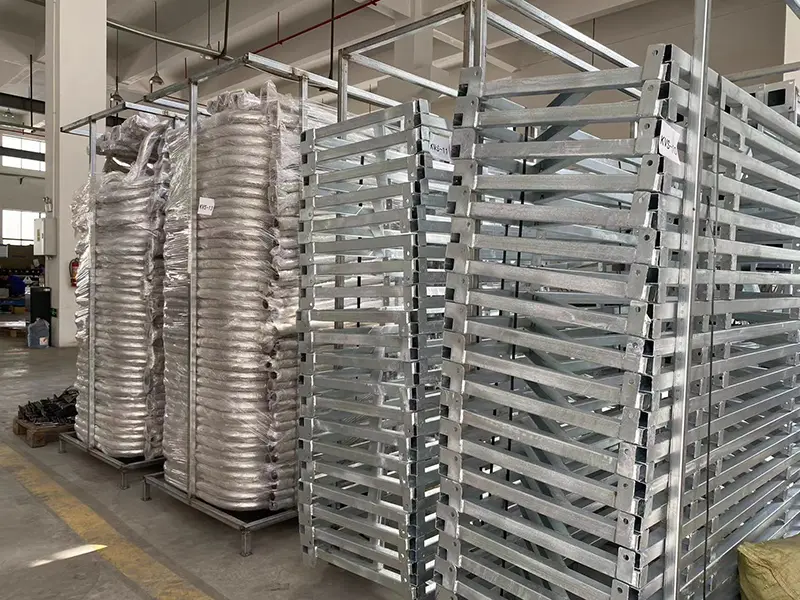
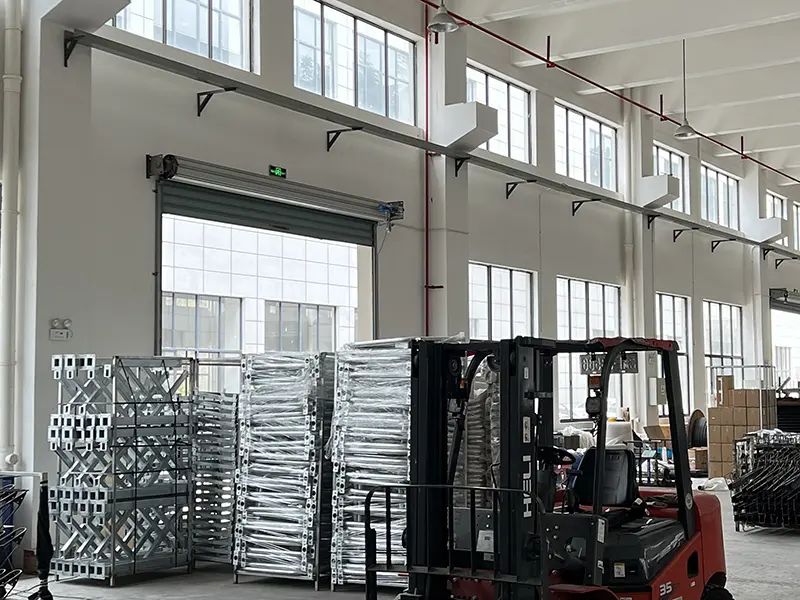
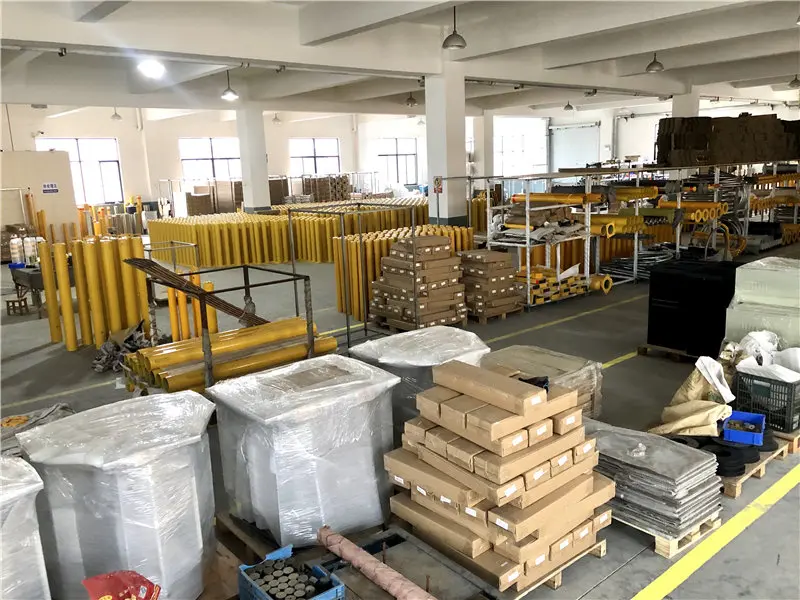
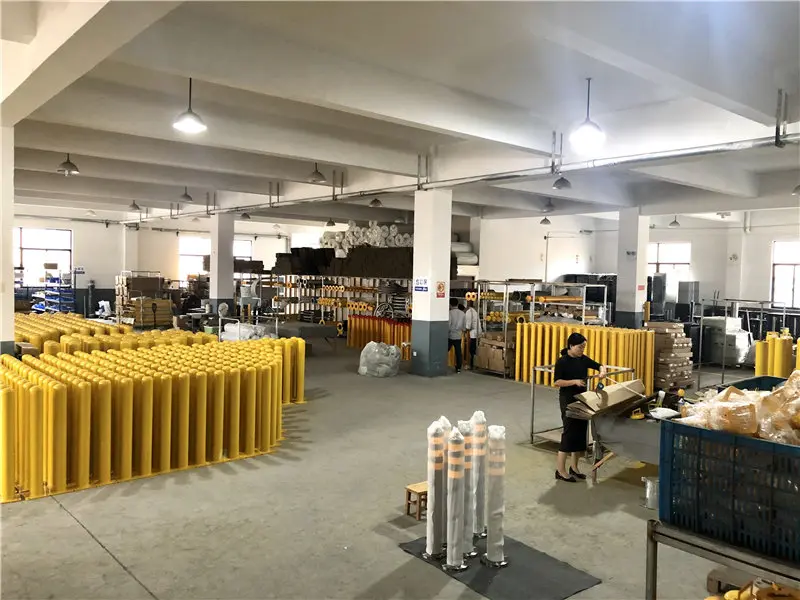
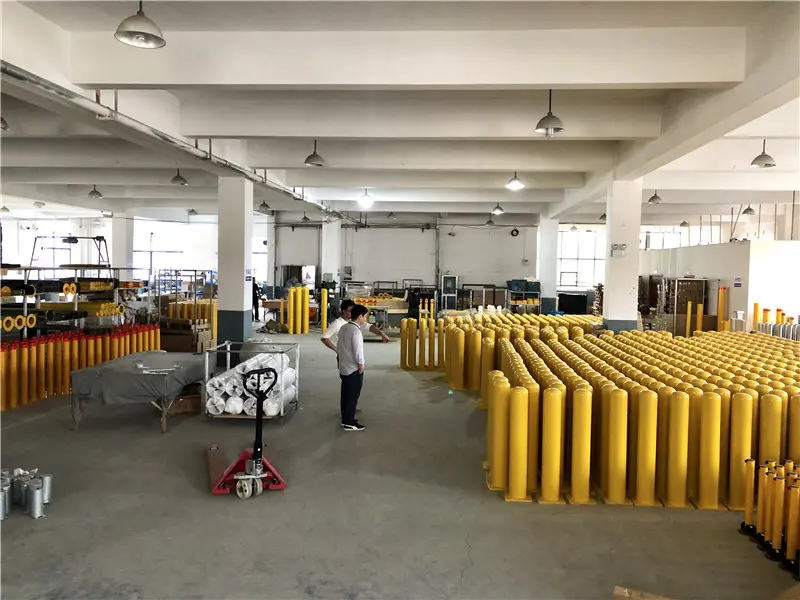
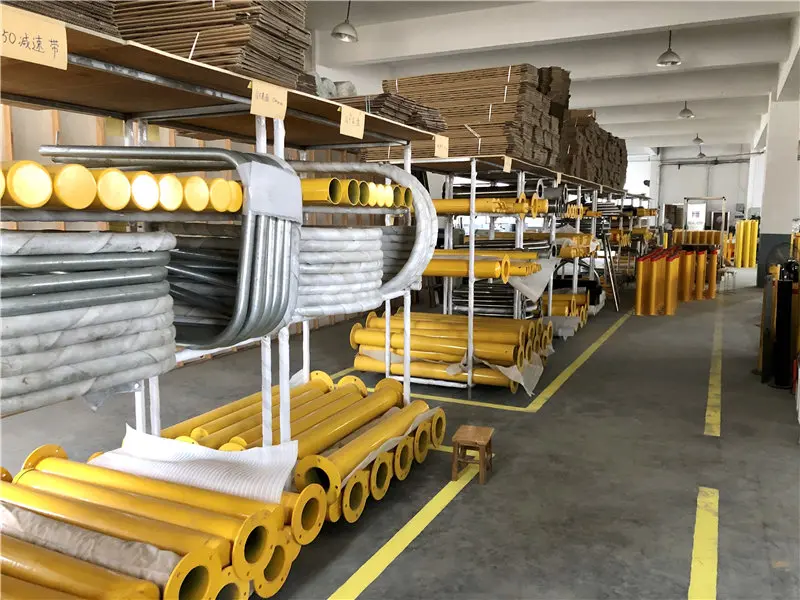
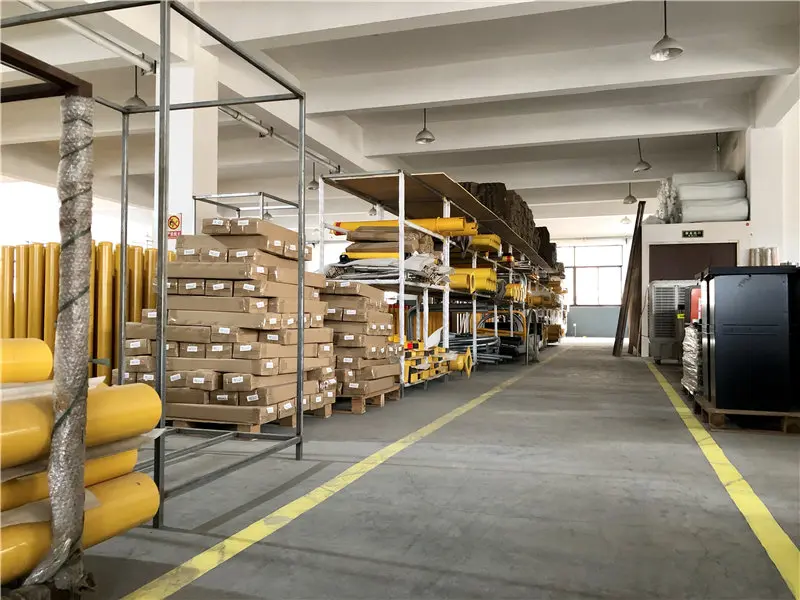
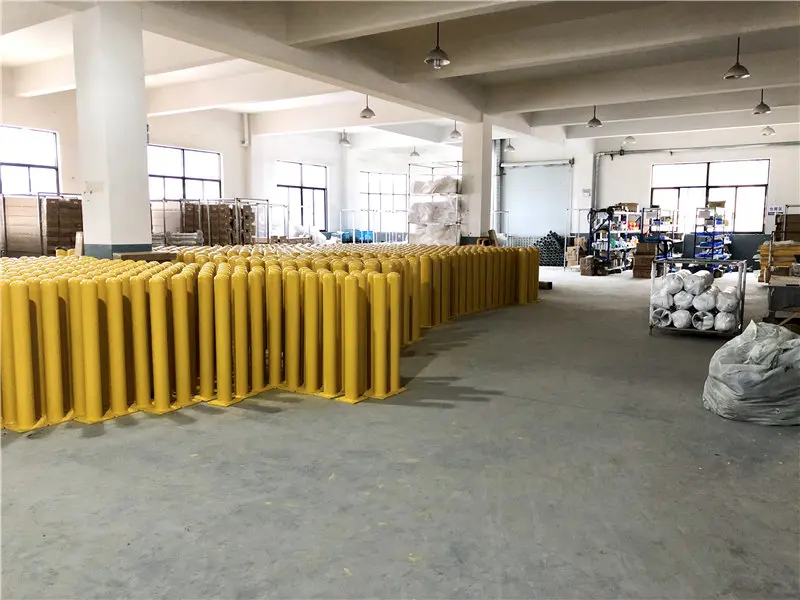
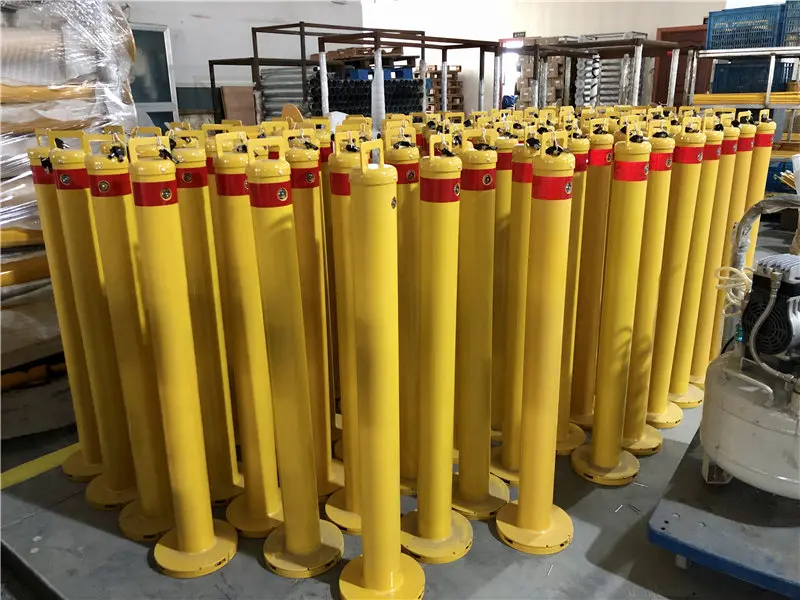
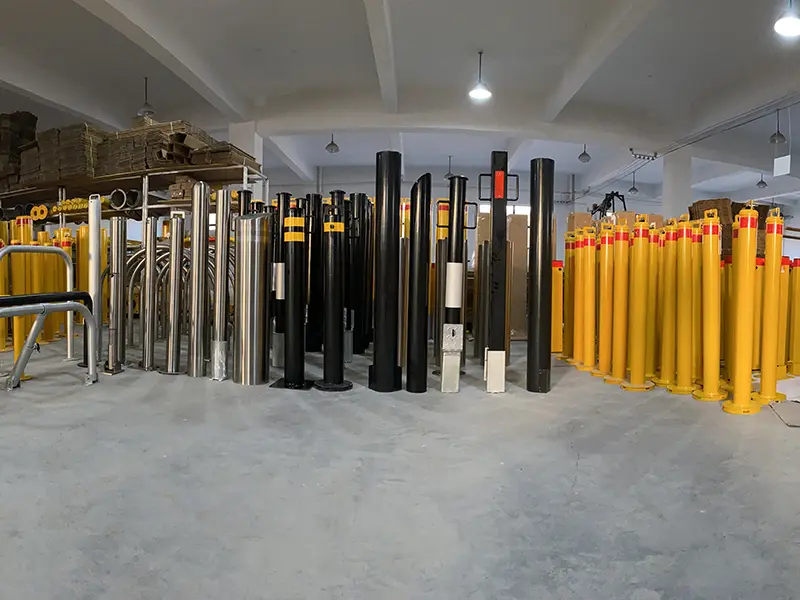
By utilizing dedicated factories in Deqing and Zhuji, KAVASS Security Tech Limited manages every phase of production internally. From material sourcing to structural stress tests, our operations guarantee consistency, scalability, and long-term project support.
A common challenge for global buyers is ensuring that products manufactured abroad comply with local safety regulations and installation guidelines. Top-tier Chinese manufacturers resolve this issue by offering comprehensive localized support services:
A global leader in traffic safety and physical perimeter protection solutions.
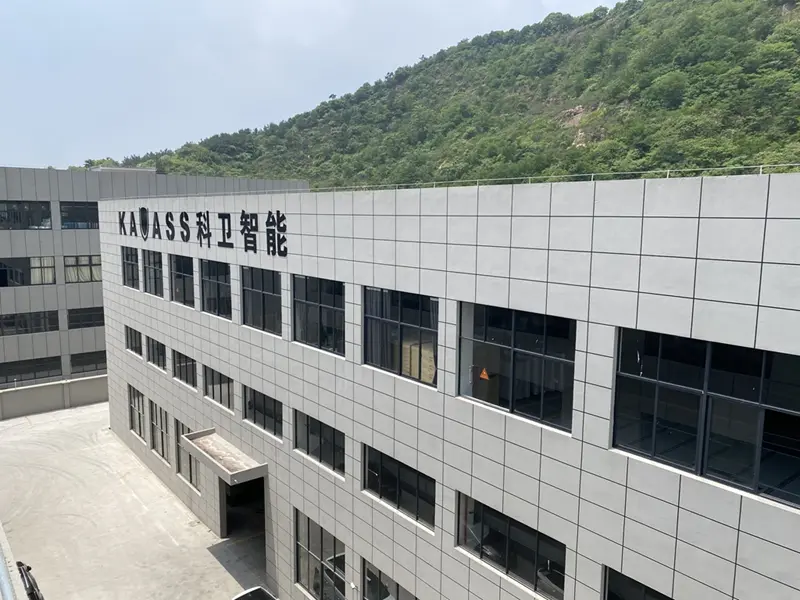
KAVASS Security Tech Limited is a professional manufacturer focused on traffic safety and perimeter protection solutions, with more than 18 years of industry experience. We specialize in the design, production, and supply of a wide range of products, including parking locks, bollards, bike racks, and other urban infrastructure equipment. By integrating product development, manufacturing, and after-sales support, we provide efficient one-stop solutions tailored to the needs of global clients.
Our production base is equipped with advanced machinery and modern manufacturing processes, supported by a skilled engineering and quality control team. From raw material selection to final inspection, every step is carefully managed to ensure consistent product performance and long-term reliability. This enables us to meet the demands of various applications, from standard products to customized project requirements.
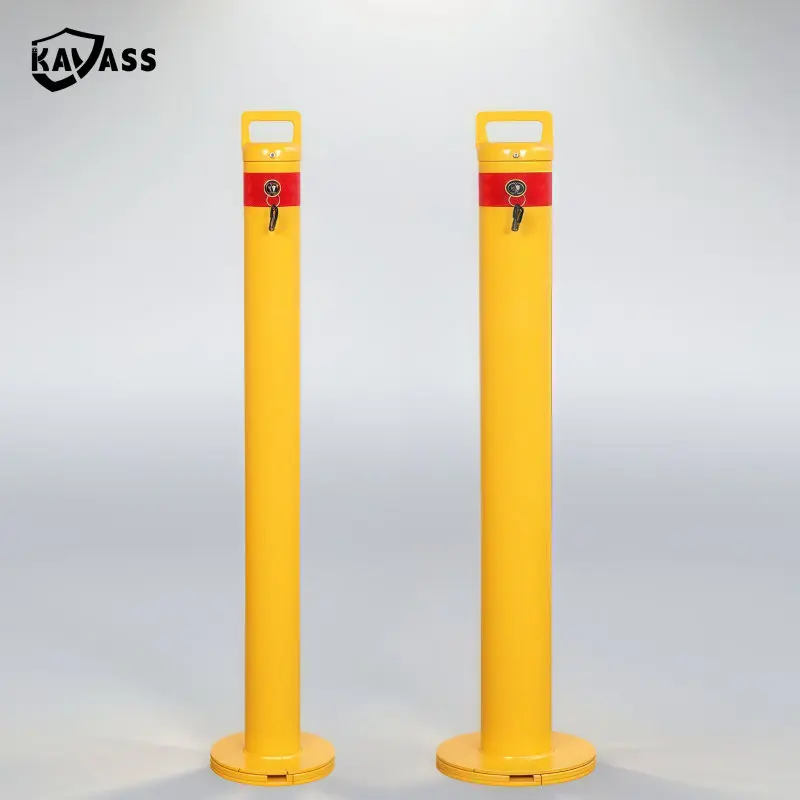
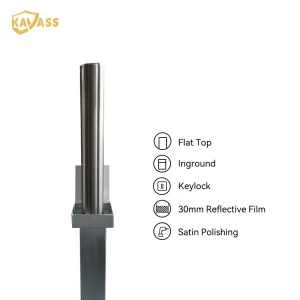
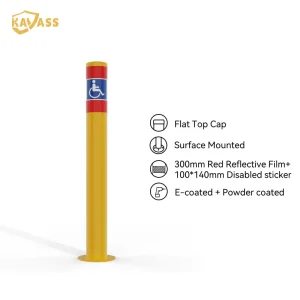
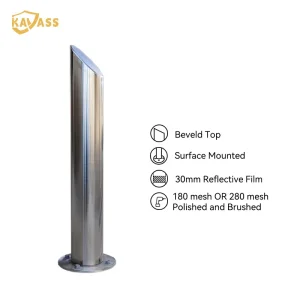
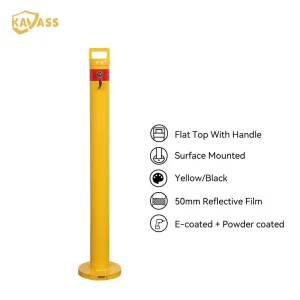
Fixed, fold-down, telescopic, removable, automatic, and lighting bollards for perimeter security and access control.
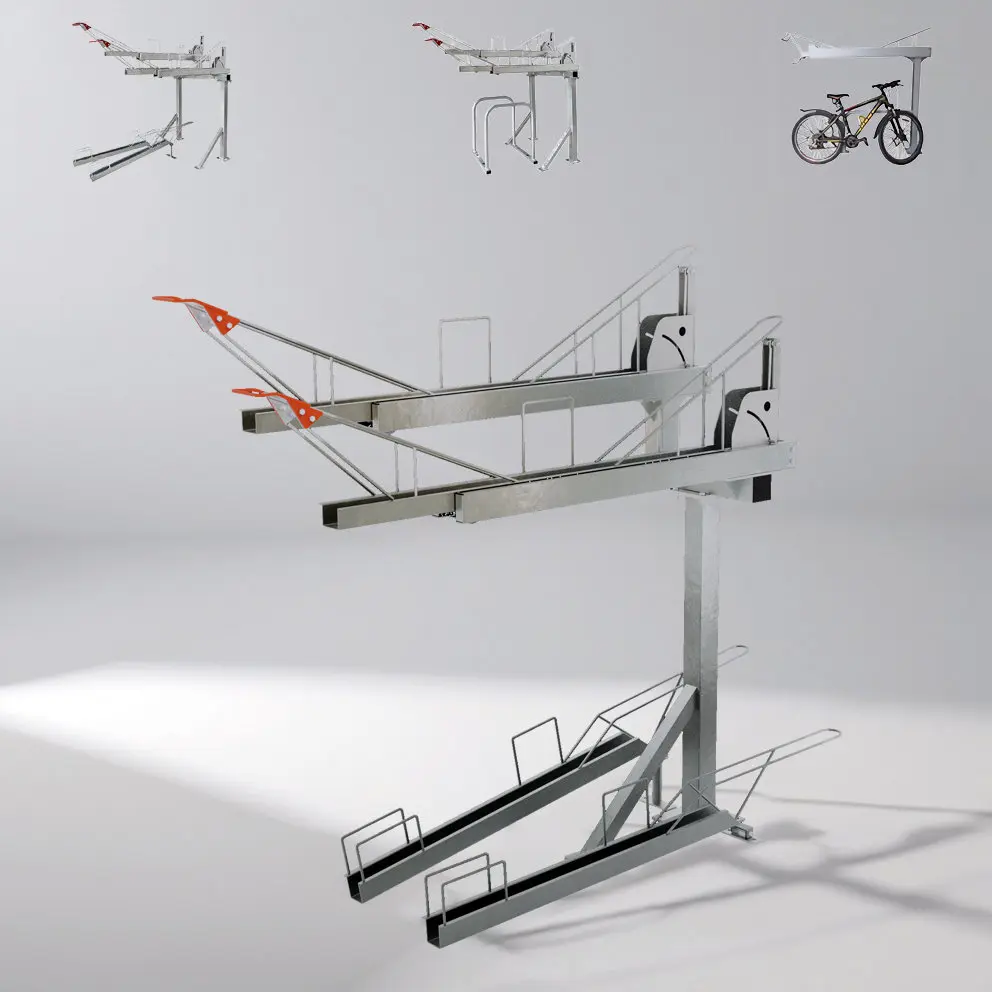
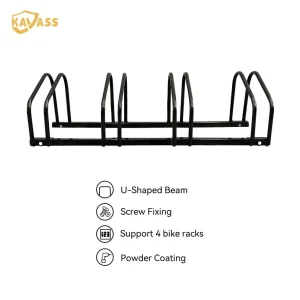
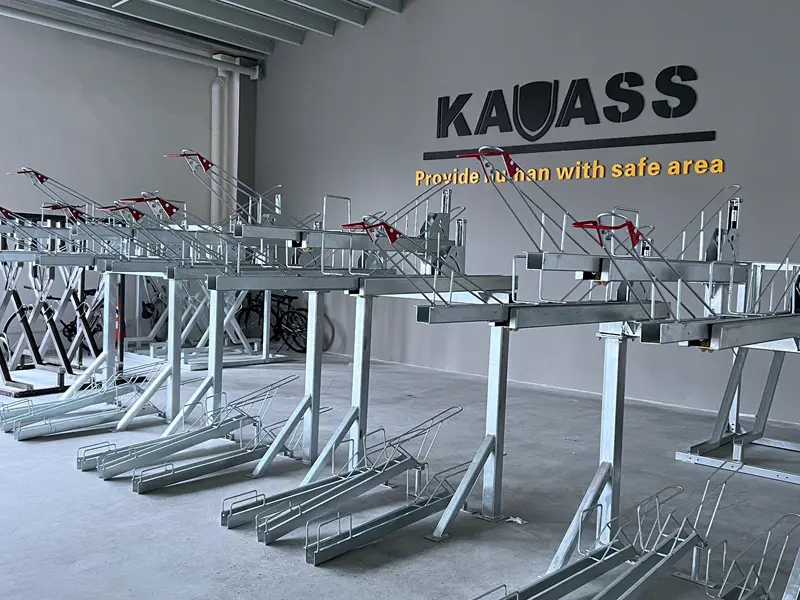
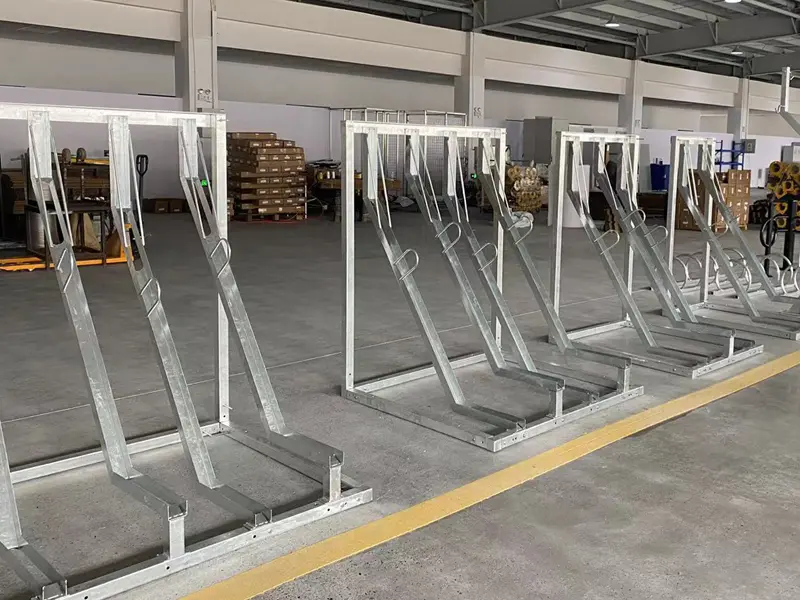
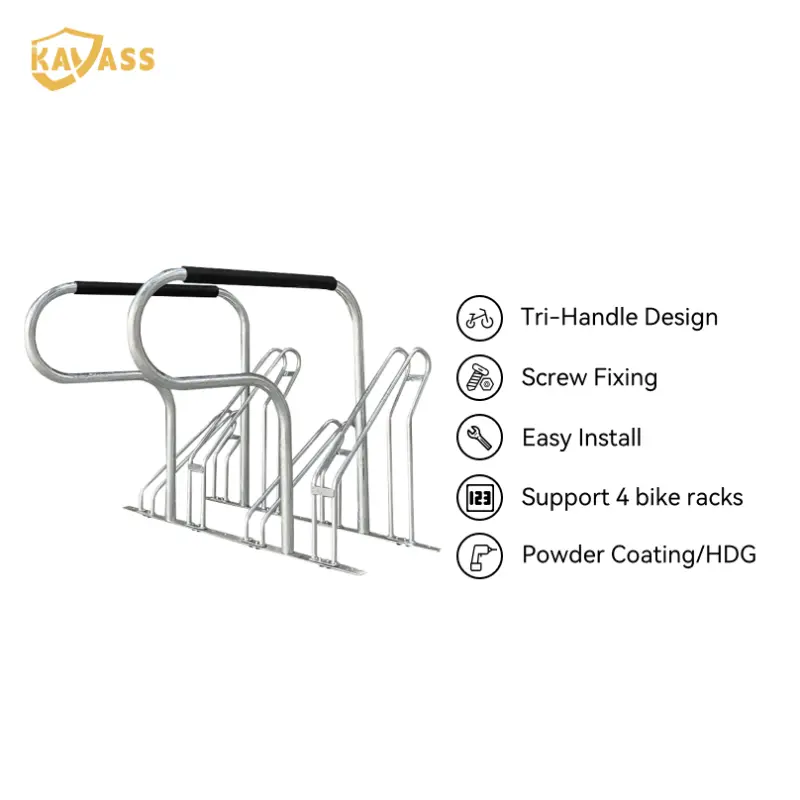
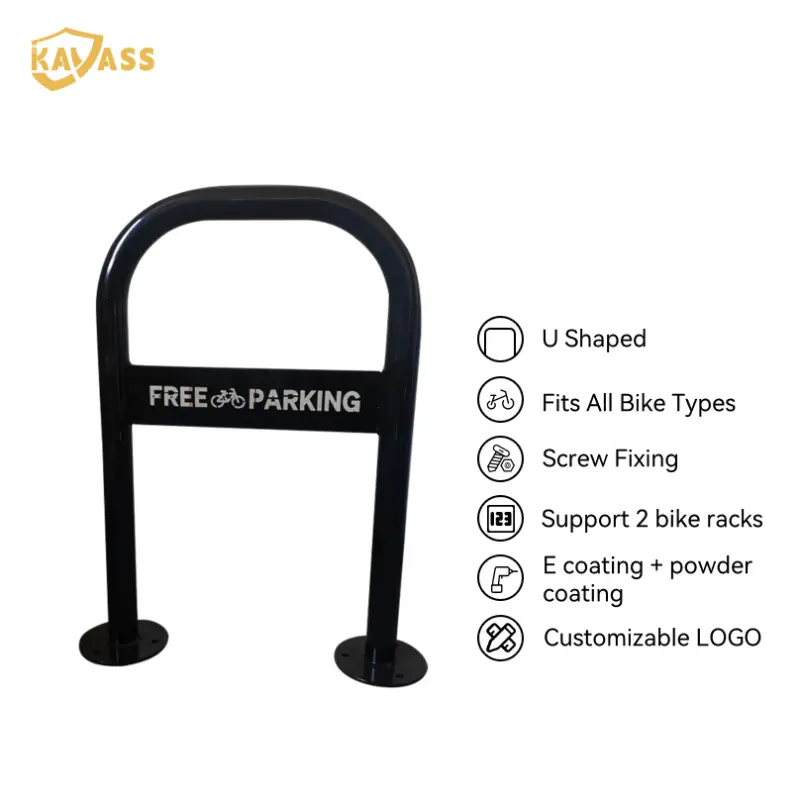
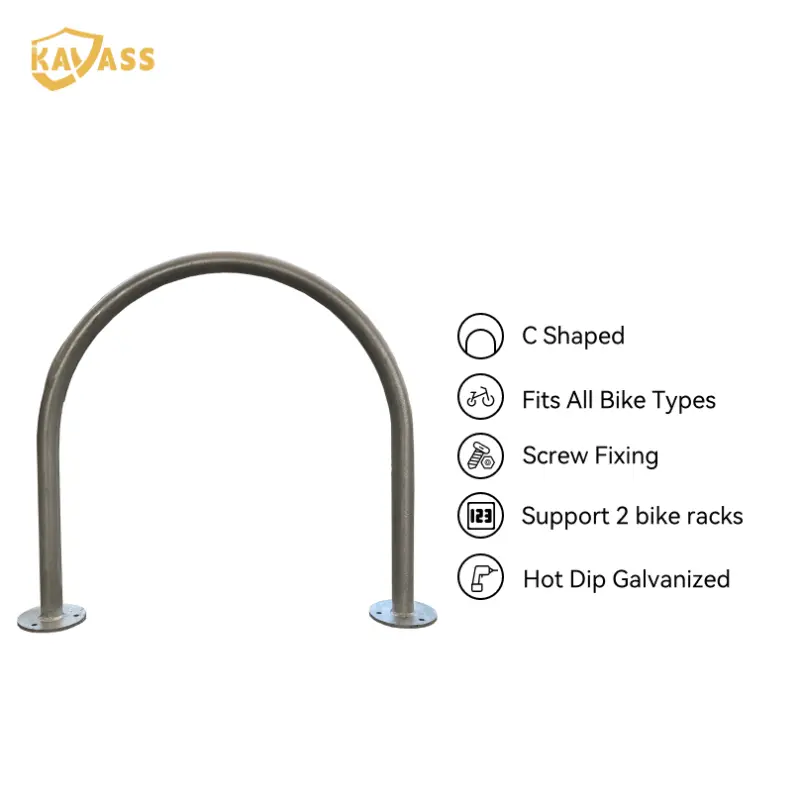
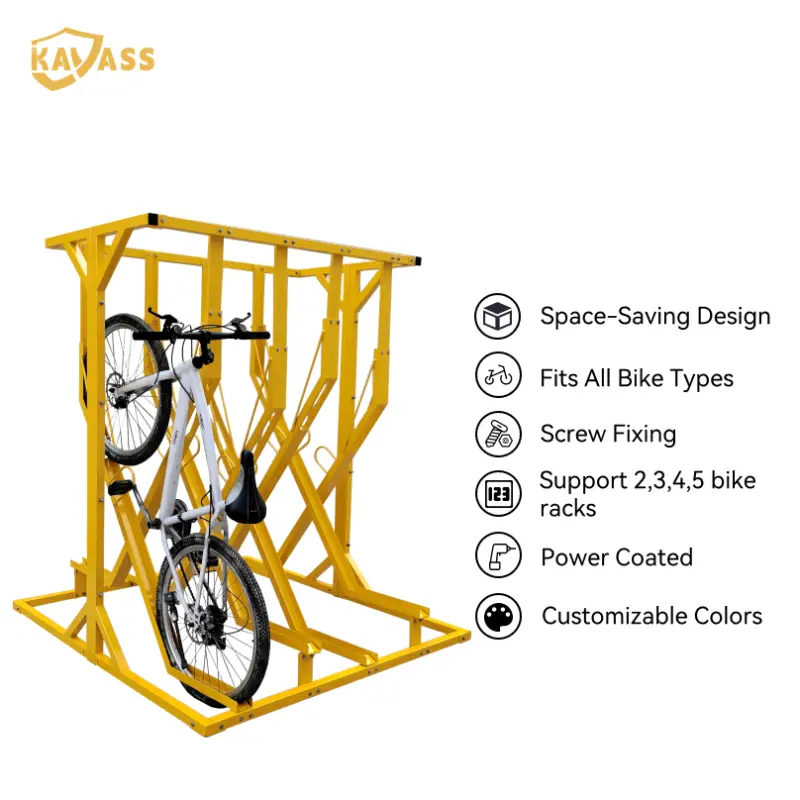
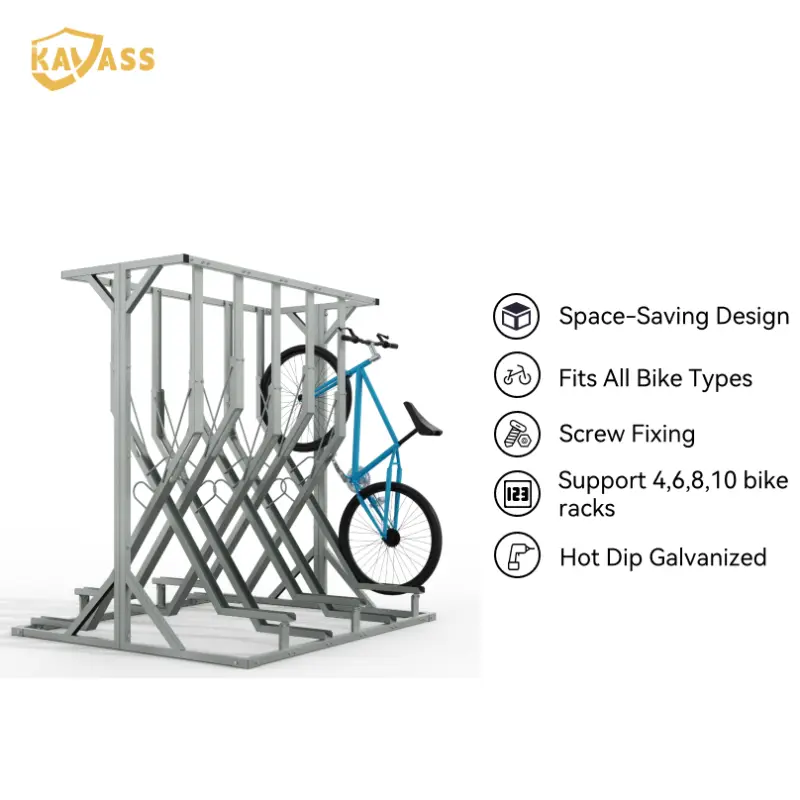
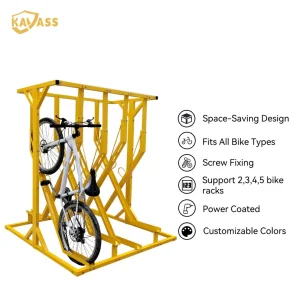
Durable and space-saving bicycle parking systems for commercial and residential areas.
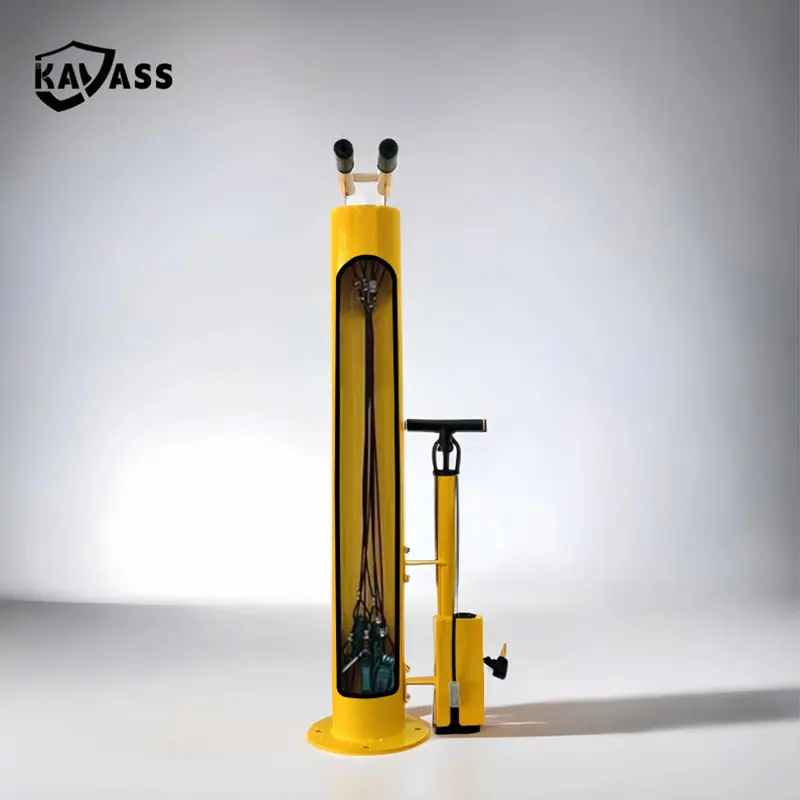
Safety barriers, guardrails, and protective equipment for industrial and construction environments.
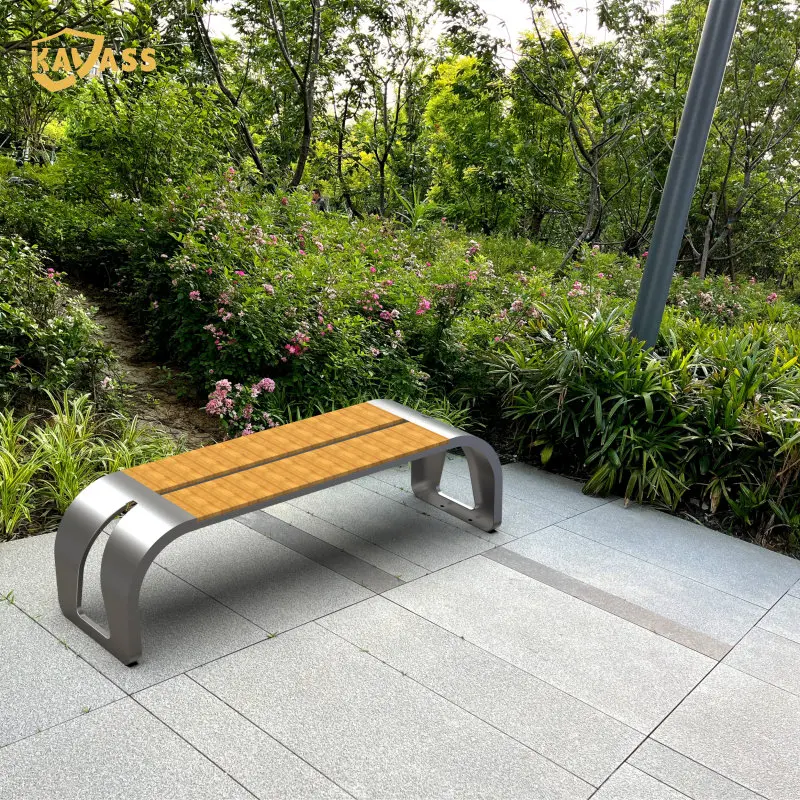
Benches, bins, and other customized outdoor furniture solutions for public spaces.
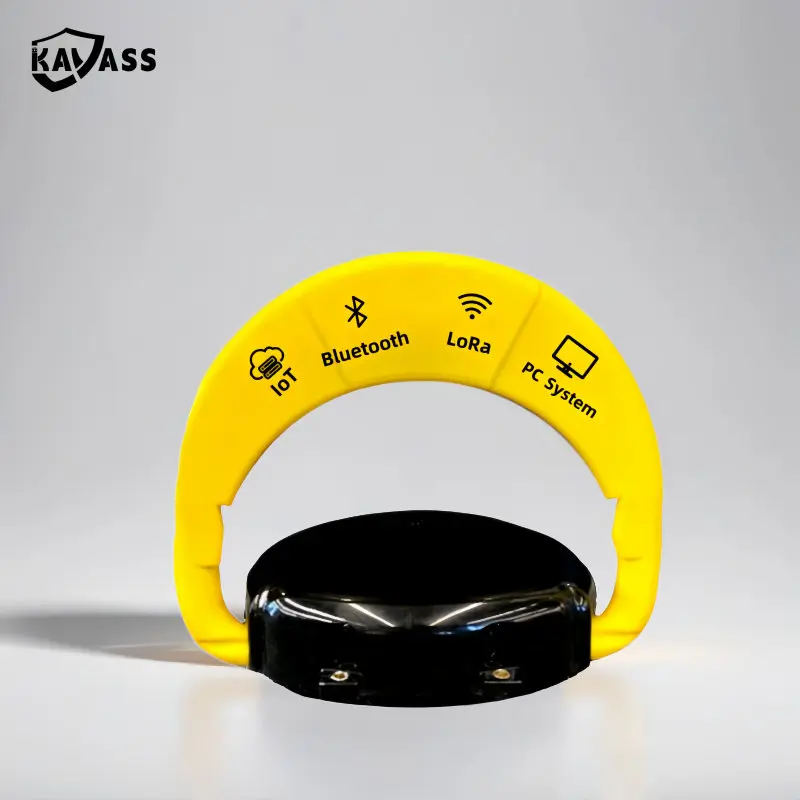
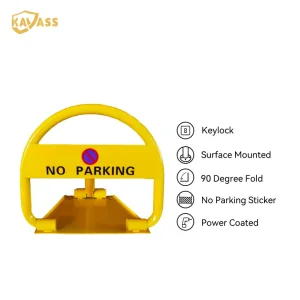
Manual, remote-controlled, solar, and IoT smart parking locks for modern parking management.
With a strong export network, KAVASS has established long-term cooperation with customers in more than 80 countries and regions, including Europe, the Middle East, Southeast Asia, and North and South America.
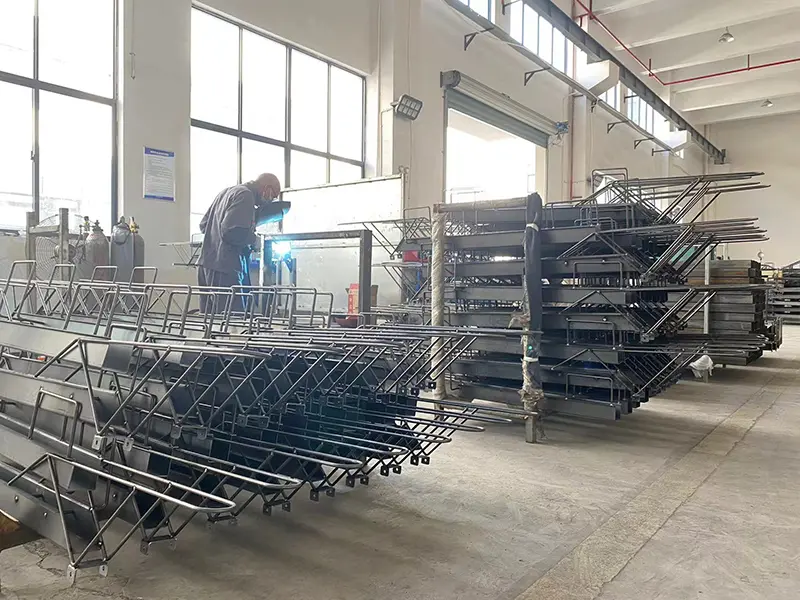
Original high-performance systems and structural protection solutions.
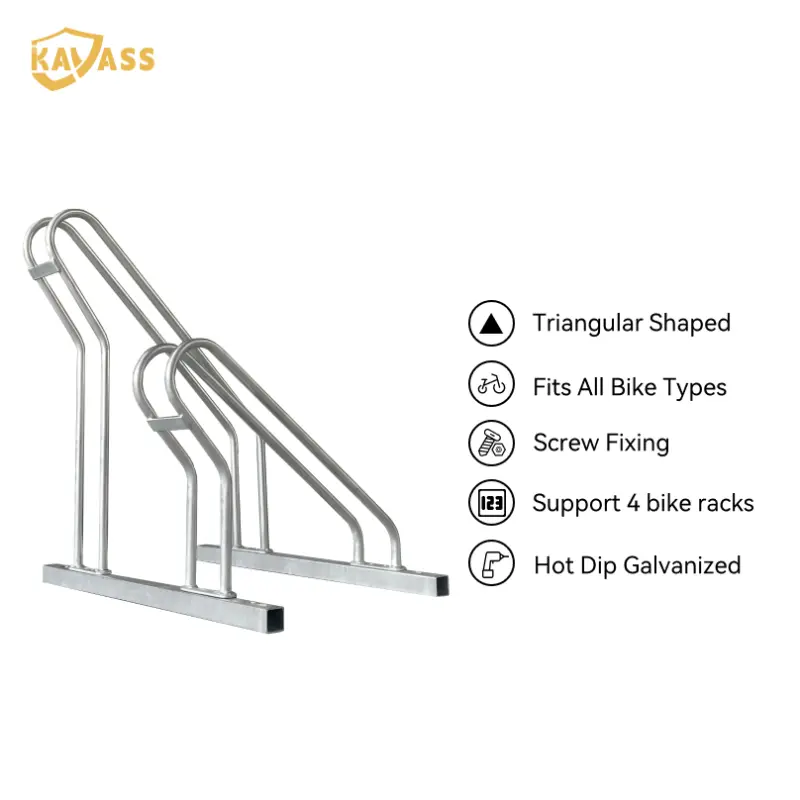
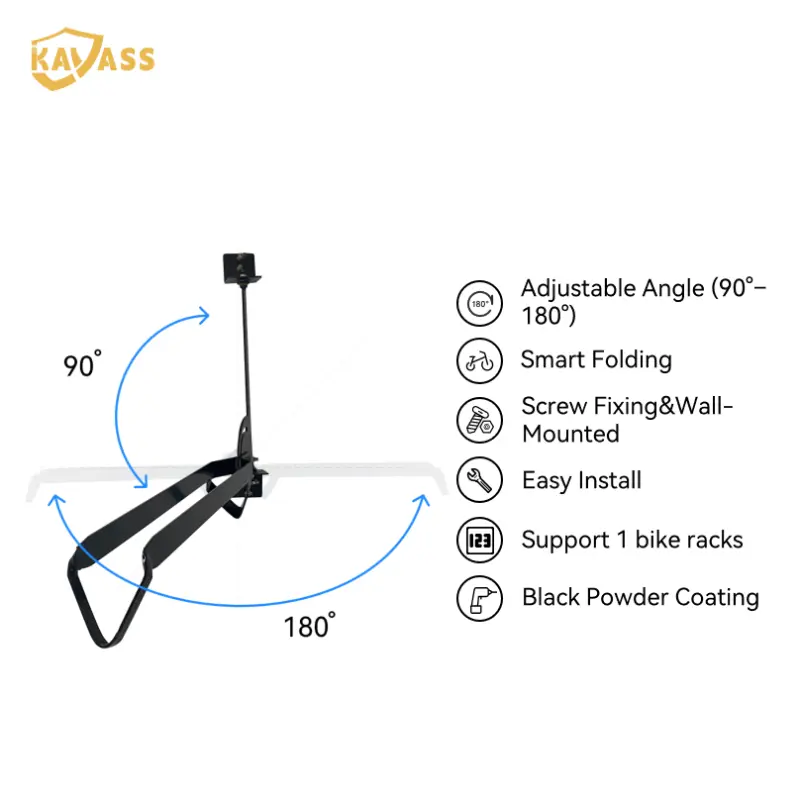
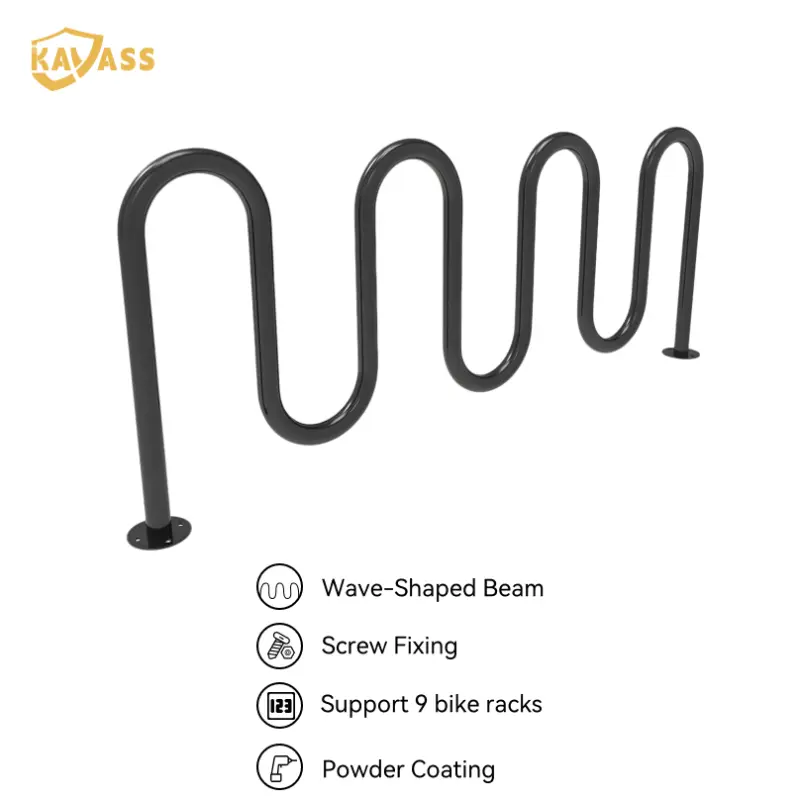
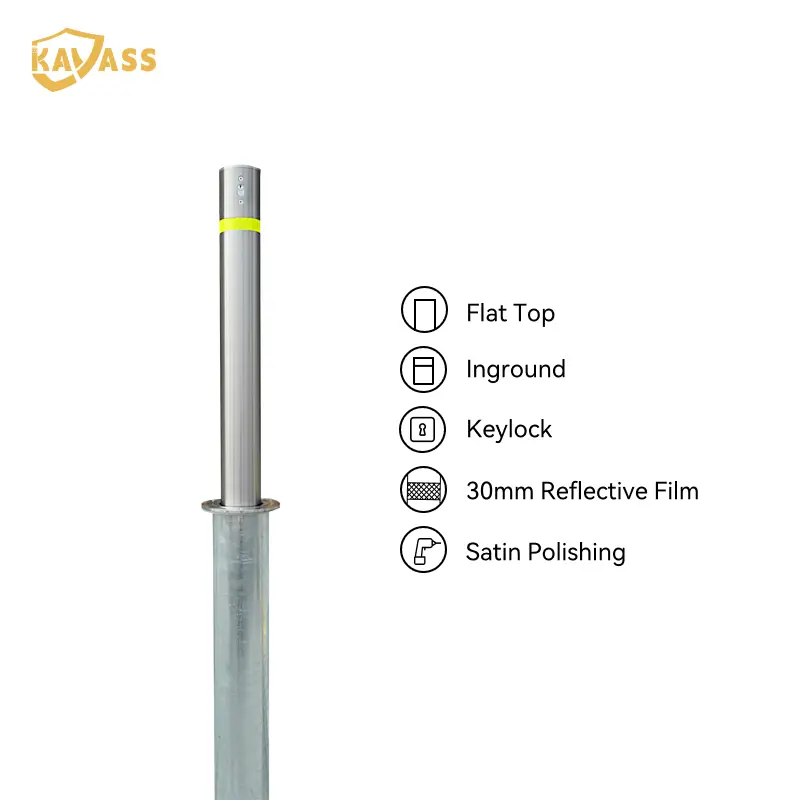
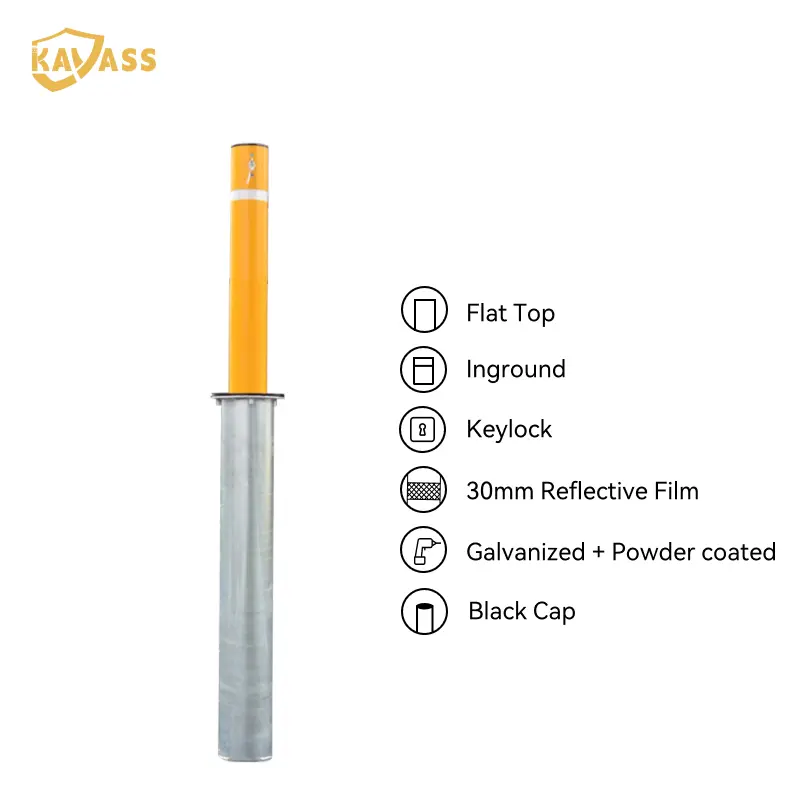
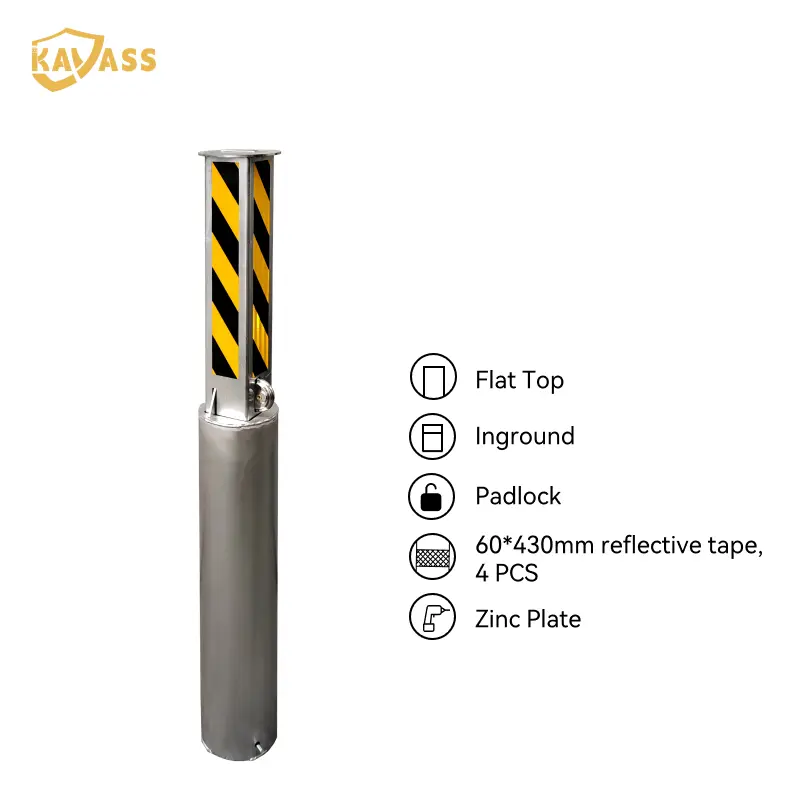
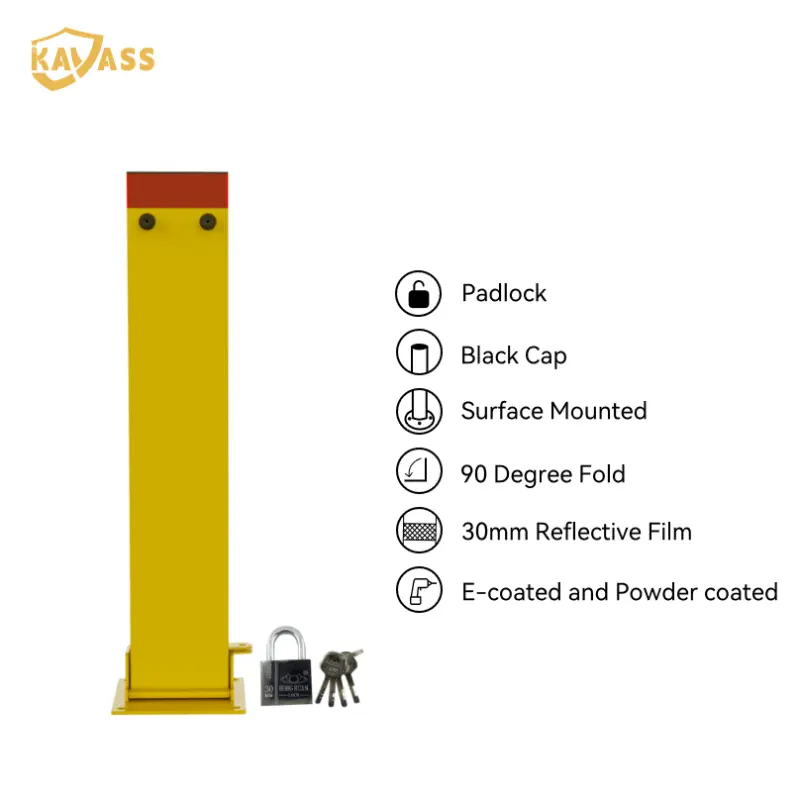
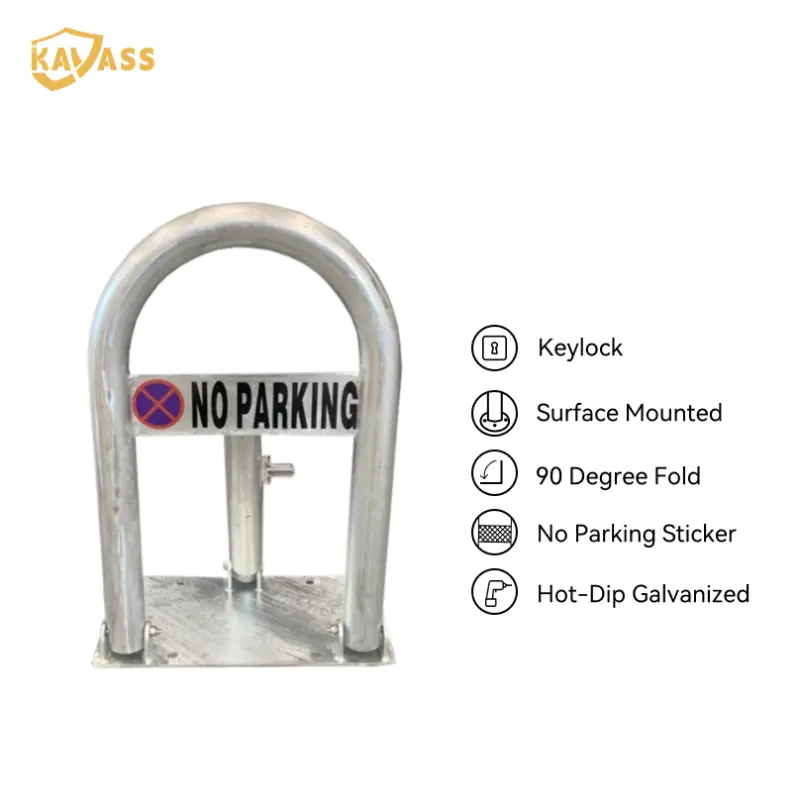
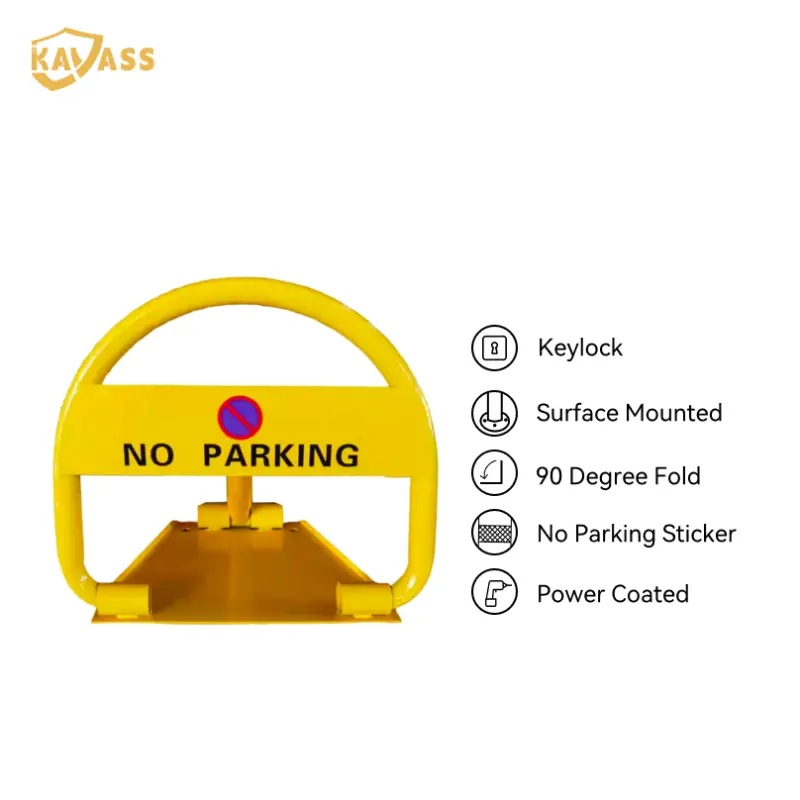
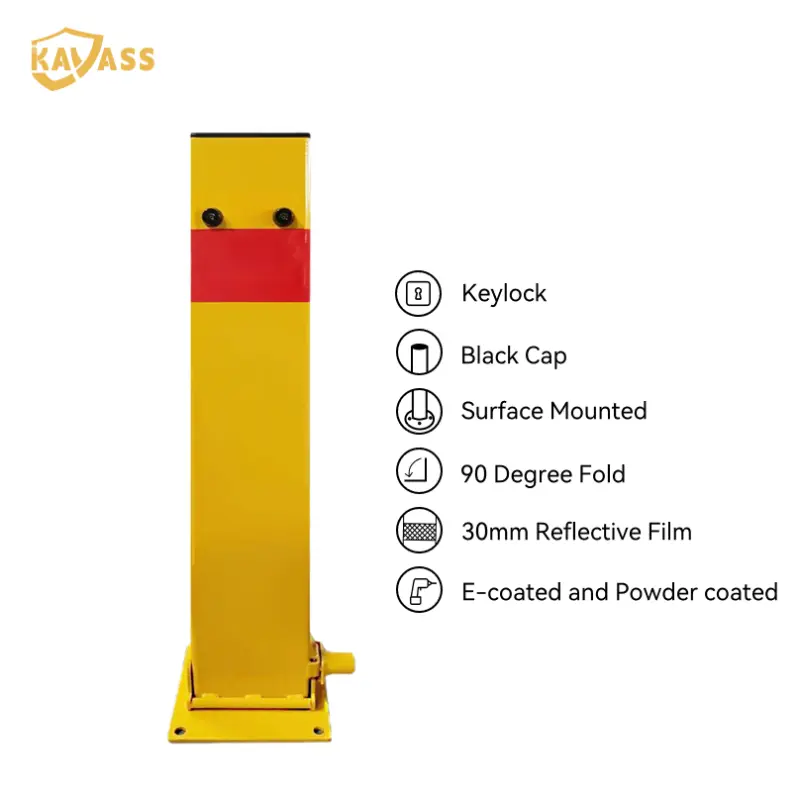
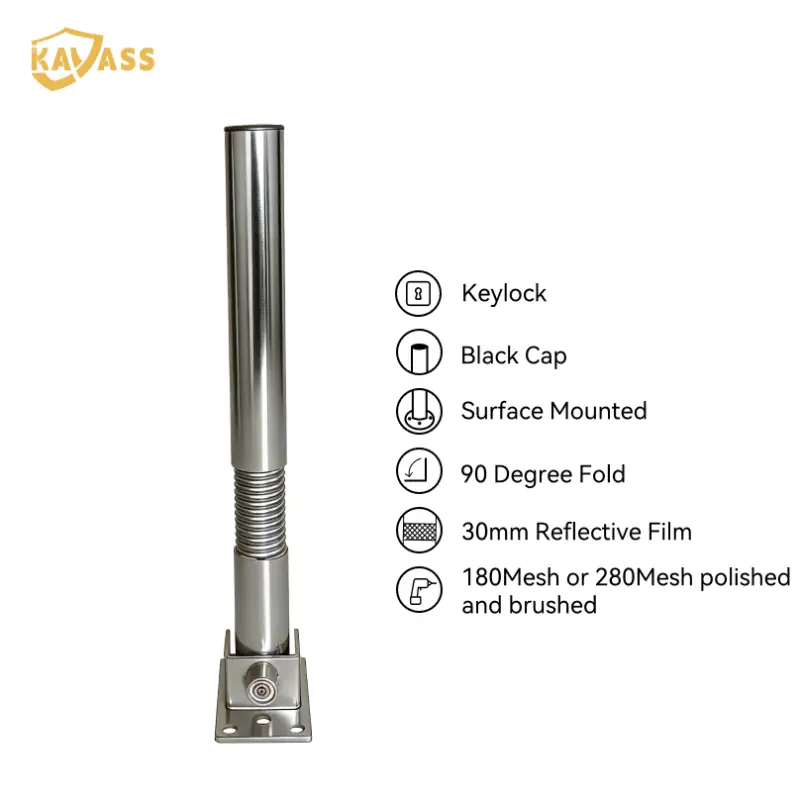
Developing crash-rated bollards requires analyzing dynamic forces, soil mechanics, and civil engineering constraints. High-security anti-terrorism systems are categorized into three main configurations based on operational and environmental needs:
Typically used in active traffic zones where access must be dynamically managed. Powered by heavy-duty hydraulic circuits or integrated electromechanical actuators (EHA), these units rise in 3 to 5 seconds. In high-threat situations, an Emergency Fast Rise (EFP) system can raise the barrier in under 1.5 seconds. The cylinders are constructed from thick-walled carbon steel or stainless steel, housing high-capacity internal heaters to prevent mechanical freezing in sub-zero environments.
Used for perimeter security where physical access is permanently restricted. These bollards rely on deep-cast concrete footings and interconnected rebar cages to distribute impact forces into the surrounding ground. They represent the most cost-effective solution for long perimeter boundaries, such as airport terminals or military barracks.
Designed for urban installations where underground utilities, subway lines, or water mains prevent deep excavation. Shallow-mount bollards feature an interconnected steel base frame that links multiple bollard cylinders together. This configuration allows the concrete foundation depth to be reduced to between 150mm and 400mm. The impact force from a colliding vehicle is transferred across the entire array, absorbing the energy horizontally without needing a deep vertical foundation.
Standard security bollards typically feature wall thicknesses between 4.5mm and 8.0mm. In contrast, anti-terrorism bollards designed to meet ASTM M50 / K12 standards utilize heavy-gauge structural steel tubes with wall thicknesses ranging from 12mm to over 25mm. The internal core is often reinforced with structural concrete fill and high-tensile steel bars to maximize sheer resistance.
Technical guidance and procurement answers from our engineering team.
Active bollards (such as hydraulic rising, pneumatic, or manual telescopic models) can be raised or lowered to allow authorized vehicle access. Passive bollards (such as fixed in-ground or shallow-mount models) remain in a permanent upright position to block all vehicular entry.
Standard deep-mount bollards typically require a foundation depth of 1,200mm to 1,500mm, depending on soil compaction and concrete density. Shallow-mount models require a foundation depth of only 150mm to 400mm, using an interconnected base plate to distribute the force horizontally.
High-strength carbon steel such as Q355B (equivalent to European S355JR or US ASTM A572 Grade 50) is used for crash-rated structural cores. For exterior sleeves and architectural finishes, marine-grade SUS304 or SUS316 stainless steel is preferred to prevent corrosion.
Yes. Custom fabrication is a key advantage of Chinese manufacturing. Working from client engineering drawings, factories can customize wall thicknesses, heights, diameters, LED color rings, surface finishes (polishing, bead blasting, powder coating), and integrate local access control protocols.
Cold temperatures can increase the viscosity of hydraulic fluid, slowing operation. To address this, automatic rising bollards installed in cold climates are equipped with integrated thermostat-controlled heating systems. These heaters maintain the fluid at an optimal operating temperature.
Procurement teams should request: ISO 9001 quality certificates, Mill Test Certificates (MTC) verifying steel grade authenticity, weld inspect reports (NDT testing), hot-dip galvanization thickness verifications (ISO 1461), and crash test certification documentation (ASTM F2656, IWA 14-1, or PAS 68).
For technical inquiries, custom engineering layouts, or bulk commercial pricing for global infrastructure projects, please contact the KAVASS Security Tech Limited project team. Our engineers provide full system drawings, installation support, and compliance verification.
18+ Years of Certified Perimeter Security Engineering
When you are interested in any of our products after viewing our product list, you are welcome to contact us for consultation at any time. You can send us an email or reach out to us directly for consultation, and we will reply to you as soon as possible.
Expanding structural safety options for commercial, industrial, and public spaces.
 KAVASS