High-durability safety components built to withstand structural stress and extreme environments.
In modern industrial facilities, chemical laboratories, and heavy manufacturing sites, the management of Class I, II, and III flammable liquids demands rigorous risk mitigation. Improper storage of volatile solvents, fuels, and chemical reagents ranks among the leading causes of catastrophic industrial fires. A custom flammable chemical storage cabinet serves as the primary engineering control, isolating reactive and combustible substances from ambient ignition sources, providing critical evacuation windows for personnel, and preventing fuel feed to developing structural fires.
Compliance is not merely a legal checkbox; it is a foundational pillar of life safety and environmental stewardship. Under standard regulations such as OSHA 1910.106 and NFPA 30 (National Fire Protection Association), the design, wall thickness, venting mechanisms, and spill-containment capacities of these cabinets are strictly defined. Customizing these containment systems allows enterprises to reconcile specialized chemical workflows (such as integration with automated dispensing systems, gravity-fed decanting, or size constraints of automated guided vehicles) with strict regulatory mandates.
Standard industrial storage structures require a double-walled construction using premium-grade electro-galvanized or cold-rolled steel. The insulating barrier is created by a 1.5-inch (38mm) air space between the inner and outer steel panels, minimizing heat transfer. High-integrity design dictates that joints must be welded, riveted, or interlocked to prevent structural failure under thermal stress. The exterior is finished with an electrostatic chemical-resistant epoxy powder coating, protecting the cabinet from acidic or basic chemical fumes that could degrade the steel over time.
Every industrial sector faces a unique footprint of chemical usage. Off-the-shelf cabinets often fail to meet the dynamic workflow, storage volume, or floorplan constraints of modern automated facilities. Tailored configurations solve these complex macro challenges:
Requirements focus on cleanability, corrosion resistance, and integration within cleanroom environments. Heavy-duty SUS 304 or SUS 316 stainless steel cabinets prevent chemical off-gassing and resist aggressive sterilization agents.
High-purity chemical lines require cabinets with built-in exhaust ventilation, integrated leak detection sensors, and pneumatic self-closing door systems tied to main facility shutoffs.
Heavy paints, sealers, and composite solvents require custom-sized cabinets with high loading capacity shelves (up to 200kg per shelf) and built-in grounding connectors to prevent static buildup during transfer.
The next generation of flammable chemical storage cabinets moves beyond passive physical barriers to become active, intelligent safety hubs. As smart factories under the Industry 4.0 framework gain traction globally, containment infrastructure is evolving rapidly. KAVASS is positioning its engineering pipeline to address these changes:
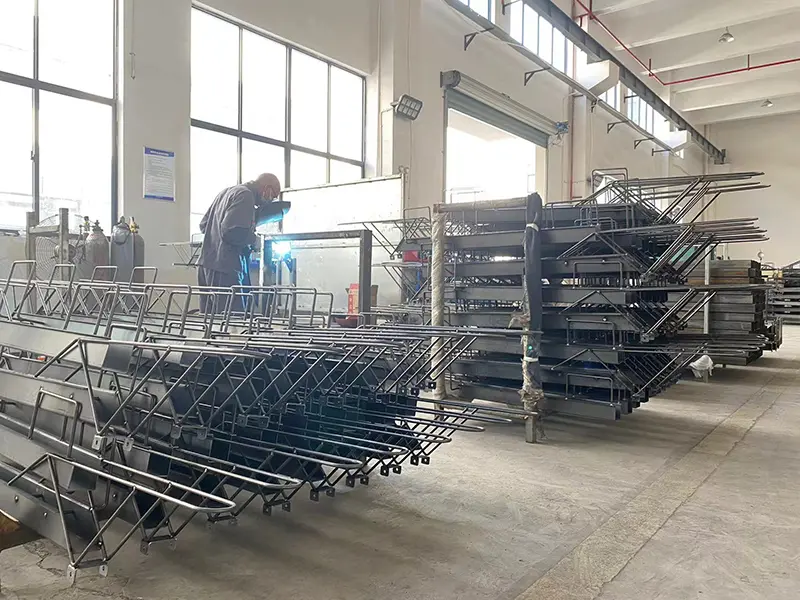
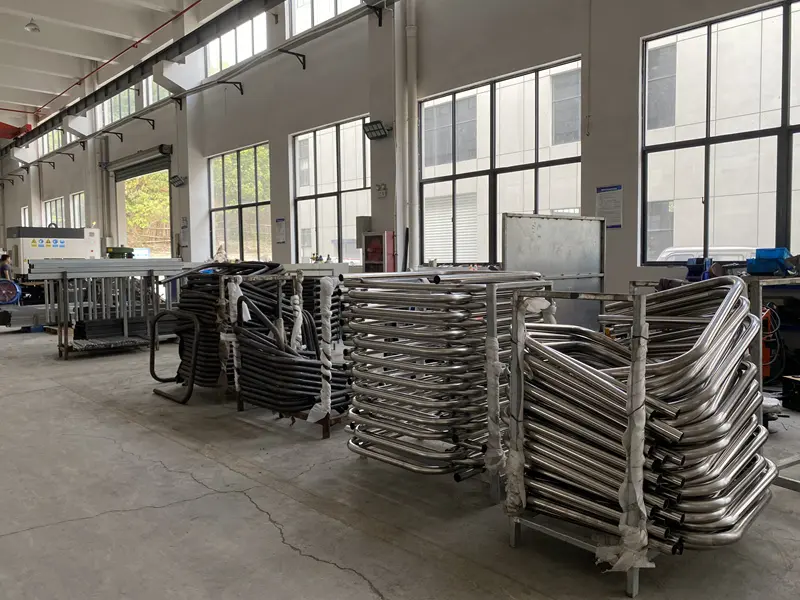
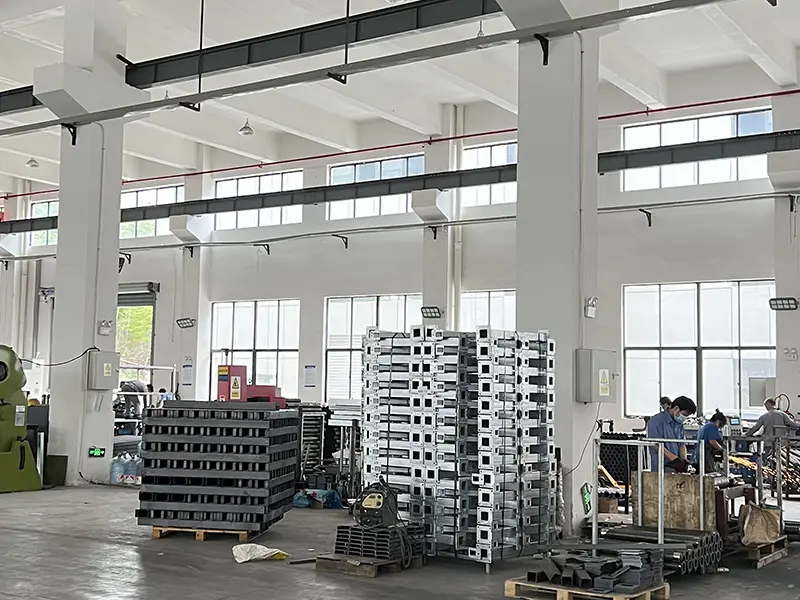
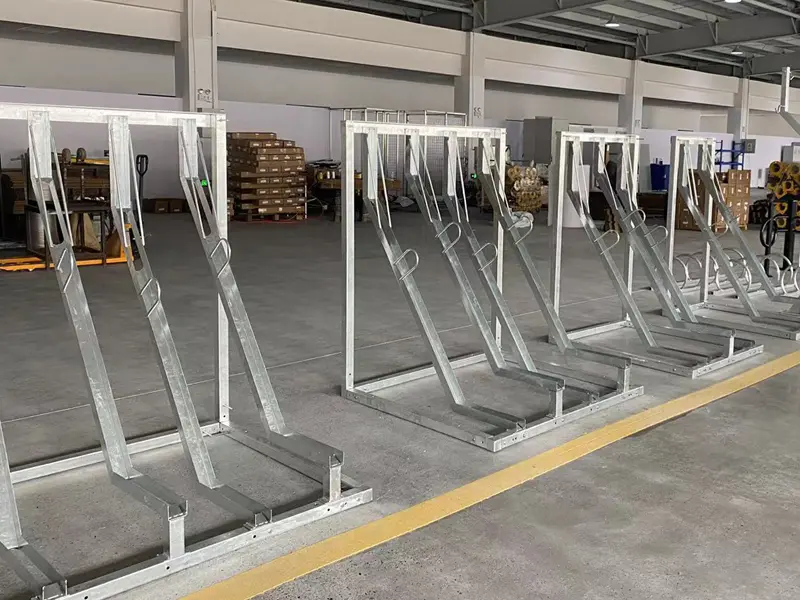
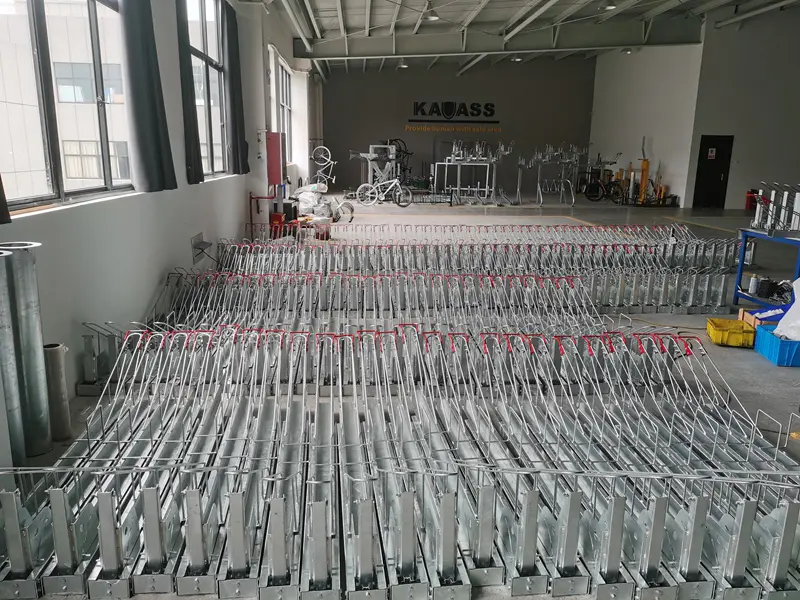
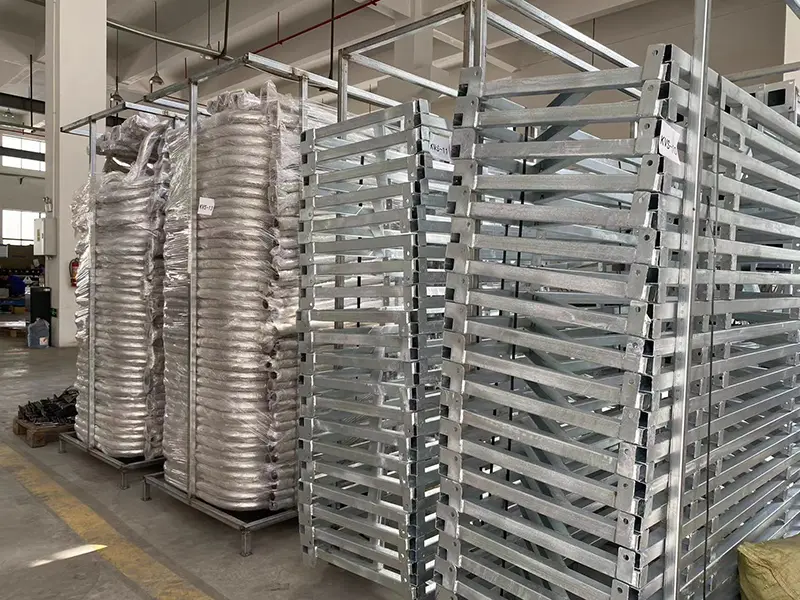
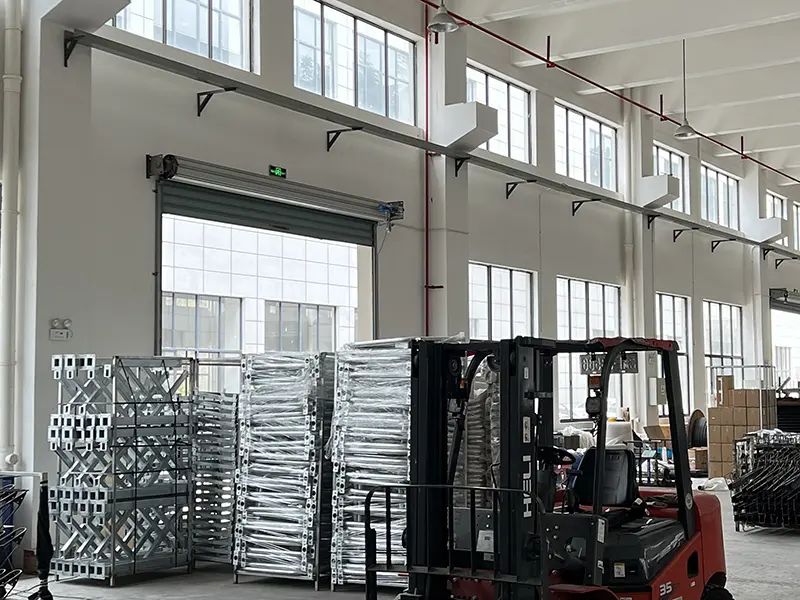
Operating out of advanced production facilities in Deqing and Zhuji, KAVASS leverages high-precision manufacturing processes to construct high-integrity safety systems. Building security components for 18 years has allowed KAVASS to perfect the metalwork, powder coating, and structural integrity required for certified hazardous storage cabinets.
Our Factory 4.0 initiatives combine automation with deep expertise to ensure reliability:
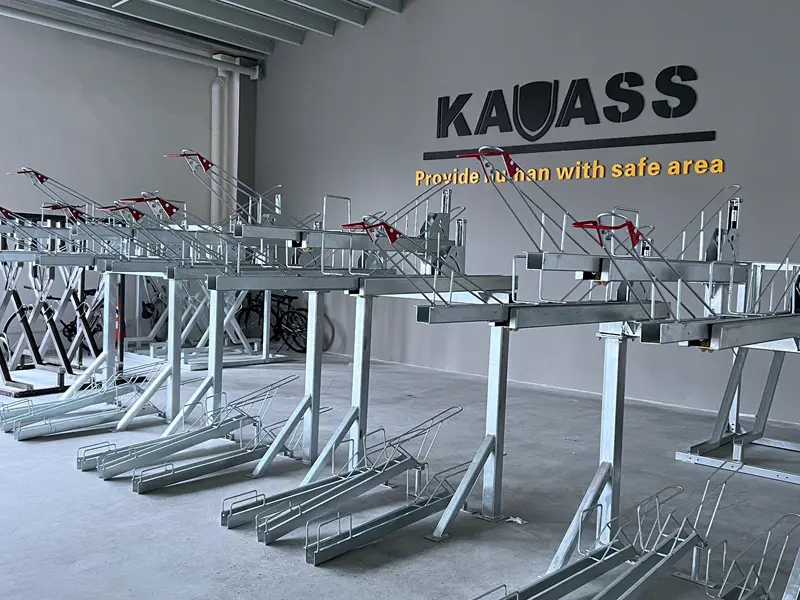
A glimpse inside our Deqing and Zhuji production bases, built for capacity and consistency.
Procuring hazardous containment equipment demands deep knowledge of localized safety regulations. A cabinet compliant in one jurisdiction may fail compliance inspections in another. Sourcing partners must understand regional standards and design requirements:
Under these regulations, cabinets must feature a double-walled construction with a 1.5-inch air space. The bottom sump must be liquid-tight and hold at least 2 inches (51mm) of spilled liquid. Self-closing door designs are mandatory in states that adopt specific editions of the International Fire Code (IFC). The cabinet must feature prominent warning labels stating: "FLAMMABLE - KEEP FIRE AWAY."
The European standard classifies safety cabinets based on their structural fire resistance during test chamber conditions. Type classifications range from Type 15, 30, 60, up to 90 minutes. Achieving Type 90 compliance requires integrating high-performance insulation materials, intumescent door seals that expand under heat, and automated ventilation dampers that close at 70°C to seal off structural openings.
Working with an experienced manufacturer like KAVASS ensures your custom specifications meet these local structural requirements. We support global customers with detailed CAD drawings, structural analysis sheets, and material test certificates, facilitating approvals by local environmental, health, and safety inspectors.
Explore our diverse manufacturing capabilities covering street security, bicycle parking, and industrial protective furniture.
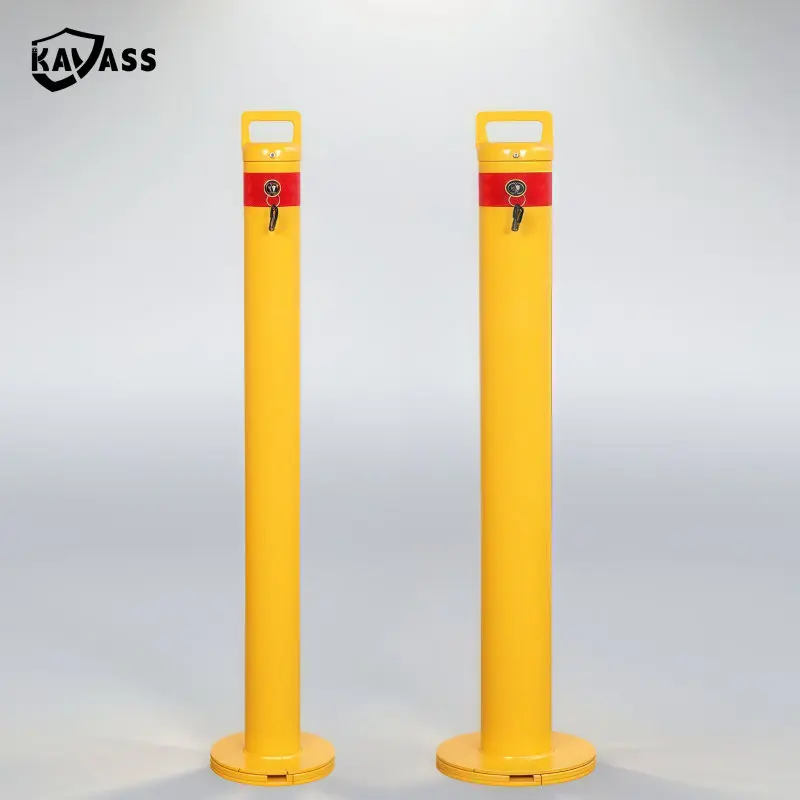
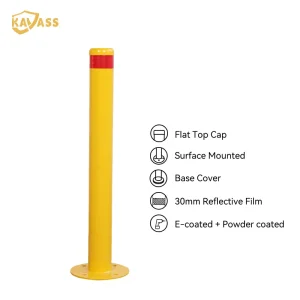
Security Bollards
Fixed, fold-down, telescopic, removable, automatic, and lighting designs.
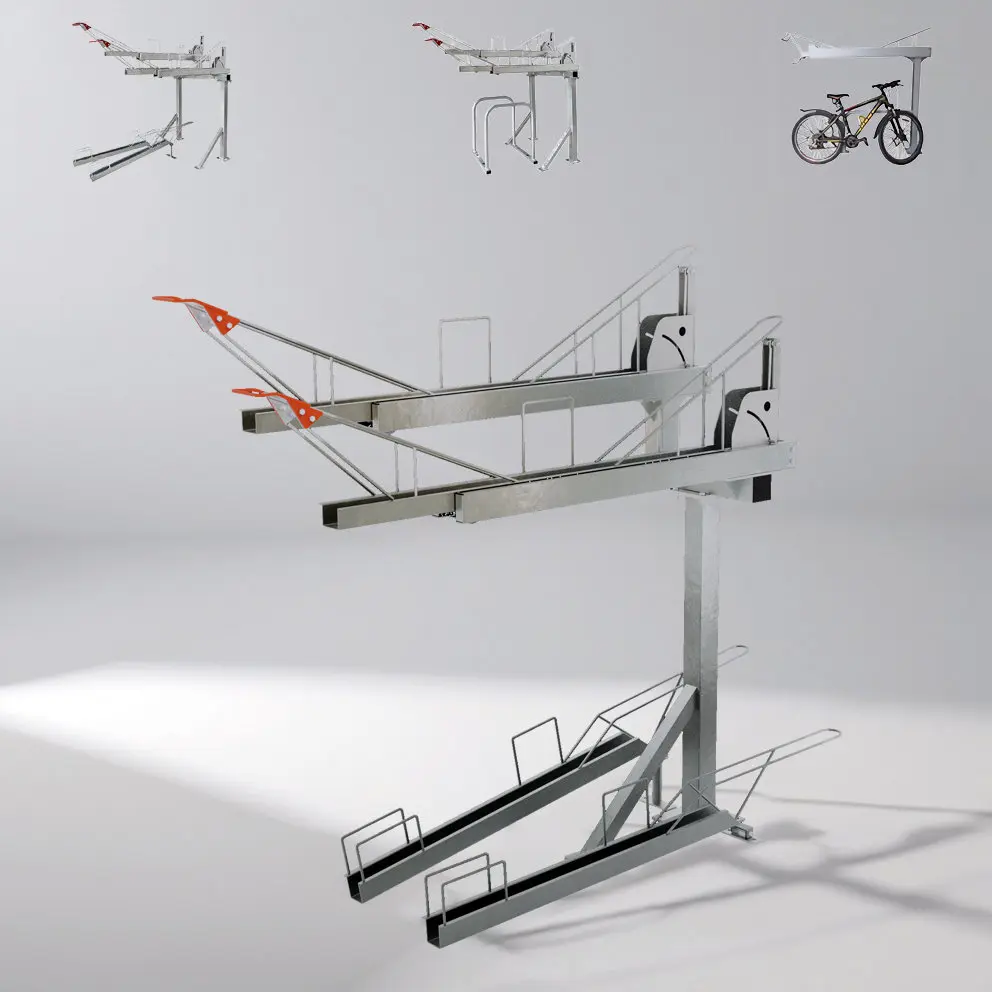
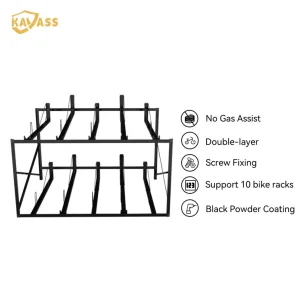
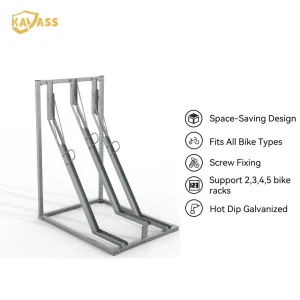
Bike Racks
Durable and space-saving bicycle parking systems for commercial areas.
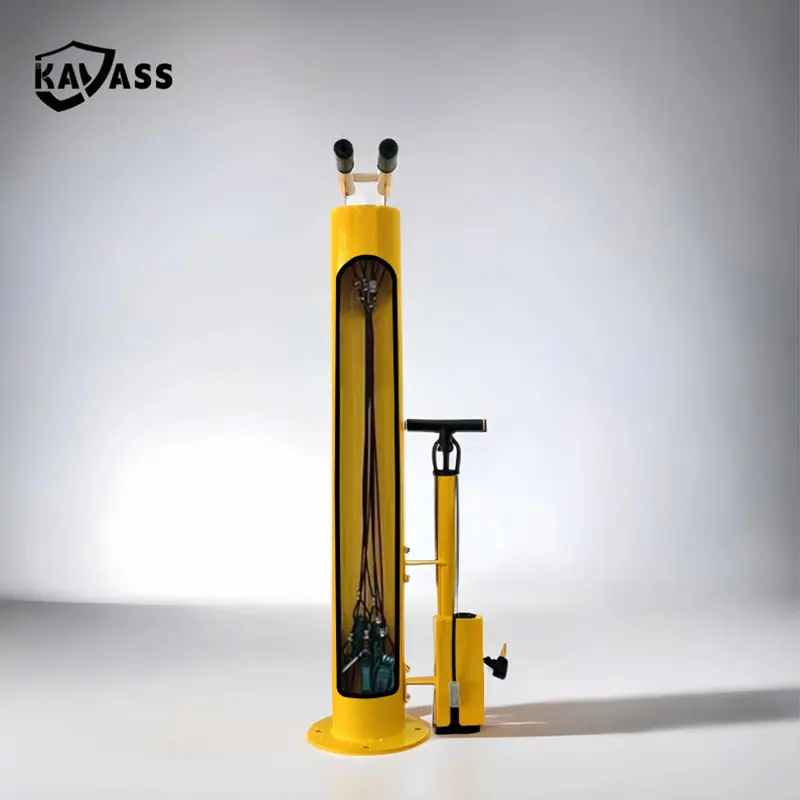
Industry Safety
Safety barriers, guardrails, and collision-resistant steel guards.
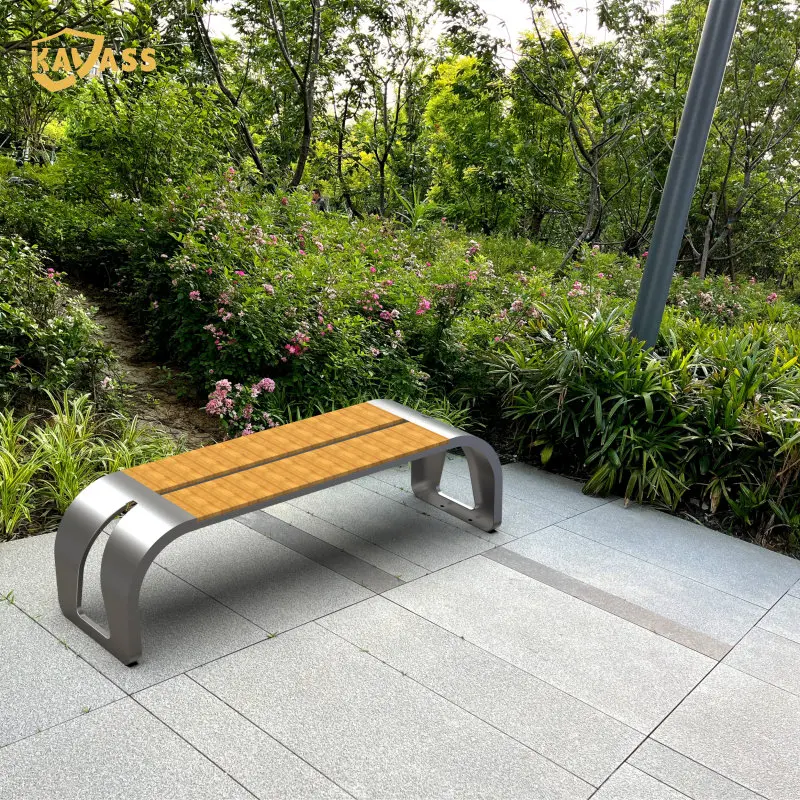
Street Furniture
Custom commercial benches, waste receptacles, and perimeter markers.
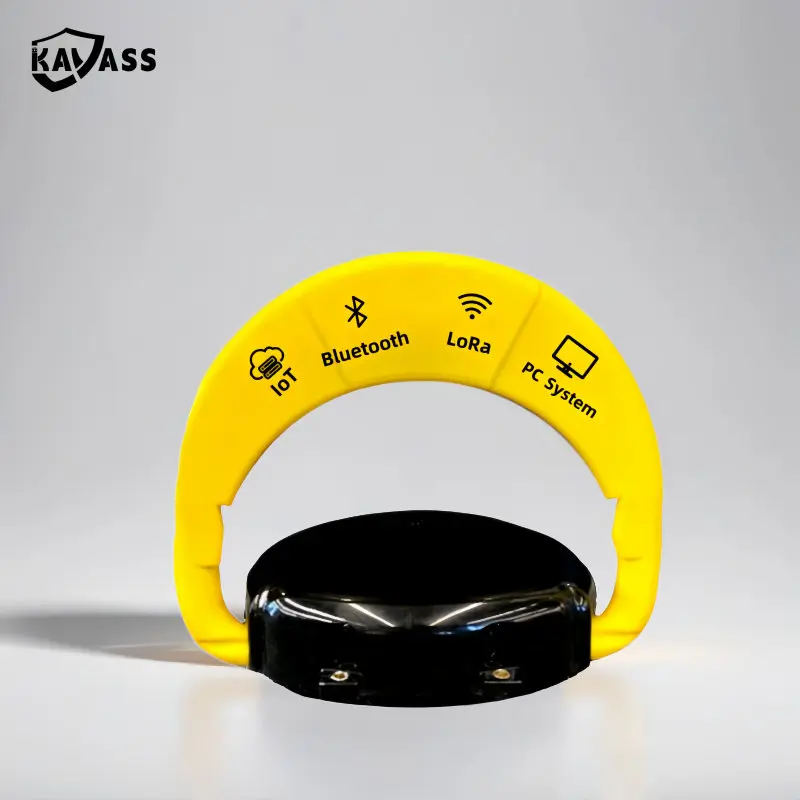
Parking Locks
Manual, remote-controlled, solar-powered, and IoT parking locks.
Technical answers to key safety, compliance, and sourcing inquiries from global engineering teams.
Standard manufacturing solutions developed to protect public, commercial, and industrial zones.
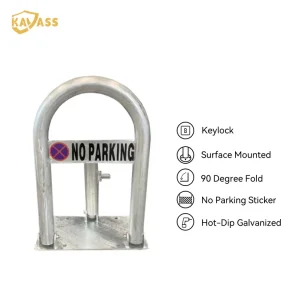
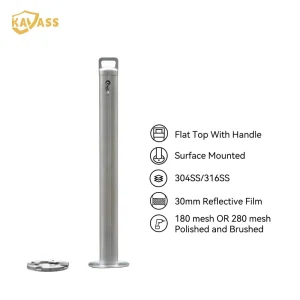
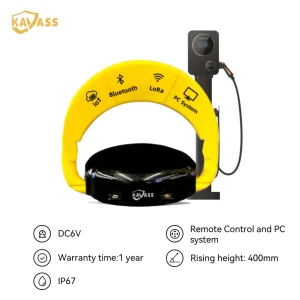
KAVASS Security Tech Limited brings 18 years of manufacturing expertise to custom perimeter safety and containment systems. Contact our engineering team to review project drawings, compliance requirements, or request a volume quotation.
Deqing Factory & Zhuji Production Facilities, Zhejiang, China
Serving engineering projects in Europe, the Middle East, Southeast Asia, and the Americas.
 KAVASS