Explore our leading selection of custom manual locks, automatic bollards, and smart street infrastructure designed for high-density commercial operations and smart city deployments.
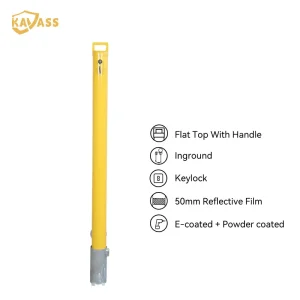
Modern smart city management demands robust, automated control interfaces at the individual parking space level. Historically, parking control relied heavily on physical security guards, manual chain barriers, or simple key-operated mechanical locks. However, in the era of Autonomous Valet Parking (AVP), EV charging infrastructure management, and algorithmic urban planning, mechanical barriers are insufficient. The emergence of Smart Parking Space Locks, specifically those utilizing LPWAN (Low-Power Wide-Area Network) protocols such as LoRa, has revolutionized how municipal authorities and commercial operators preserve and monetize parking assets.
Compared to short-range technologies like Bluetooth (BLE) or Wi-Fi, LoRa-enabled parking locks resolve the crucial limitation of signal attenuation in dense concrete structures (such as underground multi-level parking garages). Operating on sub-GHz frequencies (e.g., 868 MHz / 915 MHz), LoRa signals penetrate deep structural basements, enabling seamless connection to centralized cloud dashboards over ranges exceeding several kilometers.
The technical architecture of a professional-grade LoRa parking reservation lock comprises three core layers: physical actuator hardware, local RF network, and integration-ready API controllers. The mechanical actuator is built with high-torque gearboxes and IP67/IP68 ingress-rated casings, assuring functional lifecycle integrity under harsh outdoor environments.
A common failure point for legacy IoT parking locks is excessive standby battery consumption. To combat this, next-generation locks employ advanced sleep modes. Utilizing Class A LoRaWAN protocol standards, the device transceiver remains in a low-power deep sleep state, waking up only upon a scheduled downlink command or sensor triggers (such as ultrasonic vehicle detection). This enables operations up to 3 to 5 years on standard non-rechargeable lithium batteries before requiring replacement.
Looking toward the future technical roadmap, the integration of radar-sensing and micro-radar technology into the parking lock chassis enables precise occupancy verification without external camera feeds. Through edge computing, the lock can analyze mechanical load changes (e.g., if a vehicle drives over the arm illegally) and immediately trigger local acoustic alarms while transmitting telemetry data to the cloud dashboard.
Deploying custom LoRa parking reservation locks transcends simple asset lockouts. It unlocks high-efficiency micro-mobility space optimization across three distinct commercial ecosystems:
One of the most persistent bottlenecks in EV charging infrastructure is "ICEing" (non-electric vehicles occupying charging spaces). By integrating LoRa parking locks with the EV charger's app back-end, the physical lock remains upright until a booking is verified, lowering only when a compatible EV initiates a reservation cycle.
Municipalities deploy centralized LoRaWAN gateways across utility poles to monitor public curbside parking spaces. LoRa locks regulate dedicated parking zones for delivery logistics, VIP services, and handicap parking, ensuring clean municipal spaces without visual wire clutter.
Corporate real estate benefits from automated parking lock systems by assigning dynamic digital reservation credentials to corporate clients and personnel, improving tenant satisfaction and reducing administrative overhead.
The technical differentiation of high-performance parking locks becomes obvious when evaluated across range, power, and physical integrity:
| Parameter | KAVASS Custom LoRa Lock (IoT) | Traditional BLE Locks | Standard Manual Parking Locks |
|---|---|---|---|
| Communication Protocol | LoRaWAN (868/915/433 MHz) | Bluetooth Low Energy (2.4 GHz) | N/A (Mechanical Key) |
| Effective Control Range | Up to 10 km (Line-of-Sight) | ~10 - 15 meters max | Physical Contact Required |
| Wall/Obstacle Penetration | Extremely High (Sub-GHz) | Low (Highly attenuated by concrete) | N/A |
| IP & Impact Rating | IP68 / IK10 Compliant | IP65 typical | IP54 typical |
| Power Source | Lithium Primary Battery / Solar Hybrid | Alkaline Dry Batteries | No battery required |
| Centralized Fleet Dashboard | Fully Integrated Cloud UI | No (Requires local device pairing) | No (Manual inspection only) |
Importing security and telecommunication products globally demands strict adherence to local radio frequency and health/safety mandates. Hardware designed for global markets must undergo rigorous certification pathways before import clearance. At KAVASS Security Tech Limited, all parking systems are tested and compliant with the following certification structures:
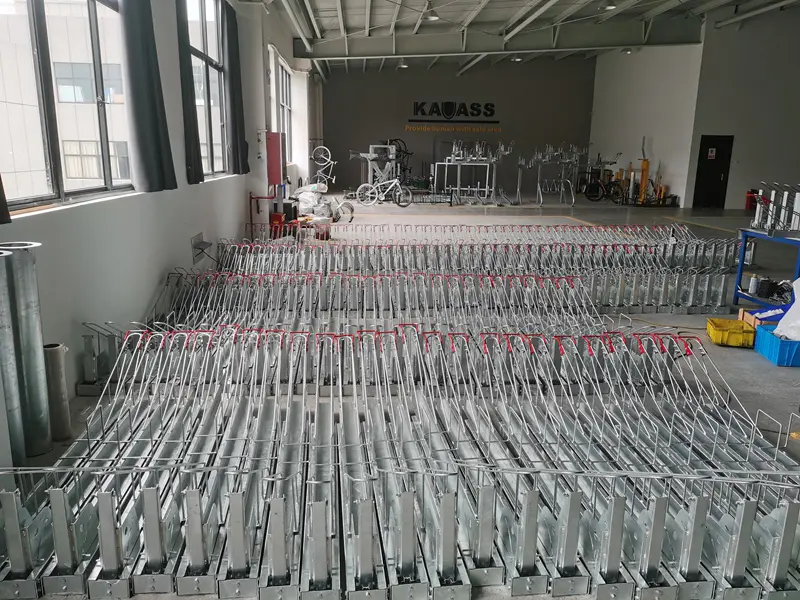
With over 18 years of specialized manufacturing experience, KAVASS Security Tech operates two primary facilities: the Deqing Factory and the Zhuji Factory. Our manufacturing floor utilizes advanced robotics, CNC cutting machinery, and automated electrostatic powder coating lines to deliver highly reliable products.
Our integrated production line encompasses steel profiling, robotic welding, high-temperature galvanization, quality inspection protocols, and global delivery networks. Because we manage everything from raw metal material conversion to PCB assembly and quality inspection under one roof, we offer faster lead times (including fast 3-day delivery options on specialized stock) and customizable finishes to suit client branding requirements.
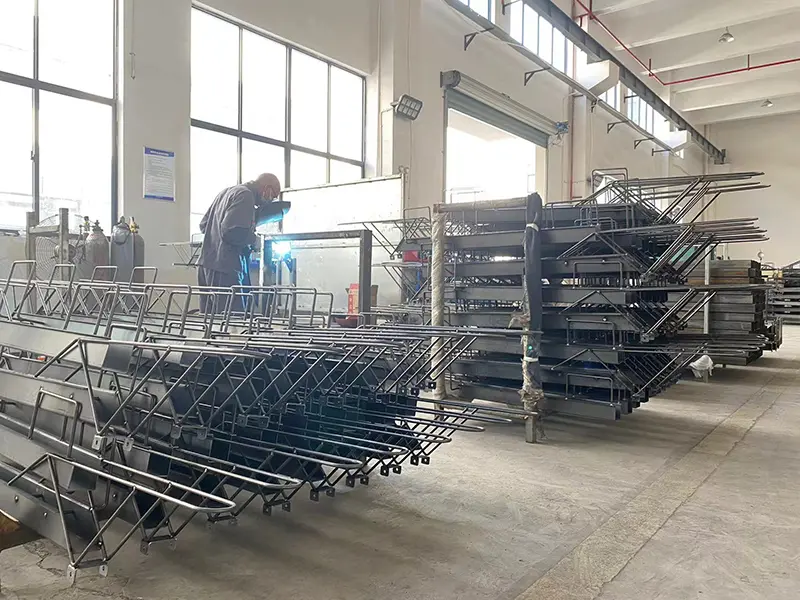
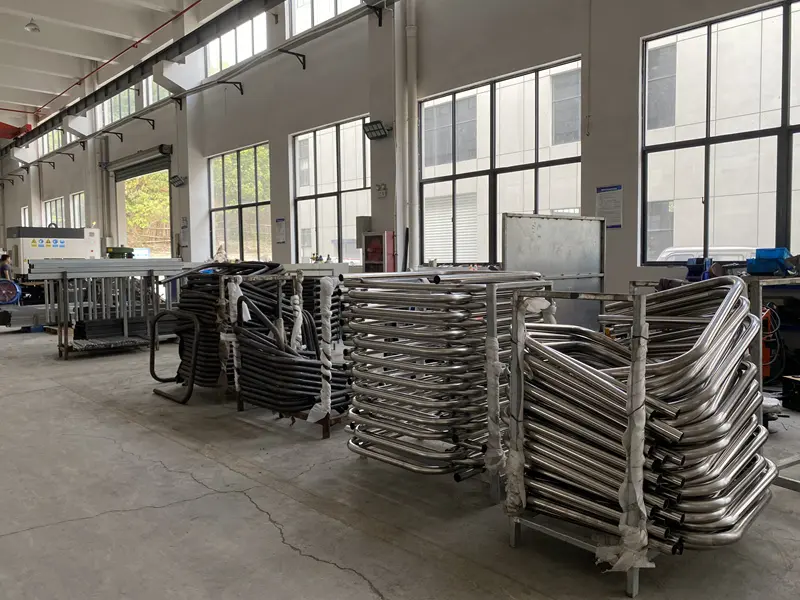
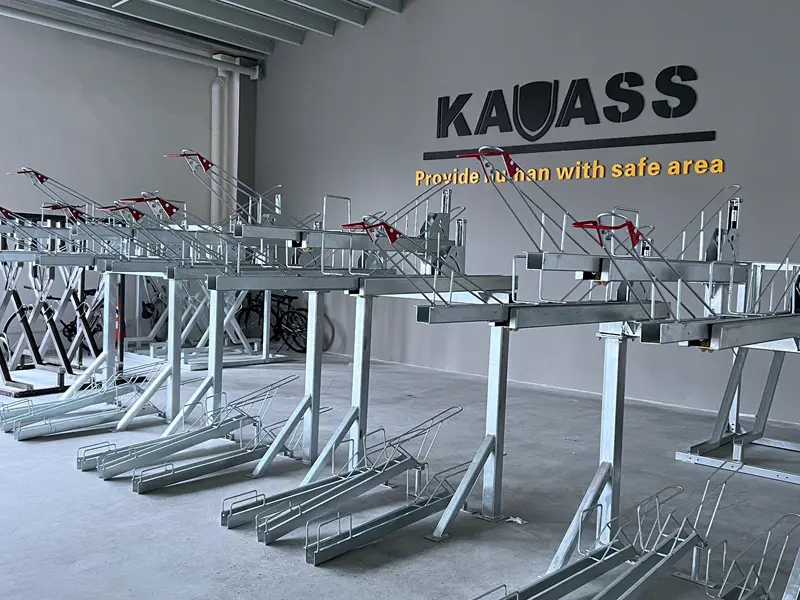
When purchasing parking reservation systems and access barriers, procurement heads must look beyond hardware unit costs. To assure lower Total Cost of Ownership (TCO), consider:
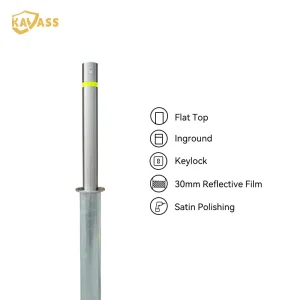
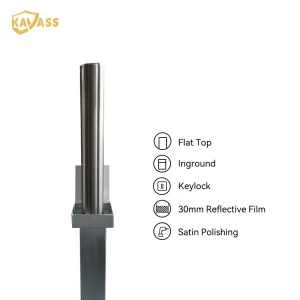
Always verify if the structure relies on Q235 Carbon Steel, 304 Stainless Steel, or 316 Stainless Steel. High-salinity coastal areas require hot-dip galvanization or grade 316 steel to prevent rust and degradation.
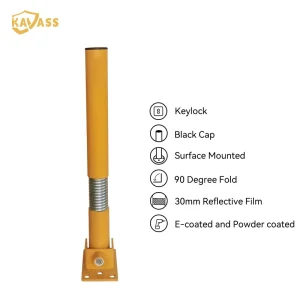
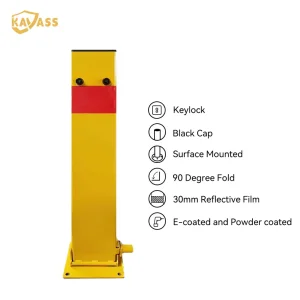
For manual/retractable barriers, opt for heavy-duty built-in locking cylinders featuring Key-Alike or Key-Differ configuration options to streamline security operations.
Ensure the manufacturer provides SDKs and open HTTP/MQTT APIs to integrate lock state telemetry directly with parking reservations or EV charging management portals.
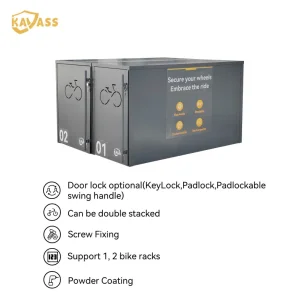
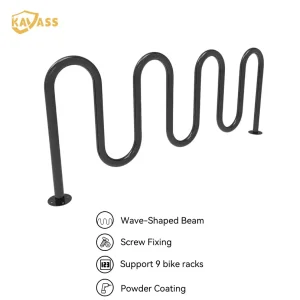
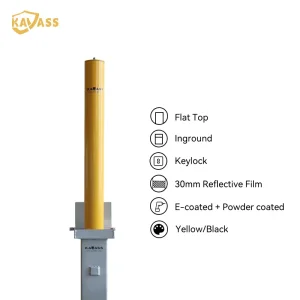
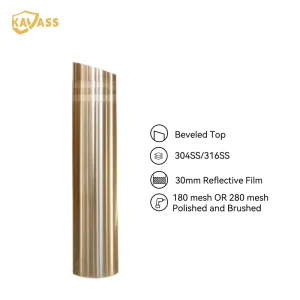
Explore our extensive range of high-durability access locks, bike racks, and telescopic bollards designed to withstand tough field conditions.
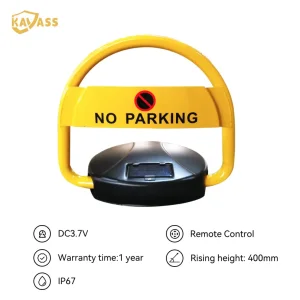
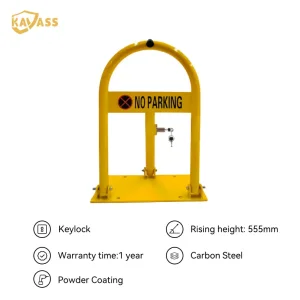
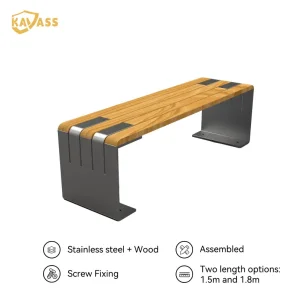
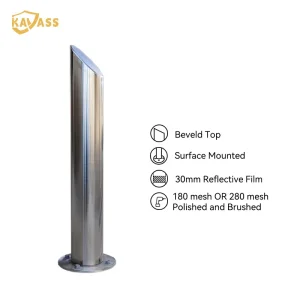
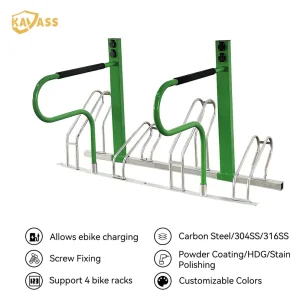
KAVASS Security Tech Limited is a professional manufacturer focused on traffic safety and perimeter protection solutions, with more than 18 years of industry experience. We specialize in the design, production, and supply of a wide range of products, including parking locks, bollards, bike racks, and other urban infrastructure equipment. By integrating product development, manufacturing, and after-sales support, we provide efficient one-stop solutions tailored to the needs of global clients.
Our production base is equipped with advanced machinery and modern manufacturing processes, supported by a skilled engineering and quality control team. From raw material selection to final inspection, every step is carefully managed to ensure consistent product performance and long-term reliability. This enables us to meet the demands of various applications, from standard products to customized project requirements.
Our dynamic manufacturing framework is optimized to produce high-specification barriers across several primary areas:
Fixed, fold-down, telescopic, removable, automatic, and lighting bollards for perimeter security and access control.
Durable and space-saving bicycle parking systems for commercial and residential areas.
Safety barriers, guardrails, and protective equipment for industrial and construction environments.
Benches, bins, and other customized outdoor furniture solutions for public spaces.
Manual, remote-controlled, solar, and IoT smart parking locks for modern parking management.
Whether you need technical CAD drawings, signal transmission analyses, or custom OEM manufacturing quotes, our engineering division is here to help.
Reach out today to discuss your next project deployment.
 KAVASS