Explore our industrial-grade retractable, fixed, and removable security bollards built to secure pedestrian zones, parking structures, and heavy logistics facilities globally.
Years Security Industry Experience
Global Export Countries & Regions
Dedicated Advanced Factories
Custom OEM/ODM Engineering Ability
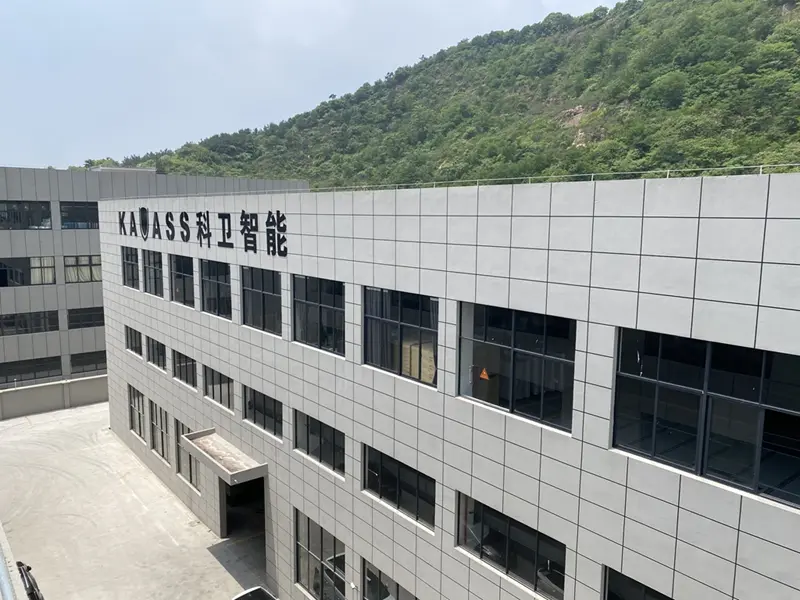
KAVASS Security Tech Limited is a professional manufacturer focused on traffic safety and perimeter protection solutions, with more than 18 years of industry experience. We specialize in the design, production, and supply of a wide range of products, including parking locks, bollards, bike racks, and other urban infrastructure equipment. By integrating product development, manufacturing, and after-sales support, we provide efficient one-stop solutions tailored to the needs of global clients.
Our production base is equipped with advanced machinery and modern manufacturing processes, supported by a skilled engineering and quality control team. From raw material selection to final inspection, every step is carefully managed to ensure consistent product performance and long-term reliability. This enables us to meet the demands of various applications, from standard products to customized project requirements.
Providing versatile municipal and safety solutions suited for high-density public areas, transport hubs, commercial campuses, and industrial sites.
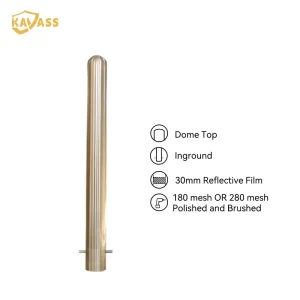
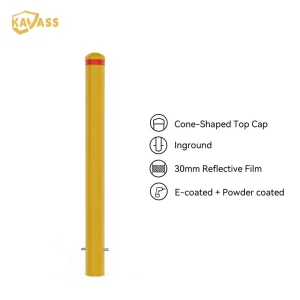
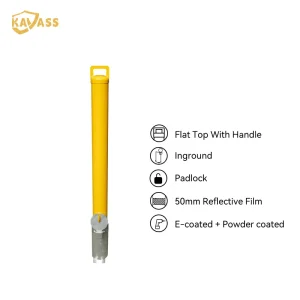
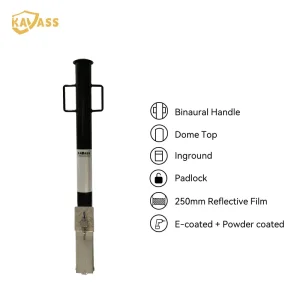
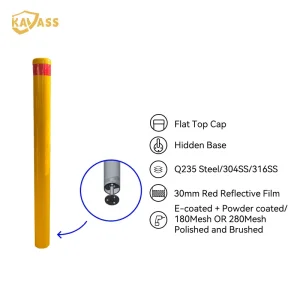
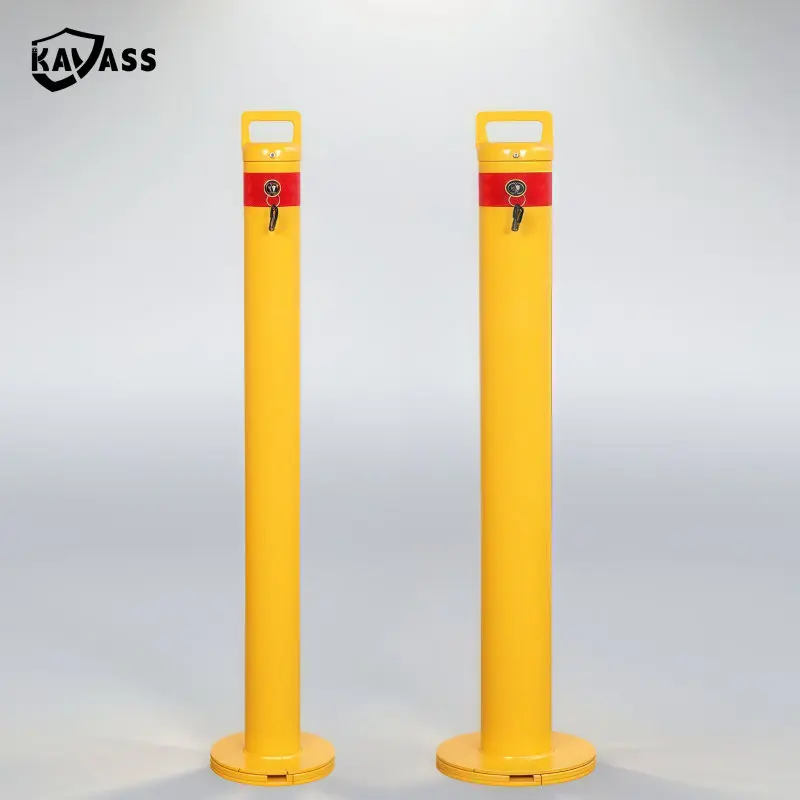
Fixed, fold-down, telescopic, removable, automatic, and lighting bollards for perimeter security and access control.
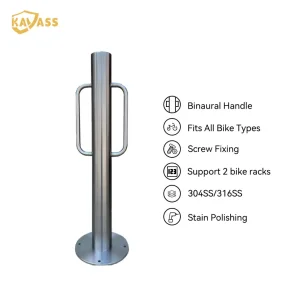
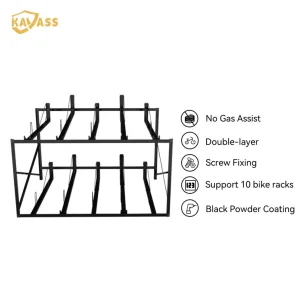
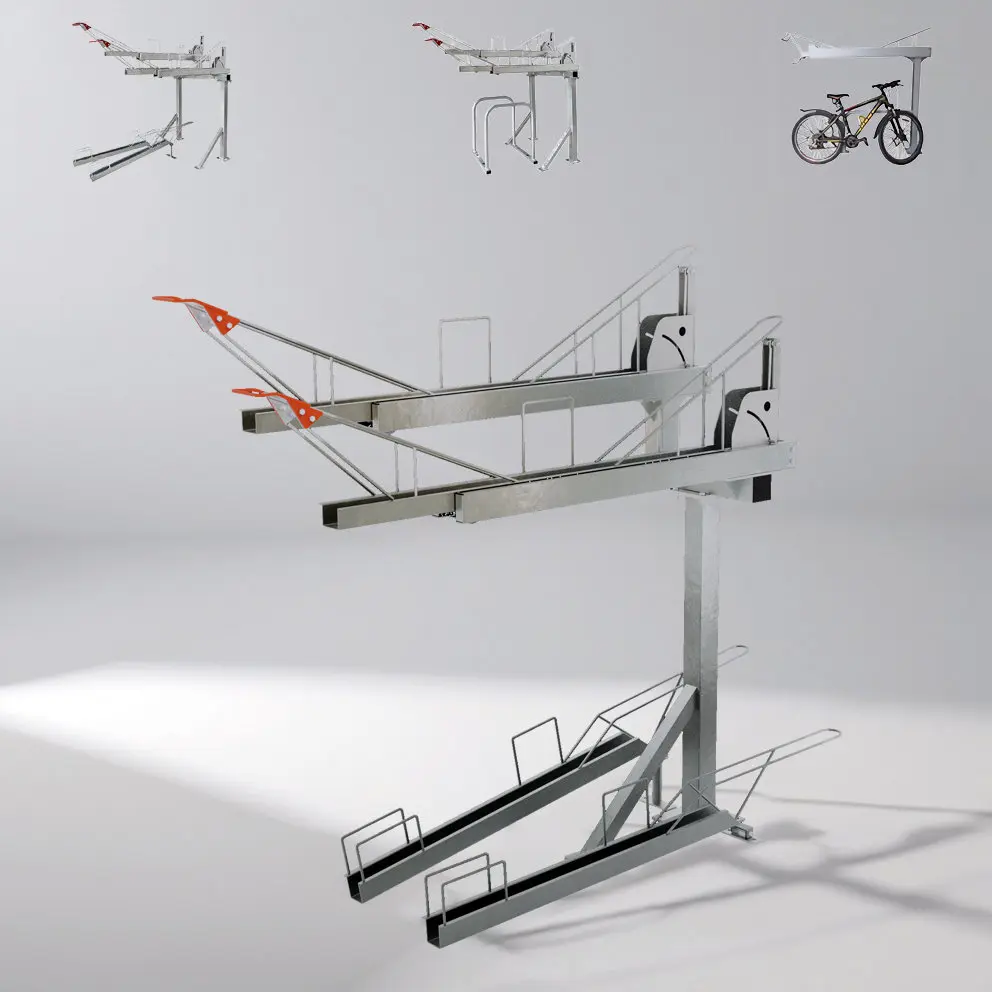
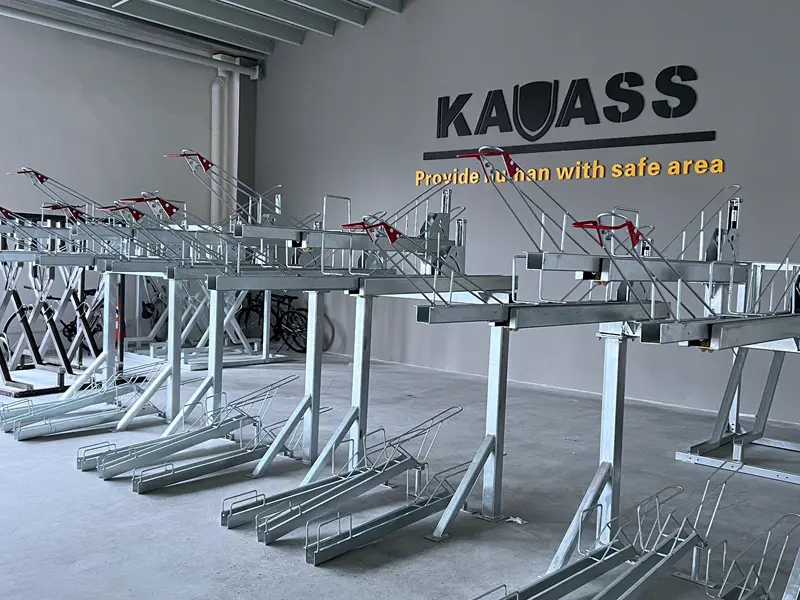
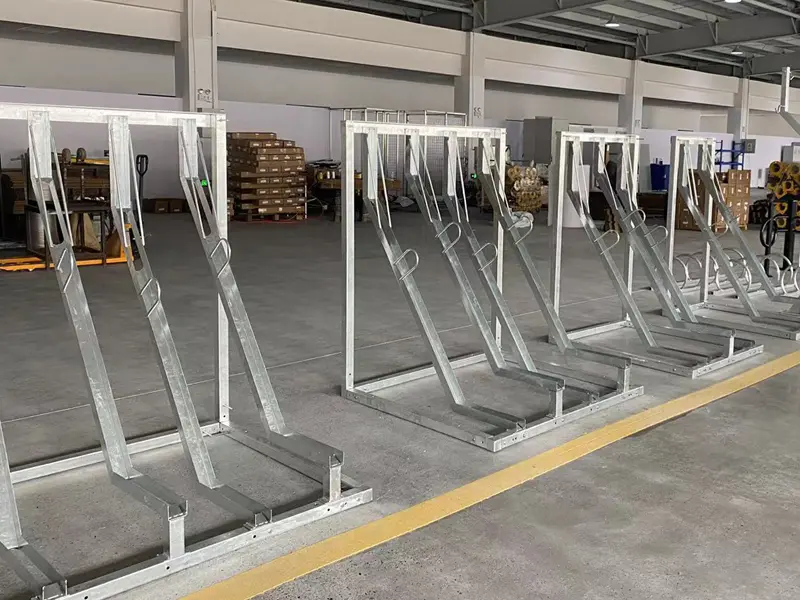
Durable and space-saving bicycle parking systems for commercial, municipal, and residential developments.
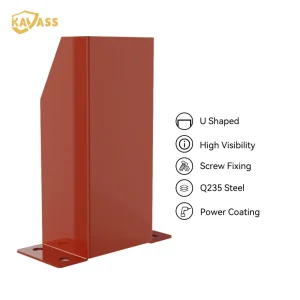
Safety barriers, guardrails, shelf protectors, and collision guards engineered for warehouses and logistical hubs.
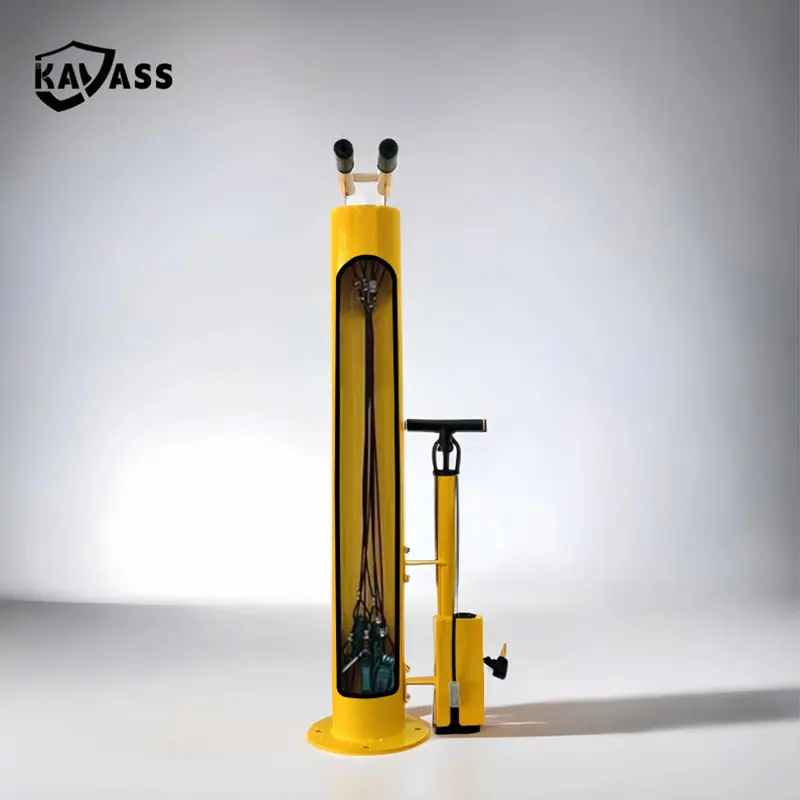
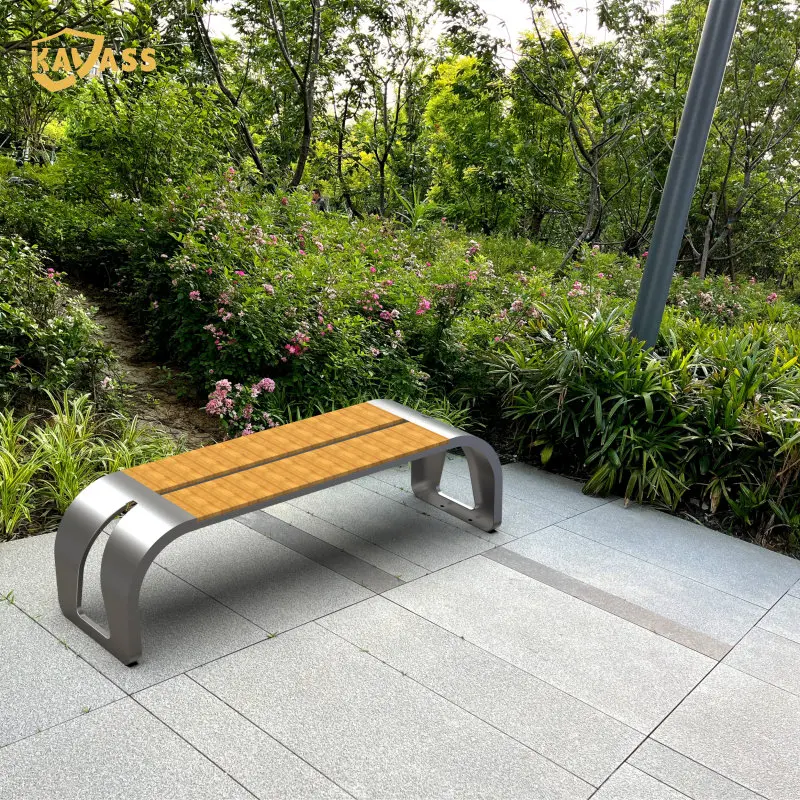
Ergonomic outdoor benches, utility bins, and custom steel landscape structures designed for urban spaces.
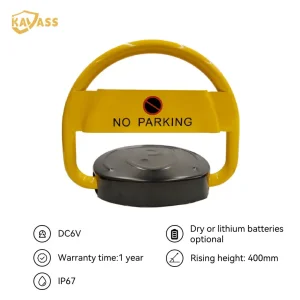
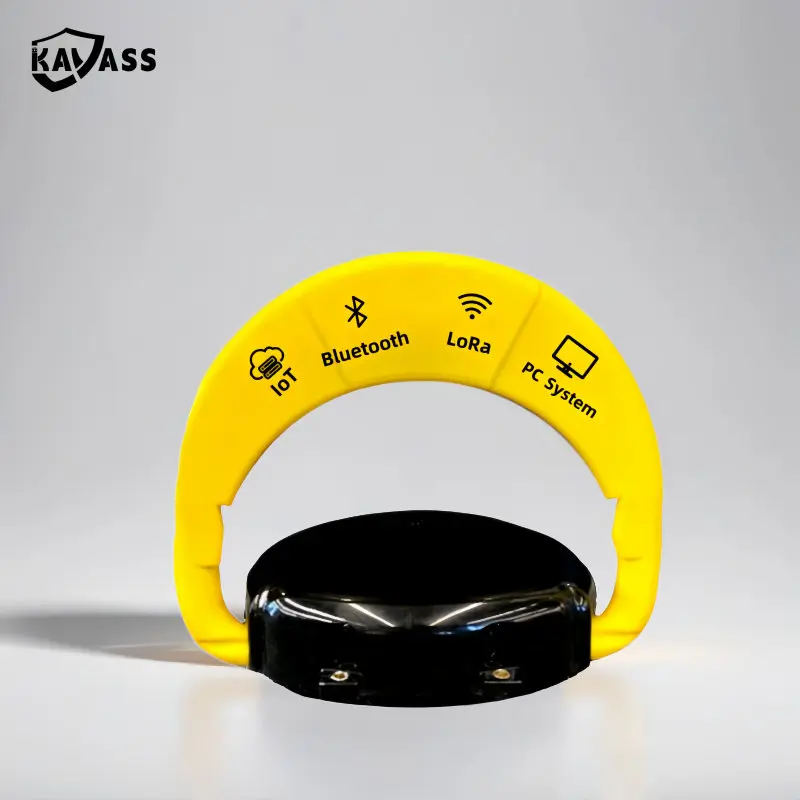
Advanced remote-controlled, solar-powered, manual, and smart IoT-enabled parking locks for modern parking lot management.
Telescopic security bollards have evolved from basic mechanical barriers into highly integrated, electro-hydraulic and electromechanical systems capable of mitigating high-velocity vehicular impacts. Understanding the mechanical differences and driving units of automatic bollards is vital for project specifiers to ensure reliable perimeter control.
High-performance automatic retractable bollards generally rely on hydraulic power due to its superior lifting capacity and capability to handle heavy-duty duty cycles.
For projects aiming for maximum environmental friendliness and zero risk of fluid leakage, electromechanical telescopic bollards present a reliable alternative. Powered by a high-torque brushless DC motor connected to a precision-engineered ball screw mechanism, these systems offer precise height control, acceleration, and deceleration curves. They are highly energy-efficient, operate with low acoustic noise, and perform well in moderately cold climates without the fluid-viscosity issues typical of hydraulic oils.
Commonly integrated in sites requiring fast deployment cycles, pneumatic bollards use compressed air reservoirs to actuate the piston. While they can achieve rapid rising speeds, they necessitate a continuous compressed air infrastructure, making them less common for single-site commercial projects but valuable in low-temperature industrial regions.
Designed to deform and transfer kinetic energy into underground concrete foundations, stopping heavy vehicles instantly.
Integrated micro-units are sealed inside thick steel housings, preventing ground water penetration and electrical shorts.
Easily linked with PLC boards, RFID scanners, plate recognition cameras, and mobile remote control networks.
Procuring telescopic bollards for large-scale municipal, commercial, or military perimeters requires navigating various international safety ratings and standard designations. A lack of understanding regarding these criteria can lead to system failures, high maintenance expenses, or regulatory non-compliance.
When choosing an automatic bollard configuration, look closely at these three primary impact safety standards:
Bollard cylinders are exposed to road salts, rainfall, and potential chemical exposure. Enterprise buyers must specify materials matching their local environment:
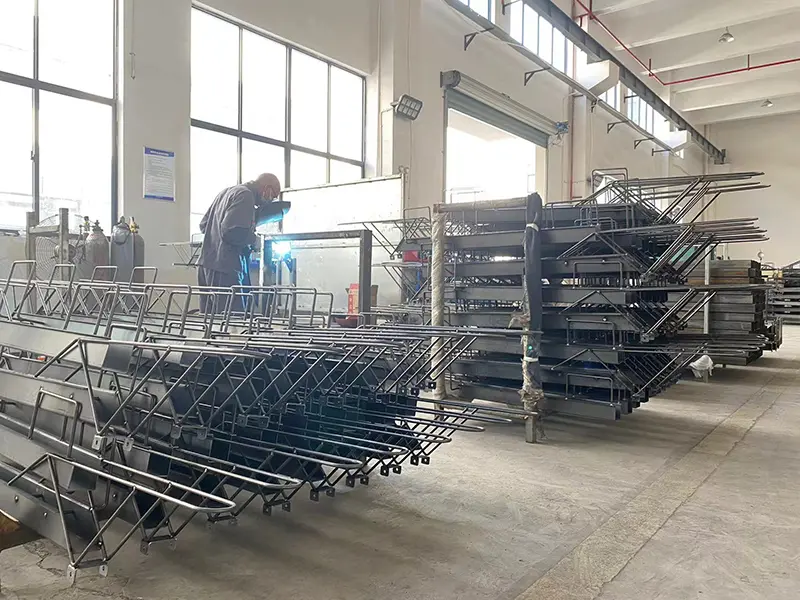
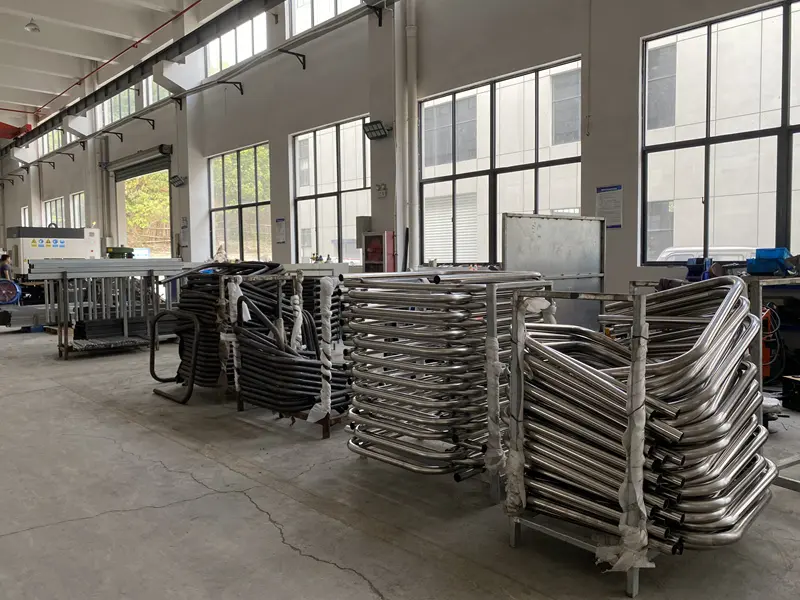
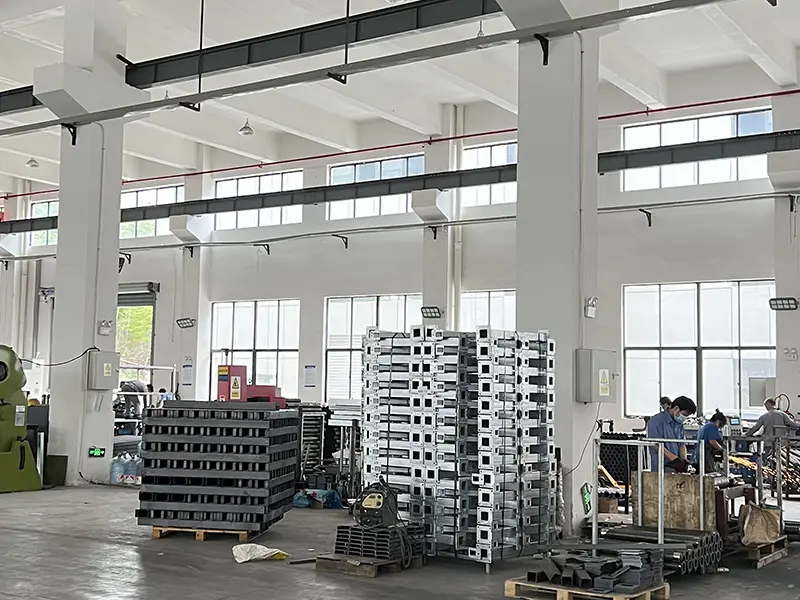
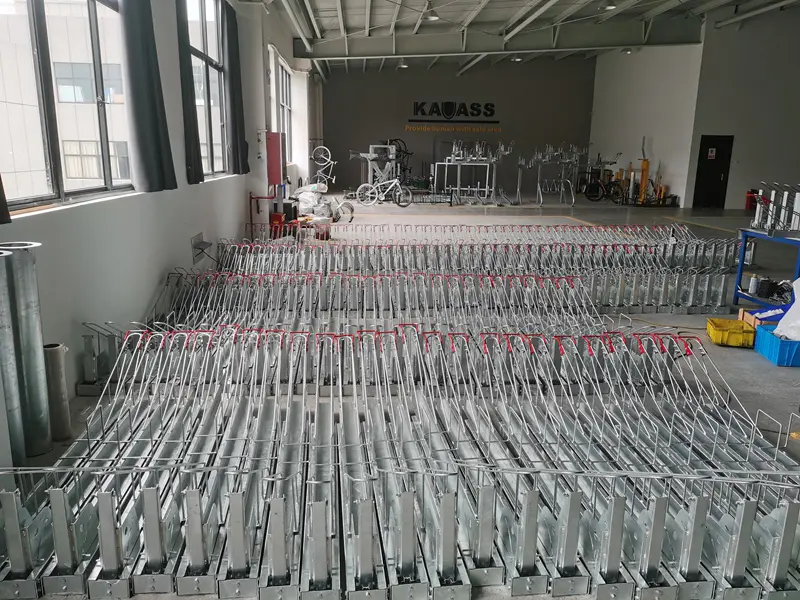
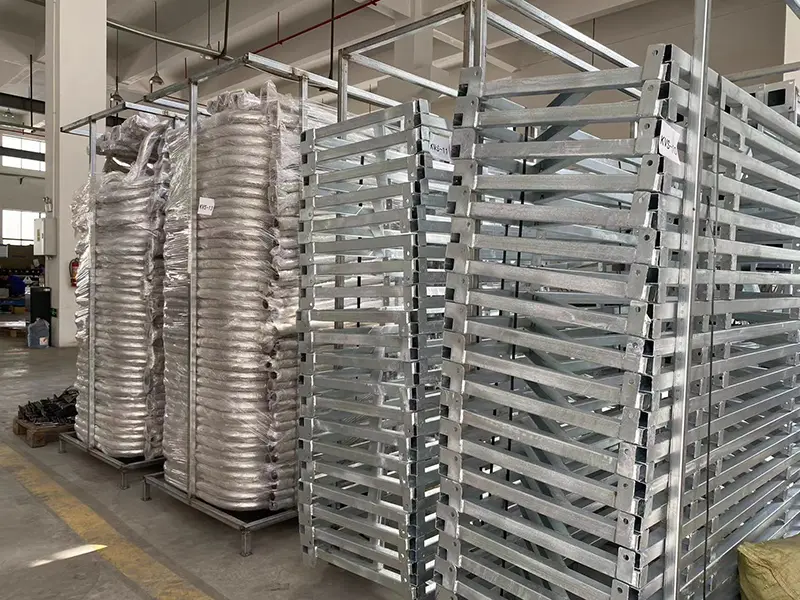
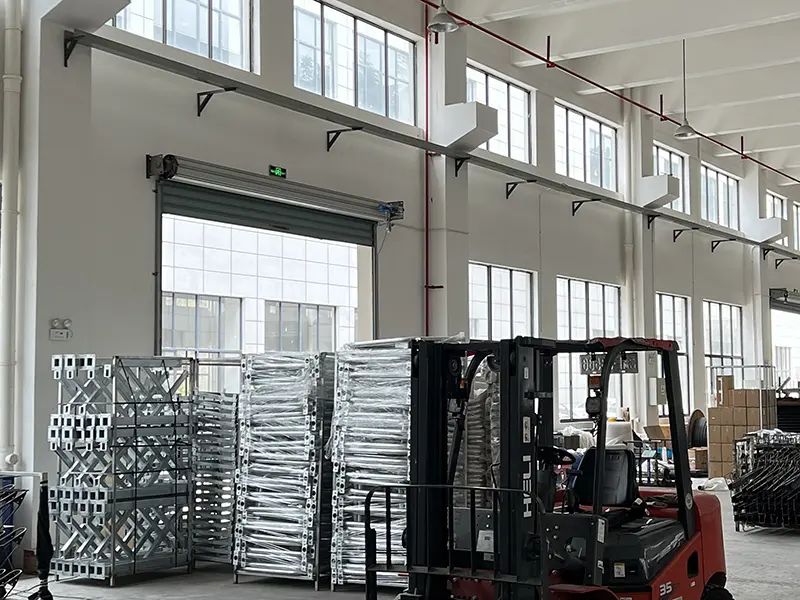
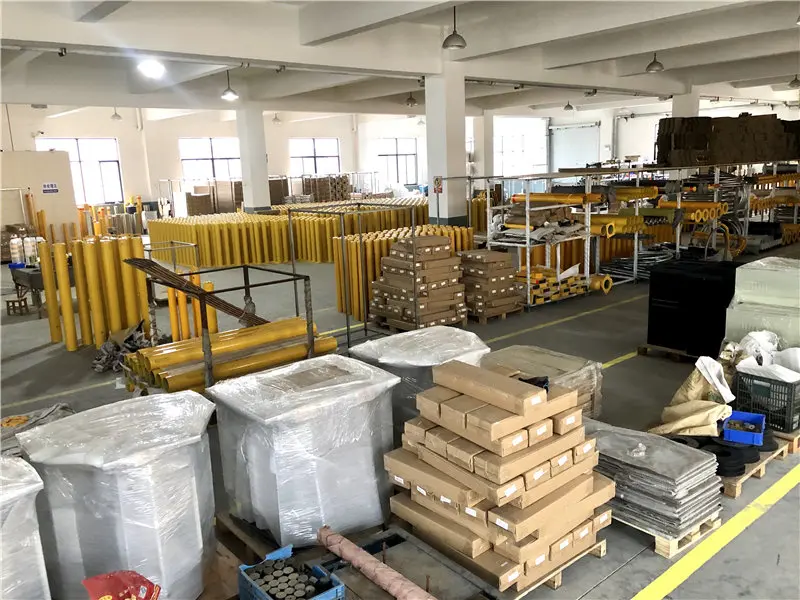
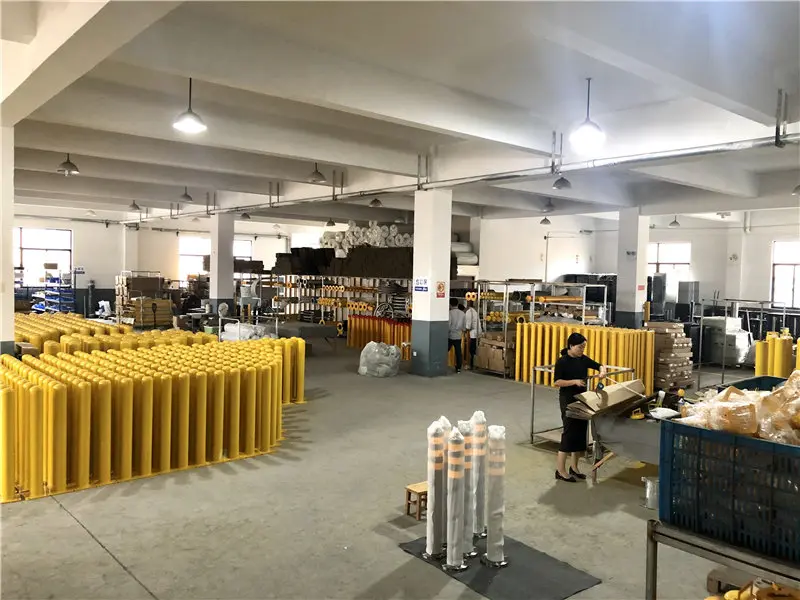
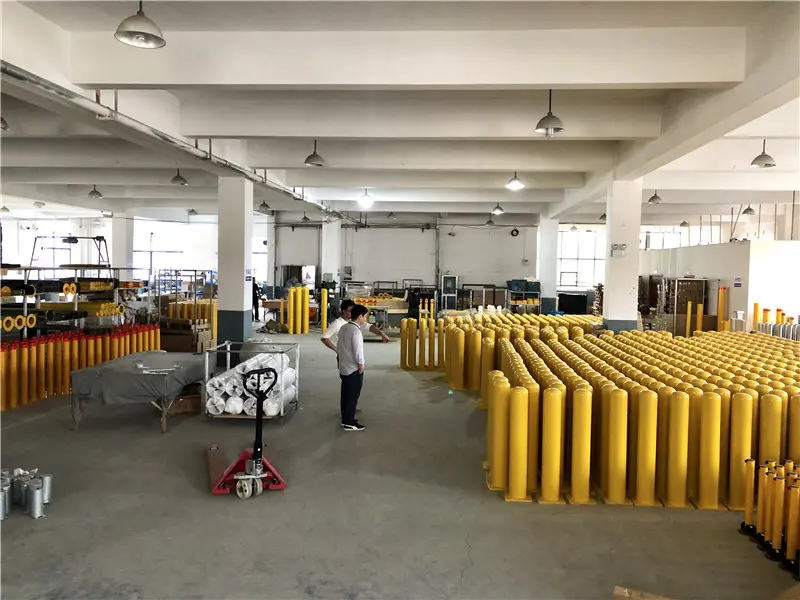
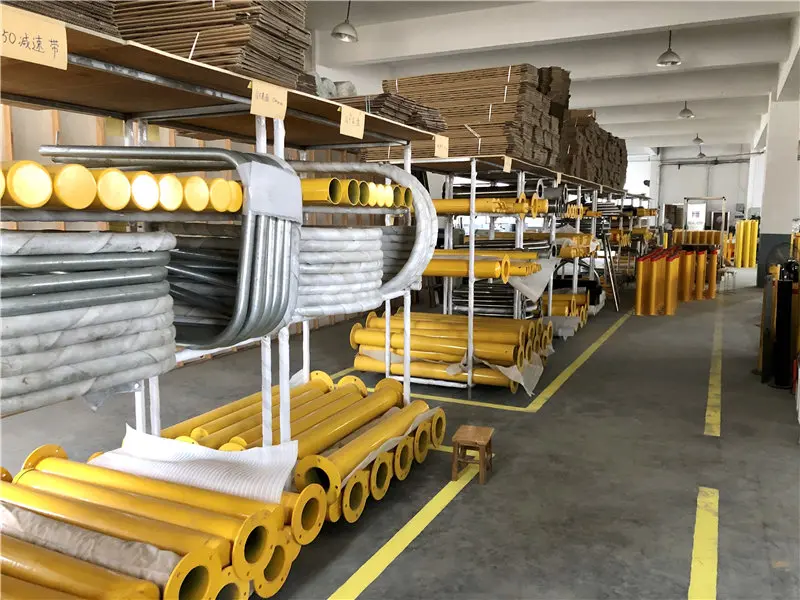
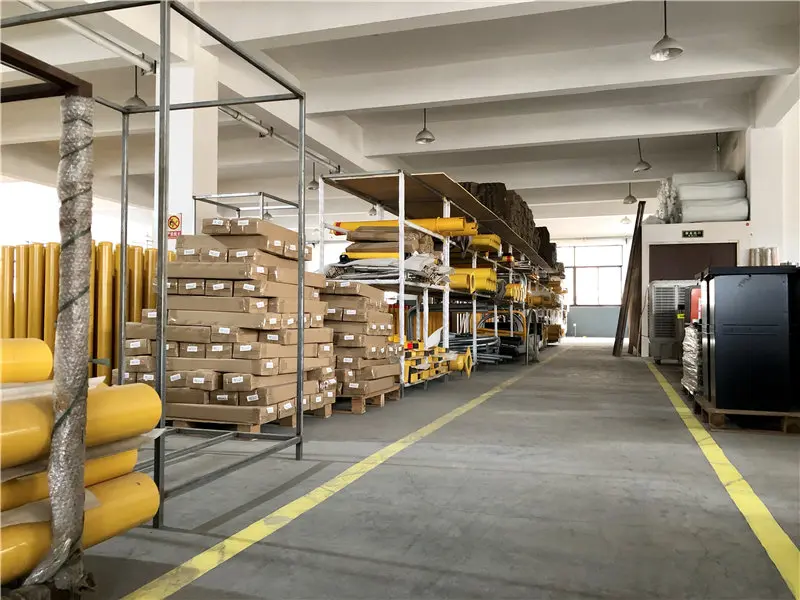
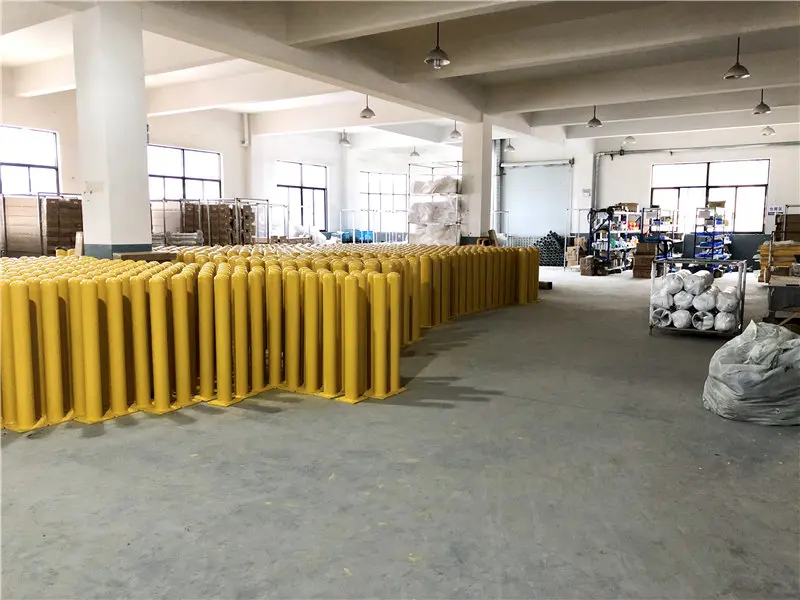
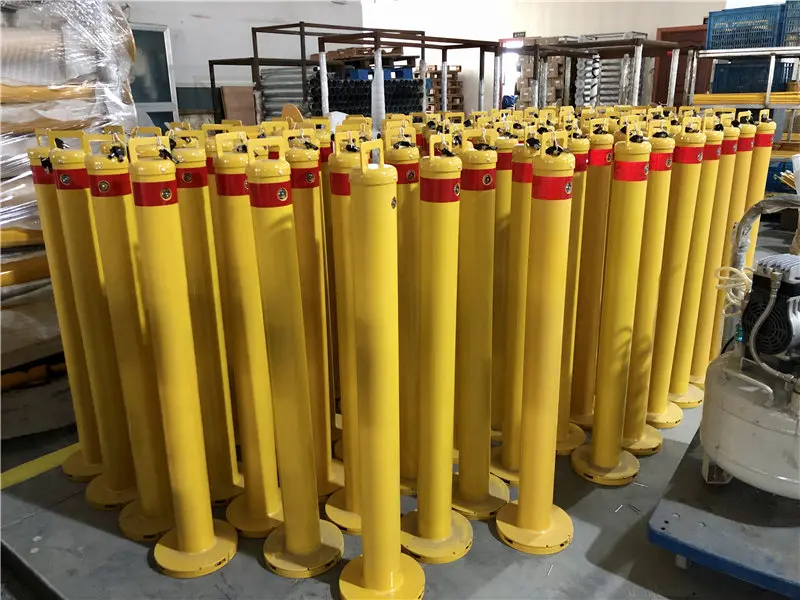
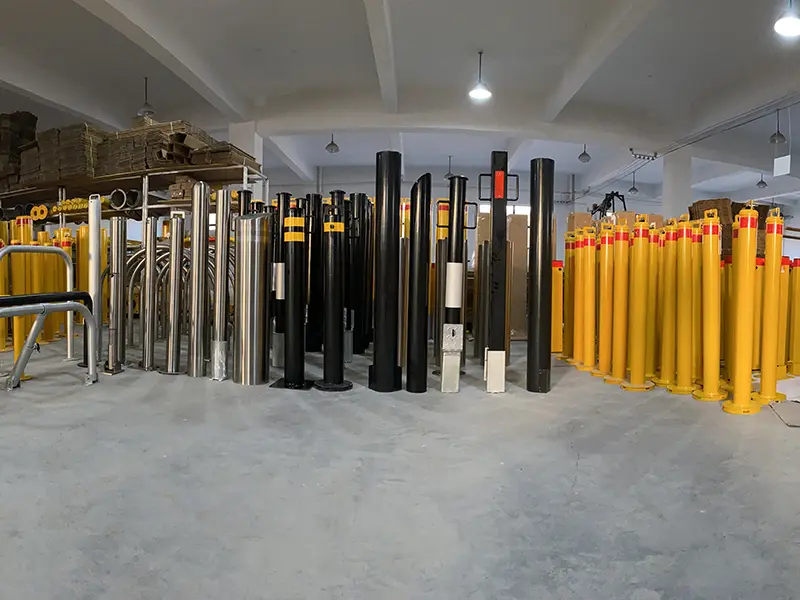
Inside KAVASS's integrated manufacturing facilities, where high engineering standards meet efficient mass production.
By utilizing our advanced facilities in Deqing and Zhuji, KAVASS leverages high-precision manufacturing systems. Our factories feature automated laser cutters, robotic welding units, and advanced finishing lines to construct high-strength security barriers.
From raw material receipt (carbon steel, 304/316 stainless tubes) to finished assembly, each step is logged under strict quality control. The Deqing factory handles large-scale raw material processing and heavy component assembly, while our Zhuji factory focuses on precision machining, surface finishing, and electrical integration testing.
Our supply chain structure in eastern China enables rapid sourcing of electronics, hydraulic pumps, and certified structural steel. This concentration helps us maintain reliable delivery lead times, stable pricing, and extensive ODM customization capabilities.
Installing automatic telescopic bollards requires careful attention to site design, subgrade preparation, electrical layouts, and drainage. Proper installation is critical to preventing damage from water pooling or freeze-thaw cycles in cold regions.
Since automatic telescopic bollards are housed in sub-surface steel casings, adequate drainage is necessary to prevent component failure. Installers must excavate a pit deep enough to accommodate the bollard housing plus a base layer of washed gravel.
In low-permeability soils (such as clay), installing a dedicated PVC drainage pipe leading to a sump pump basin or storm drain is recommended. Without proper drainage, standing water can accumulate in the pit, potentially damaging seals and reducing the lifespan of internal hydraulic or electromechanical units.
Operating automatic bollards safely requires integrating them with traffic safety controls:
A regular maintenance schedule helps ensure long-term reliability:
Different environments require specific perimeter safety designs. Here is how automatic telescopic bollards are deployed across key sectors.
High-security sites utilize ASTM M50 (K12) rated automatic bollards to prevent unauthorized vehicle intrusion. The integration of Emergency Fast Rise (EFR) valves allows rapid deployment in under 1.5 seconds during threat events.
Securing critical infrastructure against targeted attacks is crucial. Automatic systems regulate logistics and maintenance vehicle access while maintaining a secure, crash-resistant perimeter boundary 24/7.
Urban planning requires balancing pedestrian accessibility with safety. Retractable bollards allow access for morning cleaning and delivery vehicles while retracting flush with the pavement during peak pedestrian hours.
Get answers to common technical, planning, and design questions when evaluating telescopic security bollards.
Explore our additional line of traffic controls, specialized mesh storage solutions, and customizable municipal bike racks.
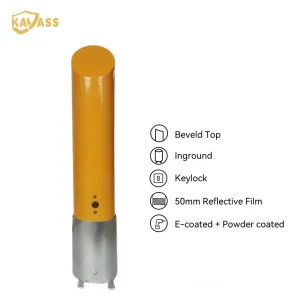
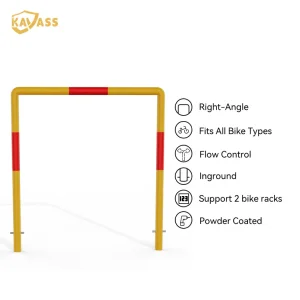
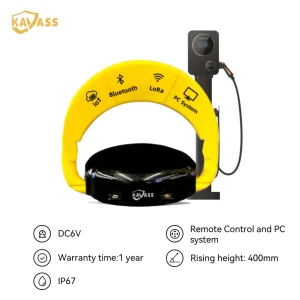
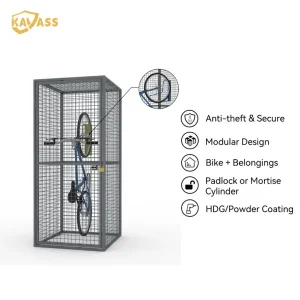
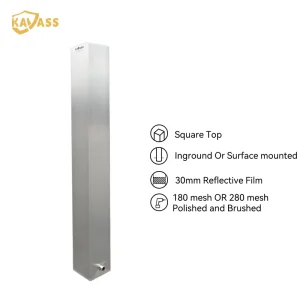
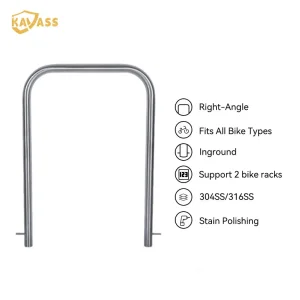
When you are interested in any of our products after viewing our product list, you are welcome to contact us for consultation at any time. You can send us an email or reach out to us directly for consultation, and we will reply to you as soon as possible.
 KAVASS