 KAVASS
Tokyo Industrial Landscape & Operational Safety Realities
The Greater Tokyo Area, encompassing the urban center, Yokohama, Kawasaki, and Chiba, comprises the world's most populous metropolitan economy. This highly integrated network relies heavily on seamless logistical networks. High-density, multi-tenant logistics centers—such as those operating along the Tokyo Bay and within the outer ring expressways (Ken-O Expressway and Tomei Expressway)—utilize automated storage and retrieval systems (ASRS) and narrow-aisle racking configurations where floor space is optimized to the absolute millimeter.
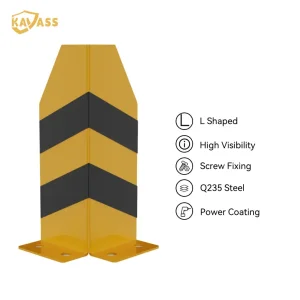
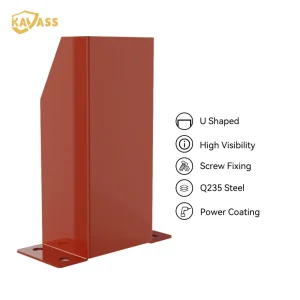
In this dynamic, high-throughput environment, even minor structural forklift collisions can cascade into major operational failures or compromising structural damage. Compounding these issues is Tokyo's location in one of the world's most seismically active zones. Seismic movements subject fully loaded racking configurations to intense multi-directional stress. In these environments, robust physical protective barriers like L-Type and U-Type shelf guards are critical infrastructure components, preventing catastrophic structural shifts during seismic events or mechanical impacts.