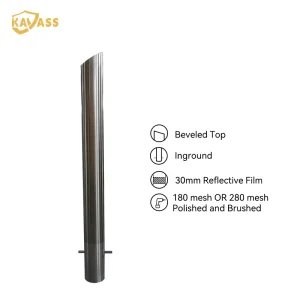
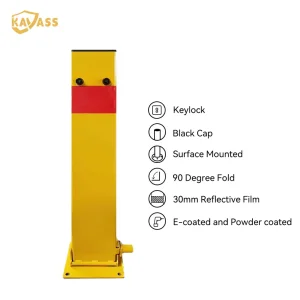
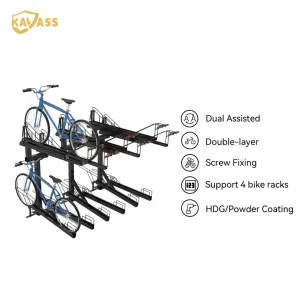
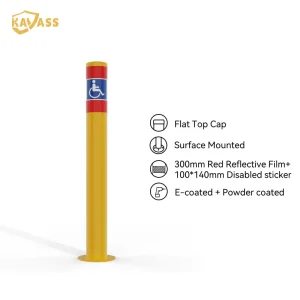
Explore our top-performing security installations, customized bike storage systems, and industrial impact barriers developed for smart cities.
A B2B Whitepaper Analysis of Energy-Autonomous Access Controls in Modern Urban Mobility Ecosystems
The rapid digitalization of smart cities, coupled with the global push for net-zero carbon infrastructure, is driving a structural transformation in parking space management. Traditional manual barriers and wired electric parking locks are giving way to energy-autonomous, connected, and highly secure IoT devices. At the forefront of this technology is the smart solar-powered parking lock. By combining high-efficiency photovoltaic charging panels, long-cycle energy storage solutions, and low-power IoT communications, these smart locks provide a maintenance-free approach to asset management.
For enterprise procurement officers and infrastructure developers, understanding the key technological forces driving this market shift is vital. Here are the core development trends shaping the industry:
Integration of ultra-low-power communications like NB-IoT, LTE-M, and LoRaWAN, allowing real-time cloud management without sacrificing battery life.
Applying high-efficiency solar cells that charge the internal power cells even under low-irradiance conditions, like heavy overcast or partial shade.
Sensors detect external force impacts and auto-release pressure before rotating back to position, reducing maintenance costs and liability risks.
Addressing the Key Security, Durability, and Systems Integration Challenges Faced by Enterprise Buyers
When purchasing smart parking hardware at volume, enterprise clients (such as system integrators, municipal planning departments, property management companies, and corporate offices) must look beyond initial cost parameters. High structural integrity, reliable electronics, long battery autonomy, and seamless software integration represent the pillars of a successful ROI.
From a structural perspective, a parking lock operates in demanding environments. It must withstand vehicle overruns, vandalism, and extreme weather fluctuations. The mechanical chassis requires heavy-gauge steel or reinforced aluminum alloy housing, combined with corrosion-resistant finishes like hot-dip galvanization or premium industrial powder coatings.
| Feature Category | Technical Requirement Specification | Why It Matters to B2B Buyers |
|---|---|---|
| Battery Chemistry | LiFePO4 (Lithium Iron Phosphate) or Ultra-Low Temp Lithium | Ensures stable cycle life from -25°C to +75°C without thermal runaway risks. |
| Ingress Rating | IP67 or IP68 Certified Sealing | Protects drive motors, control units, and radio transceivers against flash floods. |
| Integration Capability | RESTful APIs, SDK availability, and MQTT Broker protocols | Crucial for parking operators to sync barrier controls with reservation apps. |
| Overrun Protection | Pressure sensor feedback & internal clutch auto-disengagement | Saves internal servo gears from strip-out when forced down by illegal parking. |
Our smart parking locks are engineered with custom integrated circuit boards designed to operate on micro-amperes in standby sleep state. By employing passive infrared (PIR) and radar ground presence detection, the lock wakes up its primary radio transceiver only when state changes occur. This achieves a system lifetime of up to 5-8 years without manual charging interventions under standard usage rates.
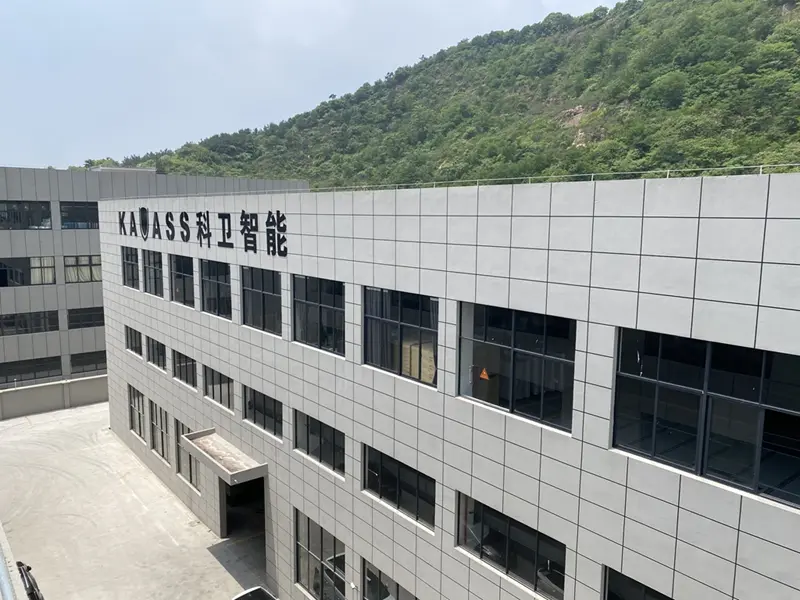
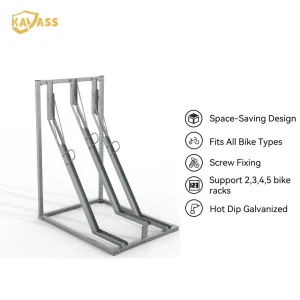
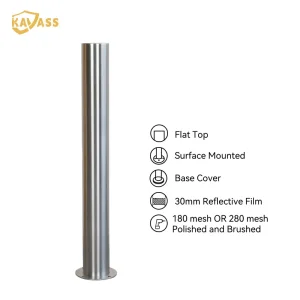
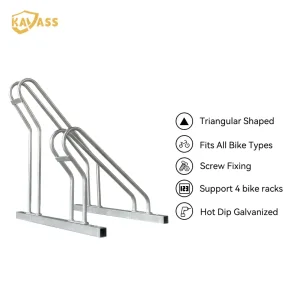
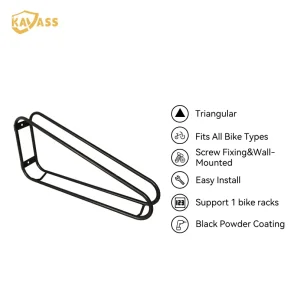
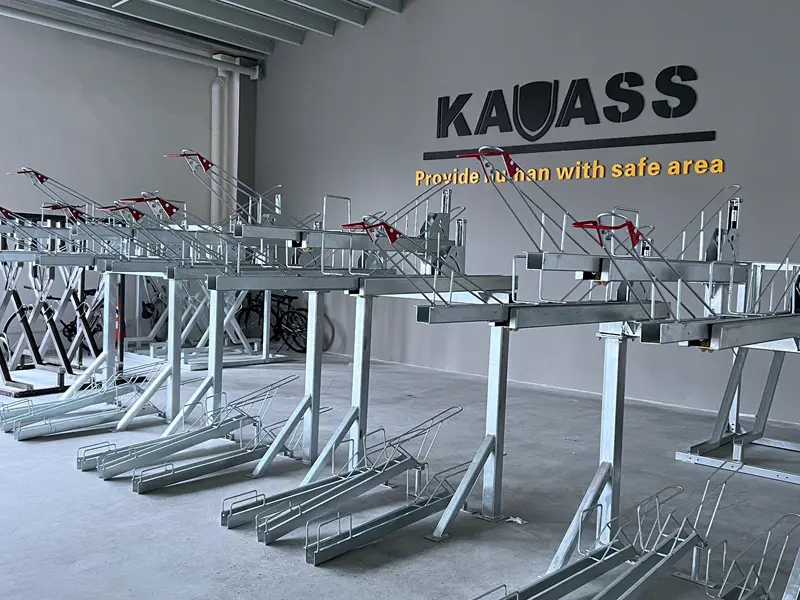
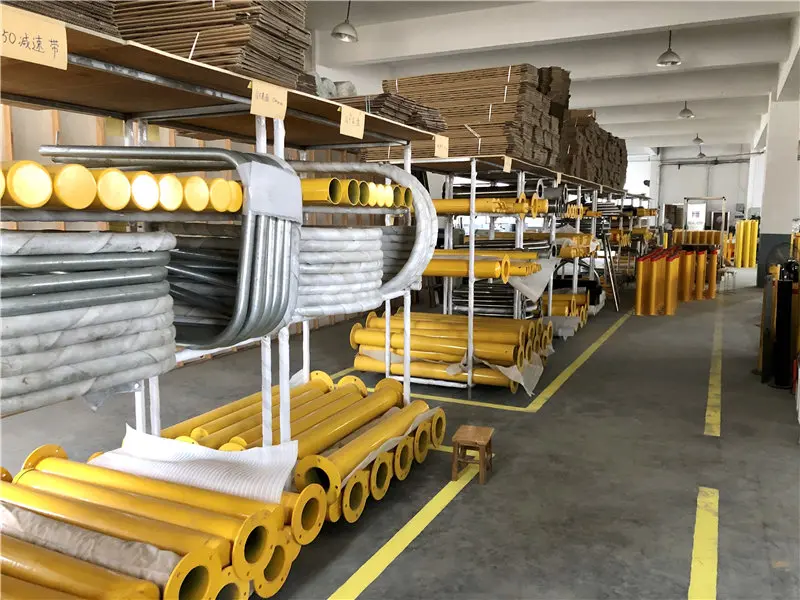
KAVASS Security Tech Limited is a professional manufacturer focused on traffic safety and perimeter protection solutions, with more than 18 years of industry experience. We specialize in the design, production, and supply of a wide range of products, including parking locks, bollards, bike racks, and other urban infrastructure equipment. By integrating product development, manufacturing, and after-sales support, we provide efficient one-stop solutions tailored to the needs of global clients.
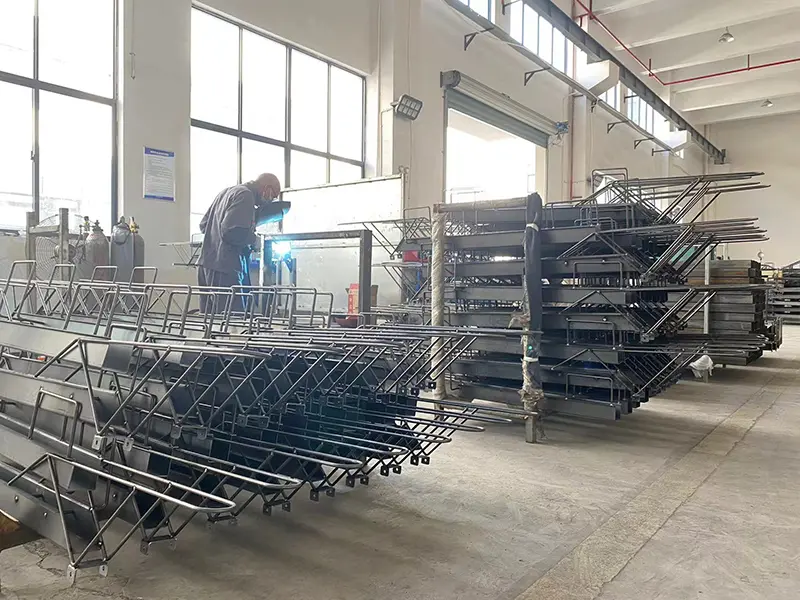
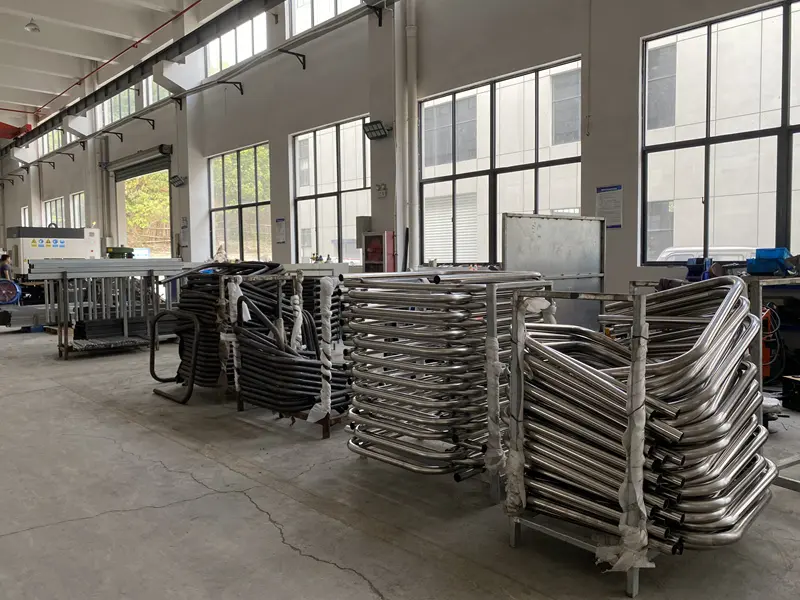
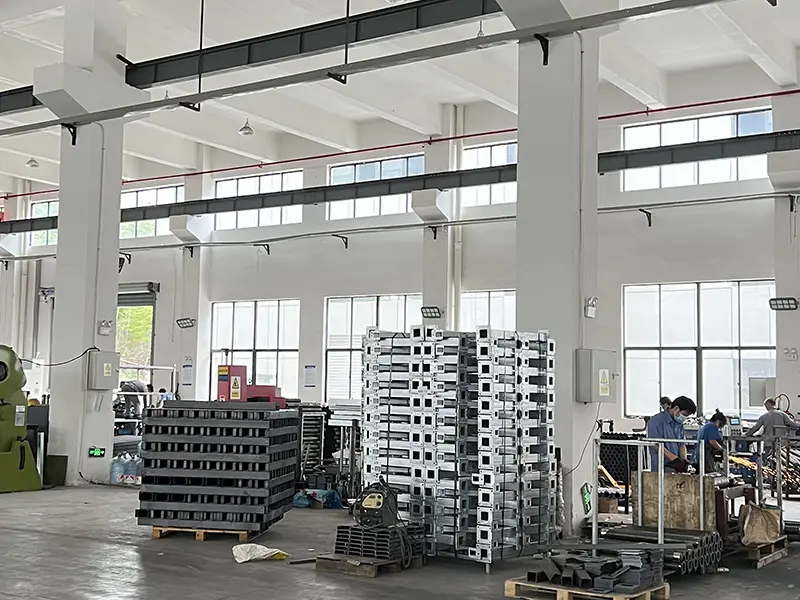
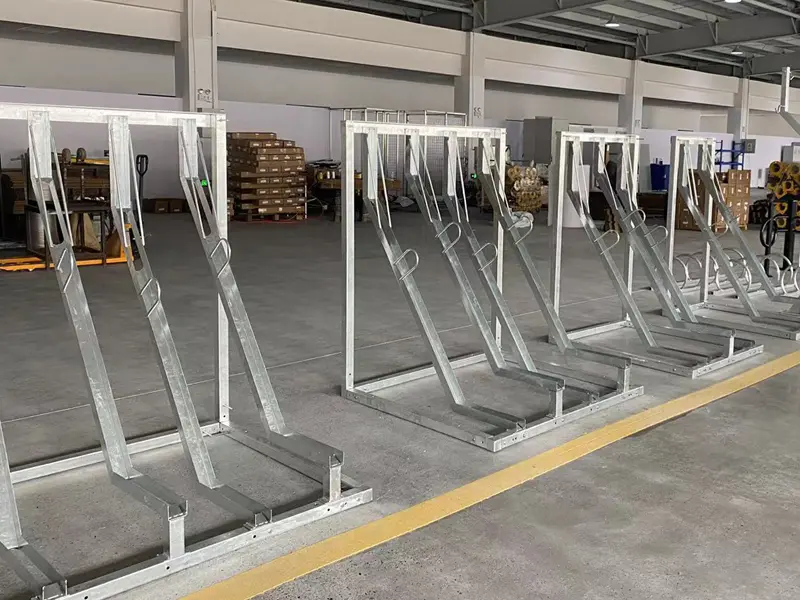
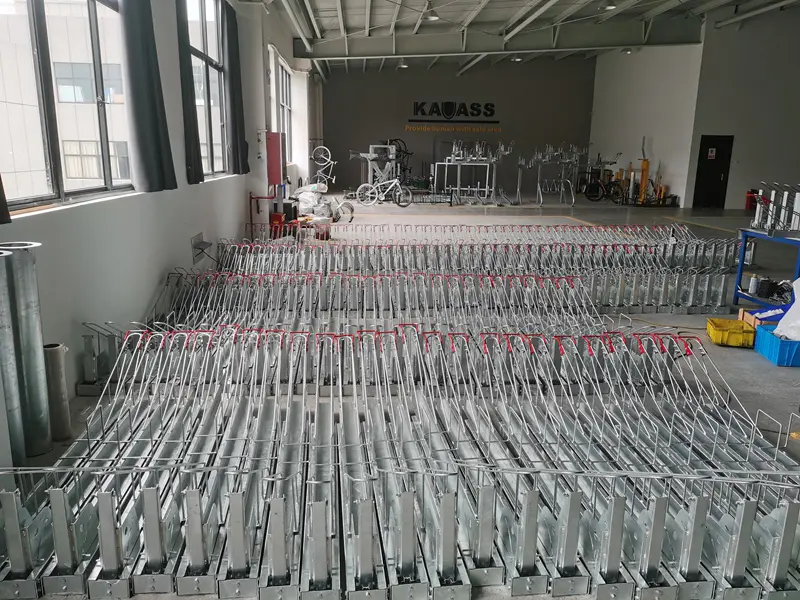
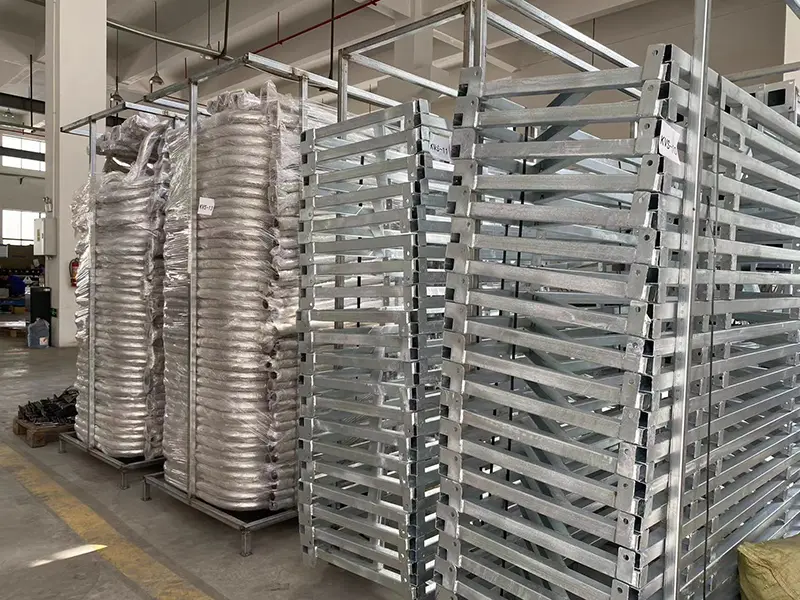
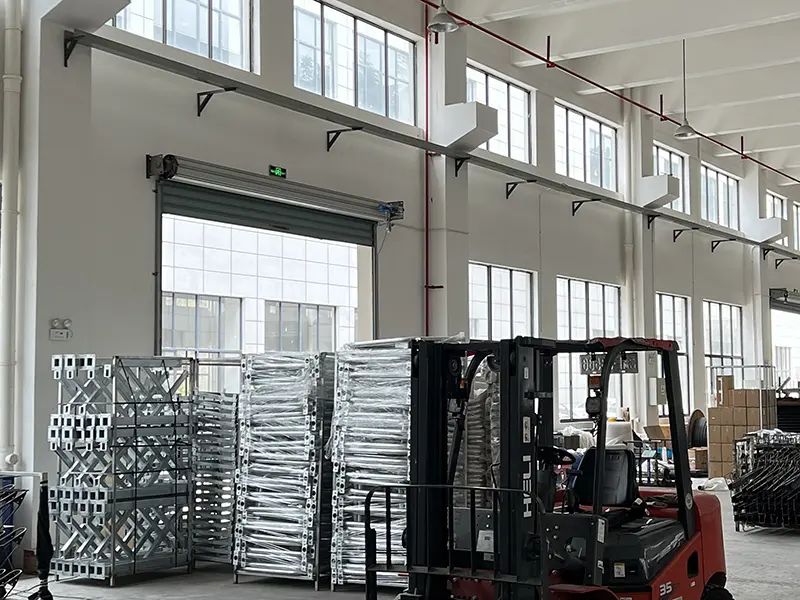
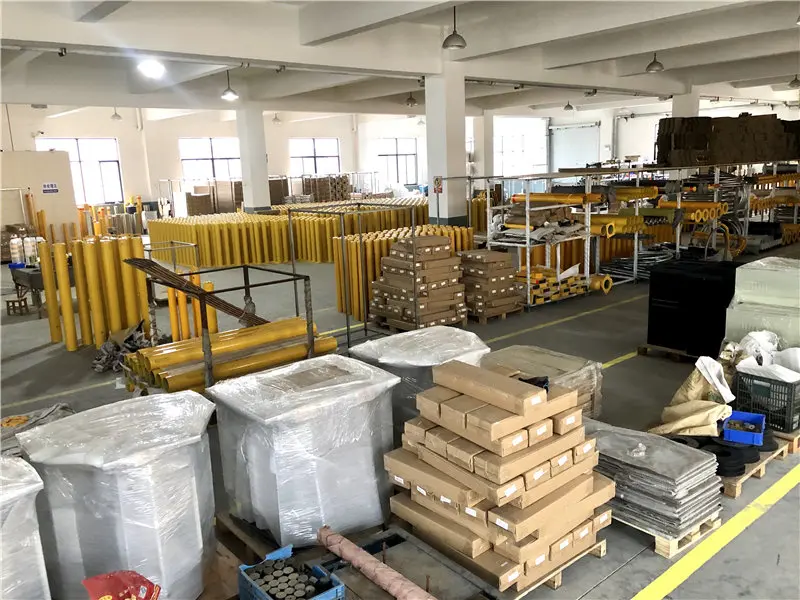
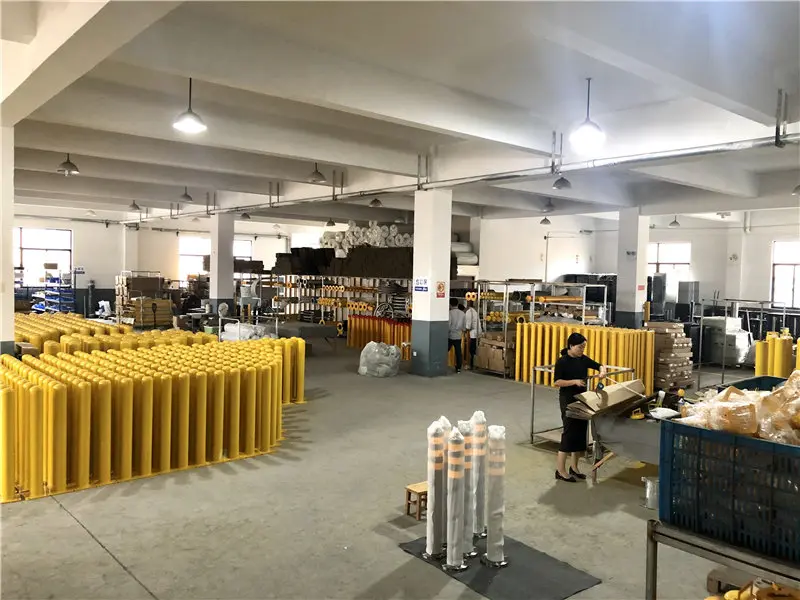
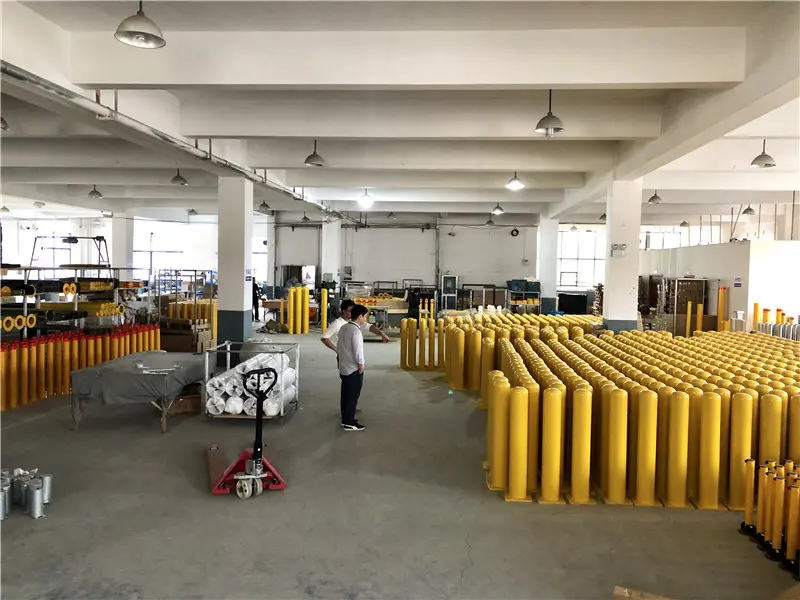
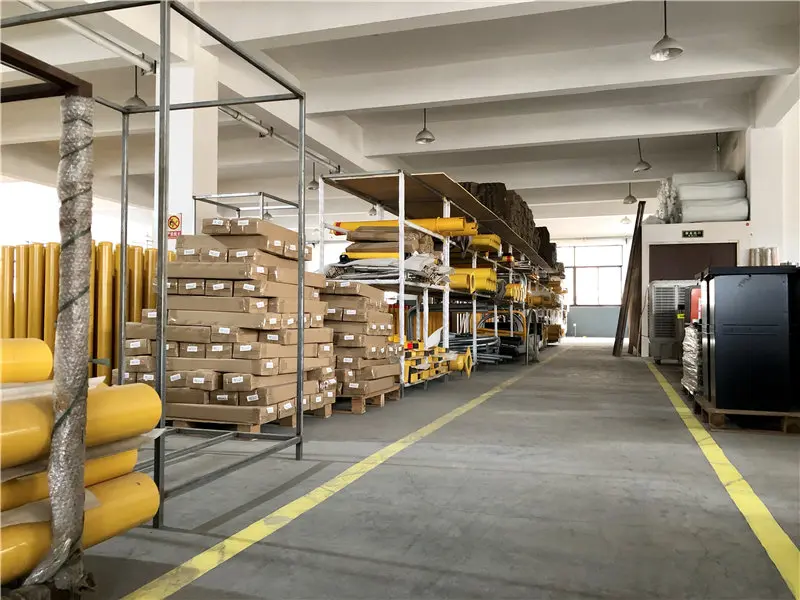
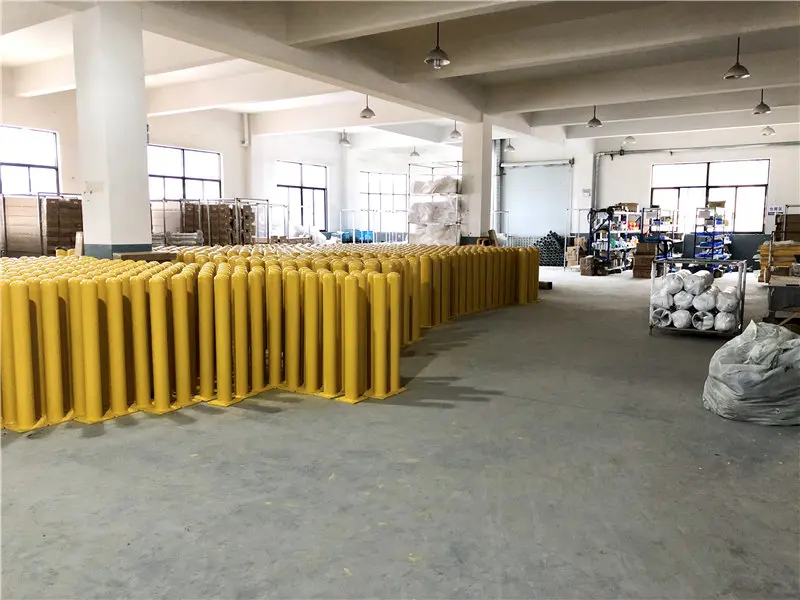
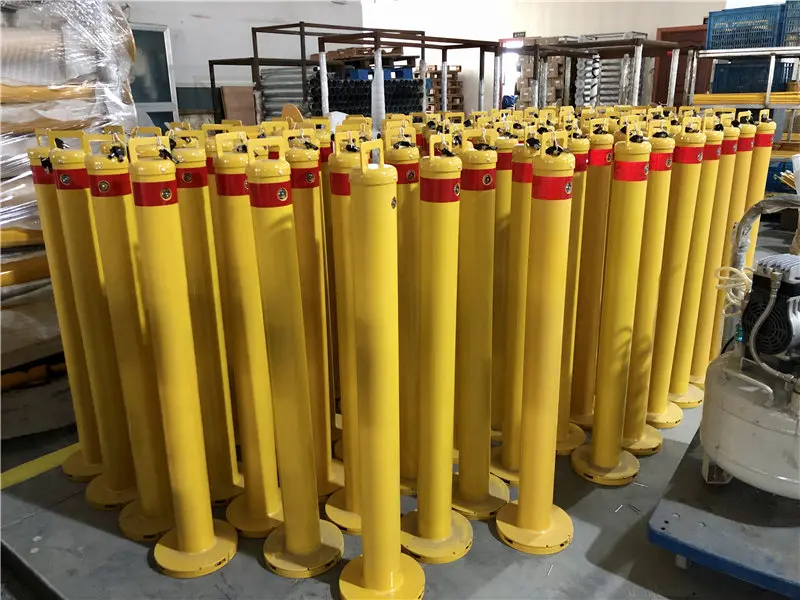
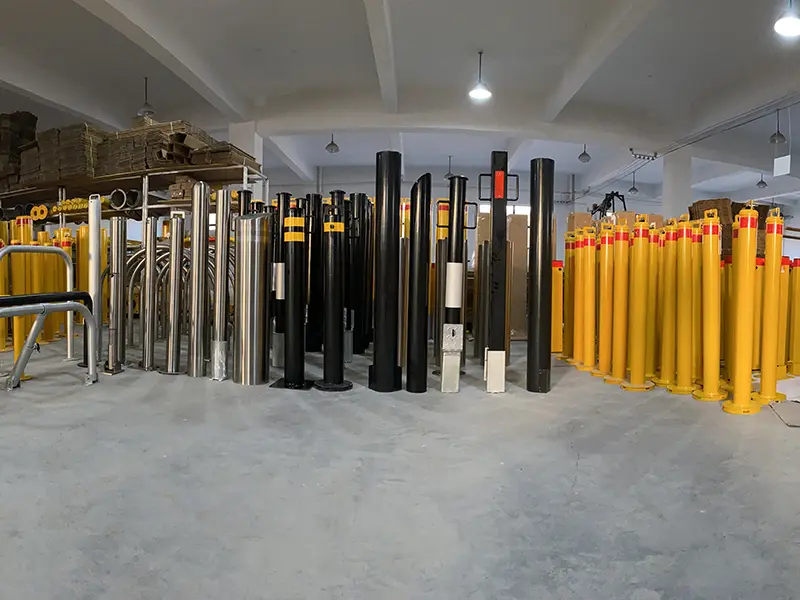
Our production base is equipped with advanced machinery and modern manufacturing processes, supported by a skilled engineering and quality control team. From raw material selection to final inspection, every step is carefully managed to ensure consistent product performance and long-term reliability. This enables us to meet the demands of various applications, from standard products to customized project requirements.
To maintain strict control over lead times and quality parameters, KAVASS operates two state-of-the-art factories. This manufacturing diversification allows us to handle high-volume structural metal fabrication alongside precision electronic assembly simultaneously.
Designing Scalable Systems for Property Managers, Municipalities, and Electric Vehicle Infrastructure Networks
Modern cities require cohesive ecosystem management. The smart solar parking lock is not merely an isolated mechanical barrier; it is a critical edge data node within urban parking platforms. When deployed across commercial office spaces, residential zones, or EV charging stations, these systems solve key structural challenges:
Prevents combustion engine vehicles (ICE) or non-charging EVs from taking up designated charging spaces. The parking lock descends only when a charging session is booked.
Allows tenants to rent out their empty parking bays during work hours. The smart solar lock is managed via tenant-specific mobile applications using Bluetooth or cellular connection.
Integrates dynamic reservations with license plate recognition (LPR) cameras. The lock automatically lowers as the reserved vehicle approaches the bay, optimizing flow.
By installing solar-powered smart locks, city planners bypass the extensive infrastructure investment required for high-voltage grid layouts. Property owners can deploy hundreds of parking locks within days, using anchors to bolt the self-contained units directly into asphalt or concrete without surface excavation.
Procuring from KAVASS ensures full compliance with international engineering, environment, and electrical testing protocols. Our export division is well-versed in standard regulatory requirements including CE certification, FCC testing (for wireless protocols), and RoHS environmental standards. This guarantees that importing companies face zero logistics barriers at port custom clearances and maintain total compliance with local safety directives.
Charting the Next Generation of Smart Parking Architecture and AI-Powered Infrastructure Controls
Looking toward the future, the integration of autonomous driving, valet parking systems (AVP), and V2X (Vehicle-to-Everything) communications will redefine physical locks. Future smart solar locks will communicate directly with vehicle onboard computers. Rather than relying on mobile apps or human interactions, the car will identify, reserve, pay for, and lower the parking lock via encrypted vehicle-to-infrastructure (V2I) communication.
Furthermore, as battery technology advances, we are transitioning from standard lithium batteries to solid-state chemistry. This technology promises to operate down to -40°C while maintaining higher energy densities and safety margins. This allows for trouble-free deployment in Northern Europe, Canada, and Northern Asia.
Technical and Sourcing Guidance for Enterprise-Level Smart Parking Lock Deployment
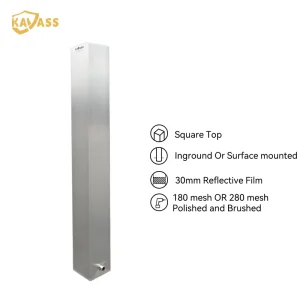
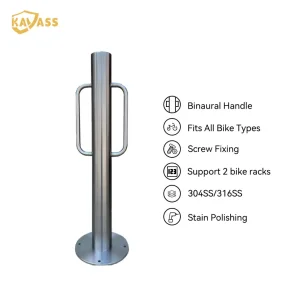
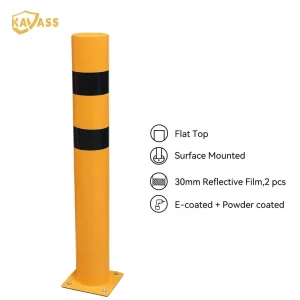
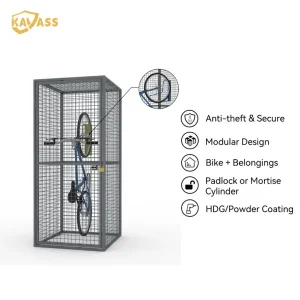
A broad range of high-durability bike parking setups, smart remote electric locks, and structural steel bollards.
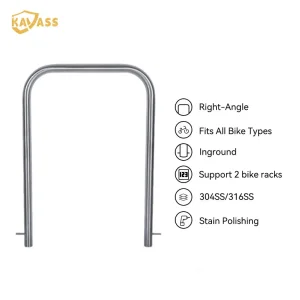
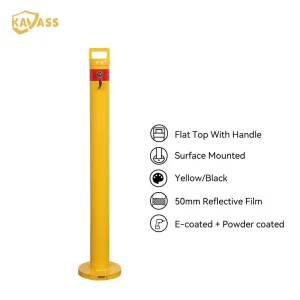
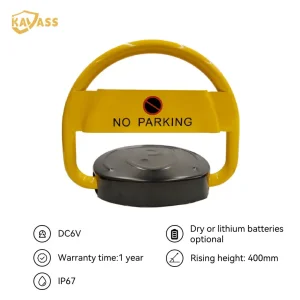
Contact our engineering and sales department today to request detailed specifications, 3D CAD files, or a custom quote for municipal or commercial deployments.
Request technical sheets, pricing lists, or schedule a virtual tour of our production facilities.
Send Inquiry Email KAVASS