Engineered for structural resilience and operational longevity in heavy commercial and public transport environments.
Whitepaper: Redefining Vehicle Access Control with Smart Remote and IoT Lock Technologies
Urban density, accelerating commercial real estate footprints, and the explosive integration of electric vehicle (EV) infrastructure have globally elevated the value of individual parking assets. In this high-stakes security landscape, physical reservation mechanisms have progressed rapidly. Traditional key-operated manual bollards are yielding to smart, electronic-actuated, and cloud-linked remote control parking locks.
At the center of this transformation is China's advanced manufacturing supply chain, led by specialized pioneers like KAVASS Security Tech. Over the past 18 years, the transition from local manufacturing to IoT integration has repositioned the humble parking lock as a critical sensor endpoint within the broader Internet of Things and smart city frameworks.
Corporate procurement professionals and facility managers struggle with several critical environmental vulnerabilities. These include continuous mechanical strain from heavy vehicle run-overs, structural deterioration caused by pooling surface water, and battery drain. Standard retail parking barriers often degrade rapidly under these conditions.
Industrial-grade remote control barriers mitigate these problems by using reinforced alloys (such as Q235 carbon steel), dynamic internal spring dampening systems, and high-torque motors. These components withstand vehicle impact and automatically restore the barrier's position while triggering localized alarms. The result is a substantial reduction in ongoing maintenance costs.
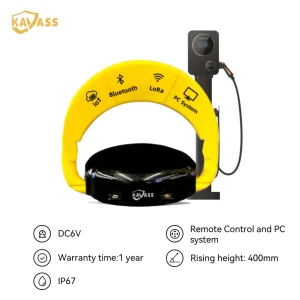
Modern parking lock infrastructure goes beyond simple remote controls. Integrating Bluetooth Low Energy (BLE), NB-IoT, and LoRaWAN connectivity directly links individual barriers to centralized management software. Facilities can coordinate user access, monitor real-time battery status, automate space reservation systems, and integrate with billing platforms without on-site personnel.
By transforming physical locks into data-gathering network nodes, property managers can optimize space utilization rates. The real-time status of each parking space is fed into local dashboards, which guides vehicles to vacant bays, prevents congestion, and boosts tenant satisfaction.
"As parking spaces transition from static asphalt zones to dynamic, revenue-generating assets, the physical access point must be durable, intelligent, and low-maintenance. Our development roadmap integrates structural durability with advanced cloud APIs to bridge the gap between heavy steel security and modern software integration."
Engineering benchmarks required for international compliance, durability, and commercial installation.
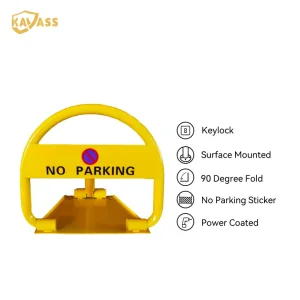
B2B barriers must feature a resilient 180° swing arm mechanism. If a vehicle collides with the raised arm, the internal spring deflects up to 180° to protect the drivetrain, trigger an audible warning alarm, and automatically reset when the force is removed.
Standard alkaline dry cells (4 x D size) are cost-effective, but commercial installations benefit from LiFePO4 batteries coupled with integrated monocrystalline solar panels. Standby power consumption should remain under 0.8mA to ensure 12 to 24 months of operation.
Outdoor parking areas are vulnerable to heavy rains, surface runoff, and local flooding. A robust parking lock needs an IP67 or IP68 rated hermetically sealed internal compartment. This design prevents moisture damage to the PCB, motor gears, and battery housing.
| Parameter | Commercial Target Benchmark | Industrial High-Security Standard | KAVASS Standard Delivery |
|---|---|---|---|
| Material Base | SPCC Carbon Steel (2.0mm) | Q235 High Tensile Steel (3.0mm+) | 2.5mm Hot-Dip Galvanized Carbon Steel |
| Pressure Resistance | Up to 2 Tons | 5 Tons (Heavy Duty Vehicles) | 3.5 to 5 Tons Certified |
| Protection Level | IP65 (Dust & Water Jet Resistant) | IP68 (Hermetic Submersibility) | IP67 Sealed Housing |
| Interface Options | 433 MHz RF Controller Only | NB-IoT, BLE 5.0, Wi-Fi, RS485 | Customized IoT / Bluetooth / Radio Control |
| Operating Temperature | -10°C to +55°C | -45°C to +85°C | -25°C to +65°C Operating Limit |
Deploying targeted physical access technologies across complex commercial and municipal networks.
Electric vehicle (EV) operators face a persistent challenge: "ICEing," where internal combustion engine (ICE) vehicles block charging bays. Integrating smart parking locks into the charging network solves this problem. The barrier remains locked until the user reserves the bay through their EV charging application. Upon confirmation of payment, the lock automatically lowers via BLE or cellular APIs, ensuring optimized utilization of the charging infrastructure.
Managing executive spots and reserved client parking at corporate offices can be resource-intensive. Traditional manual chains or painted signs often fail to deter unauthorized parkers. Deploying centralized IoT locks connected to the tenant portal allows businesses to assign spaces dynamically. Visitors receive a temporary access token on their mobile phones to lower their designated barrier, simplifying on-site traffic coordination.
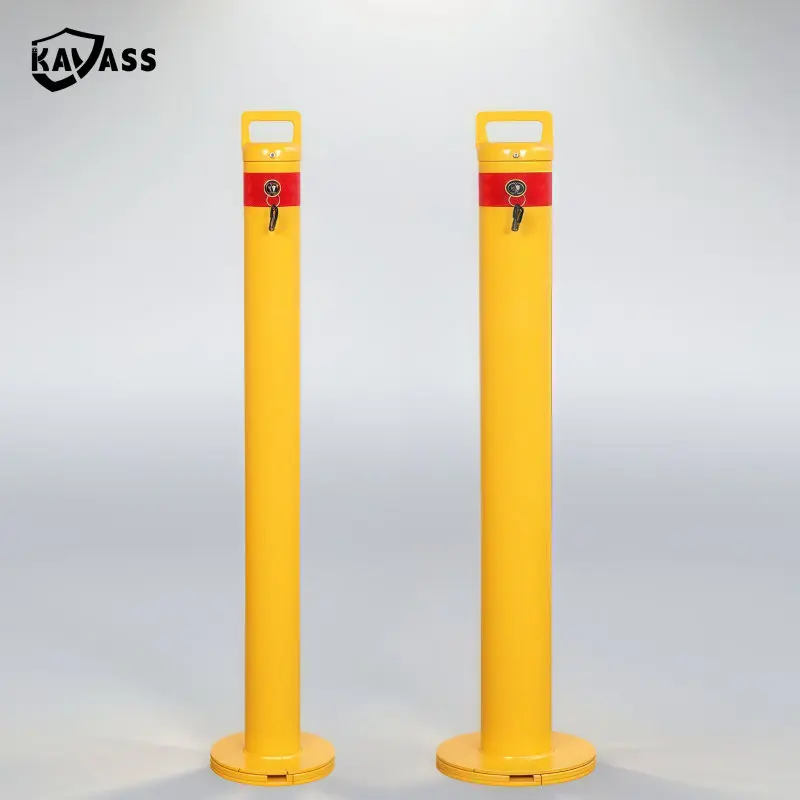
Airports and multi-modal transit stations require dynamic traffic flow control to prevent congestion in drop-off zones and private lane entries. Installing heavy-duty remote control locks with high-visibility finishes (such as high-visibility yellow powder coating and reflective striping) establishes clear lane delineations. Property managers can lower these barriers during peak commuter hours or emergency evacuations.
The convergence of physical security barriers with the next generation of cloud and computer vision infrastructure.
Future systems will integrate automatic number plate recognition (ANPR) cameras directly with local smart parking barriers. As an authorized vehicle approaches, the camera reads the license plate and communicates a secure signal to the parking lock. The barrier lowers automatically, eliminating the need for drivers to use remote controls or smartphones.
To reduce battery replacement overhead, research is focused on sub-microamp standby sleep states. Using wake-on-radio chipsets allows the internal electronics to remain offline until a specific, authorized ping is received. This development extends standard operating life to over three years without requiring recharge or replacement.
Next-generation smart barriers will incorporate built-in sensors that monitor structural alignment, torque limits, motor wear, and battery health. If the arm experiences an impact or suffers an internal electrical fault, it transmits a telemetry signal to the maintenance team, allowing them to schedule repairs before the device fails completely.
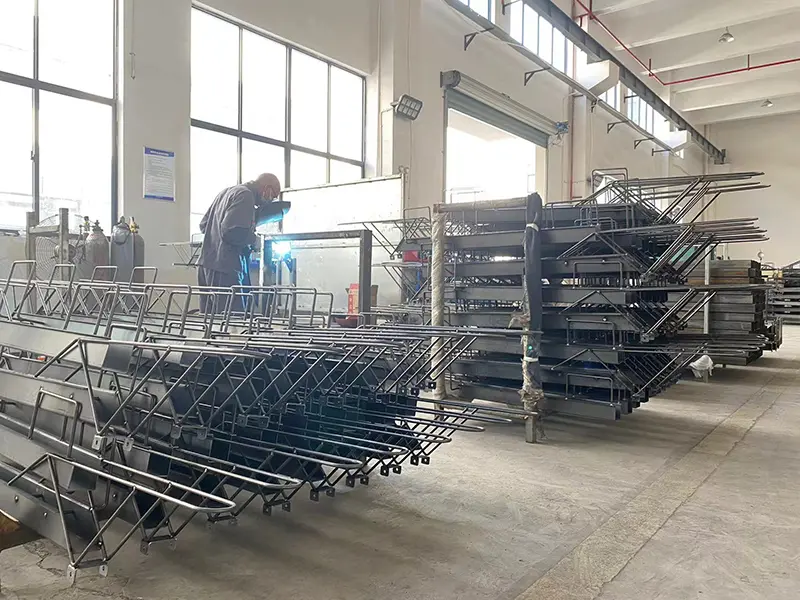
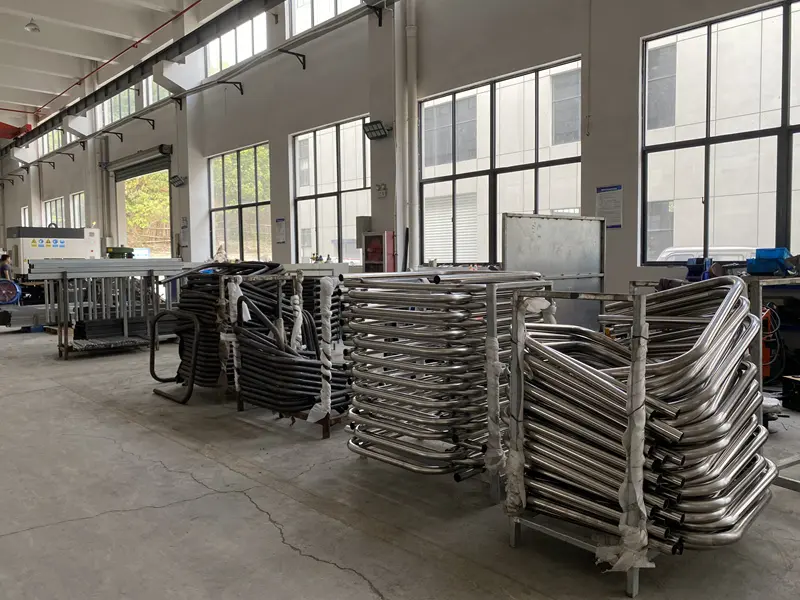
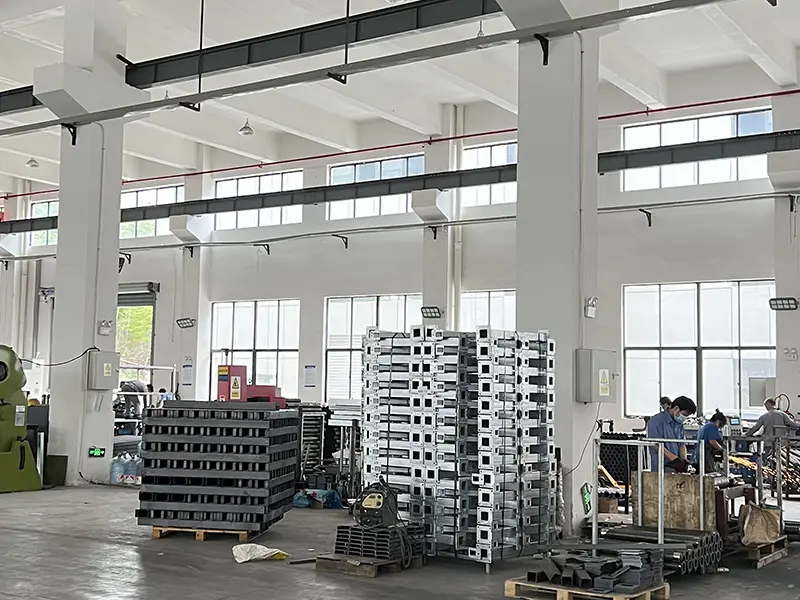
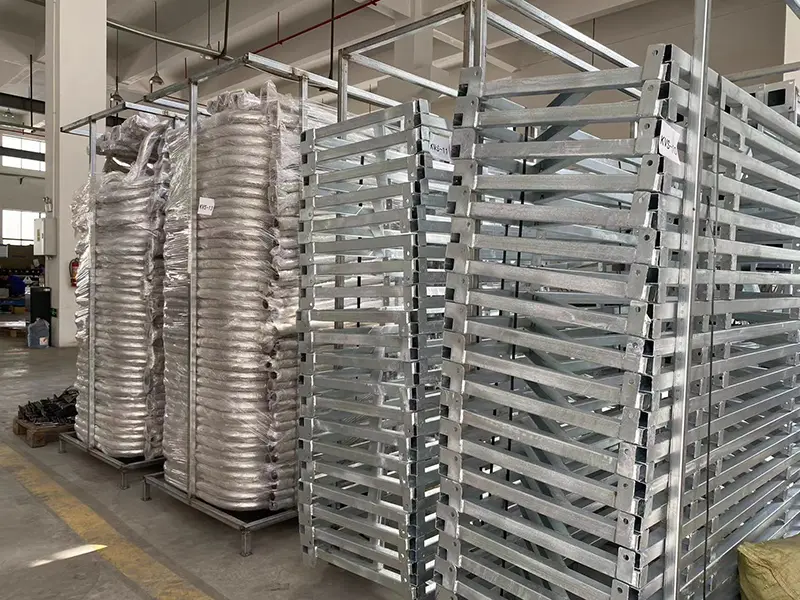
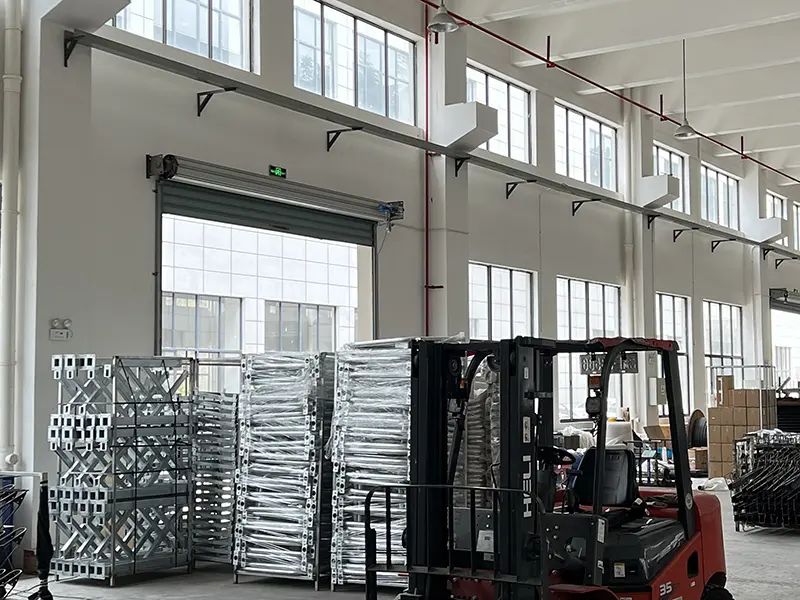
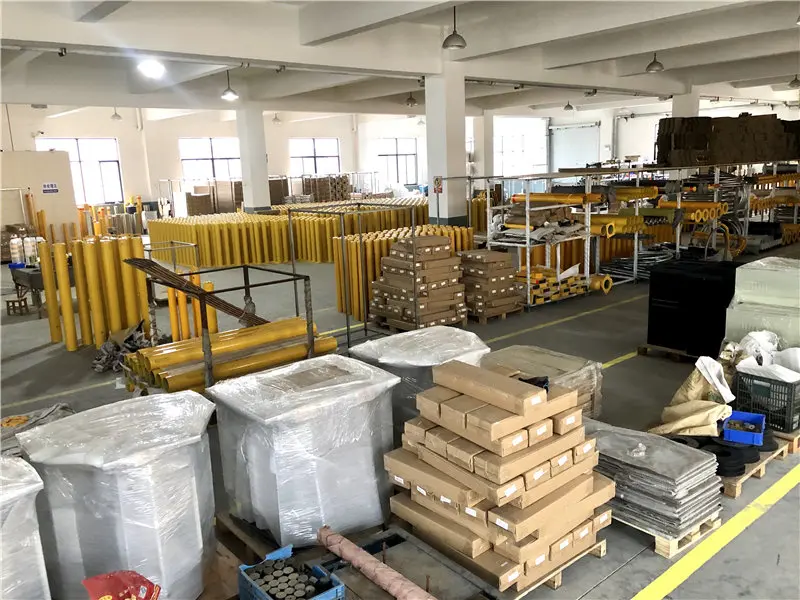
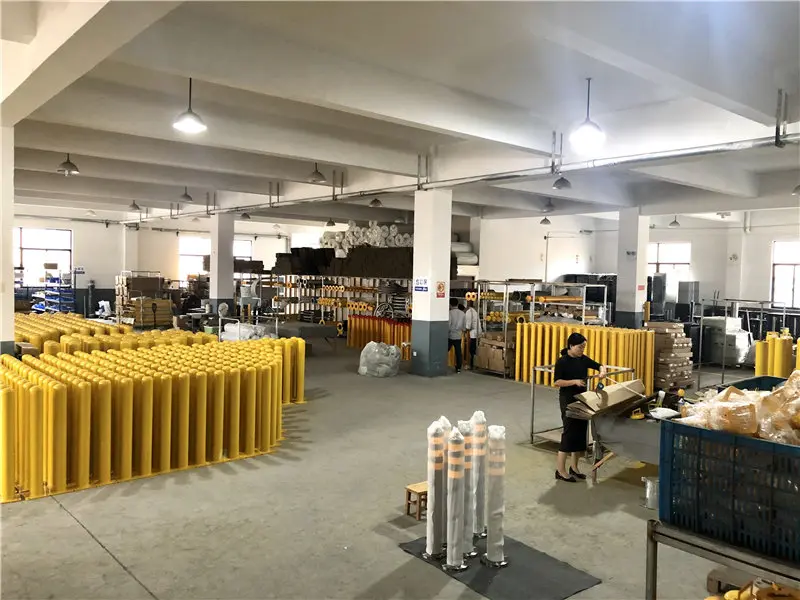
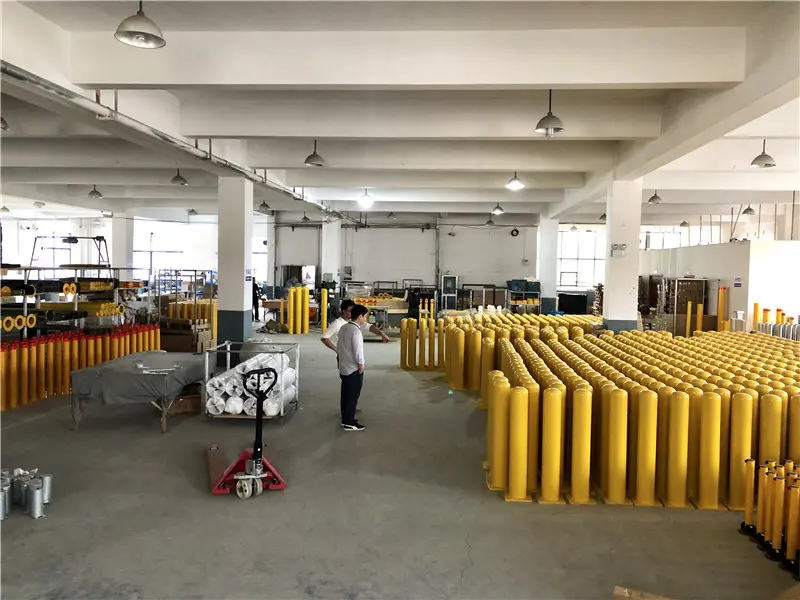
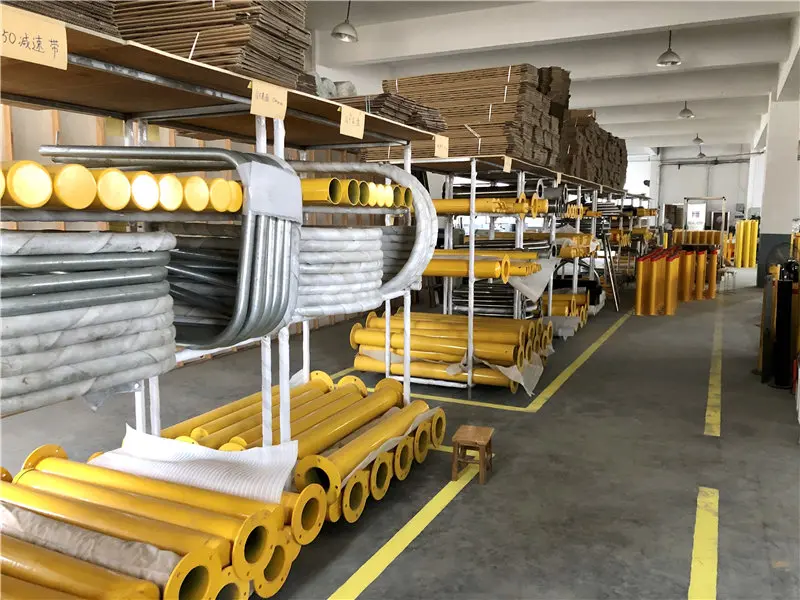
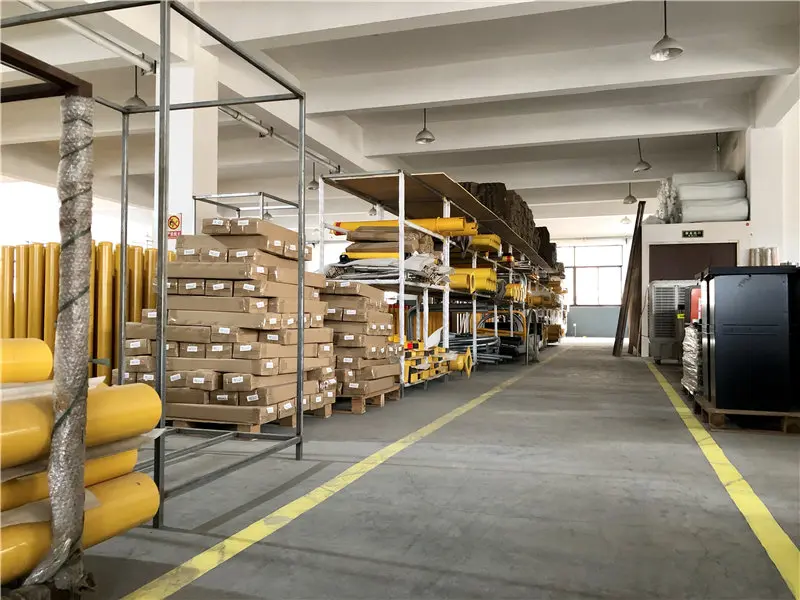
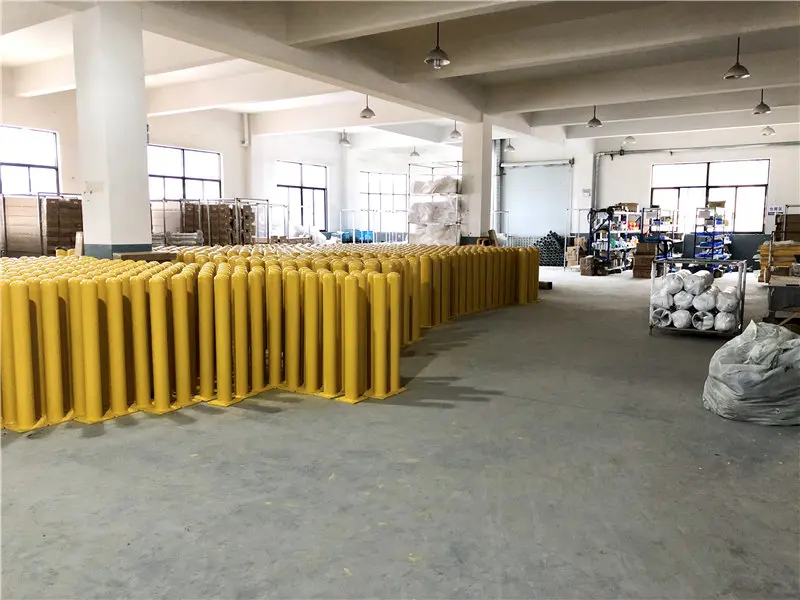
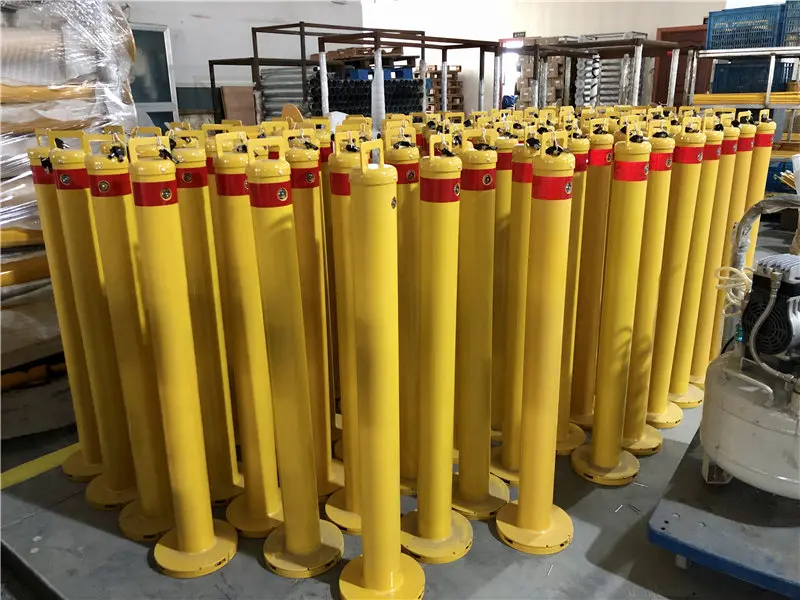
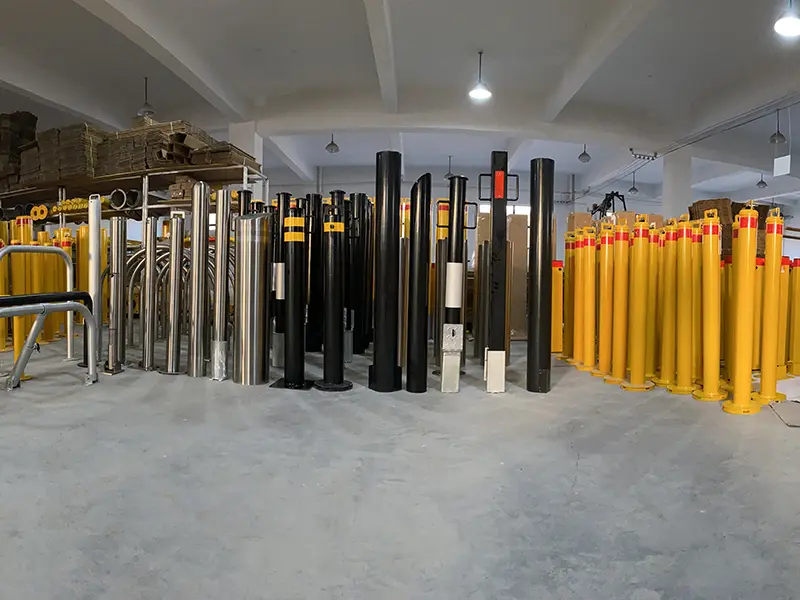
Equipped with advanced machinery and modern manufacturing processes to deliver consistent quality globally.
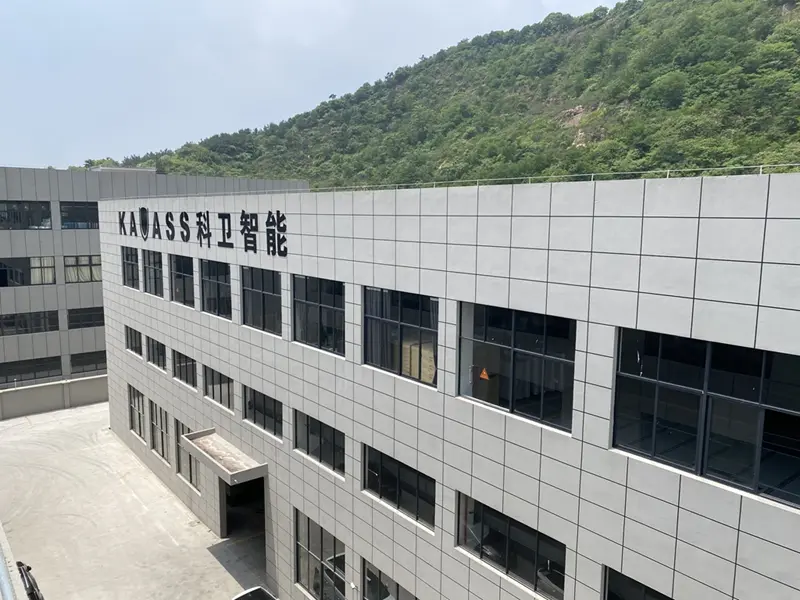
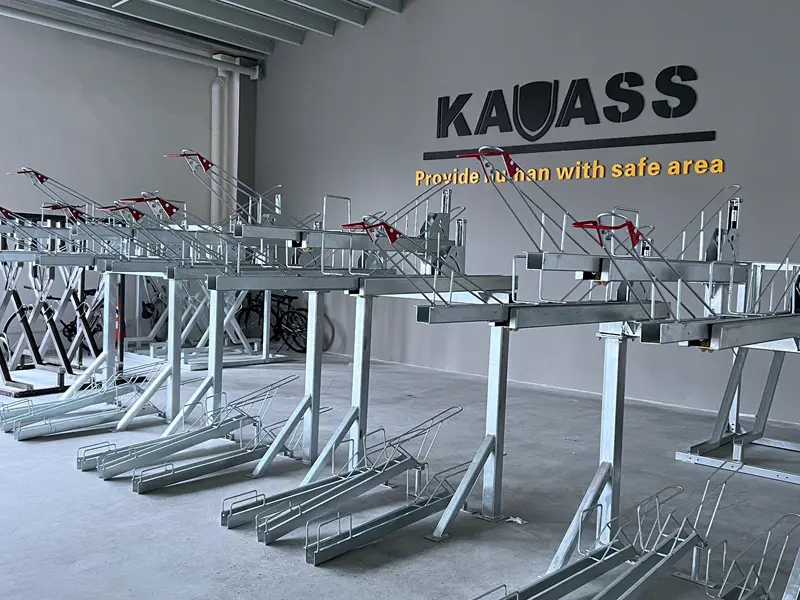
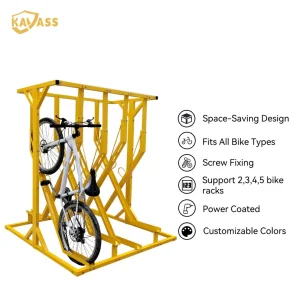
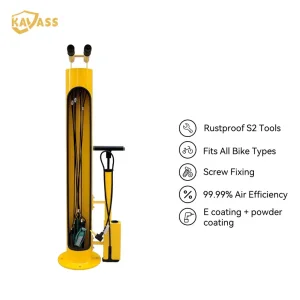
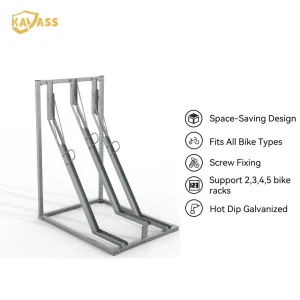
KAVASS Security Tech Limited is a professional manufacturer focused on traffic safety and perimeter protection solutions, with more than 18 years of industry experience. We specialize in the design, production, and supply of a wide range of products, including parking locks, bollards, bike racks, and other urban infrastructure equipment. By integrating product development, manufacturing, and after-sales support, we provide efficient one-stop solutions tailored to the needs of global clients.
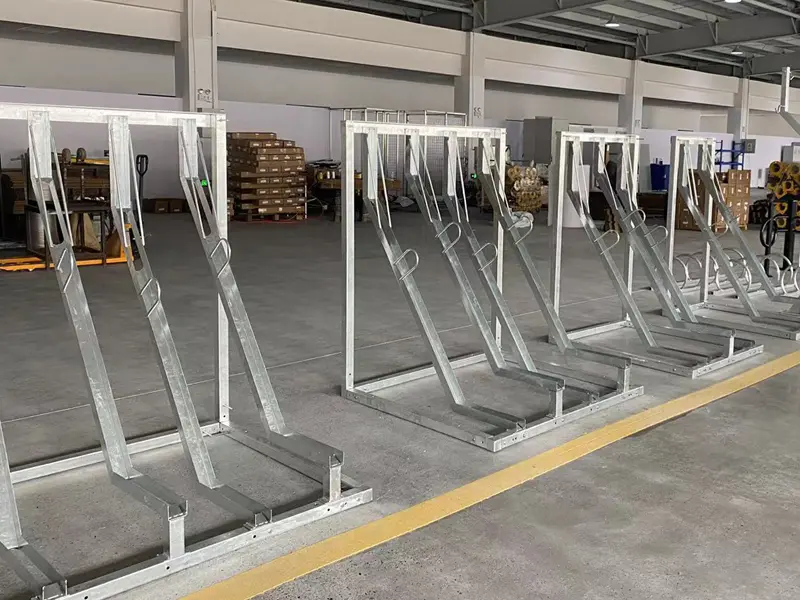
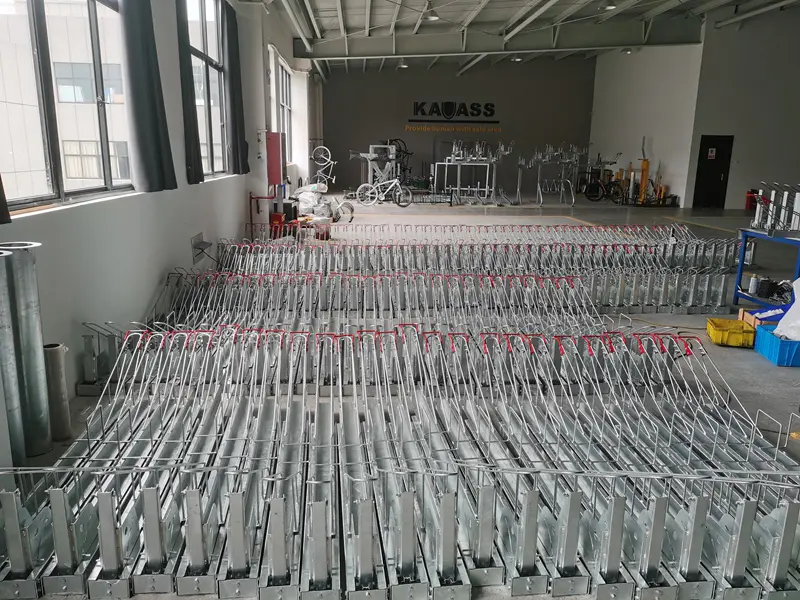
Our production base is equipped with advanced machinery and modern manufacturing processes, supported by a skilled engineering and quality control team. From raw material selection to final inspection, every step is carefully managed to ensure consistent product performance and long-term reliability. This enables us to meet the demands of various applications, from standard products to customized project requirements.
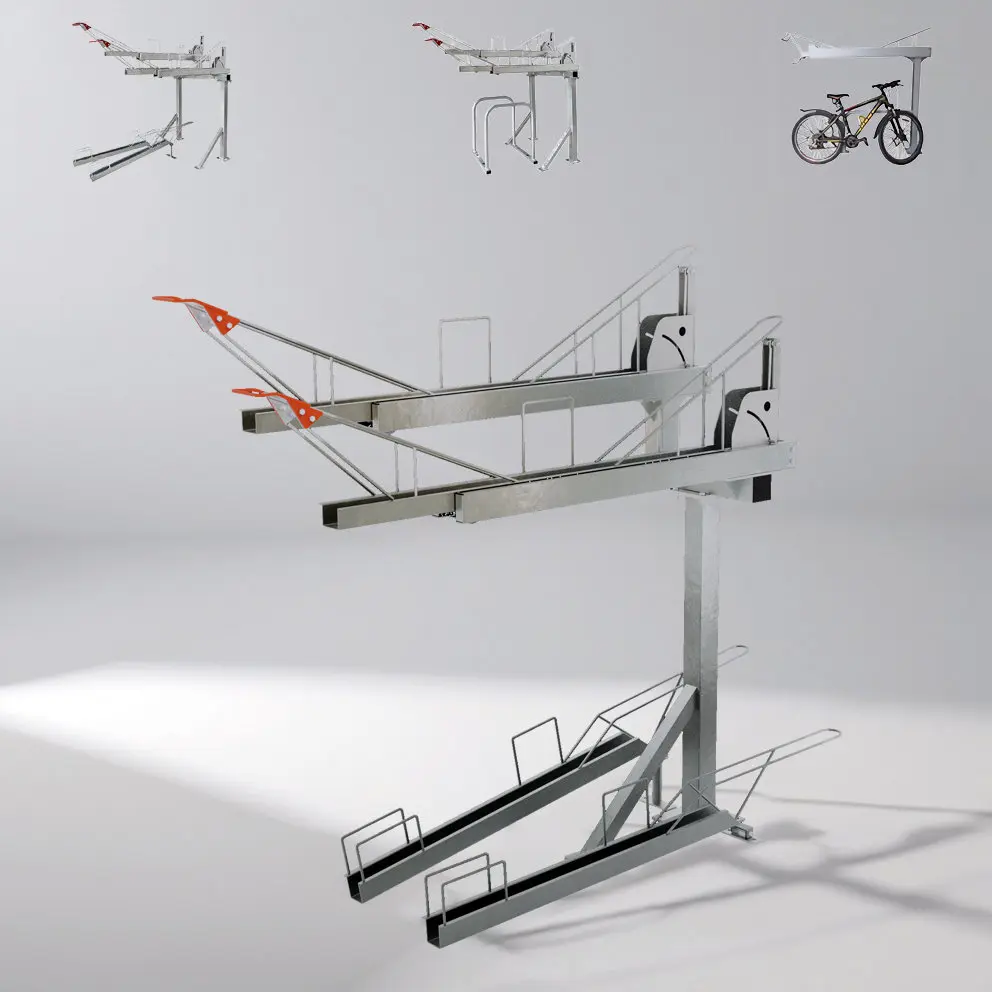
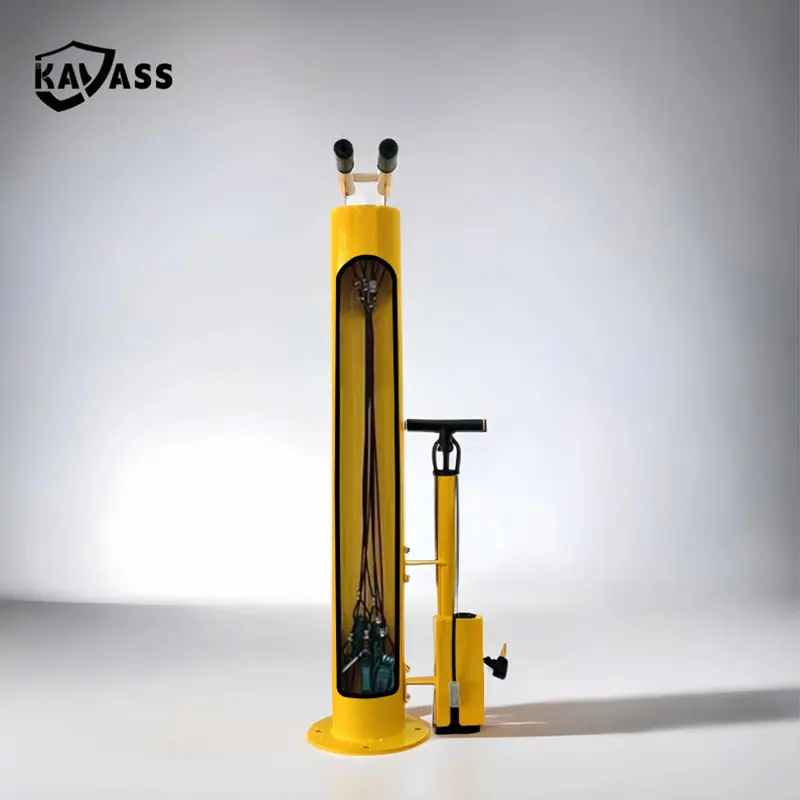
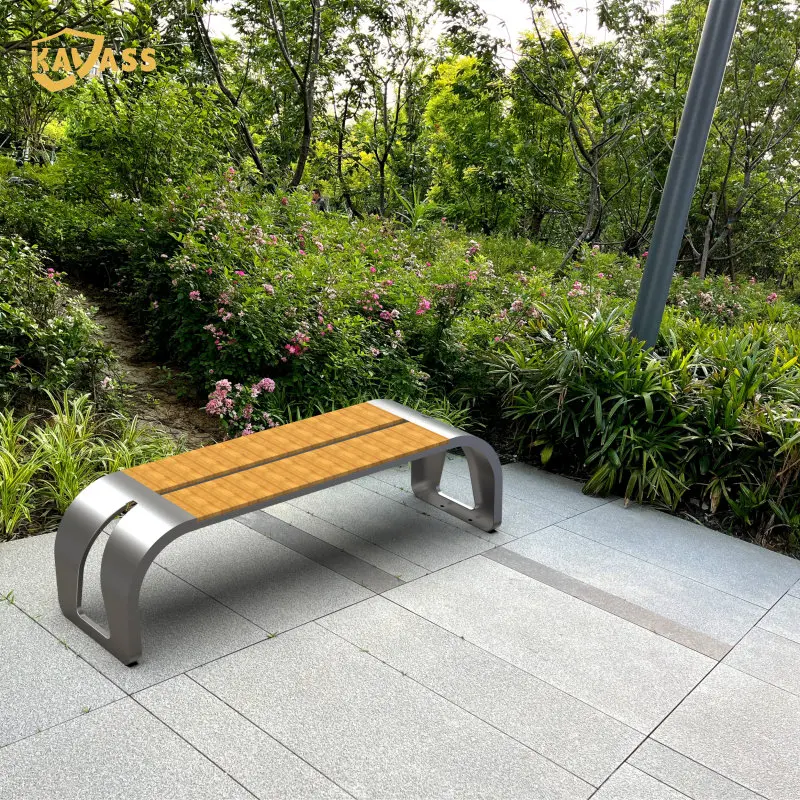
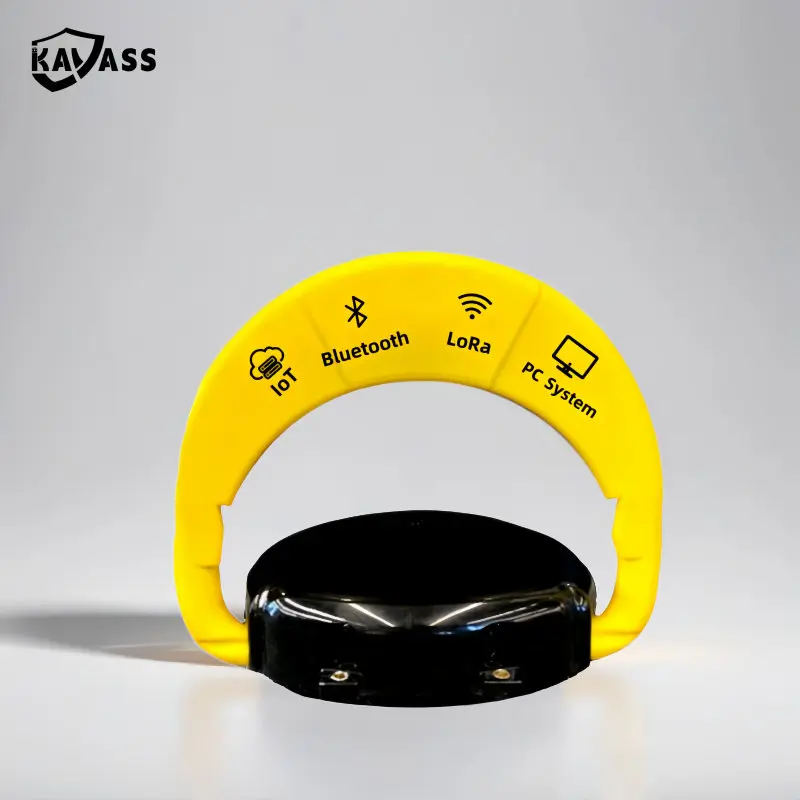
Our dual-base manufacturing configuration ensures raw metal components are machined, finished, and assembled in specialized lines under tight QA tolerances.
With a strong export network, KAVASS has established long-term cooperation with customers in more than 80 countries and regions, including Europe, the Middle East, Southeast Asia, and North and South America. Our experience in international markets allows us to better understand local standards, project requirements, and customer expectations.
Driven by a commitment to quality, practicality, and continuous improvement, KAVASS aims to deliver products that combine functionality with long-term value. We strive to support our partners with reliable solutions that enhance safety, optimize space management, and contribute to more efficient urban environments.
Common questions from distributors, site engineers, and project procurement managers.
Supporting access control and urban space planning with certified security fittings.
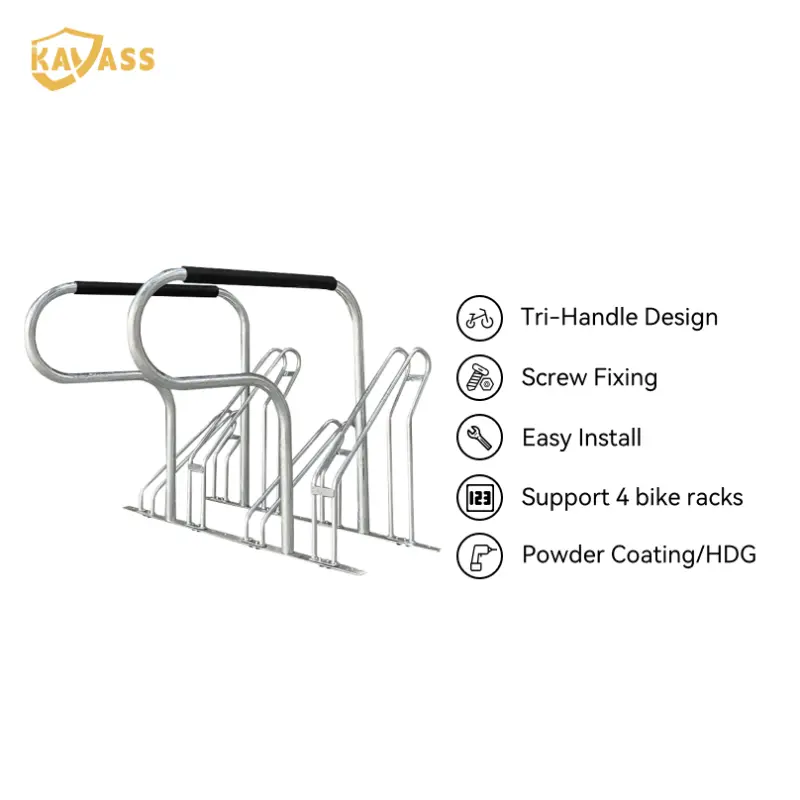
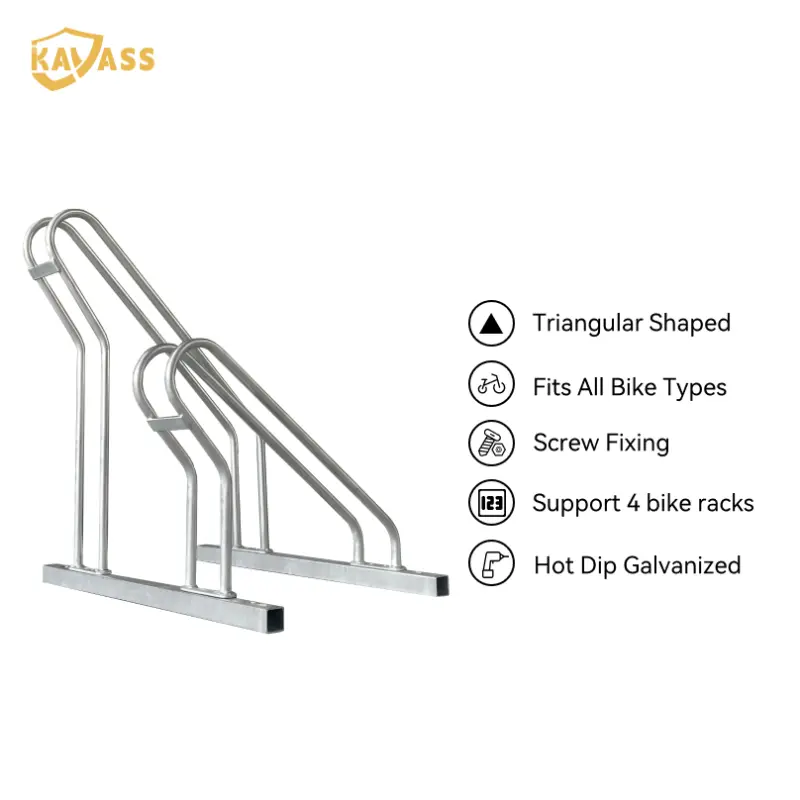
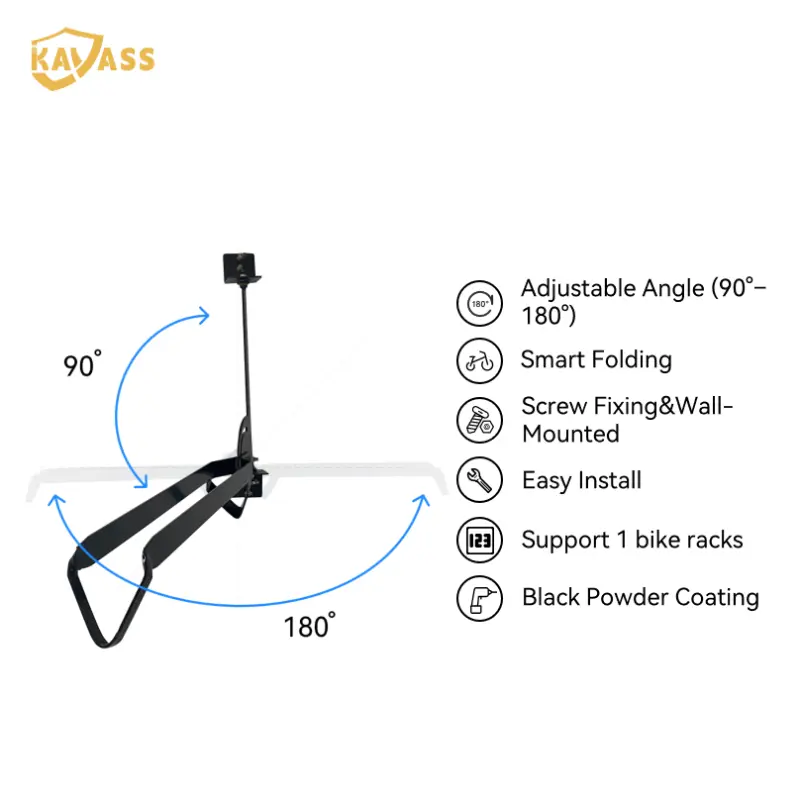
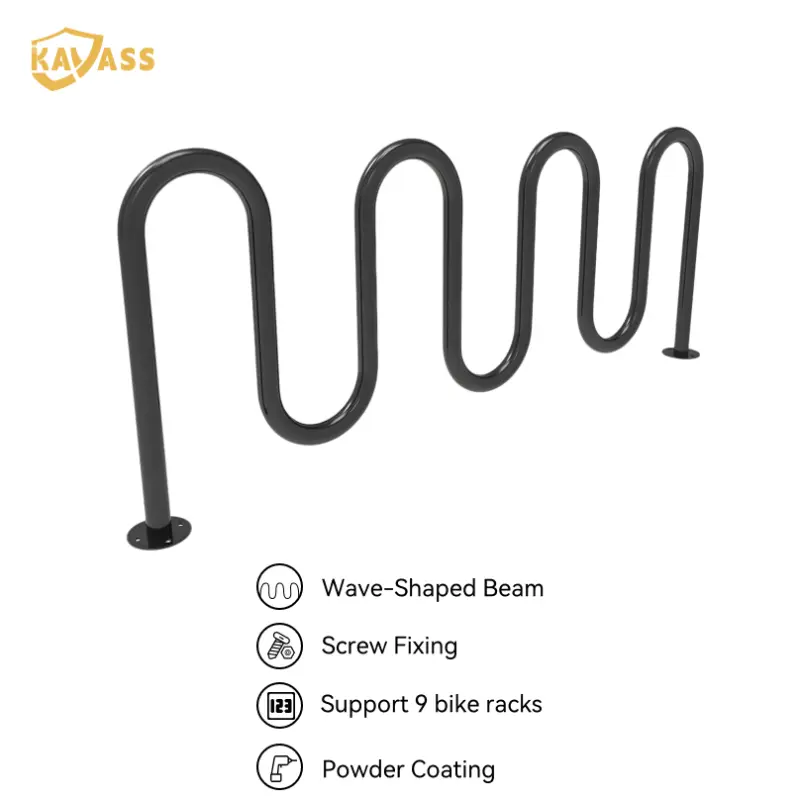
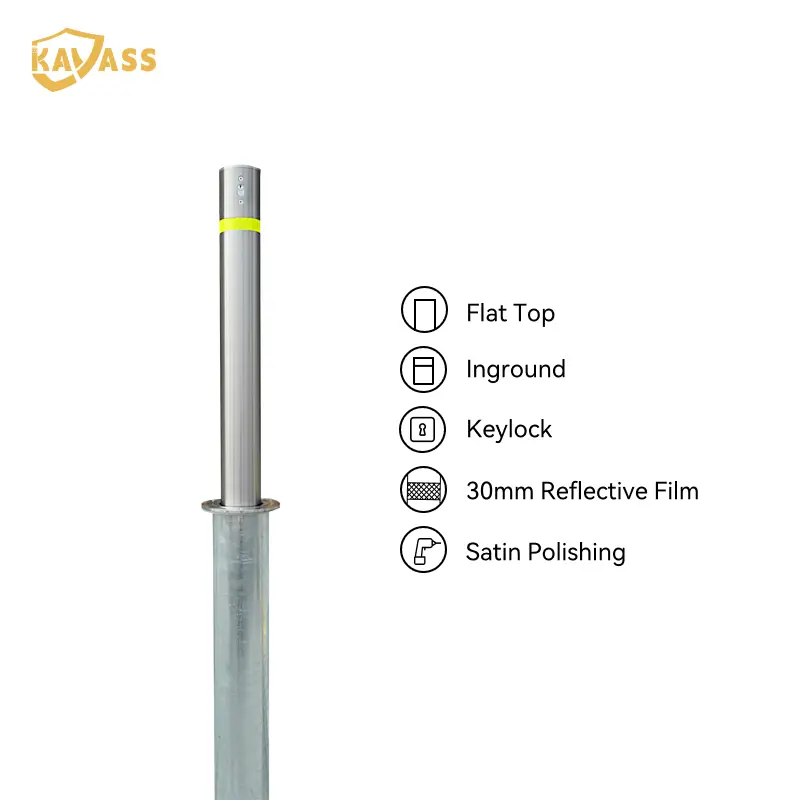
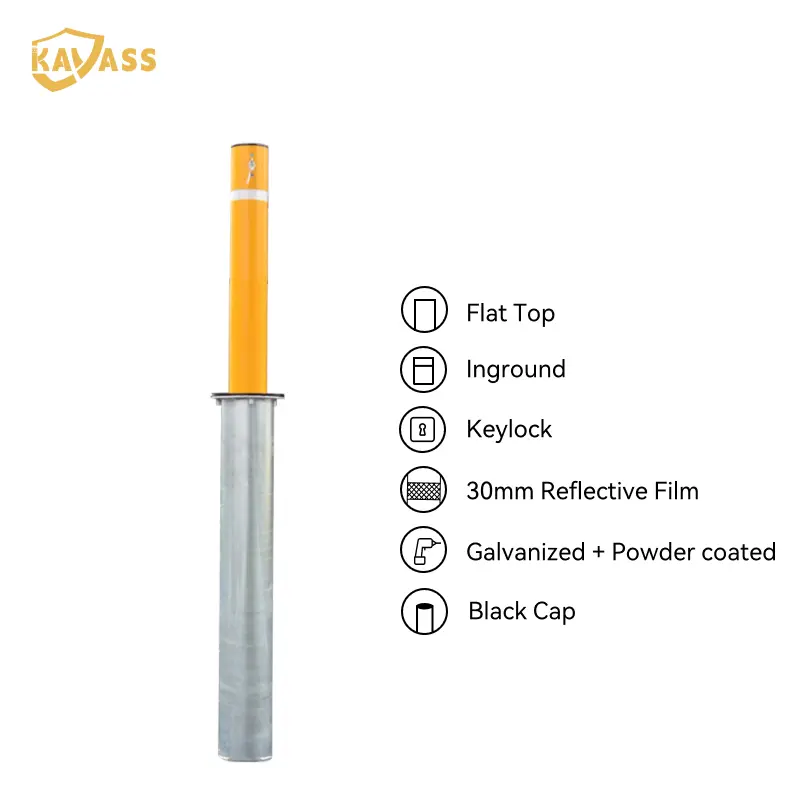
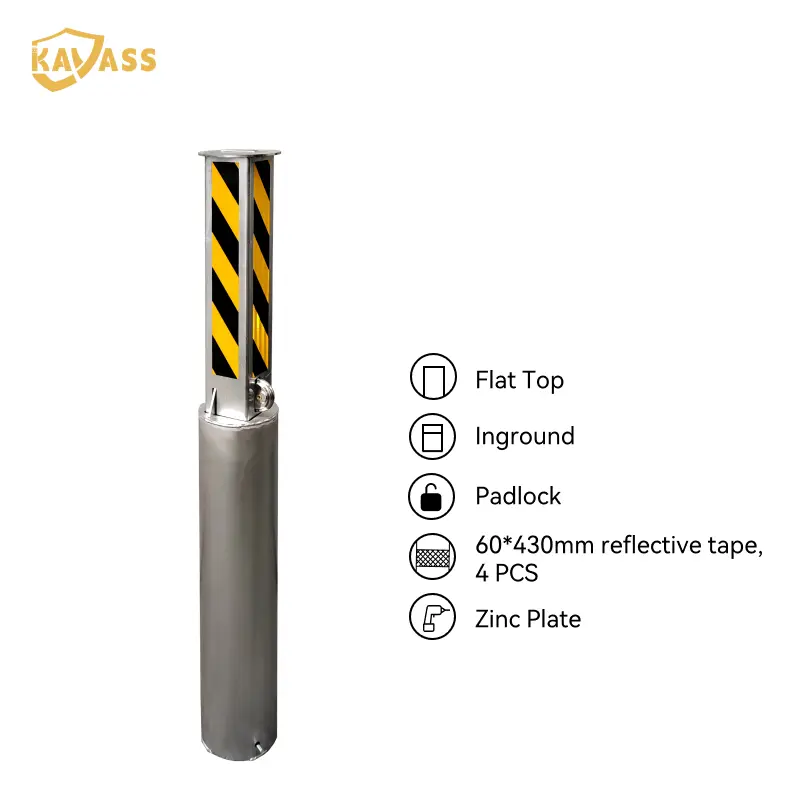
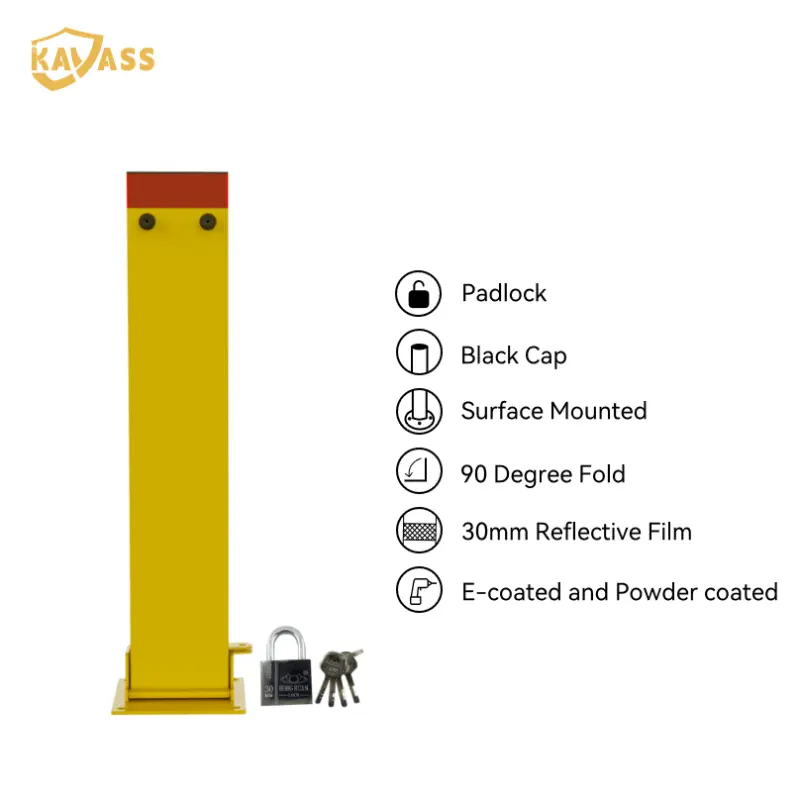
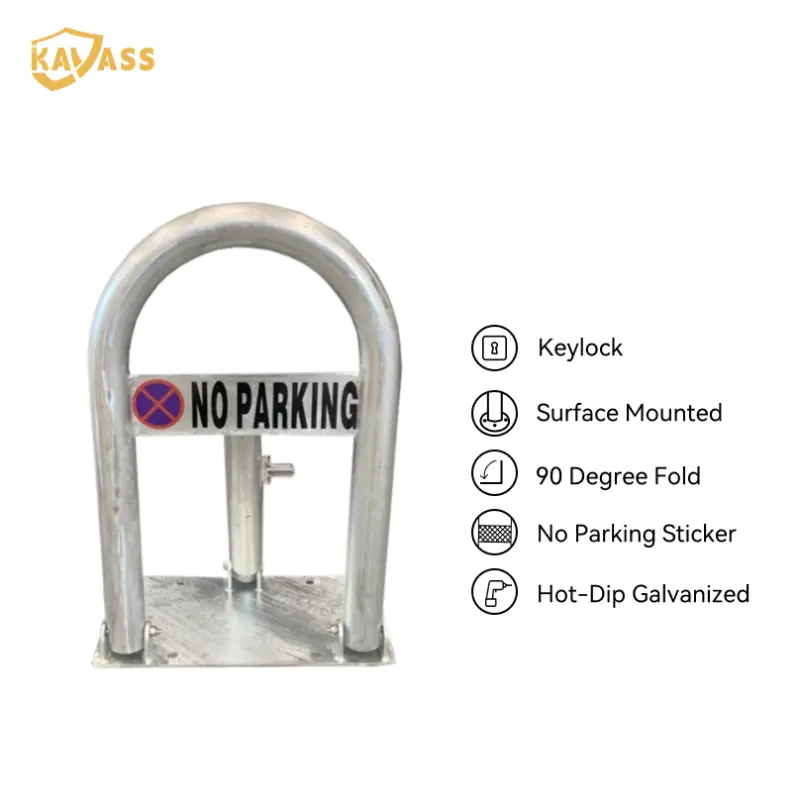
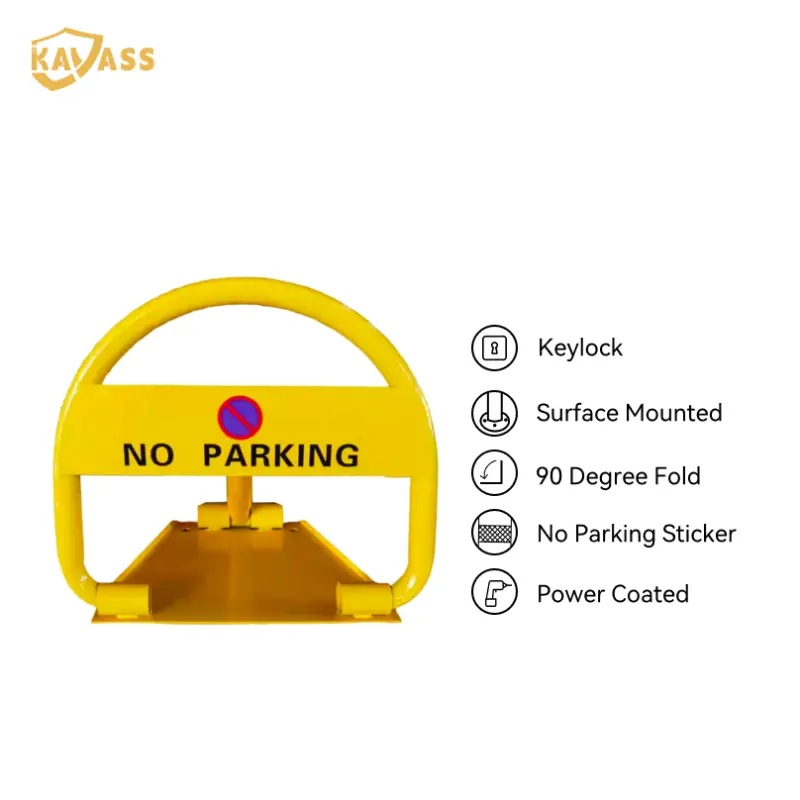
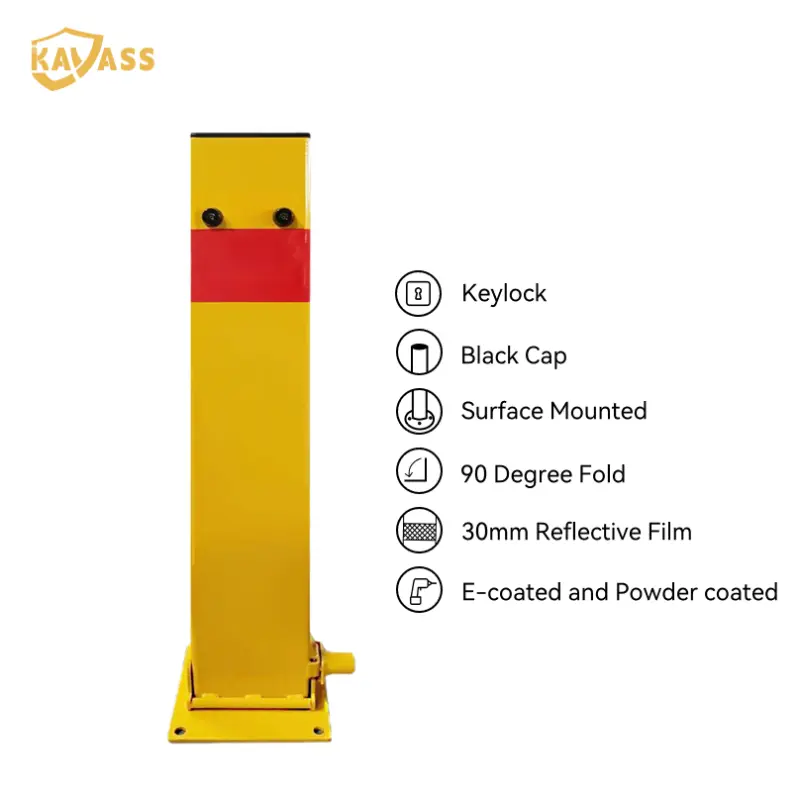
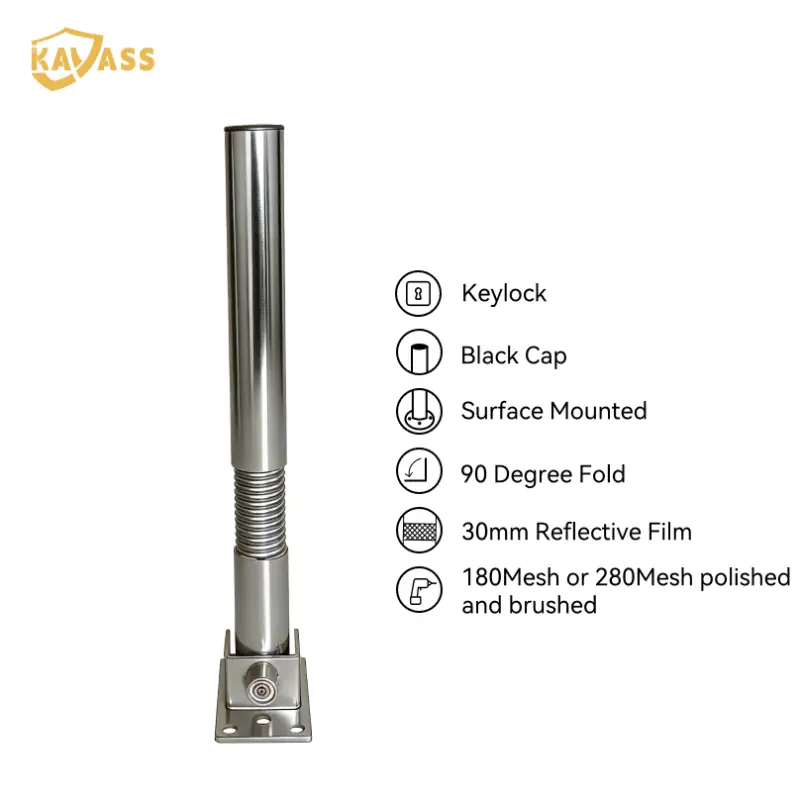
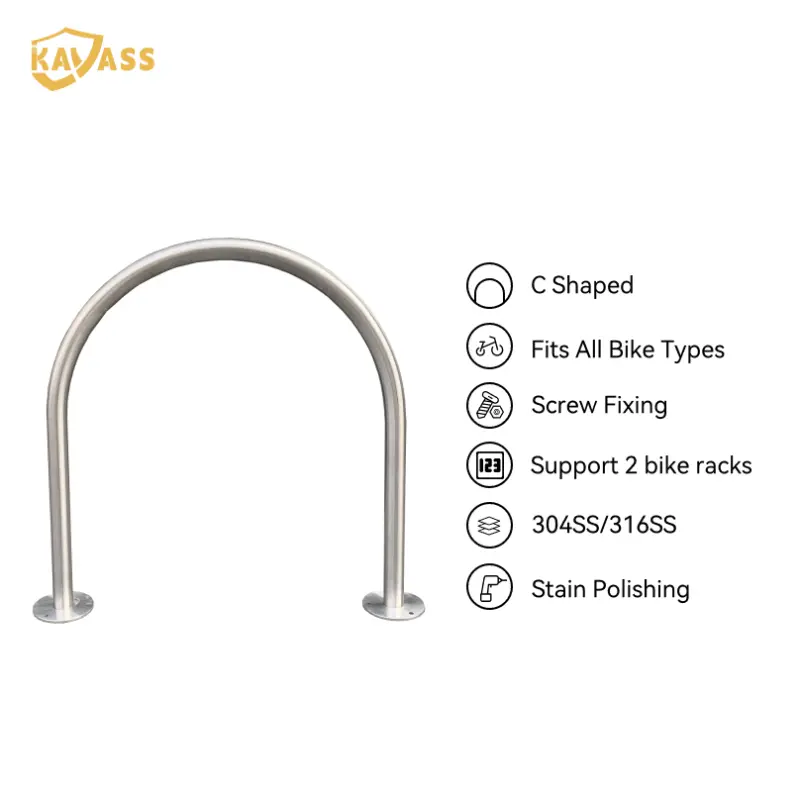
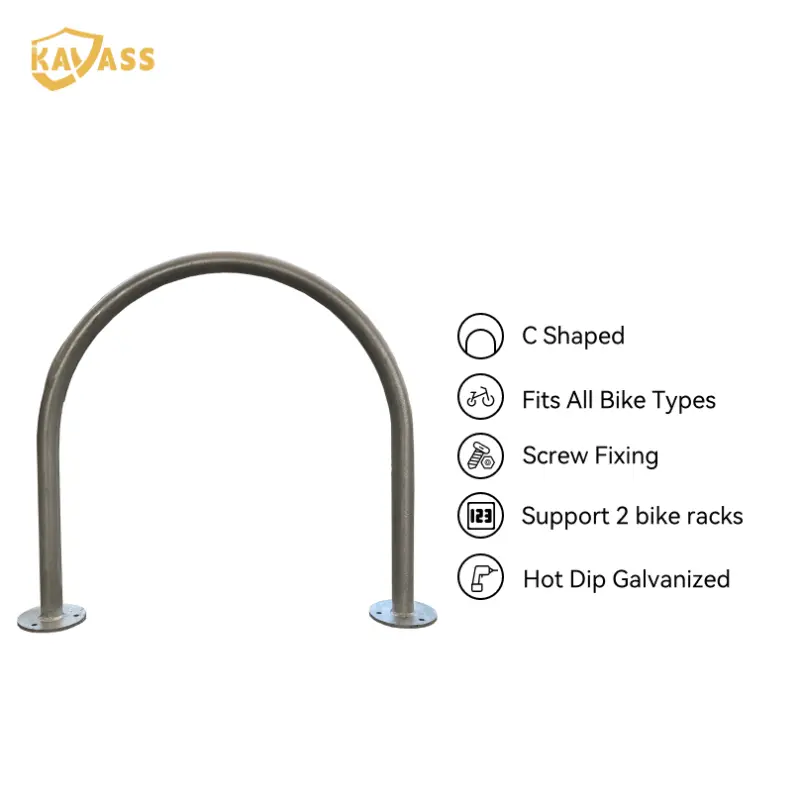
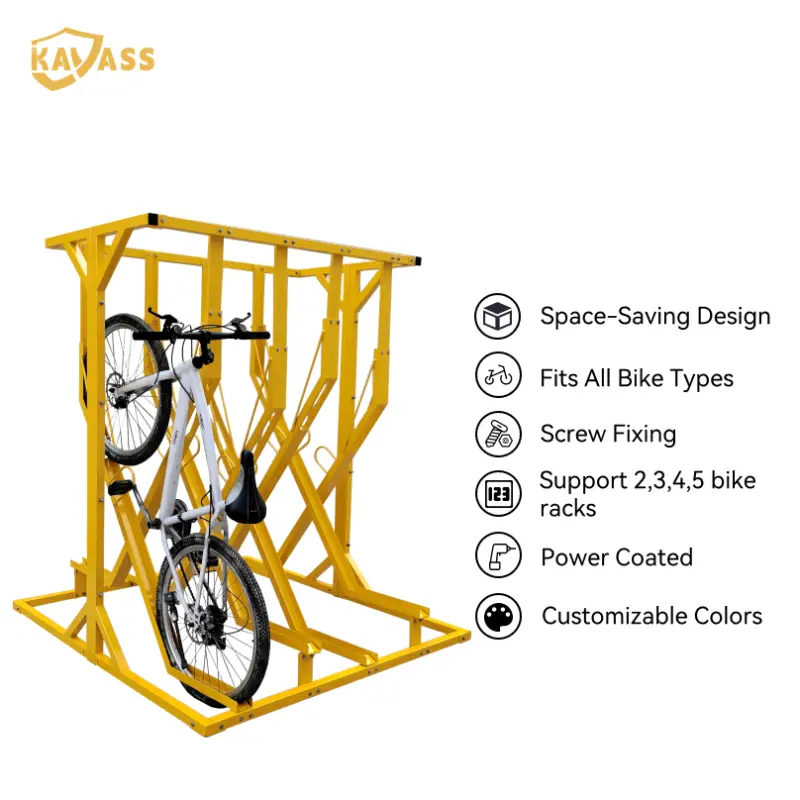
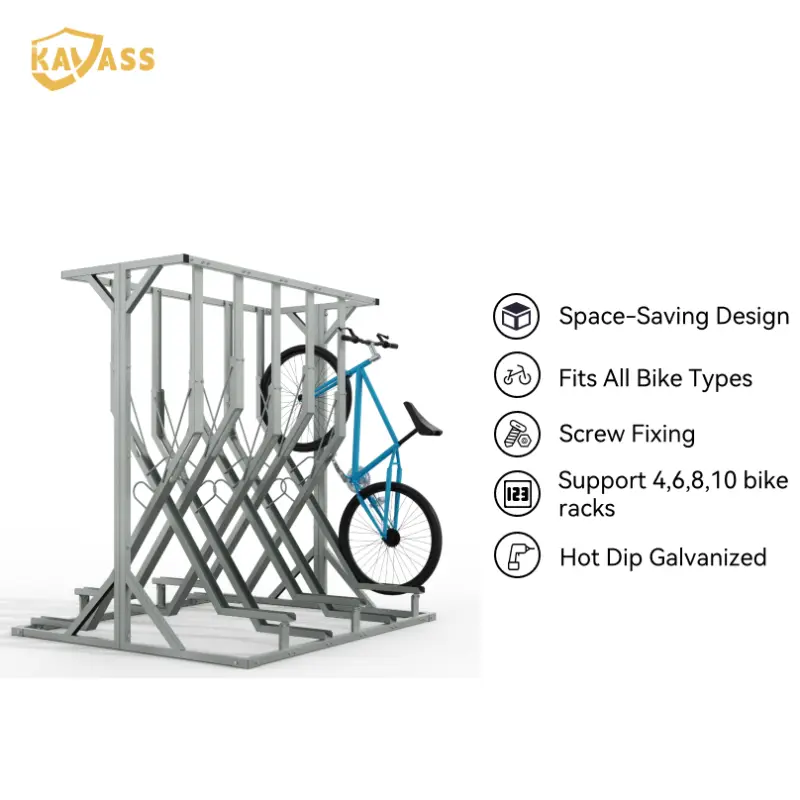
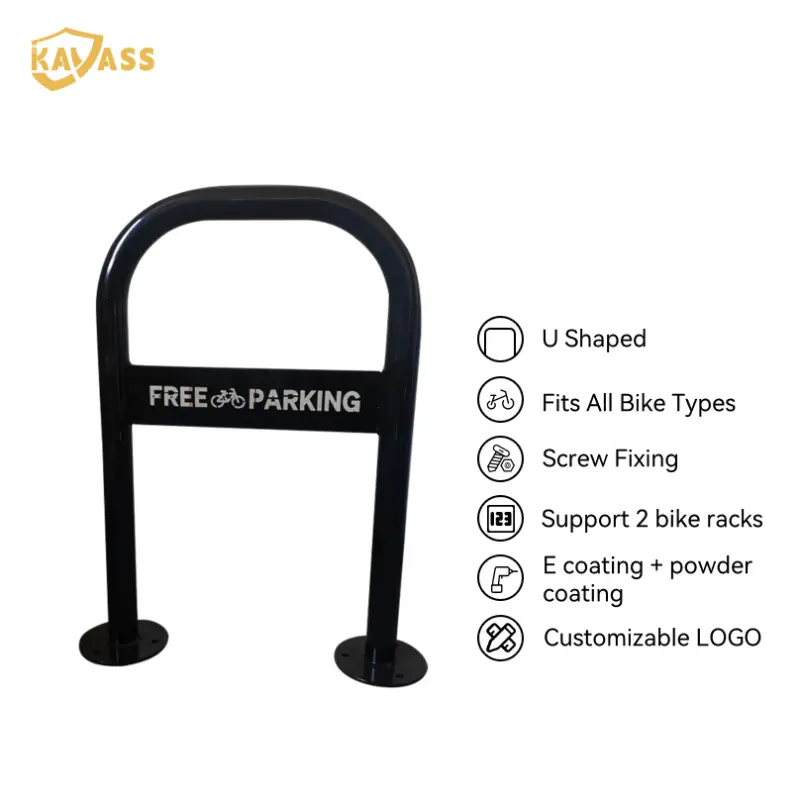
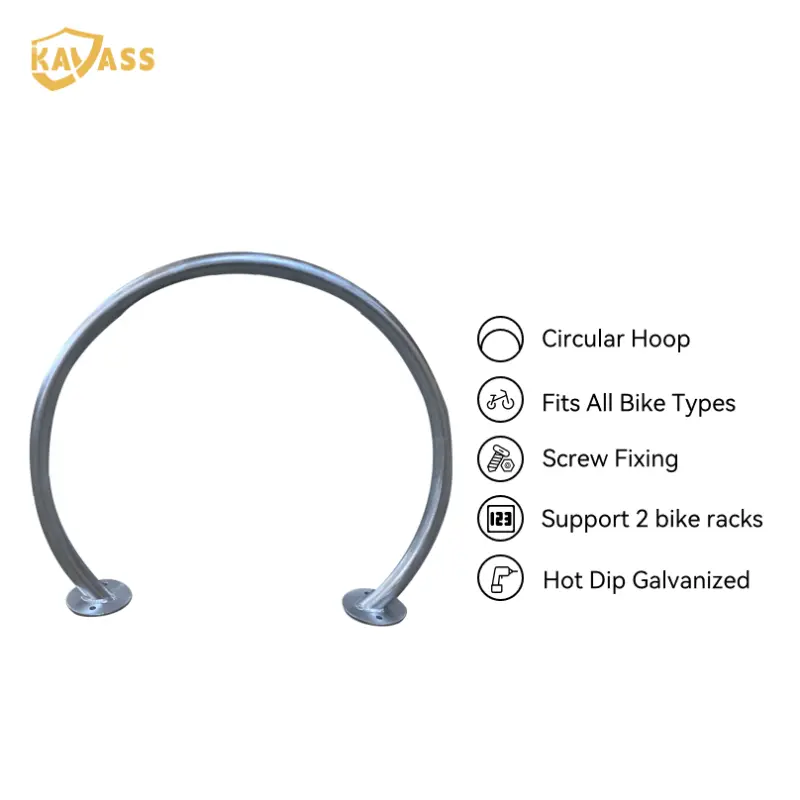
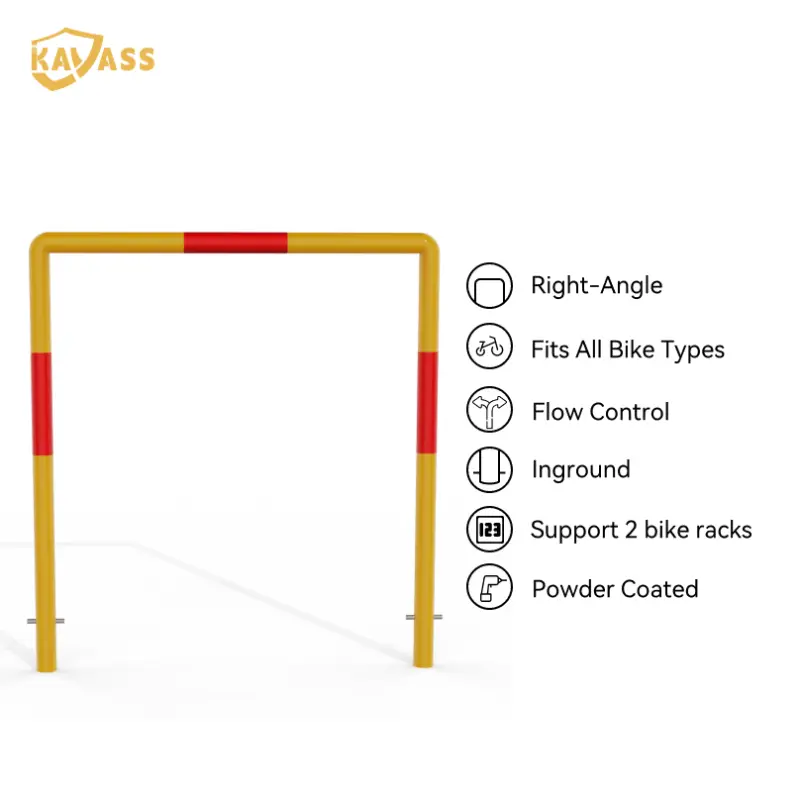
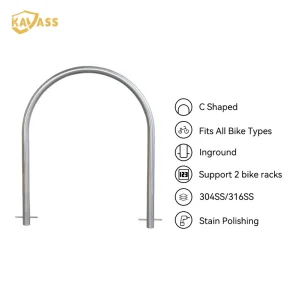
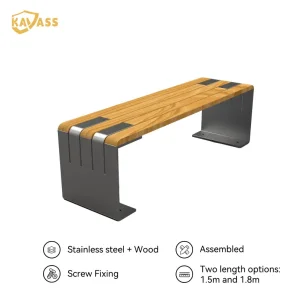
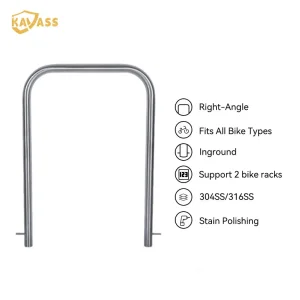
Industrial folding locks, C-shaped racks, outdoor benches, and smart control locks for municipal projects.
Looking for a custom OEM/ODM partner for smart locks, telescopic bollards, or commercial bike racks? Contact our technical team today to request a quote or request detailed product specifications.
KAVASS SECURITY TECH LIMITED
Email Consultation Request KAVASS