High-durability access restrictions and active mobility support frameworks optimized for modern urban architectural layouts.
Global metropolitan centers are experiencing rapid transformations in infrastructure planning, driving a critical demand for integrated safety systems and resilient street furniture. Today's urban ecosystems require a balance between security and open, accessible design, moving away from imposing, aggressive barriers towards subtle, smart integration. This methodology is known as Crime Prevention Through Environmental Design (CPTED).
In Australia, rapidly expanding cities demand sustainable micro-mobility facilities and perimeter security that can withstand harsh maritime weather. Whether developing architectural elements for traffic management in Sydney, installing high-capacity bike parking at major transport hubs in Melbourne, or securing commercial precincts in Brisbane, municipal planners look for manufacturing partners that can bridge the gap between architectural aesthetic and high-security compliance.
KAVASS Security Tech Limited answers this demand by engineering robust solutions designed to withstand high-impact scenarios while fitting seamlessly into contemporary designs. This balance helps urban planners create public spaces that are open and inviting, yet structurally protected.
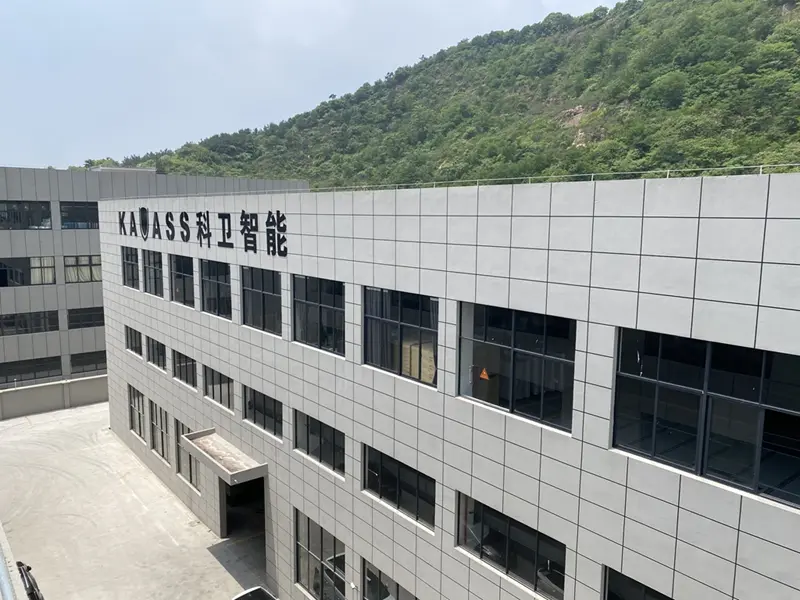
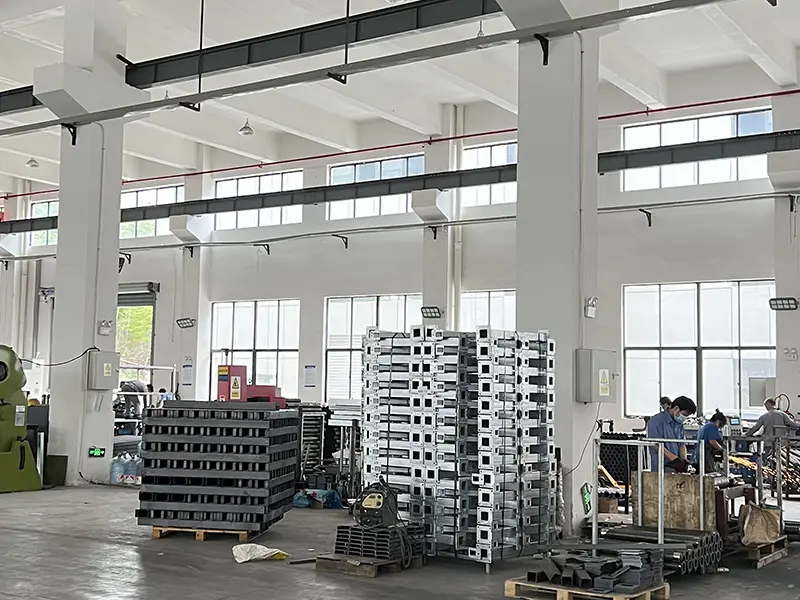
Underpinned by 18+ years of dedicated engineering research, our state-of-the-art production facilities translate raw concepts into high-precision, compliant street furniture systems.
Using structural Finite Element Analysis (FEA) and comprehensive CAD modeling, our engineering team tailors raw street furniture designs to meet specific local wind load configurations, sub-surface requirements, and architectural aesthetics.
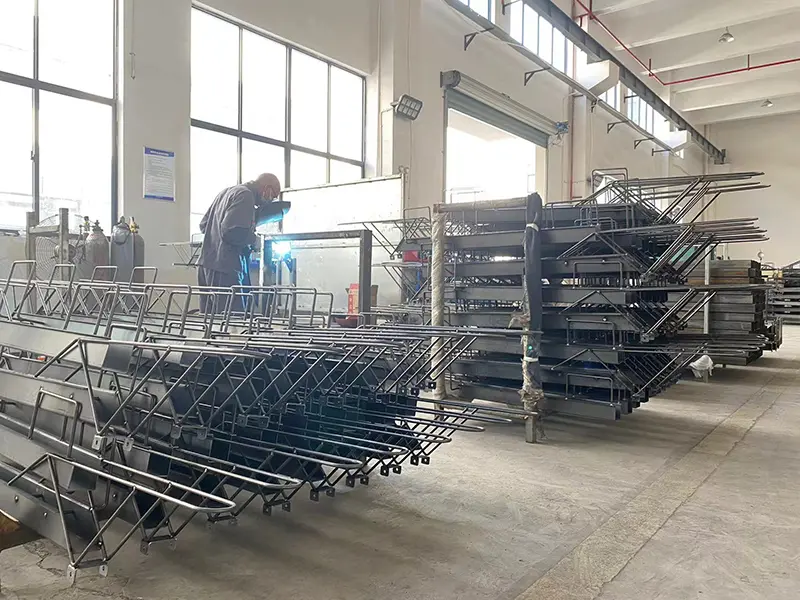
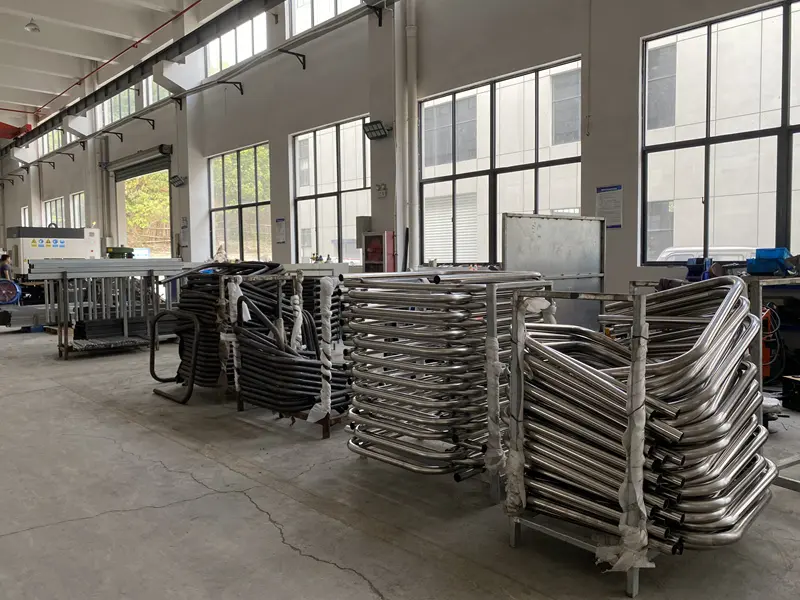
Equipped with laser tube cutters, automated welding, and advanced bending machinery, we process both commercial Q235 Carbon Steel and high-resistance Grades 304 and 316 Stainless Steel, ensuring durable tolerances down to +/- 0.5mm.
Every batch of street furniture undergoes comprehensive testing, including salt spray tests for rust evaluation, pull-out load testing for security anchors, and cycling tests for telescopic mechanisms, matching international quality parameters.
Designing street furniture for Australia requires close attention to local standards. To support architects and civil planners, our products conform to these key certifications:
A breakdown of our manufacturing lines, engineered for public spaces, corporate parking areas, and heavy industrial facilities.
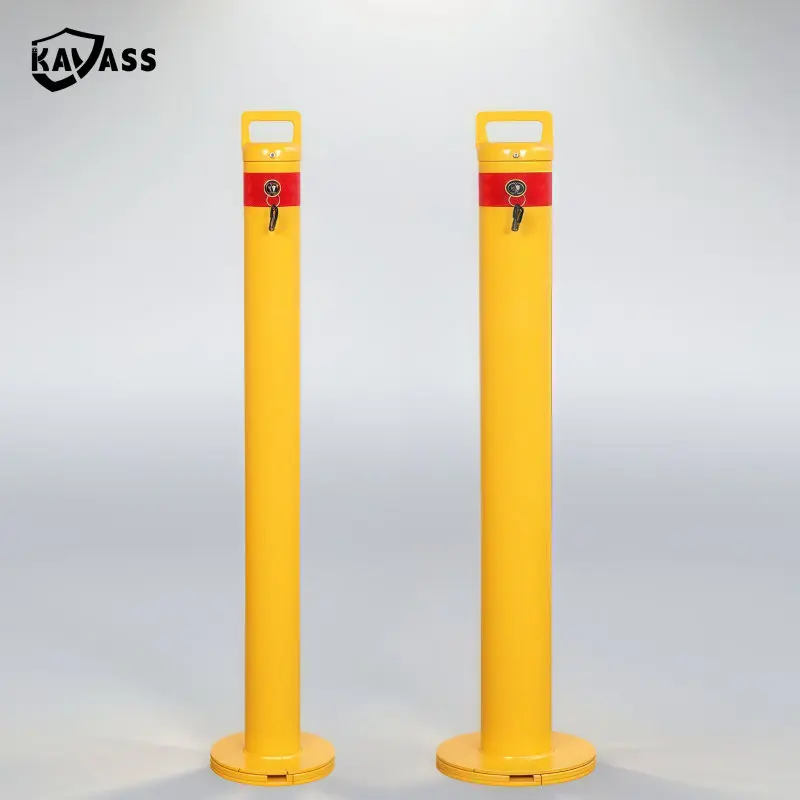
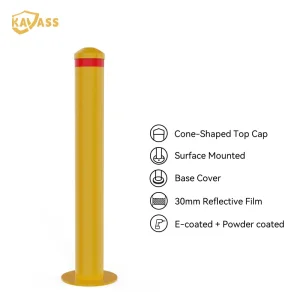
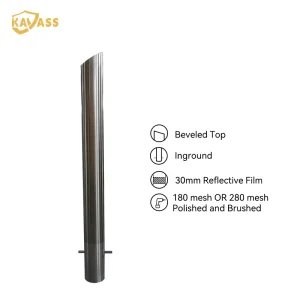
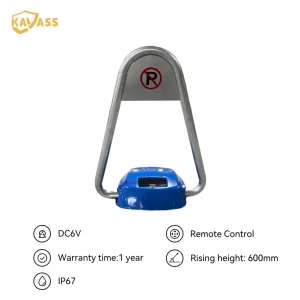
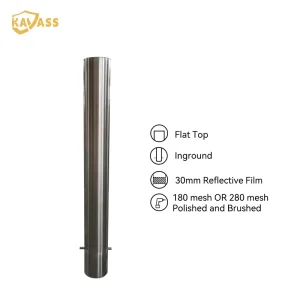
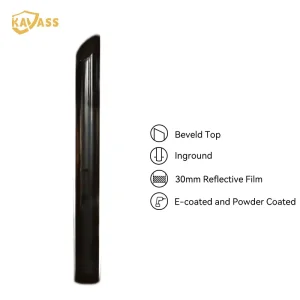
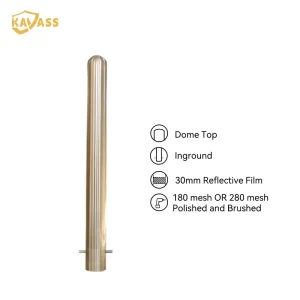
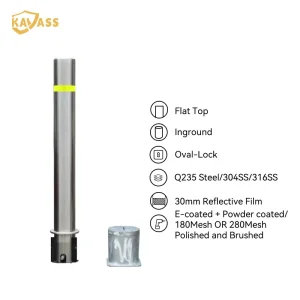
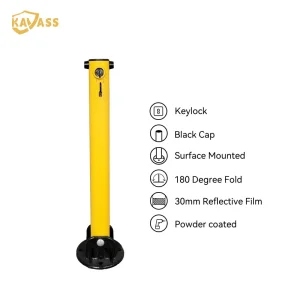
Available in fixed, fold-down, telescopic, removable, and automatic designs. Engineered from high-tensile carbon steel or 316 stainless steel to deliver reliable protection and access control for sensitive areas.
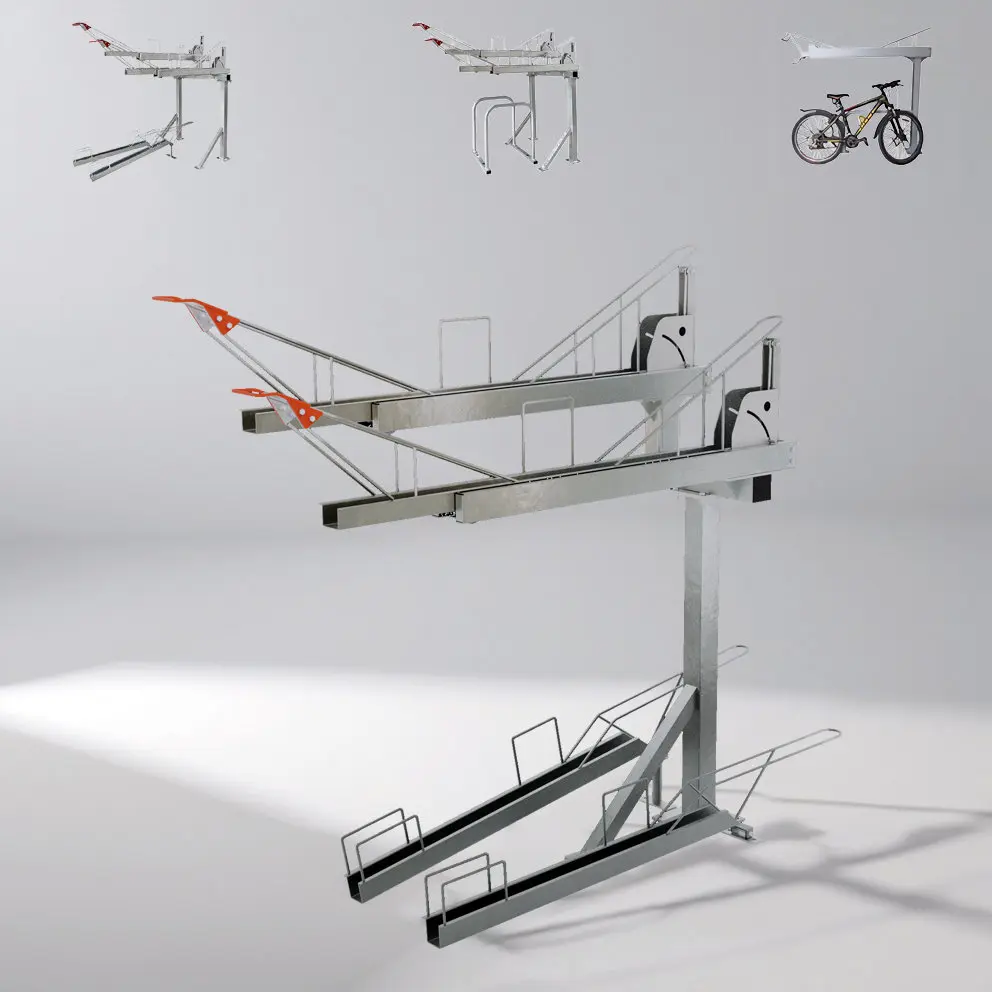
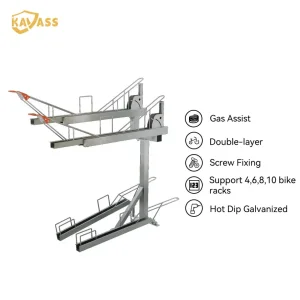
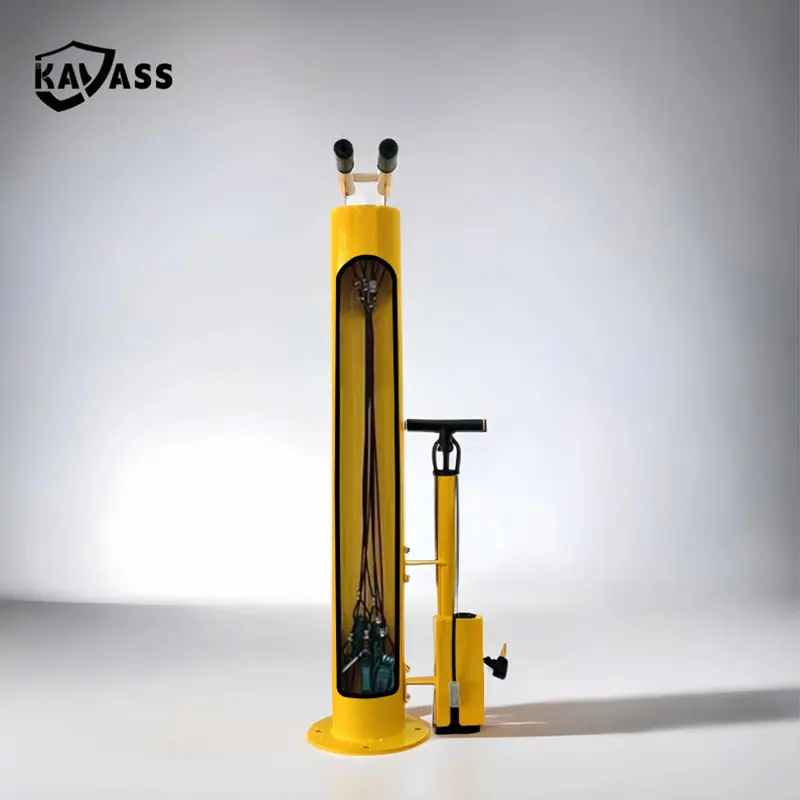
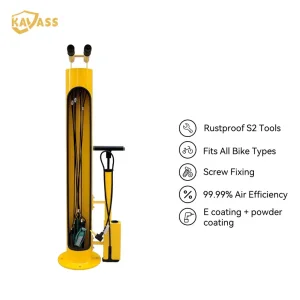
Includes space-saving double-tier racks, modular hoop stands, and public bike repair stations. Built to encourage cycle usage while meeting municipal requirements for durability and ease of use.
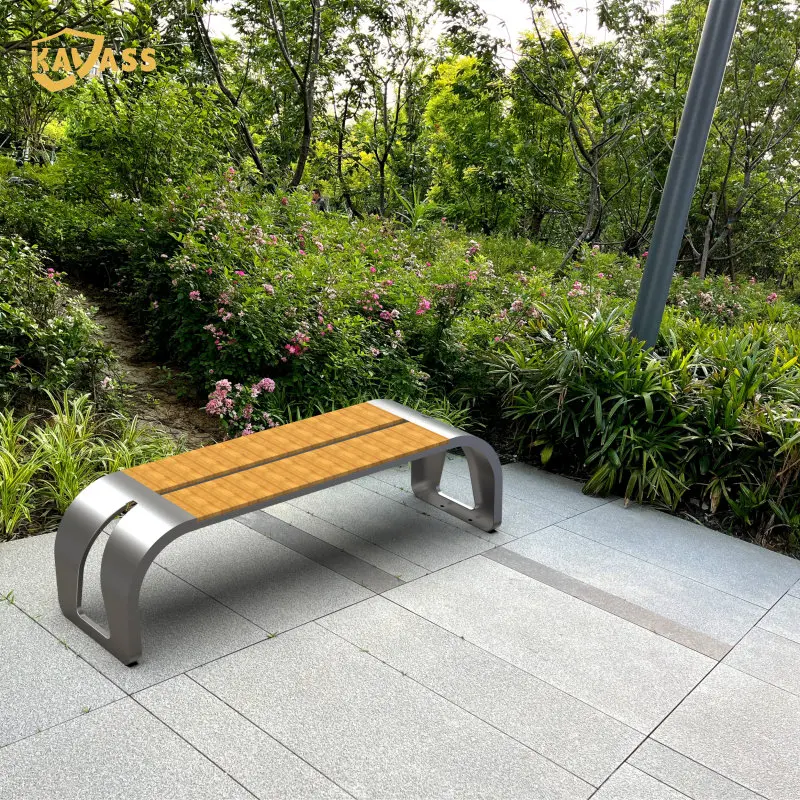
Clean, modern urban assets including custom steel benches, protective screens, and recycling modules. Designed to offer comfort and clean lines for high-traffic public spaces.
Heavy-duty structural steel guardrails, bollards, and barriers. Engineered to shield critical warehouse machinery, manufacturing assets, and employee areas from vehicle impact.
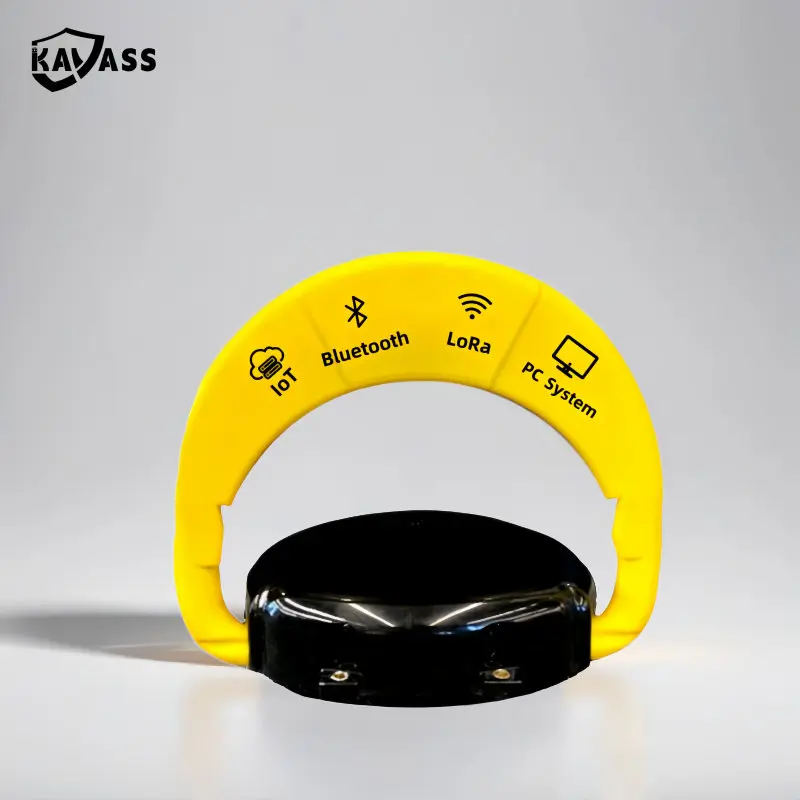
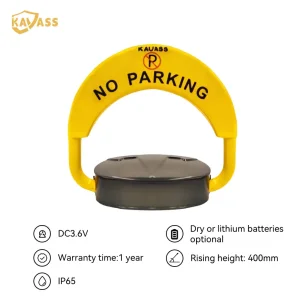
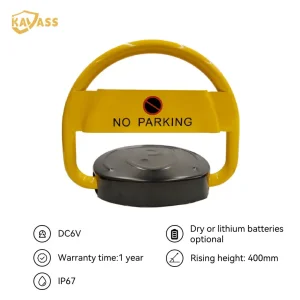
Manual, remote-controlled, solar-powered, and IoT-enabled parking locks. Designed to reserve spaces, manage parking spaces, and integrate with modern smart building platforms.
Have specific architectural needs? We work closely with civil developers to design custom streetscape elements that match localized engineering layouts and aesthetic goals.
Operating across our Deqing and Zhuji facilities, we maintain strict quality control throughout manufacturing, packaging, and final logistics.
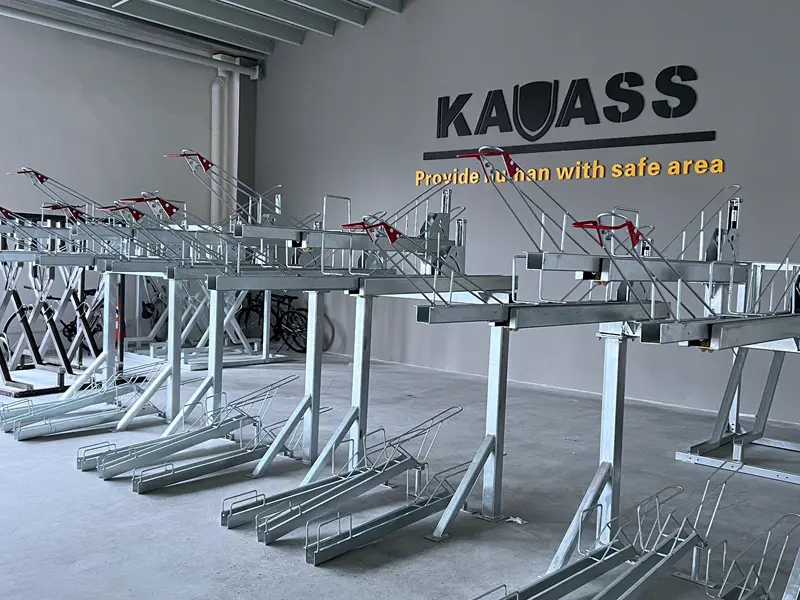
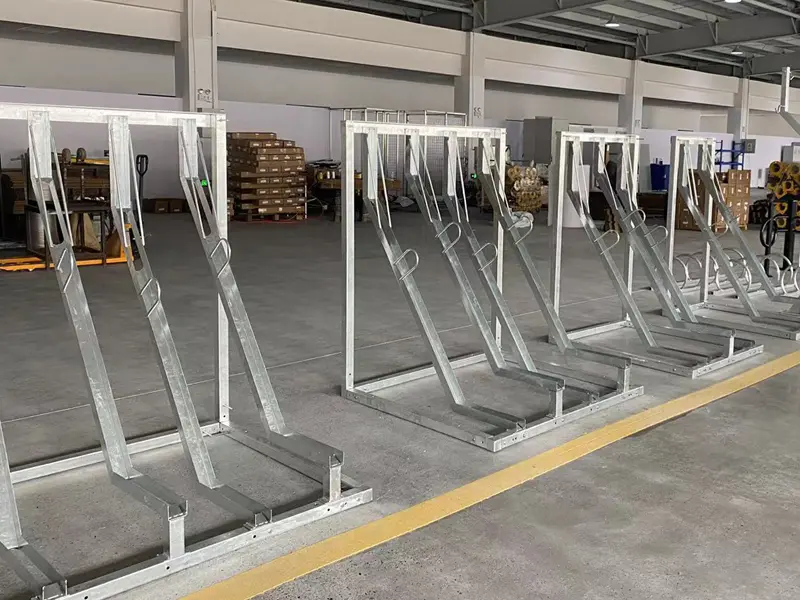
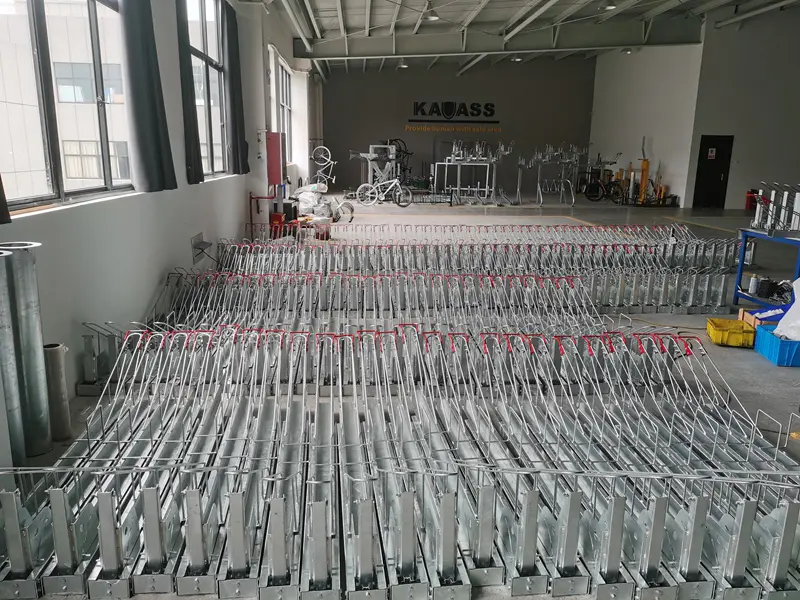
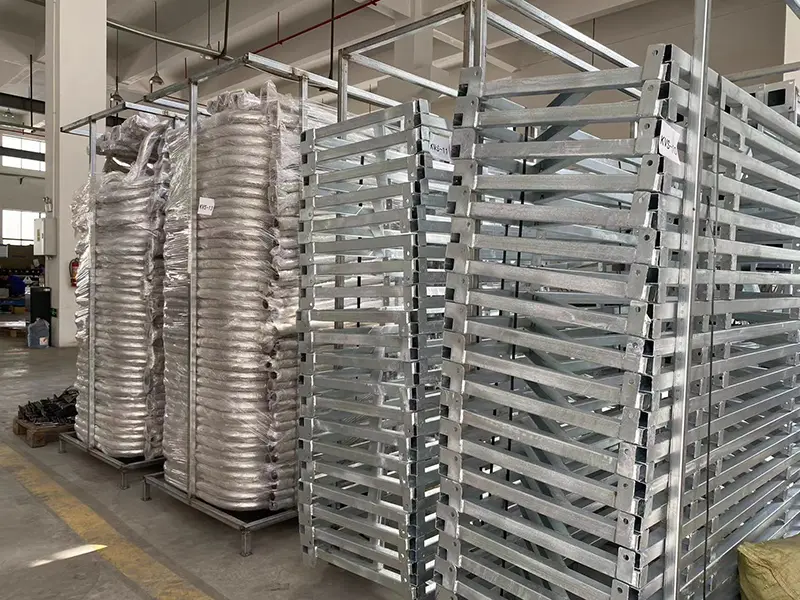
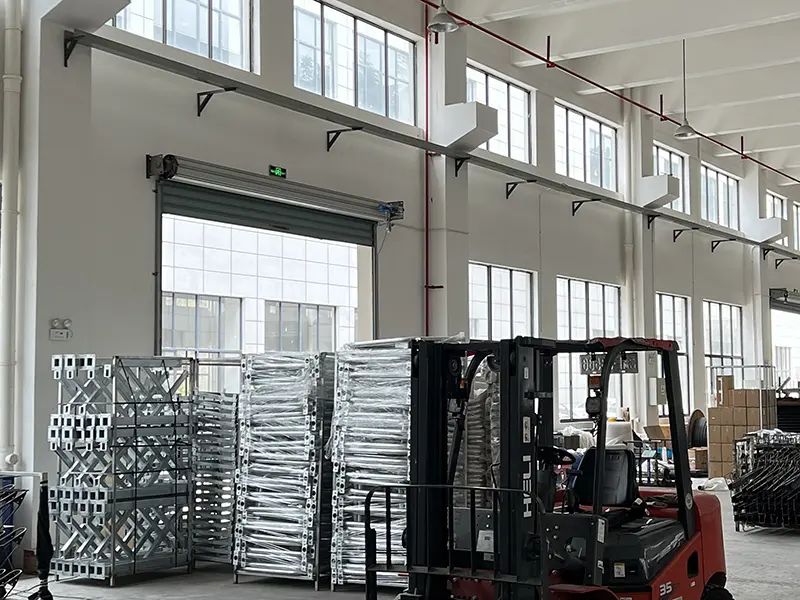
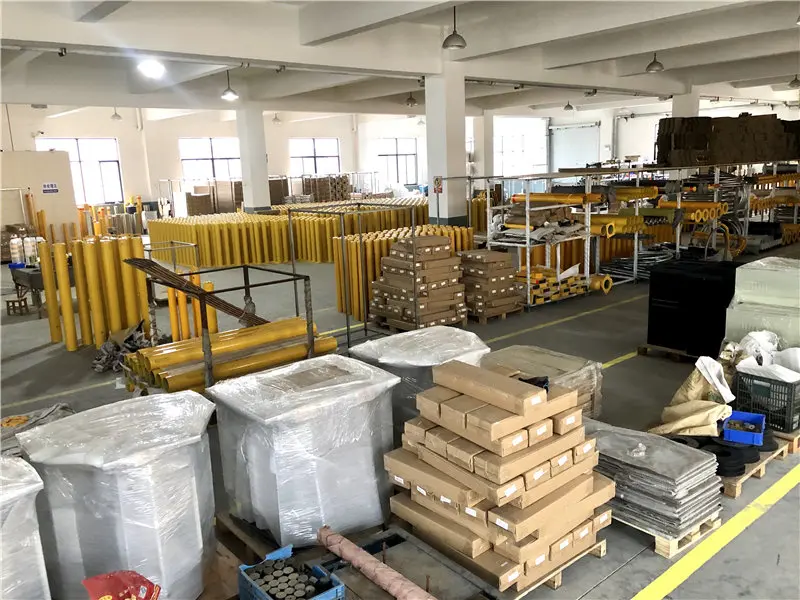
Australian towns and cities present unique challenges for streetscape infrastructure. Extreme ultraviolet radiation, coastal sea winds, and busy urban centers demand durable materials and functional designs.
Our street furniture and traffic control systems are built to meet these challenges:
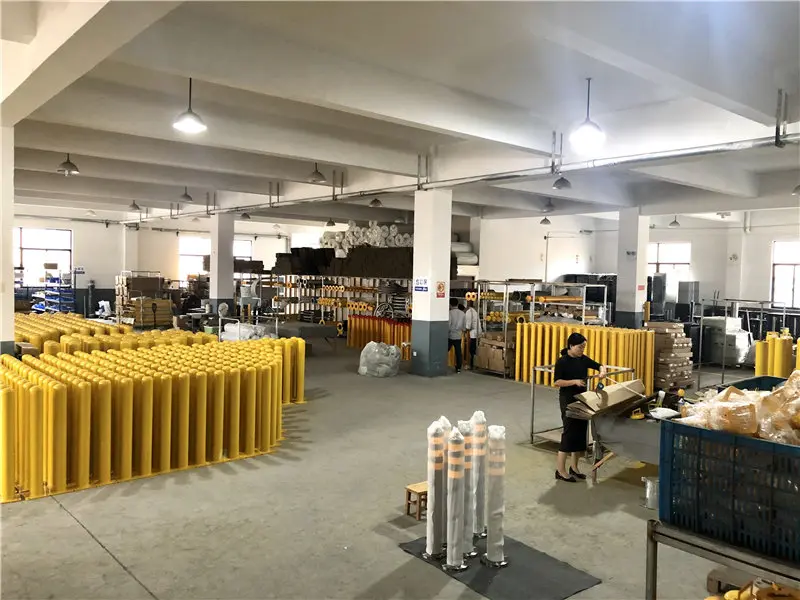
We are integrating digital capabilities into public furniture, preparing modern streetscapes for smart city networks.
Our parking locks use narrow-band IoT (NB-IoT) and LoRaWAN technology. This allows parking operators to monitor space availability, detect unauthorized parking, and handle reservations in real time.
We are integrating high-efficiency solar cells into our parking locks and bicycle service hubs, enabling standalone operation without the need for expensive structural excavation.
We prioritize green manufacturing. By sourcing recycled steel alloys and using low-VOC powder coating processes, we help urban developers lower the environmental impact of their projects.
Our upcoming product designs combine bicycle repair tools, public USB charging stations, and smart safety lighting into single modular hubs, saving street space.
Frequently asked questions about compliance, material performance, and customization requirements for Australian projects.
Under AS 1428.1, bollards in pedestrian areas must be highly visible. We apply a 50mm reflective contrast band near the top of the bollard. For stainless steel, we offer custom powder-coated color rings to achieve the required 30% luminance contrast against the surrounding pavement.
Grade 304 is suitable for inland use. However, for environments within 5km of the sea, we recommend Grade 316 Stainless Steel. Grade 316 contains molybdenum, which protects against pitting and salt spray corrosion, ensuring the steel retains its appearance and structural strength.
This process immerses fabricated carbon steel in molten zinc. This creates a durable alloy layer that seals the steel, protecting it from moisture and oxygen. Even if the surface is scratched, the zinc layer sacrifices itself to protect the underlying steel from rust.
AS/NZS 2890.3 outlines the space envelopes required for bike parking. U-Racks should generally be spaced at least 1000mm apart, with a 1200mm access aisle. This layout ensures cyclists can access and secure their bikes without interference.
Our solar-powered parking locks (such as the KVS-PL-101S) use low-power electronics and a high-efficiency solar panel. Under normal daylight conditions, the battery stays charged indefinitely. On cloudy days or in covered areas, the backup lithium battery provides up to 180 days of continuous operation.
Yes, we provide full OEM and ODM services. Our engineers work from your drawings or step files, perform FEA structural analysis, and supply physical prototypes to ensure all custom dimensions, materials, and mounting requirements are met.
High-performance parking locks, bike racks, and fixed barrier solutions designed for modern facility management.
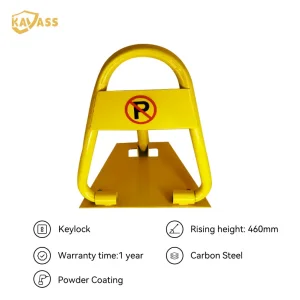
KAVASS Security Tech Limited brings 18+ years of manufacturing experience to your projects, offering solutions that meet the requirements of Australian councils, architects, and developers.
Contact Our Engineering Team KAVASS