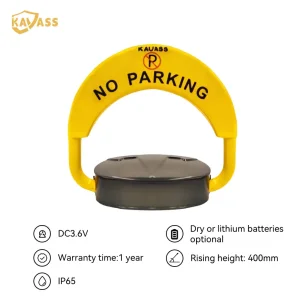
Explore our top-tier crash barriers, industrial shelf protectors, and high-durability access control mechanisms designed to safeguard warehouse hazard points.
As international supply chains expand and manufacturing processes become more complex, the safe containment of hazardous materials (Hazmat) has become a global operational imperative. The storage of bulk flammable liquids, volatile chemical elements, and combustible solvents is heavily regulated by statutory frameworks, including the NFPA 30 (National Fire Protection Association) Flammable and Combustible Liquids Code, and OSHA 1910.106 standards in the United States, alongside parallel European Union ATEX directives and global ISO 9001/14001 environmental and quality standards.
Large-scale chemical, pharmaceutical, automotive, and energy facilities generate vast requirements for high-capacity, heavy-duty storage configurations. Failure to comply with regional fire separation codes and structural safety definitions doesn't just invite catastrophic regulatory fines; it poses structural risks from vapor-based explosions and runaway thermal events. The global commercial landscape demands OEM Large Flammable Storage Containers engineered to act as secondary containment cells. These structural boundaries contain accidental liquid discharges and isolate hazardous vapors from heat, open sparks, and physical facility hazards.
Heavy-duty engineering designed to provide maximum safety margin under extreme fire load, pressure, and impact conditions.
Manufactured using reinforced 18-gauge cold-rolled steel panels, integrating a 1.5-inch (38mm) insulating air barrier. This provides high-level thermal resistance to prevent external fire sources from elevating internal storage temperatures beyond critical combustion thresholds.
Designed with deep liquid sumps (up to 150 gallons or more depending on footprint) to securely capture accidental chemical spills and containment breaches, preventing hazardous fluids from penetrating facility floor drains and subsurfaces.
Incorporates integrated dual flame arrestor vents. In explosive environments, these exhaust ports automatically route hazardous vapors away, while self-closing mechanisms seal the vessel shut if temperatures spike past fusible link limits.
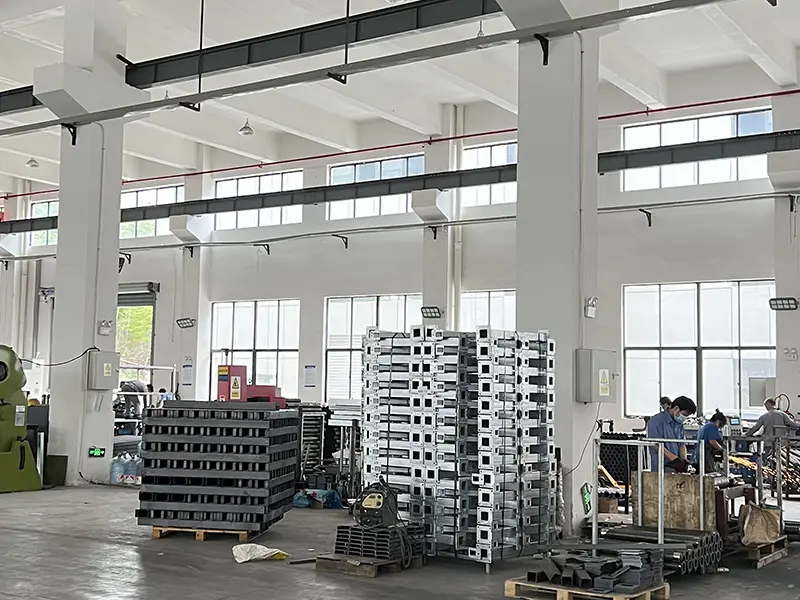
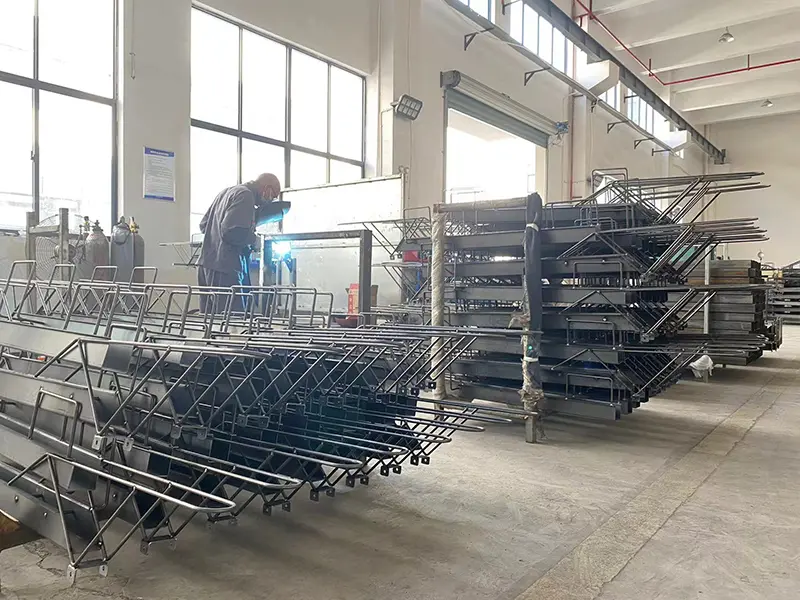
Our OEM manufacturing hubs located in Zhejiang province leverage China's advanced industrial supply chain ecosystems to produce high-specification industrial hardware cost-effectively. By combining raw materials supply coordination with state-of-the-art robotic steel-forming, laser cutting, and multi-axis welding machines, our production bases achieve high precision and consistency.
This localized supply-chain integration permits Chinese OEM factories to offer extensive customization capabilities—varying internal dimensions, specialized heavy-duty chemical coatings, customized racking setups, and specific structural shapes—at a lower total cost of ownership compared to Western producers. Every structural weld, seam assembly, door latch, and powder coating layer undergoes rigorous quality control processes, ensuring each unit meets global safety standards, including UL and CE compliance.
Integrating secure hazmat storage units into modern warehouses, chemical labs, and heavy industrial facilities.
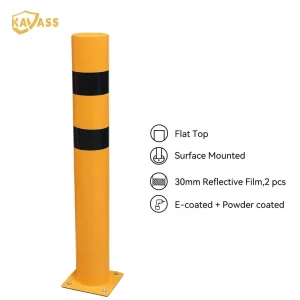
Large external flammable storage containers must be shielded from external impacts, particularly accidental collisions from forklifts, logistics trucks, and support vehicles. This requires integrating heavy-duty security bollards, impact barriers, and facility protection equipment surrounding the hazardous storage zone.
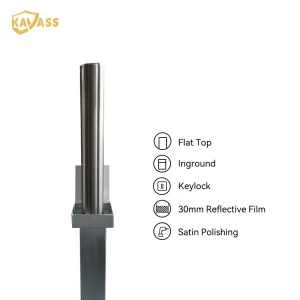
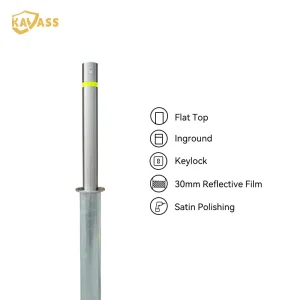
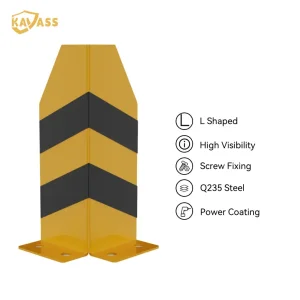
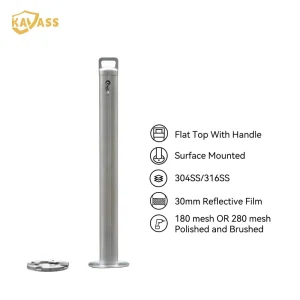
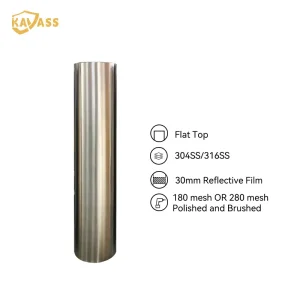
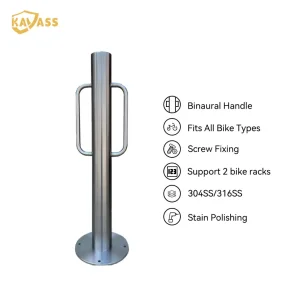
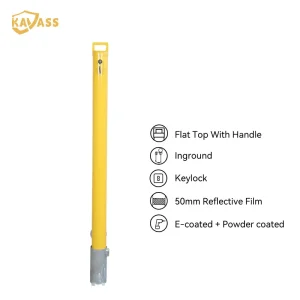
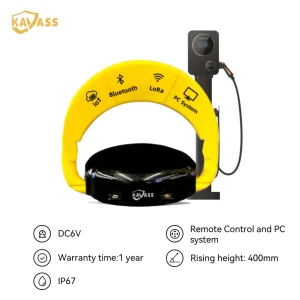
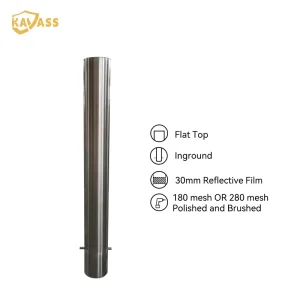
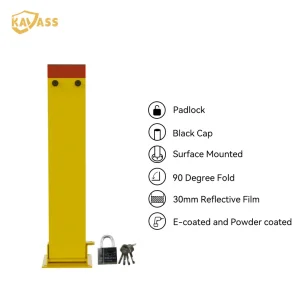
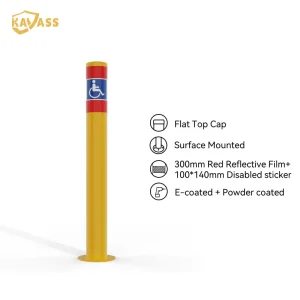
Combining structural safety storage solutions with heavy-duty perimeter hardware—such as KAVASS impact-rated bollards and L-type shelf protectors—creates a multi-layered security plan. Our factories specialize in manufacturing crash-rated traffic posts, removable stainless steel bollards, and heavy corner guards that insulate sensitive storage units from industrial vehicle collisions, ensuring safe operations across facility loading bays, outdoor yards, and indoor assembly zones.
From petrochemical facilities in the Middle East to manufacturing sites in North America, this integrated safety approach mitigates both internal vapor fire hazards and external mechanical impact threats.
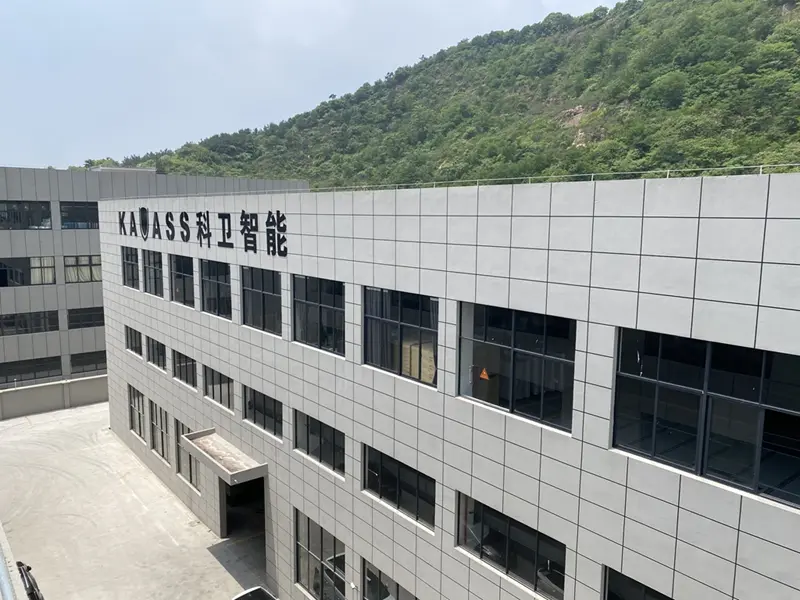
Combining over 18 years of traffic safety, physical security, and industrial structural equipment experience across two modern production plants.
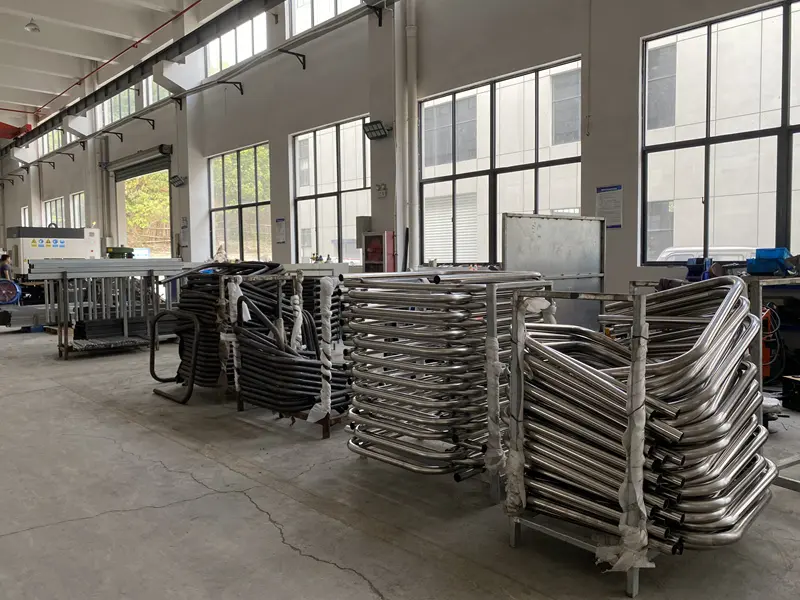
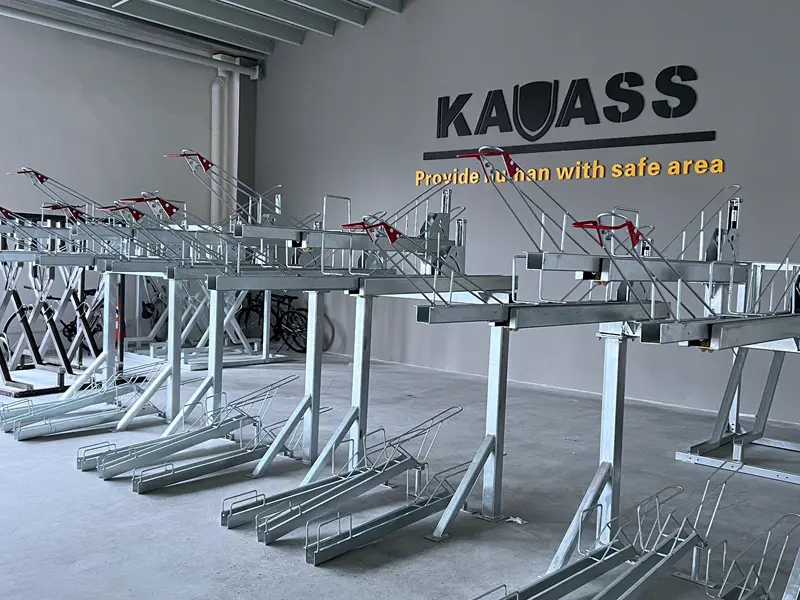
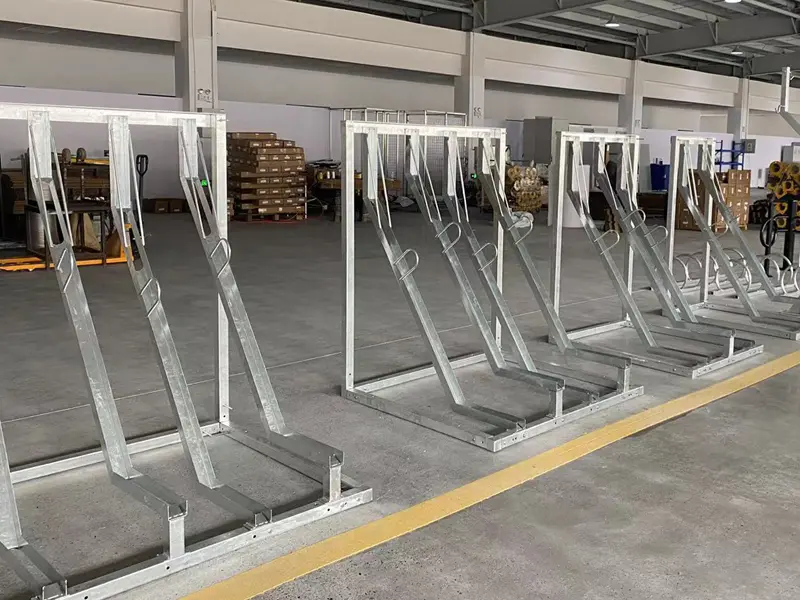
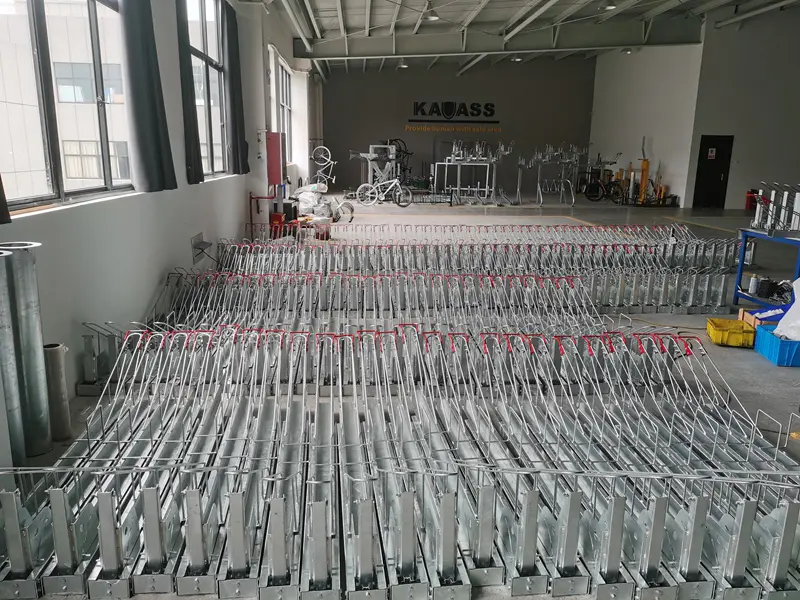
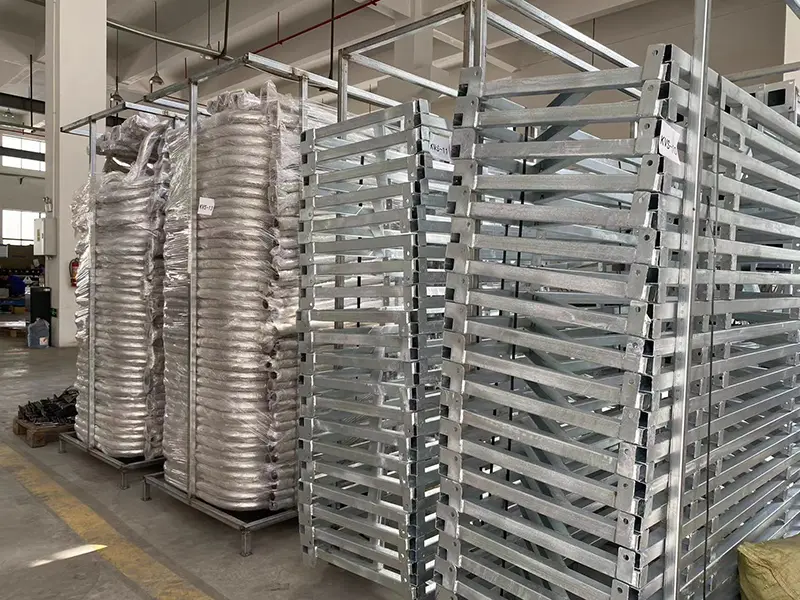
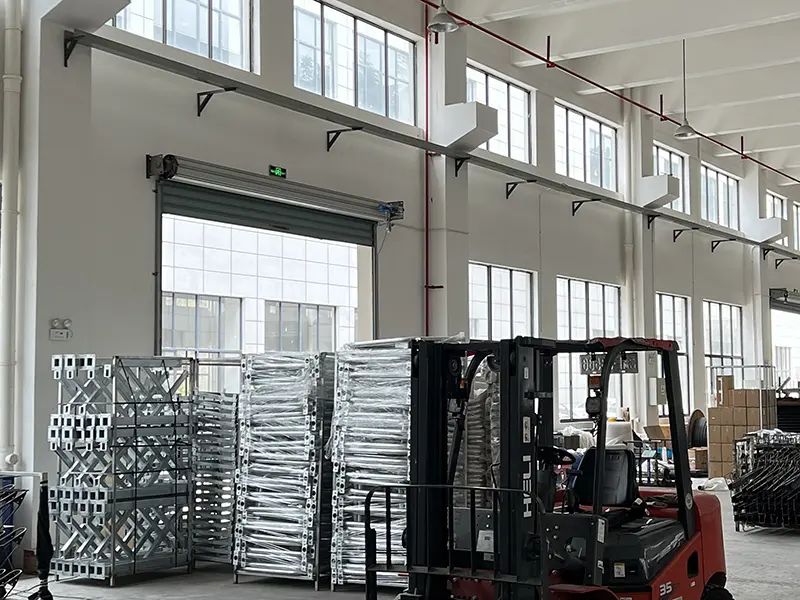
KAVASS Security Tech Limited has established long-term cooperation with industrial customers in more than 80 countries and regions, including Europe, the Middle East, Southeast Asia, and North and South America. Our experience in international markets allows us to better understand local standards, project requirements, and customer expectations.
Driven by a commitment to quality, practicality, and continuous improvement, KAVASS aims to deliver products that combine functionality with long-term value. We strive to support our partners with reliable solutions that enhance safety, optimize space management, and contribute to more efficient urban and industrial environments.
From initial blueprinting to final quality checks, our engineering teams assist procurement managers in developing bespoke containment and facility protection layouts. By working closely with logistics companies and chemical distribution centers, we can supply storage solutions customized to specific chemical volumes, loading methods, and spatial footprints.
Additionally, our production plants are certified under international manufacturing protocols, enabling us to guarantee traceability for all structural components, including structural steels, locks, fire-rated seals, and anti-corrosive powder finishes.
How evolving international fire standards, automation, and industrial IoT are shaping the next generation of safe chemical containment.
Modern storage containers are increasingly incorporating IoT-enabled temperature sensors, leak-detection telemetry, and automated ventilation controls. This allows warehouse managers to monitor interior storage conditions in real time, preventing vapor build-ups before they reach dangerous lower explosive limits (LEL).
Environmental standards now demand the use of zero-VOC, heavy-duty powder coatings that resist corrosive chemical splashes without degrading. Modern OEM factories are migrating to electrostatic processes that ensure uniform surface protection while reducing hazardous waste during manufacturing.
For operations requiring substantial storage volumes, modular, walk-in external containers provide isolated hazmat storage away from primary production areas. This approach helps facilities meet strict fire separation distance requirements without major structural alterations.
Answers to common engineering, regulatory compliance, and installation questions from procurement managers and safety engineers.
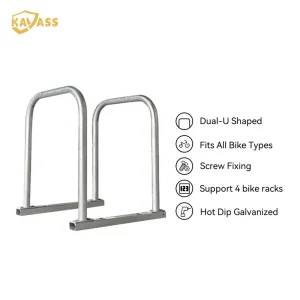
Complementary physical security solutions engineered by our factories to provide a multi-layered defense system for industrial sites.
Contact our engineering support team for detailed CAD layouts, compliance assessments, and direct factory pricing on our safety solutions.
Get A Quote & Consultation KAVASS